Search Results
Search this site
1750 results found with an empty search
- Eli Stowers
← Back to NFL Draft Big Board Eli Stowers Vanderbilt HT: 6040 WT: 225 YR: SR POS: TE OVR RK 93 POS RK CEILING POTENTIAL KEY STRENGTHS Elite After-Catch Ability Positional Versatility Vertical Explosiveness KEY CONCERNS Limited In-Line Usage Blocking Leverage Frame Concerns PLAYSTYLE & SCHEME FIT Eli Stowers is a dynamic, movement-based “F” tight end with explosive run-after-catch ability and strong vertical seam value who projects as a mismatch weapon in modern spread or 12-personnel offenses. A quarterback convert with high-end fluidity, he wins with acceleration off the line, smooth hips through breaks, and natural hands away from his frame. He consistently generates chunk plays on crossers, screens, and seams, stressing linebackers in coverage and creating yardage after contact. While he competes as a blocker and shows positional effort in space, his lean frame and inconsistent aggression limit his in-line ceiling. Stowers profiles best as a receiving-focused TE2 early in his career with clear starter upside if his route precision and blocking strength continue to develop. PLAYER COMPARISON: CEILING GRADE ANALYSIS Mid-Level Starter Potential (60-64) A solid, dependable starter with the potential to exceed expectations. They have good athleticism and tools but may lack elite traits. While they show flashes of high-level play, they also have some notable weaknesses that must be developed. These players often need 2-3 years to establish themselves. Primary scout: Brandon Lundberg Football Scout 365 NFL Draft Grade Scale Football Scout 365 grades reflect a prospect’s projected long-term NFL value and role. Draft ranges are general value projections, not predictions of an exact selection. Positional value, team needs, scheme fit, medical information and athletic testing can influence where a player is ultimately selected. How Football Scout 365 Grades NFL Draft Prospects Elite (75+): A rare, high-impact prospect with elite physical tools, advanced football intelligence and the ability to make an immediate NFL impact. Elite prospects carry franchise-altering potential and typically project as top 5–10 selections in the first round. Near Elite (70–74): A high-caliber prospect with outstanding physical tools, strong football intelligence and only minor developmental limitations. Near Elite prospects project as significant early-career contributors with Pro Bowl upside and first-round draft value. High-End Starter Potential (65–69): A starting-caliber prospect with strong physical tools, quality technical skills and a defined NFL role. These players may require development before reaching their ceiling but generally carry second- or third-round draft value. Mid-Level Starter Potential (60–64): A solid prospect with NFL-level tools and a pathway to becoming a dependable starter if key limitations are addressed. These players generally carry third- to fifth-round draft value. Low-Level Starter Potential (55–59): A developmental prospect who could become a low-end starter, high-end backup or valuable specialist in the right role. These players generally carry fifth- to seventh-round draft value. Backup Level (50–54): A depth or rotational prospect with enough functional ability to compete for an NFL roster spot but limited long-term starting potential. These players generally project as late Day 3 selections or priority undrafted free agents. Not NFL Level (Below 50): A developmental or camp prospect who does not currently demonstrate enough consistency, technical refinement or functional NFL traits to project as a regular contributor. These players generally project as undrafted free agents, practice-squad candidates or camp invitations. Draft position can vary based on positional value, team needs, scheme fit, medical evaluation and athletic testing.
- Zach Wilson
Wilson has been stellar in 2020 following an injury-riddled 2019 season. He is catching a lot of buzz in 2020 due to his high level of play. But the competition he has faced is not on the level of Lawrence or Justin Fields, which is why I was not as high on him. Times have changed, and after further review of his player skillset and watching his tape, I have warmed up to Wilson's upside and potential. ← Back to NFL Draft Big Board Zach Wilson BYU HT: 6030 WT: 210 YR: JR POS: QB OVR RK 5 POS RK CEILING POTENTIAL 3 KEY STRENGTHS KEY CONCERNS PLAYSTYLE & SCHEME FIT Wilson has been stellar in 2020 following an injury-riddled 2019 season. He is catching a lot of buzz in 2020 due to his high level of play. But the competition he has faced is not on the level of Lawrence or Justin Fields, which is why I was not as high on him. Times have changed, and after further review of his player skillset and watching his tape, I have warmed up to Wilson's upside and potential. PLAYER COMPARISON: CEILING GRADE ANALYSIS Mid-Level Starter Potential (60-64) A solid, dependable starter with the potential to exceed expectations. They have good athleticism and tools but may lack elite traits. While they show flashes of high-level play, they also have some notable weaknesses that must be developed. These players often need 2-3 years to establish themselves. Primary scout: Brandon Lundberg Football Scout 365 NFL Draft Grade Scale Football Scout 365 grades reflect a prospect’s projected long-term NFL value and role. Draft ranges are general value projections, not predictions of an exact selection. Positional value, team needs, scheme fit, medical information and athletic testing can influence where a player is ultimately selected. How Football Scout 365 Grades NFL Draft Prospects Elite (75+): A rare, high-impact prospect with elite physical tools, advanced football intelligence and the ability to make an immediate NFL impact. Elite prospects carry franchise-altering potential and typically project as top 5–10 selections in the first round. Near Elite (70–74): A high-caliber prospect with outstanding physical tools, strong football intelligence and only minor developmental limitations. Near Elite prospects project as significant early-career contributors with Pro Bowl upside and first-round draft value. High-End Starter Potential (65–69): A starting-caliber prospect with strong physical tools, quality technical skills and a defined NFL role. These players may require development before reaching their ceiling but generally carry second- or third-round draft value. Mid-Level Starter Potential (60–64): A solid prospect with NFL-level tools and a pathway to becoming a dependable starter if key limitations are addressed. These players generally carry third- to fifth-round draft value. Low-Level Starter Potential (55–59): A developmental prospect who could become a low-end starter, high-end backup or valuable specialist in the right role. These players generally carry fifth- to seventh-round draft value. Backup Level (50–54): A depth or rotational prospect with enough functional ability to compete for an NFL roster spot but limited long-term starting potential. These players generally project as late Day 3 selections or priority undrafted free agents. Not NFL Level (Below 50): A developmental or camp prospect who does not currently demonstrate enough consistency, technical refinement or functional NFL traits to project as a regular contributor. These players generally project as undrafted free agents, practice-squad candidates or camp invitations. Draft position can vary based on positional value, team needs, scheme fit, medical evaluation and athletic testing.
- Josh Simmons
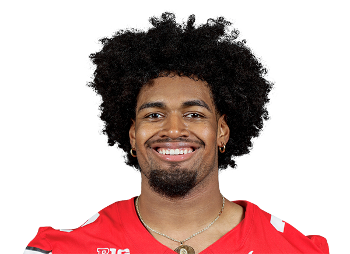
← Back to NFL Draft Big Board Josh Simmons Ohio State HT: 6050 WT: 310 YR: SR POS: OT OVR RK 25 POS RK CEILING POTENTIAL 4 KEY STRENGTHS Excellent Foot Quickness Refined Pass Pro Positional Versatility KEY CONCERNS Upper-Body Strength Struggles Against Twists & Stunts Penalties & Inconsistency PLAYSTYLE & SCHEME FIT Josh Simmons is an athletic, fluid-moving tackle with good foot quickness, balance, and hand activity. He offers positional versatility, having started games at both left and right tackle, but will need refinement to handle NFL edge rushers consistently. His pass protection ability stands out, as he operates with a natural feel for pocket depth and excellent lateral mobility to protect the edge. While Simmons can mirror speed rushers effectively, he still struggles against power, often catching defenders instead of delivering a firm punch. His season-ending knee injury raises concerns regarding durability, and his inconsistent recognition of twists and stunts needs improvement. He projects best as a zone-scheme left tackle or a right tackle in a movement-based offense, but he may require a redshirt rookie year to fully recover and refine his play strength. PLAYER COMPARISON: CEILING GRADE ANALYSIS High-End Starter Potential (65-69) A player expected to become a top-tier starter within their first few years. They possess strong physical tools and good technical skills but may have some limitations in their game. With development, they can reach near-elite levels and provide consistent impact at their position. Primary scout: Brandon Lundberg Football Scout 365 NFL Draft Grade Scale Football Scout 365 grades reflect a prospect’s projected long-term NFL value and role. Draft ranges are general value projections, not predictions of an exact selection. Positional value, team needs, scheme fit, medical information and athletic testing can influence where a player is ultimately selected. How Football Scout 365 Grades NFL Draft Prospects Elite (75+): A rare, high-impact prospect with elite physical tools, advanced football intelligence and the ability to make an immediate NFL impact. Elite prospects carry franchise-altering potential and typically project as top 5–10 selections in the first round. Near Elite (70–74): A high-caliber prospect with outstanding physical tools, strong football intelligence and only minor developmental limitations. Near Elite prospects project as significant early-career contributors with Pro Bowl upside and first-round draft value. High-End Starter Potential (65–69): A starting-caliber prospect with strong physical tools, quality technical skills and a defined NFL role. These players may require development before reaching their ceiling but generally carry second- or third-round draft value. Mid-Level Starter Potential (60–64): A solid prospect with NFL-level tools and a pathway to becoming a dependable starter if key limitations are addressed. These players generally carry third- to fifth-round draft value. Low-Level Starter Potential (55–59): A developmental prospect who could become a low-end starter, high-end backup or valuable specialist in the right role. These players generally carry fifth- to seventh-round draft value. Backup Level (50–54): A depth or rotational prospect with enough functional ability to compete for an NFL roster spot but limited long-term starting potential. These players generally project as late Day 3 selections or priority undrafted free agents. Not NFL Level (Below 50): A developmental or camp prospect who does not currently demonstrate enough consistency, technical refinement or functional NFL traits to project as a regular contributor. These players generally project as undrafted free agents, practice-squad candidates or camp invitations. Draft position can vary based on positional value, team needs, scheme fit, medical evaluation and athletic testing.
- LT Overton
← Back to NFL Draft Big Board LT Overton Alabama HT: 6050 WT: 283 YR: JR POS: ED OVR RK 72 POS RK CEILING POTENTIAL KEY STRENGTHS Prototype size Alignment versatility Strong edge setter KEY CONCERNS Inconsistent pad level Develop pass-rush plan Change-of-direction PLAYSTYLE & SCHEME FIT Overton is a power-based, multi-front defensive lineman with prototype size, length, and edge-setting ability. At 6’5”, 280 pounds with nearly 34” arms, he brings a rare blend of frame, strength, and alignment versatility, capable of playing 5-tech, 4i, or reducing inside on passing downs. He excels as an early-down edge setter, using heavy hands and strong anchor ability to control tight ends and tackles while compressing run lanes. As a pass rusher, his production has been solid but not dominant, relying heavily on bull rush and long-arm power rather than elite bend or dynamic cornering ability. He projects best as a base defensive end in even fronts or a strong-side 5-tech in odd fronts, with three-down starter upside if his counter game and pad-level consistency improve. PLAYER COMPARISON: CEILING GRADE ANALYSIS High-End Starter Potential (65-69) A player expected to become a top-tier starter within their first few years. They possess strong physical tools and good technical skills but may have some limitations in their game. With development, they can reach near-elite levels and provide consistent impact at their position. Primary scout: Brandon Lundberg Football Scout 365 NFL Draft Grade Scale Football Scout 365 grades reflect a prospect’s projected long-term NFL value and role. Draft ranges are general value projections, not predictions of an exact selection. Positional value, team needs, scheme fit, medical information and athletic testing can influence where a player is ultimately selected. How Football Scout 365 Grades NFL Draft Prospects Elite (75+): A rare, high-impact prospect with elite physical tools, advanced football intelligence and the ability to make an immediate NFL impact. Elite prospects carry franchise-altering potential and typically project as top 5–10 selections in the first round. Near Elite (70–74): A high-caliber prospect with outstanding physical tools, strong football intelligence and only minor developmental limitations. Near Elite prospects project as significant early-career contributors with Pro Bowl upside and first-round draft value. High-End Starter Potential (65–69): A starting-caliber prospect with strong physical tools, quality technical skills and a defined NFL role. These players may require development before reaching their ceiling but generally carry second- or third-round draft value. Mid-Level Starter Potential (60–64): A solid prospect with NFL-level tools and a pathway to becoming a dependable starter if key limitations are addressed. These players generally carry third- to fifth-round draft value. Low-Level Starter Potential (55–59): A developmental prospect who could become a low-end starter, high-end backup or valuable specialist in the right role. These players generally carry fifth- to seventh-round draft value. Backup Level (50–54): A depth or rotational prospect with enough functional ability to compete for an NFL roster spot but limited long-term starting potential. These players generally project as late Day 3 selections or priority undrafted free agents. Not NFL Level (Below 50): A developmental or camp prospect who does not currently demonstrate enough consistency, technical refinement or functional NFL traits to project as a regular contributor. These players generally project as undrafted free agents, practice-squad candidates or camp invitations. Draft position can vary based on positional value, team needs, scheme fit, medical evaluation and athletic testing.
- Garrett Wilson
Wilson is a dynamic player who possesses excellent after-the-catch playmaking ability. He is a strong-handed receiver who plays with very good body control and, at times, showcases an ability to make a back-shoulder catch look easy. He is a natural separator but can sometimes round off his routes, relying on his speed to bail him out. His ability to track a football is also very good, though he has lacked concentration at times leading to an occasional drop of a catchable ball. He is a natural off-ball receiver who can play in the slot or the Z. He needs to improve his overall strength at the NFL level to play consistently on the ball where physical corners might give him issues. At Ohio State, Wilson ran a lot of underneath routes and routes nearest the line of scrimmage to use his after-the-catch skills in space. He can provide deep ball versatility at the NFL level and will benefit early on in his career in an offense that can blend the horizontal and vertical pass game off of play-action. Wilson is an adequate run blocker, a vital skill to earn playing time at Ohio State. The Ohio State coaches are always adamant about the receivers possessing good run blocking skills, using Terry Mclaurin as a constant effort example when coaching the receivers. Wilson is also a player who can instantly impact as a punt returner. ← Back to NFL Draft Big Board Garrett Wilson Ohio State HT: 6000 WT: 192 YR: JR POS: WR OVR RK 17 POS RK CEILING POTENTIAL 3 KEY STRENGTHS KEY CONCERNS PLAYSTYLE & SCHEME FIT Wilson is a dynamic player who possesses excellent after-the-catch playmaking ability. He is a strong-handed receiver who plays with very good body control and, at times, showcases an ability to make a back-shoulder catch look easy. He is a natural separator but can sometimes round off his routes, relying on his speed to bail him out. His ability to track a football is also very good, though he has lacked concentration at times leading to an occasional drop of a catchable ball. He is a natural off-ball receiver who can play in the slot or the Z. He needs to improve his overall strength at the NFL level to play consistently on the ball where physical corners might give him issues. At Ohio State, Wilson ran a lot of underneath routes and routes nearest the line of scrimmage to use his after-the-catch skills in space. He can provide deep ball versatility at the NFL level and will benefit early on in his career in an offense that can blend the horizontal and vertical pass game off of play-action. Wilson is an adequate run blocker, a vital skill to earn playing time at Ohio State. The Ohio State coaches are always adamant about the receivers possessing good run blocking skills, using Terry Mclaurin as a constant effort example when coaching the receivers. Wilson is also a player who can instantly impact as a punt returner. PLAYER COMPARISON: CEILING GRADE ANALYSIS Near Elite (70-74) A high-caliber prospect who is expected to become a significant contributor by Year 2. These players have outstanding physical tools and strong football IQ, with only minor flaws in their game. They demonstrate consistency at a high level and project as future Pro Bowl-caliber players if properly developed. Primary scout: Brandon Lundberg Football Scout 365 NFL Draft Grade Scale Football Scout 365 grades reflect a prospect’s projected long-term NFL value and role. Draft ranges are general value projections, not predictions of an exact selection. Positional value, team needs, scheme fit, medical information and athletic testing can influence where a player is ultimately selected. How Football Scout 365 Grades NFL Draft Prospects Elite (75+): A rare, high-impact prospect with elite physical tools, advanced football intelligence and the ability to make an immediate NFL impact. Elite prospects carry franchise-altering potential and typically project as top 5–10 selections in the first round. Near Elite (70–74): A high-caliber prospect with outstanding physical tools, strong football intelligence and only minor developmental limitations. Near Elite prospects project as significant early-career contributors with Pro Bowl upside and first-round draft value. High-End Starter Potential (65–69): A starting-caliber prospect with strong physical tools, quality technical skills and a defined NFL role. These players may require development before reaching their ceiling but generally carry second- or third-round draft value. Mid-Level Starter Potential (60–64): A solid prospect with NFL-level tools and a pathway to becoming a dependable starter if key limitations are addressed. These players generally carry third- to fifth-round draft value. Low-Level Starter Potential (55–59): A developmental prospect who could become a low-end starter, high-end backup or valuable specialist in the right role. These players generally carry fifth- to seventh-round draft value. Backup Level (50–54): A depth or rotational prospect with enough functional ability to compete for an NFL roster spot but limited long-term starting potential. These players generally project as late Day 3 selections or priority undrafted free agents. Not NFL Level (Below 50): A developmental or camp prospect who does not currently demonstrate enough consistency, technical refinement or functional NFL traits to project as a regular contributor. These players generally project as undrafted free agents, practice-squad candidates or camp invitations. Draft position can vary based on positional value, team needs, scheme fit, medical evaluation and athletic testing.
- Parker Washington
Parker Washington provides elite versatility. He projects as a slot receiver at the next level, and if paired with a creative offensive mind, he will be fun to watch on jet sweeps and out of the backfield. His after-the-catch ability is where Washington will make his money in the league. Getting the ball to him in space where he can make defenders miss in one-on-one situations is why you draft a player like Washington. To become an elite WR1 in the NFL, he will need to continue diversifying his route running. ← Back to NFL Draft Big Board Parker Washington Penn State HT: 5095 WT: 204 YR: RSO POS: WR OVR RK 94 POS RK CEILING POTENTIAL 14 KEY STRENGTHS After The Catch Ball Skills Special Teams KEY CONCERNS Route Tree Built Like RB Ceiling PLAYSTYLE & SCHEME FIT Washington's versatility is another aspect of his game that would be valuable to an NFL team. He has experience lining up both inside and outside, allowing him to create mismatches against different defenders. His quickness and route running make him a natural fit for the slot, where he can use his agility and change of direction skills to create separation from defenders. He is also comfortable playing on the outside, where his speed and ability to stretch the field can open up opportunities for other receivers. PLAYER COMPARISON: CEILING GRADE ANALYSIS Low-Level Starter Potential (55-59) A player with the upside to be a low-end starter or high-level backup within a couple of seasons. While they have solid physical tools, inconsistencies in technique, processing, or durability limit their ceiling. They are developmental prospects who may carve out a role as specialists or system fits. Primary scout: Brandon Lundberg Football Scout 365 NFL Draft Grade Scale Football Scout 365 grades reflect a prospect’s projected long-term NFL value and role. Draft ranges are general value projections, not predictions of an exact selection. Positional value, team needs, scheme fit, medical information and athletic testing can influence where a player is ultimately selected. How Football Scout 365 Grades NFL Draft Prospects Elite (75+): A rare, high-impact prospect with elite physical tools, advanced football intelligence and the ability to make an immediate NFL impact. Elite prospects carry franchise-altering potential and typically project as top 5–10 selections in the first round. Near Elite (70–74): A high-caliber prospect with outstanding physical tools, strong football intelligence and only minor developmental limitations. Near Elite prospects project as significant early-career contributors with Pro Bowl upside and first-round draft value. High-End Starter Potential (65–69): A starting-caliber prospect with strong physical tools, quality technical skills and a defined NFL role. These players may require development before reaching their ceiling but generally carry second- or third-round draft value. Mid-Level Starter Potential (60–64): A solid prospect with NFL-level tools and a pathway to becoming a dependable starter if key limitations are addressed. These players generally carry third- to fifth-round draft value. Low-Level Starter Potential (55–59): A developmental prospect who could become a low-end starter, high-end backup or valuable specialist in the right role. These players generally carry fifth- to seventh-round draft value. Backup Level (50–54): A depth or rotational prospect with enough functional ability to compete for an NFL roster spot but limited long-term starting potential. These players generally project as late Day 3 selections or priority undrafted free agents. Not NFL Level (Below 50): A developmental or camp prospect who does not currently demonstrate enough consistency, technical refinement or functional NFL traits to project as a regular contributor. These players generally project as undrafted free agents, practice-squad candidates or camp invitations. Draft position can vary based on positional value, team needs, scheme fit, medical evaluation and athletic testing.
- Damien Martinez
← Back to NFL Draft Big Board Damien Martinez Miami HT: 6000 WT: 232 YR: JR POS: RB OVR RK 99 POS RK CEILING POTENTIAL 10 KEY STRENGTHS Elite Contact Balance Powerful, Physical Runner Good Vision & Patience KEY CONCERNS Lacks Elite Long Speed Slow to Gather Weight on Cuts Pass Protection Needs Work PLAYSTYLE & SCHEME FIT Martinez is a physical, downhill runner with excellent contact balance, vision, and power. His compact, dense frame allows him to finish through contact, and he has surprising lateral agility for his size. While he lacks elite top-end speed, he makes up for it with tackle-breaking ability and patience. Best suited for a power/gap-heavy rushing scheme, but can be effective in inside-zone concepts as well. With improved pass protection, he has the potential to become a lead back in a power-oriented rushing attack. PLAYER COMPARISON: CEILING GRADE ANALYSIS Mid-Level Starter Potential (60-64) A solid, dependable starter with the potential to exceed expectations. They have good athleticism and tools but may lack elite traits. While they show flashes of high-level play, they also have some notable weaknesses that must be developed. These players often need 2-3 years to establish themselves. Primary scout: Brandon Lundberg Football Scout 365 NFL Draft Grade Scale Football Scout 365 grades reflect a prospect’s projected long-term NFL value and role. Draft ranges are general value projections, not predictions of an exact selection. Positional value, team needs, scheme fit, medical information and athletic testing can influence where a player is ultimately selected. How Football Scout 365 Grades NFL Draft Prospects Elite (75+): A rare, high-impact prospect with elite physical tools, advanced football intelligence and the ability to make an immediate NFL impact. Elite prospects carry franchise-altering potential and typically project as top 5–10 selections in the first round. Near Elite (70–74): A high-caliber prospect with outstanding physical tools, strong football intelligence and only minor developmental limitations. Near Elite prospects project as significant early-career contributors with Pro Bowl upside and first-round draft value. High-End Starter Potential (65–69): A starting-caliber prospect with strong physical tools, quality technical skills and a defined NFL role. These players may require development before reaching their ceiling but generally carry second- or third-round draft value. Mid-Level Starter Potential (60–64): A solid prospect with NFL-level tools and a pathway to becoming a dependable starter if key limitations are addressed. These players generally carry third- to fifth-round draft value. Low-Level Starter Potential (55–59): A developmental prospect who could become a low-end starter, high-end backup or valuable specialist in the right role. These players generally carry fifth- to seventh-round draft value. Backup Level (50–54): A depth or rotational prospect with enough functional ability to compete for an NFL roster spot but limited long-term starting potential. These players generally project as late Day 3 selections or priority undrafted free agents. Not NFL Level (Below 50): A developmental or camp prospect who does not currently demonstrate enough consistency, technical refinement or functional NFL traits to project as a regular contributor. These players generally project as undrafted free agents, practice-squad candidates or camp invitations. Draft position can vary based on positional value, team needs, scheme fit, medical evaluation and athletic testing.
- Tyler Shelvin
Brilliant against the run will take on single and double teams with the same enthusiasm. High motor player but needs to develop more as a pass rusher. ← Back to NFL Draft Big Board Tyler Shelvin LSU HT: 6030 WT: 362 YR: RJR POS: IDL OVR RK 84 POS RK CEILING POTENTIAL 7 KEY STRENGTHS KEY CONCERNS PLAYSTYLE & SCHEME FIT Brilliant against the run will take on single and double teams with the same enthusiasm. High motor player but needs to develop more as a pass rusher. PLAYER COMPARISON: CEILING GRADE ANALYSIS Low-Level Starter Potential (55-59) A player with the upside to be a low-end starter or high-level backup within a couple of seasons. While they have solid physical tools, inconsistencies in technique, processing, or durability limit their ceiling. They are developmental prospects who may carve out a role as specialists or system fits. Primary scout: Brandon Lundberg Football Scout 365 NFL Draft Grade Scale Football Scout 365 grades reflect a prospect’s projected long-term NFL value and role. Draft ranges are general value projections, not predictions of an exact selection. Positional value, team needs, scheme fit, medical information and athletic testing can influence where a player is ultimately selected. How Football Scout 365 Grades NFL Draft Prospects Elite (75+): A rare, high-impact prospect with elite physical tools, advanced football intelligence and the ability to make an immediate NFL impact. Elite prospects carry franchise-altering potential and typically project as top 5–10 selections in the first round. Near Elite (70–74): A high-caliber prospect with outstanding physical tools, strong football intelligence and only minor developmental limitations. Near Elite prospects project as significant early-career contributors with Pro Bowl upside and first-round draft value. High-End Starter Potential (65–69): A starting-caliber prospect with strong physical tools, quality technical skills and a defined NFL role. These players may require development before reaching their ceiling but generally carry second- or third-round draft value. Mid-Level Starter Potential (60–64): A solid prospect with NFL-level tools and a pathway to becoming a dependable starter if key limitations are addressed. These players generally carry third- to fifth-round draft value. Low-Level Starter Potential (55–59): A developmental prospect who could become a low-end starter, high-end backup or valuable specialist in the right role. These players generally carry fifth- to seventh-round draft value. Backup Level (50–54): A depth or rotational prospect with enough functional ability to compete for an NFL roster spot but limited long-term starting potential. These players generally project as late Day 3 selections or priority undrafted free agents. Not NFL Level (Below 50): A developmental or camp prospect who does not currently demonstrate enough consistency, technical refinement or functional NFL traits to project as a regular contributor. These players generally project as undrafted free agents, practice-squad candidates or camp invitations. Draft position can vary based on positional value, team needs, scheme fit, medical evaluation and athletic testing.
- Gregory Rousseau
A long player who can slide inside when needed. He is not yet fully developed, but his upside is what scouts might be eyeing. He uses quick hands to disengage with blockers and can set the edge and force runs back inside. He does need to work on his strength at the next level. He was a high school WR, which explains his hand usage and his raw ability as an edge defender. His pass-rush ability might be more suited on the inside rather than trying to win the edge. He is an outstanding prospect who has the NFL size and ability to develop into an impactful starter. Another item to keep in mind, he only has one year as a starter, injured in 2018, and sat out 2020. ← Back to NFL Draft Big Board Gregory Rousseau Miami HT: 6050 WT: 260 YR: RSO POS: ED OVR RK 36 POS RK CEILING POTENTIAL 5 KEY STRENGTHS KEY CONCERNS PLAYSTYLE & SCHEME FIT A long player who can slide inside when needed. He is not yet fully developed, but his upside is what scouts might be eyeing. He uses quick hands to disengage with blockers and can set the edge and force runs back inside. He does need to work on his strength at the next level. He was a high school WR, which explains his hand usage and his raw ability as an edge defender. His pass-rush ability might be more suited on the inside rather than trying to win the edge. He is an outstanding prospect who has the NFL size and ability to develop into an impactful starter. Another item to keep in mind, he only has one year as a starter, injured in 2018, and sat out 2020. PLAYER COMPARISON: CEILING GRADE ANALYSIS High-End Starter Potential (65-69) A player expected to become a top-tier starter within their first few years. They possess strong physical tools and good technical skills but may have some limitations in their game. With development, they can reach near-elite levels and provide consistent impact at their position. Primary scout: Brandon Lundberg Football Scout 365 NFL Draft Grade Scale Football Scout 365 grades reflect a prospect’s projected long-term NFL value and role. Draft ranges are general value projections, not predictions of an exact selection. Positional value, team needs, scheme fit, medical information and athletic testing can influence where a player is ultimately selected. How Football Scout 365 Grades NFL Draft Prospects Elite (75+): A rare, high-impact prospect with elite physical tools, advanced football intelligence and the ability to make an immediate NFL impact. Elite prospects carry franchise-altering potential and typically project as top 5–10 selections in the first round. Near Elite (70–74): A high-caliber prospect with outstanding physical tools, strong football intelligence and only minor developmental limitations. Near Elite prospects project as significant early-career contributors with Pro Bowl upside and first-round draft value. High-End Starter Potential (65–69): A starting-caliber prospect with strong physical tools, quality technical skills and a defined NFL role. These players may require development before reaching their ceiling but generally carry second- or third-round draft value. Mid-Level Starter Potential (60–64): A solid prospect with NFL-level tools and a pathway to becoming a dependable starter if key limitations are addressed. These players generally carry third- to fifth-round draft value. Low-Level Starter Potential (55–59): A developmental prospect who could become a low-end starter, high-end backup or valuable specialist in the right role. These players generally carry fifth- to seventh-round draft value. Backup Level (50–54): A depth or rotational prospect with enough functional ability to compete for an NFL roster spot but limited long-term starting potential. These players generally project as late Day 3 selections or priority undrafted free agents. Not NFL Level (Below 50): A developmental or camp prospect who does not currently demonstrate enough consistency, technical refinement or functional NFL traits to project as a regular contributor. These players generally project as undrafted free agents, practice-squad candidates or camp invitations. Draft position can vary based on positional value, team needs, scheme fit, medical evaluation and athletic testing.
- Sam Howell
Sam Howell entered the 2021 college football season as the top QB on many big boards but did not have the year many expected him to have. After a solid 2020 season, Howell lost his two primary receivers and the best one-two punch RB combination in college football. At 6-1 220lbs, Howell has a similar stature to Baker Mayfield. He is an outstanding athlete who can use his legs to move the sticks or keep a play alive. He possesses key traits NFL scouts and GM's are looking for in today's QB, but in 2021. Howell improved his ability to go through progressions year over year in the passing game even though UNC relies on a lot of RPO's. He displays poise in the pocket, and he will stand in and make a tough throw with a defender bearing down on him. He throws the football with good zip and good, not elite arm strength. He can use different arm angles when needed and drive a football into a smaller window. In the run game, Howell can be an asset as a runner. He can move the sticks in key moments, but he might sometimes rely on his legs too early, moving with happy feet when the pressure is imminent. Overall, he must improve decision-making and do a better job hanging in the pocket longer, sidestepping pressure when possible rather than taking off too early. ← Back to NFL Draft Big Board Sam Howell UNC HT: 6010 WT: 225 YR: JR POS: QB OVR RK 79 POS RK CEILING POTENTIAL 6 KEY STRENGTHS KEY CONCERNS PLAYSTYLE & SCHEME FIT Sam Howell entered the 2021 college football season as the top QB on many big boards but did not have the year many expected him to have. After a solid 2020 season, Howell lost his two primary receivers and the best one-two punch RB combination in college football. At 6-1 220lbs, Howell has a similar stature to Baker Mayfield. He is an outstanding athlete who can use his legs to move the sticks or keep a play alive. He possesses key traits NFL scouts and GM's are looking for in today's QB, but in 2021. Howell improved his ability to go through progressions year over year in the passing game even though UNC relies on a lot of RPO's. He displays poise in the pocket, and he will stand in and make a tough throw with a defender bearing down on him. He throws the football with good zip and good, not elite arm strength. He can use different arm angles when needed and drive a football into a smaller window. In the run game, Howell can be an asset as a runner. He can move the sticks in key moments, but he might sometimes rely on his legs too early, moving with happy feet when the pressure is imminent. Overall, he must improve decision-making and do a better job hanging in the pocket longer, sidestepping pressure when possible rather than taking off too early. PLAYER COMPARISON: CEILING GRADE ANALYSIS Mid-Level Starter Potential (60-64) A solid, dependable starter with the potential to exceed expectations. They have good athleticism and tools but may lack elite traits. While they show flashes of high-level play, they also have some notable weaknesses that must be developed. These players often need 2-3 years to establish themselves. Primary scout: Brandon Lundberg Football Scout 365 NFL Draft Grade Scale Football Scout 365 grades reflect a prospect’s projected long-term NFL value and role. Draft ranges are general value projections, not predictions of an exact selection. Positional value, team needs, scheme fit, medical information and athletic testing can influence where a player is ultimately selected. How Football Scout 365 Grades NFL Draft Prospects Elite (75+): A rare, high-impact prospect with elite physical tools, advanced football intelligence and the ability to make an immediate NFL impact. Elite prospects carry franchise-altering potential and typically project as top 5–10 selections in the first round. Near Elite (70–74): A high-caliber prospect with outstanding physical tools, strong football intelligence and only minor developmental limitations. Near Elite prospects project as significant early-career contributors with Pro Bowl upside and first-round draft value. High-End Starter Potential (65–69): A starting-caliber prospect with strong physical tools, quality technical skills and a defined NFL role. These players may require development before reaching their ceiling but generally carry second- or third-round draft value. Mid-Level Starter Potential (60–64): A solid prospect with NFL-level tools and a pathway to becoming a dependable starter if key limitations are addressed. These players generally carry third- to fifth-round draft value. Low-Level Starter Potential (55–59): A developmental prospect who could become a low-end starter, high-end backup or valuable specialist in the right role. These players generally carry fifth- to seventh-round draft value. Backup Level (50–54): A depth or rotational prospect with enough functional ability to compete for an NFL roster spot but limited long-term starting potential. These players generally project as late Day 3 selections or priority undrafted free agents. Not NFL Level (Below 50): A developmental or camp prospect who does not currently demonstrate enough consistency, technical refinement or functional NFL traits to project as a regular contributor. These players generally project as undrafted free agents, practice-squad candidates or camp invitations. Draft position can vary based on positional value, team needs, scheme fit, medical evaluation and athletic testing.
- Fantasy Football Analysis, Rankings & Dynasty Superflex Strategy
Fantasy football rankings, player analysis, draft strategy, waiver wire targets, team fits, and matchup insights built through a scouting-first football lens. FANTASY FOOTBALL ANALYSIS Jeremiyah Love Dynasty Rookie Profile – Fantasy Football 2026 Jeremiyah Love enters the 2026 fantasy football season as a premium Cardinals rookie running back with three-down upside, elite draft capital, and RB1 dynasty value. Brandon Lundberg Jul 13 Carnell Tate Dynasty Rookie Profile – Fantasy Football 2026 Carnell Tate enters the 2026 fantasy football season as a polished Titans rookie wide receiver with route-running skill, strong draft capital, and long-term WR2 dynasty upside. Brandon Lundberg Jun 26 Fernando Mendoza Dynasty Rookie Profile – Fantasy Football 2026 Fernando Mendoza dynasty rookie profile for 2026 fantasy football, including Raiders outlook, Superflex value, rookie projection, scouting report, and dynasty ranking. Brandon Lundberg Jun 18 2026 Dynasty SuperFlex Rankings: Full Tiered Breakdown 2026 Dynasty SuperFlex Rankings for 2QB leagues featuring tiered player values, age-based dynasty context, Keep/Trade labels, Dynasty Scores, and full Fantasy Hub access. Brandon Lundberg Jun 11 2026 Dynasty Rookie Rankings for Superflex Leagues 2026 Dynasty Fantasy Football Rookie Rankings for Superflex .5 PPR leagues, featuring film-based scouting, NFL Draft capital, team fit, scheme fit, player comparisons, and quick analysis for the top 36 rookies in the class. Brandon Lundberg May 1 1 2 3 4 5
- Braden Fiske
Braden Fiske shows promise primarily as an interior pass rusher with immediate impact potential, particularly in a 4-3 defensive scheme. However, for him to elevate his game to an every-down player, he will need to address his weaknesses in run defense. His age as a 24-year-old rookie could also be considered by NFL teams during the draft process. With a good showing at the Senior Bowl and the NFL Combine, Fiske has positioned himself as a likely Day 3 draft pick with the potential to move up to mid-to-late Day 2 with strong pre-draft workouts and interviews. ← Back to NFL Draft Big Board Braden Fiske Florida State HT: 6050 WT: 300 YR: SR POS: IDL OVR RK 40 POS RK CEILING POTENTIAL 3 KEY STRENGTHS High Motor Pass Rusher Quick First Step Good Leverage/Hand Use KEY CONCERNS Average Arm Length Struggles vs. Mauler IOL Anchor Strength PLAYSTYLE & SCHEME FIT Braden Fiske excels as a three-technique in a 4-3 defense, primarily used as an interior pass rusher due to his speed, explosiveness, and ability to disrupt the quarterback. However, he needs to improve his run defense to become a more rounded three-down player. His natural pad level, agility, and active hands make him dangerous in pass rush but struggles against the run due to a lack of length and mass. PLAYER COMPARISON: CEILING GRADE ANALYSIS High-End Starter Potential (65-69) A player expected to become a top-tier starter within their first few years. They possess strong physical tools and good technical skills but may have some limitations in their game. With development, they can reach near-elite levels and provide consistent impact at their position. Primary scout: Brandon Lundberg Football Scout 365 NFL Draft Grade Scale Football Scout 365 grades reflect a prospect’s projected long-term NFL value and role. Draft ranges are general value projections, not predictions of an exact selection. Positional value, team needs, scheme fit, medical information and athletic testing can influence where a player is ultimately selected. How Football Scout 365 Grades NFL Draft Prospects Elite (75+): A rare, high-impact prospect with elite physical tools, advanced football intelligence and the ability to make an immediate NFL impact. Elite prospects carry franchise-altering potential and typically project as top 5–10 selections in the first round. Near Elite (70–74): A high-caliber prospect with outstanding physical tools, strong football intelligence and only minor developmental limitations. Near Elite prospects project as significant early-career contributors with Pro Bowl upside and first-round draft value. High-End Starter Potential (65–69): A starting-caliber prospect with strong physical tools, quality technical skills and a defined NFL role. These players may require development before reaching their ceiling but generally carry second- or third-round draft value. Mid-Level Starter Potential (60–64): A solid prospect with NFL-level tools and a pathway to becoming a dependable starter if key limitations are addressed. These players generally carry third- to fifth-round draft value. Low-Level Starter Potential (55–59): A developmental prospect who could become a low-end starter, high-end backup or valuable specialist in the right role. These players generally carry fifth- to seventh-round draft value. Backup Level (50–54): A depth or rotational prospect with enough functional ability to compete for an NFL roster spot but limited long-term starting potential. These players generally project as late Day 3 selections or priority undrafted free agents. Not NFL Level (Below 50): A developmental or camp prospect who does not currently demonstrate enough consistency, technical refinement or functional NFL traits to project as a regular contributor. These players generally project as undrafted free agents, practice-squad candidates or camp invitations. Draft position can vary based on positional value, team needs, scheme fit, medical evaluation and athletic testing.