Search Results
Search this site
1750 results found with an empty search
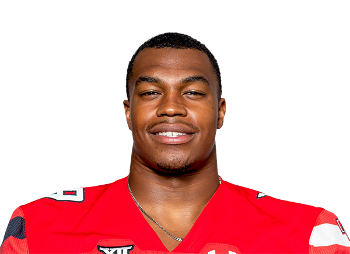
- Tyree Wilson
At 6-6 275lbs, Wilson possesses excellent size and length for the position. He is a powerful and explosive pass rusher, utilizing his strength and quickness to get around offensive linemen and pressure the quarterback. Wilson is also a solid run defender, using his size and strength to set the edge and make tackles. While he may need to continue to refine his technique and develop more pass rush moves, Wilson has the potential to be a productive defensive lineman at the NFL level. ← Back to NFL Draft Big Board Tyree Wilson Texas Tech HT: 6061 WT: 271 YR: SR POS: ED OVR RK 6 POS RK CEILING POTENTIAL 2 KEY STRENGTHS Physical Versatile Length KEY CONCERNS Quickness Technique Consistency PLAYSTYLE & SCHEME FIT In terms of scheme fit at the NFL level, Wilson could potentially play in a 4-3 or 3-4 defense as a defensive end or outside linebacker, depending on the team's needs and defensive philosophy. His versatility and ability to play multiple positions could be valuable in any defensive scheme. PLAYER COMPARISON: CEILING GRADE ANALYSIS Near Elite (70-74) A high-caliber prospect who is expected to become a significant contributor by Year 2. These players have outstanding physical tools and strong football IQ, with only minor flaws in their game. They demonstrate consistency at a high level and project as future Pro Bowl-caliber players if properly developed. Primary scout: Brandon Lundberg Football Scout 365 NFL Draft Grade Scale Football Scout 365 grades reflect a prospect’s projected long-term NFL value and role. Draft ranges are general value projections, not predictions of an exact selection. Positional value, team needs, scheme fit, medical information and athletic testing can influence where a player is ultimately selected. How Football Scout 365 Grades NFL Draft Prospects Elite (75+): A rare, high-impact prospect with elite physical tools, advanced football intelligence and the ability to make an immediate NFL impact. Elite prospects carry franchise-altering potential and typically project as top 5–10 selections in the first round. Near Elite (70–74): A high-caliber prospect with outstanding physical tools, strong football intelligence and only minor developmental limitations. Near Elite prospects project as significant early-career contributors with Pro Bowl upside and first-round draft value. High-End Starter Potential (65–69): A starting-caliber prospect with strong physical tools, quality technical skills and a defined NFL role. These players may require development before reaching their ceiling but generally carry second- or third-round draft value. Mid-Level Starter Potential (60–64): A solid prospect with NFL-level tools and a pathway to becoming a dependable starter if key limitations are addressed. These players generally carry third- to fifth-round draft value. Low-Level Starter Potential (55–59): A developmental prospect who could become a low-end starter, high-end backup or valuable specialist in the right role. These players generally carry fifth- to seventh-round draft value. Backup Level (50–54): A depth or rotational prospect with enough functional ability to compete for an NFL roster spot but limited long-term starting potential. These players generally project as late Day 3 selections or priority undrafted free agents. Not NFL Level (Below 50): A developmental or camp prospect who does not currently demonstrate enough consistency, technical refinement or functional NFL traits to project as a regular contributor. These players generally project as undrafted free agents, practice-squad candidates or camp invitations. Draft position can vary based on positional value, team needs, scheme fit, medical evaluation and athletic testing.
- Zakee Wheatley
← Back to NFL Draft Big Board Zakee Wheatley Penn State HT: 6020 WT: 200 YR: SR POS: S OVR RK 49 POS RK CEILING POTENTIAL KEY STRENGTHS Range & Play Speed Instincts & Ball Skills Single-High Value KEY CONCERNS Tackling Consistency Play-Action Discipline Physicality vs. TEs PLAYSTYLE & SCHEME FIT Wheatley is a rangy, instinctive single-high safety with high-end starter potential, capable of anchoring the back end of an NFL defense. He consistently finds the football with elite range, strong ball tracking, and disciplined zone awareness. Best deployed as a post safety in Cover 1 or Cover 3, Wheatley excels when allowed to read the quarterback, overlap routes, and erase vertical threats. While he is an aggressive run supporter, occasional over-eagerness and tackling technique variance show up when he triggers downhill. PLAYER COMPARISON: CEILING GRADE ANALYSIS High-End Starter Potential (65-69) A player expected to become a top-tier starter within their first few years. They possess strong physical tools and good technical skills but may have some limitations in their game. With development, they can reach near-elite levels and provide consistent impact at their position. Primary scout: Brandon Lundberg Football Scout 365 NFL Draft Grade Scale Football Scout 365 grades reflect a prospect’s projected long-term NFL value and role. Draft ranges are general value projections, not predictions of an exact selection. Positional value, team needs, scheme fit, medical information and athletic testing can influence where a player is ultimately selected. How Football Scout 365 Grades NFL Draft Prospects Elite (75+): A rare, high-impact prospect with elite physical tools, advanced football intelligence and the ability to make an immediate NFL impact. Elite prospects carry franchise-altering potential and typically project as top 5–10 selections in the first round. Near Elite (70–74): A high-caliber prospect with outstanding physical tools, strong football intelligence and only minor developmental limitations. Near Elite prospects project as significant early-career contributors with Pro Bowl upside and first-round draft value. High-End Starter Potential (65–69): A starting-caliber prospect with strong physical tools, quality technical skills and a defined NFL role. These players may require development before reaching their ceiling but generally carry second- or third-round draft value. Mid-Level Starter Potential (60–64): A solid prospect with NFL-level tools and a pathway to becoming a dependable starter if key limitations are addressed. These players generally carry third- to fifth-round draft value. Low-Level Starter Potential (55–59): A developmental prospect who could become a low-end starter, high-end backup or valuable specialist in the right role. These players generally carry fifth- to seventh-round draft value. Backup Level (50–54): A depth or rotational prospect with enough functional ability to compete for an NFL roster spot but limited long-term starting potential. These players generally project as late Day 3 selections or priority undrafted free agents. Not NFL Level (Below 50): A developmental or camp prospect who does not currently demonstrate enough consistency, technical refinement or functional NFL traits to project as a regular contributor. These players generally project as undrafted free agents, practice-squad candidates or camp invitations. Draft position can vary based on positional value, team needs, scheme fit, medical evaluation and athletic testing.
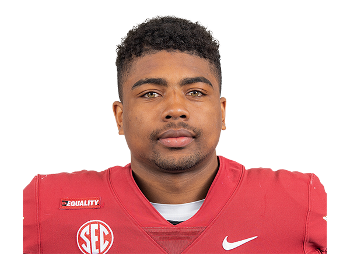
- Treylon Burks
Burks is physical at 6-3, 225lbs. He displays reliable hands; he can high point the football and excels in 50/50 situations. Burks is not a nuanced route runner, an area he must work to improve at the NFL level. He plays a high percentage in the slot where he gets a free release, but he needs to be more comfortable playing on the outside when required in the NFL. He could play predominantly in the slot, but that limits his versatility, especially as a bigger player that coordinators can move around to gain a mismatch. Burks has experienced issues gaining separation early in his routes, which is one reason he has played in the slot. When lined up out wide, he will need to rely on his ability to box out and make 50/50 plays vs. a defender, something that will be far more difficult in the NFL. ← Back to NFL Draft Big Board Treylon Burks Arkansas HT: 6030 WT: 225 YR: JR POS: WR OVR RK 34 POS RK CEILING POTENTIAL 7 KEY STRENGTHS KEY CONCERNS PLAYSTYLE & SCHEME FIT Burks is physical at 6-3, 225lbs. He displays reliable hands; he can high point the football and excels in 50/50 situations. Burks is not a nuanced route runner, an area he must work to improve at the NFL level. He plays a high percentage in the slot where he gets a free release, but he needs to be more comfortable playing on the outside when required in the NFL. He could play predominantly in the slot, but that limits his versatility, especially as a bigger player that coordinators can move around to gain a mismatch. Burks has experienced issues gaining separation early in his routes, which is one reason he has played in the slot. When lined up out wide, he will need to rely on his ability to box out and make 50/50 plays vs. a defender, something that will be far more difficult in the NFL. PLAYER COMPARISON: CEILING GRADE ANALYSIS Near Elite (70-74) A high-caliber prospect who is expected to become a significant contributor by Year 2. These players have outstanding physical tools and strong football IQ, with only minor flaws in their game. They demonstrate consistency at a high level and project as future Pro Bowl-caliber players if properly developed. Primary scout: Brandon Lundberg Football Scout 365 NFL Draft Grade Scale Football Scout 365 grades reflect a prospect’s projected long-term NFL value and role. Draft ranges are general value projections, not predictions of an exact selection. Positional value, team needs, scheme fit, medical information and athletic testing can influence where a player is ultimately selected. How Football Scout 365 Grades NFL Draft Prospects Elite (75+): A rare, high-impact prospect with elite physical tools, advanced football intelligence and the ability to make an immediate NFL impact. Elite prospects carry franchise-altering potential and typically project as top 5–10 selections in the first round. Near Elite (70–74): A high-caliber prospect with outstanding physical tools, strong football intelligence and only minor developmental limitations. Near Elite prospects project as significant early-career contributors with Pro Bowl upside and first-round draft value. High-End Starter Potential (65–69): A starting-caliber prospect with strong physical tools, quality technical skills and a defined NFL role. These players may require development before reaching their ceiling but generally carry second- or third-round draft value. Mid-Level Starter Potential (60–64): A solid prospect with NFL-level tools and a pathway to becoming a dependable starter if key limitations are addressed. These players generally carry third- to fifth-round draft value. Low-Level Starter Potential (55–59): A developmental prospect who could become a low-end starter, high-end backup or valuable specialist in the right role. These players generally carry fifth- to seventh-round draft value. Backup Level (50–54): A depth or rotational prospect with enough functional ability to compete for an NFL roster spot but limited long-term starting potential. These players generally project as late Day 3 selections or priority undrafted free agents. Not NFL Level (Below 50): A developmental or camp prospect who does not currently demonstrate enough consistency, technical refinement or functional NFL traits to project as a regular contributor. These players generally project as undrafted free agents, practice-squad candidates or camp invitations. Draft position can vary based on positional value, team needs, scheme fit, medical evaluation and athletic testing.
- Teven Jenkins
← Back to NFL Draft Big Board Teven Jenkins Oklahoma State HT: 6060 WT: 315 YR: RSR POS: OT OVR RK 73 POS RK CEILING POTENTIAL 10 KEY STRENGTHS KEY CONCERNS PLAYSTYLE & SCHEME FIT PLAYER COMPARISON: CEILING GRADE ANALYSIS High-End Starter Potential (65-69) A player expected to become a top-tier starter within their first few years. They possess strong physical tools and good technical skills but may have some limitations in their game. With development, they can reach near-elite levels and provide consistent impact at their position. Primary scout: Brandon Lundberg Football Scout 365 NFL Draft Grade Scale Football Scout 365 grades reflect a prospect’s projected long-term NFL value and role. Draft ranges are general value projections, not predictions of an exact selection. Positional value, team needs, scheme fit, medical information and athletic testing can influence where a player is ultimately selected. How Football Scout 365 Grades NFL Draft Prospects Elite (75+): A rare, high-impact prospect with elite physical tools, advanced football intelligence and the ability to make an immediate NFL impact. Elite prospects carry franchise-altering potential and typically project as top 5–10 selections in the first round. Near Elite (70–74): A high-caliber prospect with outstanding physical tools, strong football intelligence and only minor developmental limitations. Near Elite prospects project as significant early-career contributors with Pro Bowl upside and first-round draft value. High-End Starter Potential (65–69): A starting-caliber prospect with strong physical tools, quality technical skills and a defined NFL role. These players may require development before reaching their ceiling but generally carry second- or third-round draft value. Mid-Level Starter Potential (60–64): A solid prospect with NFL-level tools and a pathway to becoming a dependable starter if key limitations are addressed. These players generally carry third- to fifth-round draft value. Low-Level Starter Potential (55–59): A developmental prospect who could become a low-end starter, high-end backup or valuable specialist in the right role. These players generally carry fifth- to seventh-round draft value. Backup Level (50–54): A depth or rotational prospect with enough functional ability to compete for an NFL roster spot but limited long-term starting potential. These players generally project as late Day 3 selections or priority undrafted free agents. Not NFL Level (Below 50): A developmental or camp prospect who does not currently demonstrate enough consistency, technical refinement or functional NFL traits to project as a regular contributor. These players generally project as undrafted free agents, practice-squad candidates or camp invitations. Draft position can vary based on positional value, team needs, scheme fit, medical evaluation and athletic testing.
- D'Wayne Eskridge
D'Wayne Eskridge, Senior wide receiver/return specialist, Western Michigan,...Eskridge played in all six games, led the nation with 213 all-purpose yards per game (130.7 receiving, 4.5 rushing and 77.3 returning kickoffs.) and scored two different ways – receiving and returning a kickoff. Known for his breakaway speed, Eskridge had touchdown receptions of 85, 76, 57, 51 and 49 yards and returned a kickoff 100 yards for a score. He made the Paul Hornung Award Weekly Honor Roll twice: in a win over Central Michigan when he caught four passes for 212 yards and three touchdowns and recovered two onside kicks late in the game; and in a win over Northern Illinois when he compiled 285 all-purpose yards and returned a kickoff for a touchdown. - The Louisville Sports Commission ← Back to NFL Draft Big Board D'Wayne Eskridge Western Michigan HT: 5090 WT: 189 YR: RSR POS: WR OVR RK 86 POS RK CEILING POTENTIAL 11 KEY STRENGTHS KEY CONCERNS PLAYSTYLE & SCHEME FIT D'Wayne Eskridge, Senior wide receiver/return specialist, Western Michigan,...Eskridge played in all six games, led the nation with 213 all-purpose yards per game (130.7 receiving, 4.5 rushing and 77.3 returning kickoffs.) and scored two different ways – receiving and returning a kickoff. Known for his breakaway speed, Eskridge had touchdown receptions of 85, 76, 57, 51 and 49 yards and returned a kickoff 100 yards for a score. He made the Paul Hornung Award Weekly Honor Roll twice: in a win over Central Michigan when he caught four passes for 212 yards and three touchdowns and recovered two onside kicks late in the game; and in a win over Northern Illinois when he compiled 285 all-purpose yards and returned a kickoff for a touchdown. - The Louisville Sports Commission PLAYER COMPARISON: CEILING GRADE ANALYSIS High-End Starter Potential (65-69) A player expected to become a top-tier starter within their first few years. They possess strong physical tools and good technical skills but may have some limitations in their game. With development, they can reach near-elite levels and provide consistent impact at their position. Primary scout: Brandon Lundberg Football Scout 365 NFL Draft Grade Scale Football Scout 365 grades reflect a prospect’s projected long-term NFL value and role. Draft ranges are general value projections, not predictions of an exact selection. Positional value, team needs, scheme fit, medical information and athletic testing can influence where a player is ultimately selected. How Football Scout 365 Grades NFL Draft Prospects Elite (75+): A rare, high-impact prospect with elite physical tools, advanced football intelligence and the ability to make an immediate NFL impact. Elite prospects carry franchise-altering potential and typically project as top 5–10 selections in the first round. Near Elite (70–74): A high-caliber prospect with outstanding physical tools, strong football intelligence and only minor developmental limitations. Near Elite prospects project as significant early-career contributors with Pro Bowl upside and first-round draft value. High-End Starter Potential (65–69): A starting-caliber prospect with strong physical tools, quality technical skills and a defined NFL role. These players may require development before reaching their ceiling but generally carry second- or third-round draft value. Mid-Level Starter Potential (60–64): A solid prospect with NFL-level tools and a pathway to becoming a dependable starter if key limitations are addressed. These players generally carry third- to fifth-round draft value. Low-Level Starter Potential (55–59): A developmental prospect who could become a low-end starter, high-end backup or valuable specialist in the right role. These players generally carry fifth- to seventh-round draft value. Backup Level (50–54): A depth or rotational prospect with enough functional ability to compete for an NFL roster spot but limited long-term starting potential. These players generally project as late Day 3 selections or priority undrafted free agents. Not NFL Level (Below 50): A developmental or camp prospect who does not currently demonstrate enough consistency, technical refinement or functional NFL traits to project as a regular contributor. These players generally project as undrafted free agents, practice-squad candidates or camp invitations. Draft position can vary based on positional value, team needs, scheme fit, medical evaluation and athletic testing.
- Jaelan Phillips
Phillips is an exciting prospect. He was a five-star recruit who had a lot of ability when he arrived at UCLA; he had a few injuries that sidelined him and forced him to retire from football. Phillips questioned his passion for the game at one point. Phillips un-retired and transferred to Miami to get a fresh start; he had an excellent 2020. Phillips is a physical player at 6-6 260 lbs. He shines when pass rushing and against the run. He is a versatile defender who has that rare blend of speed to power off the edge that is eye-opening. He can play with his hand in the dirt or a two-point. He can rush from the interior when needed, which adds to his versatility. The big questions are, does he love the game? Can he remain healthy, and his experience. He has the tools to be a high-impact NFL starter. ← Back to NFL Draft Big Board Jaelan Phillips Miami HT: 6050 WT: 258 YR: RJR POS: ED OVR RK 24 POS RK CEILING POTENTIAL 2 KEY STRENGTHS KEY CONCERNS PLAYSTYLE & SCHEME FIT Phillips is an exciting prospect. He was a five-star recruit who had a lot of ability when he arrived at UCLA; he had a few injuries that sidelined him and forced him to retire from football. Phillips questioned his passion for the game at one point. Phillips un-retired and transferred to Miami to get a fresh start; he had an excellent 2020. Phillips is a physical player at 6-6 260 lbs. He shines when pass rushing and against the run. He is a versatile defender who has that rare blend of speed to power off the edge that is eye-opening. He can play with his hand in the dirt or a two-point. He can rush from the interior when needed, which adds to his versatility. The big questions are, does he love the game? Can he remain healthy, and his experience. He has the tools to be a high-impact NFL starter. PLAYER COMPARISON: CEILING GRADE ANALYSIS High-End Starter Potential (65-69) A player expected to become a top-tier starter within their first few years. They possess strong physical tools and good technical skills but may have some limitations in their game. With development, they can reach near-elite levels and provide consistent impact at their position. Primary scout: Brandon Lundberg Football Scout 365 NFL Draft Grade Scale Football Scout 365 grades reflect a prospect’s projected long-term NFL value and role. Draft ranges are general value projections, not predictions of an exact selection. Positional value, team needs, scheme fit, medical information and athletic testing can influence where a player is ultimately selected. How Football Scout 365 Grades NFL Draft Prospects Elite (75+): A rare, high-impact prospect with elite physical tools, advanced football intelligence and the ability to make an immediate NFL impact. Elite prospects carry franchise-altering potential and typically project as top 5–10 selections in the first round. Near Elite (70–74): A high-caliber prospect with outstanding physical tools, strong football intelligence and only minor developmental limitations. Near Elite prospects project as significant early-career contributors with Pro Bowl upside and first-round draft value. High-End Starter Potential (65–69): A starting-caliber prospect with strong physical tools, quality technical skills and a defined NFL role. These players may require development before reaching their ceiling but generally carry second- or third-round draft value. Mid-Level Starter Potential (60–64): A solid prospect with NFL-level tools and a pathway to becoming a dependable starter if key limitations are addressed. These players generally carry third- to fifth-round draft value. Low-Level Starter Potential (55–59): A developmental prospect who could become a low-end starter, high-end backup or valuable specialist in the right role. These players generally carry fifth- to seventh-round draft value. Backup Level (50–54): A depth or rotational prospect with enough functional ability to compete for an NFL roster spot but limited long-term starting potential. These players generally project as late Day 3 selections or priority undrafted free agents. Not NFL Level (Below 50): A developmental or camp prospect who does not currently demonstrate enough consistency, technical refinement or functional NFL traits to project as a regular contributor. These players generally project as undrafted free agents, practice-squad candidates or camp invitations. Draft position can vary based on positional value, team needs, scheme fit, medical evaluation and athletic testing.
- Spencer Fano
← Back to NFL Draft Big Board Spencer Fano Utah HT: 6050 WT: 304 YR: JR POS: OT OVR RK 11 POS RK CEILING POTENTIAL KEY STRENGTHS Elite Run Blocking Athleticism in Space Position Versatility KEY CONCERNS Functional Strength Punch Timing Positional Fit Debate PLAYSTYLE & SCHEME FIT Fano is among the cleanest and highest-floor offensive tackle prospects in the 2026 class, combining run-blocking dominance with relentless effort, polished technique, and NFL-level athleticism. He is expected to be a Day 1 starter with versatile ability to play either tackle position, and he has the athletic profile to move inside to guard if needed. His ability to fire off the ball, climb to the second level, and sustain blocks makes him a strong run blocker right away, and his consistent performance gives evaluators confidence in his projection. The main questions concern a slightly lean frame and occasional hand-timing in pass protection, which might cause some teams to see him as a potential early guard conversion until he adds more functional strength. Overall, Fano projects as a first-round talent with Pro Bowl potential if he continues to develop his lower-body strength and refines his strike timing against power rushers. PLAYER COMPARISON: CEILING GRADE ANALYSIS Near Elite (70-74) A high-caliber prospect who is expected to become a significant contributor by Year 2. These players have outstanding physical tools and strong football IQ, with only minor flaws in their game. They demonstrate consistency at a high level and project as future Pro Bowl-caliber players if properly developed. Primary scout: Brandon Lundberg Football Scout 365 NFL Draft Grade Scale Football Scout 365 grades reflect a prospect’s projected long-term NFL value and role. Draft ranges are general value projections, not predictions of an exact selection. Positional value, team needs, scheme fit, medical information and athletic testing can influence where a player is ultimately selected. How Football Scout 365 Grades NFL Draft Prospects Elite (75+): A rare, high-impact prospect with elite physical tools, advanced football intelligence and the ability to make an immediate NFL impact. Elite prospects carry franchise-altering potential and typically project as top 5–10 selections in the first round. Near Elite (70–74): A high-caliber prospect with outstanding physical tools, strong football intelligence and only minor developmental limitations. Near Elite prospects project as significant early-career contributors with Pro Bowl upside and first-round draft value. High-End Starter Potential (65–69): A starting-caliber prospect with strong physical tools, quality technical skills and a defined NFL role. These players may require development before reaching their ceiling but generally carry second- or third-round draft value. Mid-Level Starter Potential (60–64): A solid prospect with NFL-level tools and a pathway to becoming a dependable starter if key limitations are addressed. These players generally carry third- to fifth-round draft value. Low-Level Starter Potential (55–59): A developmental prospect who could become a low-end starter, high-end backup or valuable specialist in the right role. These players generally carry fifth- to seventh-round draft value. Backup Level (50–54): A depth or rotational prospect with enough functional ability to compete for an NFL roster spot but limited long-term starting potential. These players generally project as late Day 3 selections or priority undrafted free agents. Not NFL Level (Below 50): A developmental or camp prospect who does not currently demonstrate enough consistency, technical refinement or functional NFL traits to project as a regular contributor. These players generally project as undrafted free agents, practice-squad candidates or camp invitations. Draft position can vary based on positional value, team needs, scheme fit, medical evaluation and athletic testing.
- Jahmyr Gibbs
Gibbs provides the Crimson Tide with a different type of back than they have trotted out in recent history. At 5-11 200lbs, Gibbs is not a player the Tide should depend on to bang out tough yards between the tackles. If Gibbs is deployed correctly, he is a versatile chess piece with big-play ability. He can make defenders miss with very little daylight and is explosive off the block. Once he enters the second level of the defense, good luck. ← Back to NFL Draft Big Board Jahmyr Gibbs Alabama HT: 5090 WT: 199 YR: JR POS: RB OVR RK 28 POS RK CEILING POTENTIAL 2 KEY STRENGTHS Vision Acceleration 3-Dwn Versatility KEY CONCERNS Pass Pro Size Route Tree PLAYSTYLE & SCHEME FIT Gibbs would be an excellent fit for an offense that emphasizes zone blocking and outside-zone runs. His patience and vision would allow him to read blocks and find running lanes, while his burst and acceleration would make him a dangerous runner on outside runs. He would also be a great fit for an offense that utilizes running backs in the passing game. PLAYER COMPARISON: CEILING GRADE ANALYSIS Near Elite (70-74) A high-caliber prospect who is expected to become a significant contributor by Year 2. These players have outstanding physical tools and strong football IQ, with only minor flaws in their game. They demonstrate consistency at a high level and project as future Pro Bowl-caliber players if properly developed. Primary scout: Brandon Lundberg Football Scout 365 NFL Draft Grade Scale Football Scout 365 grades reflect a prospect’s projected long-term NFL value and role. Draft ranges are general value projections, not predictions of an exact selection. Positional value, team needs, scheme fit, medical information and athletic testing can influence where a player is ultimately selected. How Football Scout 365 Grades NFL Draft Prospects Elite (75+): A rare, high-impact prospect with elite physical tools, advanced football intelligence and the ability to make an immediate NFL impact. Elite prospects carry franchise-altering potential and typically project as top 5–10 selections in the first round. Near Elite (70–74): A high-caliber prospect with outstanding physical tools, strong football intelligence and only minor developmental limitations. Near Elite prospects project as significant early-career contributors with Pro Bowl upside and first-round draft value. High-End Starter Potential (65–69): A starting-caliber prospect with strong physical tools, quality technical skills and a defined NFL role. These players may require development before reaching their ceiling but generally carry second- or third-round draft value. Mid-Level Starter Potential (60–64): A solid prospect with NFL-level tools and a pathway to becoming a dependable starter if key limitations are addressed. These players generally carry third- to fifth-round draft value. Low-Level Starter Potential (55–59): A developmental prospect who could become a low-end starter, high-end backup or valuable specialist in the right role. These players generally carry fifth- to seventh-round draft value. Backup Level (50–54): A depth or rotational prospect with enough functional ability to compete for an NFL roster spot but limited long-term starting potential. These players generally project as late Day 3 selections or priority undrafted free agents. Not NFL Level (Below 50): A developmental or camp prospect who does not currently demonstrate enough consistency, technical refinement or functional NFL traits to project as a regular contributor. These players generally project as undrafted free agents, practice-squad candidates or camp invitations. Draft position can vary based on positional value, team needs, scheme fit, medical evaluation and athletic testing.
- Kenyon Sadiq
← Back to NFL Draft Big Board Kenyon Sadiq Oregon HT: 6030 WT: 250 YR: JR POS: TE OVR RK 9 POS RK CEILING POTENTIAL KEY STRENGTHS Elite athletic profile Burst and acceleration Positional versatility KEY CONCERNS Route running precision Concentration drops In-line size limitations PLAYSTYLE & SCHEME FIT Kenyon Sadiq is a rare two-phase tight end whose blend of explosiveness, play strength, and alignment versatility gives him one of the highest ceilings in the 2026 class. His sudden burst and acceleration stress defenses up the seam and show up after the catch, while his competitive blocking temperament and sound leverage control give him legitimate three-down utility. He fits best in a multiple pro-style offense that features play-action and spacing concepts, allowing him to align in-line, in the slot, or detached to create matchup stress. While continued refinement in route detail and down-to-down consistency will shape his early learning curve, his athletic dominance and finishing ability project him as an instant-impact starter with legitimate Pro Bowl upside in the NFL. PLAYER COMPARISON: CEILING GRADE ANALYSIS Near Elite (70-74) A high-caliber prospect who is expected to become a significant contributor by Year 2. These players have outstanding physical tools and strong football IQ, with only minor flaws in their game. They demonstrate consistency at a high level and project as future Pro Bowl-caliber players if properly developed. Primary scout: Brandon Lundberg Football Scout 365 NFL Draft Grade Scale Football Scout 365 grades reflect a prospect’s projected long-term NFL value and role. Draft ranges are general value projections, not predictions of an exact selection. Positional value, team needs, scheme fit, medical information and athletic testing can influence where a player is ultimately selected. How Football Scout 365 Grades NFL Draft Prospects Elite (75+): A rare, high-impact prospect with elite physical tools, advanced football intelligence and the ability to make an immediate NFL impact. Elite prospects carry franchise-altering potential and typically project as top 5–10 selections in the first round. Near Elite (70–74): A high-caliber prospect with outstanding physical tools, strong football intelligence and only minor developmental limitations. Near Elite prospects project as significant early-career contributors with Pro Bowl upside and first-round draft value. High-End Starter Potential (65–69): A starting-caliber prospect with strong physical tools, quality technical skills and a defined NFL role. These players may require development before reaching their ceiling but generally carry second- or third-round draft value. Mid-Level Starter Potential (60–64): A solid prospect with NFL-level tools and a pathway to becoming a dependable starter if key limitations are addressed. These players generally carry third- to fifth-round draft value. Low-Level Starter Potential (55–59): A developmental prospect who could become a low-end starter, high-end backup or valuable specialist in the right role. These players generally carry fifth- to seventh-round draft value. Backup Level (50–54): A depth or rotational prospect with enough functional ability to compete for an NFL roster spot but limited long-term starting potential. These players generally project as late Day 3 selections or priority undrafted free agents. Not NFL Level (Below 50): A developmental or camp prospect who does not currently demonstrate enough consistency, technical refinement or functional NFL traits to project as a regular contributor. These players generally project as undrafted free agents, practice-squad candidates or camp invitations. Draft position can vary based on positional value, team needs, scheme fit, medical evaluation and athletic testing.
- Byron Young
← Back to NFL Draft Big Board Byron Young Tennessee HT: 6033 WT: 294 YR: SR POS: ED OVR RK 93 POS RK CEILING POTENTIAL 15 KEY STRENGTHS KEY CONCERNS PLAYSTYLE & SCHEME FIT PLAYER COMPARISON: CEILING GRADE ANALYSIS Mid-Level Starter Potential (60-64) A solid, dependable starter with the potential to exceed expectations. They have good athleticism and tools but may lack elite traits. While they show flashes of high-level play, they also have some notable weaknesses that must be developed. These players often need 2-3 years to establish themselves. Primary scout: Brandon Lundberg Football Scout 365 NFL Draft Grade Scale Football Scout 365 grades reflect a prospect’s projected long-term NFL value and role. Draft ranges are general value projections, not predictions of an exact selection. Positional value, team needs, scheme fit, medical information and athletic testing can influence where a player is ultimately selected. How Football Scout 365 Grades NFL Draft Prospects Elite (75+): A rare, high-impact prospect with elite physical tools, advanced football intelligence and the ability to make an immediate NFL impact. Elite prospects carry franchise-altering potential and typically project as top 5–10 selections in the first round. Near Elite (70–74): A high-caliber prospect with outstanding physical tools, strong football intelligence and only minor developmental limitations. Near Elite prospects project as significant early-career contributors with Pro Bowl upside and first-round draft value. High-End Starter Potential (65–69): A starting-caliber prospect with strong physical tools, quality technical skills and a defined NFL role. These players may require development before reaching their ceiling but generally carry second- or third-round draft value. Mid-Level Starter Potential (60–64): A solid prospect with NFL-level tools and a pathway to becoming a dependable starter if key limitations are addressed. These players generally carry third- to fifth-round draft value. Low-Level Starter Potential (55–59): A developmental prospect who could become a low-end starter, high-end backup or valuable specialist in the right role. These players generally carry fifth- to seventh-round draft value. Backup Level (50–54): A depth or rotational prospect with enough functional ability to compete for an NFL roster spot but limited long-term starting potential. These players generally project as late Day 3 selections or priority undrafted free agents. Not NFL Level (Below 50): A developmental or camp prospect who does not currently demonstrate enough consistency, technical refinement or functional NFL traits to project as a regular contributor. These players generally project as undrafted free agents, practice-squad candidates or camp invitations. Draft position can vary based on positional value, team needs, scheme fit, medical evaluation and athletic testing.
- Jevon Holland
Holland is known as a leader and a great communicator. He is an agile fluid player who can move into the slot when needed. Holland has CB skills at the safety position. His flexibility adds to his value. He could play corner in the NFL. ← Back to NFL Draft Big Board Jevon Holland Oregon HT: 6010 WT: 196 YR: JR POS: S OVR RK 37 POS RK CEILING POTENTIAL 1 KEY STRENGTHS KEY CONCERNS PLAYSTYLE & SCHEME FIT Holland is known as a leader and a great communicator. He is an agile fluid player who can move into the slot when needed. Holland has CB skills at the safety position. His flexibility adds to his value. He could play corner in the NFL. PLAYER COMPARISON: CEILING GRADE ANALYSIS Near Elite (70-74) A high-caliber prospect who is expected to become a significant contributor by Year 2. These players have outstanding physical tools and strong football IQ, with only minor flaws in their game. They demonstrate consistency at a high level and project as future Pro Bowl-caliber players if properly developed. Primary scout: Brandon Lundberg Football Scout 365 NFL Draft Grade Scale Football Scout 365 grades reflect a prospect’s projected long-term NFL value and role. Draft ranges are general value projections, not predictions of an exact selection. Positional value, team needs, scheme fit, medical information and athletic testing can influence where a player is ultimately selected. How Football Scout 365 Grades NFL Draft Prospects Elite (75+): A rare, high-impact prospect with elite physical tools, advanced football intelligence and the ability to make an immediate NFL impact. Elite prospects carry franchise-altering potential and typically project as top 5–10 selections in the first round. Near Elite (70–74): A high-caliber prospect with outstanding physical tools, strong football intelligence and only minor developmental limitations. Near Elite prospects project as significant early-career contributors with Pro Bowl upside and first-round draft value. High-End Starter Potential (65–69): A starting-caliber prospect with strong physical tools, quality technical skills and a defined NFL role. These players may require development before reaching their ceiling but generally carry second- or third-round draft value. Mid-Level Starter Potential (60–64): A solid prospect with NFL-level tools and a pathway to becoming a dependable starter if key limitations are addressed. These players generally carry third- to fifth-round draft value. Low-Level Starter Potential (55–59): A developmental prospect who could become a low-end starter, high-end backup or valuable specialist in the right role. These players generally carry fifth- to seventh-round draft value. Backup Level (50–54): A depth or rotational prospect with enough functional ability to compete for an NFL roster spot but limited long-term starting potential. These players generally project as late Day 3 selections or priority undrafted free agents. Not NFL Level (Below 50): A developmental or camp prospect who does not currently demonstrate enough consistency, technical refinement or functional NFL traits to project as a regular contributor. These players generally project as undrafted free agents, practice-squad candidates or camp invitations. Draft position can vary based on positional value, team needs, scheme fit, medical evaluation and athletic testing.
- Ladd McConkey
McConkey's ability to consistently create separation and his reliable hands place him as a High-End Starter Potential (65-69). With further development in strength and blocking, he has the potential to be a significant asset in a pass-heavy offense, particularly one that leverages his deep route running and agility. His skill set and play style draw comparisons to players like Hunter Renfrow, who have carved out significant roles as reliable and versatile receivers. ← Back to NFL Draft Big Board Ladd McConkey Georgia HT: 6000 WT: 185 YR: JR POS: WR OVR RK 28 POS RK CEILING POTENTIAL 8 KEY STRENGTHS Ball Tracking Hands Route Running KEY CONCERNS Physicality Blocking Size PLAYSTYLE & SCHEME FIT Ladd McConkey is a versatile wide receiver known for his route-running precision and ability to create separation. His agility and speed make him a threat in the open field, capable of turning short catches into significant gains. While he excels in the slot due to his quickness and understanding of defensive schemes, McConkey's ability to track the ball and his hands make him a reliable target on the outside as well. His run blocking is an area for improvement, suggesting a better fit in a spread offense that leverages his open-field abilities rather than a run-heavy scheme requiring extensive blocking from its receivers. PLAYER COMPARISON: CEILING GRADE ANALYSIS High-End Starter Potential (65-69) A player expected to become a top-tier starter within their first few years. They possess strong physical tools and good technical skills but may have some limitations in their game. With development, they can reach near-elite levels and provide consistent impact at their position. Primary scout: Brandon Lundberg Football Scout 365 NFL Draft Grade Scale Football Scout 365 grades reflect a prospect’s projected long-term NFL value and role. Draft ranges are general value projections, not predictions of an exact selection. Positional value, team needs, scheme fit, medical information and athletic testing can influence where a player is ultimately selected. How Football Scout 365 Grades NFL Draft Prospects Elite (75+): A rare, high-impact prospect with elite physical tools, advanced football intelligence and the ability to make an immediate NFL impact. Elite prospects carry franchise-altering potential and typically project as top 5–10 selections in the first round. Near Elite (70–74): A high-caliber prospect with outstanding physical tools, strong football intelligence and only minor developmental limitations. Near Elite prospects project as significant early-career contributors with Pro Bowl upside and first-round draft value. High-End Starter Potential (65–69): A starting-caliber prospect with strong physical tools, quality technical skills and a defined NFL role. These players may require development before reaching their ceiling but generally carry second- or third-round draft value. Mid-Level Starter Potential (60–64): A solid prospect with NFL-level tools and a pathway to becoming a dependable starter if key limitations are addressed. These players generally carry third- to fifth-round draft value. Low-Level Starter Potential (55–59): A developmental prospect who could become a low-end starter, high-end backup or valuable specialist in the right role. These players generally carry fifth- to seventh-round draft value. Backup Level (50–54): A depth or rotational prospect with enough functional ability to compete for an NFL roster spot but limited long-term starting potential. These players generally project as late Day 3 selections or priority undrafted free agents. Not NFL Level (Below 50): A developmental or camp prospect who does not currently demonstrate enough consistency, technical refinement or functional NFL traits to project as a regular contributor. These players generally project as undrafted free agents, practice-squad candidates or camp invitations. Draft position can vary based on positional value, team needs, scheme fit, medical evaluation and athletic testing.