Search Results
Search this site
1757 results found with an empty search
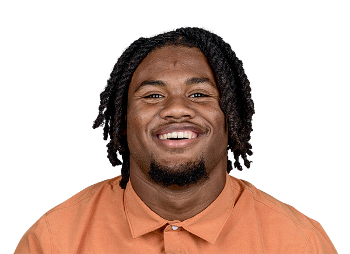
- Jaydon Blue
← Back to NFL Draft Big Board Jaydon Blue Texas HT: 6000 WT: 200 YR: JR POS: RB OVR RK 95 POS RK CEILING POTENTIAL 9 KEY STRENGTHS Top-End Speed Dynamic Receiving Ability Open-Field Elusiveness KEY CONCERNS Contact Balance Issues Spotty Vision & Decision-Making Pass Protection Deficiencies PLAYSTYLE & SCHEME FIT Blue is an explosive, big-play back who thrives in space and as a receiver out of the backfield. His track speed and agility make him a dangerous weapon in the open field, but he struggles with contact balance, ball security, and vision as a runner. He projects best in an outside zone or spread offense where he can maximize his athleticism and receiving skills. With improved pass protection, he could carve out a significant role as a third-down back early in his career. PLAYER COMPARISON: CEILING GRADE ANALYSIS Mid-Level Starter Potential (60-64) A solid, dependable starter with the potential to exceed expectations. They have good athleticism and tools but may lack elite traits. While they show flashes of high-level play, they also have some notable weaknesses that must be developed. These players often need 2-3 years to establish themselves. Primary scout: Brandon Lundberg Football Scout 365 NFL Draft Grade Scale Football Scout 365 grades reflect a prospect’s projected long-term NFL value and role. Draft ranges are general value projections, not predictions of an exact selection. Positional value, team needs, scheme fit, medical information and athletic testing can influence where a player is ultimately selected. How Football Scout 365 Grades NFL Draft Prospects Elite (75+): A rare, high-impact prospect with elite physical tools, advanced football intelligence and the ability to make an immediate NFL impact. Elite prospects carry franchise-altering potential and typically project as top 5–10 selections in the first round. Near Elite (70–74): A high-caliber prospect with outstanding physical tools, strong football intelligence and only minor developmental limitations. Near Elite prospects project as significant early-career contributors with Pro Bowl upside and first-round draft value. High-End Starter Potential (65–69): A starting-caliber prospect with strong physical tools, quality technical skills and a defined NFL role. These players may require development before reaching their ceiling but generally carry second- or third-round draft value. Mid-Level Starter Potential (60–64): A solid prospect with NFL-level tools and a pathway to becoming a dependable starter if key limitations are addressed. These players generally carry third- to fifth-round draft value. Low-Level Starter Potential (55–59): A developmental prospect who could become a low-end starter, high-end backup or valuable specialist in the right role. These players generally carry fifth- to seventh-round draft value. Backup Level (50–54): A depth or rotational prospect with enough functional ability to compete for an NFL roster spot but limited long-term starting potential. These players generally project as late Day 3 selections or priority undrafted free agents. Not NFL Level (Below 50): A developmental or camp prospect who does not currently demonstrate enough consistency, technical refinement or functional NFL traits to project as a regular contributor. These players generally project as undrafted free agents, practice-squad candidates or camp invitations. Draft position can vary based on positional value, team needs, scheme fit, medical evaluation and athletic testing.
- Nick Emmanwori
← Back to NFL Draft Big Board Nick Emmanwori South Carolina HT: 6030 WT: 227 YR: JR POS: S OVR RK 28 POS RK CEILING POTENTIAL 2 KEY STRENGTHS Elite Size & Physicality Strong Run Defender High-Level Zone Coverage KEY CONCERNS Tight Hips Limited Range Can Get Grabby PLAYSTYLE & SCHEME FIT Nick Emmanwori is a supersized, physical defensive back with a hybrid safety-linebacker skill set that allows him to match up against tight ends, play in the box, and contribute in zone coverage. His length, speed, and tackling ability make him a tone-setting presence against the run, while his range and ball skills add value in coverage. However, hip tightness and transition quickness limit his ability to be a true deep-field safety or slot coverage defender. Emmanwori’s best NFL fit is as a hybrid strong safety/linebacker in a multiple-front defense, particularly in big nickel packages or as a matchup weapon against athletic tight ends. PLAYER COMPARISON: CEILING GRADE ANALYSIS High-End Starter Potential (65-69) A player expected to become a top-tier starter within their first few years. They possess strong physical tools and good technical skills but may have some limitations in their game. With development, they can reach near-elite levels and provide consistent impact at their position. Primary scout: Brandon Lundberg Football Scout 365 NFL Draft Grade Scale Football Scout 365 grades reflect a prospect’s projected long-term NFL value and role. Draft ranges are general value projections, not predictions of an exact selection. Positional value, team needs, scheme fit, medical information and athletic testing can influence where a player is ultimately selected. How Football Scout 365 Grades NFL Draft Prospects Elite (75+): A rare, high-impact prospect with elite physical tools, advanced football intelligence and the ability to make an immediate NFL impact. Elite prospects carry franchise-altering potential and typically project as top 5–10 selections in the first round. Near Elite (70–74): A high-caliber prospect with outstanding physical tools, strong football intelligence and only minor developmental limitations. Near Elite prospects project as significant early-career contributors with Pro Bowl upside and first-round draft value. High-End Starter Potential (65–69): A starting-caliber prospect with strong physical tools, quality technical skills and a defined NFL role. These players may require development before reaching their ceiling but generally carry second- or third-round draft value. Mid-Level Starter Potential (60–64): A solid prospect with NFL-level tools and a pathway to becoming a dependable starter if key limitations are addressed. These players generally carry third- to fifth-round draft value. Low-Level Starter Potential (55–59): A developmental prospect who could become a low-end starter, high-end backup or valuable specialist in the right role. These players generally carry fifth- to seventh-round draft value. Backup Level (50–54): A depth or rotational prospect with enough functional ability to compete for an NFL roster spot but limited long-term starting potential. These players generally project as late Day 3 selections or priority undrafted free agents. Not NFL Level (Below 50): A developmental or camp prospect who does not currently demonstrate enough consistency, technical refinement or functional NFL traits to project as a regular contributor. These players generally project as undrafted free agents, practice-squad candidates or camp invitations. Draft position can vary based on positional value, team needs, scheme fit, medical evaluation and athletic testing.
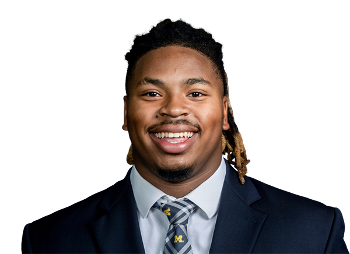
- Kris Jenkins
Kris Jenkins exhibits good positional strength and a high-effort approach to pass rushing, which serves him well both inside and potentially on the edge. His ability to fill holes, recover from cut blocks, and shed blockers to make plays shows a level of versatility and effectiveness against the run. While he has displayed some limitations in speed, closing speed in pursuit, and flexibility around the edge, his strengths in strength, initial quickness, and pass rushing ability contribute positively to his overall game and potential as a disruptive presence along the defensive front ← Back to NFL Draft Big Board Kris Jenkins Michigan HT: 6030 WT: 305 YR: SR POS: IDL OVR RK 49 POS RK CEILING POTENTIAL 5 KEY STRENGTHS Strength Initial Quickness High Motor KEY CONCERNS Pass Rush Plan Space Tackling Speed PLAYSTYLE & SCHEME FIT Kris Jenkins exhibits a robust and commanding presence on the defensive line, primarily thriving in run-stopping scenarios. His size and strength allow him to hold his position against double teams, making him a valuable asset in a 3-4 scheme as a nose tackle or as a 4-3 defensive tackle. Jenkins' ability to disrupt the running game and push the pocket is notable. However, his pass-rushing skills need refinement, and he may struggle in schemes requiring extensive pass coverage responsibilities. PLAYER COMPARISON: CEILING GRADE ANALYSIS High-End Starter Potential (65-69) A player expected to become a top-tier starter within their first few years. They possess strong physical tools and good technical skills but may have some limitations in their game. With development, they can reach near-elite levels and provide consistent impact at their position. Primary scout: Brandon Lundberg Football Scout 365 NFL Draft Grade Scale Football Scout 365 grades reflect a prospect’s projected long-term NFL value and role. Draft ranges are general value projections, not predictions of an exact selection. Positional value, team needs, scheme fit, medical information and athletic testing can influence where a player is ultimately selected. How Football Scout 365 Grades NFL Draft Prospects Elite (75+): A rare, high-impact prospect with elite physical tools, advanced football intelligence and the ability to make an immediate NFL impact. Elite prospects carry franchise-altering potential and typically project as top 5–10 selections in the first round. Near Elite (70–74): A high-caliber prospect with outstanding physical tools, strong football intelligence and only minor developmental limitations. Near Elite prospects project as significant early-career contributors with Pro Bowl upside and first-round draft value. High-End Starter Potential (65–69): A starting-caliber prospect with strong physical tools, quality technical skills and a defined NFL role. These players may require development before reaching their ceiling but generally carry second- or third-round draft value. Mid-Level Starter Potential (60–64): A solid prospect with NFL-level tools and a pathway to becoming a dependable starter if key limitations are addressed. These players generally carry third- to fifth-round draft value. Low-Level Starter Potential (55–59): A developmental prospect who could become a low-end starter, high-end backup or valuable specialist in the right role. These players generally carry fifth- to seventh-round draft value. Backup Level (50–54): A depth or rotational prospect with enough functional ability to compete for an NFL roster spot but limited long-term starting potential. These players generally project as late Day 3 selections or priority undrafted free agents. Not NFL Level (Below 50): A developmental or camp prospect who does not currently demonstrate enough consistency, technical refinement or functional NFL traits to project as a regular contributor. These players generally project as undrafted free agents, practice-squad candidates or camp invitations. Draft position can vary based on positional value, team needs, scheme fit, medical evaluation and athletic testing.
- Jeremiah Owusu-Koramoah
Koramoah fits the mold of today's new-aged LB. Gone are the days where you have two or three 240+ LB's. Koramoah fits the Patrick Queen or Devin Bush mold. As physical as he is fast, he is good in coverage and a very good open-field tackler. ← Back to NFL Draft Big Board Jeremiah Owusu-Koramoah Notre Dame HT: 6020 WT: 216 YR: RJR POS: LB OVR RK 14 POS RK CEILING POTENTIAL 2 KEY STRENGTHS KEY CONCERNS PLAYSTYLE & SCHEME FIT Koramoah fits the mold of today's new-aged LB. Gone are the days where you have two or three 240+ LB's. Koramoah fits the Patrick Queen or Devin Bush mold. As physical as he is fast, he is good in coverage and a very good open-field tackler. PLAYER COMPARISON: CEILING GRADE ANALYSIS High-End Starter Potential (65-69) A player expected to become a top-tier starter within their first few years. They possess strong physical tools and good technical skills but may have some limitations in their game. With development, they can reach near-elite levels and provide consistent impact at their position. Primary scout: Brandon Lundberg Football Scout 365 NFL Draft Grade Scale Football Scout 365 grades reflect a prospect’s projected long-term NFL value and role. Draft ranges are general value projections, not predictions of an exact selection. Positional value, team needs, scheme fit, medical information and athletic testing can influence where a player is ultimately selected. How Football Scout 365 Grades NFL Draft Prospects Elite (75+): A rare, high-impact prospect with elite physical tools, advanced football intelligence and the ability to make an immediate NFL impact. Elite prospects carry franchise-altering potential and typically project as top 5–10 selections in the first round. Near Elite (70–74): A high-caliber prospect with outstanding physical tools, strong football intelligence and only minor developmental limitations. Near Elite prospects project as significant early-career contributors with Pro Bowl upside and first-round draft value. High-End Starter Potential (65–69): A starting-caliber prospect with strong physical tools, quality technical skills and a defined NFL role. These players may require development before reaching their ceiling but generally carry second- or third-round draft value. Mid-Level Starter Potential (60–64): A solid prospect with NFL-level tools and a pathway to becoming a dependable starter if key limitations are addressed. These players generally carry third- to fifth-round draft value. Low-Level Starter Potential (55–59): A developmental prospect who could become a low-end starter, high-end backup or valuable specialist in the right role. These players generally carry fifth- to seventh-round draft value. Backup Level (50–54): A depth or rotational prospect with enough functional ability to compete for an NFL roster spot but limited long-term starting potential. These players generally project as late Day 3 selections or priority undrafted free agents. Not NFL Level (Below 50): A developmental or camp prospect who does not currently demonstrate enough consistency, technical refinement or functional NFL traits to project as a regular contributor. These players generally project as undrafted free agents, practice-squad candidates or camp invitations. Draft position can vary based on positional value, team needs, scheme fit, medical evaluation and athletic testing.
- Anton Harrison
Harrison has an impressive physical profile, with long arms and a large wingspan. He has good overall athleticism for his size, which allows him to move well in space and handle speed rushers on the edge. Harrison is a good athlete for his size, possessing quick feet and good balance. He has the agility and flexibility to mirror defenders and change direction quickly, and he can get to the second level and make blocks in space. ← Back to NFL Draft Big Board Anton Harrison Oklahoma HT: 6060 WT: 309 YR: JR POS: OT OVR RK 31 POS RK CEILING POTENTIAL 6 KEY STRENGTHS Physical Quick Feet Length KEY CONCERNS Strength Footwork Hand Placement PLAYSTYLE & SCHEME FIT PLAYER COMPARISON: CEILING GRADE ANALYSIS High-End Starter Potential (65-69) A player expected to become a top-tier starter within their first few years. They possess strong physical tools and good technical skills but may have some limitations in their game. With development, they can reach near-elite levels and provide consistent impact at their position. Primary scout: Brandon Lundberg Football Scout 365 NFL Draft Grade Scale Football Scout 365 grades reflect a prospect’s projected long-term NFL value and role. Draft ranges are general value projections, not predictions of an exact selection. Positional value, team needs, scheme fit, medical information and athletic testing can influence where a player is ultimately selected. How Football Scout 365 Grades NFL Draft Prospects Elite (75+): A rare, high-impact prospect with elite physical tools, advanced football intelligence and the ability to make an immediate NFL impact. Elite prospects carry franchise-altering potential and typically project as top 5–10 selections in the first round. Near Elite (70–74): A high-caliber prospect with outstanding physical tools, strong football intelligence and only minor developmental limitations. Near Elite prospects project as significant early-career contributors with Pro Bowl upside and first-round draft value. High-End Starter Potential (65–69): A starting-caliber prospect with strong physical tools, quality technical skills and a defined NFL role. These players may require development before reaching their ceiling but generally carry second- or third-round draft value. Mid-Level Starter Potential (60–64): A solid prospect with NFL-level tools and a pathway to becoming a dependable starter if key limitations are addressed. These players generally carry third- to fifth-round draft value. Low-Level Starter Potential (55–59): A developmental prospect who could become a low-end starter, high-end backup or valuable specialist in the right role. These players generally carry fifth- to seventh-round draft value. Backup Level (50–54): A depth or rotational prospect with enough functional ability to compete for an NFL roster spot but limited long-term starting potential. These players generally project as late Day 3 selections or priority undrafted free agents. Not NFL Level (Below 50): A developmental or camp prospect who does not currently demonstrate enough consistency, technical refinement or functional NFL traits to project as a regular contributor. These players generally project as undrafted free agents, practice-squad candidates or camp invitations. Draft position can vary based on positional value, team needs, scheme fit, medical evaluation and athletic testing.
- T.J. Parker
← Back to NFL Draft Big Board T.J. Parker Clemson HT: 6030 WT: 265 YR: JR POS: ED OVR RK 32 POS RK CEILING POTENTIAL KEY STRENGTHS Prototypical NFL frame Elite play strength High motor KEY CONCERNS Inconsistent first-step Pass-rush plan Disappears at times PLAYSTYLE & SCHEME FIT Parker is a power-based edge defender with NFL-ready strength, violent hands, and strong edge-setting ability. At 6’3”, 260 pounds with solid length and dense lower-body build, he wins with leverage, hand placement, and functional power rather than elite burst or bend. His 2024 season (11 sacks, 20 TFL, 6 forced fumbles) showcased true impact traits as a disruptive force capable of collapsing pockets and setting hard edges against the run. While his 2025 production dipped, his tape still reflects a high-floor defender who controls the point of attack and compresses the pocket with long-arm power. However, limited corner flexibility and inconsistent pass-rush sequencing cap his elite upside. Parker projects best as a starting 4-3 defensive end or 3-4 strong-side edge who can play heavy early downs and develop into a reliable three-down power rusher. PLAYER COMPARISON: CEILING GRADE ANALYSIS High-End Starter Potential (65-69) A player expected to become a top-tier starter within their first few years. They possess strong physical tools and good technical skills but may have some limitations in their game. With development, they can reach near-elite levels and provide consistent impact at their position. Primary scout: Brandon Lundberg Football Scout 365 NFL Draft Grade Scale Football Scout 365 grades reflect a prospect’s projected long-term NFL value and role. Draft ranges are general value projections, not predictions of an exact selection. Positional value, team needs, scheme fit, medical information and athletic testing can influence where a player is ultimately selected. How Football Scout 365 Grades NFL Draft Prospects Elite (75+): A rare, high-impact prospect with elite physical tools, advanced football intelligence and the ability to make an immediate NFL impact. Elite prospects carry franchise-altering potential and typically project as top 5–10 selections in the first round. Near Elite (70–74): A high-caliber prospect with outstanding physical tools, strong football intelligence and only minor developmental limitations. Near Elite prospects project as significant early-career contributors with Pro Bowl upside and first-round draft value. High-End Starter Potential (65–69): A starting-caliber prospect with strong physical tools, quality technical skills and a defined NFL role. These players may require development before reaching their ceiling but generally carry second- or third-round draft value. Mid-Level Starter Potential (60–64): A solid prospect with NFL-level tools and a pathway to becoming a dependable starter if key limitations are addressed. These players generally carry third- to fifth-round draft value. Low-Level Starter Potential (55–59): A developmental prospect who could become a low-end starter, high-end backup or valuable specialist in the right role. These players generally carry fifth- to seventh-round draft value. Backup Level (50–54): A depth or rotational prospect with enough functional ability to compete for an NFL roster spot but limited long-term starting potential. These players generally project as late Day 3 selections or priority undrafted free agents. Not NFL Level (Below 50): A developmental or camp prospect who does not currently demonstrate enough consistency, technical refinement or functional NFL traits to project as a regular contributor. These players generally project as undrafted free agents, practice-squad candidates or camp invitations. Draft position can vary based on positional value, team needs, scheme fit, medical evaluation and athletic testing.
- Drake Maye
In 2022, Drake Maye displayed undeniable clutch ability and high-ceiling potential. Maye's 2023 season reflected a quarterback with elite potential marred by inconsistencies and unfulfilled potential. His playing style and physical attributes draw comparisons to Justin Herbert, indicating significant upside with proper development. Despite fluctuations in performance, Maye possesses a powerful arm and high-level escapability in the pocket, drawing comparisons to Ben Roethlisberger. If he reaches his ceiling, he could become the top QB in this draft class. ← Back to NFL Draft Big Board Drake Maye North Carolina HT: 6040 WT: 225 YR: RSO POS: QB OVR RK 22 POS RK CEILING POTENTIAL 3 KEY STRENGTHS Improv Skills Short-Med Accuracy Mobility KEY CONCERNS Improve Deep Accuracy Not An Elusive Runner Stay In Structure PLAYSTYLE & SCHEME FIT Drake Maye is a dynamic quarterback with a strong arm and the ability to make plays both in and out of the pocket. His vision and ability to make off-script plays set him apart. Maye excels in a spread offense that allows him to utilize his mobility and improvisation skills. He is also capable of fitting into a pro-style system, thanks to his pocket awareness and progression reading. His play style is reminiscent of a mix between Patrick Mahomes for his off-script abilities and Joe Burrow for his pocket poise and accuracy. PLAYER COMPARISON: CEILING GRADE ANALYSIS High-End Starter Potential (65-69) A player expected to become a top-tier starter within their first few years. They possess strong physical tools and good technical skills but may have some limitations in their game. With development, they can reach near-elite levels and provide consistent impact at their position. Primary scout: Brandon Lundberg Football Scout 365 NFL Draft Grade Scale Football Scout 365 grades reflect a prospect’s projected long-term NFL value and role. Draft ranges are general value projections, not predictions of an exact selection. Positional value, team needs, scheme fit, medical information and athletic testing can influence where a player is ultimately selected. How Football Scout 365 Grades NFL Draft Prospects Elite (75+): A rare, high-impact prospect with elite physical tools, advanced football intelligence and the ability to make an immediate NFL impact. Elite prospects carry franchise-altering potential and typically project as top 5–10 selections in the first round. Near Elite (70–74): A high-caliber prospect with outstanding physical tools, strong football intelligence and only minor developmental limitations. Near Elite prospects project as significant early-career contributors with Pro Bowl upside and first-round draft value. High-End Starter Potential (65–69): A starting-caliber prospect with strong physical tools, quality technical skills and a defined NFL role. These players may require development before reaching their ceiling but generally carry second- or third-round draft value. Mid-Level Starter Potential (60–64): A solid prospect with NFL-level tools and a pathway to becoming a dependable starter if key limitations are addressed. These players generally carry third- to fifth-round draft value. Low-Level Starter Potential (55–59): A developmental prospect who could become a low-end starter, high-end backup or valuable specialist in the right role. These players generally carry fifth- to seventh-round draft value. Backup Level (50–54): A depth or rotational prospect with enough functional ability to compete for an NFL roster spot but limited long-term starting potential. These players generally project as late Day 3 selections or priority undrafted free agents. Not NFL Level (Below 50): A developmental or camp prospect who does not currently demonstrate enough consistency, technical refinement or functional NFL traits to project as a regular contributor. These players generally project as undrafted free agents, practice-squad candidates or camp invitations. Draft position can vary based on positional value, team needs, scheme fit, medical evaluation and athletic testing.
- Fantasy Football Waiver Wire Week 8: Who to Add — Jaxson Dart, Kyle Monangai, Alec Pierce & Oronde Gadsden II Top Must-Add Players
Fantasy Football Waiver Wire Week 8: Who to Add — Jaxson Dart, Kyle Monangai, Alec Pierce & Oronde Gadsden II Top Must-Add Players Week 8 is here, and by now, fantasy managers should know if they are contenders, making the playoffs, or in full crisis mode. Between injuries, key teams on bye, and backfields in flux, fantasy managers are scrambling to plug roster holes before the midseason push. Jump to Position Group QB | RB | WR | TE Quarterbacks Jaxson Dart (Giants) – 43% rostered Averaging 23.0 fantasy points per game over his last four starts, Dart has become a legit QB1 thanks to his dual-threat upside. He’s scored multiple touchdowns in every outing and faces a familiar Philadelphia defense he torched earlier this year. A must-add in any league he’s still available. Joe Flacco (Bengals) – 5% rostered Flacco threw for 342 yards and three touchdowns in his second Bengals start, instantly syncing with Ja’Marr Chase and Tee Higgins. With one of the easiest QB schedules remaining, he’s a viable short- and long-term starter while Joe Burrow remains sidelined. J.J. McCarthy (Vikings) – 28% rostered Returning from an ankle injury, McCarthy is a speculative stash for fantasy managers in deeper leagues. Minnesota’s offensive line is getting healthier, and the rookie has a favorable rest-of-season schedule once he returns to full action. Michael Penix Jr. (Falcons) – 17% rostered Penix has quietly hit 240+ passing yards in three straight games and draws the Dolphins in Week 8, who’ve allowed the second-most QB fantasy points. He’s a steady streamer with QB2 upside, particularly for those navigating bye weeks. Running Backs Kyle Monangai (Bears) – 4% rostered Chicago’s rookie back has carved out nearly a 50/50 split with D’Andre Swift, logging 81 yards and a touchdown in Week 7. He’s now seeing work on third downs and at the goal line, giving him immediate Flex appeal against Baltimore and Cincinnati. Tyler Allgeier (Falcons) – 37% rostered Allgeier’s workload spikes in Atlanta wins, averaging 14 carries per game in victories. With Miami up next — a defense that’s struggled against the run — he’s a priority add for anyone short on RB depth during the bye-week crunch. Bam Knight (Cardinals) – 25% rostered Knight started his first game since 2022 and out-snapped Michael Carter, handling 17 touches for 64 total yards. Arizona’s on bye this week, but he’s worth stashing ahead of a Week 9 matchup with Dallas’ vulnerable run defense. Isaiah Davis (Jets) – 4% rostered Davis has emerged as Breece Hall’s clear backup and would inherit a full-time role if Hall is traded or injured. Deep-league stash with league-winning upside if the Jets make a move before the deadline. Tyjae Spears (Titans) – 30% rostered Spears continues to share snaps with Tony Pollard and remains one trade away from RB1 volume. His explosiveness and growing role make him a strong hold through the trade deadline. Bhayshul Tuten (Jaguars) – 27% rostered Tuten has been more efficient than Travis Etienne in recent weeks and could see his role expand after Jacksonville’s Week 8 bye. He’s one of the few backups with a real shot to take over his backfield. Tahj Brooks (Bengals) – 0% rostered A deep-league stash with massive contingency upside — if Chase Brown or Samaje Perine go down, Brooks would step into meaningful carries in one of the league’s most favorable RB schedules. Wide Receivers Alec Pierce (Colts) – 3% rostered Pierce led the Colts with 98 yards in Week 7 and remains the team’s primary deep threat. He’s averaged nearly 10 PPR points per game without scoring — meaning positive touchdown regression is coming. A strong WR3/Flex add for Week 9 and beyond. Kayshon Boutte (Patriots) – 27% rostered Boutte continues to flash red-zone chemistry with Drake Maye, scoring four touchdowns in limited volume. His role as New England’s X receiver keeps him on the field, and an uptick in targets could turn him into a long-term fantasy starter. Troy Franklin (Broncos) – 29% rostered Despite inconsistent results, Franklin has seen steady routes and scoring opportunities in Denver’s offense. He faces a Dallas defense allowing the most fantasy points to wideouts — giving him breakout potential in Week 8. Elic Ayomanor (Titans) – 26% rostered A steady role and upcoming matchup with the Colts’ soft secondary make Ayomanor one of the best streaming options this week. He’s due for another spike game as Tennessee leans more on its passing attack. Xavier Legette (Panthers) – 23% rostered The rookie finally broke out with nine catches for 92 yards and a score. Carolina’s passing game is trending upward, and Legette could solidify himself as the WR2 behind Tetairoa McMillan. Chris Moore (Commanders) – 7% rostered With multiple injuries in Washington’s receiver room, Moore stepped up as the primary X receiver. If Terry McLaurin and Deebo Samuel remain out, he’s a worthwhile one-week fill-in. Jaylin Lane (Commanders) – 1% rostered Lane caught three passes for 60 yards and continues to see expanded usage in three-receiver sets. In deeper leagues, he’s a short-term Flex with potential to grow if injuries persist. Jack Bech (Raiders) – 4% rostered Bech filled in for Jakobi Meyers and looked comfortable working from the slot, finishing second in team receiving. If Meyers is traded, Bech would instantly become a viable WR3 in PPR formats. Tight Ends Oronde Gadsden II (Chargers) – 2% rostered The rookie erupted for 164 yards on seven catches, cementing himself as the Chargers’ new TE1. With an 80% snap share and heavy usage in all situations, Gadsden is a must-add and potential rest-of-season starter. A.J. Barner (Seahawks) – 12% rostered Barner ranks near the top of PFF’s receiving grades among tight ends and continues to produce efficiently despite low volume. His target share could climb post-bye, making him a smart long-term hold. Colston Loveland (Bears) – 25% rostered With Cole Kmet sidelined, Loveland stepped into an every-down role, logging 21 of the final 23 snaps. If Kmet misses more time, Loveland is an instant streaming option in a resurgent Chicago offense. Isaiah Likely (Ravens) – 5% rostered Likely’s role is quietly expanding alongside Mark Andrews, and a potential trade could elevate him into full-time TE1 territory. He’s one of the best forward-looking stashes at the position. Theo Johnson (Giants) – 11% rostered Johnson delivered a career-high 66 yards and a touchdown in Week 7, emerging as a reliable safety blanket for Jaxson Dart. The Giants’ thin receiving corps keeps his weekly target floor steady.
- Charles Cross
Charles Cross is one of the more athletically gifted tackles in the 2022 NFL Draft. His quickness and fluidity first allow him to redirect opposing pass rushers with relative ease. At 6-5 305lbs, he has a good length. He uses his length combined with a well-timed punch to win at the point of attack. Cross plays with good hands, and his punch allows him to move defenders off their track consistently. In pass protection, Cross forces defenders to convert speed to power by not allowing them to move inside or outside of him. The pitfall of this is that he can be bulled into the QB when the defender uses a power move. He struggles to anchor quick enough against stronger defenders off the edge. Because he is a lean player, he can be inconsistent as a run blocker. He is a capable run blocker who must improve his hand placement. He can sometimes allow his hands to get too far outside. Improving his pinching ability and hand strength to keep his hands inside will be key at the NFL level. Overall, Cross is a solid LT prospect, just a shade outside our instant impact player ceiling; Cross can overshoot our projection by adding functional weight and increasing his overall strength. ← Back to NFL Draft Big Board Charles Cross Mississippi State HT: 6050 WT: 310 YR: SO POS: OT OVR RK 6 POS RK CEILING POTENTIAL 3 KEY STRENGTHS KEY CONCERNS PLAYSTYLE & SCHEME FIT Charles Cross is one of the more athletically gifted tackles in the 2022 NFL Draft. His quickness and fluidity first allow him to redirect opposing pass rushers with relative ease. At 6-5 305lbs, he has a good length. He uses his length combined with a well-timed punch to win at the point of attack. Cross plays with good hands, and his punch allows him to move defenders off their track consistently. In pass protection, Cross forces defenders to convert speed to power by not allowing them to move inside or outside of him. The pitfall of this is that he can be bulled into the QB when the defender uses a power move. He struggles to anchor quick enough against stronger defenders off the edge. Because he is a lean player, he can be inconsistent as a run blocker. He is a capable run blocker who must improve his hand placement. He can sometimes allow his hands to get too far outside. Improving his pinching ability and hand strength to keep his hands inside will be key at the NFL level. Overall, Cross is a solid LT prospect, just a shade outside our instant impact player ceiling; Cross can overshoot our projection by adding functional weight and increasing his overall strength. PLAYER COMPARISON: CEILING GRADE ANALYSIS Near Elite (70-74) A high-caliber prospect who is expected to become a significant contributor by Year 2. These players have outstanding physical tools and strong football IQ, with only minor flaws in their game. They demonstrate consistency at a high level and project as future Pro Bowl-caliber players if properly developed. Primary scout: Brandon Lundberg Football Scout 365 NFL Draft Grade Scale Football Scout 365 grades reflect a prospect’s projected long-term NFL value and role. Draft ranges are general value projections, not predictions of an exact selection. Positional value, team needs, scheme fit, medical information and athletic testing can influence where a player is ultimately selected. How Football Scout 365 Grades NFL Draft Prospects Elite (75+): A rare, high-impact prospect with elite physical tools, advanced football intelligence and the ability to make an immediate NFL impact. Elite prospects carry franchise-altering potential and typically project as top 5–10 selections in the first round. Near Elite (70–74): A high-caliber prospect with outstanding physical tools, strong football intelligence and only minor developmental limitations. Near Elite prospects project as significant early-career contributors with Pro Bowl upside and first-round draft value. High-End Starter Potential (65–69): A starting-caliber prospect with strong physical tools, quality technical skills and a defined NFL role. These players may require development before reaching their ceiling but generally carry second- or third-round draft value. Mid-Level Starter Potential (60–64): A solid prospect with NFL-level tools and a pathway to becoming a dependable starter if key limitations are addressed. These players generally carry third- to fifth-round draft value. Low-Level Starter Potential (55–59): A developmental prospect who could become a low-end starter, high-end backup or valuable specialist in the right role. These players generally carry fifth- to seventh-round draft value. Backup Level (50–54): A depth or rotational prospect with enough functional ability to compete for an NFL roster spot but limited long-term starting potential. These players generally project as late Day 3 selections or priority undrafted free agents. Not NFL Level (Below 50): A developmental or camp prospect who does not currently demonstrate enough consistency, technical refinement or functional NFL traits to project as a regular contributor. These players generally project as undrafted free agents, practice-squad candidates or camp invitations. Draft position can vary based on positional value, team needs, scheme fit, medical evaluation and athletic testing.
- Olusegun Oluwatimi
Oluwatimi has solid size for an interior offensive lineman, standing at 6'3" and weighing around 315 pounds. He has a thick build with a strong lower body, which helps him anchor against bull rushers and generate power in the run game. Oluwatimi is a good athlete for his size, showing good foot quickness and agility. He has good lateral mobility and can reach the second level to make blocks in the run game. He is a technically sound offensive lineman. He has good hand usage and plays with a wide base and good balance. He has a strong initial punch and hand placement and can sustain blocks for long periods. He shows good awareness and football IQ. He provides positional versatility on the interior. ← Back to NFL Draft Big Board Olusegun Oluwatimi Michigan HT: 6030 WT: 310 YR: SR POS: IOL OVR RK 92 POS RK CEILING POTENTIAL 6 KEY STRENGTHS Experience Football IQ Lateral Movement KEY CONCERNS Improve Punch Leverage Bend PLAYSTYLE & SCHEME FIT PLAYER COMPARISON: CEILING GRADE ANALYSIS High-End Starter Potential (65-69) A player expected to become a top-tier starter within their first few years. They possess strong physical tools and good technical skills but may have some limitations in their game. With development, they can reach near-elite levels and provide consistent impact at their position. Primary scout: Brandon Lundberg Football Scout 365 NFL Draft Grade Scale Football Scout 365 grades reflect a prospect’s projected long-term NFL value and role. Draft ranges are general value projections, not predictions of an exact selection. Positional value, team needs, scheme fit, medical information and athletic testing can influence where a player is ultimately selected. How Football Scout 365 Grades NFL Draft Prospects Elite (75+): A rare, high-impact prospect with elite physical tools, advanced football intelligence and the ability to make an immediate NFL impact. Elite prospects carry franchise-altering potential and typically project as top 5–10 selections in the first round. Near Elite (70–74): A high-caliber prospect with outstanding physical tools, strong football intelligence and only minor developmental limitations. Near Elite prospects project as significant early-career contributors with Pro Bowl upside and first-round draft value. High-End Starter Potential (65–69): A starting-caliber prospect with strong physical tools, quality technical skills and a defined NFL role. These players may require development before reaching their ceiling but generally carry second- or third-round draft value. Mid-Level Starter Potential (60–64): A solid prospect with NFL-level tools and a pathway to becoming a dependable starter if key limitations are addressed. These players generally carry third- to fifth-round draft value. Low-Level Starter Potential (55–59): A developmental prospect who could become a low-end starter, high-end backup or valuable specialist in the right role. These players generally carry fifth- to seventh-round draft value. Backup Level (50–54): A depth or rotational prospect with enough functional ability to compete for an NFL roster spot but limited long-term starting potential. These players generally project as late Day 3 selections or priority undrafted free agents. Not NFL Level (Below 50): A developmental or camp prospect who does not currently demonstrate enough consistency, technical refinement or functional NFL traits to project as a regular contributor. These players generally project as undrafted free agents, practice-squad candidates or camp invitations. Draft position can vary based on positional value, team needs, scheme fit, medical evaluation and athletic testing.
- Trey McBride
McBride, like Dulcich, participated in the Reese's Senior Bowl; he had a solid week. He did not run a 40 at the combine, but he did clock a 4.54 at his pro day. He is a versatile TE who can play inline, flexed, or out of the backfield. He takes pride in his blocking ability, and with improvement as a blocker, he could ascend into the best TE prospect in the 2022 class. ← Back to NFL Draft Big Board Trey McBride Colorado State HT: 6040 WT: 260 YR: SR POS: TE OVR RK 68 POS RK CEILING POTENTIAL 2 KEY STRENGTHS KEY CONCERNS PLAYSTYLE & SCHEME FIT McBride, like Dulcich, participated in the Reese's Senior Bowl; he had a solid week. He did not run a 40 at the combine, but he did clock a 4.54 at his pro day. He is a versatile TE who can play inline, flexed, or out of the backfield. He takes pride in his blocking ability, and with improvement as a blocker, he could ascend into the best TE prospect in the 2022 class. PLAYER COMPARISON: CEILING GRADE ANALYSIS Mid-Level Starter Potential (60-64) A solid, dependable starter with the potential to exceed expectations. They have good athleticism and tools but may lack elite traits. While they show flashes of high-level play, they also have some notable weaknesses that must be developed. These players often need 2-3 years to establish themselves. Primary scout: Brandon Lundberg Football Scout 365 NFL Draft Grade Scale Football Scout 365 grades reflect a prospect’s projected long-term NFL value and role. Draft ranges are general value projections, not predictions of an exact selection. Positional value, team needs, scheme fit, medical information and athletic testing can influence where a player is ultimately selected. How Football Scout 365 Grades NFL Draft Prospects Elite (75+): A rare, high-impact prospect with elite physical tools, advanced football intelligence and the ability to make an immediate NFL impact. Elite prospects carry franchise-altering potential and typically project as top 5–10 selections in the first round. Near Elite (70–74): A high-caliber prospect with outstanding physical tools, strong football intelligence and only minor developmental limitations. Near Elite prospects project as significant early-career contributors with Pro Bowl upside and first-round draft value. High-End Starter Potential (65–69): A starting-caliber prospect with strong physical tools, quality technical skills and a defined NFL role. These players may require development before reaching their ceiling but generally carry second- or third-round draft value. Mid-Level Starter Potential (60–64): A solid prospect with NFL-level tools and a pathway to becoming a dependable starter if key limitations are addressed. These players generally carry third- to fifth-round draft value. Low-Level Starter Potential (55–59): A developmental prospect who could become a low-end starter, high-end backup or valuable specialist in the right role. These players generally carry fifth- to seventh-round draft value. Backup Level (50–54): A depth or rotational prospect with enough functional ability to compete for an NFL roster spot but limited long-term starting potential. These players generally project as late Day 3 selections or priority undrafted free agents. Not NFL Level (Below 50): A developmental or camp prospect who does not currently demonstrate enough consistency, technical refinement or functional NFL traits to project as a regular contributor. These players generally project as undrafted free agents, practice-squad candidates or camp invitations. Draft position can vary based on positional value, team needs, scheme fit, medical evaluation and athletic testing.
- Jermod McCoy
← Back to NFL Draft Big Board Jermod McCoy Tennessee HT: 6000 WT: 195 YR: JR POS: CB OVR RK 17 POS RK CEILING POTENTIAL KEY STRENGTHS Press-man technician ecovery speed + burst High-end instincts KEY CONCERNS Medical red flag Grabby habits Play strength PLAYSTYLE & SCHEME FIT Jermod McCoy is a rare corner who combines true press-man violence with elite technical discipline, and his tape shows a defender who doesn’t just cover routes—he erases them. He plays with patient, controlled hands at the line and uses mirror-match footwork with loose, reactive hips to smother releases and prevent separation before it begins. When receivers do gain a step, McCoy’s recovery speed and second gear come into play immediately, closing space like a track athlete with NFL-caliber burst. What sets him apart from most “sticky” corners is his mental game: route recognition, spacing awareness, and quarterback manipulation are advanced—he bait throws, disguise intentions, and turn breakups into turnovers and game-changing plays. He’s a physical, confident competitor with real CB1 traits, and if medicals clear his ACL recovery, McCoy projects as a Day 1 starter with long-term Pro Bowl upside and the kind of ball production that can change games. PLAYER COMPARISON: CEILING GRADE ANALYSIS Near Elite (70-74) A high-caliber prospect who is expected to become a significant contributor by Year 2. These players have outstanding physical tools and strong football IQ, with only minor flaws in their game. They demonstrate consistency at a high level and project as future Pro Bowl-caliber players if properly developed. Primary scout: Brandon Lundberg Football Scout 365 NFL Draft Grade Scale Football Scout 365 grades reflect a prospect’s projected long-term NFL value and role. Draft ranges are general value projections, not predictions of an exact selection. Positional value, team needs, scheme fit, medical information and athletic testing can influence where a player is ultimately selected. How Football Scout 365 Grades NFL Draft Prospects Elite (75+): A rare, high-impact prospect with elite physical tools, advanced football intelligence and the ability to make an immediate NFL impact. Elite prospects carry franchise-altering potential and typically project as top 5–10 selections in the first round. Near Elite (70–74): A high-caliber prospect with outstanding physical tools, strong football intelligence and only minor developmental limitations. Near Elite prospects project as significant early-career contributors with Pro Bowl upside and first-round draft value. High-End Starter Potential (65–69): A starting-caliber prospect with strong physical tools, quality technical skills and a defined NFL role. These players may require development before reaching their ceiling but generally carry second- or third-round draft value. Mid-Level Starter Potential (60–64): A solid prospect with NFL-level tools and a pathway to becoming a dependable starter if key limitations are addressed. These players generally carry third- to fifth-round draft value. Low-Level Starter Potential (55–59): A developmental prospect who could become a low-end starter, high-end backup or valuable specialist in the right role. These players generally carry fifth- to seventh-round draft value. Backup Level (50–54): A depth or rotational prospect with enough functional ability to compete for an NFL roster spot but limited long-term starting potential. These players generally project as late Day 3 selections or priority undrafted free agents. Not NFL Level (Below 50): A developmental or camp prospect who does not currently demonstrate enough consistency, technical refinement or functional NFL traits to project as a regular contributor. These players generally project as undrafted free agents, practice-squad candidates or camp invitations. Draft position can vary based on positional value, team needs, scheme fit, medical evaluation and athletic testing.