Search Results
Search this site
1757 results found with an empty search
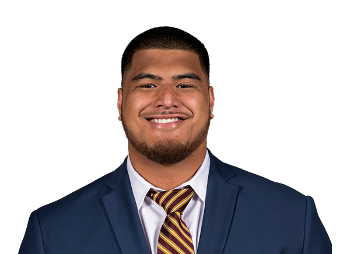
- Daniel Faalele
Daniel Faalele is a giant whose defenders have difficulty running through and around his orbit. At 6-9 and 380lbs, Faalele possesses good hand usage and leverages his strength to defeat more athletic defenders. The question marks about his athleticism will be part of the discussion at Senior Bowl practices and through the NFL Combine process. If he has a good Senior Bowl week, he has a lot to gain. Faalele possesses one of the highest ceilings at any position in this draft. He projects as a right tackle in the NFL. ← Back to NFL Draft Big Board Daniel Faalele Minnesota HT: 6090 WT: 380 YR: JR POS: OT OVR RK 53 POS RK CEILING POTENTIAL 7 KEY STRENGTHS KEY CONCERNS PLAYSTYLE & SCHEME FIT Daniel Faalele is a giant whose defenders have difficulty running through and around his orbit. At 6-9 and 380lbs, Faalele possesses good hand usage and leverages his strength to defeat more athletic defenders. The question marks about his athleticism will be part of the discussion at Senior Bowl practices and through the NFL Combine process. If he has a good Senior Bowl week, he has a lot to gain. Faalele possesses one of the highest ceilings at any position in this draft. He projects as a right tackle in the NFL. PLAYER COMPARISON: CEILING GRADE ANALYSIS Near Elite (70-74) A high-caliber prospect who is expected to become a significant contributor by Year 2. These players have outstanding physical tools and strong football IQ, with only minor flaws in their game. They demonstrate consistency at a high level and project as future Pro Bowl-caliber players if properly developed. Primary scout: Brandon Lundberg Football Scout 365 NFL Draft Grade Scale Football Scout 365 grades reflect a prospect’s projected long-term NFL value and role. Draft ranges are general value projections, not predictions of an exact selection. Positional value, team needs, scheme fit, medical information and athletic testing can influence where a player is ultimately selected. How Football Scout 365 Grades NFL Draft Prospects Elite (75+): A rare, high-impact prospect with elite physical tools, advanced football intelligence and the ability to make an immediate NFL impact. Elite prospects carry franchise-altering potential and typically project as top 5–10 selections in the first round. Near Elite (70–74): A high-caliber prospect with outstanding physical tools, strong football intelligence and only minor developmental limitations. Near Elite prospects project as significant early-career contributors with Pro Bowl upside and first-round draft value. High-End Starter Potential (65–69): A starting-caliber prospect with strong physical tools, quality technical skills and a defined NFL role. These players may require development before reaching their ceiling but generally carry second- or third-round draft value. Mid-Level Starter Potential (60–64): A solid prospect with NFL-level tools and a pathway to becoming a dependable starter if key limitations are addressed. These players generally carry third- to fifth-round draft value. Low-Level Starter Potential (55–59): A developmental prospect who could become a low-end starter, high-end backup or valuable specialist in the right role. These players generally carry fifth- to seventh-round draft value. Backup Level (50–54): A depth or rotational prospect with enough functional ability to compete for an NFL roster spot but limited long-term starting potential. These players generally project as late Day 3 selections or priority undrafted free agents. Not NFL Level (Below 50): A developmental or camp prospect who does not currently demonstrate enough consistency, technical refinement or functional NFL traits to project as a regular contributor. These players generally project as undrafted free agents, practice-squad candidates or camp invitations. Draft position can vary based on positional value, team needs, scheme fit, medical evaluation and athletic testing.
- Blake Freeland
Freeland has a great physical profile. He has long arms and a large wingspan, which helps him to keep defenders at bay. He moves well in space and has the quickness to get to the second level and make blocks in the run game. He also has the footwork and agility to handle most pass rushers on the edge. He has good hand placement and a strong punch at the line of scrimmage, which helps him to control defenders. He is a tenacious blocker in the run game, and he shows good awareness and positioning in pass protection. He has room for improvement in his footwork and hand usage, but he has shown steady improvement in those areas. ← Back to NFL Draft Big Board Blake Freeland BYU HT: 6080 WT: 305 YR: JR POS: OT OVR RK 60 POS RK CEILING POTENTIAL 9 KEY STRENGTHS Length IQ Run Blocking KEY CONCERNS Bend Footwork Fluidity PLAYSTYLE & SCHEME FIT Zone Based/Pro Spead PLAYER COMPARISON: CEILING GRADE ANALYSIS High-End Starter Potential (65-69) A player expected to become a top-tier starter within their first few years. They possess strong physical tools and good technical skills but may have some limitations in their game. With development, they can reach near-elite levels and provide consistent impact at their position. Primary scout: Brandon Lundberg Football Scout 365 NFL Draft Grade Scale Football Scout 365 grades reflect a prospect’s projected long-term NFL value and role. Draft ranges are general value projections, not predictions of an exact selection. Positional value, team needs, scheme fit, medical information and athletic testing can influence where a player is ultimately selected. How Football Scout 365 Grades NFL Draft Prospects Elite (75+): A rare, high-impact prospect with elite physical tools, advanced football intelligence and the ability to make an immediate NFL impact. Elite prospects carry franchise-altering potential and typically project as top 5–10 selections in the first round. Near Elite (70–74): A high-caliber prospect with outstanding physical tools, strong football intelligence and only minor developmental limitations. Near Elite prospects project as significant early-career contributors with Pro Bowl upside and first-round draft value. High-End Starter Potential (65–69): A starting-caliber prospect with strong physical tools, quality technical skills and a defined NFL role. These players may require development before reaching their ceiling but generally carry second- or third-round draft value. Mid-Level Starter Potential (60–64): A solid prospect with NFL-level tools and a pathway to becoming a dependable starter if key limitations are addressed. These players generally carry third- to fifth-round draft value. Low-Level Starter Potential (55–59): A developmental prospect who could become a low-end starter, high-end backup or valuable specialist in the right role. These players generally carry fifth- to seventh-round draft value. Backup Level (50–54): A depth or rotational prospect with enough functional ability to compete for an NFL roster spot but limited long-term starting potential. These players generally project as late Day 3 selections or priority undrafted free agents. Not NFL Level (Below 50): A developmental or camp prospect who does not currently demonstrate enough consistency, technical refinement or functional NFL traits to project as a regular contributor. These players generally project as undrafted free agents, practice-squad candidates or camp invitations. Draft position can vary based on positional value, team needs, scheme fit, medical evaluation and athletic testing.
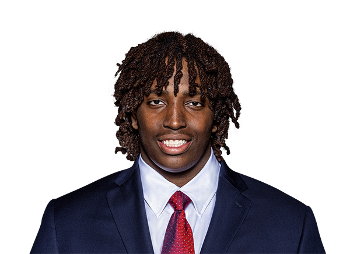
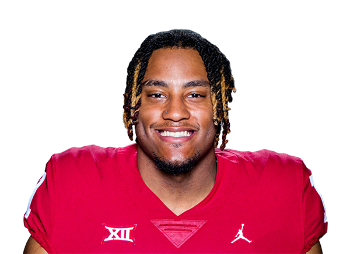
- Tyler Guyton
Tyler Guyton represents a high-upside prospect whose athletic background and transition from defense to offense underscore a capacity for growth and adaptation. His blend of size, agility, and strength positions him as a compelling target for NFL teams seeking to bolster their offensive line with a player possessing both immediate impact potential and room for further development. ← Back to NFL Draft Big Board Tyler Guyton Oklahoma HT: 6070 WT: 327 YR: RJR POS: OT OVR RK 44 POS RK CEILING POTENTIAL 7 KEY STRENGTHS Good Athleticism Explosive Great Anchor KEY CONCERNS Consistency Hand Placement Reactionary Speed PLAYSTYLE & SCHEME FIT Guyton's towering presence and athleticism make him an intriguing prospect for NFL teams looking for versatile offensive linemen capable of both pass protection and run blocking. His best fit would be in a scheme that values athleticism and agility in their tackles, allowing him to utilize his mobility and recovery skills. Zone-blocking schemes could benefit from his skill set, offering him opportunities to leverage his first-step explosiveness and range as a puller. PLAYER COMPARISON: CEILING GRADE ANALYSIS High-End Starter Potential (65-69) A player expected to become a top-tier starter within their first few years. They possess strong physical tools and good technical skills but may have some limitations in their game. With development, they can reach near-elite levels and provide consistent impact at their position. Primary scout: Brandon Lundberg Football Scout 365 NFL Draft Grade Scale Football Scout 365 grades reflect a prospect’s projected long-term NFL value and role. Draft ranges are general value projections, not predictions of an exact selection. Positional value, team needs, scheme fit, medical information and athletic testing can influence where a player is ultimately selected. How Football Scout 365 Grades NFL Draft Prospects Elite (75+): A rare, high-impact prospect with elite physical tools, advanced football intelligence and the ability to make an immediate NFL impact. Elite prospects carry franchise-altering potential and typically project as top 5–10 selections in the first round. Near Elite (70–74): A high-caliber prospect with outstanding physical tools, strong football intelligence and only minor developmental limitations. Near Elite prospects project as significant early-career contributors with Pro Bowl upside and first-round draft value. High-End Starter Potential (65–69): A starting-caliber prospect with strong physical tools, quality technical skills and a defined NFL role. These players may require development before reaching their ceiling but generally carry second- or third-round draft value. Mid-Level Starter Potential (60–64): A solid prospect with NFL-level tools and a pathway to becoming a dependable starter if key limitations are addressed. These players generally carry third- to fifth-round draft value. Low-Level Starter Potential (55–59): A developmental prospect who could become a low-end starter, high-end backup or valuable specialist in the right role. These players generally carry fifth- to seventh-round draft value. Backup Level (50–54): A depth or rotational prospect with enough functional ability to compete for an NFL roster spot but limited long-term starting potential. These players generally project as late Day 3 selections or priority undrafted free agents. Not NFL Level (Below 50): A developmental or camp prospect who does not currently demonstrate enough consistency, technical refinement or functional NFL traits to project as a regular contributor. These players generally project as undrafted free agents, practice-squad candidates or camp invitations. Draft position can vary based on positional value, team needs, scheme fit, medical evaluation and athletic testing.
- Riley Moss
Overall, Moss has the potential to be a solid contributor for an NFL team as a ball-hawking cornerback with good instincts and physicality. However, he will need to continue to work on his technique and size limitations to excel at the next level. ← Back to NFL Draft Big Board Riley Moss Iowa HT: 6010 WT: 193 YR: SR POS: CB OVR RK 71 POS RK CEILING POTENTIAL 13 KEY STRENGTHS Ball Skills Instincts Physicality KEY CONCERNS Lacks Burst Hip Flipping Multi-Break Routes PLAYSTYLE & SCHEME FIT Moss is a ball-hawking cornerback who is best suited for a zone coverage scheme. He has good instincts and can read quarterbacks well, which makes him effective in zone coverage. He's also physical and can disrupt routes effectively. While he can struggle at times in man coverage, his ball skills and football IQ make him a valuable asset in any defensive scheme. PLAYER COMPARISON: CEILING GRADE ANALYSIS Mid-Level Starter Potential (60-64) A solid, dependable starter with the potential to exceed expectations. They have good athleticism and tools but may lack elite traits. While they show flashes of high-level play, they also have some notable weaknesses that must be developed. These players often need 2-3 years to establish themselves. Primary scout: Brandon Lundberg Football Scout 365 NFL Draft Grade Scale Football Scout 365 grades reflect a prospect’s projected long-term NFL value and role. Draft ranges are general value projections, not predictions of an exact selection. Positional value, team needs, scheme fit, medical information and athletic testing can influence where a player is ultimately selected. How Football Scout 365 Grades NFL Draft Prospects Elite (75+): A rare, high-impact prospect with elite physical tools, advanced football intelligence and the ability to make an immediate NFL impact. Elite prospects carry franchise-altering potential and typically project as top 5–10 selections in the first round. Near Elite (70–74): A high-caliber prospect with outstanding physical tools, strong football intelligence and only minor developmental limitations. Near Elite prospects project as significant early-career contributors with Pro Bowl upside and first-round draft value. High-End Starter Potential (65–69): A starting-caliber prospect with strong physical tools, quality technical skills and a defined NFL role. These players may require development before reaching their ceiling but generally carry second- or third-round draft value. Mid-Level Starter Potential (60–64): A solid prospect with NFL-level tools and a pathway to becoming a dependable starter if key limitations are addressed. These players generally carry third- to fifth-round draft value. Low-Level Starter Potential (55–59): A developmental prospect who could become a low-end starter, high-end backup or valuable specialist in the right role. These players generally carry fifth- to seventh-round draft value. Backup Level (50–54): A depth or rotational prospect with enough functional ability to compete for an NFL roster spot but limited long-term starting potential. These players generally project as late Day 3 selections or priority undrafted free agents. Not NFL Level (Below 50): A developmental or camp prospect who does not currently demonstrate enough consistency, technical refinement or functional NFL traits to project as a regular contributor. These players generally project as undrafted free agents, practice-squad candidates or camp invitations. Draft position can vary based on positional value, team needs, scheme fit, medical evaluation and athletic testing.
- Emmanuel Pregnon
← Back to NFL Draft Big Board Emmanuel Pregnon Oregon HT: 6050 WT: 318 YR: SR POS: IOL OVR RK 76 POS RK CEILING POTENTIAL KEY STRENGTHS Heavy hands Strong anchor Nasty finisher KEY CONCERNS Average redirect quickness Can lunge and overextend Limited positional versatility PLAYSTYLE & SCHEME FIT Pregnon is a powerful, experienced, tone-setting interior lineman with the frame, grip strength, and anchor to step into an NFL lineup early. At 6’5”, 318 pounds with long arms and heavy hands, he consistently wins first contact in both phases. He is a people-mover in the run game, capable of uprooting defenders on base and combo blocks, while his firm anchor and strike timing make him extremely difficult to collapse in pass protection. While not an elite athlete, he moves well enough for zone concepts and has proven scheme adaptability after playing in multiple systems. His occasional overextension and balance lapses stem from aggressiveness rather than deficiency. Pregnon projects as a long-term starting guard in a gap or multiple-run scheme with immediate plug-and-play value. PLAYER COMPARISON: CEILING GRADE ANALYSIS High-End Starter Potential (65-69) A player expected to become a top-tier starter within their first few years. They possess strong physical tools and good technical skills but may have some limitations in their game. With development, they can reach near-elite levels and provide consistent impact at their position. Primary scout: Brandon Lundberg Football Scout 365 NFL Draft Grade Scale Football Scout 365 grades reflect a prospect’s projected long-term NFL value and role. Draft ranges are general value projections, not predictions of an exact selection. Positional value, team needs, scheme fit, medical information and athletic testing can influence where a player is ultimately selected. How Football Scout 365 Grades NFL Draft Prospects Elite (75+): A rare, high-impact prospect with elite physical tools, advanced football intelligence and the ability to make an immediate NFL impact. Elite prospects carry franchise-altering potential and typically project as top 5–10 selections in the first round. Near Elite (70–74): A high-caliber prospect with outstanding physical tools, strong football intelligence and only minor developmental limitations. Near Elite prospects project as significant early-career contributors with Pro Bowl upside and first-round draft value. High-End Starter Potential (65–69): A starting-caliber prospect with strong physical tools, quality technical skills and a defined NFL role. These players may require development before reaching their ceiling but generally carry second- or third-round draft value. Mid-Level Starter Potential (60–64): A solid prospect with NFL-level tools and a pathway to becoming a dependable starter if key limitations are addressed. These players generally carry third- to fifth-round draft value. Low-Level Starter Potential (55–59): A developmental prospect who could become a low-end starter, high-end backup or valuable specialist in the right role. These players generally carry fifth- to seventh-round draft value. Backup Level (50–54): A depth or rotational prospect with enough functional ability to compete for an NFL roster spot but limited long-term starting potential. These players generally project as late Day 3 selections or priority undrafted free agents. Not NFL Level (Below 50): A developmental or camp prospect who does not currently demonstrate enough consistency, technical refinement or functional NFL traits to project as a regular contributor. These players generally project as undrafted free agents, practice-squad candidates or camp invitations. Draft position can vary based on positional value, team needs, scheme fit, medical evaluation and athletic testing.
- Michigan vs. Ohio State: A Data-Driven Look at NFL Talent and On-Field Success
Michigan vs. Ohio State: A Data-Driven Look at NFL Talent and On-Field Success Evaluating the Michigan vs. Ohio State rivalry through the lens of NFL Draft success, recruiting, and on-field performance, highlighting Ohio State's consistent top-5 classes and Michigan's resurgence with three straight wins, Big Ten titles, and a national championship. In this analysis, I aimed to examine how Michigan and Ohio State compare in terms of player development by evaluating the number of players each program places in the NFL. To do this, I reviewed data starting with the 2014 NFL Draft class to the current day, which includes players developed under two coaching regimes at each school: Urban Meyer (2012–2018) and Ryan Day at Ohio State (2019-current), versus the end of Brady Hoke’s tenure in Ann Arbor (2014) and the subsequent hiring of Jim Harbaugh. The Hypothesis? The hypothesis is straightforward: I want to evaluate each school’s overall success by examining total wins per season and whether there is a correlation with the number of NFL Draft prospects each school produces. Of course, several factors can influence this data. For example, Michigan lost nearly its entire offense from the 2023 National Championship team and is now under the leadership of a new head coach, Sherrone Moore, in 2024. As a result, they enter the season's final week at 6–5. On the other hand, Ohio State, much like Michigan in 2023, managed to retain many of its top players through NIL deals. They also filled roster gaps with high-level talent from the transfer portal, positioning themselves for a run at the National Title in 2024. This contrast highlights how roster management strategies can significantly impact a program’s success in both player development and on-field performance. With that said, this analysis will naturally have limitations and gaps. However, the focus here is on recognizing the immense talent these two programs have put on the field, particularly in recent years, as Michigan has bridged the gap and won three consecutive games in the rivalry. Ohio State Football Is a Football Talent Factory Let's start the analysis with a quick overview of the recruiting rankings since 2014. Using 247 Sports recruiting rankings from 2014 to 2024, it’s clear that Ohio State has consistently been an elite football talent factory, regularly ranking in the top 5 year after year. Michigan, while competitive with an average class rank in the top 15 during this period, has seen more success breaking into the top 10 in recent years. Ohio State outpaces Michigan with nearly all its classes ranked in the top 10 and a majority in the top 5, whereas Michigan has managed only one top 5 class and consistently lags behind in overall rankings. Ohio State has consistently outperformed Michigan in recruiting rankings over the past decade, with nearly all its classes ranked in the top 10 and a majority in the top 5. Michigan, while showing competitiveness, has only one top 5 class and averages a significantly lower recruiting rank overall. Recruiting Rankings Summary (2014–2024) Average Recruiting Rank Ohio State: 4.64 Michigan: 15.00 Top 10 Recruiting Classes Ohio State: 10 Michigan: 5 Top 5 Recruiting Classes Ohio State: 9 Michigan: 1 NFL Draft Breakdown (2014–2024) Ohio State has consistently demonstrated its dominance in producing NFL-ready talent, with a total of 82 draft picks compared to Michigan's 72. This trend highlights Ohio State’s ability to develop players who transition to the next level effectively. The Buckeyes also maintain a significant edge in elite-level talent production, with 24 Day One picks—more than double Michigan’s 11. Ohio State continues to outperform in Day Two selections, with 31 picks compared to Michigan’s 24, further solidifying its reputation as a top-tier talent pipeline. Michigan, while trailing in Day One and Day Two picks, leads in Day Three selections with 37 compared to Ohio State’s 27. This reflects Michigan’s ability to develop a broader pool of draftable players, even if those players typically lack the immediate impact associated with Day One or Day Two picks. Notably, this disparity aligns with recruiting trends, as Ohio State consistently ranks in the top 5–10 nationally, with an average recruiting rank of 4.6 since 2014. Draft Data (2014–2024) Total NFL Draft Picks Ohio State: 82 Michigan: 72 Day One Picks (First Round) Ohio State: 24 Michigan: 11 Day Two Picks (Rounds 2–3) Ohio State: 31 Michigan: 24 Day Three Picks (Rounds 4–7) Ohio State: 27 Michigan: 37 On-Field Performance: All Opponents (2014–2024) When evaluating on-field performance, Ohio State has been the more dominant program over the past decade. Their consistency is reflected in their higher win totals, superior win percentage, and significantly fewer losses compared to Michigan. While Ohio State controlled the rivalry from 2014–2019, Michigan has shifted the balance in recent years, highlighted by their three consecutive wins since 2021. The following breakdown provides a clearer picture of each program’s performance against all opponents and in head-to-head matchups. Overall Performance (2014–2024) Total Wins: Ohio State: 125 Michigan: 100 Win Percentage: Ohio State: 89% Michigan: 70% Total Losses: Ohio State: 16 Michigan: 37 Head-to-Head Rivalry (2014–2023) Record: Ohio State: 7 wins Michigan: 3 wins Average Margin of Victory: Ohio State (2014–2019): 18.17 points per game Michigan (2021–2023): 14.33 points per game The Recent Trends and Michigan's Resurgence (2021–2024) Michigan has averaged 9 NFL Draft picks per year over the past three drafts, surpassing Ohio State's 5.3 picks. Its three consecutive wins in the rivalry, three Big Ten titles, and a national championship in 2023 underscore just how dominant Michigan has been in the head-to-head vs. Ohio State both on the field and in the NFL Draft. Conclusion: Evaluating Michigan vs. Ohio State Player Development and Success (2014–2024) Based on this analysis, Ohio State has consistently outperformed Michigan in several key areas tied to player development and overall success. The Buckeyes' dominance in recruiting rankings, NFL Draft productivity, and on-field performance highlights their sustained position as a top-tier program. Ohio State's ability to consistently rank in the top 5 for recruiting, produce elite Day One and Day Two NFL talent and maintain an 89% win percentage underscores their long-term efficiency in developing top-caliber players. However, Michigan's recent resurgence has shifted the dynamics of this rivalry. With three consecutive wins over Ohio State, three Big Ten titles, and a 2023 National Championship, Michigan has demonstrated its ability to close the gap both on the field and in NFL Draft productivity. Michigan's increase to an average of nine NFL Draft picks per year over the past three drafts reflects its improved ability to develop talent. But moving forward without Jim Harbaugh, can Michigan maintain this level of consistency? Key Insights: Recruiting Rankings: Ohio State's average rank of 4.64 is significantly better than Michigan's 15.00, with the Buckeyes securing nearly all of their classes in the top 10. Michigan, while competitive, has only achieved one top-5 class in the past decade. NFL Draft Productivity: Ohio State leads with 82 total draft picks since 2014, compared to Michigan's 72. The Buckeyes dominate in Day One (24 vs. 11) and Day Two (31 vs. 24) picks, reflecting their edge in producing elite NFL-ready talent. On-Field Performance: Ohio State's 125 wins and 89% win percentage outshine Michigan's 100 wins and 70% win percentage, though Michigan has been the dominant force in the rivalry since 2021, averaging a 14.33-point margin of victory during this period and winning 93% of their games from 2021 to 2023. Final Assessment of the Hypothesis: The hypothesis—evaluating success through wins per season and NFL Draft productivity—holds true in this comparison. Ohio State's correlation between recruiting dominance, elite NFL talent production, and on-field success is evident. Michigan, while less consistent historically, has leveraged improved recruiting, player development, and on-field performance to significantly narrow the gap in recent years.
- Nik Bonitto
← Back to NFL Draft Big Board Nik Bonitto Oklahoma HT: 6030 WT: 240 YR: JR POS: ED OVR RK 71 POS RK CEILING POTENTIAL 11 KEY STRENGTHS KEY CONCERNS PLAYSTYLE & SCHEME FIT PLAYER COMPARISON: CEILING GRADE ANALYSIS Mid-Level Starter Potential (60-64) A solid, dependable starter with the potential to exceed expectations. They have good athleticism and tools but may lack elite traits. While they show flashes of high-level play, they also have some notable weaknesses that must be developed. These players often need 2-3 years to establish themselves. Primary scout: Brandon Lundberg Football Scout 365 NFL Draft Grade Scale Football Scout 365 grades reflect a prospect’s projected long-term NFL value and role. Draft ranges are general value projections, not predictions of an exact selection. Positional value, team needs, scheme fit, medical information and athletic testing can influence where a player is ultimately selected. How Football Scout 365 Grades NFL Draft Prospects Elite (75+): A rare, high-impact prospect with elite physical tools, advanced football intelligence and the ability to make an immediate NFL impact. Elite prospects carry franchise-altering potential and typically project as top 5–10 selections in the first round. Near Elite (70–74): A high-caliber prospect with outstanding physical tools, strong football intelligence and only minor developmental limitations. Near Elite prospects project as significant early-career contributors with Pro Bowl upside and first-round draft value. High-End Starter Potential (65–69): A starting-caliber prospect with strong physical tools, quality technical skills and a defined NFL role. These players may require development before reaching their ceiling but generally carry second- or third-round draft value. Mid-Level Starter Potential (60–64): A solid prospect with NFL-level tools and a pathway to becoming a dependable starter if key limitations are addressed. These players generally carry third- to fifth-round draft value. Low-Level Starter Potential (55–59): A developmental prospect who could become a low-end starter, high-end backup or valuable specialist in the right role. These players generally carry fifth- to seventh-round draft value. Backup Level (50–54): A depth or rotational prospect with enough functional ability to compete for an NFL roster spot but limited long-term starting potential. These players generally project as late Day 3 selections or priority undrafted free agents. Not NFL Level (Below 50): A developmental or camp prospect who does not currently demonstrate enough consistency, technical refinement or functional NFL traits to project as a regular contributor. These players generally project as undrafted free agents, practice-squad candidates or camp invitations. Draft position can vary based on positional value, team needs, scheme fit, medical evaluation and athletic testing.
- Gennings Dunker
← Back to NFL Draft Big Board Gennings Dunker Iowa HT: 6050 WT: 316 YR: SR POS: OT OVR RK 82 POS RK CEILING POTENTIAL KEY STRENGTHS Power & Play Strength Finish & Mentality Versatility & Experience KEY CONCERNS Movement Skills Balance & Overextension Tackle Limitations PLAYSTYLE & SCHEME FIT Dunker is a rugged, power-based offensive lineman with high-end starter potential at guard. He plays with a nasty demeanor, excellent play strength, and consistent physicality, thriving in gap and power-heavy run schemes. While he started at right tackle in college, his average lateral agility and foot quickness project him inside at the NFL level, where his anchor, grip strength, and finishing mentality translate best. Ideal fit in a run-first, play-action offense that values toughness and tone-setting in the trenches. PLAYER COMPARISON: CEILING GRADE ANALYSIS Mid-Level Starter Potential (60-64) A solid, dependable starter with the potential to exceed expectations. They have good athleticism and tools but may lack elite traits. While they show flashes of high-level play, they also have some notable weaknesses that must be developed. These players often need 2-3 years to establish themselves. Primary scout: Brandon Lundberg Football Scout 365 NFL Draft Grade Scale Football Scout 365 grades reflect a prospect’s projected long-term NFL value and role. Draft ranges are general value projections, not predictions of an exact selection. Positional value, team needs, scheme fit, medical information and athletic testing can influence where a player is ultimately selected. How Football Scout 365 Grades NFL Draft Prospects Elite (75+): A rare, high-impact prospect with elite physical tools, advanced football intelligence and the ability to make an immediate NFL impact. Elite prospects carry franchise-altering potential and typically project as top 5–10 selections in the first round. Near Elite (70–74): A high-caliber prospect with outstanding physical tools, strong football intelligence and only minor developmental limitations. Near Elite prospects project as significant early-career contributors with Pro Bowl upside and first-round draft value. High-End Starter Potential (65–69): A starting-caliber prospect with strong physical tools, quality technical skills and a defined NFL role. These players may require development before reaching their ceiling but generally carry second- or third-round draft value. Mid-Level Starter Potential (60–64): A solid prospect with NFL-level tools and a pathway to becoming a dependable starter if key limitations are addressed. These players generally carry third- to fifth-round draft value. Low-Level Starter Potential (55–59): A developmental prospect who could become a low-end starter, high-end backup or valuable specialist in the right role. These players generally carry fifth- to seventh-round draft value. Backup Level (50–54): A depth or rotational prospect with enough functional ability to compete for an NFL roster spot but limited long-term starting potential. These players generally project as late Day 3 selections or priority undrafted free agents. Not NFL Level (Below 50): A developmental or camp prospect who does not currently demonstrate enough consistency, technical refinement or functional NFL traits to project as a regular contributor. These players generally project as undrafted free agents, practice-squad candidates or camp invitations. Draft position can vary based on positional value, team needs, scheme fit, medical evaluation and athletic testing.
- Brauntae Johnson
← Back to NFL Draft Big Board Brauntae Johnson Notre Dame HT: 6000 WT: 200 YR: JR POS: S OVR RK 26 POS RK CEILING POTENTIAL S2 High-End Starter Potential KEY STRENGTHS Route recognition Ball skills Downhill tackling KEY CONCERNS Hip transitions Lateral recovery range Box-eye discipline PLAYSTYLE & SCHEME FIT Brauntae Johnson is an instinctive safety whose profile is built on route recognition, ball skills, and controlled tackling from depth. He fits best in a split-field role that allows him to read route combinations, overlap throwing lanes, and rotate into post or robber assignments without requiring him to handle every slot matchup. The concern is whether his hip transitions and lateral recovery range hold up when offenses force him to redirect across the field. His starting pathway depends on maintaining coverage discipline when aligned closer to the box and limiting the aggressive reactions that can leave space behind him. PLAYER COMPARISON: CEILING GRADE ANALYSIS High-End Starter Potential (65-69) A player expected to become a top-tier starter within their first few years. They possess strong physical tools and good technical skills but may have some limitations in their game. With development, they can reach near-elite levels and provide consistent impact at their position. Primary scout: Brandon Lundberg Football Scout 365 NFL Draft Grade Scale Football Scout 365 grades reflect a prospect’s projected long-term NFL value and role. Draft ranges are general value projections, not predictions of an exact selection. Positional value, team needs, scheme fit, medical information and athletic testing can influence where a player is ultimately selected. How Football Scout 365 Grades NFL Draft Prospects Elite (75+): A rare, high-impact prospect with elite physical tools, advanced football intelligence and the ability to make an immediate NFL impact. Elite prospects carry franchise-altering potential and typically project as top 5–10 selections in the first round. Near Elite (70–74): A high-caliber prospect with outstanding physical tools, strong football intelligence and only minor developmental limitations. Near Elite prospects project as significant early-career contributors with Pro Bowl upside and first-round draft value. High-End Starter Potential (65–69): A starting-caliber prospect with strong physical tools, quality technical skills and a defined NFL role. These players may require development before reaching their ceiling but generally carry second- or third-round draft value. Mid-Level Starter Potential (60–64): A solid prospect with NFL-level tools and a pathway to becoming a dependable starter if key limitations are addressed. These players generally carry third- to fifth-round draft value. Low-Level Starter Potential (55–59): A developmental prospect who could become a low-end starter, high-end backup or valuable specialist in the right role. These players generally carry fifth- to seventh-round draft value. Backup Level (50–54): A depth or rotational prospect with enough functional ability to compete for an NFL roster spot but limited long-term starting potential. These players generally project as late Day 3 selections or priority undrafted free agents. Not NFL Level (Below 50): A developmental or camp prospect who does not currently demonstrate enough consistency, technical refinement or functional NFL traits to project as a regular contributor. These players generally project as undrafted free agents, practice-squad candidates or camp invitations. Draft position can vary based on positional value, team needs, scheme fit, medical evaluation and athletic testing.
- Zaven Collins
Arguably the most dynamic defender in CFB, Collins played several high school positions, including QB and safety. Collins is an intelligent player who uses his size, quickness, and power to make splash plays. He won the Nagurski award in 2020 as the nation's top LB, and he did so by posting big play after big play compiling 4 sacks, forcing two fumbles while picking off 4 passes, and scoring two times on defense. He is what NFL defenses are looking for in a LB. A guy who can rush the passer and pass cover when needed. ← Back to NFL Draft Big Board Zaven Collins Tulsa HT: 6040 WT: 260 YR: RJR POS: LB OVR RK 26 POS RK CEILING POTENTIAL 3 KEY STRENGTHS KEY CONCERNS PLAYSTYLE & SCHEME FIT Arguably the most dynamic defender in CFB, Collins played several high school positions, including QB and safety. Collins is an intelligent player who uses his size, quickness, and power to make splash plays. He won the Nagurski award in 2020 as the nation's top LB, and he did so by posting big play after big play compiling 4 sacks, forcing two fumbles while picking off 4 passes, and scoring two times on defense. He is what NFL defenses are looking for in a LB. A guy who can rush the passer and pass cover when needed. PLAYER COMPARISON: CEILING GRADE ANALYSIS High-End Starter Potential (65-69) A player expected to become a top-tier starter within their first few years. They possess strong physical tools and good technical skills but may have some limitations in their game. With development, they can reach near-elite levels and provide consistent impact at their position. Primary scout: Brandon Lundberg Football Scout 365 NFL Draft Grade Scale Football Scout 365 grades reflect a prospect’s projected long-term NFL value and role. Draft ranges are general value projections, not predictions of an exact selection. Positional value, team needs, scheme fit, medical information and athletic testing can influence where a player is ultimately selected. How Football Scout 365 Grades NFL Draft Prospects Elite (75+): A rare, high-impact prospect with elite physical tools, advanced football intelligence and the ability to make an immediate NFL impact. Elite prospects carry franchise-altering potential and typically project as top 5–10 selections in the first round. Near Elite (70–74): A high-caliber prospect with outstanding physical tools, strong football intelligence and only minor developmental limitations. Near Elite prospects project as significant early-career contributors with Pro Bowl upside and first-round draft value. High-End Starter Potential (65–69): A starting-caliber prospect with strong physical tools, quality technical skills and a defined NFL role. These players may require development before reaching their ceiling but generally carry second- or third-round draft value. Mid-Level Starter Potential (60–64): A solid prospect with NFL-level tools and a pathway to becoming a dependable starter if key limitations are addressed. These players generally carry third- to fifth-round draft value. Low-Level Starter Potential (55–59): A developmental prospect who could become a low-end starter, high-end backup or valuable specialist in the right role. These players generally carry fifth- to seventh-round draft value. Backup Level (50–54): A depth or rotational prospect with enough functional ability to compete for an NFL roster spot but limited long-term starting potential. These players generally project as late Day 3 selections or priority undrafted free agents. Not NFL Level (Below 50): A developmental or camp prospect who does not currently demonstrate enough consistency, technical refinement or functional NFL traits to project as a regular contributor. These players generally project as undrafted free agents, practice-squad candidates or camp invitations. Draft position can vary based on positional value, team needs, scheme fit, medical evaluation and athletic testing.
- Fantasy Football Waiver Wire Week 13: Andrei Iosivas, Darren Waller & Chris Rodriguez Jr. Lead Must-Add Players
Fantasy Football Waiver Wire Week 13: Andrei Iosivas, Darren Waller & Chris Rodriguez Jr. Lead Must-Add Players The Final Push: Week 13 Waiver Wire Overview With the fantasy playoffs just two weeks away, Week 13 is all about tightening roster depth and targeting players whose usage and opportunity are trending up. Whether you’re replacing injured starters or stashing potential breakout players for the stretch run, this week’s waiver pool has impact names across every position — including a pair of ascending rookies and one veteran tight end returning just in time for the playoff push. Quarterbacks Trevor Lawrence – Jacksonville Jaguars (29%) Lawrence continues to produce despite an injury-depleted receiving corps, posting at least 16 fantasy points in six of his last seven games. Over that span, he’s averaged 17.7 FPPG — 14th among quarterbacks — with a 6.9 YPA and a 4.8% TD rate. With Brian Thomas Jr. and Travis Hunter nearing returns, Lawrence’s efficiency could spike at the perfect time. He’s a fringe QB1 rest-of-season with matchups against TEN, IND (x2), and NYJ. Tyler Shough – New Orleans Saints (7%) Shough’s fantasy arrow is quietly pointing up. He’s thrown for 240+ yards in back-to-back games and led the Saints in rushing in Week 12 (22 yards). With Alvin Kamara sidelined and Miami on deck (7th-most FPPG allowed to QBs), Shough offers sneaky Superflex value as a dual-threat streamer. Running Backs Chris Rodriguez Jr. – Washington Commanders (9%) Rodriguez has quietly taken command of Washington’s backfield, logging 11 carries per game over his last three while averaging 5.3 YPC and 9.9 fantasy points per game in PPR formats. His physicality between the tackles and growing role near the goal line have solidified him as the lead option over Jacory Croskey-Merritt. Per PFF, Rodriguez ranks top-15 among RBs in yards after contact per attempt (3.6), and Washington’s upcoming matchups — Giants, Cowboys, Eagles — are among the five softest against running backs during the fantasy playoffs. He’s the perfect late-season pickup who could deliver RB2-level volume when it matters most. Devin Neal – New Orleans Saints (2%) With Kamara nursing a sprained MCL, Neal’s Week 12 performance (11.1 PPR points on 12 touches) put him on the radar as a potential full-time starter. His passing-down usage — five receptions for 43 yards — gives him a PPR-friendly floor heading into a matchup against a Dolphins defense that ranks bottom-10 in RB receiving yards allowed. Tyler Allgeier – Atlanta Falcons (32%) Allgeier remains a dependable touchdown-dependent Flex in positive game scripts. His 7 rushing TDs and 42% red-zone carry share keep him viable whenever Atlanta controls tempo. Wide Receivers Andrei Iosivas – Cincinnati Bengals (11%) Iosivas stepped into a full-time role with Ja’Marr Chase suspended and Tee Higgins sidelined, running a route on nearly 90% of dropbacks and commanding a 17% target share in Week 12. He converted that usage into four receptions for 61 yards against a strong Patriots secondary. Even with Chase’s return, Higgins remains in concussion protocol, and Joe Flacco’s aggressive downfield tendencies favor Iosivas’ vertical skill set. His 14.8 aDOT ranks among the highest for Bengals receivers, and he’s already seeing red-zone work (two end-zone targets in Week 12). He’s a viable WR4/Flex add in 12-team formats with upside for more if injuries persist. Luther Burden III – Chicago Bears (7%) Burden continues to earn more snaps (50%+ in Week 12) and looks poised for a bigger role in Ben Johnson’s offense. His blend of YAC and physicality make him a sneaky late-season stash behind Rome Odunze and D.J. Moore. Chimere Dike – Tennessee Titans (12%) With Calvin Ridley out for the season, Dike has become Tennessee’s most consistent pass-catcher. Over his last five games, he’s averaged 13.1 PPR points and two scores, adding special teams value with two punt return TDs. Tight Ends Darren Waller – Miami Dolphins (17%) Waller’s return from IR couldn’t come at a better time. In his last three full games before injury, he averaged 15.2 PPR points and ranked top-5 in yards per route run among tight ends (1.89). Miami’s system has funneled red-zone targets to the TE position — 24% of Tua Tagovailoa’s throws inside the 10 — and Waller’s next two matchups (PIT, CIN) rank bottom-six in fantasy points allowed to tight ends. If he’s healthy, Waller is a plug-and-play TE1 who could be a true league-winner down the stretch. Colston Loveland – Chicago Bears (35%) Loveland remains a focal point of Chicago’s passing game with at least 40 yards in four straight contests and a 16% route-target rate. Over his last six games, he’s averaged 12.2 PPR points — eighth among tight ends. Even in a rotation with Cole Kmet, Loveland’s athleticism and route efficiency give him top-10 upside weekly. Brenton Strange – Jacksonville Jaguars (11%) Strange returned from injury and immediately led Jacksonville in targets (5), receptions (5), and yards (93). His 71% snap share indicates trust from Trevor Lawrence and the coaching staff. He’s a priority add in deeper leagues, with TE1 streaming potential. Final Takeaway Week 13 is less about chasing short-term production and more about playoff-proofing your roster. Chris Rodriguez Jr. offers real RB stability, Andrei Iosivas could emerge as Cincinnati’s late-season deep threat, and Darren Waller — if healthy — has top-five TE potential when it counts most. These are the type of midseason moves that separate playoff contenders from champions.
- 2025 NFL Draft Prospect: Jesse Johnson III – Cousin of Rickey White and Nephew of Antonio Cromartie, A Potential Hidden Gem
2025 NFL Draft Prospect: Jesse Johnson III – Cousin of Rickey White and Nephew of Antonio Cromartie, A Potential Hidden Gem Scouting Report: Jesse Johnson III | Cornerback | Austin Peay State University Height: 6’1” | Weight: 180 lbs | Arm Length: 32” | Hand Size: 9.48” |40-Yard Dash: 4.55 seconds | 10-Yard Split: 1.47 seconds About Jesse Johnson III Jesse Johnson III is a versatile and aggressive cornerback prospect from Austin Peay State University, entering the 2025 NFL Draft with a wealth of experience and a relentless work ethic. A Columbus, Ohio native, Johnson was a standout at Marion-Franklin High School, earning Division IV Defensive Player of the Year and First-Team All-Ohio honors. Known for his aggressive play style, versatility, and leadership on the field, Johnson III has consistently proven his ability to adapt and excel at every level. Off the field, Jesse Johnson III demonstrates the same dedication and work ethic that define his performance on it. Known for his approachable and social personality, Johnson fosters strong connections with teammates, coaches, and peers, further enhancing his leadership qualities. He is committed to personal growth, both through meaningful relationships and ongoing education, while actively deepening his understanding of human behavior—qualities that highlight his intellectual curiosity and unwavering drive for self-improvement. Academically, Johnson has pursued marketing studies while excelling as a collegiate football player, balancing the demands of both with a clear focus on his future. His transition from Division I Eastern Illinois University to Division II Tiffin University reflects his resilience and adaptability, key traits that have fueled his development both as a student-athlete and as a leader. Johnson’s aspirations extend beyond football, with a goal of establishing himself in the sports industry as a role model and professional. His proactive approach includes seeking representation from a sports agency or agent to help elevate his career and maximize his potential on and off the field. Tale of The Tape Here is an analysis of Jesse Johnson III's film provided by various sources. Key Strengths Versatility: Has experience playing both outside corner and nickel in various defensive schemes, including zone and man coverage. Coverage Skills: Strong instincts in both man and zone schemes, with the ability to track combo routes and react quickly to misdirection. Ball Skills: Demonstrated ability to disrupt passes, totaling 4 interceptions and 2 pass deflections in 2024. Physicality in Run Support: Willing tackler who is not afraid to engage in the run game; his effort and technique stand out despite his lean frame. High Football IQ: Years of experience across multiple programs at different levels have made Johnson a savvy defender. Leadership: A natural leader who motivates teammates with his vocal presence and exemplary effort on the field. Key Weakness Frame: At 180 lbs, his slender build may present challenges against physical NFL receivers. Adding weight and strength will be crucial for his success at the next level. 2024 Season Highlights Games Played: 12 Tackles: 46 total (31 solo) Tackles for Loss (TFL): 1.5 for 3 yards Interceptions: 4 for 99 return yards Pass Breakups: 2 Notable Performance: Recorded a season-high 6 tackles and an interception against Chattanooga Career Progression Austin Peay State University (2024): Established himself as a cornerstone of the defense in his first year with the Governors, consistently making plays in both run and pass defense. Tiffin University (2021-2023): Played 26 games, recording 49 tackles, 2 interceptions, and 9 pass breakups. Eastern Illinois University (2020): Began his collegiate career but did not see game action during his freshman year. NFL Draft Projection Projected Round: Late Day 3 or Undrafted Free Agent Best Scheme Fit: Zone-based defenses or teams that utilize nickel corners in blitz packages. Player Comparison for Jesse Johnson III: Kyu Blu Kelly - Stanford Jesse Johnson III’s physical profile, play style, and athletic measurements share significant parallels with 2023 NFL Draft prospect Kyu Kelly, who was selected in the 5th round by the Baltimore Ravens. Both players possess desirable size and length for NFL cornerbacks, combined with proven versatility and competitive instincts. Here’s the breakdown of the comparison: Key Quotes On his Mentality: "My mentality is all kill, and my play style is aggressive as I capitalize on plays in the run-and-pass game. I also bring it out of my teammates, and everyone on the field with me I play with a savage mindset and big play ability." (Via Draft Diamonds) On his motivation: “NFL teams should know that I’m a grinder, I come from straight grit. I work side by side with the hardest worker and push myself past any self-limit that could ever be set.” (Via Draft Diamonds) Summary Jesse Johnson III is a hidden gem in the 2025 NFL Draft class, bringing a mix of versatility, instincts, and leadership that make him a valuable prospect. His journey through multiple programs has sharpened his skills and prepared him to adapt to the challenges of professional football. "2025 NFL Draft Prospect: Jesse Johnson III – Cousin of Rickey White and Nephew of Antonio Cromartie, A Gritty CB with NFL Pedigree" - Football Scout 365 With his length, coverage ability, and commitment to improving his craft, Johnson has the potential to be an immediate contributor on special teams and a rotational corner with the upside to develop into a reliable NFL starter. Teams looking for a smart, tough, and high-character player will find a perfect fit in Johnson.