Search Results
Search this site
1757 results found with an empty search
- Mazi Smith
At 6'3" and around 320 pounds, Smith is a large and powerful defender who is a force against the run. Smith has a quick first step and uses his strength and size to disrupt the interior of the offensive line. He's able to hold his ground against double teams, allowing his teammates to make plays around him. Smith also has the agility to pursue ball carriers and make tackles outside the tackle box. While Smith is a strong and powerful defender, he still has room for improvement in his technique and pass-rushing moves. He'll need to develop a more refined skill set to consistently generate pressure on opposing quarterbacks at the next level. ← Back to NFL Draft Big Board Mazi Smith Michigan HT: 6026 WT: 323 YR: SR POS: IDL OVR RK 36 POS RK CEILING POTENTIAL 4 KEY STRENGTHS Space Eater Strength Heavy Hands KEY CONCERNS Length Pass Rush Quickness PLAYSTYLE & SCHEME FIT In terms of scheme fit at the NFL level, Smith's size and strength make him best suited for a 3-4 defensive scheme as a nose tackle or a 4-3 scheme as a 3-technique defensive tackle. He has the ability to occupy blockers and collapse the pocket from the inside, and his mobility and athleticism also make him an effective pass rusher. PLAYER COMPARISON: CEILING GRADE ANALYSIS High-End Starter Potential (65-69) A player expected to become a top-tier starter within their first few years. They possess strong physical tools and good technical skills but may have some limitations in their game. With development, they can reach near-elite levels and provide consistent impact at their position. Primary scout: Brandon Lundberg Football Scout 365 NFL Draft Grade Scale Football Scout 365 grades reflect a prospect’s projected long-term NFL value and role. Draft ranges are general value projections, not predictions of an exact selection. Positional value, team needs, scheme fit, medical information and athletic testing can influence where a player is ultimately selected. How Football Scout 365 Grades NFL Draft Prospects Elite (75+): A rare, high-impact prospect with elite physical tools, advanced football intelligence and the ability to make an immediate NFL impact. Elite prospects carry franchise-altering potential and typically project as top 5–10 selections in the first round. Near Elite (70–74): A high-caliber prospect with outstanding physical tools, strong football intelligence and only minor developmental limitations. Near Elite prospects project as significant early-career contributors with Pro Bowl upside and first-round draft value. High-End Starter Potential (65–69): A starting-caliber prospect with strong physical tools, quality technical skills and a defined NFL role. These players may require development before reaching their ceiling but generally carry second- or third-round draft value. Mid-Level Starter Potential (60–64): A solid prospect with NFL-level tools and a pathway to becoming a dependable starter if key limitations are addressed. These players generally carry third- to fifth-round draft value. Low-Level Starter Potential (55–59): A developmental prospect who could become a low-end starter, high-end backup or valuable specialist in the right role. These players generally carry fifth- to seventh-round draft value. Backup Level (50–54): A depth or rotational prospect with enough functional ability to compete for an NFL roster spot but limited long-term starting potential. These players generally project as late Day 3 selections or priority undrafted free agents. Not NFL Level (Below 50): A developmental or camp prospect who does not currently demonstrate enough consistency, technical refinement or functional NFL traits to project as a regular contributor. These players generally project as undrafted free agents, practice-squad candidates or camp invitations. Draft position can vary based on positional value, team needs, scheme fit, medical evaluation and athletic testing.
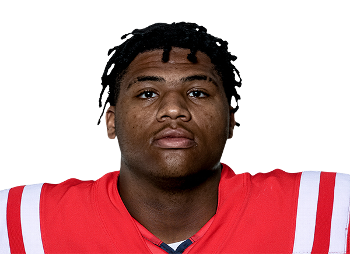
- Walter Nolen
← Back to NFL Draft Big Board Walter Nolen Ole Miss HT: 6030 WT: 304 YR: JR POS: IDL OVR RK 31 POS RK CEILING POTENTIAL 3 KEY STRENGTHS Explosive Off the Snap Speed-to-Power Conversion Fluid Mover KEY CONCERNS Leverage & Pad Level Block Shedding Arm Length PLAYSTYLE & SCHEME FIT Walter Nolen is a powerful and explosive interior defender with a well-rounded skill set that translates to a three-down role in the NFL. He has quick hands and violent upper-body strength, allowing him to disrupt blockers at the point of attack. Nolen’s ability to convert speed to power makes him a dominant bull rusher, while his lateral quickness and agility allow him to be effective in stunts and games. He does need to improve his consistency with leverage and hand placement, as he can get caught upright, limiting his ability to shed blocks quickly. However, his physical traits and high motor make him a high-upside defensive lineman with Pro Bowl potential. He fits best as a 3-technique in a 4-3 defense but has the versatility to play 4i or 5-tech in odd fronts. PLAYER COMPARISON: CEILING GRADE ANALYSIS High-End Starter Potential (65-69) A player expected to become a top-tier starter within their first few years. They possess strong physical tools and good technical skills but may have some limitations in their game. With development, they can reach near-elite levels and provide consistent impact at their position. Primary scout: Brandon Lundberg Football Scout 365 NFL Draft Grade Scale Football Scout 365 grades reflect a prospect’s projected long-term NFL value and role. Draft ranges are general value projections, not predictions of an exact selection. Positional value, team needs, scheme fit, medical information and athletic testing can influence where a player is ultimately selected. How Football Scout 365 Grades NFL Draft Prospects Elite (75+): A rare, high-impact prospect with elite physical tools, advanced football intelligence and the ability to make an immediate NFL impact. Elite prospects carry franchise-altering potential and typically project as top 5–10 selections in the first round. Near Elite (70–74): A high-caliber prospect with outstanding physical tools, strong football intelligence and only minor developmental limitations. Near Elite prospects project as significant early-career contributors with Pro Bowl upside and first-round draft value. High-End Starter Potential (65–69): A starting-caliber prospect with strong physical tools, quality technical skills and a defined NFL role. These players may require development before reaching their ceiling but generally carry second- or third-round draft value. Mid-Level Starter Potential (60–64): A solid prospect with NFL-level tools and a pathway to becoming a dependable starter if key limitations are addressed. These players generally carry third- to fifth-round draft value. Low-Level Starter Potential (55–59): A developmental prospect who could become a low-end starter, high-end backup or valuable specialist in the right role. These players generally carry fifth- to seventh-round draft value. Backup Level (50–54): A depth or rotational prospect with enough functional ability to compete for an NFL roster spot but limited long-term starting potential. These players generally project as late Day 3 selections or priority undrafted free agents. Not NFL Level (Below 50): A developmental or camp prospect who does not currently demonstrate enough consistency, technical refinement or functional NFL traits to project as a regular contributor. These players generally project as undrafted free agents, practice-squad candidates or camp invitations. Draft position can vary based on positional value, team needs, scheme fit, medical evaluation and athletic testing.
- Chop Robinson
Chop Robinson, an edge defender from Penn State, has emerged as a notable prospect for the NFL Draft. His playing style is characterized by a high level of energy and aggressiveness. He is known for his dense, compact build, which provides him with exceptional strength and power at the point of contact. Robinson's explosiveness is a key attribute, evident in his volcanic first step that stresses offensive angles immediately. His lateral quickness and ability to execute complex hand movements like crisp double-swipe and rip combos are also impressive. Robinson is also recognized for his elite pursuit speed and urgency, making him a consistent disruptive threat. Moreover, thanks to his strength and natural leverage, he can effectively set the edge against the run. However, Robinson's non-elite length can be a limitation, especially against longer and larger offensive tackles. ← Back to NFL Draft Big Board Chop Robinson Penn State HT: 6030 WT: 250 YR: JR POS: ED OVR RK 16 POS RK CEILING POTENTIAL 2 KEY STRENGTHS Explosiveness Agility Motor KEY CONCERNS Inconsistent Length Stiff Mover PLAYSTYLE & SCHEME FIT In terms of scheme fit, Robinson's physical attributes and play style make him an ideal candidate for a stand-up EDGE role in 3-4 defensive schemes or as a designated pass rusher. His ability to generate pressure from various alignments is a valuable asset, and his high motor and athletic base suggest he could make an immediate impact in the NFL. However, to reach his full potential as an every-down player, he will need to continue developing, particularly in anchoring against the run. PLAYER COMPARISON: CEILING GRADE ANALYSIS Near Elite (70-74) A high-caliber prospect who is expected to become a significant contributor by Year 2. These players have outstanding physical tools and strong football IQ, with only minor flaws in their game. They demonstrate consistency at a high level and project as future Pro Bowl-caliber players if properly developed. Primary scout: Brandon Lundberg Football Scout 365 NFL Draft Grade Scale Football Scout 365 grades reflect a prospect’s projected long-term NFL value and role. Draft ranges are general value projections, not predictions of an exact selection. Positional value, team needs, scheme fit, medical information and athletic testing can influence where a player is ultimately selected. How Football Scout 365 Grades NFL Draft Prospects Elite (75+): A rare, high-impact prospect with elite physical tools, advanced football intelligence and the ability to make an immediate NFL impact. Elite prospects carry franchise-altering potential and typically project as top 5–10 selections in the first round. Near Elite (70–74): A high-caliber prospect with outstanding physical tools, strong football intelligence and only minor developmental limitations. Near Elite prospects project as significant early-career contributors with Pro Bowl upside and first-round draft value. High-End Starter Potential (65–69): A starting-caliber prospect with strong physical tools, quality technical skills and a defined NFL role. These players may require development before reaching their ceiling but generally carry second- or third-round draft value. Mid-Level Starter Potential (60–64): A solid prospect with NFL-level tools and a pathway to becoming a dependable starter if key limitations are addressed. These players generally carry third- to fifth-round draft value. Low-Level Starter Potential (55–59): A developmental prospect who could become a low-end starter, high-end backup or valuable specialist in the right role. These players generally carry fifth- to seventh-round draft value. Backup Level (50–54): A depth or rotational prospect with enough functional ability to compete for an NFL roster spot but limited long-term starting potential. These players generally project as late Day 3 selections or priority undrafted free agents. Not NFL Level (Below 50): A developmental or camp prospect who does not currently demonstrate enough consistency, technical refinement or functional NFL traits to project as a regular contributor. These players generally project as undrafted free agents, practice-squad candidates or camp invitations. Draft position can vary based on positional value, team needs, scheme fit, medical evaluation and athletic testing.
- Davis Mills
A late discovery by Football Scout 365, Mills shows you a little bit of everything on his tape, both good and bad. The good that he does show is very good. His short and intermediate accuracy rank highly; he can operate beautifully in the pocket, he displays nice touch and a quick release. His throwing motion is consistent, compact, and damn near perfect. Where he struggled on film is his deep accuracy and, at times, his decision-making. ← Back to NFL Draft Big Board Davis Mills Stanford HT: 6040 WT: 222 YR: SR POS: QB OVR RK 49 POS RK CEILING POTENTIAL 7 KEY STRENGTHS KEY CONCERNS PLAYSTYLE & SCHEME FIT A late discovery by Football Scout 365, Mills shows you a little bit of everything on his tape, both good and bad. The good that he does show is very good. His short and intermediate accuracy rank highly; he can operate beautifully in the pocket, he displays nice touch and a quick release. His throwing motion is consistent, compact, and damn near perfect. Where he struggled on film is his deep accuracy and, at times, his decision-making. PLAYER COMPARISON: CEILING GRADE ANALYSIS Low-Level Starter Potential (55-59) A player with the upside to be a low-end starter or high-level backup within a couple of seasons. While they have solid physical tools, inconsistencies in technique, processing, or durability limit their ceiling. They are developmental prospects who may carve out a role as specialists or system fits. Primary scout: Brandon Lundberg Football Scout 365 NFL Draft Grade Scale Football Scout 365 grades reflect a prospect’s projected long-term NFL value and role. Draft ranges are general value projections, not predictions of an exact selection. Positional value, team needs, scheme fit, medical information and athletic testing can influence where a player is ultimately selected. How Football Scout 365 Grades NFL Draft Prospects Elite (75+): A rare, high-impact prospect with elite physical tools, advanced football intelligence and the ability to make an immediate NFL impact. Elite prospects carry franchise-altering potential and typically project as top 5–10 selections in the first round. Near Elite (70–74): A high-caliber prospect with outstanding physical tools, strong football intelligence and only minor developmental limitations. Near Elite prospects project as significant early-career contributors with Pro Bowl upside and first-round draft value. High-End Starter Potential (65–69): A starting-caliber prospect with strong physical tools, quality technical skills and a defined NFL role. These players may require development before reaching their ceiling but generally carry second- or third-round draft value. Mid-Level Starter Potential (60–64): A solid prospect with NFL-level tools and a pathway to becoming a dependable starter if key limitations are addressed. These players generally carry third- to fifth-round draft value. Low-Level Starter Potential (55–59): A developmental prospect who could become a low-end starter, high-end backup or valuable specialist in the right role. These players generally carry fifth- to seventh-round draft value. Backup Level (50–54): A depth or rotational prospect with enough functional ability to compete for an NFL roster spot but limited long-term starting potential. These players generally project as late Day 3 selections or priority undrafted free agents. Not NFL Level (Below 50): A developmental or camp prospect who does not currently demonstrate enough consistency, technical refinement or functional NFL traits to project as a regular contributor. These players generally project as undrafted free agents, practice-squad candidates or camp invitations. Draft position can vary based on positional value, team needs, scheme fit, medical evaluation and athletic testing.
- Leonard Taylor III
Leonard Taylor III has shown growth and potential throughout his college career at Miami. Despite some challenges, including injuries and the need to refine certain technical aspects of his game, his overall skill set, strength, and quickness make him a valuable prospect for the NFL Draft. ← Back to NFL Draft Big Board Leonard Taylor III Miami HT: 6030 WT: 305 YR: RSO POS: IDL OVR RK 74 POS RK CEILING POTENTIAL 8 KEY STRENGTHS Power Hand Use High Motor KEY CONCERNS Consistentcy Play Diagnosis Hand Power PLAYSTYLE & SCHEME FIT Taylor's play style is characterized by his good frame, strength, and pass-rushing capabilities. He's particularly effective in even fronts as a 3-technique but can adapt to other roles. His biggest issue is pad level consistency, which affects his effectiveness against double-teams and in bull-rushing. PLAYER COMPARISON: CEILING GRADE ANALYSIS High-End Starter Potential (65-69) A player expected to become a top-tier starter within their first few years. They possess strong physical tools and good technical skills but may have some limitations in their game. With development, they can reach near-elite levels and provide consistent impact at their position. Primary scout: Brandon Lundberg Football Scout 365 NFL Draft Grade Scale Football Scout 365 grades reflect a prospect’s projected long-term NFL value and role. Draft ranges are general value projections, not predictions of an exact selection. Positional value, team needs, scheme fit, medical information and athletic testing can influence where a player is ultimately selected. How Football Scout 365 Grades NFL Draft Prospects Elite (75+): A rare, high-impact prospect with elite physical tools, advanced football intelligence and the ability to make an immediate NFL impact. Elite prospects carry franchise-altering potential and typically project as top 5–10 selections in the first round. Near Elite (70–74): A high-caliber prospect with outstanding physical tools, strong football intelligence and only minor developmental limitations. Near Elite prospects project as significant early-career contributors with Pro Bowl upside and first-round draft value. High-End Starter Potential (65–69): A starting-caliber prospect with strong physical tools, quality technical skills and a defined NFL role. These players may require development before reaching their ceiling but generally carry second- or third-round draft value. Mid-Level Starter Potential (60–64): A solid prospect with NFL-level tools and a pathway to becoming a dependable starter if key limitations are addressed. These players generally carry third- to fifth-round draft value. Low-Level Starter Potential (55–59): A developmental prospect who could become a low-end starter, high-end backup or valuable specialist in the right role. These players generally carry fifth- to seventh-round draft value. Backup Level (50–54): A depth or rotational prospect with enough functional ability to compete for an NFL roster spot but limited long-term starting potential. These players generally project as late Day 3 selections or priority undrafted free agents. Not NFL Level (Below 50): A developmental or camp prospect who does not currently demonstrate enough consistency, technical refinement or functional NFL traits to project as a regular contributor. These players generally project as undrafted free agents, practice-squad candidates or camp invitations. Draft position can vary based on positional value, team needs, scheme fit, medical evaluation and athletic testing.
- Kelley Jones
← Back to NFL Draft Big Board Kelley Jones Mississippi State HT: 6040 WT: 195 YR: RSR POS: CB OVR RK 32 POS RK CEILING POTENTIAL CB4 High-End Starter Potential KEY STRENGTHS Rare boundary length Press-man disruption Scheme versatility KEY CONCERNS Transition quickness Off-man mirror Technique discipline PLAYSTYLE & SCHEME FIT Kelley Jones is a rare-frame boundary corner whose grade is built on length, press disruption, ball skills, and clear outside role projection. At 6’4”, 195 pounds, he can reroute receivers, shrink throwing windows, and play through the hands at the catch point, with his 2025 breakout showing real production and coverage impact. He fits best in press-man, Cover 3, quarters, or zone-match structures that let him use his size and vision on the perimeter. The ceiling depends on whether his transition quickness and off-man mirror ability hold up against smaller, sudden NFL separators. PLAYER COMPARISON: Martin Emerson Jr. Jones fits the Martin Emerson Jr. archetype as a long perimeter corner with the size, physicality, and ball disruption to challenge bigger NFL receivers outside. Like Emerson, his best NFL role is built around boundary deployment, press alignment, zone-match vision, and using length to close throwing windows rather than living as a pure off-man mirror corner. CEILING GRADE ANALYSIS High-End Starter Potential (65-69) A player expected to become a top-tier starter within their first few years. They possess strong physical tools and good technical skills but may have some limitations in their game. With development, they can reach near-elite levels and provide consistent impact at their position. Primary scout: Brandon Lundberg Football Scout 365 NFL Draft Grade Scale Football Scout 365 grades reflect a prospect’s projected long-term NFL value and role. Draft ranges are general value projections, not predictions of an exact selection. Positional value, team needs, scheme fit, medical information and athletic testing can influence where a player is ultimately selected. How Football Scout 365 Grades NFL Draft Prospects Elite (75+): A rare, high-impact prospect with elite physical tools, advanced football intelligence and the ability to make an immediate NFL impact. Elite prospects carry franchise-altering potential and typically project as top 5–10 selections in the first round. Near Elite (70–74): A high-caliber prospect with outstanding physical tools, strong football intelligence and only minor developmental limitations. Near Elite prospects project as significant early-career contributors with Pro Bowl upside and first-round draft value. High-End Starter Potential (65–69): A starting-caliber prospect with strong physical tools, quality technical skills and a defined NFL role. These players may require development before reaching their ceiling but generally carry second- or third-round draft value. Mid-Level Starter Potential (60–64): A solid prospect with NFL-level tools and a pathway to becoming a dependable starter if key limitations are addressed. These players generally carry third- to fifth-round draft value. Low-Level Starter Potential (55–59): A developmental prospect who could become a low-end starter, high-end backup or valuable specialist in the right role. These players generally carry fifth- to seventh-round draft value. Backup Level (50–54): A depth or rotational prospect with enough functional ability to compete for an NFL roster spot but limited long-term starting potential. These players generally project as late Day 3 selections or priority undrafted free agents. Not NFL Level (Below 50): A developmental or camp prospect who does not currently demonstrate enough consistency, technical refinement or functional NFL traits to project as a regular contributor. These players generally project as undrafted free agents, practice-squad candidates or camp invitations. Draft position can vary based on positional value, team needs, scheme fit, medical evaluation and athletic testing.
- John Michael Schmitz
At 6-4 320lbs, Schmitz has a thick, muscular build and good upper-body strength, which allows him to control defenders at the line of scrimmage. He shows good initial punch and hand placement and can sustain blocks for long periods. Schmitz is a decent athlete for his size, showing good agility and quickness in his movements. He has decent lateral mobility and can reach the second level to make blocks in the run game. However, he may have some limitations in pass protection against quicker defenders. He has good awareness and football IQ, allowing him to recognize defensive schemes and adjust accordingly. He is a versatile lineman with experience playing both the guard and center positions. ← Back to NFL Draft Big Board John Michael Schmitz Minnesota HT: 6040 WT: 320 YR: SR POS: IOL OVR RK 42 POS RK CEILING POTENTIAL 2 KEY STRENGTHS Strength Lateral Agility Stout Run Blocker KEY CONCERNS Athleticism Over Aggressive Versatility PLAYSTYLE & SCHEME FIT PLAYER COMPARISON: CEILING GRADE ANALYSIS High-End Starter Potential (65-69) A player expected to become a top-tier starter within their first few years. They possess strong physical tools and good technical skills but may have some limitations in their game. With development, they can reach near-elite levels and provide consistent impact at their position. Primary scout: Brandon Lundberg Football Scout 365 NFL Draft Grade Scale Football Scout 365 grades reflect a prospect’s projected long-term NFL value and role. Draft ranges are general value projections, not predictions of an exact selection. Positional value, team needs, scheme fit, medical information and athletic testing can influence where a player is ultimately selected. How Football Scout 365 Grades NFL Draft Prospects Elite (75+): A rare, high-impact prospect with elite physical tools, advanced football intelligence and the ability to make an immediate NFL impact. Elite prospects carry franchise-altering potential and typically project as top 5–10 selections in the first round. Near Elite (70–74): A high-caliber prospect with outstanding physical tools, strong football intelligence and only minor developmental limitations. Near Elite prospects project as significant early-career contributors with Pro Bowl upside and first-round draft value. High-End Starter Potential (65–69): A starting-caliber prospect with strong physical tools, quality technical skills and a defined NFL role. These players may require development before reaching their ceiling but generally carry second- or third-round draft value. Mid-Level Starter Potential (60–64): A solid prospect with NFL-level tools and a pathway to becoming a dependable starter if key limitations are addressed. These players generally carry third- to fifth-round draft value. Low-Level Starter Potential (55–59): A developmental prospect who could become a low-end starter, high-end backup or valuable specialist in the right role. These players generally carry fifth- to seventh-round draft value. Backup Level (50–54): A depth or rotational prospect with enough functional ability to compete for an NFL roster spot but limited long-term starting potential. These players generally project as late Day 3 selections or priority undrafted free agents. Not NFL Level (Below 50): A developmental or camp prospect who does not currently demonstrate enough consistency, technical refinement or functional NFL traits to project as a regular contributor. These players generally project as undrafted free agents, practice-squad candidates or camp invitations. Draft position can vary based on positional value, team needs, scheme fit, medical evaluation and athletic testing.
- Max Mitchell
← Back to NFL Draft Big Board Max Mitchell Louisiana HT: 6060 WT: 299 YR: JR POS: OT OVR RK 41 POS RK CEILING POTENTIAL 6 KEY STRENGTHS KEY CONCERNS PLAYSTYLE & SCHEME FIT PLAYER COMPARISON: CEILING GRADE ANALYSIS High-End Starter Potential (65-69) A player expected to become a top-tier starter within their first few years. They possess strong physical tools and good technical skills but may have some limitations in their game. With development, they can reach near-elite levels and provide consistent impact at their position. Primary scout: Brandon Lundberg Football Scout 365 NFL Draft Grade Scale Football Scout 365 grades reflect a prospect’s projected long-term NFL value and role. Draft ranges are general value projections, not predictions of an exact selection. Positional value, team needs, scheme fit, medical information and athletic testing can influence where a player is ultimately selected. How Football Scout 365 Grades NFL Draft Prospects Elite (75+): A rare, high-impact prospect with elite physical tools, advanced football intelligence and the ability to make an immediate NFL impact. Elite prospects carry franchise-altering potential and typically project as top 5–10 selections in the first round. Near Elite (70–74): A high-caliber prospect with outstanding physical tools, strong football intelligence and only minor developmental limitations. Near Elite prospects project as significant early-career contributors with Pro Bowl upside and first-round draft value. High-End Starter Potential (65–69): A starting-caliber prospect with strong physical tools, quality technical skills and a defined NFL role. These players may require development before reaching their ceiling but generally carry second- or third-round draft value. Mid-Level Starter Potential (60–64): A solid prospect with NFL-level tools and a pathway to becoming a dependable starter if key limitations are addressed. These players generally carry third- to fifth-round draft value. Low-Level Starter Potential (55–59): A developmental prospect who could become a low-end starter, high-end backup or valuable specialist in the right role. These players generally carry fifth- to seventh-round draft value. Backup Level (50–54): A depth or rotational prospect with enough functional ability to compete for an NFL roster spot but limited long-term starting potential. These players generally project as late Day 3 selections or priority undrafted free agents. Not NFL Level (Below 50): A developmental or camp prospect who does not currently demonstrate enough consistency, technical refinement or functional NFL traits to project as a regular contributor. These players generally project as undrafted free agents, practice-squad candidates or camp invitations. Draft position can vary based on positional value, team needs, scheme fit, medical evaluation and athletic testing.
- 2025 NFL Combine Day 4: Armand Membou & Aireontae Ersery Headline Versatile Athletic OL Performances
2025 NFL Combine Day 4: Armand Membou & Aireontae Ersery Headline Versatile Athletic OL Performances Day 4 of the 2025 NFL Scouting Combine belonged to the offensive linemen, and this year’s group put on an impressive display of speed, agility, and power. With the final day of on-field workouts wrapping up in Indianapolis, several linemen cemented themselves as first-round prospects, while others saw their stock rise dramatically. Among the standouts, LSU’s Will Campbell, Missouri’s Armand Membou, Minnesota’s Aireontae Ersery, Georgia’s Jared Wilson, and several others flashed high-level athleticism, showcasing rare movement skills at their size. 2025 NFL Combine Day 4: Offensive Linemen Showcase Elite Athleticism Below, we break down the top performers, their results, and how today’s testing impacted their NFL Draft stock. Aireontae Ersery (OT, Minnesota) 40-Yard Dash: 5.01 seconds 10-Yard Split: 1.75 seconds Vertical Jump: 29.5” Broad Jump: 9’3” Size: 6’6”, 331 lbs 📌 Scouting Report vs. Combine Performance: Ersery’s 5.01-second 40-yard dash made history, as he became the fastest offensive lineman over 6’6” and 330 lbs since 2003. His short-area quickness, powerful hands, and ability to move laterally were on full display in drills. 📈 Draft Stock Impact: Ersery was viewed as an early to mid-second-round prospect, but his athletic testing could push him up into the first round. His experience as a left tackle and ability to thrive in zone-heavy blocking schemes make him an intriguing developmental starter at tackle or guard. Will Campbell (OT, LSU) 40-Yard Dash: 4.98 seconds 10-Yard Split: 1.76 seconds Vertical Jump: 32” Broad Jump: 9’5” Size: 6’6”, 319 lbs 📌 Scouting Report vs. Combine Performance: Campbell showed why he’s a first-round prospect, testing in elite company. His 4.98-second 40-yard dash at 319 pounds makes him one of only four offensive linemen since 2003 to run a sub-5.0 40 while jumping over 30 inches in the vertical. His movement skills on drills like the Deep Short Pull Drill (17.38 mph) and Pass Pro Mirror Drill (13.45 mph) further prove his high-end athleticism for the tackle position. 📈 Draft Stock Impact: Campbell was already viewed as a top-20 pick, and today’s performance solidified his first-round projection. His positional flexibility at tackle or guard could make him a target for teams needing offensive line help early in the draft. Armand Membou (OT, Missouri) 40-Yard Dash: 4.91 seconds 10-Yard Split: 1.74 seconds Vertical Jump: 34” Broad Jump: 9’7” Size: 6’4”, 332 lbs 📌 Scouting Report vs. Combine Performance: Membou's 4.91-second 40-yard dash at 332 pounds was one of the best performances of the day, reaching a top speed of 20.28 mph, the fastest by any offensive lineman today. His 34-inch vertical jump was the best among all linemen, showing elite explosiveness and lower-body power. 📈 Draft Stock Impact: Membou had been projected as a late first-rounder or early Day 2 pick, but his elite testing numbers could push him firmly into the middle of the first round. His power, movement skills and versatility make him an intriguing option for teams looking for a high-upside tackle or guard. Jared Wilson (C, Georgia) 40-Yard Dash: 4.84 seconds 10-Yard Split: 1.72 seconds Vertical Jump: 32” Broad Jump: 9’4” Size: 6’3”, 310 lbs 📌 Scouting Report vs. Combine Performance: Wilson ran a 4.84-second 40-yard dash, reaching a top speed of 21.04 mph, making him the fastest interior offensive lineman in this year's Combine and the only interior OL to surpass 21 mph. His 32-inch vertical and 9’4” broad jump further reinforce his explosiveness, proving he can excel at the center position at the next level. 📈 Draft Stock Impact: Wilson entered the Combine as a Day 2 prospect, but his testing numbers solidified his status as a high-end second-round pick. His athleticism and ability to work in space make him a perfect fit for teams running outside-zone blocking schemes.
- Mansoor Delane
← Back to NFL Draft Big Board Mansoor Delane LSU HT: 6000 WT: 190 YR: SR POS: CB OVR RK 14 POS RK CEILING POTENTIAL KEY STRENGTHS Mirror-match movement Elite football IQ Competitive toughness KEY CONCERNS Lean frame Tackling technique Can Be Over-Aggressive PLAYSTYLE & SCHEME FIT Mansoor Delane is a well-rounded cornerback prospect with the movement skills, processing speed, and competitive makeup teams look for in a true perimeter starter. He shows natural comfort in both man and zone structures, allowing him to function in a wide range of coverage schemes without being protected. Delane is at his best in press-man and match-quarters, where his patient hands, fluid hips, and efficient footwork disrupt timing early and keep him connected through the route. His awareness and anticipation translate cleanly to off coverage, where he reads route distribution quickly and closes throwing windows with urgency. While he can play upright at times and will need continued refinement locating the ball downfield, his toughness, instincts, and coverage versatility project him as a Day 1 contributor with the upside to develop into a long-term CB1 if his finishing consistency continues to improve. PLAYER COMPARISON: CEILING GRADE ANALYSIS Near Elite (70-74) A high-caliber prospect who is expected to become a significant contributor by Year 2. These players have outstanding physical tools and strong football IQ, with only minor flaws in their game. They demonstrate consistency at a high level and project as future Pro Bowl-caliber players if properly developed. Primary scout: Brandon Lundberg Football Scout 365 NFL Draft Grade Scale Football Scout 365 grades reflect a prospect’s projected long-term NFL value and role. Draft ranges are general value projections, not predictions of an exact selection. Positional value, team needs, scheme fit, medical information and athletic testing can influence where a player is ultimately selected. How Football Scout 365 Grades NFL Draft Prospects Elite (75+): A rare, high-impact prospect with elite physical tools, advanced football intelligence and the ability to make an immediate NFL impact. Elite prospects carry franchise-altering potential and typically project as top 5–10 selections in the first round. Near Elite (70–74): A high-caliber prospect with outstanding physical tools, strong football intelligence and only minor developmental limitations. Near Elite prospects project as significant early-career contributors with Pro Bowl upside and first-round draft value. High-End Starter Potential (65–69): A starting-caliber prospect with strong physical tools, quality technical skills and a defined NFL role. These players may require development before reaching their ceiling but generally carry second- or third-round draft value. Mid-Level Starter Potential (60–64): A solid prospect with NFL-level tools and a pathway to becoming a dependable starter if key limitations are addressed. These players generally carry third- to fifth-round draft value. Low-Level Starter Potential (55–59): A developmental prospect who could become a low-end starter, high-end backup or valuable specialist in the right role. These players generally carry fifth- to seventh-round draft value. Backup Level (50–54): A depth or rotational prospect with enough functional ability to compete for an NFL roster spot but limited long-term starting potential. These players generally project as late Day 3 selections or priority undrafted free agents. Not NFL Level (Below 50): A developmental or camp prospect who does not currently demonstrate enough consistency, technical refinement or functional NFL traits to project as a regular contributor. These players generally project as undrafted free agents, practice-squad candidates or camp invitations. Draft position can vary based on positional value, team needs, scheme fit, medical evaluation and athletic testing.
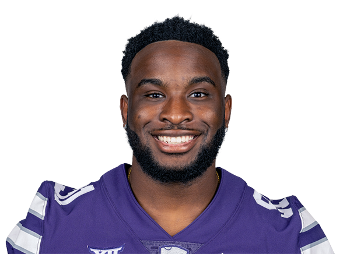
- Felix Anudike-Uzomah
At the NFL level, Anudike-Uzomah is a versatile scheme player. He can play with a hand down or standing up, and because he is a technician, defensive coaches could deploy him both ways as needed. He does have question marks as a run defender, he can be undisciplined, and at times blockers can latch on and move him away from his intended gap. Overall, he has first-round NFL Draft potential. ← Back to NFL Draft Big Board Felix Anudike-Uzomah Kansas State HT: 6031 WT: 255 YR: JR POS: ED OVR RK 51 POS RK CEILING POTENTIAL 9 KEY STRENGTHS Hand Usage Football IQ First Step KEY CONCERNS Run Defense Positional Strength Ability To Detach PLAYSTYLE & SCHEME FIT At 6'4" and 250 pounds, he has the size to play either defensive end or outside linebacker in a 3-4 defense, or defensive end in a 4-3 defense. Additionally, he has shown good speed and agility for his size, which could make him a potential fit in a variety of defensive schemes. Ultimately, his ability to adapt and develop his skills at the NFL level will be the key factor in determining his scheme fit. PLAYER COMPARISON: CEILING GRADE ANALYSIS High-End Starter Potential (65-69) A player expected to become a top-tier starter within their first few years. They possess strong physical tools and good technical skills but may have some limitations in their game. With development, they can reach near-elite levels and provide consistent impact at their position. Primary scout: Brandon Lundberg Football Scout 365 NFL Draft Grade Scale Football Scout 365 grades reflect a prospect’s projected long-term NFL value and role. Draft ranges are general value projections, not predictions of an exact selection. Positional value, team needs, scheme fit, medical information and athletic testing can influence where a player is ultimately selected. How Football Scout 365 Grades NFL Draft Prospects Elite (75+): A rare, high-impact prospect with elite physical tools, advanced football intelligence and the ability to make an immediate NFL impact. Elite prospects carry franchise-altering potential and typically project as top 5–10 selections in the first round. Near Elite (70–74): A high-caliber prospect with outstanding physical tools, strong football intelligence and only minor developmental limitations. Near Elite prospects project as significant early-career contributors with Pro Bowl upside and first-round draft value. High-End Starter Potential (65–69): A starting-caliber prospect with strong physical tools, quality technical skills and a defined NFL role. These players may require development before reaching their ceiling but generally carry second- or third-round draft value. Mid-Level Starter Potential (60–64): A solid prospect with NFL-level tools and a pathway to becoming a dependable starter if key limitations are addressed. These players generally carry third- to fifth-round draft value. Low-Level Starter Potential (55–59): A developmental prospect who could become a low-end starter, high-end backup or valuable specialist in the right role. These players generally carry fifth- to seventh-round draft value. Backup Level (50–54): A depth or rotational prospect with enough functional ability to compete for an NFL roster spot but limited long-term starting potential. These players generally project as late Day 3 selections or priority undrafted free agents. Not NFL Level (Below 50): A developmental or camp prospect who does not currently demonstrate enough consistency, technical refinement or functional NFL traits to project as a regular contributor. These players generally project as undrafted free agents, practice-squad candidates or camp invitations. Draft position can vary based on positional value, team needs, scheme fit, medical evaluation and athletic testing.
- Talanoa Hufanga
A physical safety who can play deep or in the box. He is strong against the run, and his appeal to NFL GM's places him in the mold of the Derwin James, Jamal Adams style of player. He plays with a violent edge and enjoys contact. He plays with good instincts. He can play zone coverage, and he does well-matched against TE's. Past injury history might be the red flag for some GM's. He has broken his collarbone two times and has dislocated a shoulder. I can attest that it will wear on your body when you try to bring the wood consistently. ← Back to NFL Draft Big Board Talanoa Hufanga USC HT: 6010 WT: 215 YR: JR POS: S OVR RK 56 POS RK CEILING POTENTIAL 3 KEY STRENGTHS KEY CONCERNS PLAYSTYLE & SCHEME FIT A physical safety who can play deep or in the box. He is strong against the run, and his appeal to NFL GM's places him in the mold of the Derwin James, Jamal Adams style of player. He plays with a violent edge and enjoys contact. He plays with good instincts. He can play zone coverage, and he does well-matched against TE's. Past injury history might be the red flag for some GM's. He has broken his collarbone two times and has dislocated a shoulder. I can attest that it will wear on your body when you try to bring the wood consistently. PLAYER COMPARISON: CEILING GRADE ANALYSIS High-End Starter Potential (65-69) A player expected to become a top-tier starter within their first few years. They possess strong physical tools and good technical skills but may have some limitations in their game. With development, they can reach near-elite levels and provide consistent impact at their position. Primary scout: Brandon Lundberg Football Scout 365 NFL Draft Grade Scale Football Scout 365 grades reflect a prospect’s projected long-term NFL value and role. Draft ranges are general value projections, not predictions of an exact selection. Positional value, team needs, scheme fit, medical information and athletic testing can influence where a player is ultimately selected. How Football Scout 365 Grades NFL Draft Prospects Elite (75+): A rare, high-impact prospect with elite physical tools, advanced football intelligence and the ability to make an immediate NFL impact. Elite prospects carry franchise-altering potential and typically project as top 5–10 selections in the first round. Near Elite (70–74): A high-caliber prospect with outstanding physical tools, strong football intelligence and only minor developmental limitations. Near Elite prospects project as significant early-career contributors with Pro Bowl upside and first-round draft value. High-End Starter Potential (65–69): A starting-caliber prospect with strong physical tools, quality technical skills and a defined NFL role. These players may require development before reaching their ceiling but generally carry second- or third-round draft value. Mid-Level Starter Potential (60–64): A solid prospect with NFL-level tools and a pathway to becoming a dependable starter if key limitations are addressed. These players generally carry third- to fifth-round draft value. Low-Level Starter Potential (55–59): A developmental prospect who could become a low-end starter, high-end backup or valuable specialist in the right role. These players generally carry fifth- to seventh-round draft value. Backup Level (50–54): A depth or rotational prospect with enough functional ability to compete for an NFL roster spot but limited long-term starting potential. These players generally project as late Day 3 selections or priority undrafted free agents. Not NFL Level (Below 50): A developmental or camp prospect who does not currently demonstrate enough consistency, technical refinement or functional NFL traits to project as a regular contributor. These players generally project as undrafted free agents, practice-squad candidates or camp invitations. Draft position can vary based on positional value, team needs, scheme fit, medical evaluation and athletic testing.