Search Results
Search this site
1757 results found with an empty search
- Mason Graham
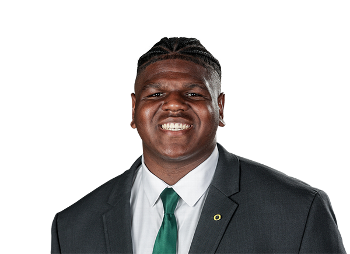
Graham is a disruptive force on Michigan’s defensive line, possessing the agility, power, and technique to excel against both the run and pass. His combination of heavy hands, excellent leverage, and lateral agility enables him to shed blocks and maintain gap integrity. While he has a solid foundational skill set, refining his hand usage and consistency in disengaging would elevate his effectiveness at the next level. With his wrestling background contributing to his leverage and balance, Graham has high upside as a defensive tackle. ← Back to NFL Draft Big Board Mason Graham Michigan HT: 6030 WT: 318 YR: JR POS: IDL OVR RK 1 POS RK CEILING POTENTIAL 1 KEY STRENGTHS Explosive First Step Elite Leverage & Anchor High-Level Pass Rusher KEY CONCERNS Arm Length Concern Hip Flexibility Not an Ideal Two-Gapper PLAYSTYLE & SCHEME FIT Graham is a dominant, explosive interior defensive lineman with elite leverage, block-shedding ability, and short-area quickness. His violent hands, motor, and pass-rush upside make him a top-tier prospect at the position. While lacking elite arm length, he wins with pad level, power, and technique. Best suited as a 3-tech in an attacking 4-3 scheme, though he has the versatility to play 1-tech or even 5-tech in a 3-4 front. He is NFL-ready from Day 1 and should be a disruptive force in both the run and pass game. PLAYER COMPARISON: CEILING GRADE ANALYSIS Elite (75+) A rare, high-impact prospect with the potential to be an instant NFL star. These players possess elite physical tools, high-level athleticism, and exceptional football intelligence. Their game is polished, showing minimal weaknesses, and they can dominate at their position from day one. They routinely accomplish what seems impossible and are viewed as franchise-altering talents. Primary scout: Brandon Lundberg Football Scout 365 NFL Draft Grade Scale Football Scout 365 grades reflect a prospect’s projected long-term NFL value and role. Draft ranges are general value projections, not predictions of an exact selection. Positional value, team needs, scheme fit, medical information and athletic testing can influence where a player is ultimately selected. How Football Scout 365 Grades NFL Draft Prospects Elite (75+): A rare, high-impact prospect with elite physical tools, advanced football intelligence and the ability to make an immediate NFL impact. Elite prospects carry franchise-altering potential and typically project as top 5–10 selections in the first round. Near Elite (70–74): A high-caliber prospect with outstanding physical tools, strong football intelligence and only minor developmental limitations. Near Elite prospects project as significant early-career contributors with Pro Bowl upside and first-round draft value. High-End Starter Potential (65–69): A starting-caliber prospect with strong physical tools, quality technical skills and a defined NFL role. These players may require development before reaching their ceiling but generally carry second- or third-round draft value. Mid-Level Starter Potential (60–64): A solid prospect with NFL-level tools and a pathway to becoming a dependable starter if key limitations are addressed. These players generally carry third- to fifth-round draft value. Low-Level Starter Potential (55–59): A developmental prospect who could become a low-end starter, high-end backup or valuable specialist in the right role. These players generally carry fifth- to seventh-round draft value. Backup Level (50–54): A depth or rotational prospect with enough functional ability to compete for an NFL roster spot but limited long-term starting potential. These players generally project as late Day 3 selections or priority undrafted free agents. Not NFL Level (Below 50): A developmental or camp prospect who does not currently demonstrate enough consistency, technical refinement or functional NFL traits to project as a regular contributor. These players generally project as undrafted free agents, practice-squad candidates or camp invitations. Draft position can vary based on positional value, team needs, scheme fit, medical evaluation and athletic testing.
- About Football Scout 365, The Journey, Vision, and The Mission Is All About Football
About Football Scout 365, The Journey, Vision, and The Mission Is All About Football Introduction Welcome to Football Scout 365, your definitive source for expert football scouting and analysis. Our focus is on delivering detailed scouting reports and grades for collegiate athletes, utilizing a unique method developed by experienced NFL scouts and executives. We are dedicated to elevating football scouting at all levels, leveraging our industry insights to empower teams and individuals. Our Mission Our mission is to become an industry leader in football scouting and analytics. We aim to develop our current scouting techniques for use at all levels of football and for use on a mainstream and commercial level. We value quality data over quantity and believe in providing easily translatable data to match on-field performance. We are committed to meeting your needs while striving to be one of the industry's top providers of football scouting and analytical content. Our Services Front Office Level NFL Draft Analysis At Your Fingertips The Big Board summarizes all the essential components of a player's scouting report, providing fans with a concise overview of the prospect's abilities, potential, and fit within the NFL. This summary serves as a quick reference point for fans who want a comprehensive understanding of a player's scouting report without delving into all the intricate details. Commercial Pro We offer a suite of services tailored to your needs. Our Pro Commercial plan is built for coaches, sports agents, or front-office personnel seeking additional scouting or analytics support. We can build analytical and statistical models based on your specific needs. Click Here To Learn More About Our Comprehensive Scouting and evaluation process Partner With Us Become a Brand Ambassador with our Affiliate Plus License. Use our content on your platform, be a guest on our podcast and YouTube channel, and more. As an Affiliate Plus member, you can access our detailed football scouting reports (NFL Draft Data) and use them on your platform (website, social media, and more). Contact us for more information regarding Commercial Pro or Affiliate partnerships: Email us or request a quote.
- 2025 NFL Draft: Linebacker Rankings – Jalon Walker, Jihaad Campbell & Carson Schwesinger Lead a Versatile Class
2025 NFL Draft: Linebacker Rankings – Jalon Walker, Jihaad Campbell & Carson Schwesinger Lead a Versatile Class The 2025 NFL Draft linebacker class has the potential to exceed expectations, featuring a combination of positional versatility, coverage ability, and traditional run-stopping skills. In today’s NFL, linebackers must be able to move across the second level pre-snap and contribute in coverage, and this class offers plenty of prospects who fit that mold. Leading the way is Georgia’s Jalon Walker, a hybrid defender who can align as an off-ball linebacker in a 4-3 one play and then rush the quarterback as a 3-4 outside linebacker the next. Alabama’s Jihaad Campbell follows closely behind, bringing similar versatility. He excels in coverage, has the ability to rush the passer, and plays with a relentless motor and high football IQ. The class also features high-upside players like Carson Schwesinger and Jeffrey Bassa, who fit the modern linebacker prototype with their range and athleticism. Meanwhile, Demetrius Knight Jr. provides a more traditional MIKE linebacker skill set with his ability to take on blocks and control the run game. With a strong blend of athletic coverage linebackers and physical run defenders, the 2025 linebacker class offers immediate impact players and long-term development prospects for NFL teams looking to build their defense around versatile second-level defenders. 2025 NFL Draft: Linebacker Rankings Near Elite Tier - 1st Round Projection 1) Jalon Walker | Georgia | Ht: 6'2" | Wt: 245 lbs Player Comparison: Jamie Collins Analysis: Walker is an explosive, versatile linebacker who can play both off-ball and on the edge. His range, pass-rushing ability, and coverage instincts make him a disruptive playmaker. Though still developing as a full-time linebacker, his athleticism and football IQ give him Pro Bowl upside. High-End Starter Potential - 2nd/3rd Round Projection 2) Jihaad Campbell | Alabama | Ht: 6'3" | Wt: 230 lbs Player Comparison: Tremaine Edmunds Analysis: Campbell is a rangy linebacker with elite speed, coverage ability, and pass-rush versatility. His quick processing and athleticism make him an ideal modern linebacker. Needs to improve block-shedding and run-fit discipline to reach his ceiling. 3) Carson Schwesinger | UCLA | Ht: 6'2" | Wt: 225 lbs Player Comparison: Deion Jones Analysis: Schwesinger is an instinctive, high-motor linebacker with great lateral agility and open-field tackling ability. His coverage skills and range make him a strong fit as a modern WILL linebacker. Needs to improve strength and block disengagement. 4) Chris Paul Jr. | Ole Miss | Ht: 6'1" | Wt: 235 lbs Player Comparison: Patrick Queen Analysis: Paul is an athletic, sideline-to-sideline linebacker with coverage ability and blitzing upside. His burst and tackling make him a disruptive presence, though he must improve at disengaging from blockers. Best suited as a 4-3 WILL or 3-4 ILB. 5) Jeffrey Bassa | Oregon | Ht: 6'2" | Wt: 235 lbs Player Comparison: Bobby Okereke Analysis: A former safety, Bassa offers elite coverage ability, range, and blitzing potential. His athleticism makes him a valuable sub-package linebacker early in his career. Needs to refine play recognition and run defense to become a full-time starter. 6) Demetrius Knight Jr. | South Carolina | Ht: 6'2" | Wt: 245 lbs Player Comparison: Reggie Ragland Analysis: Knight is a physical, downhill linebacker with strong blitzing ability and run-stopping instincts. His size and strength allow him to take on blocks, but his lateral agility limits his coverage upside. Best suited as a MIKE in an attacking defense.
- Josh Conerly Jr.
← Back to NFL Draft Big Board Josh Conerly Jr. Oregon HT: 6040 WT: 305 YR: JR POS: OT OVR RK 35 POS RK CEILING POTENTIAL 5 KEY STRENGTHS Elite Athlete Advanced Pass Protection Good Leverage & Hand Placement KEY CONCERNS More Power in the Run Game Can Overextend Pass Pro Not a True Finisher PLAYSTYLE & SCHEME FIT Conerly is an athletic, well-rounded tackle with elite pass protection skills and fluid movement ability. He thrives in zone-based run schemes where he can use his mobility and angles to gain leverage but needs to develop better play strength and anchor to handle NFL power rushers. His quick feet, strong hands, and smooth mirror skills project him as a Day 1 starter with Pro Bowl upside at left tackle. PLAYER COMPARISON: CEILING GRADE ANALYSIS High-End Starter Potential (65-69) A player expected to become a top-tier starter within their first few years. They possess strong physical tools and good technical skills but may have some limitations in their game. With development, they can reach near-elite levels and provide consistent impact at their position. Primary scout: Brandon Lundberg Football Scout 365 NFL Draft Grade Scale Football Scout 365 grades reflect a prospect’s projected long-term NFL value and role. Draft ranges are general value projections, not predictions of an exact selection. Positional value, team needs, scheme fit, medical information and athletic testing can influence where a player is ultimately selected. How Football Scout 365 Grades NFL Draft Prospects Elite (75+): A rare, high-impact prospect with elite physical tools, advanced football intelligence and the ability to make an immediate NFL impact. Elite prospects carry franchise-altering potential and typically project as top 5–10 selections in the first round. Near Elite (70–74): A high-caliber prospect with outstanding physical tools, strong football intelligence and only minor developmental limitations. Near Elite prospects project as significant early-career contributors with Pro Bowl upside and first-round draft value. High-End Starter Potential (65–69): A starting-caliber prospect with strong physical tools, quality technical skills and a defined NFL role. These players may require development before reaching their ceiling but generally carry second- or third-round draft value. Mid-Level Starter Potential (60–64): A solid prospect with NFL-level tools and a pathway to becoming a dependable starter if key limitations are addressed. These players generally carry third- to fifth-round draft value. Low-Level Starter Potential (55–59): A developmental prospect who could become a low-end starter, high-end backup or valuable specialist in the right role. These players generally carry fifth- to seventh-round draft value. Backup Level (50–54): A depth or rotational prospect with enough functional ability to compete for an NFL roster spot but limited long-term starting potential. These players generally project as late Day 3 selections or priority undrafted free agents. Not NFL Level (Below 50): A developmental or camp prospect who does not currently demonstrate enough consistency, technical refinement or functional NFL traits to project as a regular contributor. These players generally project as undrafted free agents, practice-squad candidates or camp invitations. Draft position can vary based on positional value, team needs, scheme fit, medical evaluation and athletic testing.
- Prospect Watch: Florida State Edge Rusher Jared Verse Is An Ascending 2023 NFL Draft Prospect
Prospect Watch: Florida State Edge Rusher Jared Verse Is An Ascending 2023 NFL Draft Prospect There were a lot of questions among the Florida State faithful regarding the Jermaine Johnson replacement; those questions were provided emphatic answers last night in New Orleans when Jared Verse blocked a FG and picked up two sacks vs. the LSU Tigers. The transfer edge rusher from Albany University displayed his freakish athleticism on the big stage and proved that his move from FCS to FBS would be virtually seamless. 2021 Stats At Albany Jared Verse was dynamic a year ago while playing at Albany. He amassed 10.5 sacks and 20 run stops at or behind the line of scrimmage (11 for a loss). He forced two fumbles and pressured the QB 36 times. PFF graded him as the 23rd-best Edge in FCS a season ago among players with at least 500 snaps. His one weakness coming from FCS was tackling; he graded out terribly in 2021 with a 22% missed tackle rate, ranking 16th worst among edge defenders with at least 500 snaps. Scouting Report Jared Verse is a 6-4, 250lb athletic edge rusher who uses his explosive first step to defeat opposing blockers off the edge. Where he needed to improve the most after transferring from FCS Albany to LSU is his technique. Improving his hand usage, lateral quickness, and a counter move to go along with his explosive first step would be significant. Through the first few weeks of the 2022 CFB season, Verse appears to have improved his technique and looks like a player on the rise. Verse struggled as a tackler in 2021 at FCS Albany, amassing (10) missed tackles. So far, through two weeks, he has shown improved discipline as a tackler. His impact on special teams adds additional allure to his NFL Draft stock.
- 2022 NFL Draft Profile: Ohio State WR Garrett Wilson
2022 NFL Draft Profile: Ohio State WR Garrett Wilson Click Here to view our NFL Draft Big Board with player rankings and analysis. Click here to learn more about our updated player grade scale and critical position factors. Player Profile Name: Garrett Wilson School: Ohio State Buckeyes Recruiting Profile: Click Here Position: WR Height: 6-0 Weight: 192 Year: Senior Jersey Number: 5 Offensive Scheme: Air Raid, Pro Style Spread, Vertical Routes, Crossing Routes Offensive Coordinator: Ryan Day, Kevin Wilson (WR Coach Brian Hartline) Games Reviewed: Michigan 2019, Penn State 2020, Nebraska 2020, Indiana 2020, Michigan State 2020, Northwestern 2020, Clemson 2020, Minnesota 2021, Oregon 2021, Purdue 2021, Michigan State 2021, Michigan 2021 Position Specific Critical Factors Hands (7) Very Good The best WR's in football display great hands; they can snatch or pluck the football when in tight coverage or the wide-open field. Some receivers use their bodies when catching and therefore need more development as hands catchers. Separation (7) Very Good A player's ability to separate from a defender while running a route is dependent on his ability to run a precise and clean route. Separation is not just the prospect's ability to separate with speed, but his ability to run several routes at a high level. The prospect's ability to sell a route to get a defender out of position is also a key way for a player to gain separation. Players with a limited route tree can make it easier for defenders to predict their route running tendencies. The ability to use their body to box out is another way to gain separation. After Catch Ability (7) Very Good A running back with the football in their hands, receivers who can catch a football and make defenders miss in open space, or that can break tackles is a commodity at the highest level of football: high-level WR's show elusiveness, strength, speed, and display toughness after the catch. Key Strengths Short Area Quickness After The Catch Separates With Ease Key Weaknesses Concentration Drops Physicality Pass Game Summary Wilson is a dynamic player who possesses excellent after-the-catch playmaking ability. He is a strong-handed receiver who plays with very good body control and, at times, showcases an ability to make a back-shoulder catch look easy. He is a natural separator but can sometimes round off his routes, relying on his speed to bail him out. His ability to track a football is also very good, though he has lacked concentration at times leading to an occasional drop of a catchable ball. Run Game Summary Wilson is an adequate run blocker, a vital skill to earn playing time at Ohio State. The Ohio State coaches are always adamant about the receivers possessing good run blocking skills, using Terry Mclaurin as a constant effort example when coaching the receivers. Wilson is also a player who can instantly impact as a punt returner Final Analysis He is a natural off-ball receiver who can play in the slot or the Z. He needs to improve his overall strength at the NFL level to play consistently on the ball where physical corners might give him issues. At Ohio State, Wilson ran a lot of underneath routes and routes nearest the line of scrimmage to use his after-the-catch skills in space. He can provide deep ball versatility at the NFL level and will benefit early on in his career in an offense that can blend the horizontal and vertical pass game off of play-action. Final Grade Analysis Final Grade: (7.1) (Instant Impact Potential) (9.0-7.0) High-End Starter Ceiling Grade: (7.5) (Instant Impact Potential) (9.0-7.0) High-End Starter Floor Grade: (6.9) (High Upside Potential) (6.9-6.7) Solid Starter Level
- 2024 NFL Draft: Scouting Ohio State WR Marvin Harrison Jr.
2024 NFL Draft: Scouting Ohio State WR Marvin Harrison Jr. As we move into the 2024 NFL Draft player analysis before the 2023 college football season, we will provide in-depth scouting reports, film reviews, and more, covering the top players expected to declare for the 2024 NFL Draft. Each year the evaluation process starts with preliminary evaluations. Some are based on limited film reviews in the early stages; for others, we already have a full four games evaluated or more, and the final grade depends on the prospect's final season of film in college. Find Us On YouTube Our YouTube channel has become a central hub for our top NFL Draft player evaluations, fantasy football, and NFL analysis. Name: Marvin Harrison Jr. Position: Wide Receiver School: Ohio State Height: 6'4" Weight: 205 lbs High School: St. Joseph's Preparatory School City/State: Philadelphia, Pennsylvania High School Accolades Overview: Marvin Harrison Jr. stood out at St. Joseph's Prep. He helped lead his team to multiple state championships and earned All-State honors. He was also named to the All-USA Pennsylvania Football Team by USA Today. Multi-Sport Athlete: Harrison Jr. was not only a football player during his high school years but also played basketball, demonstrating his athleticism and competitiveness across multiple sports. Family Athletic History: Marvin Harrison Jr. comes from an illustrious football lineage. His father, Marvin Harrison Sr., is a Hall of Fame wide receiver who had a decorated career with the Indianapolis Colts in the NFL. 247 Sports Star Rating: Marvin Harrison Jr. was a 4-star recruit, according to 247 Sports. National Player Ranking: Harrison Jr. was ranked as the 14th-best wide receiver and the 87th overall player in the nation for the 2021 recruiting class, according to 247 Sports Composite Rankings. College Offers: Harrison Jr. received numerous college offers from top programs nationwide, including Notre Dame, Michigan, and Penn State, among others. However, he ultimately decided to commit to Ohio State. High School Summary: Marvin Harrison Jr. is a highly skilled wide receiver with a promising future. He demonstrated his football abilities at St. Joseph's Prep, earning several accolades and drawing the attention of many top-tier college programs. His multi-sport background speaks to his overall athleticism, while his football lineage underscores his innate understanding of the game. As a 4-star recruit and the son of a Hall of Fame receiver, Harrison Jr. has a strong foundation from which to build a successful career in the sport. His decision to commit to Ohio State speaks to his desire to compete at the highest level. 2024 NFL Draft Scouting Report Overview: Marvin Harrison Jr. is a skilled wide receiver with an impressive combination of size, hands, and route-running ability. He is considered a top 5 prospect if he declares for the 2024 NFL Draft. The son of Hall of Fame wide receiver Marvin Harrison, Harrison Jr. did not fall far from the tree and possesses the high-level ceiling that could allow him to ascend beyond his father's accomplishments as a player once he is in the NFL. Speed: While not the fastest receiver in the class, Harrison Jr. possesses functional speed that allows him to be a threat at all levels of the field. Agility: Harrison Jr.'s agility is a key part of his game. His ability to change direction quickly enables him to create separation in his routes and elude defenders after the catch. Explosiveness: Harrison Jr. has good explosiveness, especially when releasing off the line of scrimmage. His burst helps him get into his routes quickly and challenge defensive backs deep. Hands: One of Harrison Jr.'s standout traits is his hands. He possesses an elite catch radius and can play physically through contact, using his frame to box out. His strong hands allow him to win more contested 50/50 battles. Route Running: Harrison Jr.'s route running is one of his major strengths. He understands how to set up defensive backs and create separation with his routes. His ability to run precise routes and his understanding of timing and leverage are impressive. Separation: While he doesn't possess elite speed, Harrison Jr. consistently gets open due to his savvy route-running skills and understanding of defensive coverages. He uses his size and agility effectively to create separation. After Catch Ability: Harrison Jr. has solid ability after the catch. He's not overly elusive in the open field, but he's tough to bring down due to his size and strength. He consistently fights for extra yards after the catch. Inside/Outside Versatility: Harrison Jr. has the versatility to line up inside and outside. His size and route-running ability make him a threat on the outside, while his understanding of coverages and strong hands make him effective when lined up in the slot. Play Style and Scheme Fit: Marvin Harrison Jr.'s style of play is reminiscent of his father's in many ways. He's a reliable receiver with strong hands and precise route-running skills. He excels at using his size to his advantage, particularly when it comes to contested catches, and his understanding of the game allows him to find soft spots in coverage consistently. Harrison Jr. would fit well in a scheme that values technical route-running and versatility in a receiver. His ability to line up both inside and outside gives offensive coordinators flexibility when it comes to game planning. He's adept at getting open in both man and zone coverages, making him a threat regardless of the defensive scheme he's facing. Player Comparisons: In terms of current NFL players, Harrison Jr.'s style of play is somewhat similar to that of Mike Evans of the Tampa Bay Buccaneers. Like Evans, Harrison Jr. uses his size and catch radius effectively to win 50/50 balls, and he's reliable when it comes to making contested catches. His route-running ability and knack for getting open also echo aspects of Keenan Allen's game. It's also hard not to draw comparisons between Harrison Jr. and his father, Marvin Harrison Sr. While it's premature to suggest that he'll reach the same level of success as his Hall of Fame father, the younger Harrison does displays some of the same qualities that made his father so successful, particularly in terms of his hands and route-running skills. Scouting Summary: Marvin Harrison Jr. is a talented wide receiver prospect who brings a well-rounded skill set to the table. His strong hands, precise route running, and inside/outside versatility make him a versatile weapon in the passing game. He may not be the fastest or most explosive receiver in the 2024 NFL Draft class, but his understanding of the game and physical traits make him a promising prospect with a high ceiling.
- 2026 NFL Draft Edge Rusher Rankings: Rueben Bain Jr. & David Bailey Headline a Loaded Pass-Rush Class
2026 NFL Draft Edge Rusher Rankings: Rueben Bain Jr. & David Bailey Headline a Loaded Pass-Rush Class The 2026 NFL Draft edge rusher rankings are one of the premier strengths of this cycle, defined by depth, production, and true pass-rush versatility. This is a group loaded with starting-caliber talent across the top 75 picks, giving defensive coordinators multiple ways to impact the quarterback without overextending early draft capital. At the top, Miami’s Rueben Bain Jr. and Texas Tech’s David Bailey set the tone. Bain brings power, leverage, and relentless disruption as a thick-framed, three-down edge who can win with speed-to-power and heavy hands. Bailey counters with explosive burst, bend, and elite pressure production, profiling as a pure edge stressor capable of flipping protection schemes on his own. Behind them, the depth is real — multiple Round 1–3 prospects offer varied body types and skill sets, from long-levered power ends to hybrid stand-up rushers. This isn’t necessarily a “single generational lock” class at the very top, but the overall strength lies in volume and quality. Teams running four-man rush structures or hybrid 3-4 fronts will find plug-and-play options throughout Day 1 and Day 2. Go to other positional grades: QB | RB | WR | TE | OL | IDL | Edge | LB | CB | SAF 2026 NFL Draft Edge Rusher Rankings 1). Rueben Bain Jr., 6’3”, 275 lbs, Miami Grade Tier: Near Elite NFL Projection: Top 10 – Mid 1st Round Analysis: A thick, twitch-heavy edge defender with one of the most polished pass-rush plans in the class. Bain wins with leverage, violent hands, and advanced inside counters, consistently collapsing half-man relationships. His ability to align as a 4-3 end, reduced 5-tech, or kick inside on passing downs creates true scheme-diverse value. Despite arm-length conversations, his tape shows consistent disengagement and finishing ability. Projects as an early-impact starter with three-down upside. 2). David Bailey, 6’3”, 250 lbs, Texas Tech Grade Tier: Near Elite NFL Projection: Top 10 – Mid 1st Round Analysis: A breakout 2025 performer who pairs explosive first-step burst with true cornering ability. Bailey’s 14.5-sack season reflects elite pressure conversion and closing speed. He wins with bend, sequencing, and speed-to-power, making him an ideal 3-4 OLB or hybrid EDGE. Continued development in play strength and run-game anchor will determine whether he ascends into a top-10 lock, but the pass-rush impact is immediate. 3). Akheem Mesidor, 6’3”, 280 lbs, Miami Grade Tier: Near Elite NFL Projection: Late 1st – Early 2nd Round Analysis: A polished, high-motor rusher with advanced hand usage and rush sequencing. Mesidor’s ability to win both outside and reduce inside on passing downs gives him multiple-front value. His burst and interior quickness translate to immediate third-down impact, with the build and temperament to develop into a full-time starter in aggressive fronts. 4). Derrick Moore, 6’3”, 258 lbs, Michigan Grade Tier: High-End Starter Potential NFL Projection: 2nd Round Analysis: A power-based edge defender built on speed-to-power conversion and leverage control. Moore consistently compresses the pocket with long-arm variations and interior counters. While average get-off and stiffness cap elite upside, he projects as a reliable strong-side end or rush linebacker in pressure-based systems. 5). Keldric Faulk, 6’6”, 290 lbs, Auburn Grade Tier: High-End Starter Potential NFL Projection: 2nd Round Analysis: A rare-bodied, multi-alignment defender who profiles best as a 4i/5-tech in odd fronts. Faulk wins with length, power, and edge-setting discipline, offering inside-out flexibility on passing downs. Not a true speed rusher, but his pocket compression and versatility provide starter-level value with ascending third-down impact. 6). T.J. Parker, 6’3”, 265 lbs, Clemson Grade Tier: High-End Starter Potential NFL Projection: 2nd Round Analysis: A dense, power-driven edge defender with violent hands and strong run-game presence. Parker’s 2024 production showcased pocket compression ability, though limited bend and sequencing consistency cap his ceiling. Projects best as a heavy early-down 4-3 end with reliable three-down development potential. 7). Cashius Howell, 6’2”, 250 lbs, Texas A&M Grade Tier: High-End Starter Potential NFL Projection: 2nd Round Analysis: An ascending pass rusher with length, burst, and refined speed-to-power conversion. Howell thrives in hybrid 3-4 fronts where he can rush from a stand-up alignment and attack half-man surfaces. Continued refinement in edge discipline and counter timing will determine whether he develops into a double-digit sack producer. 8). R. Mason Thomas, 6’2”, 250 lbs, Oklahoma Grade Tier: High-End Starter Potential NFL Projection: 2nd-3rd Round Analysis: A twitch-driven, speed-based rusher with true ankle flexion and burst off the snap. Thomas threatens vertically and can convert speed to power better than expected, but length and anchor limitations cap early-down projection. Best deployed as a wide-alignment rush linebacker or designated sub-package rusher early in his career. 9). Zion Young, 6’5”, 262 lbs, Missouri Grade Tier: High-End Starter Potential NFL Projection: 2nd–3rd Round Analysis: A long, powerful edge defender built to control the point of attack and compress the pocket. Young wins with leverage, length, and motor, consistently resetting tackles with bull rush and long-arm variations. While he lacks elite burst or high-end bend, his reliability versus the run and ability to convert speed to power project cleanly as a strong-side EDGE in 4-3 or hybrid fronts. 10). Dani Dennis-Sutton, 6’5”, 272 lbs, Penn State Grade Tier: High-End Starter Potential NFL Projection: 2nd–3rd Round Analysis: A pro-ready frame with strong early-down value, Dennis-Sutton thrives setting the edge and controlling tight ends with length and heavy hands. His pass rush is built on power, interior counters, and long-arm compression rather than elite cornering ability. Projects best as a base 4-3 defensive end or 5-tech in even/odd fronts with rotational Year 1 impact and starter upside. 11). LT Overton, 6’5”, 283 lbs, Alabama Grade Tier: High-End Starter Potential NFL Projection: 2nd–3rd Round Analysis: A prototype-sized, multi-front defender with legitimate 5-tech/4i versatility. Overton brings strong anchor ability, heavy hands, and edge-setting consistency. As a rusher, he relies primarily on bull rush and length rather than dynamic bend. Projects as a base defensive end with inside-out flexibility and developmental three-down upside. 12). Gabe Jacas, 6’3”, 275 lbs, Illinois Grade Tier: High-End Starter Potential NFL Projection: 2nd-3rd Round Analysis: A power-based rusher with strong collegiate production and disruptive inside counters. Jacas wins through speed-to-power conversion and short-area quickness, collapsing oversetting tackles and attacking half-man surfaces. Pad level and anchor consistency limit full three-down reliability, projecting him best as a rotational 3-4 OLB or strong-side end early in his career. 13). Romello Height, 6’3”, 240 lbs, Texas Tech Grade Tier: Mid-Level Starter Potential NFL Projection: 2nd-4th Round Analysis: An explosive, bend-driven pass rusher with legitimate third-down juice. Height’s first-step burst and ability to flatten at the top of the rush create vertical stress on tackles. However, lean frame and limited play strength cap his early-down projection. Best deployed as a rotational rush linebacker or wide-alignment sub-package rusher. 14). Jaishawn Barham, 6’4”, 248 lbs, Michigan Grade Tier: Mid-Level Starter Potential NFL Projection: 3rd–4th Round Analysis: A twitchy, hybrid defender whose value centers on pass-rush upside and multi-front versatility. Barham flashes sudden first-step explosiveness and violent hands, creating pressure from both stand-up and interior alignments. Coverage instincts and tackling consistency remain developmental, projecting him best as a SAM or hybrid rush piece in pressure-heavy fronts. 15). Tyreak Sapp, 6’3”, 272 lbs, Florida Grade Tier: Mid-Level Starter Potential NFL Projection: 4th Round Analysis: A compact, strength-based edge defender who wins through leverage and run-game reliability. Sapp consistently sets a firm edge and absorbs contact, with flashes of interior rush ability when converting speed to power. Limited bend and burst cap his ceiling as a dynamic edge threat. Projects as a rotational early-down defender with inside-out versatility. 16). Caden Curry, 6’3”, 260 lbs, Ohio State Grade Tier: Mid-Level Starter Potential NFL Projection: 4th–5th Round Analysis: A high-motor, effort-driven rusher who broke out in 2025 with improved finishing and counter timing. Curry wins through leverage and hand violence rather than elite athletic traits. Shorter length and average lateral agility temper upside, but he projects as a rotational 4-3 end or hybrid 3-4 outside linebacker with sub-package value. How We Grade the Edge Rusher Position Edge defenders are evaluated primarily on pass-rush impact, functional athleticism, and down-to-down disruption. Grades are driven by how consistently a player can win one-on-one, affect the quarterback in true dropback situations, and set a firm edge without sacrificing run integrity. Key factors include get-off timing, bend and ankle flexion, hand usage and counter development, speed-to-power conversion, play strength at the point of attack, and closing burst. We also weigh pass-rush plan diversity, motor consistency, and scheme versatility — whether the defender can function as a 4-3 defensive end, 3-4 outside linebacker, or hybrid stand-up rusher. In today’s NFL, the ability to generate pressure with four rushers is premium, so consistent disruption and finishing ability carry the most weight in our evaluation. Football Scout 365 Grade Scale Elite NFL Projection: Top 5–10 Picks (1st Round) Franchise-altering talent with elite physical tools, advanced processing, and minimal weaknesses. Immediate high-impact starter with difference-making ability. Near Elite NFL Projection: Mid-to-Late 1st Round High-level prospect with strong traits and football intelligence. Expected to become a major contributor early in their career with Pro Bowl upside. High-End Starter Potential NFL Projection: 2nd–3rd Round Projects as a quality NFL starter with strong tools and functional traits. May require refinement but offers consistent impact with development. Mid-Level Starter Potential NFL Projection: 4th–5th Round Dependable starter or high-end rotational player. Solid athletic profile with some limitations that cap ceiling or require scheme fit. Low-Level Starter Potential NFL Projection: 6th–7th Round Developmental prospect with starter upside in defined roles. Inconsistencies in technique, processing, or durability limit long-term ceiling. Backup Level NFL Projection: Undrafted Free Agent (UDFA) Depth player or rotational piece. Functional traits but limited upside for a long-term starting role. Not NFL Level NFL Projection: Unlikely to Make NFL Roster Significant developmental needs across athleticism, technique, or processing. Long-shot to stick at the NFL level.
- Dynasty Superflex Rankings & Fantasy Football Analysis
Dynasty superflex rankings, rookie values, startup rankings, player tiers, draft capital, team fits, and long-term fantasy football analysis built through a scouting-first lens. DYNASTY FANTASY FOOTBALL ANALYSIS Trinidad Chambliss 2027 NFL Draft Breakdown: His Path to QB1 Is Clear After LSU Trinidad Chambliss threw for 363 yards and accounted for three touchdowns against LSU. Watch our 2027 NFL Draft breakdown of his accuracy, processing and projection. Brandon Lundberg Oct 2 CJ Carr 2027 NFL Draft Breakdown: Can He Be QB1? CJ Carr’s anticipation and deep accuracy give him a path to the top of the 2027 NFL Draft class. Watch the breakdown of his strengths and next development step. Brandon Lundberg Oct 2 Jadan Baugh 2027 NFL Draft Breakdown: Why He’s The Consensus RB1 Watch our Jadan Baugh 2027 NFL Draft breakdown covering the Florida RB’s contact balance, three-down versatility, Joe Mixon comparison and dynasty upside. Brandon Lundberg Oct 2 Jeremiyah Love Dynasty Rookie Profile – Fantasy Football 2026 Jeremiyah Love enters the 2026 fantasy football season as a premium Cardinals rookie running back with three-down upside, elite draft capital, and RB1 dynasty value. Brandon Lundberg Jul 13 Carnell Tate Dynasty Rookie Profile – Fantasy Football 2026 Carnell Tate enters the 2026 fantasy football season as a polished Titans rookie wide receiver with route-running skill, strong draft capital, and long-term WR2 dynasty upside. Brandon Lundberg Jun 26 Fernando Mendoza Dynasty Rookie Profile – Fantasy Football 2026 Fernando Mendoza dynasty rookie profile for 2026 fantasy football, including Raiders outlook, Superflex value, rookie projection, scouting report, and dynasty ranking. Brandon Lundberg Jun 18 2026 Dynasty SuperFlex Rankings: Full Tiered Breakdown 2026 Dynasty SuperFlex Rankings for 2QB leagues featuring tiered player values, age-based dynasty context, Keep/Trade labels, Dynasty Scores, and full Fantasy Hub access. Brandon Lundberg Jun 11 2026 Dynasty Rookie Rankings for Superflex Leagues 2026 Dynasty Fantasy Football Rookie Rankings for Superflex .5 PPR leagues, featuring film-based scouting, NFL Draft capital, team fit, scheme fit, player comparisons, and quick analysis for the top 36 rookies in the class. Brandon Lundberg May 1 1 2 3 4 5
- Jarrian Jones
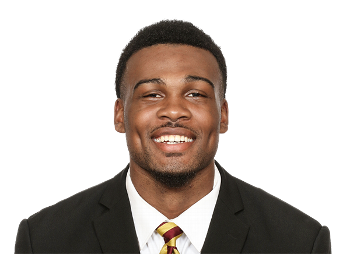
Considering his overall abilities and combine performance, Jones has shown enough potential to be considered a Mid-Level Starter Potential (60-64). He is likely to be a solid contributor at the NFL level, particularly in schemes that value versatility and speed in their secondary. ← Back to NFL Draft Big Board Jarrian Jones Florida State HT: 6000 WT: 191 YR: SR POS: CB OVR RK 70 POS RK CEILING POTENTIAL 10 KEY STRENGTHS Inside/Outside Versatility Blue Collar vs. Run In Phase Physicality KEY CONCERNS Improve Mirror & Match Can Get Lost Deep Transitional Footwork PLAYSTYLE & SCHEME FIT Jones has been highlighted as an experienced and versatile CB with good size, length, and above-average athleticism. He's been noted to fit particularly well as a Nickel CB in the NFL. PLAYER COMPARISON: CEILING GRADE ANALYSIS High-End Starter Potential (65-69) A player expected to become a top-tier starter within their first few years. They possess strong physical tools and good technical skills but may have some limitations in their game. With development, they can reach near-elite levels and provide consistent impact at their position. Primary scout: Brandon Lundberg Football Scout 365 NFL Draft Grade Scale Football Scout 365 grades reflect a prospect’s projected long-term NFL value and role. Draft ranges are general value projections, not predictions of an exact selection. Positional value, team needs, scheme fit, medical information and athletic testing can influence where a player is ultimately selected. How Football Scout 365 Grades NFL Draft Prospects Elite (75+): A rare, high-impact prospect with elite physical tools, advanced football intelligence and the ability to make an immediate NFL impact. Elite prospects carry franchise-altering potential and typically project as top 5–10 selections in the first round. Near Elite (70–74): A high-caliber prospect with outstanding physical tools, strong football intelligence and only minor developmental limitations. Near Elite prospects project as significant early-career contributors with Pro Bowl upside and first-round draft value. High-End Starter Potential (65–69): A starting-caliber prospect with strong physical tools, quality technical skills and a defined NFL role. These players may require development before reaching their ceiling but generally carry second- or third-round draft value. Mid-Level Starter Potential (60–64): A solid prospect with NFL-level tools and a pathway to becoming a dependable starter if key limitations are addressed. These players generally carry third- to fifth-round draft value. Low-Level Starter Potential (55–59): A developmental prospect who could become a low-end starter, high-end backup or valuable specialist in the right role. These players generally carry fifth- to seventh-round draft value. Backup Level (50–54): A depth or rotational prospect with enough functional ability to compete for an NFL roster spot but limited long-term starting potential. These players generally project as late Day 3 selections or priority undrafted free agents. Not NFL Level (Below 50): A developmental or camp prospect who does not currently demonstrate enough consistency, technical refinement or functional NFL traits to project as a regular contributor. These players generally project as undrafted free agents, practice-squad candidates or camp invitations. Draft position can vary based on positional value, team needs, scheme fit, medical evaluation and athletic testing.
- Chris Brazzell II
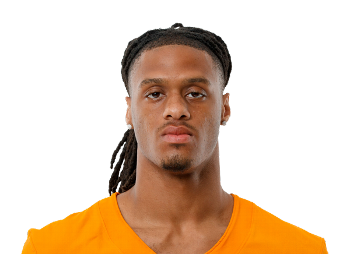
← Back to NFL Draft Big Board Chris Brazzell II Tennessee HT: 6050 WT: 200 YR: JR POS: WR OVR RK 57 POS RK CEILING POTENTIAL KEY STRENGTHS Explosive vertical receiver Advanced route manipulator Length and body control KEY CONCERNS Add mass/avoid rerouting Improve late-hand discipline Limited short-area elusiveness PLAYSTYLE & SCHEME FIT Chris Brazzell II is a lengthy perimeter receiver who wins with stride acceleration, catch radius, and above-the-rim ball skills. He stretches coverage vertically and shows improved control and timing on intermediate concepts, allowing his production to better match his physical tools. Brazzell tracks the ball well and consistently finishes in contested situations, using length and body positioning to his advantage. However, he is not a sudden separator underneath and does not consistently create space through leverage manipulation. He will need to add functional strength and prove he can handle tighter man coverage at the next level. He projects as an explosive outside playmaker with red-zone value and developmental upside tied to refinement and physical growth. PLAYER COMPARISON: CEILING GRADE ANALYSIS High-End Starter Potential (65-69) A player expected to become a top-tier starter within their first few years. They possess strong physical tools and good technical skills but may have some limitations in their game. With development, they can reach near-elite levels and provide consistent impact at their position. Primary scout: Brandon Lundberg Football Scout 365 NFL Draft Grade Scale Football Scout 365 grades reflect a prospect’s projected long-term NFL value and role. Draft ranges are general value projections, not predictions of an exact selection. Positional value, team needs, scheme fit, medical information and athletic testing can influence where a player is ultimately selected. How Football Scout 365 Grades NFL Draft Prospects Elite (75+): A rare, high-impact prospect with elite physical tools, advanced football intelligence and the ability to make an immediate NFL impact. Elite prospects carry franchise-altering potential and typically project as top 5–10 selections in the first round. Near Elite (70–74): A high-caliber prospect with outstanding physical tools, strong football intelligence and only minor developmental limitations. Near Elite prospects project as significant early-career contributors with Pro Bowl upside and first-round draft value. High-End Starter Potential (65–69): A starting-caliber prospect with strong physical tools, quality technical skills and a defined NFL role. These players may require development before reaching their ceiling but generally carry second- or third-round draft value. Mid-Level Starter Potential (60–64): A solid prospect with NFL-level tools and a pathway to becoming a dependable starter if key limitations are addressed. These players generally carry third- to fifth-round draft value. Low-Level Starter Potential (55–59): A developmental prospect who could become a low-end starter, high-end backup or valuable specialist in the right role. These players generally carry fifth- to seventh-round draft value. Backup Level (50–54): A depth or rotational prospect with enough functional ability to compete for an NFL roster spot but limited long-term starting potential. These players generally project as late Day 3 selections or priority undrafted free agents. Not NFL Level (Below 50): A developmental or camp prospect who does not currently demonstrate enough consistency, technical refinement or functional NFL traits to project as a regular contributor. These players generally project as undrafted free agents, practice-squad candidates or camp invitations. Draft position can vary based on positional value, team needs, scheme fit, medical evaluation and athletic testing.
- 2025 NFL Mock Draft: 3 RBs in Round 1?! Jeanty Cracks the Top 10, Sanders Lands in Cleveland
2025 NFL Mock Draft: 3 RBs in Round 1?! Jeanty Cracks the Top 10, Sanders Lands in Cleveland Who Will the Tennessee Titans Select at No. 1 Overall? The biggest question heading into the 2025 NFL Draft is what the Tennessee Titans will do with the number one overall pick. Will they select a quarterback, trade down, or opt for a defensive cornerstone like Abdul Carter or Mason Graham, as I projected in my first two mock drafts? The Titans hold all the leverage at the top, and their decision will have a ripple effect on the rest of the first round. 2025 NFL Mock Draft: 3 Running Backs Drafted in The 1st Round! Are the Cleveland Browns Targeting Shedeur Sanders? Another major shift from Mock Draft 2.0 is the growing buzz around the Cleveland Browns and their potential interest in Shedeur Sanders. Early reports indicated that Deion Sanders had a shortlist of teams he didn’t approve of for Shedeur, Cleveland was assumed to be on that list, though not confirmed. However, If Shedeur isn’t receiving the first-round attention he expected, his presumed stance on draft destination could change. It’s also worth considering that teams at the top of the draft may be posturing, leveraging their top-five picks to create trade opportunities. The Titans could be doing this, and perhaps the Browns are making a similar move. What’s clear is that both Shedeur Sanders and Cam Ward are likely top-10 picks, but I’m not entirely convinced that they will be selected first and second overall. With teams like the Raiders and Jets in need of a franchise quarterback, and no guarantee that Tennessee or Cleveland will land a solid free-agent QB, the situation remains unpredictable. Could Two (or Even Three) Running Backs Go in Round 1? One of the biggest trends I highlighted in Mock Draft 2.0 was the potential for two running backs to be drafted in the first round. It’s clear that Ashton Jeanty is RB1, but the debate for RB2 is more interesting. Right now, I have TreVeyon Henderson as my RB2, followed closely by Omarion Hampton and Kaleb Johnson, pending my final 2024 season grades. I strongly believe Henderson—who likely would have been RB1 in last year’s class had he declared—has played his way into first-round consideration. But here’s the real shock factor—there is a growing possibility that three running backs will be selected in the first round. That hasn’t happened since 2018, when Saquon Barkley (2nd overall, Giants), Rashaad Penny (27th overall, Seahawks), and Sony Michel (31st overall, Patriots) were all first-round selections. Why Three First-Round RBs Makes Sense Last night, I received a tweet notification from Daniel Jeremiah, who mentioned in his second mock draft that he had three RBs going in the first round. I responded, noting that the trend of Jeanty and Henderson as first-rounders was already expected, but a third RB entering the mix adds an intriguing wrinkle. Here’s why it makes sense: this wide receiver class lacks elite, top-end talent. Tetairoa McMillan is the top WR, and with Travis Hunter listed as a CB at the Combine, the value of WRs at the top of the draft has diminished. There are more WR2-type prospects in this class, while at least four legitimate RB1 three-down backs are expected to be drafted within the top 40 picks. Which Teams Could Draft a Running Back in Round 1? Now, which teams need an RB the most and could realistically take one in the first round? Off the top of my head, the Dallas Cowboys have been frequently linked to Ashton Jeanty in mock drafts. Other teams that could draft a running back in Round 1 include the Broncos, Chargers, Vikings, Steelers, and Chiefs, but there are two surprise teams in this mock draft that take an RB. Final Thoughts: The Biggest Draft Trends to Watch These are the major trends shaping up ahead of Mock Draft 3.0 and the 2025 NFL Draft. Expect QB drama at the top, increasing buzz around Shedeur Sanders, and the real possibility of multiple running backs going in the first round. 2025 NFL Mock Draft 3.0 1). Tennessee Titans – Abdul Carter | EDGE | Penn State Primary Team Needs: (QB, OT, ED, CB) The Titans shake up the draft by selecting Abdul Carter first overall, prioritizing a defensive cornerstone over a quarterback. Carter brings elite burst, power, and versatility to Tennessee’s front seven, forming a dangerous pass-rushing trio with Harold Landry and Jeffrey Simmons. 2). Cleveland Browns – Shedeur Sanders |QB| Colorado Primary Team Needs: (QB, RB, T, CB) His dad reportedly said “no way” regarding the Browns, but when your son is getting second-round grades, you can’t take that risk. Sanders is a highly accurate QB with a proven track record as a productive starter. Pairing Shedeur Sanders with Malik Nabers could give the Giants the foundation for an explosive passing attack. 3). New York Giants – Cam Ward | QB | Miami Primary Team Needs: (QB, T, DB) The Giants have already moved on from Daniel Jones and need a new quarterback to lead their offense. Cam Ward’s arm talent, mobility, and ability to create off-script plays make him a high-upside prospect for Brian Daboll’s system, giving New York a dynamic QB to develop. 4). New England Patriots – Travis Hunter | CB | Colorado Primary Team Needs: (RB, WR, G, T) The Patriots land a rare two-way talent in Travis Hunter, giving them a lockdown corner with elite ball skills. Hunter’s versatility and playmaking ability make him a game-changer for New England’s defense, instantly upgrading their secondary. 5). Jacksonville Jaguars – Mason Graham | IDL | Michigan Primary Team Needs: (C, G, DI, CB) I’ve mocked Mason Graham at 1st and 2nd overall—this is the lowest I’m willing to go. The Jaguars would be adding an interior defensive cornerstone with elite pass-rush and run-stopping ability. Graham remains the top-graded player on our board in this draft class. 6). Las Vegas Raiders – Ashton Jeanty | RB | Boise State Primary Team Needs: (QB, RB, WR, CB) The Raiders shock the world—or is it really a shock? Jeanty holds a top-5 grade in our process, and if the Raiders want to elevate whoever is under center in 2025, he’d be an instant-impact player in this offense alongside Brock Bowers. 7). New York Jets – Will Johnson | CB | Michigan Primary Team Needs: (QB, DI, DB) Will Johnson is one of four players in this draft class with an elite-grade, and he plays a premium position. I’ve mocked him in the top five in both Mock Draft 1.0 and 2.0, but with the potential of Cam Ward and Shedeur Sanders going in the top five, he could fall. This would be a great landing spot, pairing him with a former DB as his head coach in Aaron Glenn. 8). Carolina Panthers – Mike Green | Edge | Marshall Primary Team Needs: (DL, DB) Mike Green was a dominant force in the backfield at Marshall, creating havoc in games. However, there were concerns regarding the competition level and his playing weight. He addressed these issues at the Senior Bowl, proving his worth. The Panthers are in need of a versatile pass rusher, and Mike Green possesses one of the most extensive pass-rushing skill sets in the class, along with the speed and power to complement it. 9). New Orleans Saints – Shemar Stewart | Edge | Texas A&M Primary Team Needs: (WR, TE, DL) With Cameron Jordan nearing the end of his career, the Saints invest in Shemar Stewart, a versatile run-stopping pass rusher. Stewart strengthens a defensive front in need of young playmakers. 10). Chicago Bears – Will Campbell | OT | LSU Primary Team Needs: (RB, C, G, ED) Despite concerns about his length, Will Campbell is the top offensive lineman in the 2025 draft class. Even if he plays on the inside, the Bears must prioritize protecting Caleb Williams and supporting their run game. 11). San Francisco 49ers – Armand Membou | OT | Missouri Primary Team Needs: (G, T, DL) Armand Membou combines exceptional strength and technique, with significant experience in the SEC. As Trent Williams approaches retirement and Colton McKivitz is set to become a free agent after 2025, Membou could act as a backup in 2025 if McKivitz steps in for Williams, and might then become a starting replacement in 2026. 12). Dallas Cowboys – Mykel Williams | Edge | Georgia Primary Team Needs: (G, T, DI, S) The consensus for the Cowboys here is that Ashton Jeanty will fall to them, but not in this mock draft. Instead, with Jeanty off the table, the Cowboys land a high-ceiling edge rusher in Mykel Williams. Williams can flip inside or outside as needed, bolstering both the Cowboys' run defense and pass rush. 13). Miami Dolphins – Tyler Booker | IOL | Alabama Primary Team Needs: (G, T, DI, S) With the 13th selection in the 2025 NFL Draft, the Miami Dolphins make a smart decision by choosing Tyler Booker from Alabama. He is a technically proficient IOL. Strengthening their line play is essential for the Dolphins. 14). Indianapolis Colts – Colston Loveland | TE | Michigan Primary Team Needs: (TE, ED, DB) The Colts give Anthony Richardson a much-needed weapon at tight end with Colston Loveland. A big-bodied pass catcher with strong hands and blocking ability. 15). Atlanta Falcons – Kenneth Grant | IDL | Michigan Primary Team Needs: (WR, ED, LB, CB) The Falcons' defense shows promise under Raheem Morris, but talent needs improvement across the board. Offensively, the team is secure with skilled players, a solid line, and young QB Michael Penix Jr. Kenneth Grant adds strength and pass-rush potential to a unit with aging veterans Grady Jarrett and David Onyemata, whose contracts expire after 2025. 16). Arizona Cardinals – Walter Nolen | IDL | Ole Miss Primary Team Needs: (G, T, DL) Arizona reinforces its defensive front with Walter Nolen, a disruptive force on the interior. His blend of power, athleticism, and block-shedding ability makes him an immediate impact player. 17). Cincinnati Bengals – Tetairoa McMillan | WR| Arizona Primary Team Needs: (WR, G, DL) The Bengals selected Arizona wide receiver Tetairoa McMillan with the 17th pick, highlighting his ideal fit for their scheme and roster. McMillan, whose playing style resembles Mike Evans and Tee Higgins. There is uncertainty about retaining Tee Higgins, especially with Ja’Marr Chase up for a contract extension. 18). Seattle Seahawks – Jalon Walker | LB | Georgia Primary Team Needs: (C, G, ED, LB) Seattle adds versatility to its linebacker corps with Jalon Walker, an athletic and instinctive defender who can play inside or rush off the edge. His range and physicality fit Seattle’s defensive identity. 19). Tampa Bay Buccaneers – Benjamin Morrison | CB | Notre Dame Primary Team Needs: (ED, LB, DB) Benjamin Morrison was absent for the majority of the 2024 college football season due to a hip injury, causing him to fade from many people's minds. However, he is a lockdown outside corner with excellent instincts and ball skills, the kind Todd Bowles can trust to handle one-on-one coverage. 20). Denver Broncos – Tyler Warren | TE | Penn State Primary Team Needs: (WR, TE, LB, S) Bo Nix's unexpected rookie season was all the more remarkable given the limited offensive options beyond Courtland Sutton. Tyler Warren will immediately pose a receiving threat and enhance the tight-end group in a way that wasn't feasibly last season. 21). Pittsburgh Steelers – Jahdae Barron | CB | Texas Primary Team Needs: (QB, WR, DB) One of the key attributes of the Texas star is his versatility. Unlike a tweener who might be too small for safety or too slow for cornerback, he is genuinely capable of handling any role. This is extremely beneficial for the Steelers' secondary, which could use assistance in the slot, on the outside, and opposite safety Minkah Fitzpatrick, depending on DeShon Elliott's playing position. 22). Los Angeles Chargers – James Pearce Jr | Edge | Tennessee Primary Team Needs: (RB, WR, TE, ED) Considering Khalil Mack’s uncertain future at 34. With his career winding down, they’re looking to inject youth and dynamic playmaking into their defensive front to strengthen the unit for the future. 23). Green Bay Packers – Shavon Revel | CB | East Carolina Primary Team Needs: (WR, C, ED, CB) The Packers need to strengthen their secondary, and with the lengthy Shavon Revel available, they are gaining significant value at the corner position and potentially securing a key player in their secondary in a division rich with wide receiver talent; Revel is the ideal selection. 24). Minnesota Vikings – Malaki Starks | S | Georgia Primary Team Needs: (RB, G, DI, CB) Minnesota lands a versatile defensive chess piece in Malaki Starks, a rangy safety with elite athleticism and ball skills. His ability to play deep, in the box, or as a slot defender fills a major need in the Vikings' secondary. 25). Houston Texans – Kelvin Banks Jr. | OT | Texas Primary Team Needs: (WR, C, G, DI) The Texans solidify their offensive line with Kelvin Banks Jr., one of the top tackles in this class. Protecting C.J. Stroud is the priority, and Banks provides a long-term answer at tackle. 26). Los Angeles Rams – Josh Simmons | OT | Ohio State Primary Team Needs: (TE, T, LB, CB) The Rams strengthen their offensive line by acquiring Ohio State OT Josh Simmons. Although Simmons was injured in 2024, he is anticipated to fully recover. He was projected to be a top-15 pick in this class, but if he drops to the Rams' position, they might not hesitate to select him. 27). Baltimore Ravens – Luther Burden III | WR | Missouri Primary Team Needs: (WR, T, ED, CB) If Luther Burden is available, it would be impossible to pass on the idea of him in the Ravens offense alongside Zay Flowers and Rashod Bateman, creating one of the most dynamic WR cores in the NFL. 28). Detroit Lions – Grey Zabel | OT | NDSU Primary Team Needs: (C, G, ED, LB) In this mock draft, the Lions would have multiple top-tier options to choose from, but Zabel would fulfill several needs on their offense. Zabel is a versatile player capable of playing guard, center, or tackle. 29). Washington Commanders – TreVeyon Henderson | RB | Ohio State Primary Team Needs: (WR, T, ED, CB) The Commanders add a versatile three-down back to open up the offense even more, pairing TreVeyon Henderson with Jayden Daniels. Henderson is a rising prospect who could make a lot of sense here. With playstyle comparisons to Jahmyr Gibbs, this is definitely something to keep an eye on. 30). Buffalo Bills – Matthew Golden | WR | Texas Primary Team Needs: (WR, DI, LB, CB) The Bills have several needs, but none more critical than their defensive line. I debated between Nic Scourton and Derrick Harmon, but with quality interior DL options available on Day 2, addressing WR is a priority. They need a field stretcher and a separator—Matthew Golden is the perfect fit. 31). Kansas City Chiefs – Josh Conerly Jr. | OT | Oregon Primary Team Needs: (T, DL, LB) The Chiefs address their offensive line needs by selecting Oregon OT Josh Conerly Jr. Conerly brings athleticism and versatility, providing crucial protection for Patrick Mahomes. Under Andy Reid’s coaching, he has the potential to develop into a premier NFL tackle. 32). Philadelphia Eagles – Omarion Hampton | RB | North Carolina Primary Team Needs: (WR, G, ED, CB) The Philadelphia Eagles, under Howie Roseman, are no strangers to making a splash and selecting players either outside the consensus order or those who fall to them in the draft. In this scenario, with few clear landing spots for a second RB in Round 1 among teams with greater needs, the Eagles find an opportunity to elevate their run-first offense while also preserving Saquon Barkley. Enter North Carolina’s Omarion Hampton.