Search Results
Search this site
1757 results found with an empty search
- Quincy Roche
← Back to NFL Draft Big Board Quincy Roche Miami HT: 6030 WT: 243 YR: RSR POS: ED OVR RK 82 POS RK CEILING POTENTIAL 10 KEY STRENGTHS KEY CONCERNS PLAYSTYLE & SCHEME FIT PLAYER COMPARISON: CEILING GRADE ANALYSIS High-End Starter Potential (65-69) A player expected to become a top-tier starter within their first few years. They possess strong physical tools and good technical skills but may have some limitations in their game. With development, they can reach near-elite levels and provide consistent impact at their position. Primary scout: Brandon Lundberg Football Scout 365 NFL Draft Grade Scale Football Scout 365 grades reflect a prospect’s projected long-term NFL value and role. Draft ranges are general value projections, not predictions of an exact selection. Positional value, team needs, scheme fit, medical information and athletic testing can influence where a player is ultimately selected. How Football Scout 365 Grades NFL Draft Prospects Elite (75+): A rare, high-impact prospect with elite physical tools, advanced football intelligence and the ability to make an immediate NFL impact. Elite prospects carry franchise-altering potential and typically project as top 5–10 selections in the first round. Near Elite (70–74): A high-caliber prospect with outstanding physical tools, strong football intelligence and only minor developmental limitations. Near Elite prospects project as significant early-career contributors with Pro Bowl upside and first-round draft value. High-End Starter Potential (65–69): A starting-caliber prospect with strong physical tools, quality technical skills and a defined NFL role. These players may require development before reaching their ceiling but generally carry second- or third-round draft value. Mid-Level Starter Potential (60–64): A solid prospect with NFL-level tools and a pathway to becoming a dependable starter if key limitations are addressed. These players generally carry third- to fifth-round draft value. Low-Level Starter Potential (55–59): A developmental prospect who could become a low-end starter, high-end backup or valuable specialist in the right role. These players generally carry fifth- to seventh-round draft value. Backup Level (50–54): A depth or rotational prospect with enough functional ability to compete for an NFL roster spot but limited long-term starting potential. These players generally project as late Day 3 selections or priority undrafted free agents. Not NFL Level (Below 50): A developmental or camp prospect who does not currently demonstrate enough consistency, technical refinement or functional NFL traits to project as a regular contributor. These players generally project as undrafted free agents, practice-squad candidates or camp invitations. Draft position can vary based on positional value, team needs, scheme fit, medical evaluation and athletic testing.
- Tre Harris
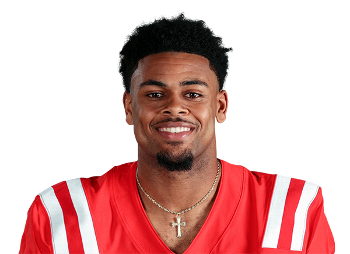
← Back to NFL Draft Big Board Tre Harris Ole Miss HT: 6030 WT: 210 YR: SR POS: WR OVR RK 74 POS RK CEILING POTENTIAL 9 KEY STRENGTHS Size & Speed Vertical Threat Run-After-Catch KEY CONCERNS Limited Route Tree Short-Area Quickness Contested Catch Rate PLAYSTYLE & SCHEME FIT Tre Harris is a tall, well-built boundary receiver with excellent catch-point skills and vertical ability. He thrives in a vertical route tree, utilizing his speed, ball-tracking, and strong hands to win downfield. His route tree has been limited in Ole Miss’ offense, but his physicality and stride length give him separation ability. With refinement in his releases and short-area route execution, Harris can develop into a reliable WR2 at the next level, ideally in an offense that uses him as a big-bodied Z-receiver. PLAYER COMPARISON: CEILING GRADE ANALYSIS Mid-Level Starter Potential (60-64) A solid, dependable starter with the potential to exceed expectations. They have good athleticism and tools but may lack elite traits. While they show flashes of high-level play, they also have some notable weaknesses that must be developed. These players often need 2-3 years to establish themselves. Primary scout: Brandon Lundberg Football Scout 365 NFL Draft Grade Scale Football Scout 365 grades reflect a prospect’s projected long-term NFL value and role. Draft ranges are general value projections, not predictions of an exact selection. Positional value, team needs, scheme fit, medical information and athletic testing can influence where a player is ultimately selected. How Football Scout 365 Grades NFL Draft Prospects Elite (75+): A rare, high-impact prospect with elite physical tools, advanced football intelligence and the ability to make an immediate NFL impact. Elite prospects carry franchise-altering potential and typically project as top 5–10 selections in the first round. Near Elite (70–74): A high-caliber prospect with outstanding physical tools, strong football intelligence and only minor developmental limitations. Near Elite prospects project as significant early-career contributors with Pro Bowl upside and first-round draft value. High-End Starter Potential (65–69): A starting-caliber prospect with strong physical tools, quality technical skills and a defined NFL role. These players may require development before reaching their ceiling but generally carry second- or third-round draft value. Mid-Level Starter Potential (60–64): A solid prospect with NFL-level tools and a pathway to becoming a dependable starter if key limitations are addressed. These players generally carry third- to fifth-round draft value. Low-Level Starter Potential (55–59): A developmental prospect who could become a low-end starter, high-end backup or valuable specialist in the right role. These players generally carry fifth- to seventh-round draft value. Backup Level (50–54): A depth or rotational prospect with enough functional ability to compete for an NFL roster spot but limited long-term starting potential. These players generally project as late Day 3 selections or priority undrafted free agents. Not NFL Level (Below 50): A developmental or camp prospect who does not currently demonstrate enough consistency, technical refinement or functional NFL traits to project as a regular contributor. These players generally project as undrafted free agents, practice-squad candidates or camp invitations. Draft position can vary based on positional value, team needs, scheme fit, medical evaluation and athletic testing.
- Payton Wilson
Wilson's ability to make an impact in the NFL will largely depend on how well he can adapt to the professional game's physical demands and whether he can stay healthy. His natural instincts and athleticism suggest he has the potential to develop into a solid starter. ← Back to NFL Draft Big Board Payton Wilson NC State HT: 6040 WT: 238 YR: SR POS: LB OVR RK 33 POS RK CEILING POTENTIAL 1 KEY STRENGTHS High Energy Versatility Strong Tackler KEY CONCERNS Injury History Needs More Bulk Blitz Technique PLAYSTYLE & SCHEME FIT Payton Wilson is a versatile and high-energy linebacker, ideal for an aggressive, swarming defensive scheme. His speed and instincts make him a formidable presence in both run stopping and pass coverage. He would excel in a system that allows him to utilize his sideline-to-sideline speed and coverage skills. PLAYER COMPARISON: CEILING GRADE ANALYSIS Near Elite (70-74) A high-caliber prospect who is expected to become a significant contributor by Year 2. These players have outstanding physical tools and strong football IQ, with only minor flaws in their game. They demonstrate consistency at a high level and project as future Pro Bowl-caliber players if properly developed. Primary scout: Brandon Lundberg Football Scout 365 NFL Draft Grade Scale Football Scout 365 grades reflect a prospect’s projected long-term NFL value and role. Draft ranges are general value projections, not predictions of an exact selection. Positional value, team needs, scheme fit, medical information and athletic testing can influence where a player is ultimately selected. How Football Scout 365 Grades NFL Draft Prospects Elite (75+): A rare, high-impact prospect with elite physical tools, advanced football intelligence and the ability to make an immediate NFL impact. Elite prospects carry franchise-altering potential and typically project as top 5–10 selections in the first round. Near Elite (70–74): A high-caliber prospect with outstanding physical tools, strong football intelligence and only minor developmental limitations. Near Elite prospects project as significant early-career contributors with Pro Bowl upside and first-round draft value. High-End Starter Potential (65–69): A starting-caliber prospect with strong physical tools, quality technical skills and a defined NFL role. These players may require development before reaching their ceiling but generally carry second- or third-round draft value. Mid-Level Starter Potential (60–64): A solid prospect with NFL-level tools and a pathway to becoming a dependable starter if key limitations are addressed. These players generally carry third- to fifth-round draft value. Low-Level Starter Potential (55–59): A developmental prospect who could become a low-end starter, high-end backup or valuable specialist in the right role. These players generally carry fifth- to seventh-round draft value. Backup Level (50–54): A depth or rotational prospect with enough functional ability to compete for an NFL roster spot but limited long-term starting potential. These players generally project as late Day 3 selections or priority undrafted free agents. Not NFL Level (Below 50): A developmental or camp prospect who does not currently demonstrate enough consistency, technical refinement or functional NFL traits to project as a regular contributor. These players generally project as undrafted free agents, practice-squad candidates or camp invitations. Draft position can vary based on positional value, team needs, scheme fit, medical evaluation and athletic testing.
- John Henry Daley
← Back to NFL Draft Big Board John Henry Daley Michigan HT: 6040 WT: 250 YR: JR POS: ED OVR RK 40 POS RK CEILING POTENTIAL ED4 High-End Starter Potential KEY STRENGTHS Pass-rush production Power, quickness, and motor Functional edge setter KEY CONCERNS Achilles injury recovery Frame and play strength Tackling in space PLAYSTYLE & SCHEME FIT John Henry Daley is a strong-side EDGE/4-3 defensive end whose grade is built on pass-rush production, hand usage, motor, and enough bend to threaten tackles off the edge. He fits best in a multiple-front defense that lets him play with his hand down while also offering stand-up rush flexibility. The concern is whether his post-injury explosiveness, run-game anchor, and discipline against heavier Big Ten fronts hold up in 2026. PLAYER COMPARISON: Sam Hubbard Daley fits the Sam Hubbard archetype as a strong-side EDGE/4-3 defensive end with enough rush skill to affect the passer but enough physical temperament to play early downs. Like Hubbard, his best NFL role is built around effort, leverage, hand usage, edge-setting value, and pressure production rather than being a pure speed/bend specialist. CEILING GRADE ANALYSIS High-End Starter Potential (65-69) A player expected to become a top-tier starter within their first few years. They possess strong physical tools and good technical skills but may have some limitations in their game. With development, they can reach near-elite levels and provide consistent impact at their position. Primary scout: Brandon Lundberg Football Scout 365 NFL Draft Grade Scale Football Scout 365 grades reflect a prospect’s projected long-term NFL value and role. Draft ranges are general value projections, not predictions of an exact selection. Positional value, team needs, scheme fit, medical information and athletic testing can influence where a player is ultimately selected. How Football Scout 365 Grades NFL Draft Prospects Elite (75+): A rare, high-impact prospect with elite physical tools, advanced football intelligence and the ability to make an immediate NFL impact. Elite prospects carry franchise-altering potential and typically project as top 5–10 selections in the first round. Near Elite (70–74): A high-caliber prospect with outstanding physical tools, strong football intelligence and only minor developmental limitations. Near Elite prospects project as significant early-career contributors with Pro Bowl upside and first-round draft value. High-End Starter Potential (65–69): A starting-caliber prospect with strong physical tools, quality technical skills and a defined NFL role. These players may require development before reaching their ceiling but generally carry second- or third-round draft value. Mid-Level Starter Potential (60–64): A solid prospect with NFL-level tools and a pathway to becoming a dependable starter if key limitations are addressed. These players generally carry third- to fifth-round draft value. Low-Level Starter Potential (55–59): A developmental prospect who could become a low-end starter, high-end backup or valuable specialist in the right role. These players generally carry fifth- to seventh-round draft value. Backup Level (50–54): A depth or rotational prospect with enough functional ability to compete for an NFL roster spot but limited long-term starting potential. These players generally project as late Day 3 selections or priority undrafted free agents. Not NFL Level (Below 50): A developmental or camp prospect who does not currently demonstrate enough consistency, technical refinement or functional NFL traits to project as a regular contributor. These players generally project as undrafted free agents, practice-squad candidates or camp invitations. Draft position can vary based on positional value, team needs, scheme fit, medical evaluation and athletic testing.
- David Ojabo
David Ojabo is an impressive prospect who stepped into the spotlight along with his teammate Aidan Hutchinson in 2021 at Michigan. Ojabo is a disruptive edge rusher who uses a lethal combination of speed and power with his length to maneuver around blockers on his way to the QB drop point. When he cannot get a sack, he has a knack for the strip-sack using his long arms to swipe at the football. He displays a unique ability to contort his body with good balance and bend when working the edge. He can play standing up or with his hand on the ground. In 2021, Ojabo has flourished in new Defensive Coordinator Mike MacDonalds Baltimore Ravens-style defense that often features a 2-4-5 defense where he and Aidan Hutchinson play standing up on the edges. He uses his length and lateral quickness in the run game to reel in opposing runners out of the backfield. He has good strength and often defeats opposing blockers who try to anchor him in the run game. He can take on a run blocker and stand his ground and has displayed strong hand usage when needed to detach using a swipe move to detach. Overall, Ojabo has an instant impact payer ceiling that is undeniable. He has not come close to his full potential, and whatever team decides to draft Ojabo will be investing in a player one or two years away from becoming a potential elite-level NFL player. Once at the NFL level, he needs to improve his hand usage and ability to detach from his blocker. He currently relies heavily on his physical gifts, but that's why the upside is so intriguing. ← Back to NFL Draft Big Board David Ojabo Michigan HT: 6050 WT: 250 YR: JR POS: ED OVR RK 24 POS RK CEILING POTENTIAL 6 KEY STRENGTHS KEY CONCERNS PLAYSTYLE & SCHEME FIT David Ojabo is an impressive prospect who stepped into the spotlight along with his teammate Aidan Hutchinson in 2021 at Michigan. Ojabo is a disruptive edge rusher who uses a lethal combination of speed and power with his length to maneuver around blockers on his way to the QB drop point. When he cannot get a sack, he has a knack for the strip-sack using his long arms to swipe at the football. He displays a unique ability to contort his body with good balance and bend when working the edge. He can play standing up or with his hand on the ground. In 2021, Ojabo has flourished in new Defensive Coordinator Mike MacDonalds Baltimore Ravens-style defense that often features a 2-4-5 defense where he and Aidan Hutchinson play standing up on the edges. He uses his length and lateral quickness in the run game to reel in opposing runners out of the backfield. He has good strength and often defeats opposing blockers who try to anchor him in the run game. He can take on a run blocker and stand his ground and has displayed strong hand usage when needed to detach using a swipe move to detach. Overall, Ojabo has an instant impact payer ceiling that is undeniable. He has not come close to his full potential, and whatever team decides to draft Ojabo will be investing in a player one or two years away from becoming a potential elite-level NFL player. Once at the NFL level, he needs to improve his hand usage and ability to detach from his blocker. He currently relies heavily on his physical gifts, but that's why the upside is so intriguing. PLAYER COMPARISON: CEILING GRADE ANALYSIS Near Elite (70-74) A high-caliber prospect who is expected to become a significant contributor by Year 2. These players have outstanding physical tools and strong football IQ, with only minor flaws in their game. They demonstrate consistency at a high level and project as future Pro Bowl-caliber players if properly developed. Primary scout: Brandon Lundberg Football Scout 365 NFL Draft Grade Scale Football Scout 365 grades reflect a prospect’s projected long-term NFL value and role. Draft ranges are general value projections, not predictions of an exact selection. Positional value, team needs, scheme fit, medical information and athletic testing can influence where a player is ultimately selected. How Football Scout 365 Grades NFL Draft Prospects Elite (75+): A rare, high-impact prospect with elite physical tools, advanced football intelligence and the ability to make an immediate NFL impact. Elite prospects carry franchise-altering potential and typically project as top 5–10 selections in the first round. Near Elite (70–74): A high-caliber prospect with outstanding physical tools, strong football intelligence and only minor developmental limitations. Near Elite prospects project as significant early-career contributors with Pro Bowl upside and first-round draft value. High-End Starter Potential (65–69): A starting-caliber prospect with strong physical tools, quality technical skills and a defined NFL role. These players may require development before reaching their ceiling but generally carry second- or third-round draft value. Mid-Level Starter Potential (60–64): A solid prospect with NFL-level tools and a pathway to becoming a dependable starter if key limitations are addressed. These players generally carry third- to fifth-round draft value. Low-Level Starter Potential (55–59): A developmental prospect who could become a low-end starter, high-end backup or valuable specialist in the right role. These players generally carry fifth- to seventh-round draft value. Backup Level (50–54): A depth or rotational prospect with enough functional ability to compete for an NFL roster spot but limited long-term starting potential. These players generally project as late Day 3 selections or priority undrafted free agents. Not NFL Level (Below 50): A developmental or camp prospect who does not currently demonstrate enough consistency, technical refinement or functional NFL traits to project as a regular contributor. These players generally project as undrafted free agents, practice-squad candidates or camp invitations. Draft position can vary based on positional value, team needs, scheme fit, medical evaluation and athletic testing.
- Ryan Coleman-Williams
← Back to NFL Draft Big Board Ryan Coleman-Williams Alabama HT: 6000 WT: 178 YR: JR POS: WR OVR RK 34 POS RK CEILING POTENTIAL WR8 High-End Starter Potential KEY STRENGTHS Vertical speed Deep-ball tracking Release quickness KEY CONCERNS Drops Press-contact strength Volume reliability PLAYSTYLE & SCHEME FIT Ryan Coleman-Williams is an explosive vertical Z receiver whose grade is built on speed, release quickness, deep-ball tracking, and YAC ability. He fits best in a spread, pro-spread, or motion-heavy vertical offense that can use free releases, slot access, stacks, and schemed touches to maximize his separation traits. The concern is whether his hands, play strength, and press-contact answers are reliable enough for a true NFL WR1 workload. His next-tier jump depends on turning the added mass and spring consistency into steadier 2026 production against bracket coverage and physical corners. PLAYER COMPARISON: Garrett Wilson / DeVonta Smith Coleman-Williams has some Garrett Wilson-style suddenness and open-field creativity, with DeVonta Smith-style lean-frame vertical separation and ball-tracking ability. The comparison fits through movement skill, route burst, downfield stress, and the ability to create explosives without needing a power-based profile. The difference is that Wilson entered the league with a sturdier frame and stronger contact balance, while Smith was a more polished technician with elite catch consistency. Coleman-Williams needs the 2026 tape to prove the hands, play strength, and target-volume reliability can match the explosive talent. CEILING GRADE ANALYSIS High-End Starter Potential (65-69) A player expected to become a top-tier starter within their first few years. They possess strong physical tools and good technical skills but may have some limitations in their game. With development, they can reach near-elite levels and provide consistent impact at their position. Primary scout: Brandon Lundberg Football Scout 365 NFL Draft Grade Scale Football Scout 365 grades reflect a prospect’s projected long-term NFL value and role. Draft ranges are general value projections, not predictions of an exact selection. Positional value, team needs, scheme fit, medical information and athletic testing can influence where a player is ultimately selected. How Football Scout 365 Grades NFL Draft Prospects Elite (75+): A rare, high-impact prospect with elite physical tools, advanced football intelligence and the ability to make an immediate NFL impact. Elite prospects carry franchise-altering potential and typically project as top 5–10 selections in the first round. Near Elite (70–74): A high-caliber prospect with outstanding physical tools, strong football intelligence and only minor developmental limitations. Near Elite prospects project as significant early-career contributors with Pro Bowl upside and first-round draft value. High-End Starter Potential (65–69): A starting-caliber prospect with strong physical tools, quality technical skills and a defined NFL role. These players may require development before reaching their ceiling but generally carry second- or third-round draft value. Mid-Level Starter Potential (60–64): A solid prospect with NFL-level tools and a pathway to becoming a dependable starter if key limitations are addressed. These players generally carry third- to fifth-round draft value. Low-Level Starter Potential (55–59): A developmental prospect who could become a low-end starter, high-end backup or valuable specialist in the right role. These players generally carry fifth- to seventh-round draft value. Backup Level (50–54): A depth or rotational prospect with enough functional ability to compete for an NFL roster spot but limited long-term starting potential. These players generally project as late Day 3 selections or priority undrafted free agents. Not NFL Level (Below 50): A developmental or camp prospect who does not currently demonstrate enough consistency, technical refinement or functional NFL traits to project as a regular contributor. These players generally project as undrafted free agents, practice-squad candidates or camp invitations. Draft position can vary based on positional value, team needs, scheme fit, medical evaluation and athletic testing.
- Ennis Rakesahw Jr.
High-End Starter Potential (65-69) - Rakestraw is projected to be among the top starters on his team within the second or third year in the NFL, with a clear path to Pro Bowl appearances as he develops. ← Back to NFL Draft Big Board Ennis Rakesahw Jr. Missouri HT: 6000 WT: 187 YR: JR POS: CB OVR RK 46 POS RK CEILING POTENTIAL 7 KEY STRENGTHS Man to Man Football IQ Change Of Direction KEY CONCERNS Lean Tackling In Space Create Turnovers PLAYSTYLE & SCHEME FIT Ennis Rakestraw Jr. is an instinctive cornerback with a natural affinity for man coverage. His technique in press-man allows him to effectively disrupt receivers' timing at the line, showcasing his twitch, length, and football IQ. Rakestraw's ability to change direction quickly and flip his hips seamlessly makes him a formidable opponent in coverage. He exhibits a high level of football intelligence, making him an asset in both man and zone schemes. His long arms and instinctive play are beneficial in pass breakups and run defense, although his tackling in open-field situations and against larger wideouts needs improvement. Rakestraw fits best in a defensive scheme that leverages his man coverage skills and allows him to utilize his instinctive play in various coverage situations. PLAYER COMPARISON: CEILING GRADE ANALYSIS High-End Starter Potential (65-69) A player expected to become a top-tier starter within their first few years. They possess strong physical tools and good technical skills but may have some limitations in their game. With development, they can reach near-elite levels and provide consistent impact at their position. Primary scout: Brandon Lundberg Football Scout 365 NFL Draft Grade Scale Football Scout 365 grades reflect a prospect’s projected long-term NFL value and role. Draft ranges are general value projections, not predictions of an exact selection. Positional value, team needs, scheme fit, medical information and athletic testing can influence where a player is ultimately selected. How Football Scout 365 Grades NFL Draft Prospects Elite (75+): A rare, high-impact prospect with elite physical tools, advanced football intelligence and the ability to make an immediate NFL impact. Elite prospects carry franchise-altering potential and typically project as top 5–10 selections in the first round. Near Elite (70–74): A high-caliber prospect with outstanding physical tools, strong football intelligence and only minor developmental limitations. Near Elite prospects project as significant early-career contributors with Pro Bowl upside and first-round draft value. High-End Starter Potential (65–69): A starting-caliber prospect with strong physical tools, quality technical skills and a defined NFL role. These players may require development before reaching their ceiling but generally carry second- or third-round draft value. Mid-Level Starter Potential (60–64): A solid prospect with NFL-level tools and a pathway to becoming a dependable starter if key limitations are addressed. These players generally carry third- to fifth-round draft value. Low-Level Starter Potential (55–59): A developmental prospect who could become a low-end starter, high-end backup or valuable specialist in the right role. These players generally carry fifth- to seventh-round draft value. Backup Level (50–54): A depth or rotational prospect with enough functional ability to compete for an NFL roster spot but limited long-term starting potential. These players generally project as late Day 3 selections or priority undrafted free agents. Not NFL Level (Below 50): A developmental or camp prospect who does not currently demonstrate enough consistency, technical refinement or functional NFL traits to project as a regular contributor. These players generally project as undrafted free agents, practice-squad candidates or camp invitations. Draft position can vary based on positional value, team needs, scheme fit, medical evaluation and athletic testing.
- KJ Duff
← Back to NFL Draft Big Board KJ Duff Rutgers HT: 6060 WT: 225 YR: JR POS: WR OVR RK 28 POS RK CEILING POTENTIAL WR5 High-End Starter Potential KEY STRENGTHS Catch Radius Contested-Catch Ability Ball Tracking KEY CONCERNS Separation YAC Ability Improve Blocking PLAYSTYLE & SCHEME FIT KJ Duff is a massive possession X receiver whose grade is built on size, catch radius, ball tracking, contested-catch production, and red-zone value. He wins best along the boundary, where he can box out smaller corners, work intermediate windows, and create quarterback-friendly targets without needing elite separation. The concern is whether his release package, route suddenness, YAC ability, and blocking physicality become good enough to hold up against NFL press coverage. His next-tier jump depends on proving he can separate more consistently, not just win through contact. PLAYER COMPARISON: Allen Lazard Duff fits the Allen Lazard comparison because both profiles are built around frame, catch-point strength, boundary usage, and the ability to create throwing windows without consistently separating with suddenness. The difference is that Lazard developed into a more trusted blocking and role-specific NFL receiver, while Duff still has to prove that physical edge, release consistency, and route detail can hold up against NFL-caliber press coverage. CEILING GRADE ANALYSIS High-End Starter Potential (65-69) A player expected to become a top-tier starter within their first few years. They possess strong physical tools and good technical skills but may have some limitations in their game. With development, they can reach near-elite levels and provide consistent impact at their position. Primary scout: Brandon Lundberg Football Scout 365 NFL Draft Grade Scale Football Scout 365 grades reflect a prospect’s projected long-term NFL value and role. Draft ranges are general value projections, not predictions of an exact selection. Positional value, team needs, scheme fit, medical information and athletic testing can influence where a player is ultimately selected. How Football Scout 365 Grades NFL Draft Prospects Elite (75+): A rare, high-impact prospect with elite physical tools, advanced football intelligence and the ability to make an immediate NFL impact. Elite prospects carry franchise-altering potential and typically project as top 5–10 selections in the first round. Near Elite (70–74): A high-caliber prospect with outstanding physical tools, strong football intelligence and only minor developmental limitations. Near Elite prospects project as significant early-career contributors with Pro Bowl upside and first-round draft value. High-End Starter Potential (65–69): A starting-caliber prospect with strong physical tools, quality technical skills and a defined NFL role. These players may require development before reaching their ceiling but generally carry second- or third-round draft value. Mid-Level Starter Potential (60–64): A solid prospect with NFL-level tools and a pathway to becoming a dependable starter if key limitations are addressed. These players generally carry third- to fifth-round draft value. Low-Level Starter Potential (55–59): A developmental prospect who could become a low-end starter, high-end backup or valuable specialist in the right role. These players generally carry fifth- to seventh-round draft value. Backup Level (50–54): A depth or rotational prospect with enough functional ability to compete for an NFL roster spot but limited long-term starting potential. These players generally project as late Day 3 selections or priority undrafted free agents. Not NFL Level (Below 50): A developmental or camp prospect who does not currently demonstrate enough consistency, technical refinement or functional NFL traits to project as a regular contributor. These players generally project as undrafted free agents, practice-squad candidates or camp invitations. Draft position can vary based on positional value, team needs, scheme fit, medical evaluation and athletic testing.
- Aaron Robinson
← Back to NFL Draft Big Board Aaron Robinson UCF HT: 5011 WT: 190 YR: RSR POS: CB OVR RK 94 POS RK CEILING POTENTIAL 12 KEY STRENGTHS KEY CONCERNS PLAYSTYLE & SCHEME FIT PLAYER COMPARISON: CEILING GRADE ANALYSIS Low-Level Starter Potential (55-59) A player with the upside to be a low-end starter or high-level backup within a couple of seasons. While they have solid physical tools, inconsistencies in technique, processing, or durability limit their ceiling. They are developmental prospects who may carve out a role as specialists or system fits. Primary scout: Brandon Lundberg Football Scout 365 NFL Draft Grade Scale Football Scout 365 grades reflect a prospect’s projected long-term NFL value and role. Draft ranges are general value projections, not predictions of an exact selection. Positional value, team needs, scheme fit, medical information and athletic testing can influence where a player is ultimately selected. How Football Scout 365 Grades NFL Draft Prospects Elite (75+): A rare, high-impact prospect with elite physical tools, advanced football intelligence and the ability to make an immediate NFL impact. Elite prospects carry franchise-altering potential and typically project as top 5–10 selections in the first round. Near Elite (70–74): A high-caliber prospect with outstanding physical tools, strong football intelligence and only minor developmental limitations. Near Elite prospects project as significant early-career contributors with Pro Bowl upside and first-round draft value. High-End Starter Potential (65–69): A starting-caliber prospect with strong physical tools, quality technical skills and a defined NFL role. These players may require development before reaching their ceiling but generally carry second- or third-round draft value. Mid-Level Starter Potential (60–64): A solid prospect with NFL-level tools and a pathway to becoming a dependable starter if key limitations are addressed. These players generally carry third- to fifth-round draft value. Low-Level Starter Potential (55–59): A developmental prospect who could become a low-end starter, high-end backup or valuable specialist in the right role. These players generally carry fifth- to seventh-round draft value. Backup Level (50–54): A depth or rotational prospect with enough functional ability to compete for an NFL roster spot but limited long-term starting potential. These players generally project as late Day 3 selections or priority undrafted free agents. Not NFL Level (Below 50): A developmental or camp prospect who does not currently demonstrate enough consistency, technical refinement or functional NFL traits to project as a regular contributor. These players generally project as undrafted free agents, practice-squad candidates or camp invitations. Draft position can vary based on positional value, team needs, scheme fit, medical evaluation and athletic testing.
- Jayden Reed
← Back to NFL Draft Big Board Jayden Reed Michigan State HT: 5106 WT: 187 YR: SR POS: WR OVR RK 91 POS RK CEILING POTENTIAL 13 KEY STRENGTHS KEY CONCERNS PLAYSTYLE & SCHEME FIT PLAYER COMPARISON: CEILING GRADE ANALYSIS Mid-Level Starter Potential (60-64) A solid, dependable starter with the potential to exceed expectations. They have good athleticism and tools but may lack elite traits. While they show flashes of high-level play, they also have some notable weaknesses that must be developed. These players often need 2-3 years to establish themselves. Primary scout: Brandon Lundberg Football Scout 365 NFL Draft Grade Scale Football Scout 365 grades reflect a prospect’s projected long-term NFL value and role. Draft ranges are general value projections, not predictions of an exact selection. Positional value, team needs, scheme fit, medical information and athletic testing can influence where a player is ultimately selected. How Football Scout 365 Grades NFL Draft Prospects Elite (75+): A rare, high-impact prospect with elite physical tools, advanced football intelligence and the ability to make an immediate NFL impact. Elite prospects carry franchise-altering potential and typically project as top 5–10 selections in the first round. Near Elite (70–74): A high-caliber prospect with outstanding physical tools, strong football intelligence and only minor developmental limitations. Near Elite prospects project as significant early-career contributors with Pro Bowl upside and first-round draft value. High-End Starter Potential (65–69): A starting-caliber prospect with strong physical tools, quality technical skills and a defined NFL role. These players may require development before reaching their ceiling but generally carry second- or third-round draft value. Mid-Level Starter Potential (60–64): A solid prospect with NFL-level tools and a pathway to becoming a dependable starter if key limitations are addressed. These players generally carry third- to fifth-round draft value. Low-Level Starter Potential (55–59): A developmental prospect who could become a low-end starter, high-end backup or valuable specialist in the right role. These players generally carry fifth- to seventh-round draft value. Backup Level (50–54): A depth or rotational prospect with enough functional ability to compete for an NFL roster spot but limited long-term starting potential. These players generally project as late Day 3 selections or priority undrafted free agents. Not NFL Level (Below 50): A developmental or camp prospect who does not currently demonstrate enough consistency, technical refinement or functional NFL traits to project as a regular contributor. These players generally project as undrafted free agents, practice-squad candidates or camp invitations. Draft position can vary based on positional value, team needs, scheme fit, medical evaluation and athletic testing.
- Duce Robinson
← Back to NFL Draft Big Board Duce Robinson Florida State HT: 6060 WT: 222 YR: JR POS: WR OVR RK 50 POS RK CEILING POTENTIAL WR10 High-End Starter Potential KEY STRENGTHS Rare Catch Radius Vertical Production Body Control KEY CONCERNS Separation Quickness Route Detail Role Projection Clarity PLAYSTYLE & SCHEME FIT Duce Robinson is a rare-sized receiving mismatch whose grade is built on catch radius, ball tracking, contested-catch ability, and vertical production. At 6’6”, he creates matchup stress as a big slot, jumbo Z, or developmental perimeter receiver in offenses that feature seams, slot fades, deep overs, and red-zone isolations. The concern is whether his functional strength, release package, and route detail become consistent enough to beat NFL press and tighter man coverage. His starting pathway is tied to becoming more than a size-and-catch-point target. PLAYER COMPARISON: Darren Waller Robinson’s cleanest comparison is Darren Waller as a big receiving mismatch rather than a traditional outside receiver. The comparison fits because both profiles create problems with height, length, stride speed, catch radius, and the ability to win vertically or through the red zone against smaller defenders. The difference is usage: Waller became a true tight end mismatch in the NFL, while Robinson is currently being developed as a wide receiver. Robinson does not need to become a full-time tight end, but his best NFL role may come from detached alignments that let him play like a jumbo receiver against lighter coverage personnel. CEILING GRADE ANALYSIS High-End Starter Potential (65-69) A player expected to become a top-tier starter within their first few years. They possess strong physical tools and good technical skills but may have some limitations in their game. With development, they can reach near-elite levels and provide consistent impact at their position. Primary scout: Brandon Lundberg Football Scout 365 NFL Draft Grade Scale Football Scout 365 grades reflect a prospect’s projected long-term NFL value and role. Draft ranges are general value projections, not predictions of an exact selection. Positional value, team needs, scheme fit, medical information and athletic testing can influence where a player is ultimately selected. How Football Scout 365 Grades NFL Draft Prospects Elite (75+): A rare, high-impact prospect with elite physical tools, advanced football intelligence and the ability to make an immediate NFL impact. Elite prospects carry franchise-altering potential and typically project as top 5–10 selections in the first round. Near Elite (70–74): A high-caliber prospect with outstanding physical tools, strong football intelligence and only minor developmental limitations. Near Elite prospects project as significant early-career contributors with Pro Bowl upside and first-round draft value. High-End Starter Potential (65–69): A starting-caliber prospect with strong physical tools, quality technical skills and a defined NFL role. These players may require development before reaching their ceiling but generally carry second- or third-round draft value. Mid-Level Starter Potential (60–64): A solid prospect with NFL-level tools and a pathway to becoming a dependable starter if key limitations are addressed. These players generally carry third- to fifth-round draft value. Low-Level Starter Potential (55–59): A developmental prospect who could become a low-end starter, high-end backup or valuable specialist in the right role. These players generally carry fifth- to seventh-round draft value. Backup Level (50–54): A depth or rotational prospect with enough functional ability to compete for an NFL roster spot but limited long-term starting potential. These players generally project as late Day 3 selections or priority undrafted free agents. Not NFL Level (Below 50): A developmental or camp prospect who does not currently demonstrate enough consistency, technical refinement or functional NFL traits to project as a regular contributor. These players generally project as undrafted free agents, practice-squad candidates or camp invitations. Draft position can vary based on positional value, team needs, scheme fit, medical evaluation and athletic testing.
- Luther Burden
Luther Burden III possesses the explosive athleticism, physicality, and versatility to be a high-impact player in the NFL. His ability to make plays after the catch, combined with his route-running skills and competitive nature, make him a top prospect for the 2025 NFL Draft. While there are areas to improve, particularly in beating press coverage, Burden’s potential is undeniable. With continued development, he has the tools to be a top receiver in the NFL. ← Back to NFL Draft Big Board Luther Burden Missouri HT: 5110 WT: 208 YR: JR POS: WR OVR RK 27 POS RK CEILING POTENTIAL 3 KEY STRENGTHS Explosive After Catch Alignment Versatility Physicality and Ball Tracking KEY CONCERNS Outside WR Experience Vertical Route Consistency Concentration Drops PLAYSTYLE & SCHEME FIT Luther Burden III is a highly versatile and dynamic slot receiver with explosive playmaking ability, particularly after the catch. His agility, burst, and elusiveness make him a threat to create big plays in both short-yardage and deep ball situations. Best suited to slot-heavy or motion-based systems, Burden offers alignment flexibility with potential as a punt returner. He would thrive in an offense that utilizes quick passes, option routes, and screens to get him in space, where his run-after-catch skills can maximize his impact. PLAYER COMPARISON: CEILING GRADE ANALYSIS High-End Starter Potential (65-69) A player expected to become a top-tier starter within their first few years. They possess strong physical tools and good technical skills but may have some limitations in their game. With development, they can reach near-elite levels and provide consistent impact at their position. Primary scout: Brandon Lundberg Football Scout 365 NFL Draft Grade Scale Football Scout 365 grades reflect a prospect’s projected long-term NFL value and role. Draft ranges are general value projections, not predictions of an exact selection. Positional value, team needs, scheme fit, medical information and athletic testing can influence where a player is ultimately selected. How Football Scout 365 Grades NFL Draft Prospects Elite (75+): A rare, high-impact prospect with elite physical tools, advanced football intelligence and the ability to make an immediate NFL impact. Elite prospects carry franchise-altering potential and typically project as top 5–10 selections in the first round. Near Elite (70–74): A high-caliber prospect with outstanding physical tools, strong football intelligence and only minor developmental limitations. Near Elite prospects project as significant early-career contributors with Pro Bowl upside and first-round draft value. High-End Starter Potential (65–69): A starting-caliber prospect with strong physical tools, quality technical skills and a defined NFL role. These players may require development before reaching their ceiling but generally carry second- or third-round draft value. Mid-Level Starter Potential (60–64): A solid prospect with NFL-level tools and a pathway to becoming a dependable starter if key limitations are addressed. These players generally carry third- to fifth-round draft value. Low-Level Starter Potential (55–59): A developmental prospect who could become a low-end starter, high-end backup or valuable specialist in the right role. These players generally carry fifth- to seventh-round draft value. Backup Level (50–54): A depth or rotational prospect with enough functional ability to compete for an NFL roster spot but limited long-term starting potential. These players generally project as late Day 3 selections or priority undrafted free agents. Not NFL Level (Below 50): A developmental or camp prospect who does not currently demonstrate enough consistency, technical refinement or functional NFL traits to project as a regular contributor. These players generally project as undrafted free agents, practice-squad candidates or camp invitations. Draft position can vary based on positional value, team needs, scheme fit, medical evaluation and athletic testing.