Search Results
Search this site
1757 results found with an empty search
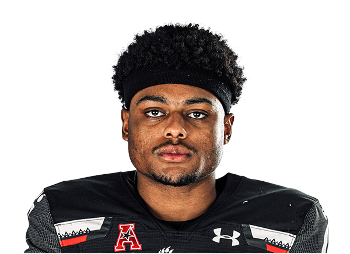
- Coby Bryant
Possessing the name "Coby Bryant," you have a lofty ceiling to live up to, and this version of Coby Bryant is impressive. Bryant is a fluid defensive back; he possesses great athleticism and is one of the better-run defenders at the CB position. He has a lot to gain in front of Senior Bowl scouts and can do so by showing them he can be a more sticky defender in man-to-man coverage. Bryant currently possesses a day three projection, but he can certainly move into the day two discussion throughout the Senior Bowl and NFL Combine process. ← Back to NFL Draft Big Board Coby Bryant Cincinnati HT: 6010 WT: 198 YR: SR POS: CB OVR RK 49 POS RK CEILING POTENTIAL 6 KEY STRENGTHS KEY CONCERNS PLAYSTYLE & SCHEME FIT Possessing the name "Coby Bryant," you have a lofty ceiling to live up to, and this version of Coby Bryant is impressive. Bryant is a fluid defensive back; he possesses great athleticism and is one of the better-run defenders at the CB position. He has a lot to gain in front of Senior Bowl scouts and can do so by showing them he can be a more sticky defender in man-to-man coverage. Bryant currently possesses a day three projection, but he can certainly move into the day two discussion throughout the Senior Bowl and NFL Combine process. PLAYER COMPARISON: CEILING GRADE ANALYSIS Mid-Level Starter Potential (60-64) A solid, dependable starter with the potential to exceed expectations. They have good athleticism and tools but may lack elite traits. While they show flashes of high-level play, they also have some notable weaknesses that must be developed. These players often need 2-3 years to establish themselves. Primary scout: Brandon Lundberg Football Scout 365 NFL Draft Grade Scale Football Scout 365 grades reflect a prospect’s projected long-term NFL value and role. Draft ranges are general value projections, not predictions of an exact selection. Positional value, team needs, scheme fit, medical information and athletic testing can influence where a player is ultimately selected. How Football Scout 365 Grades NFL Draft Prospects Elite (75+): A rare, high-impact prospect with elite physical tools, advanced football intelligence and the ability to make an immediate NFL impact. Elite prospects carry franchise-altering potential and typically project as top 5–10 selections in the first round. Near Elite (70–74): A high-caliber prospect with outstanding physical tools, strong football intelligence and only minor developmental limitations. Near Elite prospects project as significant early-career contributors with Pro Bowl upside and first-round draft value. High-End Starter Potential (65–69): A starting-caliber prospect with strong physical tools, quality technical skills and a defined NFL role. These players may require development before reaching their ceiling but generally carry second- or third-round draft value. Mid-Level Starter Potential (60–64): A solid prospect with NFL-level tools and a pathway to becoming a dependable starter if key limitations are addressed. These players generally carry third- to fifth-round draft value. Low-Level Starter Potential (55–59): A developmental prospect who could become a low-end starter, high-end backup or valuable specialist in the right role. These players generally carry fifth- to seventh-round draft value. Backup Level (50–54): A depth or rotational prospect with enough functional ability to compete for an NFL roster spot but limited long-term starting potential. These players generally project as late Day 3 selections or priority undrafted free agents. Not NFL Level (Below 50): A developmental or camp prospect who does not currently demonstrate enough consistency, technical refinement or functional NFL traits to project as a regular contributor. These players generally project as undrafted free agents, practice-squad candidates or camp invitations. Draft position can vary based on positional value, team needs, scheme fit, medical evaluation and athletic testing.
- Garrett Wilson
Wilson is a dynamic player who possesses excellent after-the-catch playmaking ability. He is a strong-handed receiver who plays with very good body control and, at times, showcases an ability to make a back-shoulder catch look easy. He is a natural separator but can sometimes round off his routes, relying on his speed to bail him out. His ability to track a football is also very good, though he has lacked concentration at times leading to an occasional drop of a catchable ball. He is a natural off-ball receiver who can play in the slot or the Z. He needs to improve his overall strength at the NFL level to play consistently on the ball where physical corners might give him issues. At Ohio State, Wilson ran a lot of underneath routes and routes nearest the line of scrimmage to use his after-the-catch skills in space. He can provide deep ball versatility at the NFL level and will benefit early on in his career in an offense that can blend the horizontal and vertical pass game off of play-action. Wilson is an adequate run blocker, a vital skill to earn playing time at Ohio State. The Ohio State coaches are always adamant about the receivers possessing good run blocking skills, using Terry Mclaurin as a constant effort example when coaching the receivers. Wilson is also a player who can instantly impact as a punt returner. ← Back to NFL Draft Big Board Garrett Wilson Ohio State HT: 6000 WT: 192 YR: JR POS: WR OVR RK 17 POS RK CEILING POTENTIAL 3 KEY STRENGTHS KEY CONCERNS PLAYSTYLE & SCHEME FIT Wilson is a dynamic player who possesses excellent after-the-catch playmaking ability. He is a strong-handed receiver who plays with very good body control and, at times, showcases an ability to make a back-shoulder catch look easy. He is a natural separator but can sometimes round off his routes, relying on his speed to bail him out. His ability to track a football is also very good, though he has lacked concentration at times leading to an occasional drop of a catchable ball. He is a natural off-ball receiver who can play in the slot or the Z. He needs to improve his overall strength at the NFL level to play consistently on the ball where physical corners might give him issues. At Ohio State, Wilson ran a lot of underneath routes and routes nearest the line of scrimmage to use his after-the-catch skills in space. He can provide deep ball versatility at the NFL level and will benefit early on in his career in an offense that can blend the horizontal and vertical pass game off of play-action. Wilson is an adequate run blocker, a vital skill to earn playing time at Ohio State. The Ohio State coaches are always adamant about the receivers possessing good run blocking skills, using Terry Mclaurin as a constant effort example when coaching the receivers. Wilson is also a player who can instantly impact as a punt returner. PLAYER COMPARISON: CEILING GRADE ANALYSIS Near Elite (70-74) A high-caliber prospect who is expected to become a significant contributor by Year 2. These players have outstanding physical tools and strong football IQ, with only minor flaws in their game. They demonstrate consistency at a high level and project as future Pro Bowl-caliber players if properly developed. Primary scout: Brandon Lundberg Football Scout 365 NFL Draft Grade Scale Football Scout 365 grades reflect a prospect’s projected long-term NFL value and role. Draft ranges are general value projections, not predictions of an exact selection. Positional value, team needs, scheme fit, medical information and athletic testing can influence where a player is ultimately selected. How Football Scout 365 Grades NFL Draft Prospects Elite (75+): A rare, high-impact prospect with elite physical tools, advanced football intelligence and the ability to make an immediate NFL impact. Elite prospects carry franchise-altering potential and typically project as top 5–10 selections in the first round. Near Elite (70–74): A high-caliber prospect with outstanding physical tools, strong football intelligence and only minor developmental limitations. Near Elite prospects project as significant early-career contributors with Pro Bowl upside and first-round draft value. High-End Starter Potential (65–69): A starting-caliber prospect with strong physical tools, quality technical skills and a defined NFL role. These players may require development before reaching their ceiling but generally carry second- or third-round draft value. Mid-Level Starter Potential (60–64): A solid prospect with NFL-level tools and a pathway to becoming a dependable starter if key limitations are addressed. These players generally carry third- to fifth-round draft value. Low-Level Starter Potential (55–59): A developmental prospect who could become a low-end starter, high-end backup or valuable specialist in the right role. These players generally carry fifth- to seventh-round draft value. Backup Level (50–54): A depth or rotational prospect with enough functional ability to compete for an NFL roster spot but limited long-term starting potential. These players generally project as late Day 3 selections or priority undrafted free agents. Not NFL Level (Below 50): A developmental or camp prospect who does not currently demonstrate enough consistency, technical refinement or functional NFL traits to project as a regular contributor. These players generally project as undrafted free agents, practice-squad candidates or camp invitations. Draft position can vary based on positional value, team needs, scheme fit, medical evaluation and athletic testing.
- Tuli Tuipulotu
At 6 feet 3 inches tall and 280 pounds, Tuli Tuipulotu has good size and athleticism. He has shown the ability to play both defensive tackle and defensive end and possesses good quickness off the snap and lateral movement. Tuipulotu will need to continue to develop his technique and refine his skills to become a complete player. ← Back to NFL Draft Big Board Tuli Tuipulotu USC HT: 6032 WT: 266 YR: JR POS: ED OVR RK 53 POS RK CEILING POTENTIAL 10 KEY STRENGTHS Active Motor Heavy Hands Versatility KEY CONCERNS Every Down Edge Quickness Run Game PLAYSTYLE & SCHEME FIT In terms of scheme fit, Tuipulotu would likely be best suited for a 4-3 defense that allows him to play both defensive tackle and defensive end positions. His ability to disrupt plays in the backfield and rush the passer would make him a valuable asset in both positions. He may also be able to contribute as a 3-4 defensive end, although he would likely need to add some more size and strength to hold up against the run at that position. PLAYER COMPARISON: CEILING GRADE ANALYSIS High-End Starter Potential (65-69) A player expected to become a top-tier starter within their first few years. They possess strong physical tools and good technical skills but may have some limitations in their game. With development, they can reach near-elite levels and provide consistent impact at their position. Primary scout: Brandon Lundberg Football Scout 365 NFL Draft Grade Scale Football Scout 365 grades reflect a prospect’s projected long-term NFL value and role. Draft ranges are general value projections, not predictions of an exact selection. Positional value, team needs, scheme fit, medical information and athletic testing can influence where a player is ultimately selected. How Football Scout 365 Grades NFL Draft Prospects Elite (75+): A rare, high-impact prospect with elite physical tools, advanced football intelligence and the ability to make an immediate NFL impact. Elite prospects carry franchise-altering potential and typically project as top 5–10 selections in the first round. Near Elite (70–74): A high-caliber prospect with outstanding physical tools, strong football intelligence and only minor developmental limitations. Near Elite prospects project as significant early-career contributors with Pro Bowl upside and first-round draft value. High-End Starter Potential (65–69): A starting-caliber prospect with strong physical tools, quality technical skills and a defined NFL role. These players may require development before reaching their ceiling but generally carry second- or third-round draft value. Mid-Level Starter Potential (60–64): A solid prospect with NFL-level tools and a pathway to becoming a dependable starter if key limitations are addressed. These players generally carry third- to fifth-round draft value. Low-Level Starter Potential (55–59): A developmental prospect who could become a low-end starter, high-end backup or valuable specialist in the right role. These players generally carry fifth- to seventh-round draft value. Backup Level (50–54): A depth or rotational prospect with enough functional ability to compete for an NFL roster spot but limited long-term starting potential. These players generally project as late Day 3 selections or priority undrafted free agents. Not NFL Level (Below 50): A developmental or camp prospect who does not currently demonstrate enough consistency, technical refinement or functional NFL traits to project as a regular contributor. These players generally project as undrafted free agents, practice-squad candidates or camp invitations. Draft position can vary based on positional value, team needs, scheme fit, medical evaluation and athletic testing.
- Brian Asamoah
← Back to NFL Draft Big Board Brian Asamoah Oklahoma HT: 6010 WT: 228 YR: JR POS: LB OVR RK 59 POS RK CEILING POTENTIAL 5 KEY STRENGTHS KEY CONCERNS PLAYSTYLE & SCHEME FIT PLAYER COMPARISON: CEILING GRADE ANALYSIS Mid-Level Starter Potential (60-64) A solid, dependable starter with the potential to exceed expectations. They have good athleticism and tools but may lack elite traits. While they show flashes of high-level play, they also have some notable weaknesses that must be developed. These players often need 2-3 years to establish themselves. Primary scout: Brandon Lundberg Football Scout 365 NFL Draft Grade Scale Football Scout 365 grades reflect a prospect’s projected long-term NFL value and role. Draft ranges are general value projections, not predictions of an exact selection. Positional value, team needs, scheme fit, medical information and athletic testing can influence where a player is ultimately selected. How Football Scout 365 Grades NFL Draft Prospects Elite (75+): A rare, high-impact prospect with elite physical tools, advanced football intelligence and the ability to make an immediate NFL impact. Elite prospects carry franchise-altering potential and typically project as top 5–10 selections in the first round. Near Elite (70–74): A high-caliber prospect with outstanding physical tools, strong football intelligence and only minor developmental limitations. Near Elite prospects project as significant early-career contributors with Pro Bowl upside and first-round draft value. High-End Starter Potential (65–69): A starting-caliber prospect with strong physical tools, quality technical skills and a defined NFL role. These players may require development before reaching their ceiling but generally carry second- or third-round draft value. Mid-Level Starter Potential (60–64): A solid prospect with NFL-level tools and a pathway to becoming a dependable starter if key limitations are addressed. These players generally carry third- to fifth-round draft value. Low-Level Starter Potential (55–59): A developmental prospect who could become a low-end starter, high-end backup or valuable specialist in the right role. These players generally carry fifth- to seventh-round draft value. Backup Level (50–54): A depth or rotational prospect with enough functional ability to compete for an NFL roster spot but limited long-term starting potential. These players generally project as late Day 3 selections or priority undrafted free agents. Not NFL Level (Below 50): A developmental or camp prospect who does not currently demonstrate enough consistency, technical refinement or functional NFL traits to project as a regular contributor. These players generally project as undrafted free agents, practice-squad candidates or camp invitations. Draft position can vary based on positional value, team needs, scheme fit, medical evaluation and athletic testing.
- Matthew Golden
← Back to NFL Draft Big Board Matthew Golden Texas HT: 6000 WT: 195 YR: JR POS: WR OVR RK 29 POS RK CEILING POTENTIAL 4 KEY STRENGTHS Explosive Speed Polished Route Runner Elite Ball-Tracking KEY CONCERNS Play Strength Focus Drops Size & Catch Radius PLAYSTYLE & SCHEME FIT Matthew Golden is an explosive and versatile wide receiver who can operate at all three levels of the field. His speed, crisp route-running, and ability to change direction quickly make him a high-end separator, particularly in offenses that prioritize timing and spacing. Golden excels as a vertical threat, with good ball-tracking skills and acceleration to challenge safeties over the top. While he lacks elite size, he compensates with twitchy movement, quick releases, and YAC ability. His body control and ability to make difficult catches in tight coverage elevate his ceiling. Golden projects best as a Z-receiver in a spread offense, with the potential to develop into a WR1 in the right system. PLAYER COMPARISON: CEILING GRADE ANALYSIS High-End Starter Potential (65-69) A player expected to become a top-tier starter within their first few years. They possess strong physical tools and good technical skills but may have some limitations in their game. With development, they can reach near-elite levels and provide consistent impact at their position. Primary scout: Brandon Lundberg Football Scout 365 NFL Draft Grade Scale Football Scout 365 grades reflect a prospect’s projected long-term NFL value and role. Draft ranges are general value projections, not predictions of an exact selection. Positional value, team needs, scheme fit, medical information and athletic testing can influence where a player is ultimately selected. How Football Scout 365 Grades NFL Draft Prospects Elite (75+): A rare, high-impact prospect with elite physical tools, advanced football intelligence and the ability to make an immediate NFL impact. Elite prospects carry franchise-altering potential and typically project as top 5–10 selections in the first round. Near Elite (70–74): A high-caliber prospect with outstanding physical tools, strong football intelligence and only minor developmental limitations. Near Elite prospects project as significant early-career contributors with Pro Bowl upside and first-round draft value. High-End Starter Potential (65–69): A starting-caliber prospect with strong physical tools, quality technical skills and a defined NFL role. These players may require development before reaching their ceiling but generally carry second- or third-round draft value. Mid-Level Starter Potential (60–64): A solid prospect with NFL-level tools and a pathway to becoming a dependable starter if key limitations are addressed. These players generally carry third- to fifth-round draft value. Low-Level Starter Potential (55–59): A developmental prospect who could become a low-end starter, high-end backup or valuable specialist in the right role. These players generally carry fifth- to seventh-round draft value. Backup Level (50–54): A depth or rotational prospect with enough functional ability to compete for an NFL roster spot but limited long-term starting potential. These players generally project as late Day 3 selections or priority undrafted free agents. Not NFL Level (Below 50): A developmental or camp prospect who does not currently demonstrate enough consistency, technical refinement or functional NFL traits to project as a regular contributor. These players generally project as undrafted free agents, practice-squad candidates or camp invitations. Draft position can vary based on positional value, team needs, scheme fit, medical evaluation and athletic testing.
- Makai Lemon
← Back to NFL Draft Big Board Makai Lemon USC HT: 5110 WT: 195 YR: JR POS: WR OVR RK 15 POS RK CEILING POTENTIAL KEY STRENGTHS Elite short-area quickness QB-friendly slot target Advanced route pacing KEY CONCERNS Not a vertical “burner” Catch-point limitations Press/physicality PLAYSTYLE & SCHEME FIT Makai Lemon is a highly polished, high-volume slot receiver who wins with tempo, precision, and elite ball skills rather than overwhelming physical traits. He consistently separates with sudden breaks and route manipulation, showing advanced spatial awareness against man and zone coverage. Lemon tracks the ball exceptionally well and displays rare timing and grip strength at the catch point, allowing him to win more contested situations than his size suggests. While he is quick and efficient, he lacks elite vertical speed and is only average after the catch relative to top-tier playmakers. His projection is that of a plug-and-play high-end slot with Pro Bowl upside, but his size and outside limitations cap his overall ceiling slightly below true elite WR1 territory. PLAYER COMPARISON: CEILING GRADE ANALYSIS Near Elite (70-74) A high-caliber prospect who is expected to become a significant contributor by Year 2. These players have outstanding physical tools and strong football IQ, with only minor flaws in their game. They demonstrate consistency at a high level and project as future Pro Bowl-caliber players if properly developed. Primary scout: Brandon Lundberg Football Scout 365 NFL Draft Grade Scale Football Scout 365 grades reflect a prospect’s projected long-term NFL value and role. Draft ranges are general value projections, not predictions of an exact selection. Positional value, team needs, scheme fit, medical information and athletic testing can influence where a player is ultimately selected. How Football Scout 365 Grades NFL Draft Prospects Elite (75+): A rare, high-impact prospect with elite physical tools, advanced football intelligence and the ability to make an immediate NFL impact. Elite prospects carry franchise-altering potential and typically project as top 5–10 selections in the first round. Near Elite (70–74): A high-caliber prospect with outstanding physical tools, strong football intelligence and only minor developmental limitations. Near Elite prospects project as significant early-career contributors with Pro Bowl upside and first-round draft value. High-End Starter Potential (65–69): A starting-caliber prospect with strong physical tools, quality technical skills and a defined NFL role. These players may require development before reaching their ceiling but generally carry second- or third-round draft value. Mid-Level Starter Potential (60–64): A solid prospect with NFL-level tools and a pathway to becoming a dependable starter if key limitations are addressed. These players generally carry third- to fifth-round draft value. Low-Level Starter Potential (55–59): A developmental prospect who could become a low-end starter, high-end backup or valuable specialist in the right role. These players generally carry fifth- to seventh-round draft value. Backup Level (50–54): A depth or rotational prospect with enough functional ability to compete for an NFL roster spot but limited long-term starting potential. These players generally project as late Day 3 selections or priority undrafted free agents. Not NFL Level (Below 50): A developmental or camp prospect who does not currently demonstrate enough consistency, technical refinement or functional NFL traits to project as a regular contributor. These players generally project as undrafted free agents, practice-squad candidates or camp invitations. Draft position can vary based on positional value, team needs, scheme fit, medical evaluation and athletic testing.
- LaNorris Sellers
← Back to NFL Draft Big Board LaNorris Sellers South Carolina HT: 6030 WT: 240 YR: RJR POS: QB OVR RK 42 POS RK CEILING POTENTIAL QB7 High-End Starter Potential KEY STRENGTHS Rare Play Strength High-End Arm Talent Explosive Off-Script Ability KEY CONCERNS Processing Speed In-Structure Accuracy Decision-Making vs. Pressure PLAYSTYLE & SCHEME FIT LaNorris Sellers is a big, physical dual-threat quarterback with one of the highest ceilings in the 2027 NFL Draft class. His grade is built on rare play strength, a live arm, break-sack ability, and the kind of open-field power that forces defenses to account for him as a runner. He fits best in a spread/RPO, QB run, or vertical play-action system that lets him attack downhill, move the pocket, and hunt explosive throws. The concern is the 2025 tape showed too many plays where the internal clock, pocket timing, and accuracy from structure were not clean enough. If Sellers becomes more efficient from the pocket in 2026, the tools are good enough to push him into the early-round conversation. PLAYER COMPARISON: Jalen Hurts LaNorris Sellers has a Jalen Hurts-style profile because of his play strength, toughness, designed-run value, pocket escape ability, and vertical passing upside. Sellers is bigger and more powerful through contact, but the usage lens is similar: spread/RPO structure, QB run game, play-action shots, and movement throws. To hit that outcome, he has to become cleaner with timing, ball placement, decision-making, and negative-play avoidance. CEILING GRADE ANALYSIS High-End Starter Potential (65-69) A player expected to become a top-tier starter within their first few years. They possess strong physical tools and good technical skills but may have some limitations in their game. With development, they can reach near-elite levels and provide consistent impact at their position. Primary scout: Brandon Lundberg Football Scout 365 NFL Draft Grade Scale Football Scout 365 grades reflect a prospect’s projected long-term NFL value and role. Draft ranges are general value projections, not predictions of an exact selection. Positional value, team needs, scheme fit, medical information and athletic testing can influence where a player is ultimately selected. How Football Scout 365 Grades NFL Draft Prospects Elite (75+): A rare, high-impact prospect with elite physical tools, advanced football intelligence and the ability to make an immediate NFL impact. Elite prospects carry franchise-altering potential and typically project as top 5–10 selections in the first round. Near Elite (70–74): A high-caliber prospect with outstanding physical tools, strong football intelligence and only minor developmental limitations. Near Elite prospects project as significant early-career contributors with Pro Bowl upside and first-round draft value. High-End Starter Potential (65–69): A starting-caliber prospect with strong physical tools, quality technical skills and a defined NFL role. These players may require development before reaching their ceiling but generally carry second- or third-round draft value. Mid-Level Starter Potential (60–64): A solid prospect with NFL-level tools and a pathway to becoming a dependable starter if key limitations are addressed. These players generally carry third- to fifth-round draft value. Low-Level Starter Potential (55–59): A developmental prospect who could become a low-end starter, high-end backup or valuable specialist in the right role. These players generally carry fifth- to seventh-round draft value. Backup Level (50–54): A depth or rotational prospect with enough functional ability to compete for an NFL roster spot but limited long-term starting potential. These players generally project as late Day 3 selections or priority undrafted free agents. Not NFL Level (Below 50): A developmental or camp prospect who does not currently demonstrate enough consistency, technical refinement or functional NFL traits to project as a regular contributor. These players generally project as undrafted free agents, practice-squad candidates or camp invitations. Draft position can vary based on positional value, team needs, scheme fit, medical evaluation and athletic testing.
- Wyatt Young
← Back to NFL Draft Big Board Wyatt Young Oklahoma State HT: 6000 WT: 195 YR: JR POS: WR OVR RK 43 POS RK CEILING POTENTIAL WR9 High-End Starter Potential KEY STRENGTHS Route Savvy Separator Reliable Hands Profile Proven Production KEY CONCERNS Slot-Heavy Projection Contested-Catch Translation Top-End Speed PLAYSTYLE & SCHEME FIT Wyatt Young is a high-volume receiver with a High-End Slot/Possession X profile built on reliable hands, strong concentration, zone awareness, and physical YAC ability. He fits best in a spread, tempo, RPO, or timing-based passing game that lets him work option routes, quick-game concepts, and intermediate spacing. The grade is built on ball skills, toughness, production, and role clarity, but the ceiling depends on sharper route detail, improved fluidity out of breaks, and better answers versus press coverage. His Oklahoma State season will determine whether the North Texas breakout translates into a true Day 2 profile. PLAYER COMPARISON: Cooper Kupp-lite Young has a Cooper Kupp-lite profile because of his concentration, spacing feel, physical YAC style, and ability to function as a quarterback-friendly target in a timing-based passing game. The comparison works as a stylistic and role lens, not a ceiling projection. Kupp was a more refined route separator with stronger stop-start efficiency and elite detail, while Young still has to prove he can create the same separation quality against Power Four and NFL-caliber man coverage. CEILING GRADE ANALYSIS High-End Starter Potential (65-69) A player expected to become a top-tier starter within their first few years. They possess strong physical tools and good technical skills but may have some limitations in their game. With development, they can reach near-elite levels and provide consistent impact at their position. Primary scout: Brandon Lundberg Football Scout 365 NFL Draft Grade Scale Football Scout 365 grades reflect a prospect’s projected long-term NFL value and role. Draft ranges are general value projections, not predictions of an exact selection. Positional value, team needs, scheme fit, medical information and athletic testing can influence where a player is ultimately selected. How Football Scout 365 Grades NFL Draft Prospects Elite (75+): A rare, high-impact prospect with elite physical tools, advanced football intelligence and the ability to make an immediate NFL impact. Elite prospects carry franchise-altering potential and typically project as top 5–10 selections in the first round. Near Elite (70–74): A high-caliber prospect with outstanding physical tools, strong football intelligence and only minor developmental limitations. Near Elite prospects project as significant early-career contributors with Pro Bowl upside and first-round draft value. High-End Starter Potential (65–69): A starting-caliber prospect with strong physical tools, quality technical skills and a defined NFL role. These players may require development before reaching their ceiling but generally carry second- or third-round draft value. Mid-Level Starter Potential (60–64): A solid prospect with NFL-level tools and a pathway to becoming a dependable starter if key limitations are addressed. These players generally carry third- to fifth-round draft value. Low-Level Starter Potential (55–59): A developmental prospect who could become a low-end starter, high-end backup or valuable specialist in the right role. These players generally carry fifth- to seventh-round draft value. Backup Level (50–54): A depth or rotational prospect with enough functional ability to compete for an NFL roster spot but limited long-term starting potential. These players generally project as late Day 3 selections or priority undrafted free agents. Not NFL Level (Below 50): A developmental or camp prospect who does not currently demonstrate enough consistency, technical refinement or functional NFL traits to project as a regular contributor. These players generally project as undrafted free agents, practice-squad candidates or camp invitations. Draft position can vary based on positional value, team needs, scheme fit, medical evaluation and athletic testing.
- Caleb Lomu
← Back to NFL Draft Big Board Caleb Lomu Utah HT: 6050 WT: 295 YR: RSO POS: OT OVR RK 27 POS RK CEILING POTENTIAL KEY STRENGTHS Technically refined Fluid mover Assignment-sound KEY CONCERNS Lower-body mass Can overset at times Lacks initial explosiveness PLAYSTYLE & SCHEME FIT Caleb Lomu is a technically advanced, smooth-moving left tackle with the athletic profile and balance to anchor an NFL blindside for the next decade. At 6’6”, 308 pounds, he plays with excellent posture, control, and independent hand usage, allowing him to absorb and redirect power while maintaining pocket integrity. His recovery skills and mirroring ability make him one of the safest pass-protection prospects in the 2026 class. Lomu projects best in a zone-based or hybrid blocking scheme that leverages movement, reach ability, and balance over pure power. While he must continue to develop functional strength and anchor consistency against bull rushers, his rare recovery athleticism and football intelligence give him franchise left tackle upside and a high probability of early NFL success. PLAYER COMPARISON: CEILING GRADE ANALYSIS High-End Starter Potential (65-69) A player expected to become a top-tier starter within their first few years. They possess strong physical tools and good technical skills but may have some limitations in their game. With development, they can reach near-elite levels and provide consistent impact at their position. Primary scout: Brandon Lundberg Football Scout 365 NFL Draft Grade Scale Football Scout 365 grades reflect a prospect’s projected long-term NFL value and role. Draft ranges are general value projections, not predictions of an exact selection. Positional value, team needs, scheme fit, medical information and athletic testing can influence where a player is ultimately selected. How Football Scout 365 Grades NFL Draft Prospects Elite (75+): A rare, high-impact prospect with elite physical tools, advanced football intelligence and the ability to make an immediate NFL impact. Elite prospects carry franchise-altering potential and typically project as top 5–10 selections in the first round. Near Elite (70–74): A high-caliber prospect with outstanding physical tools, strong football intelligence and only minor developmental limitations. Near Elite prospects project as significant early-career contributors with Pro Bowl upside and first-round draft value. High-End Starter Potential (65–69): A starting-caliber prospect with strong physical tools, quality technical skills and a defined NFL role. These players may require development before reaching their ceiling but generally carry second- or third-round draft value. Mid-Level Starter Potential (60–64): A solid prospect with NFL-level tools and a pathway to becoming a dependable starter if key limitations are addressed. These players generally carry third- to fifth-round draft value. Low-Level Starter Potential (55–59): A developmental prospect who could become a low-end starter, high-end backup or valuable specialist in the right role. These players generally carry fifth- to seventh-round draft value. Backup Level (50–54): A depth or rotational prospect with enough functional ability to compete for an NFL roster spot but limited long-term starting potential. These players generally project as late Day 3 selections or priority undrafted free agents. Not NFL Level (Below 50): A developmental or camp prospect who does not currently demonstrate enough consistency, technical refinement or functional NFL traits to project as a regular contributor. These players generally project as undrafted free agents, practice-squad candidates or camp invitations. Draft position can vary based on positional value, team needs, scheme fit, medical evaluation and athletic testing.
- Desmond Ridder
Desmond Ridder is a player that certainly possesses some key characteristics that you are looking for in an NFL-level QB. He has improved in multiple areas as a passer while at Cincinnati, and he is a proven winner. His leadership is also a valuable trait that can help him move forward into the NFL. He possesses good NFL size at 6-4, 215 lbs. I liken him to a poor man, Trevor Lawrence, in terms of size and athleticism. He has arm talent; he just needs to clean up his accuracy and decision-making. Overall, I think if he lands in a spot where he can sit for a season or two behind an established NFL starter, he can develop into an NFL-level starter. Ridder's best fit will be in a run-first offense that uses a lot of play-action and roll-out style plays that can get him out on the edge of the defense. ← Back to NFL Draft Big Board Desmond Ridder Cincinnati HT: 6040 WT: 215 YR: SR POS: QB OVR RK 57 POS RK CEILING POTENTIAL 3 KEY STRENGTHS KEY CONCERNS PLAYSTYLE & SCHEME FIT Desmond Ridder is a player that certainly possesses some key characteristics that you are looking for in an NFL-level QB. He has improved in multiple areas as a passer while at Cincinnati, and he is a proven winner. His leadership is also a valuable trait that can help him move forward into the NFL. He possesses good NFL size at 6-4, 215 lbs. I liken him to a poor man, Trevor Lawrence, in terms of size and athleticism. He has arm talent; he just needs to clean up his accuracy and decision-making. Overall, I think if he lands in a spot where he can sit for a season or two behind an established NFL starter, he can develop into an NFL-level starter. Ridder's best fit will be in a run-first offense that uses a lot of play-action and roll-out style plays that can get him out on the edge of the defense. PLAYER COMPARISON: CEILING GRADE ANALYSIS Low-Level Starter Potential (55-59) A player with the upside to be a low-end starter or high-level backup within a couple of seasons. While they have solid physical tools, inconsistencies in technique, processing, or durability limit their ceiling. They are developmental prospects who may carve out a role as specialists or system fits. Primary scout: Brandon Lundberg Football Scout 365 NFL Draft Grade Scale Football Scout 365 grades reflect a prospect’s projected long-term NFL value and role. Draft ranges are general value projections, not predictions of an exact selection. Positional value, team needs, scheme fit, medical information and athletic testing can influence where a player is ultimately selected. How Football Scout 365 Grades NFL Draft Prospects Elite (75+): A rare, high-impact prospect with elite physical tools, advanced football intelligence and the ability to make an immediate NFL impact. Elite prospects carry franchise-altering potential and typically project as top 5–10 selections in the first round. Near Elite (70–74): A high-caliber prospect with outstanding physical tools, strong football intelligence and only minor developmental limitations. Near Elite prospects project as significant early-career contributors with Pro Bowl upside and first-round draft value. High-End Starter Potential (65–69): A starting-caliber prospect with strong physical tools, quality technical skills and a defined NFL role. These players may require development before reaching their ceiling but generally carry second- or third-round draft value. Mid-Level Starter Potential (60–64): A solid prospect with NFL-level tools and a pathway to becoming a dependable starter if key limitations are addressed. These players generally carry third- to fifth-round draft value. Low-Level Starter Potential (55–59): A developmental prospect who could become a low-end starter, high-end backup or valuable specialist in the right role. These players generally carry fifth- to seventh-round draft value. Backup Level (50–54): A depth or rotational prospect with enough functional ability to compete for an NFL roster spot but limited long-term starting potential. These players generally project as late Day 3 selections or priority undrafted free agents. Not NFL Level (Below 50): A developmental or camp prospect who does not currently demonstrate enough consistency, technical refinement or functional NFL traits to project as a regular contributor. These players generally project as undrafted free agents, practice-squad candidates or camp invitations. Draft position can vary based on positional value, team needs, scheme fit, medical evaluation and athletic testing.
- Dylan Stewart
← Back to NFL Draft Big Board Dylan Stewart South Carolina HT: 6050 WT: 245 YR: JR POS: ED OVR RK 9 POS RK CEILING POTENTIAL ED2 Near Elite KEY STRENGTHS Rare first-step High-end bend Speed-to-power flashes KEY CONCERNS Pass-rush plan Functional strength Run-game edge setting PLAYSTYLE & SCHEME FIT Dylan Stewart is a Near Elite speed/bend EDGE with rare first-step explosiveness, high-end flexibility, and the length to create immediate stress from wide alignments. He wins with twitch, dip/rip ability, closing burst, and enough speed-to-power flashes to project as a future EDGE1 in an attacking front. The grade is built on premium pass-rush traits and early SEC disruption, but the concern is whether his functional strength, counter package, and run-game anchor become consistent enough for a complete three-down role. If the 2026 tape answers those questions, Stewart has a clear path into the Elite tier. PLAYER COMPARISON: Von Miller Dylan Stewart has a Von Miller-style ceiling profile because both win through rare first-step explosiveness, bend, and the ability to stress offensive tackles around the corner from wide or stand-up alignments. The comparison fits through the speed-rush and athletic ceiling lens, not as a finished-product projection. CEILING GRADE ANALYSIS Near Elite (70-74) A high-caliber prospect who is expected to become a significant contributor by Year 2. These players have outstanding physical tools and strong football IQ, with only minor flaws in their game. They demonstrate consistency at a high level and project as future Pro Bowl-caliber players if properly developed. Primary scout: Brandon Lundberg Football Scout 365 NFL Draft Grade Scale Football Scout 365 grades reflect a prospect’s projected long-term NFL value and role. Draft ranges are general value projections, not predictions of an exact selection. Positional value, team needs, scheme fit, medical information and athletic testing can influence where a player is ultimately selected. How Football Scout 365 Grades NFL Draft Prospects Elite (75+): A rare, high-impact prospect with elite physical tools, advanced football intelligence and the ability to make an immediate NFL impact. Elite prospects carry franchise-altering potential and typically project as top 5–10 selections in the first round. Near Elite (70–74): A high-caliber prospect with outstanding physical tools, strong football intelligence and only minor developmental limitations. Near Elite prospects project as significant early-career contributors with Pro Bowl upside and first-round draft value. High-End Starter Potential (65–69): A starting-caliber prospect with strong physical tools, quality technical skills and a defined NFL role. These players may require development before reaching their ceiling but generally carry second- or third-round draft value. Mid-Level Starter Potential (60–64): A solid prospect with NFL-level tools and a pathway to becoming a dependable starter if key limitations are addressed. These players generally carry third- to fifth-round draft value. Low-Level Starter Potential (55–59): A developmental prospect who could become a low-end starter, high-end backup or valuable specialist in the right role. These players generally carry fifth- to seventh-round draft value. Backup Level (50–54): A depth or rotational prospect with enough functional ability to compete for an NFL roster spot but limited long-term starting potential. These players generally project as late Day 3 selections or priority undrafted free agents. Not NFL Level (Below 50): A developmental or camp prospect who does not currently demonstrate enough consistency, technical refinement or functional NFL traits to project as a regular contributor. These players generally project as undrafted free agents, practice-squad candidates or camp invitations. Draft position can vary based on positional value, team needs, scheme fit, medical evaluation and athletic testing.
- Sebastian Castro
← Back to NFL Draft Big Board Sebastian Castro Iowa HT: 5110 WT: 205 YR: SR POS: S OVR RK 88 POS RK CEILING POTENTIAL 7 KEY STRENGTHS Run-Defending Nickel Instincts & Play Recognition Ball Skills KEY CONCERNS Limited Long Speed Overaggressive in Coverage Block Shedding Consistency PLAYSTYLE & SCHEME FIT Castro is a versatile, high-IQ defensive back who thrives in the slot and box roles. He’s an instinctive, physical, and aggressive tackler with good zone coverage ability. While he lacks elite recovery speed and deep range, his processing, play strength, and ball production make him an NFL-ready nickel with immediate special teams upside. PLAYER COMPARISON: CEILING GRADE ANALYSIS Mid-Level Starter Potential (60-64) A solid, dependable starter with the potential to exceed expectations. They have good athleticism and tools but may lack elite traits. While they show flashes of high-level play, they also have some notable weaknesses that must be developed. These players often need 2-3 years to establish themselves. Primary scout: Brandon Lundberg Football Scout 365 NFL Draft Grade Scale Football Scout 365 grades reflect a prospect’s projected long-term NFL value and role. Draft ranges are general value projections, not predictions of an exact selection. Positional value, team needs, scheme fit, medical information and athletic testing can influence where a player is ultimately selected. How Football Scout 365 Grades NFL Draft Prospects Elite (75+): A rare, high-impact prospect with elite physical tools, advanced football intelligence and the ability to make an immediate NFL impact. Elite prospects carry franchise-altering potential and typically project as top 5–10 selections in the first round. Near Elite (70–74): A high-caliber prospect with outstanding physical tools, strong football intelligence and only minor developmental limitations. Near Elite prospects project as significant early-career contributors with Pro Bowl upside and first-round draft value. High-End Starter Potential (65–69): A starting-caliber prospect with strong physical tools, quality technical skills and a defined NFL role. These players may require development before reaching their ceiling but generally carry second- or third-round draft value. Mid-Level Starter Potential (60–64): A solid prospect with NFL-level tools and a pathway to becoming a dependable starter if key limitations are addressed. These players generally carry third- to fifth-round draft value. Low-Level Starter Potential (55–59): A developmental prospect who could become a low-end starter, high-end backup or valuable specialist in the right role. These players generally carry fifth- to seventh-round draft value. Backup Level (50–54): A depth or rotational prospect with enough functional ability to compete for an NFL roster spot but limited long-term starting potential. These players generally project as late Day 3 selections or priority undrafted free agents. Not NFL Level (Below 50): A developmental or camp prospect who does not currently demonstrate enough consistency, technical refinement or functional NFL traits to project as a regular contributor. These players generally project as undrafted free agents, practice-squad candidates or camp invitations. Draft position can vary based on positional value, team needs, scheme fit, medical evaluation and athletic testing.