Search Results
Search this site
1757 results found with an empty search
- Kenny Pickett
Kenny Pickett is a confident player who possesses the competitive nature you want to see from your QB. As a passer, Pickett does not have the strongest arm, but it's strong enough for the NFL. His mobility is an asset and something he tends to lean on more than needed, yet it has bailed the Pitt offense out in critical situations. At the NFL level, Pickett will need development as a passer, particularly his ability to recognize post-snap coverage. Overall, he is one of the top two or three QB's in the 2022 cycle. ← Back to NFL Draft Big Board Kenny Pickett Pittsburgh HT: 6030 WT: 220 YR: SR POS: QB OVR RK 26 POS RK CEILING POTENTIAL 1 KEY STRENGTHS KEY CONCERNS PLAYSTYLE & SCHEME FIT Kenny Pickett is a confident player who possesses the competitive nature you want to see from your QB. As a passer, Pickett does not have the strongest arm, but it's strong enough for the NFL. His mobility is an asset and something he tends to lean on more than needed, yet it has bailed the Pitt offense out in critical situations. At the NFL level, Pickett will need development as a passer, particularly his ability to recognize post-snap coverage. Overall, he is one of the top two or three QB's in the 2022 cycle. PLAYER COMPARISON: CEILING GRADE ANALYSIS High-End Starter Potential (65-69) A player expected to become a top-tier starter within their first few years. They possess strong physical tools and good technical skills but may have some limitations in their game. With development, they can reach near-elite levels and provide consistent impact at their position. Primary scout: Brandon Lundberg Football Scout 365 NFL Draft Grade Scale Football Scout 365 grades reflect a prospect’s projected long-term NFL value and role. Draft ranges are general value projections, not predictions of an exact selection. Positional value, team needs, scheme fit, medical information and athletic testing can influence where a player is ultimately selected. How Football Scout 365 Grades NFL Draft Prospects Elite (75+): A rare, high-impact prospect with elite physical tools, advanced football intelligence and the ability to make an immediate NFL impact. Elite prospects carry franchise-altering potential and typically project as top 5–10 selections in the first round. Near Elite (70–74): A high-caliber prospect with outstanding physical tools, strong football intelligence and only minor developmental limitations. Near Elite prospects project as significant early-career contributors with Pro Bowl upside and first-round draft value. High-End Starter Potential (65–69): A starting-caliber prospect with strong physical tools, quality technical skills and a defined NFL role. These players may require development before reaching their ceiling but generally carry second- or third-round draft value. Mid-Level Starter Potential (60–64): A solid prospect with NFL-level tools and a pathway to becoming a dependable starter if key limitations are addressed. These players generally carry third- to fifth-round draft value. Low-Level Starter Potential (55–59): A developmental prospect who could become a low-end starter, high-end backup or valuable specialist in the right role. These players generally carry fifth- to seventh-round draft value. Backup Level (50–54): A depth or rotational prospect with enough functional ability to compete for an NFL roster spot but limited long-term starting potential. These players generally project as late Day 3 selections or priority undrafted free agents. Not NFL Level (Below 50): A developmental or camp prospect who does not currently demonstrate enough consistency, technical refinement or functional NFL traits to project as a regular contributor. These players generally project as undrafted free agents, practice-squad candidates or camp invitations. Draft position can vary based on positional value, team needs, scheme fit, medical evaluation and athletic testing.
- Nakobe Dean
Nakobe Dean is an off-ball linebacker who possesses good to excellent play speed. He is an instinctual player who has a high-level awareness allowing him to read and react quickly. He is a capable downhill linebacker, but he is a better athlete when he is working laterally to track down runners working to the edge. As a pass rusher, Dean effectively shoots a gap using his speed to close in on the QB. He is slightly undersized, so teams at the NFL level might try to work more downhill against a player of his body type. He is a solid pass coverage LB who gets good depth and effectively uses his speed to close pass-catchers entering his zone. In addition, he is a capable man-to-man coverage linebacker vs. RB's and TE's in space. Dean is versatile enough to play in either a stacked front or a 4-3 style defense. He should add functional weight at the next level to help him play a more stout role against the run and help him in coverage when matched up against TE's working to box him out. What separates him from being graded as a player with high upside instead of an instant impact player is his ability to shed and navigate heavy run game traffic. An improvement as a run-game defender will increase his upside at the NFL level. ← Back to NFL Draft Big Board Nakobe Dean Georgia HT: 6000 WT: 225 YR: JR POS: LB OVR RK 11 POS RK CEILING POTENTIAL 1 KEY STRENGTHS KEY CONCERNS PLAYSTYLE & SCHEME FIT Nakobe Dean is an off-ball linebacker who possesses good to excellent play speed. He is an instinctual player who has a high-level awareness allowing him to read and react quickly. He is a capable downhill linebacker, but he is a better athlete when he is working laterally to track down runners working to the edge. As a pass rusher, Dean effectively shoots a gap using his speed to close in on the QB. He is slightly undersized, so teams at the NFL level might try to work more downhill against a player of his body type. He is a solid pass coverage LB who gets good depth and effectively uses his speed to close pass-catchers entering his zone. In addition, he is a capable man-to-man coverage linebacker vs. RB's and TE's in space. Dean is versatile enough to play in either a stacked front or a 4-3 style defense. He should add functional weight at the next level to help him play a more stout role against the run and help him in coverage when matched up against TE's working to box him out. What separates him from being graded as a player with high upside instead of an instant impact player is his ability to shed and navigate heavy run game traffic. An improvement as a run-game defender will increase his upside at the NFL level. PLAYER COMPARISON: CEILING GRADE ANALYSIS Mid-Level Starter Potential (60-64) A solid, dependable starter with the potential to exceed expectations. They have good athleticism and tools but may lack elite traits. While they show flashes of high-level play, they also have some notable weaknesses that must be developed. These players often need 2-3 years to establish themselves. Primary scout: Brandon Lundberg Football Scout 365 NFL Draft Grade Scale Football Scout 365 grades reflect a prospect’s projected long-term NFL value and role. Draft ranges are general value projections, not predictions of an exact selection. Positional value, team needs, scheme fit, medical information and athletic testing can influence where a player is ultimately selected. How Football Scout 365 Grades NFL Draft Prospects Elite (75+): A rare, high-impact prospect with elite physical tools, advanced football intelligence and the ability to make an immediate NFL impact. Elite prospects carry franchise-altering potential and typically project as top 5–10 selections in the first round. Near Elite (70–74): A high-caliber prospect with outstanding physical tools, strong football intelligence and only minor developmental limitations. Near Elite prospects project as significant early-career contributors with Pro Bowl upside and first-round draft value. High-End Starter Potential (65–69): A starting-caliber prospect with strong physical tools, quality technical skills and a defined NFL role. These players may require development before reaching their ceiling but generally carry second- or third-round draft value. Mid-Level Starter Potential (60–64): A solid prospect with NFL-level tools and a pathway to becoming a dependable starter if key limitations are addressed. These players generally carry third- to fifth-round draft value. Low-Level Starter Potential (55–59): A developmental prospect who could become a low-end starter, high-end backup or valuable specialist in the right role. These players generally carry fifth- to seventh-round draft value. Backup Level (50–54): A depth or rotational prospect with enough functional ability to compete for an NFL roster spot but limited long-term starting potential. These players generally project as late Day 3 selections or priority undrafted free agents. Not NFL Level (Below 50): A developmental or camp prospect who does not currently demonstrate enough consistency, technical refinement or functional NFL traits to project as a regular contributor. These players generally project as undrafted free agents, practice-squad candidates or camp invitations. Draft position can vary based on positional value, team needs, scheme fit, medical evaluation and athletic testing.
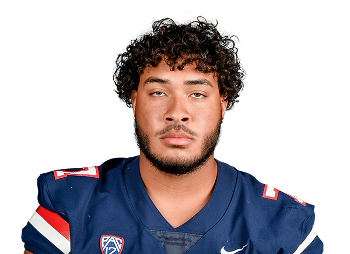
- Jordan Morgan
Morgan's consistent development, physical attributes, and performance on the field indicate his potential to become a high-end starter in the NFL. His ability to contribute effectively in various facets of the offensive line play and his resilience and work ethic make him a compelling prospect for teams looking to bolster their offensive front. ← Back to NFL Draft Big Board Jordan Morgan Arizona HT: 6060 WT: 320 YR: SR POS: OT OVR RK 48 POS RK CEILING POTENTIAL 8 KEY STRENGTHS Size Physical Solid Finisher KEY CONCERNS Bend Hand Placement Durability PLAYSTYLE & SCHEME FIT Morgan is a versatile offensive tackle with a notable blend of size and athleticism. His ability to excel in both pass protection and run blocking makes him a valuable asset in various offensive schemes, particularly those that emphasize pocket integrity and a balanced attack. His technique, coupled with his physical attributes, suggests a smooth transition to the NFL, where his skill set can be further honed. PLAYER COMPARISON: CEILING GRADE ANALYSIS High-End Starter Potential (65-69) A player expected to become a top-tier starter within their first few years. They possess strong physical tools and good technical skills but may have some limitations in their game. With development, they can reach near-elite levels and provide consistent impact at their position. Primary scout: Brandon Lundberg Football Scout 365 NFL Draft Grade Scale Football Scout 365 grades reflect a prospect’s projected long-term NFL value and role. Draft ranges are general value projections, not predictions of an exact selection. Positional value, team needs, scheme fit, medical information and athletic testing can influence where a player is ultimately selected. How Football Scout 365 Grades NFL Draft Prospects Elite (75+): A rare, high-impact prospect with elite physical tools, advanced football intelligence and the ability to make an immediate NFL impact. Elite prospects carry franchise-altering potential and typically project as top 5–10 selections in the first round. Near Elite (70–74): A high-caliber prospect with outstanding physical tools, strong football intelligence and only minor developmental limitations. Near Elite prospects project as significant early-career contributors with Pro Bowl upside and first-round draft value. High-End Starter Potential (65–69): A starting-caliber prospect with strong physical tools, quality technical skills and a defined NFL role. These players may require development before reaching their ceiling but generally carry second- or third-round draft value. Mid-Level Starter Potential (60–64): A solid prospect with NFL-level tools and a pathway to becoming a dependable starter if key limitations are addressed. These players generally carry third- to fifth-round draft value. Low-Level Starter Potential (55–59): A developmental prospect who could become a low-end starter, high-end backup or valuable specialist in the right role. These players generally carry fifth- to seventh-round draft value. Backup Level (50–54): A depth or rotational prospect with enough functional ability to compete for an NFL roster spot but limited long-term starting potential. These players generally project as late Day 3 selections or priority undrafted free agents. Not NFL Level (Below 50): A developmental or camp prospect who does not currently demonstrate enough consistency, technical refinement or functional NFL traits to project as a regular contributor. These players generally project as undrafted free agents, practice-squad candidates or camp invitations. Draft position can vary based on positional value, team needs, scheme fit, medical evaluation and athletic testing.
- Jaden Hicks
Overall, Jaden Hicks is a capable safety with notable strengths in physical tackling and man coverage. His agility and ability to read plays contribute to his effectiveness. However, his weaknesses in zone coverage and deep ball tracking are areas that require improvement. Based on his overall attributes and performance, Hicks' final grade scale would likely be in the range of 'Mid-Level Starter Potential' (60-64), indicating a player who could become a solid starter in the NFL with potential to exceed expectations. ← Back to NFL Draft Big Board Jaden Hicks Washington State HT: 6030 WT: 212 YR: SO POS: S OVR RK 64 POS RK CEILING POTENTIAL 3 KEY STRENGTHS Strong Tackling Physical Good In Man KEY CONCERNS Improve Zone Press Man Sloppy Feet PLAYSTYLE & SCHEME FIT Jaden Hicks exhibits a play style well-suited for a Zone Box/Strong Safety role. His strengths in tackling and physical play make him ideal for defensive schemes that emphasize run stopping and tight man coverage. Hicks' agility and burst allow for effective closing in zone coverage, and he matches up well against larger receivers. However, his play style shows limitations in zone coverage instincts and deep ball tracking. PLAYER COMPARISON: CEILING GRADE ANALYSIS High-End Starter Potential (65-69) A player expected to become a top-tier starter within their first few years. They possess strong physical tools and good technical skills but may have some limitations in their game. With development, they can reach near-elite levels and provide consistent impact at their position. Primary scout: Brandon Lundberg Football Scout 365 NFL Draft Grade Scale Football Scout 365 grades reflect a prospect’s projected long-term NFL value and role. Draft ranges are general value projections, not predictions of an exact selection. Positional value, team needs, scheme fit, medical information and athletic testing can influence where a player is ultimately selected. How Football Scout 365 Grades NFL Draft Prospects Elite (75+): A rare, high-impact prospect with elite physical tools, advanced football intelligence and the ability to make an immediate NFL impact. Elite prospects carry franchise-altering potential and typically project as top 5–10 selections in the first round. Near Elite (70–74): A high-caliber prospect with outstanding physical tools, strong football intelligence and only minor developmental limitations. Near Elite prospects project as significant early-career contributors with Pro Bowl upside and first-round draft value. High-End Starter Potential (65–69): A starting-caliber prospect with strong physical tools, quality technical skills and a defined NFL role. These players may require development before reaching their ceiling but generally carry second- or third-round draft value. Mid-Level Starter Potential (60–64): A solid prospect with NFL-level tools and a pathway to becoming a dependable starter if key limitations are addressed. These players generally carry third- to fifth-round draft value. Low-Level Starter Potential (55–59): A developmental prospect who could become a low-end starter, high-end backup or valuable specialist in the right role. These players generally carry fifth- to seventh-round draft value. Backup Level (50–54): A depth or rotational prospect with enough functional ability to compete for an NFL roster spot but limited long-term starting potential. These players generally project as late Day 3 selections or priority undrafted free agents. Not NFL Level (Below 50): A developmental or camp prospect who does not currently demonstrate enough consistency, technical refinement or functional NFL traits to project as a regular contributor. These players generally project as undrafted free agents, practice-squad candidates or camp invitations. Draft position can vary based on positional value, team needs, scheme fit, medical evaluation and athletic testing.
- Caleb Tiernan
← Back to NFL Draft Big Board Caleb Tiernan Northwestern HT: 6070 WT: 325 YR: SR POS: OT OVR RK 83 POS RK CEILING POTENTIAL KEY STRENGTHS Outstanding hand placement Football IQ Experience & Versatility KEY CONCERNS Limited Athletic Ceiling Run-Game Dominance Frame/Length Questions PLAYSTYLE & SCHEME FIT Tiernan is a polished, technically advanced offensive lineman with high-end starter potential, built on outstanding hand usage, footwork efficiency, and football intelligence. He lacks a single elite physical trait, but consistently wins reps through leverage, balance, and timing. Best suited for pro-style, balanced, or play-action-heavy offenses that value pass protection, reliability, and mental processing. Offers immediate starter or high-end swing value with guard flexibility. PLAYER COMPARISON: CEILING GRADE ANALYSIS Mid-Level Starter Potential (60-64) A solid, dependable starter with the potential to exceed expectations. They have good athleticism and tools but may lack elite traits. While they show flashes of high-level play, they also have some notable weaknesses that must be developed. These players often need 2-3 years to establish themselves. Primary scout: Brandon Lundberg Football Scout 365 NFL Draft Grade Scale Football Scout 365 grades reflect a prospect’s projected long-term NFL value and role. Draft ranges are general value projections, not predictions of an exact selection. Positional value, team needs, scheme fit, medical information and athletic testing can influence where a player is ultimately selected. How Football Scout 365 Grades NFL Draft Prospects Elite (75+): A rare, high-impact prospect with elite physical tools, advanced football intelligence and the ability to make an immediate NFL impact. Elite prospects carry franchise-altering potential and typically project as top 5–10 selections in the first round. Near Elite (70–74): A high-caliber prospect with outstanding physical tools, strong football intelligence and only minor developmental limitations. Near Elite prospects project as significant early-career contributors with Pro Bowl upside and first-round draft value. High-End Starter Potential (65–69): A starting-caliber prospect with strong physical tools, quality technical skills and a defined NFL role. These players may require development before reaching their ceiling but generally carry second- or third-round draft value. Mid-Level Starter Potential (60–64): A solid prospect with NFL-level tools and a pathway to becoming a dependable starter if key limitations are addressed. These players generally carry third- to fifth-round draft value. Low-Level Starter Potential (55–59): A developmental prospect who could become a low-end starter, high-end backup or valuable specialist in the right role. These players generally carry fifth- to seventh-round draft value. Backup Level (50–54): A depth or rotational prospect with enough functional ability to compete for an NFL roster spot but limited long-term starting potential. These players generally project as late Day 3 selections or priority undrafted free agents. Not NFL Level (Below 50): A developmental or camp prospect who does not currently demonstrate enough consistency, technical refinement or functional NFL traits to project as a regular contributor. These players generally project as undrafted free agents, practice-squad candidates or camp invitations. Draft position can vary based on positional value, team needs, scheme fit, medical evaluation and athletic testing.
- Deuce Alexander
← Back to NFL Draft Big Board Deuce Alexander Ole Miss HT: 6000 WT: 180 YR: JR POS: WR OVR RK 29 POS RK CEILING POTENTIAL WR6 High-End Starter Potential KEY STRENGTHS Vertical speed Body control Catch concentration KEY CONCERNS Play strength vs. press Underneath route detail Contested-catch PLAYSTYLE & SCHEME FIT Deuce Alexander is a vertical receiver whose profile is built on downfield speed, body control, and the ability to finish catches outside his frame. He fits best as a Z receiver with slot flexibility in an offense that uses motion, stacked alignments, and movement releases to give him access to space. The concern is whether his functional strength and route detail allow him to create consistent separation when defenders challenge him early in the route. His role can expand beyond field-stretching duties if he develops more complete underneath and intermediate routes while proving he can finish through tighter coverage. PLAYER COMPARISON: CEILING GRADE ANALYSIS High-End Starter Potential (65-69) A player expected to become a top-tier starter within their first few years. They possess strong physical tools and good technical skills but may have some limitations in their game. With development, they can reach near-elite levels and provide consistent impact at their position. Primary scout: Brandon Lundberg Football Scout 365 NFL Draft Grade Scale Football Scout 365 grades reflect a prospect’s projected long-term NFL value and role. Draft ranges are general value projections, not predictions of an exact selection. Positional value, team needs, scheme fit, medical information and athletic testing can influence where a player is ultimately selected. How Football Scout 365 Grades NFL Draft Prospects Elite (75+): A rare, high-impact prospect with elite physical tools, advanced football intelligence and the ability to make an immediate NFL impact. Elite prospects carry franchise-altering potential and typically project as top 5–10 selections in the first round. Near Elite (70–74): A high-caliber prospect with outstanding physical tools, strong football intelligence and only minor developmental limitations. Near Elite prospects project as significant early-career contributors with Pro Bowl upside and first-round draft value. High-End Starter Potential (65–69): A starting-caliber prospect with strong physical tools, quality technical skills and a defined NFL role. These players may require development before reaching their ceiling but generally carry second- or third-round draft value. Mid-Level Starter Potential (60–64): A solid prospect with NFL-level tools and a pathway to becoming a dependable starter if key limitations are addressed. These players generally carry third- to fifth-round draft value. Low-Level Starter Potential (55–59): A developmental prospect who could become a low-end starter, high-end backup or valuable specialist in the right role. These players generally carry fifth- to seventh-round draft value. Backup Level (50–54): A depth or rotational prospect with enough functional ability to compete for an NFL roster spot but limited long-term starting potential. These players generally project as late Day 3 selections or priority undrafted free agents. Not NFL Level (Below 50): A developmental or camp prospect who does not currently demonstrate enough consistency, technical refinement or functional NFL traits to project as a regular contributor. These players generally project as undrafted free agents, practice-squad candidates or camp invitations. Draft position can vary based on positional value, team needs, scheme fit, medical evaluation and athletic testing.
- Chad Muma
← Back to NFL Draft Big Board Chad Muma Wyoming HT: 6030 WT: 242 YR: JR POS: LB OVR RK 90 POS RK CEILING POTENTIAL 10 KEY STRENGTHS KEY CONCERNS PLAYSTYLE & SCHEME FIT PLAYER COMPARISON: CEILING GRADE ANALYSIS High-End Starter Potential (65-69) A player expected to become a top-tier starter within their first few years. They possess strong physical tools and good technical skills but may have some limitations in their game. With development, they can reach near-elite levels and provide consistent impact at their position. Primary scout: Brandon Lundberg Football Scout 365 NFL Draft Grade Scale Football Scout 365 grades reflect a prospect’s projected long-term NFL value and role. Draft ranges are general value projections, not predictions of an exact selection. Positional value, team needs, scheme fit, medical information and athletic testing can influence where a player is ultimately selected. How Football Scout 365 Grades NFL Draft Prospects Elite (75+): A rare, high-impact prospect with elite physical tools, advanced football intelligence and the ability to make an immediate NFL impact. Elite prospects carry franchise-altering potential and typically project as top 5–10 selections in the first round. Near Elite (70–74): A high-caliber prospect with outstanding physical tools, strong football intelligence and only minor developmental limitations. Near Elite prospects project as significant early-career contributors with Pro Bowl upside and first-round draft value. High-End Starter Potential (65–69): A starting-caliber prospect with strong physical tools, quality technical skills and a defined NFL role. These players may require development before reaching their ceiling but generally carry second- or third-round draft value. Mid-Level Starter Potential (60–64): A solid prospect with NFL-level tools and a pathway to becoming a dependable starter if key limitations are addressed. These players generally carry third- to fifth-round draft value. Low-Level Starter Potential (55–59): A developmental prospect who could become a low-end starter, high-end backup or valuable specialist in the right role. These players generally carry fifth- to seventh-round draft value. Backup Level (50–54): A depth or rotational prospect with enough functional ability to compete for an NFL roster spot but limited long-term starting potential. These players generally project as late Day 3 selections or priority undrafted free agents. Not NFL Level (Below 50): A developmental or camp prospect who does not currently demonstrate enough consistency, technical refinement or functional NFL traits to project as a regular contributor. These players generally project as undrafted free agents, practice-squad candidates or camp invitations. Draft position can vary based on positional value, team needs, scheme fit, medical evaluation and athletic testing.
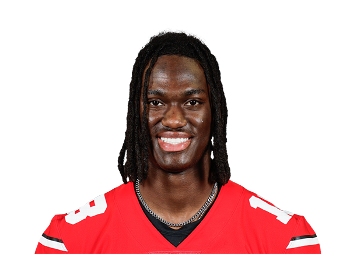
- Marvin Harrison Jr.
Marvin Harrison Jr. is projected as a top-five pick in the NFL Draft, indicative of his high potential and elite skill set. He is considered by many as possibly a generational talent at the wide receiver position, combining size, speed, and technical skill at an elite level. His professional future appears very bright, with the capability to become a dominant force in the NFL. Harrison's draft stock and scouting report suggest he will make an immediate impact at the professional level. ← Back to NFL Draft Big Board Marvin Harrison Jr. Ohio State HT: 6040 WT: 205 YR: JR POS: WR OVR RK 2 POS RK CEILING POTENTIAL 1 KEY STRENGTHS Route Running Elite Body Control Route Technician KEY CONCERNS Lacks Explosiveness Improve Double Moves Be More Physical PLAYSTYLE & SCHEME FIT Marvin Harrison Jr. is an outside X-receiver known for his polished route running, exceptional hands, and ability to consistently create separation from defenders. He excels in a variety of offensive schemes due to his ability to run precise routes across all levels of the field and his effectiveness in contested catch situations. Harrison's size and body control make him an ideal target in the red zone and on the boundary. His skill set suggests he would thrive in a pro-style offense that values precise route running and the ability to win one-on-one matchups. PLAYER COMPARISON: CEILING GRADE ANALYSIS Elite (75+) A rare, high-impact prospect with the potential to be an instant NFL star. These players possess elite physical tools, high-level athleticism, and exceptional football intelligence. Their game is polished, showing minimal weaknesses, and they can dominate at their position from day one. They routinely accomplish what seems impossible and are viewed as franchise-altering talents. Primary scout: Brandon Lundberg Football Scout 365 NFL Draft Grade Scale Football Scout 365 grades reflect a prospect’s projected long-term NFL value and role. Draft ranges are general value projections, not predictions of an exact selection. Positional value, team needs, scheme fit, medical information and athletic testing can influence where a player is ultimately selected. How Football Scout 365 Grades NFL Draft Prospects Elite (75+): A rare, high-impact prospect with elite physical tools, advanced football intelligence and the ability to make an immediate NFL impact. Elite prospects carry franchise-altering potential and typically project as top 5–10 selections in the first round. Near Elite (70–74): A high-caliber prospect with outstanding physical tools, strong football intelligence and only minor developmental limitations. Near Elite prospects project as significant early-career contributors with Pro Bowl upside and first-round draft value. High-End Starter Potential (65–69): A starting-caliber prospect with strong physical tools, quality technical skills and a defined NFL role. These players may require development before reaching their ceiling but generally carry second- or third-round draft value. Mid-Level Starter Potential (60–64): A solid prospect with NFL-level tools and a pathway to becoming a dependable starter if key limitations are addressed. These players generally carry third- to fifth-round draft value. Low-Level Starter Potential (55–59): A developmental prospect who could become a low-end starter, high-end backup or valuable specialist in the right role. These players generally carry fifth- to seventh-round draft value. Backup Level (50–54): A depth or rotational prospect with enough functional ability to compete for an NFL roster spot but limited long-term starting potential. These players generally project as late Day 3 selections or priority undrafted free agents. Not NFL Level (Below 50): A developmental or camp prospect who does not currently demonstrate enough consistency, technical refinement or functional NFL traits to project as a regular contributor. These players generally project as undrafted free agents, practice-squad candidates or camp invitations. Draft position can vary based on positional value, team needs, scheme fit, medical evaluation and athletic testing.
- Ricky Pearsall
Pearsall's attributes suggest he could be a productive slot receiver in the NFL, offering immediate value in the passing game while also possessing the upside to develop into a more comprehensive threat with improvements in blocking and physical strength. His draft stock will benefit from teams looking for immediate impact players in the passing game, projecting him as a potential day two or early day three selection. ← Back to NFL Draft Big Board Ricky Pearsall Florida HT: 6010 WT: 190 YR: SR POS: WR OVR RK 38 POS RK CEILING POTENTIAL 10 KEY STRENGTHS Hands Ball Tracking Route Running KEY CONCERNS Blocking Strength Long Speed PLAYSTYLE & SCHEME FIT Ricky Pearsall exhibits a polished route-running ability, with particular proficiency in creating separation on short to medium routes. His strength in contested catch situations makes him a reliable target in critical downs. While Pearsall shows an average physical strength, impacting his blocking abilities, his agility and explosiveness compensate, allowing him to be a versatile piece in a spread offense or a system that leverages wide receiver screens and quick passes. His knack for tracking the ball and making plays in tight coverage will make him an asset in the red zone. PLAYER COMPARISON: CEILING GRADE ANALYSIS High-End Starter Potential (65-69) A player expected to become a top-tier starter within their first few years. They possess strong physical tools and good technical skills but may have some limitations in their game. With development, they can reach near-elite levels and provide consistent impact at their position. Primary scout: Brandon Lundberg Football Scout 365 NFL Draft Grade Scale Football Scout 365 grades reflect a prospect’s projected long-term NFL value and role. Draft ranges are general value projections, not predictions of an exact selection. Positional value, team needs, scheme fit, medical information and athletic testing can influence where a player is ultimately selected. How Football Scout 365 Grades NFL Draft Prospects Elite (75+): A rare, high-impact prospect with elite physical tools, advanced football intelligence and the ability to make an immediate NFL impact. Elite prospects carry franchise-altering potential and typically project as top 5–10 selections in the first round. Near Elite (70–74): A high-caliber prospect with outstanding physical tools, strong football intelligence and only minor developmental limitations. Near Elite prospects project as significant early-career contributors with Pro Bowl upside and first-round draft value. High-End Starter Potential (65–69): A starting-caliber prospect with strong physical tools, quality technical skills and a defined NFL role. These players may require development before reaching their ceiling but generally carry second- or third-round draft value. Mid-Level Starter Potential (60–64): A solid prospect with NFL-level tools and a pathway to becoming a dependable starter if key limitations are addressed. These players generally carry third- to fifth-round draft value. Low-Level Starter Potential (55–59): A developmental prospect who could become a low-end starter, high-end backup or valuable specialist in the right role. These players generally carry fifth- to seventh-round draft value. Backup Level (50–54): A depth or rotational prospect with enough functional ability to compete for an NFL roster spot but limited long-term starting potential. These players generally project as late Day 3 selections or priority undrafted free agents. Not NFL Level (Below 50): A developmental or camp prospect who does not currently demonstrate enough consistency, technical refinement or functional NFL traits to project as a regular contributor. These players generally project as undrafted free agents, practice-squad candidates or camp invitations. Draft position can vary based on positional value, team needs, scheme fit, medical evaluation and athletic testing.
- Romeo Doubs
← Back to NFL Draft Big Board Romeo Doubs Nevada HT: 6020 WT: 200 YR: JR POS: WR OVR RK 72 POS RK CEILING POTENTIAL 13 KEY STRENGTHS KEY CONCERNS PLAYSTYLE & SCHEME FIT PLAYER COMPARISON: CEILING GRADE ANALYSIS Mid-Level Starter Potential (60-64) A solid, dependable starter with the potential to exceed expectations. They have good athleticism and tools but may lack elite traits. While they show flashes of high-level play, they also have some notable weaknesses that must be developed. These players often need 2-3 years to establish themselves. Primary scout: Brandon Lundberg Football Scout 365 NFL Draft Grade Scale Football Scout 365 grades reflect a prospect’s projected long-term NFL value and role. Draft ranges are general value projections, not predictions of an exact selection. Positional value, team needs, scheme fit, medical information and athletic testing can influence where a player is ultimately selected. How Football Scout 365 Grades NFL Draft Prospects Elite (75+): A rare, high-impact prospect with elite physical tools, advanced football intelligence and the ability to make an immediate NFL impact. Elite prospects carry franchise-altering potential and typically project as top 5–10 selections in the first round. Near Elite (70–74): A high-caliber prospect with outstanding physical tools, strong football intelligence and only minor developmental limitations. Near Elite prospects project as significant early-career contributors with Pro Bowl upside and first-round draft value. High-End Starter Potential (65–69): A starting-caliber prospect with strong physical tools, quality technical skills and a defined NFL role. These players may require development before reaching their ceiling but generally carry second- or third-round draft value. Mid-Level Starter Potential (60–64): A solid prospect with NFL-level tools and a pathway to becoming a dependable starter if key limitations are addressed. These players generally carry third- to fifth-round draft value. Low-Level Starter Potential (55–59): A developmental prospect who could become a low-end starter, high-end backup or valuable specialist in the right role. These players generally carry fifth- to seventh-round draft value. Backup Level (50–54): A depth or rotational prospect with enough functional ability to compete for an NFL roster spot but limited long-term starting potential. These players generally project as late Day 3 selections or priority undrafted free agents. Not NFL Level (Below 50): A developmental or camp prospect who does not currently demonstrate enough consistency, technical refinement or functional NFL traits to project as a regular contributor. These players generally project as undrafted free agents, practice-squad candidates or camp invitations. Draft position can vary based on positional value, team needs, scheme fit, medical evaluation and athletic testing.
- Cameron McGrone
He played a very similar role as Devin Bush did at Michigan (Mike) as a three-down player. He is a sideline to sideline player that can also get downhill and stuff the run game. McGrone is an able pass defender who has lined up against flex TE's and had success. He took a step back in production in 2020, but he played hurt during a pandemic ravaged Big Ten season. ← Back to NFL Draft Big Board Cameron McGrone Michigan HT: 6010 WT: 232 YR: RSO POS: LB OVR RK 70 POS RK CEILING POTENTIAL 6 KEY STRENGTHS KEY CONCERNS PLAYSTYLE & SCHEME FIT He played a very similar role as Devin Bush did at Michigan (Mike) as a three-down player. He is a sideline to sideline player that can also get downhill and stuff the run game. McGrone is an able pass defender who has lined up against flex TE's and had success. He took a step back in production in 2020, but he played hurt during a pandemic ravaged Big Ten season. PLAYER COMPARISON: CEILING GRADE ANALYSIS Low-Level Starter Potential (55-59) A player with the upside to be a low-end starter or high-level backup within a couple of seasons. While they have solid physical tools, inconsistencies in technique, processing, or durability limit their ceiling. They are developmental prospects who may carve out a role as specialists or system fits. Primary scout: Brandon Lundberg Football Scout 365 NFL Draft Grade Scale Football Scout 365 grades reflect a prospect’s projected long-term NFL value and role. Draft ranges are general value projections, not predictions of an exact selection. Positional value, team needs, scheme fit, medical information and athletic testing can influence where a player is ultimately selected. How Football Scout 365 Grades NFL Draft Prospects Elite (75+): A rare, high-impact prospect with elite physical tools, advanced football intelligence and the ability to make an immediate NFL impact. Elite prospects carry franchise-altering potential and typically project as top 5–10 selections in the first round. Near Elite (70–74): A high-caliber prospect with outstanding physical tools, strong football intelligence and only minor developmental limitations. Near Elite prospects project as significant early-career contributors with Pro Bowl upside and first-round draft value. High-End Starter Potential (65–69): A starting-caliber prospect with strong physical tools, quality technical skills and a defined NFL role. These players may require development before reaching their ceiling but generally carry second- or third-round draft value. Mid-Level Starter Potential (60–64): A solid prospect with NFL-level tools and a pathway to becoming a dependable starter if key limitations are addressed. These players generally carry third- to fifth-round draft value. Low-Level Starter Potential (55–59): A developmental prospect who could become a low-end starter, high-end backup or valuable specialist in the right role. These players generally carry fifth- to seventh-round draft value. Backup Level (50–54): A depth or rotational prospect with enough functional ability to compete for an NFL roster spot but limited long-term starting potential. These players generally project as late Day 3 selections or priority undrafted free agents. Not NFL Level (Below 50): A developmental or camp prospect who does not currently demonstrate enough consistency, technical refinement or functional NFL traits to project as a regular contributor. These players generally project as undrafted free agents, practice-squad candidates or camp invitations. Draft position can vary based on positional value, team needs, scheme fit, medical evaluation and athletic testing.
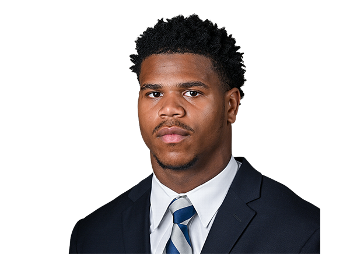
- Abdul Carter
Abdul Carter projects as a mid to late first-round pick in the NFL Draft, with the potential to develop into a versatile and impactful linebacker at the professional level. His ability to adapt to various defensive roles enhances his value, making him a promising prospect for teams employing a multiple-style defensive scheme. ← Back to NFL Draft Big Board Abdul Carter Penn State HT: 6030 WT: 250 YR: JR POS: ED OVR RK 2 POS RK CEILING POTENTIAL 1 KEY STRENGTHS Explosiveness & Get-off Pass-Rush Arsenal Positional Versatility KEY CONCERNS Pad Level vs Run Occasional Overrun Hand Counters PLAYSTYLE & SCHEME FIT Abdul Carter is an explosive, dynamic, and twitchy edge defender with elite-level traits. He possesses rare first-step quickness, violent hands, and the ability to bend and flatten at the top of the arc, making him a terror off the edge in both 3-4 and 4-3 alignments. His transition from off-ball linebacker to EDGE has only expanded his value, as he can drop into coverage or close from depth. Carter projects as a Day 1 starter and scheme-diverse playmaker with Pro Bowl/All-Pro potential. PLAYER COMPARISON: CEILING GRADE ANALYSIS Elite (75+) A rare, high-impact prospect with the potential to be an instant NFL star. These players possess elite physical tools, high-level athleticism, and exceptional football intelligence. Their game is polished, showing minimal weaknesses, and they can dominate at their position from day one. They routinely accomplish what seems impossible and are viewed as franchise-altering talents. Primary scout: Brandon Lundberg Football Scout 365 NFL Draft Grade Scale Football Scout 365 grades reflect a prospect’s projected long-term NFL value and role. Draft ranges are general value projections, not predictions of an exact selection. Positional value, team needs, scheme fit, medical information and athletic testing can influence where a player is ultimately selected. How Football Scout 365 Grades NFL Draft Prospects Elite (75+): A rare, high-impact prospect with elite physical tools, advanced football intelligence and the ability to make an immediate NFL impact. Elite prospects carry franchise-altering potential and typically project as top 5–10 selections in the first round. Near Elite (70–74): A high-caliber prospect with outstanding physical tools, strong football intelligence and only minor developmental limitations. Near Elite prospects project as significant early-career contributors with Pro Bowl upside and first-round draft value. High-End Starter Potential (65–69): A starting-caliber prospect with strong physical tools, quality technical skills and a defined NFL role. These players may require development before reaching their ceiling but generally carry second- or third-round draft value. Mid-Level Starter Potential (60–64): A solid prospect with NFL-level tools and a pathway to becoming a dependable starter if key limitations are addressed. These players generally carry third- to fifth-round draft value. Low-Level Starter Potential (55–59): A developmental prospect who could become a low-end starter, high-end backup or valuable specialist in the right role. These players generally carry fifth- to seventh-round draft value. Backup Level (50–54): A depth or rotational prospect with enough functional ability to compete for an NFL roster spot but limited long-term starting potential. These players generally project as late Day 3 selections or priority undrafted free agents. Not NFL Level (Below 50): A developmental or camp prospect who does not currently demonstrate enough consistency, technical refinement or functional NFL traits to project as a regular contributor. These players generally project as undrafted free agents, practice-squad candidates or camp invitations. Draft position can vary based on positional value, team needs, scheme fit, medical evaluation and athletic testing.