Search Results
Search this site
1757 results found with an empty search
- Bijan Robinson
Bijan Robinson is a versatile running back with great vision, elusiveness, and pass-catching ability. He has the potential to be a three-down back in the NFL and could be a valuable weapon in the passing game. He will need to continue to work on his pass pro to maximize his potential. Still, his work ethic and dedication to improving his game suggest that he will continue to develop at the next level. He is likely a mid-to-late first-round pick in the 2023 NFL Draft and has the potential to be a star at the next level. ← Back to NFL Draft Big Board Bijan Robinson Texas HT: 6000 WT: 220 YR: JR POS: RB OVR RK 4 POS RK CEILING POTENTIAL 1 KEY STRENGTHS Vision and Patience Elusiveness 3-Dwn Versatility KEY CONCERNS Contact Balance Long Speed Pass Pro PLAYSTYLE & SCHEME FIT Robinson would be a great fit for a zone-blocking scheme that emphasizes a lot of inside and outside zone runs. He has the patience and vision to read blocks and find the right running lanes, and his quick cuts and ability to change direction would make him a dangerous runner on both inside and outside runs. Robinson is also a capable receiver out of the backfield, with good hands and the ability to make plays in the passing game. He is a willing blocker in pass protection, which makes him a valuable asset in the passing game. PLAYER COMPARISON: CEILING GRADE ANALYSIS Near Elite (70-74) A high-caliber prospect who is expected to become a significant contributor by Year 2. These players have outstanding physical tools and strong football IQ, with only minor flaws in their game. They demonstrate consistency at a high level and project as future Pro Bowl-caliber players if properly developed. Primary scout: Brandon Lundberg Football Scout 365 NFL Draft Grade Scale Football Scout 365 grades reflect a prospect’s projected long-term NFL value and role. Draft ranges are general value projections, not predictions of an exact selection. Positional value, team needs, scheme fit, medical information and athletic testing can influence where a player is ultimately selected. How Football Scout 365 Grades NFL Draft Prospects Elite (75+): A rare, high-impact prospect with elite physical tools, advanced football intelligence and the ability to make an immediate NFL impact. Elite prospects carry franchise-altering potential and typically project as top 5–10 selections in the first round. Near Elite (70–74): A high-caliber prospect with outstanding physical tools, strong football intelligence and only minor developmental limitations. Near Elite prospects project as significant early-career contributors with Pro Bowl upside and first-round draft value. High-End Starter Potential (65–69): A starting-caliber prospect with strong physical tools, quality technical skills and a defined NFL role. These players may require development before reaching their ceiling but generally carry second- or third-round draft value. Mid-Level Starter Potential (60–64): A solid prospect with NFL-level tools and a pathway to becoming a dependable starter if key limitations are addressed. These players generally carry third- to fifth-round draft value. Low-Level Starter Potential (55–59): A developmental prospect who could become a low-end starter, high-end backup or valuable specialist in the right role. These players generally carry fifth- to seventh-round draft value. Backup Level (50–54): A depth or rotational prospect with enough functional ability to compete for an NFL roster spot but limited long-term starting potential. These players generally project as late Day 3 selections or priority undrafted free agents. Not NFL Level (Below 50): A developmental or camp prospect who does not currently demonstrate enough consistency, technical refinement or functional NFL traits to project as a regular contributor. These players generally project as undrafted free agents, practice-squad candidates or camp invitations. Draft position can vary based on positional value, team needs, scheme fit, medical evaluation and athletic testing.
- Leonard Moore
← Back to NFL Draft Big Board Leonard Moore Notre Dame HT: 6020 WT: 195 YR: JR POS: CB OVR RK 3 POS RK CEILING POTENTIAL CB1 Elite KEY STRENGTHS Rare Ball Skills High IQ Prototype Size KEY CONCERNS Functional Strength Physicality Still Developing Run-Support PLAYSTYLE & SCHEME FIT Leonard Moore is a long, instinctive outside corner whose grade is built on coverage production, route recognition, and high-end ball skills. He fits best as a boundary CB1 candidate in a zone-match or multiple coverage system where his length, awareness, and ability to play through the catch point can create turnover value. The starting pathway is clear because he already combines size with real coverage production, including a 91.8 PFF grade and five interceptions in 2025. The final checkpoint is whether his press-man technique, recovery speed, and tackling reliability hold up against top NFL-caliber receivers. PLAYER COMPARISON: Patrick Surtain II Moore has a Patrick Surtain II-style profile because both win with length, patience, technical coverage discipline, route recognition, and the ability to control outside matchups without playing recklessly. The comparison fits best through the high-IQ, long-framed technician lens, but Surtain entered the NFL with a denser frame, cleaner play strength, and more complete press-man physicality, while Moore still needs to add functional mass and prove he can maintain that same control against stronger NFL receivers. CEILING GRADE ANALYSIS Elite (75+) A rare, high-impact prospect with the potential to be an instant NFL star. These players possess elite physical tools, high-level athleticism, and exceptional football intelligence. Their game is polished, showing minimal weaknesses, and they can dominate at their position from day one. They routinely accomplish what seems impossible and are viewed as franchise-altering talents. Primary scout: Brandon Lundberg Football Scout 365 NFL Draft Grade Scale Football Scout 365 grades reflect a prospect’s projected long-term NFL value and role. Draft ranges are general value projections, not predictions of an exact selection. Positional value, team needs, scheme fit, medical information and athletic testing can influence where a player is ultimately selected. How Football Scout 365 Grades NFL Draft Prospects Elite (75+): A rare, high-impact prospect with elite physical tools, advanced football intelligence and the ability to make an immediate NFL impact. Elite prospects carry franchise-altering potential and typically project as top 5–10 selections in the first round. Near Elite (70–74): A high-caliber prospect with outstanding physical tools, strong football intelligence and only minor developmental limitations. Near Elite prospects project as significant early-career contributors with Pro Bowl upside and first-round draft value. High-End Starter Potential (65–69): A starting-caliber prospect with strong physical tools, quality technical skills and a defined NFL role. These players may require development before reaching their ceiling but generally carry second- or third-round draft value. Mid-Level Starter Potential (60–64): A solid prospect with NFL-level tools and a pathway to becoming a dependable starter if key limitations are addressed. These players generally carry third- to fifth-round draft value. Low-Level Starter Potential (55–59): A developmental prospect who could become a low-end starter, high-end backup or valuable specialist in the right role. These players generally carry fifth- to seventh-round draft value. Backup Level (50–54): A depth or rotational prospect with enough functional ability to compete for an NFL roster spot but limited long-term starting potential. These players generally project as late Day 3 selections or priority undrafted free agents. Not NFL Level (Below 50): A developmental or camp prospect who does not currently demonstrate enough consistency, technical refinement or functional NFL traits to project as a regular contributor. These players generally project as undrafted free agents, practice-squad candidates or camp invitations. Draft position can vary based on positional value, team needs, scheme fit, medical evaluation and athletic testing.
- Aidan Hutchinson
Aidan Hutchinson is a dominant pass rusher who uses a combination of speed and power to win at the point of attack. He plays with a high motor making his presence felt on nearly every snap opening up opportunities for others to make plays when opposing offenses make it a priority to block him. Hutchinson is an every-down player who can play with his hand in the dirt or standing up. He is not a player who will drop into pass coverage by necessity but shows enough athleticism to settle into a curl or flat area as a changeup. Hutchinson is a strong-run defender who can set the edge. He possesses good run pursuit and tackling ability. He does an excellent job of tracking the football from inside out, using his power and low pad level to outmaneuver his blocker(s). In 2021, Hutchinson is playing the edge, standing up in a 3-4 scheme under new Defensive Coordinator Mike Macdonald. Hutchinson has experience lining up inside (4i or 3T) under his former Defensive Coordinator, Don Brown, further adding to his versatility as an every-down and situational defender. According to Michigan football strength and conditioning coach Ben Herbert, Hutchinson posted a 4.64sec forty-yard dash, 36in vertical, 6.54sec 3 cone, and 4.07sec shuttle. All of these numbers are better than both of the Bosa's, and nearly all of T.J. Watts posted NFL Combine results, except for T.J. Watt’s 37in vertical. ← Back to NFL Draft Big Board Aidan Hutchinson Michigan HT: 6060 WT: 265 YR: SR POS: ED OVR RK 1 POS RK CEILING POTENTIAL 1 KEY STRENGTHS KEY CONCERNS PLAYSTYLE & SCHEME FIT Aidan Hutchinson is a dominant pass rusher who uses a combination of speed and power to win at the point of attack. He plays with a high motor making his presence felt on nearly every snap opening up opportunities for others to make plays when opposing offenses make it a priority to block him. Hutchinson is an every-down player who can play with his hand in the dirt or standing up. He is not a player who will drop into pass coverage by necessity but shows enough athleticism to settle into a curl or flat area as a changeup. Hutchinson is a strong-run defender who can set the edge. He possesses good run pursuit and tackling ability. He does an excellent job of tracking the football from inside out, using his power and low pad level to outmaneuver his blocker(s). In 2021, Hutchinson is playing the edge, standing up in a 3-4 scheme under new Defensive Coordinator Mike Macdonald. Hutchinson has experience lining up inside (4i or 3T) under his former Defensive Coordinator, Don Brown, further adding to his versatility as an every-down and situational defender. According to Michigan football strength and conditioning coach Ben Herbert, Hutchinson posted a 4.64sec forty-yard dash, 36in vertical, 6.54sec 3 cone, and 4.07sec shuttle. All of these numbers are better than both of the Bosa's, and nearly all of T.J. Watts posted NFL Combine results, except for T.J. Watt’s 37in vertical. PLAYER COMPARISON: CEILING GRADE ANALYSIS Elite (75+) A rare, high-impact prospect with the potential to be an instant NFL star. These players possess elite physical tools, high-level athleticism, and exceptional football intelligence. Their game is polished, showing minimal weaknesses, and they can dominate at their position from day one. They routinely accomplish what seems impossible and are viewed as franchise-altering talents. Primary scout: Brandon Lundberg Football Scout 365 NFL Draft Grade Scale Football Scout 365 grades reflect a prospect’s projected long-term NFL value and role. Draft ranges are general value projections, not predictions of an exact selection. Positional value, team needs, scheme fit, medical information and athletic testing can influence where a player is ultimately selected. How Football Scout 365 Grades NFL Draft Prospects Elite (75+): A rare, high-impact prospect with elite physical tools, advanced football intelligence and the ability to make an immediate NFL impact. Elite prospects carry franchise-altering potential and typically project as top 5–10 selections in the first round. Near Elite (70–74): A high-caliber prospect with outstanding physical tools, strong football intelligence and only minor developmental limitations. Near Elite prospects project as significant early-career contributors with Pro Bowl upside and first-round draft value. High-End Starter Potential (65–69): A starting-caliber prospect with strong physical tools, quality technical skills and a defined NFL role. These players may require development before reaching their ceiling but generally carry second- or third-round draft value. Mid-Level Starter Potential (60–64): A solid prospect with NFL-level tools and a pathway to becoming a dependable starter if key limitations are addressed. These players generally carry third- to fifth-round draft value. Low-Level Starter Potential (55–59): A developmental prospect who could become a low-end starter, high-end backup or valuable specialist in the right role. These players generally carry fifth- to seventh-round draft value. Backup Level (50–54): A depth or rotational prospect with enough functional ability to compete for an NFL roster spot but limited long-term starting potential. These players generally project as late Day 3 selections or priority undrafted free agents. Not NFL Level (Below 50): A developmental or camp prospect who does not currently demonstrate enough consistency, technical refinement or functional NFL traits to project as a regular contributor. These players generally project as undrafted free agents, practice-squad candidates or camp invitations. Draft position can vary based on positional value, team needs, scheme fit, medical evaluation and athletic testing.
- Terrace Marshall
Another LSU WR with size, speed, and athleticism will enter the league in 2021. Marshall is a physical WR with good body control and often uses his body to wall off defenders. Marshall attacks the football at the catch point. Marshall had only two drops in 2019. He needs to work on his route running at the next level. ← Back to NFL Draft Big Board Terrace Marshall LSU HT: 6030 WT: 200 YR: JR POS: WR OVR RK 30 POS RK CEILING POTENTIAL 6 KEY STRENGTHS KEY CONCERNS PLAYSTYLE & SCHEME FIT Another LSU WR with size, speed, and athleticism will enter the league in 2021. Marshall is a physical WR with good body control and often uses his body to wall off defenders. Marshall attacks the football at the catch point. Marshall had only two drops in 2019. He needs to work on his route running at the next level. PLAYER COMPARISON: CEILING GRADE ANALYSIS High-End Starter Potential (65-69) A player expected to become a top-tier starter within their first few years. They possess strong physical tools and good technical skills but may have some limitations in their game. With development, they can reach near-elite levels and provide consistent impact at their position. Primary scout: Brandon Lundberg Football Scout 365 NFL Draft Grade Scale Football Scout 365 grades reflect a prospect’s projected long-term NFL value and role. Draft ranges are general value projections, not predictions of an exact selection. Positional value, team needs, scheme fit, medical information and athletic testing can influence where a player is ultimately selected. How Football Scout 365 Grades NFL Draft Prospects Elite (75+): A rare, high-impact prospect with elite physical tools, advanced football intelligence and the ability to make an immediate NFL impact. Elite prospects carry franchise-altering potential and typically project as top 5–10 selections in the first round. Near Elite (70–74): A high-caliber prospect with outstanding physical tools, strong football intelligence and only minor developmental limitations. Near Elite prospects project as significant early-career contributors with Pro Bowl upside and first-round draft value. High-End Starter Potential (65–69): A starting-caliber prospect with strong physical tools, quality technical skills and a defined NFL role. These players may require development before reaching their ceiling but generally carry second- or third-round draft value. Mid-Level Starter Potential (60–64): A solid prospect with NFL-level tools and a pathway to becoming a dependable starter if key limitations are addressed. These players generally carry third- to fifth-round draft value. Low-Level Starter Potential (55–59): A developmental prospect who could become a low-end starter, high-end backup or valuable specialist in the right role. These players generally carry fifth- to seventh-round draft value. Backup Level (50–54): A depth or rotational prospect with enough functional ability to compete for an NFL roster spot but limited long-term starting potential. These players generally project as late Day 3 selections or priority undrafted free agents. Not NFL Level (Below 50): A developmental or camp prospect who does not currently demonstrate enough consistency, technical refinement or functional NFL traits to project as a regular contributor. These players generally project as undrafted free agents, practice-squad candidates or camp invitations. Draft position can vary based on positional value, team needs, scheme fit, medical evaluation and athletic testing.
- David Stone
← Back to NFL Draft Big Board David Stone Oklahoma HT: 6030 WT: 315 YR: JR POS: IDL OVR RK 17 POS RK CEILING POTENTIAL IDL2 Near Elite KEY STRENGTHS Explosiveness for Size Run-Defense Foundation Multiple-Front Flexibility KEY CONCERNS Pass-Rush Plan Three-Down Value Defined by Power PLAYSTYLE & SCHEME FIT David Stone is a long, explosive three-tech disruptor whose grade is built on first-step quickness, play strength, run defense, and interior pocket push. He fits best in an attacking front that lets him penetrate from 3-tech, shade inside as a heavy nose, or reduce into odd-front looks where his length and power can stress guards. The starting pathway is clear because he can win the line of scrimmage, shed blocks, and create pressure volume. The ceiling depends on whether his pass-rush counters, sack finishing, and pad-level consistency develop enough to push him from a Near Elite starter profile into the Elite tier. PLAYER COMPARISON: Walter Nolen Stone fits the Walter Nolen comparison because both carry premium first-step quickness, disruptive interior power, and the ability to win as penetrating defensive tackles rather than static space-eaters. CEILING GRADE ANALYSIS Near Elite (70-74) A high-caliber prospect who is expected to become a significant contributor by Year 2. These players have outstanding physical tools and strong football IQ, with only minor flaws in their game. They demonstrate consistency at a high level and project as future Pro Bowl-caliber players if properly developed. Primary scout: Brandon Lundberg Football Scout 365 NFL Draft Grade Scale Football Scout 365 grades reflect a prospect’s projected long-term NFL value and role. Draft ranges are general value projections, not predictions of an exact selection. Positional value, team needs, scheme fit, medical information and athletic testing can influence where a player is ultimately selected. How Football Scout 365 Grades NFL Draft Prospects Elite (75+): A rare, high-impact prospect with elite physical tools, advanced football intelligence and the ability to make an immediate NFL impact. Elite prospects carry franchise-altering potential and typically project as top 5–10 selections in the first round. Near Elite (70–74): A high-caliber prospect with outstanding physical tools, strong football intelligence and only minor developmental limitations. Near Elite prospects project as significant early-career contributors with Pro Bowl upside and first-round draft value. High-End Starter Potential (65–69): A starting-caliber prospect with strong physical tools, quality technical skills and a defined NFL role. These players may require development before reaching their ceiling but generally carry second- or third-round draft value. Mid-Level Starter Potential (60–64): A solid prospect with NFL-level tools and a pathway to becoming a dependable starter if key limitations are addressed. These players generally carry third- to fifth-round draft value. Low-Level Starter Potential (55–59): A developmental prospect who could become a low-end starter, high-end backup or valuable specialist in the right role. These players generally carry fifth- to seventh-round draft value. Backup Level (50–54): A depth or rotational prospect with enough functional ability to compete for an NFL roster spot but limited long-term starting potential. These players generally project as late Day 3 selections or priority undrafted free agents. Not NFL Level (Below 50): A developmental or camp prospect who does not currently demonstrate enough consistency, technical refinement or functional NFL traits to project as a regular contributor. These players generally project as undrafted free agents, practice-squad candidates or camp invitations. Draft position can vary based on positional value, team needs, scheme fit, medical evaluation and athletic testing.
- Jaylen McClain
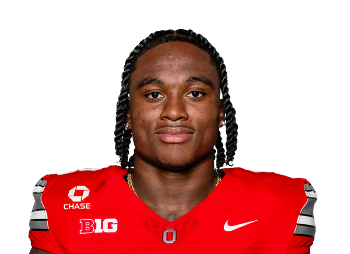
← Back to NFL Draft Big Board Jaylen McClain Ohio State HT: 6000 WT: 203 YR: JR POS: S OVR RK 47 POS RK CEILING POTENTIAL S4 High-End Starter Potential KEY STRENGTHS Reliable tackling Coverage transitions Vertical-route range KEY CONCERNS Takeaway production TE man technique Full-field range PLAYSTYLE & SCHEME FIT Jaylen McClain is a controlled, versatile safety whose profile is built on tackling reliability, coverage movement, and the ability to stay connected to vertical routes. He fits best in a split-field defense that allows him to combine coverage responsibilities with downhill run support, while offering flexibility to rotate into the post. The concern is whether his ball skills produce more takeaways and his man technique holds up against larger tight ends. His starting pathway depends on converting sound positioning into more finished plays on the football while confirming that his recovery range supports expanded responsibilities across the deep field. PLAYER COMPARISON: CEILING GRADE ANALYSIS High-End Starter Potential (65-69) A player expected to become a top-tier starter within their first few years. They possess strong physical tools and good technical skills but may have some limitations in their game. With development, they can reach near-elite levels and provide consistent impact at their position. Primary scout: Brandon Lundberg Football Scout 365 NFL Draft Grade Scale Football Scout 365 grades reflect a prospect’s projected long-term NFL value and role. Draft ranges are general value projections, not predictions of an exact selection. Positional value, team needs, scheme fit, medical information and athletic testing can influence where a player is ultimately selected. How Football Scout 365 Grades NFL Draft Prospects Elite (75+): A rare, high-impact prospect with elite physical tools, advanced football intelligence and the ability to make an immediate NFL impact. Elite prospects carry franchise-altering potential and typically project as top 5–10 selections in the first round. Near Elite (70–74): A high-caliber prospect with outstanding physical tools, strong football intelligence and only minor developmental limitations. Near Elite prospects project as significant early-career contributors with Pro Bowl upside and first-round draft value. High-End Starter Potential (65–69): A starting-caliber prospect with strong physical tools, quality technical skills and a defined NFL role. These players may require development before reaching their ceiling but generally carry second- or third-round draft value. Mid-Level Starter Potential (60–64): A solid prospect with NFL-level tools and a pathway to becoming a dependable starter if key limitations are addressed. These players generally carry third- to fifth-round draft value. Low-Level Starter Potential (55–59): A developmental prospect who could become a low-end starter, high-end backup or valuable specialist in the right role. These players generally carry fifth- to seventh-round draft value. Backup Level (50–54): A depth or rotational prospect with enough functional ability to compete for an NFL roster spot but limited long-term starting potential. These players generally project as late Day 3 selections or priority undrafted free agents. Not NFL Level (Below 50): A developmental or camp prospect who does not currently demonstrate enough consistency, technical refinement or functional NFL traits to project as a regular contributor. These players generally project as undrafted free agents, practice-squad candidates or camp invitations. Draft position can vary based on positional value, team needs, scheme fit, medical evaluation and athletic testing.
- Dallas Turner
Turner is an intriguing prospect with significant upside due to his physical attributes and on-field performance. While he needs to refine some aspects of his game, particularly against the run, his ability to impact the passing game makes him a valuable asset. Given his developmental trajectory and physical tools, Turner has the potential to be a high-impact player in the NFL. ← Back to NFL Draft Big Board Dallas Turner Alabama HT: 6040 WT: 240 YR: JR POS: ED OVR RK 8 POS RK CEILING POTENTIAL 1 KEY STRENGTHS Quick First Step Bend Coverage Versatility KEY CONCERNS Improve Edge Setting Hand Technique Improve Pass Rush Plan PLAYSTYLE & SCHEME FIT Dallas Turner exhibits a strong first-step explosiveness and fluidity, making him a versatile piece in modern NFL defenses. His ability to rush the passer and play in space aligns well with schemes favoring positionless players. He fits best as an EDGE rusher in a 3-4 defense or as an outside linebacker where his speed and athleticism can be maximized. PLAYER COMPARISON: CEILING GRADE ANALYSIS Near Elite (70-74) A high-caliber prospect who is expected to become a significant contributor by Year 2. These players have outstanding physical tools and strong football IQ, with only minor flaws in their game. They demonstrate consistency at a high level and project as future Pro Bowl-caliber players if properly developed. Primary scout: Brandon Lundberg Football Scout 365 NFL Draft Grade Scale Football Scout 365 grades reflect a prospect’s projected long-term NFL value and role. Draft ranges are general value projections, not predictions of an exact selection. Positional value, team needs, scheme fit, medical information and athletic testing can influence where a player is ultimately selected. How Football Scout 365 Grades NFL Draft Prospects Elite (75+): A rare, high-impact prospect with elite physical tools, advanced football intelligence and the ability to make an immediate NFL impact. Elite prospects carry franchise-altering potential and typically project as top 5–10 selections in the first round. Near Elite (70–74): A high-caliber prospect with outstanding physical tools, strong football intelligence and only minor developmental limitations. Near Elite prospects project as significant early-career contributors with Pro Bowl upside and first-round draft value. High-End Starter Potential (65–69): A starting-caliber prospect with strong physical tools, quality technical skills and a defined NFL role. These players may require development before reaching their ceiling but generally carry second- or third-round draft value. Mid-Level Starter Potential (60–64): A solid prospect with NFL-level tools and a pathway to becoming a dependable starter if key limitations are addressed. These players generally carry third- to fifth-round draft value. Low-Level Starter Potential (55–59): A developmental prospect who could become a low-end starter, high-end backup or valuable specialist in the right role. These players generally carry fifth- to seventh-round draft value. Backup Level (50–54): A depth or rotational prospect with enough functional ability to compete for an NFL roster spot but limited long-term starting potential. These players generally project as late Day 3 selections or priority undrafted free agents. Not NFL Level (Below 50): A developmental or camp prospect who does not currently demonstrate enough consistency, technical refinement or functional NFL traits to project as a regular contributor. These players generally project as undrafted free agents, practice-squad candidates or camp invitations. Draft position can vary based on positional value, team needs, scheme fit, medical evaluation and athletic testing.
- Isaiah Foskey
Standing 6 feet 5 inches tall and weighing around 260 pounds, Foskey possesses impressive size and athleticism. He is a quick and explosive pass rusher, utilizing his speed and power to get around opposing offensive linemen and pressure the quarterback. Foskey is also a strong run defender, holding his ground and using his length and strength to set the edge and make tackles. He has good instincts and awareness, reading the play and reacting quickly to make plays. With continued development and refinement of his technique, Foskey has the potential to be a highly productive pass rusher at the NFL level. ← Back to NFL Draft Big Board Isaiah Foskey Notre Dame HT: 6047 WT: 264 YR: SR POS: ED OVR RK 59 POS RK CEILING POTENTIAL 12 KEY STRENGTHS Plus Athlete Speed Rush Versatile KEY CONCERNS Every Down Stiff Ankles Consistency PLAYSTYLE & SCHEME FIT As for his playstyle, Foskey is a dynamic and explosive pass rusher with a quick first step and good speed around the edge. He also possesses excellent length and uses his hands well to create separation from offensive linemen. Foskey is equally adept at rushing from the edge or kicking inside to take advantage of mismatches against slower guards or centers. In terms of scheme fit at the NFL level, Foskey projects well as a 4-3 defensive end or a 3-4 outside linebacker. His size and athleticism make him an ideal fit as an edge rusher in a multiple-front defense. However, he must continue developing his technique and refining his pass-rushing moves to become a consistent threat at the next level. PLAYER COMPARISON: CEILING GRADE ANALYSIS Mid-Level Starter Potential (60-64) A solid, dependable starter with the potential to exceed expectations. They have good athleticism and tools but may lack elite traits. While they show flashes of high-level play, they also have some notable weaknesses that must be developed. These players often need 2-3 years to establish themselves. Primary scout: Brandon Lundberg Football Scout 365 NFL Draft Grade Scale Football Scout 365 grades reflect a prospect’s projected long-term NFL value and role. Draft ranges are general value projections, not predictions of an exact selection. Positional value, team needs, scheme fit, medical information and athletic testing can influence where a player is ultimately selected. How Football Scout 365 Grades NFL Draft Prospects Elite (75+): A rare, high-impact prospect with elite physical tools, advanced football intelligence and the ability to make an immediate NFL impact. Elite prospects carry franchise-altering potential and typically project as top 5–10 selections in the first round. Near Elite (70–74): A high-caliber prospect with outstanding physical tools, strong football intelligence and only minor developmental limitations. Near Elite prospects project as significant early-career contributors with Pro Bowl upside and first-round draft value. High-End Starter Potential (65–69): A starting-caliber prospect with strong physical tools, quality technical skills and a defined NFL role. These players may require development before reaching their ceiling but generally carry second- or third-round draft value. Mid-Level Starter Potential (60–64): A solid prospect with NFL-level tools and a pathway to becoming a dependable starter if key limitations are addressed. These players generally carry third- to fifth-round draft value. Low-Level Starter Potential (55–59): A developmental prospect who could become a low-end starter, high-end backup or valuable specialist in the right role. These players generally carry fifth- to seventh-round draft value. Backup Level (50–54): A depth or rotational prospect with enough functional ability to compete for an NFL roster spot but limited long-term starting potential. These players generally project as late Day 3 selections or priority undrafted free agents. Not NFL Level (Below 50): A developmental or camp prospect who does not currently demonstrate enough consistency, technical refinement or functional NFL traits to project as a regular contributor. These players generally project as undrafted free agents, practice-squad candidates or camp invitations. Draft position can vary based on positional value, team needs, scheme fit, medical evaluation and athletic testing.
- Jayson Oweh
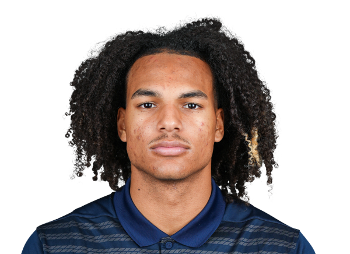
← Back to NFL Draft Big Board Jayson Oweh Penn State HT: 6050 WT: 257 YR: RSO POS: ED OVR RK 44 POS RK CEILING POTENTIAL 8 KEY STRENGTHS KEY CONCERNS PLAYSTYLE & SCHEME FIT PLAYER COMPARISON: CEILING GRADE ANALYSIS Low-Level Starter Potential (55-59) A player with the upside to be a low-end starter or high-level backup within a couple of seasons. While they have solid physical tools, inconsistencies in technique, processing, or durability limit their ceiling. They are developmental prospects who may carve out a role as specialists or system fits. Primary scout: Brandon Lundberg Football Scout 365 NFL Draft Grade Scale Football Scout 365 grades reflect a prospect’s projected long-term NFL value and role. Draft ranges are general value projections, not predictions of an exact selection. Positional value, team needs, scheme fit, medical information and athletic testing can influence where a player is ultimately selected. How Football Scout 365 Grades NFL Draft Prospects Elite (75+): A rare, high-impact prospect with elite physical tools, advanced football intelligence and the ability to make an immediate NFL impact. Elite prospects carry franchise-altering potential and typically project as top 5–10 selections in the first round. Near Elite (70–74): A high-caliber prospect with outstanding physical tools, strong football intelligence and only minor developmental limitations. Near Elite prospects project as significant early-career contributors with Pro Bowl upside and first-round draft value. High-End Starter Potential (65–69): A starting-caliber prospect with strong physical tools, quality technical skills and a defined NFL role. These players may require development before reaching their ceiling but generally carry second- or third-round draft value. Mid-Level Starter Potential (60–64): A solid prospect with NFL-level tools and a pathway to becoming a dependable starter if key limitations are addressed. These players generally carry third- to fifth-round draft value. Low-Level Starter Potential (55–59): A developmental prospect who could become a low-end starter, high-end backup or valuable specialist in the right role. These players generally carry fifth- to seventh-round draft value. Backup Level (50–54): A depth or rotational prospect with enough functional ability to compete for an NFL roster spot but limited long-term starting potential. These players generally project as late Day 3 selections or priority undrafted free agents. Not NFL Level (Below 50): A developmental or camp prospect who does not currently demonstrate enough consistency, technical refinement or functional NFL traits to project as a regular contributor. These players generally project as undrafted free agents, practice-squad candidates or camp invitations. Draft position can vary based on positional value, team needs, scheme fit, medical evaluation and athletic testing.
- Genesis Smith
← Back to NFL Draft Big Board Genesis Smith Arizona HT: 6020 WT: 202 YR: JR POS: S OVR RK 78 POS RK CEILING POTENTIAL KEY STRENGTHS Coverage Range Man vs TEs Ball Skills KEY CONCERNS Run-Fit Angles Tackling Technique Improve Anticipation PLAYSTYLE & SCHEME FIT Smith is a long, rangy, athletic safety with the physical tools and movement skills to operate as a true centerfielder in NFL coverage structures. He excels when allowed to play with vision from depth, using his length, range, and fluidity to erase space and disrupt throws over the middle. His man-coverage ability against tight ends adds versatility, but his run support consistency, angles, and tackling technique remain developmental. Best fit as a split-field or single-high safety in zone-heavy schemes that emphasize coverage range over box physicality. PLAYER COMPARISON: CEILING GRADE ANALYSIS High-End Starter Potential (65-69) A player expected to become a top-tier starter within their first few years. They possess strong physical tools and good technical skills but may have some limitations in their game. With development, they can reach near-elite levels and provide consistent impact at their position. Primary scout: Brandon Lundberg Football Scout 365 NFL Draft Grade Scale Football Scout 365 grades reflect a prospect’s projected long-term NFL value and role. Draft ranges are general value projections, not predictions of an exact selection. Positional value, team needs, scheme fit, medical information and athletic testing can influence where a player is ultimately selected. How Football Scout 365 Grades NFL Draft Prospects Elite (75+): A rare, high-impact prospect with elite physical tools, advanced football intelligence and the ability to make an immediate NFL impact. Elite prospects carry franchise-altering potential and typically project as top 5–10 selections in the first round. Near Elite (70–74): A high-caliber prospect with outstanding physical tools, strong football intelligence and only minor developmental limitations. Near Elite prospects project as significant early-career contributors with Pro Bowl upside and first-round draft value. High-End Starter Potential (65–69): A starting-caliber prospect with strong physical tools, quality technical skills and a defined NFL role. These players may require development before reaching their ceiling but generally carry second- or third-round draft value. Mid-Level Starter Potential (60–64): A solid prospect with NFL-level tools and a pathway to becoming a dependable starter if key limitations are addressed. These players generally carry third- to fifth-round draft value. Low-Level Starter Potential (55–59): A developmental prospect who could become a low-end starter, high-end backup or valuable specialist in the right role. These players generally carry fifth- to seventh-round draft value. Backup Level (50–54): A depth or rotational prospect with enough functional ability to compete for an NFL roster spot but limited long-term starting potential. These players generally project as late Day 3 selections or priority undrafted free agents. Not NFL Level (Below 50): A developmental or camp prospect who does not currently demonstrate enough consistency, technical refinement or functional NFL traits to project as a regular contributor. These players generally project as undrafted free agents, practice-squad candidates or camp invitations. Draft position can vary based on positional value, team needs, scheme fit, medical evaluation and athletic testing.
- Jordan Davis
Davis poses matchup problems on the interior as a freakish athlete at 6-6 340lbs. He will primarily line up as a 3-tech and play the 1-tech as needed. He can play in any scheme, even or odd front. In the passing game, Davis is hard to single block. He uses his massive frame to leverage blockers and often requires more than one blocker to keep him at bay. His ability to drive a blocker into the pocket, affecting the QB's ability to step up, is where he makes the most noise in the passing game. He must improve his stamina. He often plays about half a game, getting winded easily. In the run game, Davis again wreaks havoc requiring two blockers. He dominates inside and will single-handedly force your run game to bounce outside, serving up RB's to his more athletic edge player and LB's. ← Back to NFL Draft Big Board Jordan Davis Georgia HT: 6060 WT: 340 YR: SR POS: IDL OVR RK 15 POS RK CEILING POTENTIAL 1 KEY STRENGTHS KEY CONCERNS PLAYSTYLE & SCHEME FIT Davis poses matchup problems on the interior as a freakish athlete at 6-6 340lbs. He will primarily line up as a 3-tech and play the 1-tech as needed. He can play in any scheme, even or odd front. In the passing game, Davis is hard to single block. He uses his massive frame to leverage blockers and often requires more than one blocker to keep him at bay. His ability to drive a blocker into the pocket, affecting the QB's ability to step up, is where he makes the most noise in the passing game. He must improve his stamina. He often plays about half a game, getting winded easily. In the run game, Davis again wreaks havoc requiring two blockers. He dominates inside and will single-handedly force your run game to bounce outside, serving up RB's to his more athletic edge player and LB's. PLAYER COMPARISON: CEILING GRADE ANALYSIS High-End Starter Potential (65-69) A player expected to become a top-tier starter within their first few years. They possess strong physical tools and good technical skills but may have some limitations in their game. With development, they can reach near-elite levels and provide consistent impact at their position. Primary scout: Brandon Lundberg Football Scout 365 NFL Draft Grade Scale Football Scout 365 grades reflect a prospect’s projected long-term NFL value and role. Draft ranges are general value projections, not predictions of an exact selection. Positional value, team needs, scheme fit, medical information and athletic testing can influence where a player is ultimately selected. How Football Scout 365 Grades NFL Draft Prospects Elite (75+): A rare, high-impact prospect with elite physical tools, advanced football intelligence and the ability to make an immediate NFL impact. Elite prospects carry franchise-altering potential and typically project as top 5–10 selections in the first round. Near Elite (70–74): A high-caliber prospect with outstanding physical tools, strong football intelligence and only minor developmental limitations. Near Elite prospects project as significant early-career contributors with Pro Bowl upside and first-round draft value. High-End Starter Potential (65–69): A starting-caliber prospect with strong physical tools, quality technical skills and a defined NFL role. These players may require development before reaching their ceiling but generally carry second- or third-round draft value. Mid-Level Starter Potential (60–64): A solid prospect with NFL-level tools and a pathway to becoming a dependable starter if key limitations are addressed. These players generally carry third- to fifth-round draft value. Low-Level Starter Potential (55–59): A developmental prospect who could become a low-end starter, high-end backup or valuable specialist in the right role. These players generally carry fifth- to seventh-round draft value. Backup Level (50–54): A depth or rotational prospect with enough functional ability to compete for an NFL roster spot but limited long-term starting potential. These players generally project as late Day 3 selections or priority undrafted free agents. Not NFL Level (Below 50): A developmental or camp prospect who does not currently demonstrate enough consistency, technical refinement or functional NFL traits to project as a regular contributor. These players generally project as undrafted free agents, practice-squad candidates or camp invitations. Draft position can vary based on positional value, team needs, scheme fit, medical evaluation and athletic testing.
- Ja'Marr Chase
Chase broke the SEC single-season receiving record in 2019 and was one of Joe Burrows's go-to WR's. Chase has great hands, is a good route runner, and is good running after the catch. He is also a willing blocker in the run game. The big question is how well he will play outside of the structure he had at LSU under OC Joe Brady and catching passes from Joe Burrow, who had a historic season. Chase is an outstanding player who will undoubtedly find his way at the next level regardless of the system. ← Back to NFL Draft Big Board Ja'Marr Chase LSU HT: 6010 WT: 208 YR: JR POS: WR OVR RK 6 POS RK CEILING POTENTIAL 2 KEY STRENGTHS KEY CONCERNS PLAYSTYLE & SCHEME FIT Chase broke the SEC single-season receiving record in 2019 and was one of Joe Burrows's go-to WR's. Chase has great hands, is a good route runner, and is good running after the catch. He is also a willing blocker in the run game. The big question is how well he will play outside of the structure he had at LSU under OC Joe Brady and catching passes from Joe Burrow, who had a historic season. Chase is an outstanding player who will undoubtedly find his way at the next level regardless of the system. PLAYER COMPARISON: CEILING GRADE ANALYSIS Elite (75+) A rare, high-impact prospect with the potential to be an instant NFL star. These players possess elite physical tools, high-level athleticism, and exceptional football intelligence. Their game is polished, showing minimal weaknesses, and they can dominate at their position from day one. They routinely accomplish what seems impossible and are viewed as franchise-altering talents. Primary scout: Brandon Lundberg Football Scout 365 NFL Draft Grade Scale Football Scout 365 grades reflect a prospect’s projected long-term NFL value and role. Draft ranges are general value projections, not predictions of an exact selection. Positional value, team needs, scheme fit, medical information and athletic testing can influence where a player is ultimately selected. How Football Scout 365 Grades NFL Draft Prospects Elite (75+): A rare, high-impact prospect with elite physical tools, advanced football intelligence and the ability to make an immediate NFL impact. Elite prospects carry franchise-altering potential and typically project as top 5–10 selections in the first round. Near Elite (70–74): A high-caliber prospect with outstanding physical tools, strong football intelligence and only minor developmental limitations. Near Elite prospects project as significant early-career contributors with Pro Bowl upside and first-round draft value. High-End Starter Potential (65–69): A starting-caliber prospect with strong physical tools, quality technical skills and a defined NFL role. These players may require development before reaching their ceiling but generally carry second- or third-round draft value. Mid-Level Starter Potential (60–64): A solid prospect with NFL-level tools and a pathway to becoming a dependable starter if key limitations are addressed. These players generally carry third- to fifth-round draft value. Low-Level Starter Potential (55–59): A developmental prospect who could become a low-end starter, high-end backup or valuable specialist in the right role. These players generally carry fifth- to seventh-round draft value. Backup Level (50–54): A depth or rotational prospect with enough functional ability to compete for an NFL roster spot but limited long-term starting potential. These players generally project as late Day 3 selections or priority undrafted free agents. Not NFL Level (Below 50): A developmental or camp prospect who does not currently demonstrate enough consistency, technical refinement or functional NFL traits to project as a regular contributor. These players generally project as undrafted free agents, practice-squad candidates or camp invitations. Draft position can vary based on positional value, team needs, scheme fit, medical evaluation and athletic testing.