Search Results
Search this site
1757 results found with an empty search
- Caleb Farley
Farley played QB in HS and started his VT career at WR. He is now the 2nd rated CB on our board. At 6-2, 197, he has good physical traits. Farley excels in man coverage, mirrors routes at a high level, and is physical. He needs to improve his zone coverage skills at the next level. ← Back to NFL Draft Big Board Caleb Farley Virginia Tech HT: 6020 WT: 197 YR: RJR POS: CB OVR RK 10 POS RK CEILING POTENTIAL 2 KEY STRENGTHS KEY CONCERNS PLAYSTYLE & SCHEME FIT Farley played QB in HS and started his VT career at WR. He is now the 2nd rated CB on our board. At 6-2, 197, he has good physical traits. Farley excels in man coverage, mirrors routes at a high level, and is physical. He needs to improve his zone coverage skills at the next level. PLAYER COMPARISON: CEILING GRADE ANALYSIS High-End Starter Potential (65-69) A player expected to become a top-tier starter within their first few years. They possess strong physical tools and good technical skills but may have some limitations in their game. With development, they can reach near-elite levels and provide consistent impact at their position. Primary scout: Brandon Lundberg Football Scout 365 NFL Draft Grade Scale Football Scout 365 grades reflect a prospect’s projected long-term NFL value and role. Draft ranges are general value projections, not predictions of an exact selection. Positional value, team needs, scheme fit, medical information and athletic testing can influence where a player is ultimately selected. How Football Scout 365 Grades NFL Draft Prospects Elite (75+): A rare, high-impact prospect with elite physical tools, advanced football intelligence and the ability to make an immediate NFL impact. Elite prospects carry franchise-altering potential and typically project as top 5–10 selections in the first round. Near Elite (70–74): A high-caliber prospect with outstanding physical tools, strong football intelligence and only minor developmental limitations. Near Elite prospects project as significant early-career contributors with Pro Bowl upside and first-round draft value. High-End Starter Potential (65–69): A starting-caliber prospect with strong physical tools, quality technical skills and a defined NFL role. These players may require development before reaching their ceiling but generally carry second- or third-round draft value. Mid-Level Starter Potential (60–64): A solid prospect with NFL-level tools and a pathway to becoming a dependable starter if key limitations are addressed. These players generally carry third- to fifth-round draft value. Low-Level Starter Potential (55–59): A developmental prospect who could become a low-end starter, high-end backup or valuable specialist in the right role. These players generally carry fifth- to seventh-round draft value. Backup Level (50–54): A depth or rotational prospect with enough functional ability to compete for an NFL roster spot but limited long-term starting potential. These players generally project as late Day 3 selections or priority undrafted free agents. Not NFL Level (Below 50): A developmental or camp prospect who does not currently demonstrate enough consistency, technical refinement or functional NFL traits to project as a regular contributor. These players generally project as undrafted free agents, practice-squad candidates or camp invitations. Draft position can vary based on positional value, team needs, scheme fit, medical evaluation and athletic testing.
- College Football Playoff National Championship Preview: Notre Dame vs. Ohio State – Matchup Breakdown, Top Draft Prospects & Prediction
College Football Playoff National Championship Preview: Notre Dame vs. Ohio State – Matchup Breakdown, Top Draft Prospects & Prediction The College Football Playoff National Championship is finally here, pitting two of college football's most iconic programs—Notre Dame and Ohio State—against each other in Atlanta. Both teams have navigated distinct and challenging paths to reach this moment, setting the stage for a thrilling clash. This matchup promises to be a battle of strengths, as elite defenses attempt to neutralize explosive playmakers on both sides of the ball. College Football Playoff National Championship Preview: Notre Dame vs. Ohio State Adding even more intrigue to the highly anticipated showdown, former Notre Dame head coach Lou Holtz has stirred the pot by predicting a three-point Irish victory while taking a jab at Ohio State head coach Ryan Day. Meanwhile, Day has led the Buckeyes through a grueling postseason gauntlet, showcasing their resilience and championship pedigree. With both programs vying for their ninth national championship in the AP poll era, the stakes are as high as they come. College Football Playoff National Championship Preview: Notre Dame vs. Ohio State Notre Dame’s Playoff Path First Round: No. 7 Notre Dame vs. No. 10 Indiana (27-17) Notre Dame’s road to Atlanta began at home, where they dismantled a feisty Indiana team. Jeremiyah Love electrified the Irish faithful with a 98-yard touchdown run on the game’s opening drive, setting the tone for a dominant performance. Riley Leonard contributed a passing touchdown and a rushing score, while the defense limited Indiana to just three points until late garbage-time touchdowns. Quarterfinals: No. 7 Notre Dame vs. No. 2 Georgia (23-10) In a stunning upset, the Irish outclassed the defending national champions. Notre Dame’s defense controlled the line of scrimmage, holding Georgia to just 3.9 yards per play. Leonard's 80 rushing yards and clutch third-down conversions helped sustain long drives, while Love's ability to break off big runs was instrumental. Marcus Freeman’s squad silenced any doubts about their playoff legitimacy. Semifinals: No. 7 Notre Dame vs. No. 3 Penn State (27-24) The Orange Bowl saw Notre Dame’s most dramatic performance yet. Trailing late, Riley Leonard showcased his clutch gene with key throws, and Mitch Jeter drilled a game-winning 41-yard field goal to cap a gutsy team effort. The Irish forced three Penn State turnovers and held Nicholas Singleton in check, solidifying their ticket to the title game. Ohio State’s Playoff Path First Round: No. 8 Ohio State vs. No. 9 Tennessee (45-20) Ohio State’s first playoff test was a statement game. Will Howard, the Buckeyes' senior quarterback, torched Tennessee’s defense for 326 passing yards and three touchdowns, while freshman phenom Jeremiah Smith added two scores. The Buckeyes' defense suffocated the Volunteers, forcing three turnovers and holding them to just 5.2 yards per play. Quarterfinals: No. 8 Ohio State vs. No. 1 Oregon (38-21) In a rematch of their only regular-season loss, the Buckeyes left no doubt. TreVeyon Henderson and Quinshon Judkins combined for 145 rushing yards, while Smith dominated with seven catches for 187 yards and two touchdowns. The defense harassed Oregon quarterback Bo Nix, racking up four sacks and sealing a statement win. Semifinals: No. 8 Ohio State vs. No. 5 Texas (28-14) Ohio State's defensive front headlined their Cotton Bowl victory. Jack Sawyer and J.T. Tuimoloau wreaked havoc on Texas quarterback Quinn Ewers, sacking him four times and limiting the Longhorns to 287 total yards. Jeremiah Smith’s 67-yard touchdown catch in the second quarter provided the offensive spark, while Will Howard managed the game with efficiency, finishing with 289 passing yards and a touchdown. Key Storylines 1. Battle of the Trenches Ohio State’s defensive line, anchored by Jack Sawyer (11.5 sacks) and J.T. Tuimoloau (9 sacks), has dominated throughout the playoffs. Notre Dame’s offensive line, however, enters this game battered, with injuries to key starters. Can Notre Dame’s front five hold up against one of the most fearsome pass rushes in college football? 2. Turnover Creation Notre Dame leads the nation with 32 takeaways, including four in their last two playoff games. Safety Xavier Watts and linebacker JD Bertrand have been instrumental in forcing mistakes. Ohio State, on the other hand, has been turnover-prone against elite defenses, with Will Howard throwing 10 interceptions this season. This battle could tilt the game. 3. Quarterback Matchup Riley Leonard, the dual-threat senior for Notre Dame, has carried the Irish with 866 rushing yards and 16 touchdowns on the ground to complement his 2,606 passing yards and 19 touchdowns through the air. Ohio State’s Will Howard has been just as effective, throwing for 3,779 yards and 33 touchdowns while completing 72.6% of his passes. Leonard’s legs give him an edge in mobility, but Howard’s efficiency in the pocket is unmatched. 4. Freshman Phenomenon Ohio State’s Jeremiah Smith has emerged as one of the most dangerous receivers in college football. The freshman has 1,227 yards and 14 touchdowns this season, with 290 yards and four scores in the playoffs. Notre Dame’s secondary, led by Xavier Watts and Benjamin Morrison, will have their hands full trying to contain him. Matchup Analysis: Notre Dame Offense vs. Ohio State Defense Notre Dame’s offense revolves around Jeremiyah Love’s explosiveness and Riley Leonard’s ability to extend plays with his legs. Love, who has rushed for 1,121 yards and 17 touchdowns this season, faces a tall task against Ohio State’s defensive front. The Buckeyes’ run defense has been elite, allowing just 3.1 yards per carry in the playoffs. Leonard’s ability to make throws in tight windows will be tested against Ohio State’s ball-hawking secondary, which has 19 interceptions on the season. Matchup Analysis: Ohio State Offense vs. Notre Dame Defense Ohio State’s offense is balanced, with Howard distributing the ball to an arsenal of weapons. Jeremiah Smith headlines a receiver corps that includes Emeka Egbuka (967 yards, 10 touchdowns) and Carnell Tate. Notre Dame’s defense has thrived on creating turnovers, with JD Bertrand and Xavier Watts playing key roles in disrupting offenses. The Irish must find a way to generate pressure on Howard without leaving their secondary exposed. Top NFL Draft Prospects to Watch Notre Dame: Riley Leonard (QB): A dynamic dual-threat quarterback with mobility, toughness, and excellent situational awareness. Xavier Watts (S): A versatile defender with elite ball skills and instincts, pivotal in Notre Dame’s defensive success. Jack Kiser (LB): A smart, athletic linebacker with sideline-to-sideline range and a knack for making critical plays. Mitchell Evans (TE): A reliable, physical tight end with excellent size (6'5", 260 lbs) and strong blocking ability, adding a red-zone threat. Howard Cross III (DI): A disruptive interior lineman with powerful hands and a quick first step, key to Notre Dame's defensive front. Ohio State: Jack Sawyer (EDGE): A relentless pass rusher with NFL-ready technique and the ability to set the edge in the run game. TreVeyon Henderson (RB): A dynamic three-down back with elite vision, acceleration, and home-run potential in open space. Quinshon Judkins (HB): A powerful and elusive runner with excellent balance and vision, excelling as a workhorse back. Emeka Egbuka (WR): A polished route runner with excellent hands and a proven ability to make plays in critical moments. JT Tuimoloau (EDGE): A versatile defender with a strong blend of size, speed, and power, excelling against both the run and pass. Tyleik Williams (DI): A powerful and explosive interior lineman, capable of collapsing pockets and stopping the run. Cody Simon (LB): An instinctive linebacker with physicality and leadership, excelling in coverage and against the run. Donovan Jackson (T): A dominant offensive lineman with excellent technique, footwork, and the ability to anchor in pass protection. Odds and Prediction Spread: Ohio State -8.5 Over/Under: 46.5 Ohio State’s defense, led by their ferocious pass rush, is likely to create problems for Notre Dame’s offensive line. The Irish will need Riley Leonard to play the game of his life and their defense to force turnovers to stay competitive. However, Ohio State’s superior depth and balance on both sides of the ball give them the edge. Implied Final Score: Ohio State 31, Notre Dame 16
- Arvell Reese NFL Draft Scouting Report
Arvell Reese NFL Draft Scouting Report 2026 NFL Draft Scouting Report: Ohio State LB/EDGE Arvell Reese Arvell Reese is the most physically imposing linebacker in the 2026 NFL Draft class — a violent, explosive hybrid defender with the size and versatility to line up as both a stand-up edge or off-ball linebacker. At 6’4”, 243 pounds, Reese carries a chiseled frame with elite proportional length and lower-body power. His strength, explosiveness, and violent point-of-attack control make him one of the most disruptive defenders in college football and a legitimate candidate for the No. 1 overall pick in the 2026 NFL Draft. Reese has quickly ascended from a rotational player to the centerpiece of Ohio State’s front seven, thriving under defensive coordinator Matt Patricia, whose multiple-front NFL scheme has unlocked Reese’s full skill set. He blends EDGE-like power with linebacker range — winning downhill, off the edge, or in pursuit — and brings a competitive, tone-setting mentality that elevates the entire defense. Film Summary Reese’s film jumps off the screen for his explosiveness, length, and physical temperament. He plays with elite leverage, violently stacking and shedding blockers with a combination of natural strength and refined hand use. Against the run, he dominates gaps with power and balance, consistently resetting the line of scrimmage. In space, he closes with rare acceleration and finishes with force, using his length to expand his tackle radius. As a pass rusher, Reese is already advanced. He converts speed to power effortlessly, collapsing tackles with bull rushes, long arms, and snatch-rip counters. He shows the athletic ability to bend through contact and corner efficiently — a trait rarely found in defenders over 240 pounds. His versatility allows him to rush off either edge, execute stunts and blitzes, or drop into short zones with awareness. Simply put, Reese profiles as a defensive weapon capable of impacting every phase of the game. Ideal Scheme Fit Multiple Front / Hybrid Defense — best suited for 3-4 or 4-2-5 systems that maximize versatile second-level athletes. Fits perfectly in modern NFL defenses (e.g., Cowboys, Jets, Lions) that deploy interchangeable front-seven pieces who can blitz, set the edge, or roam as space disruptors. Key Strengths (Film-Based Traits) Elite physical tools: NFL-ready frame with length, power, and twitch. Explosive first step with devastating closing burst. Run-defense dominance: Anchors with leverage and strength, consistently resets the line, and sheds blockers cleanly. Pass-rush upside: High-level bull rush, effective long-arm, and developing dip-rip combo. Generates rare power through contact. Range and pursuit: Accelerates rapidly to the ball; excellent lateral pursuit and finish as a tackler. Versatility and IQ: Comfortable in multiple alignments; can rush the passer, spy QBs, or drop into zone coverage. Motor and effort: Relentless from snap to whistle, with elite play endurance and finish ability. Developmental Areas (Growth Opportunities) Coverage discipline: Needs to improve depth recognition and eye discipline in zone; can cover grass instead of landmarks. Change-of-direction fluidity: Slight stiffness limits recovery against shifty backs or crossers in man coverage. Block engagement angles: Occasionally takes on blocks square, giving up leverage and losing gap integrity. Grade and Projection Summary Football Scout 365 Grade: Elite Tier Prospect A dominant, alignment-versatile linebacker/EDGE hybrid with generational power, explosiveness, and range. Projects as an immediate impact starter with All-Pro potential in multiple NFL defensive fronts. Ceiling Grade: Generational / Defensive Cornerstone. With refined coverage discipline and continued growth in pass-rush counters, Reese has the physical and mental traits to develop into a perennial Defensive Player of the Year contender and tone-setter for an NFL defense. NFL Draft Projection: Top 5 Pick Pro Comparison: Micah Parsons / Edgerrin Cooper / Jaylen Walker hybrid — a rangy, explosive two-phase defender who blends Parsons’ disruptive burst, Cooper’s coverage range, and Walker’s physicality at the point of attack. Final Analysis Arvell Reese is the prototype modern front-seven defender — a hybrid linebacker with elite explosiveness, power, and versatility. His ability to play multiple roles within a defensive front makes him one of the most valuable defensive prospects in recent memory. Reese’s combination of strength, range, and pass-rush upside makes him capable of redefining a defense’s identity the moment he steps on an NFL field. While his coverage fluidity and spatial discipline are still developing, Reese’s traits, motor, and violent play style make him the kind of defensive cornerstone teams build around. He’s a top-five lock and a legitimate contender for first overall selection depending on team needs and draft order.
- Kenneth Grant
Kenneth Grant projects as a potential first-round pick in the 2025 NFL Draft. His elite run-stopping ability and the physical traits he brings to the defensive line make him a valuable asset for any NFL team. Continued development in his pass-rushing techniques and agility will enhance his profile, making him a more complete and impactful player at the next level. ← Back to NFL Draft Big Board Kenneth Grant Michigan HT: 6030 WT: 340 YR: JR POS: IDL OVR RK 23 POS RK CEILING POTENTIAL 2 KEY STRENGTHS Elite Size & Strength Explosive 1st-Step Motor & Pursuit KEY CONCERNS Pass-Rush Development Needed Pad Level Inconsistency Lateral Agility PLAYSTYLE & SCHEME FIT Grant is a massive, athletic defensive tackle with impressive quickness for his size and dominant run-stopping ability. His power and first-step quickness allow him to collapse the pocket, but his pass-rush plan and pad level need improvement. Best suited as a nose tackle in a 3-4 defense or a 1-tech in a 4-3, where he can clog lanes and generate interior disruption while refining his technique. PLAYER COMPARISON: CEILING GRADE ANALYSIS High-End Starter Potential (65-69) A player expected to become a top-tier starter within their first few years. They possess strong physical tools and good technical skills but may have some limitations in their game. With development, they can reach near-elite levels and provide consistent impact at their position. Primary scout: Brandon Lundberg Football Scout 365 NFL Draft Grade Scale Football Scout 365 grades reflect a prospect’s projected long-term NFL value and role. Draft ranges are general value projections, not predictions of an exact selection. Positional value, team needs, scheme fit, medical information and athletic testing can influence where a player is ultimately selected. How Football Scout 365 Grades NFL Draft Prospects Elite (75+): A rare, high-impact prospect with elite physical tools, advanced football intelligence and the ability to make an immediate NFL impact. Elite prospects carry franchise-altering potential and typically project as top 5–10 selections in the first round. Near Elite (70–74): A high-caliber prospect with outstanding physical tools, strong football intelligence and only minor developmental limitations. Near Elite prospects project as significant early-career contributors with Pro Bowl upside and first-round draft value. High-End Starter Potential (65–69): A starting-caliber prospect with strong physical tools, quality technical skills and a defined NFL role. These players may require development before reaching their ceiling but generally carry second- or third-round draft value. Mid-Level Starter Potential (60–64): A solid prospect with NFL-level tools and a pathway to becoming a dependable starter if key limitations are addressed. These players generally carry third- to fifth-round draft value. Low-Level Starter Potential (55–59): A developmental prospect who could become a low-end starter, high-end backup or valuable specialist in the right role. These players generally carry fifth- to seventh-round draft value. Backup Level (50–54): A depth or rotational prospect with enough functional ability to compete for an NFL roster spot but limited long-term starting potential. These players generally project as late Day 3 selections or priority undrafted free agents. Not NFL Level (Below 50): A developmental or camp prospect who does not currently demonstrate enough consistency, technical refinement or functional NFL traits to project as a regular contributor. These players generally project as undrafted free agents, practice-squad candidates or camp invitations. Draft position can vary based on positional value, team needs, scheme fit, medical evaluation and athletic testing.
- Christian Gonzalez
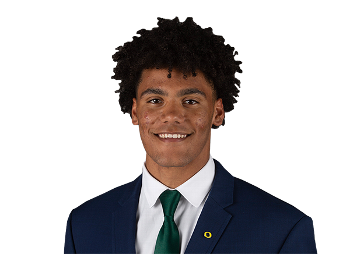
Christian Gonzalez has what it takes to be the top corner in his draft class. He provides the scheme versatility you want from a DB, with the length needed to defend against the NFL's bigger-bodied receivers on the outside. His athleticism is high-end. Anytime you can get a DB with excellent closing speed, a trait required to play at a high level in a zone-based scheme combined with the quick hips and the fluidity needed to stay in phase with receivers in man-to-man defense, you do not pass on them. ← Back to NFL Draft Big Board Christian Gonzalez Oregon HT: 6013 WT: 197 YR: SO POS: CB OVR RK 5 POS RK CEILING POTENTIAL 1 KEY STRENGTHS Length Athleticism Closing Speed KEY CONCERNS Lean Build Strength Technique PLAYSTYLE & SCHEME FIT Gonzalez is a physical cornerback who is best suited for a press-man scheme. He has the size and length to match up against bigger and more physical receivers, and can disrupt routes effectively. He's also effective in run support and can be used to set the edge. PLAYER COMPARISON: CEILING GRADE ANALYSIS Near Elite (70-74) A high-caliber prospect who is expected to become a significant contributor by Year 2. These players have outstanding physical tools and strong football IQ, with only minor flaws in their game. They demonstrate consistency at a high level and project as future Pro Bowl-caliber players if properly developed. Primary scout: Brandon Lundberg Football Scout 365 NFL Draft Grade Scale Football Scout 365 grades reflect a prospect’s projected long-term NFL value and role. Draft ranges are general value projections, not predictions of an exact selection. Positional value, team needs, scheme fit, medical information and athletic testing can influence where a player is ultimately selected. How Football Scout 365 Grades NFL Draft Prospects Elite (75+): A rare, high-impact prospect with elite physical tools, advanced football intelligence and the ability to make an immediate NFL impact. Elite prospects carry franchise-altering potential and typically project as top 5–10 selections in the first round. Near Elite (70–74): A high-caliber prospect with outstanding physical tools, strong football intelligence and only minor developmental limitations. Near Elite prospects project as significant early-career contributors with Pro Bowl upside and first-round draft value. High-End Starter Potential (65–69): A starting-caliber prospect with strong physical tools, quality technical skills and a defined NFL role. These players may require development before reaching their ceiling but generally carry second- or third-round draft value. Mid-Level Starter Potential (60–64): A solid prospect with NFL-level tools and a pathway to becoming a dependable starter if key limitations are addressed. These players generally carry third- to fifth-round draft value. Low-Level Starter Potential (55–59): A developmental prospect who could become a low-end starter, high-end backup or valuable specialist in the right role. These players generally carry fifth- to seventh-round draft value. Backup Level (50–54): A depth or rotational prospect with enough functional ability to compete for an NFL roster spot but limited long-term starting potential. These players generally project as late Day 3 selections or priority undrafted free agents. Not NFL Level (Below 50): A developmental or camp prospect who does not currently demonstrate enough consistency, technical refinement or functional NFL traits to project as a regular contributor. These players generally project as undrafted free agents, practice-squad candidates or camp invitations. Draft position can vary based on positional value, team needs, scheme fit, medical evaluation and athletic testing.
- Kwity Paye
Paye is an explosive athlete who has yet to reach his full potential. He uses a blend of speed, power, and hand usage to defeat blockers. His game is not perfect, but his ceiling is very high. Paye was not a full-time starter at Michigan until 2020. He is a player with a lot of drive and motivation that we believe can fuel him at the next level. ← Back to NFL Draft Big Board Kwity Paye Michigan HT: 6040 WT: 277 YR: SR POS: ED OVR RK 16 POS RK CEILING POTENTIAL 1 KEY STRENGTHS KEY CONCERNS PLAYSTYLE & SCHEME FIT Paye is an explosive athlete who has yet to reach his full potential. He uses a blend of speed, power, and hand usage to defeat blockers. His game is not perfect, but his ceiling is very high. Paye was not a full-time starter at Michigan until 2020. He is a player with a lot of drive and motivation that we believe can fuel him at the next level. PLAYER COMPARISON: CEILING GRADE ANALYSIS High-End Starter Potential (65-69) A player expected to become a top-tier starter within their first few years. They possess strong physical tools and good technical skills but may have some limitations in their game. With development, they can reach near-elite levels and provide consistent impact at their position. Primary scout: Brandon Lundberg Football Scout 365 NFL Draft Grade Scale Football Scout 365 grades reflect a prospect’s projected long-term NFL value and role. Draft ranges are general value projections, not predictions of an exact selection. Positional value, team needs, scheme fit, medical information and athletic testing can influence where a player is ultimately selected. How Football Scout 365 Grades NFL Draft Prospects Elite (75+): A rare, high-impact prospect with elite physical tools, advanced football intelligence and the ability to make an immediate NFL impact. Elite prospects carry franchise-altering potential and typically project as top 5–10 selections in the first round. Near Elite (70–74): A high-caliber prospect with outstanding physical tools, strong football intelligence and only minor developmental limitations. Near Elite prospects project as significant early-career contributors with Pro Bowl upside and first-round draft value. High-End Starter Potential (65–69): A starting-caliber prospect with strong physical tools, quality technical skills and a defined NFL role. These players may require development before reaching their ceiling but generally carry second- or third-round draft value. Mid-Level Starter Potential (60–64): A solid prospect with NFL-level tools and a pathway to becoming a dependable starter if key limitations are addressed. These players generally carry third- to fifth-round draft value. Low-Level Starter Potential (55–59): A developmental prospect who could become a low-end starter, high-end backup or valuable specialist in the right role. These players generally carry fifth- to seventh-round draft value. Backup Level (50–54): A depth or rotational prospect with enough functional ability to compete for an NFL roster spot but limited long-term starting potential. These players generally project as late Day 3 selections or priority undrafted free agents. Not NFL Level (Below 50): A developmental or camp prospect who does not currently demonstrate enough consistency, technical refinement or functional NFL traits to project as a regular contributor. These players generally project as undrafted free agents, practice-squad candidates or camp invitations. Draft position can vary based on positional value, team needs, scheme fit, medical evaluation and athletic testing.
- 2023 Fantasy Football: Ranking Running Back Value By Measuring Versatility And Current ADP
2023 Fantasy Football: Ranking Running Back Value By Measuring Versatility And Current ADP The future of the running back position in the last decade has tilted towards unprecedented versatility, seeking athletes who embody a new kind of "positionless" play. Gone are the days of a pure rusher, limited to ground gains; the modern running back is an adaptable weapon, effective in multiple scenarios. Fans began to see the peak value of this shift during Le'Veon Bell's dynamic tenure with the Pittsburgh Steelers, a player who could run, catch, and block with equal prowess. This evolution then continued with Alvin Kamara, another dual-threat player whose ability to line up as a receiver added a new layer of complexity to the game. However, Christian McCaffrey stands as the epitome of this transformation. His ability to alternate between running back and receiver roles provides an offensive advantage and creates strategic mismatches that can dictate defensive personnel. McCaffrey's unique blend of skills challenges traditional defensive paradigms, signaling a promising and exciting future for the running back position. The 2023 NFL Draft provided a few more versatile running backs with positionless potential. Bijan Robinson headlined the RB class, drafted by the Atlanta Falcons at #8 overall, followed by Jahmyr Gibbs, a player with late first-round buzz expected to be drafted in the early 2nd; the Detroit Lions drafted Gibbs with their 12th overall pick. In this analysis, We will delve into the fantasy projections of the NFL's top running backs using three tiers. As everyone should know when you are competing in fantasy football PPR formats, the importance of drafting the highest volume players, especially the RB's, who can help you win your leagues is paramount. In recent years, the top targeted backs as far as total opportunities (or volume) include Austin Ekeler, Christian McCaffrey, and Alvin Kamara. These players are known for their positional versatility and significant contributions as receivers. By examining their average career fantasy points as receivers, the percentage of fantasy points attributed to their receiving abilities, average points per reception, current average draft positions (ADP), and projected opportunities and points per opportunity for the 2023 season, we can gain insights into their expected performances. Let's explore their individual statistics to determine their final fantasy projections for 2023. This analysis aims to identify the best value based on the current average draft position (ADP). By examining their projected fantasy points, career averages, and potential upside for the 2023 season, we aim to provide readers with valuable insights to navigate their fantasy drafts effectively. Our analysis will help readers make informed decisions and select the optimal option that maximizes their team's potential. Let's dive into the details and find the most advantageous choice to help you win your league(s). Tier 1: Fantasy Football Running Backs Running backs that average 40% or more of their total PPR points with a 2023 projected fantasy points total of 200 PPR pts or more. Austin Ekeler, LAC RB (Low Value, Safe Bet) Projected 2023 Fantasy Points: 276.75 Avg. Career Fantasy Points as a Receiver Per Season: 119 Avg % Fantasy Points as a Receiver vs. Average Career Fantasy Points Per Season .5PPR: 55% Avg Career Pts Per Reception .5PPR: 1.83 Current ADP: 5.3 Austin Ekeler has played an average of 14 games per season in his six-year career. He is projected to have 257.7 opportunities this season, with an average of 1.07 points per opportunity. These career averages show Ekeler's projected fantasy points would be 215. However, if Ekeler completes a full 17-game season, this projection could rise to 254.74, indicating a difference of 39.96 points. When considering his points per opportunity and projected 2023 stats, Ekeler's final fantasy projection for 2023 is 276.75. Christian McCaffrey, SF RB (Low value, Safe Bet) Projected 2023 Fantasy Points: 266.20 Avg. Career Fantasy Points as a Receiver Per Season: 122 Avg % Fantasy Points as a Receiver vs. Average Career Fantasy Points Per Season .5PPR: 51% Avg Career Pts Per Reception .5PPR: 1.65 Current ADP: 2.3 Christian McCaffrey has averaged 13 games per season throughout his six-year professional career. McCaffrey is projected to have 273.2 opportunities this season, yielding an average of 0.97 points per opportunity. Based on these career averages, his projected fantasy points would total 238. However, if McCaffrey plays a full 17-game season, this projection could increase to 324.22, creating a difference of 85.82 points. Considering his points per opportunity and projected 2023 stats, McCaffrey's final fantasy projection for 2023 is 266.20. Alvin Kamara, NO RB (Best Value, High Risk) Projected 2023 Fantasy Points: 202.93 Avg. Career Fantasy Points as a Receiver Per Season: 120 Avg % Fantasy Points as a Receiver vs. Average Career Fantasy Points Per Season .5PPR: 47% Avg Career Pts Per Reception .5PPR: 1.68 Current ADP: 97.7 In his six-year career, Alvin Kamara averages 15 games per season. Kamara is expected to have 207.6 opportunities this season, providing an average of 0.98 points per opportunity. Using these career averages, Kamara's projected fantasy points would be 255. However, if Kamara completes a full 17-game season, this projection could increase to 295.53, indicating a difference of 40.56 points. With his points per opportunity and projected 2023 stats taken into account, Kamara's final fantasy projection for 2023 is 202.93. Tier 1: Summary Austin Ekeler, LAC RB (Low Value, Safe Bet) Ekeler's high receiving usage and solid career average points per reception make him a safe bet in PPR formats. He has a high projected point total for 2023, which aligns with his role as a dual-threat RB. However, with a high ADP of 5.3, you'll need to invest an early pick to secure him on your team, which may not offer the best value. Christian McCaffrey, SF RB (Low Value, Safe Bet) McCaffrey's average career points as a receiver and points per reception are impressive. His projected fantasy points for 2023 are also high, indicating that he's expected to perform well. However, with an ADP of 2.3, he's being selected very early in drafts, which might not yield the best value given the risks associated with injury. Alvin Kamara, NO RB (Best Value) Kamara's projected fantasy points for 2023 are the lowest of this group, but his relatively low ADP of 97.7 could make him a great value pick. His receiving usage and career average points per reception are strong, and his injury history is relatively minor. If he stays healthy and maintains his role in the Saints' offense, he could significantly outperform his ADP, making him the best value among these players. Tier 2: Fantasy Football Running Backs Running backs that average between 30-39% or more of their total PPR points with a 2023 projected fantasy points total of 200 PPR pts or more. Breece Hall, NYJ RB (Good Value, Medium Risk) Projected 2023 Fantasy Points: 242.81 Avg. Career Fantasy Points as a Receiver Per Season: 37 Avg % Fantasy Points as a Receiver vs. Average Career Fantasy Points Per Season .5PPR: 35% Avg Career Pts Per Reception .5PPR: 1.96 Current ADP: 28.7 In his one-year career, Breece Hall played in seven games after succumbing to an ACL injury as a rookie. Hall is projected to have 223.4 opportunities this season, averaging 1.09 points per opportunity. Based on these career averages, his projected fantasy points would be 108. However, if Hall plays a full 17-game season, this projection could increase to 261.31, indicating a difference of 153.71 points. Considering his points per opportunity and projected 2023 stats, Hall's final fantasy projection for 2023 is 242.81. Saquon Barkley, NYG RB (Good Value, Medium Risk) Projected 2023 Fantasy Points: 227.67 Avg. Career Fantasy Points as a Receiver Per Season: 71 Avg % Fantasy Points as a Receiver vs. Average Career Fantasy Points Per Season .5PPR: 37% Avg Career Pts Per Reception .5PPR: 1.43 Current ADP: 9.3 Saquon Barkley has averaged 12 games per season in his five-year professional career. He is expected to have 287.1 opportunities this season, yielding an average of 0.79 points per opportunity. Based on these career averages, Barkley's projected fantasy points would be 190. However, if Barkley plays a full 17-game season, this projection could rise to 269.85, indicating a difference of 79.37 points. Taking his points per opportunity and projected 2023 stats into account, Barkley's final fantasy projection for 2023 is 227.67. Aaron Jones, GB RB (Great Value, Medium Risk) Projected 2023 Fantasy Points: 223.87 Avg. Career Fantasy Points as a Receiver Per Season: 68 Avg % Fantasy Points as a Receiver vs. Average Career Fantasy Points Per Season .5PPR: 34% Avg Career Pts Per Reception .5PPR: 1.68 Current ADP: 46.3 In his six-year career, Aaron Jones has played an average of 14 games per season. Jones is projected to have 239.5 opportunities this season, with an average of 0.93 points per opportunity. Jones's projected fantasy points would be 199, according to these career averages. However, if Jones completes a full 17-game season, this projection could rise to 241.76, indicating a difference of 42.66 points. When considering his points per opportunity and projected 2023 stats, Jones's final fantasy projection for 2023 is 223.87. Tony Pollard, DAL RB (Low Value, High Risk) Projected 2023 Fantasy Points: 211.23 Avg. Career Fantasy Points as a Receiver Per Season: 48 Avg % Fantasy Points as a Receiver vs. Average Career Fantasy Points Per Season .5PPR: 34% Avg Career Pts Per Reception .5PPR: 1.58 Current ADP: 20.3 Tony Pollard has averaged 16 games per season throughout his four-year professional career. Pollard is projected to have 240.2 opportunities this season, yielding an average of 0.88 points per opportunity. Based on these career averages, his projected fantasy points would total 139. However, if Pollard plays a full 17-game season, this projection could increase to 152.15, creating a difference of 13.43 points. Considering his points per opportunity and projected 2023 stats, Pollard's final fantasy projection for 2023 is 211.23. James Conner, ARZ RB (Best Value, High Reward) Projected 2023 Fantasy Points: 201.70 Avg. Career Fantasy Points as a Receiver Per Season: 53 Avg % Fantasy Points as a Receiver vs. Average Career Fantasy Points Per Season .5PPR: 33% Avg Career Pts Per Reception .5PPR: 1.53 Current ADP: 71.3 James Conner has averaged playing in 13 games per season over his six-year professional career. Conner is projected to have 235.3 opportunities this season, yielding an average of 0.86 points per opportunity. Based on these career averages, his projected fantasy points would be 161. However, if Conner plays a full 17-game season, this projection could increase to 212.72, indicating a difference of 52.14 points. Considering his points per opportunity and projected 2023 stats, Conner's final fantasy projection for 2023 is 201.70. Tier 2: Summary Breece Hall, NYJ RB (Good Value, Medium Risk) Hall's recent ACL injury may be a concern for some fantasy owners. His ADP of 28.7 suggests he's being drafted fairly early, so he could be a good value pick if he recovers well from his injury and meets or exceeds his projected points. Saquon Barkley, NYG RB (Good Value, Medium Risk) Barkley has a history of missing games due to injury, which could be a risk for fantasy owners. However, his high projected points and substantial role as a receiver in the Giants' offense make him a potentially good value pick, even with his high ADP of 9.3. Aaron Jones, GB RB (Great Value, Medium Risk) Jones has a slightly lower ADP than Hall and Barkley, which could make him a great value pick. His projected points are still quite high, and his history of being a significant part of the Packers' passing game could help boost his fantasy value. Tony Pollard, DAL RB (Low Value, High Risk) Pollard's projected points are lower than the others in this group, and his ADP of 20.3 suggests he's being drafted fairly early. The risk with Pollard is that he's often used as a change-of-pace back behind Ezekiel Elliott, which could limit his opportunities. James Conner, ARZ RB (Best Value, High Reward) Conner's projected points are the lowest in this group, but his ADP of 71.3 suggests he's often available in later rounds. His history of missing games due to injury is a risk, but if he can stay healthy and secure a significant role in the Cardinals' offense, he could provide a high return on investment. Tier 3: Fantasy Football Running Backs Running backs that average between 30-39% or more of their total PPR points with a 2023 projected fantasy points total Between 150-199 PPR pts or more. Rhamondre Stevenson, NE RB (High Value, High reward) Projected 2023 Fantasy Points: 196.11 Avg. Career Fantasy Points as a Receiver Per Season: 51 Avg % Fantasy Points as a Receiver vs. Average Career Fantasy Points Per Season .5PPR: 31% Avg Career Pts Per Reception .5PPR: 1.23 Current ADP: 26 Rhamondre Stevenson has averaged playing in 15 games per season over his two-year professional career. Stevenson is projected to have 255.8 opportunities this season, yielding an average of 0.77 points per opportunity. Based on these career averages, his projected fantasy points would be 163. However, if Stevenson plays a full 17-game season, this projection could increase to 191.46, indicating a difference of 28.16 points. Considering his points per opportunity and projected 2023 stats, Stevenson's final fantasy projection for 2023 is 196.11. Joe Mixon, CIN RB (Solid Value, Medium Risk) Projected 2023 Fantasy Points: 195.92 Avg. Career Fantasy Points as a Receiver Per Season: 59 Avg % Fantasy Points as a Receiver vs. Average Career Fantasy Points Per Season .5PPR: 31% Avg Career Pts Per Reception .5PPR: 1.52 Current ADP: 48.7 Joe Mixon has averaged playing in 13 games per season over his six-year professional career. Mixon is projected to have 267.7 opportunities this season, yielding an average of 0.73 points per opportunity. Based on these career averages, his projected fantasy points would be 188. However, if Mixon plays a full 17-game season, this projection could increase to 240.13, indicating a difference of 51.79 points. Considering his points per opportunity and projected 2023 stats, Mixon's final fantasy projection for 2023 is 195.92. Najee Harris, PIT RB (Solid Value, Low Risk) Projected 2023 Fantasy Points: 194.81 Avg. Career Fantasy Points as a Receiver Per Season: 82 Avg % Fantasy Points as a Receiver vs. Average Career Fantasy Points Per Season .5PPR: 35% Avg Career Pts Per Reception .5PPR: 1.42 Current ADP: 30 Najee Harris has averaged playing in 17 games per season over his two-year professional career. Harris is projected to have 287.1 opportunities this season, yielding an average of 0.68 points per opportunity. Based on these career averages, his projected fantasy points would be 235. However, if Harris plays a full 17-game season, this projection would stay the same, indicating no difference. Considering his points per opportunity and projected 2023 stats, Harris's final fantasy projection for 2023 is 194.81. David Montgomery, DET RB (Great Value, High Risk) Projected 2023 Fantasy Points: 159.72 Avg. Career Fantasy Points as a Receiver Per Season: 56 Avg % Fantasy Points as a Receiver vs. Average Career Fantasy Points Per Season .5PPR: 30% Avg Career Pts Per Reception .5PPR: 1.45 Current ADP: 76.7 David Montgomery has averaged playing in 15 games per season over his four-year professional career. Montgomery is projected to have 230.2 opportunities this season, yielding an average of 0.69 points per opportunity. Based on these career averages, his projected fantasy points would be 186. However, if Montgomery plays a full 17-game season, this projection could increase to 210.35, indicating a difference of 24.75 points. Considering his points per opportunity and projected 2023 stats, Montgomery's final fantasy projection for 2023 is 159.72. James Cook, BUF RB (High Risk, High reward) Projected 2023 Fantasy Points: 149.49 Avg. Career Fantasy Points as a Receiver Per Season: 35 Avg % Fantasy Points as a Receiver vs. Average Career Fantasy Points Per Season .5PPR: 35% Avg Career Pts Per Reception .5PPR: 1.64 Current ADP: 83.3 James Cook has averaged playing in 16 games per season over his one-year professional career. Cook is projected to have 169 opportunities this season, yielding an average of 0.88 points per opportunity. Based on these career averages, his projected fantasy points would be 97. However, if Cook plays a full 17-game season, this projection could increase to 103.38, indicating a difference of 6.08 points. Considering his points per opportunity and projected 2023 stats, Cook's final fantasy projection for 2023 is 149.49. Tier 3: Summary Rhamondre Stevenson, NE RB (High Value, High reward) Stevenson's high projected points and above-average points per opportunity make him a high-value pick. His ADP of 26 means he'll likely be drafted in the early rounds, but if he meets or exceeds his projections, he could provide a significant return on investment. Joe Mixon, CIN RB (Solid Value, Medium Risk) Mixon's projected fantasy points are close to Stevenson's, but his lower ADP of 48.7 makes him a more accessible choice in later rounds. His six-year career offers a larger sample size of performance data, but it also comes with a history of playing fewer games per season on average, which adds some risk. Najee Harris, PIT RB (Solid Value, Low Risk) Harris's projections are slightly lower than Stevenson's and Mixon's, but his average of playing a full 17-game season in his career thus far makes him a low-risk option. His ADP of 30 is in the early-mid range, so he could be a solid choice for a reliable RB who is likely to play the whole season. David Montgomery, DET RB (Great Value, High Risk) Montgomery's projected fantasy points are the second-lowest in this group, but his ADP of 76.7 offers great value in the mid-late rounds. However, his four-year average of playing 15 games per season and his transition to a new team in Detroit add some uncertainty and risk. James Cook, BUF RB (High Risk, High reward) Cook has the lowest projected points and the highest ADP in this group, making him a high-risk choice. But his high points per opportunity suggest that he could outperform expectations if he gets enough touches. His one-year career means less performance history to base predictions on, which adds to the risk.
- Kenneth Walker III
Kenneth Walker is a dynamic playmaker who displays a versatile running style; he can dance his way through traffic on one play and then make one cut and get downhill on the next. He will be the highest-rated RB on a lot of NFL Draft big boards for 2022, and if not for the question marks about his ability as a receiver, he would be a projected late first-round pick. Walker will have opportunities to show more of what he can do as a receiver by participating at Michigan States Pro Day and the NFL scouting combine. ← Back to NFL Draft Big Board Kenneth Walker III Michigan State HT: 5090 WT: 210 YR: JR POS: RB OVR RK 38 POS RK CEILING POTENTIAL 1 KEY STRENGTHS KEY CONCERNS PLAYSTYLE & SCHEME FIT Kenneth Walker is a dynamic playmaker who displays a versatile running style; he can dance his way through traffic on one play and then make one cut and get downhill on the next. He will be the highest-rated RB on a lot of NFL Draft big boards for 2022, and if not for the question marks about his ability as a receiver, he would be a projected late first-round pick. Walker will have opportunities to show more of what he can do as a receiver by participating at Michigan States Pro Day and the NFL scouting combine. PLAYER COMPARISON: CEILING GRADE ANALYSIS Near Elite (70-74) A high-caliber prospect who is expected to become a significant contributor by Year 2. These players have outstanding physical tools and strong football IQ, with only minor flaws in their game. They demonstrate consistency at a high level and project as future Pro Bowl-caliber players if properly developed. Primary scout: Brandon Lundberg Football Scout 365 NFL Draft Grade Scale Football Scout 365 grades reflect a prospect’s projected long-term NFL value and role. Draft ranges are general value projections, not predictions of an exact selection. Positional value, team needs, scheme fit, medical information and athletic testing can influence where a player is ultimately selected. How Football Scout 365 Grades NFL Draft Prospects Elite (75+): A rare, high-impact prospect with elite physical tools, advanced football intelligence and the ability to make an immediate NFL impact. Elite prospects carry franchise-altering potential and typically project as top 5–10 selections in the first round. Near Elite (70–74): A high-caliber prospect with outstanding physical tools, strong football intelligence and only minor developmental limitations. Near Elite prospects project as significant early-career contributors with Pro Bowl upside and first-round draft value. High-End Starter Potential (65–69): A starting-caliber prospect with strong physical tools, quality technical skills and a defined NFL role. These players may require development before reaching their ceiling but generally carry second- or third-round draft value. Mid-Level Starter Potential (60–64): A solid prospect with NFL-level tools and a pathway to becoming a dependable starter if key limitations are addressed. These players generally carry third- to fifth-round draft value. Low-Level Starter Potential (55–59): A developmental prospect who could become a low-end starter, high-end backup or valuable specialist in the right role. These players generally carry fifth- to seventh-round draft value. Backup Level (50–54): A depth or rotational prospect with enough functional ability to compete for an NFL roster spot but limited long-term starting potential. These players generally project as late Day 3 selections or priority undrafted free agents. Not NFL Level (Below 50): A developmental or camp prospect who does not currently demonstrate enough consistency, technical refinement or functional NFL traits to project as a regular contributor. These players generally project as undrafted free agents, practice-squad candidates or camp invitations. Draft position can vary based on positional value, team needs, scheme fit, medical evaluation and athletic testing.
- Breece Hall
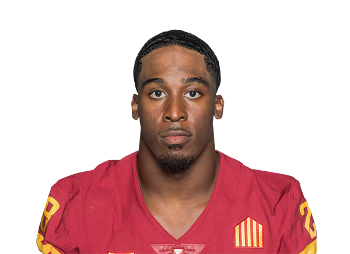
In the passing game, Hall exhibits solid pass protection ability. He is also a solid receiver out of the backfield, where he has compiled. 82 catches for 734 yards. Most of Hall's work as a receiver occurs at or near the line of scrimmage; though he has lined up in the slot and out wide on occasion, he will do most of his receiving work from the backfield at the NFL level. In the run game, Hall possesses exceptional speed. There are a few different 40 times available, and one dates back to his time in high school, where he clocked a 4.43. I would not be surprised to see him run in the electronic timed 4.5's during the NFL combine, which is more than adequate for the RB position. Hall will be ideal for a zone-heavy run game as a one-cut runner. His best trait as a runner is his vision, and he has good patience in allowing his blockers to get in position. ← Back to NFL Draft Big Board Breece Hall Iowa State HT: 6010 WT: 220 YR: JR POS: RB OVR RK 40 POS RK CEILING POTENTIAL 2 KEY STRENGTHS KEY CONCERNS PLAYSTYLE & SCHEME FIT In the passing game, Hall exhibits solid pass protection ability. He is also a solid receiver out of the backfield, where he has compiled. 82 catches for 734 yards. Most of Hall's work as a receiver occurs at or near the line of scrimmage; though he has lined up in the slot and out wide on occasion, he will do most of his receiving work from the backfield at the NFL level. In the run game, Hall possesses exceptional speed. There are a few different 40 times available, and one dates back to his time in high school, where he clocked a 4.43. I would not be surprised to see him run in the electronic timed 4.5's during the NFL combine, which is more than adequate for the RB position. Hall will be ideal for a zone-heavy run game as a one-cut runner. His best trait as a runner is his vision, and he has good patience in allowing his blockers to get in position. PLAYER COMPARISON: CEILING GRADE ANALYSIS Near Elite (70-74) A high-caliber prospect who is expected to become a significant contributor by Year 2. These players have outstanding physical tools and strong football IQ, with only minor flaws in their game. They demonstrate consistency at a high level and project as future Pro Bowl-caliber players if properly developed. Primary scout: Brandon Lundberg Football Scout 365 NFL Draft Grade Scale Football Scout 365 grades reflect a prospect’s projected long-term NFL value and role. Draft ranges are general value projections, not predictions of an exact selection. Positional value, team needs, scheme fit, medical information and athletic testing can influence where a player is ultimately selected. How Football Scout 365 Grades NFL Draft Prospects Elite (75+): A rare, high-impact prospect with elite physical tools, advanced football intelligence and the ability to make an immediate NFL impact. Elite prospects carry franchise-altering potential and typically project as top 5–10 selections in the first round. Near Elite (70–74): A high-caliber prospect with outstanding physical tools, strong football intelligence and only minor developmental limitations. Near Elite prospects project as significant early-career contributors with Pro Bowl upside and first-round draft value. High-End Starter Potential (65–69): A starting-caliber prospect with strong physical tools, quality technical skills and a defined NFL role. These players may require development before reaching their ceiling but generally carry second- or third-round draft value. Mid-Level Starter Potential (60–64): A solid prospect with NFL-level tools and a pathway to becoming a dependable starter if key limitations are addressed. These players generally carry third- to fifth-round draft value. Low-Level Starter Potential (55–59): A developmental prospect who could become a low-end starter, high-end backup or valuable specialist in the right role. These players generally carry fifth- to seventh-round draft value. Backup Level (50–54): A depth or rotational prospect with enough functional ability to compete for an NFL roster spot but limited long-term starting potential. These players generally project as late Day 3 selections or priority undrafted free agents. Not NFL Level (Below 50): A developmental or camp prospect who does not currently demonstrate enough consistency, technical refinement or functional NFL traits to project as a regular contributor. These players generally project as undrafted free agents, practice-squad candidates or camp invitations. Draft position can vary based on positional value, team needs, scheme fit, medical evaluation and athletic testing.
- Miles Frazier
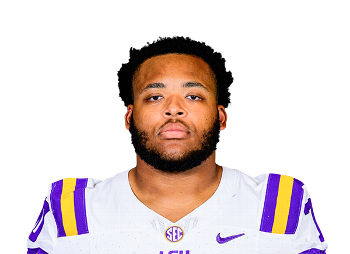
← Back to NFL Draft Big Board Miles Frazier LSU HT: 6050 WT: 325 YR: RSR POS: IOL OVR RK 97 POS RK CEILING POTENTIAL 5 KEY STRENGTHS Power at POA Versatility Nasty Finisher KEY CONCERNS Balance Issues Hand Placement Consistency Pad Level PLAYSTYLE & SCHEME FIT Frazier is a battle-tested, powerful interior lineman with positional versatility, having started at both guard spots and tackle in college. He plays with a nasty demeanor, heavy hands, and good play strength, excelling in gap/power run schemes. However, his foot quickness, balance, and ability to handle quick interior rushers are concerns. His best fit is as a right guard in a downhill run system, though he could also be a functional depth piece across the interior. PLAYER COMPARISON: CEILING GRADE ANALYSIS Mid-Level Starter Potential (60-64) A solid, dependable starter with the potential to exceed expectations. They have good athleticism and tools but may lack elite traits. While they show flashes of high-level play, they also have some notable weaknesses that must be developed. These players often need 2-3 years to establish themselves. Primary scout: Brandon Lundberg Football Scout 365 NFL Draft Grade Scale Football Scout 365 grades reflect a prospect’s projected long-term NFL value and role. Draft ranges are general value projections, not predictions of an exact selection. Positional value, team needs, scheme fit, medical information and athletic testing can influence where a player is ultimately selected. How Football Scout 365 Grades NFL Draft Prospects Elite (75+): A rare, high-impact prospect with elite physical tools, advanced football intelligence and the ability to make an immediate NFL impact. Elite prospects carry franchise-altering potential and typically project as top 5–10 selections in the first round. Near Elite (70–74): A high-caliber prospect with outstanding physical tools, strong football intelligence and only minor developmental limitations. Near Elite prospects project as significant early-career contributors with Pro Bowl upside and first-round draft value. High-End Starter Potential (65–69): A starting-caliber prospect with strong physical tools, quality technical skills and a defined NFL role. These players may require development before reaching their ceiling but generally carry second- or third-round draft value. Mid-Level Starter Potential (60–64): A solid prospect with NFL-level tools and a pathway to becoming a dependable starter if key limitations are addressed. These players generally carry third- to fifth-round draft value. Low-Level Starter Potential (55–59): A developmental prospect who could become a low-end starter, high-end backup or valuable specialist in the right role. These players generally carry fifth- to seventh-round draft value. Backup Level (50–54): A depth or rotational prospect with enough functional ability to compete for an NFL roster spot but limited long-term starting potential. These players generally project as late Day 3 selections or priority undrafted free agents. Not NFL Level (Below 50): A developmental or camp prospect who does not currently demonstrate enough consistency, technical refinement or functional NFL traits to project as a regular contributor. These players generally project as undrafted free agents, practice-squad candidates or camp invitations. Draft position can vary based on positional value, team needs, scheme fit, medical evaluation and athletic testing.
- Cashius Howell
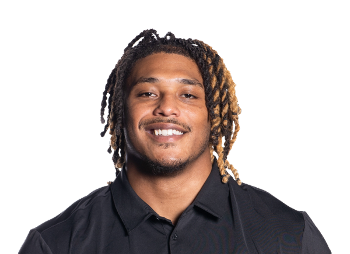
← Back to NFL Draft Big Board Cashius Howell Texas A&M HT: 6020 WT: 250 YR: SR POS: ED OVR RK 43 POS RK CEILING POTENTIAL KEY STRENGTHS Explosive first-step rusher Excellent pursuit and motor Powerful strike KEY CONCERNS Consistent counter moves Can lose gap integrity Coverage ability PLAYSTYLE & SCHEME FIT Cashius Howell is an ascending edge defender whose combination of length, power, and first-step explosiveness translates cleanly to the next level. At 6’4”, 245 pounds, he’s built to thrive in a multiple-front or hybrid 3–4 scheme, offering immediate value as a stand-up rusher or hand-in-the-dirt end. His advanced hand usage and rush sequencing—particularly his speed-to-power conversion and inside counter—allow him to win with both finesse and physicality. Howell’s relentless motor and pursuit range make him disruptive beyond the stat sheet, while his technical maturity and competitive demeanor point to an early starter trajectory. Continued refinement of counter-timing and edge discipline will push him toward his ceiling as a top-tier NFL pass rusher with double-digit sack potential. PLAYER COMPARISON: CEILING GRADE ANALYSIS High-End Starter Potential (65-69) A player expected to become a top-tier starter within their first few years. They possess strong physical tools and good technical skills but may have some limitations in their game. With development, they can reach near-elite levels and provide consistent impact at their position. Primary scout: Brandon Lundberg Football Scout 365 NFL Draft Grade Scale Football Scout 365 grades reflect a prospect’s projected long-term NFL value and role. Draft ranges are general value projections, not predictions of an exact selection. Positional value, team needs, scheme fit, medical information and athletic testing can influence where a player is ultimately selected. How Football Scout 365 Grades NFL Draft Prospects Elite (75+): A rare, high-impact prospect with elite physical tools, advanced football intelligence and the ability to make an immediate NFL impact. Elite prospects carry franchise-altering potential and typically project as top 5–10 selections in the first round. Near Elite (70–74): A high-caliber prospect with outstanding physical tools, strong football intelligence and only minor developmental limitations. Near Elite prospects project as significant early-career contributors with Pro Bowl upside and first-round draft value. High-End Starter Potential (65–69): A starting-caliber prospect with strong physical tools, quality technical skills and a defined NFL role. These players may require development before reaching their ceiling but generally carry second- or third-round draft value. Mid-Level Starter Potential (60–64): A solid prospect with NFL-level tools and a pathway to becoming a dependable starter if key limitations are addressed. These players generally carry third- to fifth-round draft value. Low-Level Starter Potential (55–59): A developmental prospect who could become a low-end starter, high-end backup or valuable specialist in the right role. These players generally carry fifth- to seventh-round draft value. Backup Level (50–54): A depth or rotational prospect with enough functional ability to compete for an NFL roster spot but limited long-term starting potential. These players generally project as late Day 3 selections or priority undrafted free agents. Not NFL Level (Below 50): A developmental or camp prospect who does not currently demonstrate enough consistency, technical refinement or functional NFL traits to project as a regular contributor. These players generally project as undrafted free agents, practice-squad candidates or camp invitations. Draft position can vary based on positional value, team needs, scheme fit, medical evaluation and athletic testing.
- Omarr Norman-Lott
← Back to NFL Draft Big Board Omarr Norman-Lott Tennessee HT: 6030 WT: 315 YR: SR POS: IDL OVR RK 75 POS RK CEILING POTENTIAL 7 KEY STRENGTHS Explosive Get-Off Power & Leverage Versatility KEY CONCERNS Run Defense Consistency Pad Level Issues Discipline & Maturity PLAYSTYLE & SCHEME FIT Norman-Lott is an explosive interior pass-rusher with a quick first step and violent hands. He flashes elite get-off and the ability to pressure the pocket, but his run defense, block recognition, and consistency are concerns. Best suited as a penetrating 3-technique in a 4-3 or sub-package interior pass rusher in a multiple-front defense. Needs development but has strong upside. PLAYER COMPARISON: CEILING GRADE ANALYSIS Mid-Level Starter Potential (60-64) A solid, dependable starter with the potential to exceed expectations. They have good athleticism and tools but may lack elite traits. While they show flashes of high-level play, they also have some notable weaknesses that must be developed. These players often need 2-3 years to establish themselves. Primary scout: Brandon Lundberg Football Scout 365 NFL Draft Grade Scale Football Scout 365 grades reflect a prospect’s projected long-term NFL value and role. Draft ranges are general value projections, not predictions of an exact selection. Positional value, team needs, scheme fit, medical information and athletic testing can influence where a player is ultimately selected. How Football Scout 365 Grades NFL Draft Prospects Elite (75+): A rare, high-impact prospect with elite physical tools, advanced football intelligence and the ability to make an immediate NFL impact. Elite prospects carry franchise-altering potential and typically project as top 5–10 selections in the first round. Near Elite (70–74): A high-caliber prospect with outstanding physical tools, strong football intelligence and only minor developmental limitations. Near Elite prospects project as significant early-career contributors with Pro Bowl upside and first-round draft value. High-End Starter Potential (65–69): A starting-caliber prospect with strong physical tools, quality technical skills and a defined NFL role. These players may require development before reaching their ceiling but generally carry second- or third-round draft value. Mid-Level Starter Potential (60–64): A solid prospect with NFL-level tools and a pathway to becoming a dependable starter if key limitations are addressed. These players generally carry third- to fifth-round draft value. Low-Level Starter Potential (55–59): A developmental prospect who could become a low-end starter, high-end backup or valuable specialist in the right role. These players generally carry fifth- to seventh-round draft value. Backup Level (50–54): A depth or rotational prospect with enough functional ability to compete for an NFL roster spot but limited long-term starting potential. These players generally project as late Day 3 selections or priority undrafted free agents. Not NFL Level (Below 50): A developmental or camp prospect who does not currently demonstrate enough consistency, technical refinement or functional NFL traits to project as a regular contributor. These players generally project as undrafted free agents, practice-squad candidates or camp invitations. Draft position can vary based on positional value, team needs, scheme fit, medical evaluation and athletic testing.