Search Results
Search this site
1757 results found with an empty search
- B.J. Ojulari
← Back to NFL Draft Big Board B.J. Ojulari LSU HT: 6021 WT: 245 YR: JR POS: ED OVR RK 41 POS RK CEILING POTENTIAL 7 KEY STRENGTHS KEY CONCERNS PLAYSTYLE & SCHEME FIT PLAYER COMPARISON: CEILING GRADE ANALYSIS Mid-Level Starter Potential (60-64) A solid, dependable starter with the potential to exceed expectations. They have good athleticism and tools but may lack elite traits. While they show flashes of high-level play, they also have some notable weaknesses that must be developed. These players often need 2-3 years to establish themselves. Primary scout: Brandon Lundberg Football Scout 365 NFL Draft Grade Scale Football Scout 365 grades reflect a prospect’s projected long-term NFL value and role. Draft ranges are general value projections, not predictions of an exact selection. Positional value, team needs, scheme fit, medical information and athletic testing can influence where a player is ultimately selected. How Football Scout 365 Grades NFL Draft Prospects Elite (75+): A rare, high-impact prospect with elite physical tools, advanced football intelligence and the ability to make an immediate NFL impact. Elite prospects carry franchise-altering potential and typically project as top 5–10 selections in the first round. Near Elite (70–74): A high-caliber prospect with outstanding physical tools, strong football intelligence and only minor developmental limitations. Near Elite prospects project as significant early-career contributors with Pro Bowl upside and first-round draft value. High-End Starter Potential (65–69): A starting-caliber prospect with strong physical tools, quality technical skills and a defined NFL role. These players may require development before reaching their ceiling but generally carry second- or third-round draft value. Mid-Level Starter Potential (60–64): A solid prospect with NFL-level tools and a pathway to becoming a dependable starter if key limitations are addressed. These players generally carry third- to fifth-round draft value. Low-Level Starter Potential (55–59): A developmental prospect who could become a low-end starter, high-end backup or valuable specialist in the right role. These players generally carry fifth- to seventh-round draft value. Backup Level (50–54): A depth or rotational prospect with enough functional ability to compete for an NFL roster spot but limited long-term starting potential. These players generally project as late Day 3 selections or priority undrafted free agents. Not NFL Level (Below 50): A developmental or camp prospect who does not currently demonstrate enough consistency, technical refinement or functional NFL traits to project as a regular contributor. These players generally project as undrafted free agents, practice-squad candidates or camp invitations. Draft position can vary based on positional value, team needs, scheme fit, medical evaluation and athletic testing.
- Colton Hood
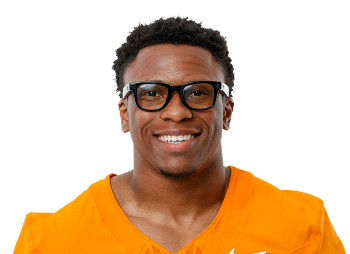
← Back to NFL Draft Big Board Colton Hood Tennessee HT: 6000 WT: 195 YR: RSO POS: CB OVR RK 22 POS RK CEILING POTENTIAL KEY STRENGTHS Balanced and scheme-versatile Elite ball skills and anticipation Quick trigger KEY CONCERNS Grabby at top of routes Inconsistent run defender Limited starting experience PLAYSTYLE & SCHEME FIT Colton Hood is an ascending coverage corner whose blend of speed, length, and competitive toughness has made him one of the SEC’s most consistent defenders. At 6’0”, 195 pounds, he possesses the frame and reactive athleticism to match up on the perimeter while offering the short-area quickness to handle slot duties. His ball skills and route recognition stand out in both press-man and zone-match schemes, where he anticipates breaks and attacks the football with confidence. Hood plays with controlled aggression at the line and shows the recovery speed to stay in phase through the route stem. Continued improvement in tackling consistency and grab discipline will elevate his game further. He projects as an immediate contributor with long-term starting potential in a multiple-coverage system that values physical, instinctive corners. PLAYER COMPARISON: CEILING GRADE ANALYSIS High-End Starter Potential (65-69) A player expected to become a top-tier starter within their first few years. They possess strong physical tools and good technical skills but may have some limitations in their game. With development, they can reach near-elite levels and provide consistent impact at their position. Primary scout: Brandon Lundberg Football Scout 365 NFL Draft Grade Scale Football Scout 365 grades reflect a prospect’s projected long-term NFL value and role. Draft ranges are general value projections, not predictions of an exact selection. Positional value, team needs, scheme fit, medical information and athletic testing can influence where a player is ultimately selected. How Football Scout 365 Grades NFL Draft Prospects Elite (75+): A rare, high-impact prospect with elite physical tools, advanced football intelligence and the ability to make an immediate NFL impact. Elite prospects carry franchise-altering potential and typically project as top 5–10 selections in the first round. Near Elite (70–74): A high-caliber prospect with outstanding physical tools, strong football intelligence and only minor developmental limitations. Near Elite prospects project as significant early-career contributors with Pro Bowl upside and first-round draft value. High-End Starter Potential (65–69): A starting-caliber prospect with strong physical tools, quality technical skills and a defined NFL role. These players may require development before reaching their ceiling but generally carry second- or third-round draft value. Mid-Level Starter Potential (60–64): A solid prospect with NFL-level tools and a pathway to becoming a dependable starter if key limitations are addressed. These players generally carry third- to fifth-round draft value. Low-Level Starter Potential (55–59): A developmental prospect who could become a low-end starter, high-end backup or valuable specialist in the right role. These players generally carry fifth- to seventh-round draft value. Backup Level (50–54): A depth or rotational prospect with enough functional ability to compete for an NFL roster spot but limited long-term starting potential. These players generally project as late Day 3 selections or priority undrafted free agents. Not NFL Level (Below 50): A developmental or camp prospect who does not currently demonstrate enough consistency, technical refinement or functional NFL traits to project as a regular contributor. These players generally project as undrafted free agents, practice-squad candidates or camp invitations. Draft position can vary based on positional value, team needs, scheme fit, medical evaluation and athletic testing.
- 2024 Senior Bowl: Top Performers Who Raised Their NFL Draft Stock?
2024 Senior Bowl: Top Performers Who Raised Their NFL Draft Stock? The Reese's Senior Bowl is a pivotal showcase event for college football players heading into the NFL Draft. It offers a unique platform for prospects to demonstrate their skills competently against some of the best talents. In this analysis, I discuss the players whose NFL Draft stock is rising after a great week of Senior Bowl practice sessions. Click Here: Check out the Football Scout 365 NFL Draft Big Board top 100 player rankings. We evaluate every player using a proprietary grading process that involves film evaluation combined with advanced data. On the back end, our scouting process mirrors the same process deployed by current NFL front-office personnel so that we can deliver the most in-depth player scouting reports available. All of this is currently free (subject to change). Each player scouting report includes: In-depth player scouting report Play Style and Scheme Fit Analysis Player Strengths & Weaknesses Player Comparisons The Top Performers, Who Raised Their NFL Draft Stock? Taliese Fuaga, OT, Oregon State Fuaga confirmed his status as the top offensive lineman at the Senior Bowl with his significant size and better-than-expected arm length. There's discussion about his fit at the NFL level, with some suggesting a move to guard, but his practice performance solidified his capability to play tackle. Laiatu Latu, Edge, UCLA Laiatu Latu impressed with a variety of pass-rush moves and his exceptional burst off the line during the first day. His agility, power in the pass rush, and efforts in run defense showcased his well-rounded capabilities and high-end starter potential. Quinyon Mitchell, CB, Toledo Mitchell aimed to prove he was the best defensive player at the Senior Bowl, and his performance backed up that ambition. Except for a single rep loss to Roman Wilson, Mitchell's speed, awareness, and ball skills dominated, showcasing his high-level competitiveness. Michael Penix Jr., QB, Washington Adjusting to new surroundings and offensive schemes is challenging, yet Penix Jr. excelled, displaying the best throwing abilities of any quarterback present. His performance in practices, particularly his arm strength and accuracy, exceeded expectations, though his injury history remains a concern for NFL teams. Roman Wilson, WR, Michigan Wilson had an elite first two days at the Senior Bowl and was the talk of the town among the many NFL scouts down in Mobile. His overall speed, precise route running, and ball skills during the practices left a strong impression, marking him as a player to watch in the upcoming draft. Ladd McConkey, Wide Receiver, Georgia Ladd McConkey's route-running abilities were on full display during the first day, where he consistently created separation from defenders. His excellent hands and understanding of leverage against defenders emphasized his adaptability and potential in various offensive setups. Malachi Corley, WR, Western Kentucky Despite limitations in the practice format, Corley, known for his exceptional ability to gain yards after the catch (YAC), showed impressive route-running skills and speed, catching the ball well throughout the drills. Braden Fiske, DT, Florida State Fiske's performance was noteworthy for his ability to overcome physical limitations with exceptional quickness and skillful hand use. His disruptive presence in practices has sparked interest in further evaluation of his game film, indicating a potential rise in his draft stock. Tyler Guyton, OT, Oklahoma Guyton's potential shone through his physical attributes and athleticism as a relatively inexperienced player. Losing a few reps in practice didn't overshadow his upside, making him look like a top-15 draft pick based on his Senior Bowl showing. Darius Robinson, DL, Missouri Robinson's consistency and ability to dominate in one-on-one drills drew comparisons to NFL star Cam Jordan. His versatility and effectiveness across the defensive line highlighted his rising prospects in the 2024 NFL Draft. Payton Wilson, LB, N.C. State Showcasing talent befitting a Day 2 pick, Wilson's size and ability to cover ground and manage coverage duties stood out. Despite injury concerns, his athleticism and performance in Mobile spotlighted his potential at the next level. Theo Johnson, TE, Penn State Johnson emerged as the standout tight end, demonstrating excellent size and unexpectedly agile movement. His performance in practice suggested a higher ceiling than previously seen on tape, making him one of the most intriguing prospects for his position.
- Wan'Dale Robinson
← Back to NFL Draft Big Board Wan'Dale Robinson Kentucky HT: 5014 WT: 185 YR: SO POS: WR OVR RK 94 POS RK CEILING POTENTIAL 14 KEY STRENGTHS KEY CONCERNS PLAYSTYLE & SCHEME FIT PLAYER COMPARISON: CEILING GRADE ANALYSIS Mid-Level Starter Potential (60-64) A solid, dependable starter with the potential to exceed expectations. They have good athleticism and tools but may lack elite traits. While they show flashes of high-level play, they also have some notable weaknesses that must be developed. These players often need 2-3 years to establish themselves. Primary scout: Brandon Lundberg Football Scout 365 NFL Draft Grade Scale Football Scout 365 grades reflect a prospect’s projected long-term NFL value and role. Draft ranges are general value projections, not predictions of an exact selection. Positional value, team needs, scheme fit, medical information and athletic testing can influence where a player is ultimately selected. How Football Scout 365 Grades NFL Draft Prospects Elite (75+): A rare, high-impact prospect with elite physical tools, advanced football intelligence and the ability to make an immediate NFL impact. Elite prospects carry franchise-altering potential and typically project as top 5–10 selections in the first round. Near Elite (70–74): A high-caliber prospect with outstanding physical tools, strong football intelligence and only minor developmental limitations. Near Elite prospects project as significant early-career contributors with Pro Bowl upside and first-round draft value. High-End Starter Potential (65–69): A starting-caliber prospect with strong physical tools, quality technical skills and a defined NFL role. These players may require development before reaching their ceiling but generally carry second- or third-round draft value. Mid-Level Starter Potential (60–64): A solid prospect with NFL-level tools and a pathway to becoming a dependable starter if key limitations are addressed. These players generally carry third- to fifth-round draft value. Low-Level Starter Potential (55–59): A developmental prospect who could become a low-end starter, high-end backup or valuable specialist in the right role. These players generally carry fifth- to seventh-round draft value. Backup Level (50–54): A depth or rotational prospect with enough functional ability to compete for an NFL roster spot but limited long-term starting potential. These players generally project as late Day 3 selections or priority undrafted free agents. Not NFL Level (Below 50): A developmental or camp prospect who does not currently demonstrate enough consistency, technical refinement or functional NFL traits to project as a regular contributor. These players generally project as undrafted free agents, practice-squad candidates or camp invitations. Draft position can vary based on positional value, team needs, scheme fit, medical evaluation and athletic testing.
- Patrick Paul
Overall, Patrick Paul's potential in the NFL is promising. His physical attributes and consistent performance across key areas of offensive line play suggest he could develop into a reliable starter in the league. Given his current skill set and potential for growth, Paul is evaluated as a 'Mid-Level Starter Potential' (60-64) prospect, likely to be selected in the middle rounds of the draft and with the potential to exceed expectations in the right system. ← Back to NFL Draft Big Board Patrick Paul Houston HT: 6070 WT: 315 YR: JR POS: OT OVR RK 98 POS RK CEILING POTENTIAL 11 KEY STRENGTHS Imposing Presence Block Sustain Good Finisher KEY CONCERNS Agility Consistency vs. Elite Footwork PLAYSTYLE & SCHEME FIT Patrick Paul is a towering presence on the offensive line, leveraging his considerable height and weight to his advantage. His play style is characterized by solid agility for his size and above-average footwork, enabling him to effectively engage and neutralize defenders. Paul demonstrates a consistent ability to finish blocks, particularly in run blocking, where he uses his strength to open lanes effectively. In pass protection, he shows good hand placement and sustain, often keeping pass rushers at bay. Paul fits best in a scheme that emphasizes power running and allows him to utilize his run-blocking prowess, although he is sufficiently versatile to adapt to various offensive systems. PLAYER COMPARISON: CEILING GRADE ANALYSIS Mid-Level Starter Potential (60-64) A solid, dependable starter with the potential to exceed expectations. They have good athleticism and tools but may lack elite traits. While they show flashes of high-level play, they also have some notable weaknesses that must be developed. These players often need 2-3 years to establish themselves. Primary scout: Brandon Lundberg Football Scout 365 NFL Draft Grade Scale Football Scout 365 grades reflect a prospect’s projected long-term NFL value and role. Draft ranges are general value projections, not predictions of an exact selection. Positional value, team needs, scheme fit, medical information and athletic testing can influence where a player is ultimately selected. How Football Scout 365 Grades NFL Draft Prospects Elite (75+): A rare, high-impact prospect with elite physical tools, advanced football intelligence and the ability to make an immediate NFL impact. Elite prospects carry franchise-altering potential and typically project as top 5–10 selections in the first round. Near Elite (70–74): A high-caliber prospect with outstanding physical tools, strong football intelligence and only minor developmental limitations. Near Elite prospects project as significant early-career contributors with Pro Bowl upside and first-round draft value. High-End Starter Potential (65–69): A starting-caliber prospect with strong physical tools, quality technical skills and a defined NFL role. These players may require development before reaching their ceiling but generally carry second- or third-round draft value. Mid-Level Starter Potential (60–64): A solid prospect with NFL-level tools and a pathway to becoming a dependable starter if key limitations are addressed. These players generally carry third- to fifth-round draft value. Low-Level Starter Potential (55–59): A developmental prospect who could become a low-end starter, high-end backup or valuable specialist in the right role. These players generally carry fifth- to seventh-round draft value. Backup Level (50–54): A depth or rotational prospect with enough functional ability to compete for an NFL roster spot but limited long-term starting potential. These players generally project as late Day 3 selections or priority undrafted free agents. Not NFL Level (Below 50): A developmental or camp prospect who does not currently demonstrate enough consistency, technical refinement or functional NFL traits to project as a regular contributor. These players generally project as undrafted free agents, practice-squad candidates or camp invitations. Draft position can vary based on positional value, team needs, scheme fit, medical evaluation and athletic testing.
- Jaxon Smith-Njigba
Jaxon Smith-Njigba is a talented wide receiver with good route-running ability, excellent hands, and the ability to make plays after the catch. While he may struggle against physical defenders at the NFL level, Smith Njigba possesses many of the same qualities you see from top young NFL receivers currently in the NFL. Smith-Njigba is a projected mid to late 1st round 2023 NFL draft pick. ← Back to NFL Draft Big Board Jaxon Smith-Njigba Ohio State HT: 6005 WT: 196 YR: JR POS: WR OVR RK 12 POS RK CEILING POTENTIAL 1 KEY STRENGTHS Hands Route Running After The Catch KEY CONCERNS Positional Versatility Size Acceleration PLAYSTYLE & SCHEME FIT Smith Njigba will work primarily from the slot in the NFL, where an OC can find creative ways to use motion and allow Njigba to get a free release more often. PLAYER COMPARISON: CEILING GRADE ANALYSIS Near Elite (70-74) A high-caliber prospect who is expected to become a significant contributor by Year 2. These players have outstanding physical tools and strong football IQ, with only minor flaws in their game. They demonstrate consistency at a high level and project as future Pro Bowl-caliber players if properly developed. Primary scout: Brandon Lundberg Football Scout 365 NFL Draft Grade Scale Football Scout 365 grades reflect a prospect’s projected long-term NFL value and role. Draft ranges are general value projections, not predictions of an exact selection. Positional value, team needs, scheme fit, medical information and athletic testing can influence where a player is ultimately selected. How Football Scout 365 Grades NFL Draft Prospects Elite (75+): A rare, high-impact prospect with elite physical tools, advanced football intelligence and the ability to make an immediate NFL impact. Elite prospects carry franchise-altering potential and typically project as top 5–10 selections in the first round. Near Elite (70–74): A high-caliber prospect with outstanding physical tools, strong football intelligence and only minor developmental limitations. Near Elite prospects project as significant early-career contributors with Pro Bowl upside and first-round draft value. High-End Starter Potential (65–69): A starting-caliber prospect with strong physical tools, quality technical skills and a defined NFL role. These players may require development before reaching their ceiling but generally carry second- or third-round draft value. Mid-Level Starter Potential (60–64): A solid prospect with NFL-level tools and a pathway to becoming a dependable starter if key limitations are addressed. These players generally carry third- to fifth-round draft value. Low-Level Starter Potential (55–59): A developmental prospect who could become a low-end starter, high-end backup or valuable specialist in the right role. These players generally carry fifth- to seventh-round draft value. Backup Level (50–54): A depth or rotational prospect with enough functional ability to compete for an NFL roster spot but limited long-term starting potential. These players generally project as late Day 3 selections or priority undrafted free agents. Not NFL Level (Below 50): A developmental or camp prospect who does not currently demonstrate enough consistency, technical refinement or functional NFL traits to project as a regular contributor. These players generally project as undrafted free agents, practice-squad candidates or camp invitations. Draft position can vary based on positional value, team needs, scheme fit, medical evaluation and athletic testing.
- Akheem Mesidor
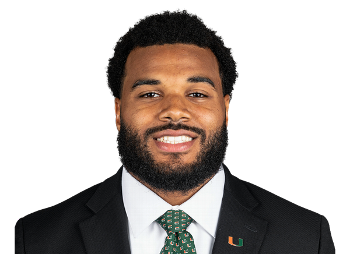
← Back to NFL Draft Big Board Akheem Mesidor Miami HT: 6030 WT: 280 YR: RSR POS: ED OVR RK 12 POS RK CEILING POTENTIAL KEY STRENGTHS Pass Rush Technician Alignment Versatility Production vs Top Competition KEY CONCERNS 25 on draft day Run Defense Consistency Balance & Discipline PLAYSTYLE & SCHEME FIT Mesidor is a polished, high-motor pass rusher with high-end starter potential built on advanced hand usage, burst, and rush sequencing. Displays very good explosiveness and agility, allowing him to win both outside and inside as a rusher. Best utilized as a multiple-front EDGE who can reduce inside on passing downs. Immediate third-down impact player with starting upside in aggressive 4–3 or hybrid fronts. PLAYER COMPARISON: CEILING GRADE ANALYSIS Near Elite (70-74) A high-caliber prospect who is expected to become a significant contributor by Year 2. These players have outstanding physical tools and strong football IQ, with only minor flaws in their game. They demonstrate consistency at a high level and project as future Pro Bowl-caliber players if properly developed. Primary scout: Brandon Lundberg Football Scout 365 NFL Draft Grade Scale Football Scout 365 grades reflect a prospect’s projected long-term NFL value and role. Draft ranges are general value projections, not predictions of an exact selection. Positional value, team needs, scheme fit, medical information and athletic testing can influence where a player is ultimately selected. How Football Scout 365 Grades NFL Draft Prospects Elite (75+): A rare, high-impact prospect with elite physical tools, advanced football intelligence and the ability to make an immediate NFL impact. Elite prospects carry franchise-altering potential and typically project as top 5–10 selections in the first round. Near Elite (70–74): A high-caliber prospect with outstanding physical tools, strong football intelligence and only minor developmental limitations. Near Elite prospects project as significant early-career contributors with Pro Bowl upside and first-round draft value. High-End Starter Potential (65–69): A starting-caliber prospect with strong physical tools, quality technical skills and a defined NFL role. These players may require development before reaching their ceiling but generally carry second- or third-round draft value. Mid-Level Starter Potential (60–64): A solid prospect with NFL-level tools and a pathway to becoming a dependable starter if key limitations are addressed. These players generally carry third- to fifth-round draft value. Low-Level Starter Potential (55–59): A developmental prospect who could become a low-end starter, high-end backup or valuable specialist in the right role. These players generally carry fifth- to seventh-round draft value. Backup Level (50–54): A depth or rotational prospect with enough functional ability to compete for an NFL roster spot but limited long-term starting potential. These players generally project as late Day 3 selections or priority undrafted free agents. Not NFL Level (Below 50): A developmental or camp prospect who does not currently demonstrate enough consistency, technical refinement or functional NFL traits to project as a regular contributor. These players generally project as undrafted free agents, practice-squad candidates or camp invitations. Draft position can vary based on positional value, team needs, scheme fit, medical evaluation and athletic testing.
- Keyshaun Elliott
← Back to NFL Draft Big Board Keyshaun Elliott Arizona State HT: 6020 WT: 235 YR: SR POS: LB OVR RK 65 POS RK CEILING POTENTIAL KEY STRENGTHS Excellent run defender Outstanding play strength Reliable wrap-up tackler KEY CONCERNS Average athletic ceiling Man coverage upside Can struggle in space PLAYSTYLE & SCHEME FIT Elliott is a physical, downhill linebacker with very good size, excellent play strength, and outstanding run instincts. He diagnoses blocking schemes quickly, plays with patience at the line of scrimmage, and stacks and sheds effectively in tight quarters. His tackling reliability and pop on contact make him a tone-setter in the box, and he provides added value as a blitzer. However, he is not a high-end athlete and lacks true sideline-to-sideline range, limiting his upside in man coverage and open-field matchups. Elliott projects best as an early-down MIKE or SAM in a defense that prioritizes physicality and interior run fits while protecting him in sub-package coverage situations. PLAYER COMPARISON: CEILING GRADE ANALYSIS High-End Starter Potential (65-69) A player expected to become a top-tier starter within their first few years. They possess strong physical tools and good technical skills but may have some limitations in their game. With development, they can reach near-elite levels and provide consistent impact at their position. Primary scout: Brandon Lundberg Football Scout 365 NFL Draft Grade Scale Football Scout 365 grades reflect a prospect’s projected long-term NFL value and role. Draft ranges are general value projections, not predictions of an exact selection. Positional value, team needs, scheme fit, medical information and athletic testing can influence where a player is ultimately selected. How Football Scout 365 Grades NFL Draft Prospects Elite (75+): A rare, high-impact prospect with elite physical tools, advanced football intelligence and the ability to make an immediate NFL impact. Elite prospects carry franchise-altering potential and typically project as top 5–10 selections in the first round. Near Elite (70–74): A high-caliber prospect with outstanding physical tools, strong football intelligence and only minor developmental limitations. Near Elite prospects project as significant early-career contributors with Pro Bowl upside and first-round draft value. High-End Starter Potential (65–69): A starting-caliber prospect with strong physical tools, quality technical skills and a defined NFL role. These players may require development before reaching their ceiling but generally carry second- or third-round draft value. Mid-Level Starter Potential (60–64): A solid prospect with NFL-level tools and a pathway to becoming a dependable starter if key limitations are addressed. These players generally carry third- to fifth-round draft value. Low-Level Starter Potential (55–59): A developmental prospect who could become a low-end starter, high-end backup or valuable specialist in the right role. These players generally carry fifth- to seventh-round draft value. Backup Level (50–54): A depth or rotational prospect with enough functional ability to compete for an NFL roster spot but limited long-term starting potential. These players generally project as late Day 3 selections or priority undrafted free agents. Not NFL Level (Below 50): A developmental or camp prospect who does not currently demonstrate enough consistency, technical refinement or functional NFL traits to project as a regular contributor. These players generally project as undrafted free agents, practice-squad candidates or camp invitations. Draft position can vary based on positional value, team needs, scheme fit, medical evaluation and athletic testing.
- Francis Mauigoa
← Back to NFL Draft Big Board Francis Mauigoa Miami HT: 6060 WT: 315 YR: JR POS: OT OVR RK 13 POS RK CEILING POTENTIAL KEY STRENGTHS Rare athletic profile Pass-pro consistency Scheme-diverse Run Blocker KEY CONCERNS Hand placement/strike Anchor vs elite power Finishing consistency PLAYSTYLE & SCHEME FIT Francis Mauigoa is one of the most naturally gifted offensive line prospects in the 2026 NFL Draft class. A former 5-star recruit who started every game at right tackle for Miami as a true freshman, Mauigoa has steadily improved his technique and efficiency, culminating in a dominant sophomore campaign where he allowed just 2 total hits/sacks across over 500 pass-blocking snaps. At 6'6", 315 pounds, he combines rare movement skills with outstanding balance and competitive toughness. Mauigoa is a scheme-diverse prospect who fits both wide-zone and gap/power run games thanks to his athleticism, recovery speed, and developing technical foundation. If he refines his hand usage and continues improving his strength profile, he’ll enter the league as a Day 1 starter with All-Pro potential. PLAYER COMPARISON: CEILING GRADE ANALYSIS Near Elite (70-74) A high-caliber prospect who is expected to become a significant contributor by Year 2. These players have outstanding physical tools and strong football IQ, with only minor flaws in their game. They demonstrate consistency at a high level and project as future Pro Bowl-caliber players if properly developed. Primary scout: Brandon Lundberg Football Scout 365 NFL Draft Grade Scale Football Scout 365 grades reflect a prospect’s projected long-term NFL value and role. Draft ranges are general value projections, not predictions of an exact selection. Positional value, team needs, scheme fit, medical information and athletic testing can influence where a player is ultimately selected. How Football Scout 365 Grades NFL Draft Prospects Elite (75+): A rare, high-impact prospect with elite physical tools, advanced football intelligence and the ability to make an immediate NFL impact. Elite prospects carry franchise-altering potential and typically project as top 5–10 selections in the first round. Near Elite (70–74): A high-caliber prospect with outstanding physical tools, strong football intelligence and only minor developmental limitations. Near Elite prospects project as significant early-career contributors with Pro Bowl upside and first-round draft value. High-End Starter Potential (65–69): A starting-caliber prospect with strong physical tools, quality technical skills and a defined NFL role. These players may require development before reaching their ceiling but generally carry second- or third-round draft value. Mid-Level Starter Potential (60–64): A solid prospect with NFL-level tools and a pathway to becoming a dependable starter if key limitations are addressed. These players generally carry third- to fifth-round draft value. Low-Level Starter Potential (55–59): A developmental prospect who could become a low-end starter, high-end backup or valuable specialist in the right role. These players generally carry fifth- to seventh-round draft value. Backup Level (50–54): A depth or rotational prospect with enough functional ability to compete for an NFL roster spot but limited long-term starting potential. These players generally project as late Day 3 selections or priority undrafted free agents. Not NFL Level (Below 50): A developmental or camp prospect who does not currently demonstrate enough consistency, technical refinement or functional NFL traits to project as a regular contributor. These players generally project as undrafted free agents, practice-squad candidates or camp invitations. Draft position can vary based on positional value, team needs, scheme fit, medical evaluation and athletic testing.
- Fantasy Football Projections For 2nd Year NFL QBs: C.J. Stroud, Anthony Richardson, Will Levis, and Bryce Young
Fantasy Football Projections For 2nd Year NFL QBs: C.J. Stroud, Anthony Richardson, Will Levis, and Bryce Young When evaluating the potential of second-year QBs in the NFL, it's crucial to understand the surrounding cast and overall situation. At Football Scout 365, we emphasize how the supporting cast and coaching staff can influence a player's ceiling potential. In 2024, we have four quarterbacks from the 2023 NFL Draft class who will enter the season with high expectations. Today's analysis will provide each of the top year-two QBs' 2024 stat projections and their 2024 fantasy football projections. Additionally, I will summarize each player's rookie season and discuss their 2024 expectations. *Note: Fantasy projections use 6 points per passing TD format. ➡️ C.J. Stroud, Houston Texans (QB6) 2024 Fantasy Football Points Projection: 370 Summary Analysis: C.J. Stroud had an impressive rookie season, achieving a passer rating of 100.8 with 4,108 yards, 23 touchdowns, and 5 interceptions in 15 games. He earned a Pro Bowl selection and the Offensive Rookie of the Year award. Texans offensive coordinator Bobby Slowik, returning to Houston after offseason head-coaching interviews, recognizes the importance of Stroud's second year. Stroud, Slowik, and head coach DeMeco Ryans will refine the offense to suit Stroud’s strengths. As Stroud gains more experience, he will have greater input in play-calling and responsibilities at the line of scrimmage. Building on last season's success, Stroud aims to elevate the system and his teammates further. C.J. Stroud 2024 Stats Projections: Passing Yards: 4,500 Passing TDs: 27 Interceptions: 9 Rushing Yards: 200 Rushing TDs: 3 ➡️ Anthony Richardson, Indianapolis Colts (QB18) 2024 Fantasy Football Points Projection: 319 Summary Analysis: Anthony Richardson had a promising yet brief rookie season with the Colts, posting a passer rating of 87.3, 577 yards, 3 touchdowns, and 1 interception in 4 games. Despite his limited experience, Richardson showed remarkable composure, particularly in a game against the playoff-bound Rams where he led a comeback from a 23-point deficit, displaying his athleticism and playmaking ability. Colts offensive coordinator Jim Bob Cooter and head coach Shane Steichen praised Richardson's improvisational skills and resilience. Unfortunately, his season was cut short due to a shoulder injury, but Richardson is now returning, ready to build on his initial success with the support of a creative coaching staff. Anthony Richardson 2024 Stats Projections: Passing Yards: 3,575 Passing TDs: 17 Interceptions: 13 Rushing Yards: 500 Rushing TDs: 6 ➡️ Will Levis, Tennessee Titans (QB24) 2024 Fantasy Football Points Projection: 296 Summary Analysis: Will Levis had a mixed rookie season with the Tennessee Titans, starting strong with a four-touchdown debut but struggling with consistency, ending with eight touchdowns, four interceptions, and a 9.9% sack rate. The Titans' weak offensive line and limited pass-catching options contributed to his challenges. In 2024, with a new aggressive offensive approach led by head coach Brian Callahan and key additions like center Lloyd Cushenberry, running back Tony Pollard, and wide receivers Calvin Ridley and Tyler Boyd, Levis is poised for improvement. The upgraded roster aims to give Levis a better-supporting cast, potentially elevating his performance. Will Levis 2024 Stats Projections: Passing Yards: 3,650 Passing TDs: 20 Interceptions: 10 Rushing Yards: 200 Rushing TDs: 3 ➡️ Bryce Young, Carolina Panthers (QB28) 2024 Fantasy Football Points Projection: 254 Summary Analysis: Former Alabama quarterback Bryce Young had a challenging rookie season with the Carolina Panthers, finishing with a 2-15 record. Despite being the first overall pick in 2023, his performance was overshadowed by C.J. Stroud, who won the Offensive Rookie of the Year award. Young had a passer rating of 73.7, with 2,877 yards, 11 touchdowns, and 10 interceptions in 16 games. With the arrival of head coach Dave Canales, Young feels he is growing into a leadership role. Having endured a tough first year, Young now has a dependable coach to guide him. The Panthers also added much-needed skill player talent by adding WR Diontae Johnson in the offseason and then drafting a three-down versatile RB in Jonathon Brooks, an elite after-the-catch WR out of South Carolina in Xavier Legette, and then they added an athletic TE in Ja'Tavion Sanders. The Panthers appear to be on the right track. Bryce Young 2024 Stats Projections: Passing Yards: 3,100 Passing TDs: 17 Interceptions: 10 Rushing Yards: 250 Rushing TDs: 2
- 2024 NFL Combine: Day Two Recap, Defensive Backs | Who Impressed? | Do The Numbers Match The Scouting Report?
2024 NFL Combine: Day Two Recap, Defensive Backs | Who Impressed? | Do The Numbers Match The Scouting Report? Day Two of the 2024 NFL Combine has concluded and we are recapping the top performances by position group on the day. Check back at the end of each day as we continue to recap every position group from the drill work at the 2024 NFL Combine. Overview of Today's Analysis Today's drill work involved the defensive backs, including cornerbacks and safeties. Below, we provide a breakdown of the top players ranked within their respective position groups. This analysis is based on the drill work and how it correlates with each prospect's initial scouting report from the Football Scout 365 NFL Draft Big Board, available on our website. Grading If the Film Matches the NFL Combine Data The aim of today's analysis is to assess each prospect's NFL Combine drill performance. We consider all aspects of the workouts, from the 40-yard dash to the on-field exercises, to determine if a prospect's previous film analysis and scouting report align with their performance during the NFL Combine's on-field drills. Learn more about the player grade scale here. The Top Cornerback Grades At The 2024 NFL Combine Nate Wiggins, CB, Clemson (6' 1'', 173lbs) Combine Data & Ranking Within His Position Group: 40-Yard Dash: 4.28 seconds (1st among cornerbacks) 10-Yard Split: 1.59 seconds (28th among cornerbacks) Vertical Jump: 36'' (18th among cornerbacks) Broad Jump: 10' 7'' (13th among cornerbacks) Scouting Report Connection: Nate Wiggins exemplifies the ideal physical and athletic profile for a modern cornerback with his exceptional combine performance, particularly his leading 4.28-second 40-yard dash, which showcases his extraordinary speed and recovery ability. His height and length, combined with this elite speed, make him well-suited for various coverage schemes, particularly excelling in Cover 3 where his range is a significant asset. Wiggins' fluidity in movement and ability to mirror opponents highlight his natural coverage skills, while his solid vertical and broad jump results reflect his athleticism and ability to contest catches in the air. Despite needing to improve in run support and physicality, Wiggins' blend of speed, awareness, and playmaking potential positions him as a highly desirable prospect. Grade Assignment: Given Wiggins's outstanding speed and satisfactory performance in jump metrics, which align with his scouting report's portrayal of a versatile cornerback ideal for modern defenses, his grade is Exceptional (9). His combine showing, especially in speed, supports his potential for excelling in various coverage schemes and solidifies his status as a highly desirable NFL prospect. Quinyon Mitchell, CB, Toledo (6' 0'', 195lbs) Combine Data & Ranking Within His Position Group: 40-Yard Dash: 4.33 seconds (2nd among cornerbacks) 10-Yard Split: 1.51 seconds (11th among cornerbacks) Vertical Jump: 38'' (13th among cornerbacks) Broad Jump: 10' 0'' (23rd among cornerbacks) Scouting Report Connection: Quinyon Mitchell's NFL combine performance aligns well with his varied and rich skill set, showcasing his significant physical attributes and football intelligence. His impressive 40-yard dash time reflects his exceptional speed and ability to close distance quickly, which complements his preferred style of play in off-man or zone coverage. This, combined with his high-level production at Toledo, underscores his readiness to contribute at the professional level. His physicality, tackling ability, and ball skills, akin to those of a safety, make him a versatile option in the defensive backfield. Grade Assignment: Considering Mitchell's impressive speed and solid performance in other combine metrics, which align with his scouting report's emphasis on physicality, tackling, and ball skills, his grade is Very Good to Outstanding (7-8). His ability to perform well in key areas, combined with his high-level production at Toledo, indicates he has the potential to be a significant contributor in the NFL, especially in schemes that value versatile defensive backs. Max Melton, CB, Rutgers (5' 11'', 187lbs) Combine Data & Ranking Within His Position Group: 40-Yard Dash: 4.39 seconds (6th among cornerbacks) 10-Yard Split: 1.51 seconds (9th among cornerbacks) Vertical Jump: 40.5'' (4th among cornerbacks) Broad Jump: 11' 4'' (1st among cornerbacks) Scouting Report Connection: Max Melton has shown a clear upward trajectory throughout his tenure at Rutgers, marked by consistent improvement and versatility in playing both inside and outside cornerback positions. His exceptional combine performance, particularly his broad jump and impressive 40-yard dash, underlines his physical attributes and explosive athleticism, essential for the cornerback role. Melton's ability to keep pace with premier receivers in the Big Ten, combined with his adeptness in both press and zone coverage, speaks to his potential as a dynamic defensive back. Melton's overall skill set, highlighted by his physical traits from the combine, suggests he has the foundational attributes to develop into a reliable starter in the NFL. His combination of size, burst, and ball-hawking ability makes him a promising candidate for teams seeking a versatile and impactful cornerback. Grade Assignment: Given Melton's strong combine performance, which aligns well with his scouting report and reflects significant improvement and versatility, his grade is Very Good to Outstanding (7-8). His demonstrated speed, agility, and jumping ability, combined with his collegiate experience and adaptability in different coverage schemes, indicate he has the potential to be a significant contributor and reliable starter in the NFL. Mike Sainristil, CB, Michigan (5' 9'', 182lbs) Combine Data & Ranking Within His Position Group: 40-Yard Dash: 4.47 seconds (14th among cornerbacks) 10-Yard Split: 1.51 seconds (10th among cornerbacks) Vertical Jump: 40'' (7th among cornerbacks) Broad Jump: 10' 11'' (5th among cornerbacks) Scouting Report Connection: Mike Sainristil's transition from receiver to cornerback is reflected in his evolving football IQ and on-field adaptability, highlighted by his combine performance. His respectable 40-yard dash and impressive vertical and broad jump measurements indicate significant athletic ability, especially useful for a player with his nickel corner prospects. Sainristil's potential shines through in his vertical and broad jump—demonstrating his explosive traits and ability to compete at the catch point. His ball skills and proficiency in run support underscore his versatility on the field. While still developing his defensive acumen, Sainristil's physical tools, and emerging skills in zone and man coverage suggest he has the foundational attributes to grow into a reliable starting nickel corner. Grade Assignment: Considering Sainristil's solid NFL Combine performance, especially in the vertical and broad jump events, showcasing his explosiveness and potential in contesting catches at their highest point, his grade is Above Average to Good (6-7). His transition from receiver to cornerback appears successful, with physical tools and emerging coverage skills that suggest he has the potential to develop into a reliable starting nickel corner in the NFL. Khyree Jackson, CB, Oregon (6' 4'', 194lbs) Combine Data & Ranking Within His Position Group: 40-Yard Dash: 4.50 seconds (21st among cornerbacks) 10-Yard Split: 1.50 seconds (8th among cornerbacks) Vertical Jump: 36.5'' (17th among cornerbacks) Broad Jump: 11' 1'' (3rd among cornerbacks) Scouting Report Connection: Khyree Jackson's imposing stature and athletic capabilities, evidenced by his combine results, highlight his potential. His rare size and strength make him a formidable presence on the field, particularly in press situations. Although his technique may show inconsistency due to limited starting experience in college, his physical attributes, such as his broad jump, indicate exceptional lower-body strength and explosive ability. These traits, paired with his solid run support, suggest Jackson has the raw materials needed for the NFL. While he must refine his anticipation and smoothness in transitions, his contested catch ability and physicality are significant advantages. Jackson's combine performance, notably his broad jump and respectable 40-yard dash for his size, underlines his capability to develop into a valuable defensive asset. Grade Assignment: Given Jackson's solid combine performance and the physical traits he displayed, particularly his exceptional broad jump, his grade is Above Average to Good (6-7). His performances suggest he possesses the raw physical tools necessary for the NFL. If he can refine his technique and improve his anticipation and smoothness in transitions, he has the potential to become a significant asset in a defensive setup, especially in schemes that value physical, press-man cornerbacks. The Top Safety Grades At The 2024 NFL Combine Cole Bishop, SAF, Utah (6' 2'', 206 lbs) Combine Data & Ranking Within His Position Group: 40-Yard Dash: 4.45 seconds (3rd among safeties) 10-Yard Split: 1.52 seconds (5th among safeties) Vertical Jump: 39'' (6th among safeties) Broad Jump: 10' 4'' (8th among safeties) Scouting Report Connection: Cole Bishop's combine performance aligns well with his scouting report, highlighting his robust physicality and tackling ability, essential traits for a safety. His impressive speed shown in the 40-yard dash and 10-yard split confirms his capability to cover ground quickly and support in run defense effectively. His vertical and broad jump results suggest good lower body strength and the ability to compete in aerial situations, which complements his noted proficiency in man coverage against tight ends and his impactful play from zone. Despite some noted issues with discipline in deep safety roles, his physical attributes and combine performance reinforce his potential in both down safety and split safety roles. Grade Assignment: Given Bishop's solid combine performance, particularly his top-tier speed and good results in the jumping events, which substantiate his scouting report's notes on physicality and tackling prowess, his grade is Above Average to Good (6-7). His combine outcomes not only confirm his existing strengths but also suggest room for growth and development into a more disciplined and versatile NFL safety. Jaylin Simpson, SAF, Auburn (6' 0'', 179 lbs) Combine Data & Ranking Within His Position Group: 40-Yard Dash: 4.45 seconds (5th among safeties) 10-Yard Split: 1.51 seconds (4th among safeties) Vertical Jump: 39.5'' (3rd among safeties) Broad Jump: 11' 1'' (2nd among safeties) Scouting Report Connection: Jaylin Simpson's scouting report underlines his athleticism and versatility, having started in both cornerback and safety positions. His combine performance, particularly his speed in the 40-yard dash and explosiveness in the vertical and broad jumps, confirms his athletic prowess. However, concerns about his run support and transitional speed as a cornerback suggest that while he has the athletic traits, there may be some technical areas needing refinement. His ability to pedal and match receivers, along with success in contested situations, highlights his potential. Grade Assignment: Considering Simpson's impressive combine showing, which aligns with the athletic traits outlined in his scouting report, his is Above Average to Good (6-7). His top-tier results in athleticism indicators suggest significant potential, but the concerns regarding his positional fit and run support emphasize areas for development. If he can address these weaknesses and find the right positional fit, he has the foundational skills and attributes to develop into a reliable contributor in the NFL. Calen Bullock, SAF, USC (6' 2'', 188 lbs) Combine Data & Ranking Within His Position Group: 40-Yard Dash: 4.48 seconds (10th among safeties) 10-Yard Split: 1.51 seconds (3rd among safeties) Vertical Jump: Data not provided Broad Jump: Data not provided Scouting Report Connection: Calen Bullock's scouting report describes him as a player with significant variances in performance, showing potential excellence in coverage but inconsistency in run defense. His combine metrics, particularly his speed in the 40-yard dash and his quickness in the 10-yard split, underscore his ability to cover ground quickly and support the pass defense effectively. These attributes align with the scouting notes on his range and athleticism. However, his challenges in run defense, including poor recognition and missed angles, are areas needing improvement to fully capitalize on his athletic skills. Grade Assignment: Given Bullock's solid combine performance, which highlights his speed and agility, juxtaposed with the concerns noted in run defense, his grade is Above Average to Good (6-7). His physical attributes and potential as a playmaker in the secondary are evident, but to elevate his grade and overall impact on the field, he will need to address the deficiencies in run support and processing the game. If he can make these improvements, his athletic base suggests he could develop into a more complete and reliable safety or potentially transition to cornerback, where his skill set might be better utilized. Javon Bullard, SAF, Georgia (5' 10 1/2'', 198 lbs) Combine Data & Ranking Within His Position Group: 40-Yard Dash: 4.47 seconds (4th among safeties) 10-Yard Split: 1.51 seconds (2nd among safeties) Scouting Report Connection: Javon Bullard is noted for his field awareness and run support, qualities that are essential for his position, though he might not perfectly fit as a traditional safety due to size and lateral movement limitations. Despite these concerns, his impressive combine performance, particularly in speed-related metrics like the 40-yard dash and 10-yard split, underlines his capability for quick response and effective coverage, aligning with the required attributes for his role. His ability to recognize routes and take proper pursuit angles can mitigate some of the limitations noted in his lateral movements. Grade Assignment: Reflecting on Bullard's combine performance, which showcases his speed and quickness—traits that are vital for a safety—his grade is Above Average to Good (6-7). His rankings in the speed categories are especially commendable, reinforcing his scouting report strengths. While he needs to work on his lateral movements and adaptability to different defensive roles, his combine results suggest he has a solid foundation to grow from and potentially excel as a safety in the NFL.
- 2026 NFL Draft Big Board Rankings Update: Caleb Downs, Rueben Bain Top Prospects | Fernando Mendoza vs. Dante Moore Battling for QB1
2026 NFL Draft Big Board Rankings Update: Caleb Downs, Rueben Bain Top Prospects | Fernando Mendoza vs. Dante Moore Battling for QB1 The first month of the 2025 college football season has already reshaped the 2026 NFL Draft Big Board rankings. At the top, Caleb Downs (Ohio State) remains the No. 1 overall prospect, while Rueben Bain Jr. (Miami) has overtaken Peter Woods (Clemson) for the No. 2 spot, reinforcing the strength of this defense-heavy class. Behind them, several risers are surging into early-round territory. Quarterbacks Fernando Mendoza (Indiana) and Dante Moore (Oregon) are positioning themselves as potential QB1s, while linebackers Arvell Reese (Ohio State) and Jaishawn Barham (Michigan) are climbing fast. Add in the emergence of Kenyon Sadiq (Oregon) at tight end, and this updated Top 50 reflects both the staying power of proven stars and the rise of new names pushing toward Day 1 draft status. 2026 NFL Draft Big Board Update 1. Caleb Downs, SAF – Ohio State Caleb Downs enters the 2025 season as the consensus top defensive player in college football and a generational safety prospect. His instincts, tackling consistency, and versatility allow him to thrive in any alignment—deep safety, slot, or box. Downs brings an elite football IQ, a high motor, and refined technique well beyond his age. Already proven at both Alabama and Ohio State, he’s produced in high-leverage moments and profiles as an immediate NFL starter with Pro Bowl upside. His ceiling mirrors the best safety prospects of the modern era, making him a legitimate top-10 pick with Defensive Rookie of the Year potential. 2. Rueben Bain Jr., EDGE – Miami Rueben Bain Jr. is a disruptive, high-motor edge defender who flashes polished technique and positional versatility. Despite missing time in 2024, Bain has already tallied 73 pressures and 11 sacks across two seasons, combining leverage, hand usage, and bend to win from multiple alignments. At 6’3”, 275, he can play hand-in-the-dirt edge, reduce to 5-tech, or slide inside on passing downs. Healthy, he profiles as one of the safest edge defenders in the class with first-round upside and plug-and-play pass-rush impact. 3. Spencer Fano, OT – Utah Fano has proven himself as the most complete offensive lineman in the country, starting 24 games across both tackle spots with elite production. In 2024, he graded as the nation’s best run blocker (93.6) while allowing just two sacks all year. His footwork, technique, and competitive edge translate to multiple schemes, whether in zone or gap-based systems. At 6’5”, 304, Fano could even shift inside if length concerns surface, but his versatility and floor as a Day 1 starter make him a near-certain first-rounder with long-term Pro Bowl potential. 4. Peter Woods, IDL – Clemson Few defensive linemen in the country combine Woods’ blend of power, explosiveness, and alignment versatility. At 6’3”, 315, he’s thrived inside and on the edge, earning an 83.3 PFF grade despite being asked to play multiple roles. His first-step quickness and natural leverage overwhelm single blockers, while his violent hands make him disruptive against both run and pass. Woods fits any front—odd or even—but projects best as a 3-tech in an aggressive one-gap scheme. A dominant 2025 could push him into the top-five pick conversation. 5. Francis Mauigoa, OT – Miami A former 5-star recruit, Mauigoa wasted no time becoming Miami’s tone-setter up front. After starting every game as a freshman, he elevated his play in 2024, allowing just two hits/sacks across more than 500 pass-block snaps. At 6’6”, 315, he combines rare movement skills with anchor strength and a violent finish. He’s scheme-diverse, thriving in both power and wide-zone concepts. Mauigoa is still refining his hand usage, but his natural gifts and steady growth give him All-Pro potential at right tackle and possibly on the left side. 6. T.J. Parker, EDGE – Clemson The most productive returning edge defender in the nation, Parker posted 12 sacks in 2024 while forcing six fumbles. At 6’3”, 265, he brings a violent, heavy-handed pass-rush style with the strength to collapse pockets and set the edge. His get-off and bend are solid but not elite, though his motor, technique, and finishing ability make him a complete defender. He projects as a true 4-3 end with the ability to kick inside situationally. With continued refinement, Parker could push into the top-10 conversation as EDGE1 in 2026. 7. Jordyn Tyson, WR – Arizona State Tyson is one of the most natural separators in college football, breaking out in 2024 with 1,101 yards and 10 touchdowns after transferring from Colorado. At 6’1”, 195, he’s a versatile inside-outside threat with explosive release, fluid route pacing, and consistent ball skills. He fits best in vertical or spread systems where his ability to attack multiple levels shines. Injuries are the only thing holding him back from solidifying WR1 status in the 2026 class. 8. Avieon Terrell, CB – Clemson Terrell is quickly building his case as one of the premier corners in the country. At 5’11”, 180, he plays bigger than his frame, excelling in press-man and zone-match coverages. He finished 2024 with 58 tackles and one of the top run-defense grades among Power Five corners, showcasing his physicality and instincts. Terrell mirrors routes with fluid hips and quick feet, and his closing burst at the catch point makes him a boundary CB1 in multiple schemes. He profiles as a first-round lock with Pro Bowl ceiling. 9. Keldric Faulk, EDGE – Auburn Faulk has been a force for Auburn since his freshman season, steadily developing into one of the most feared defenders in the SEC. At 6’6”, 290, his prototype build and violent playing style allow him to impact the game from virtually any alignment—0-tech to 5-tech. His greatest strength today is his run defense, where he consistently sets hard edges and controls gaps. As a pass rusher, he wins with speed-to-power, length, and advanced counters, though questions remain about his ability to consistently beat top-tier athletic tackles on the edge. Still, Faulk’s floor as a versatile run defender with disruptive upside makes him a strong first-round projection. 10. Jaishawn Barham, LB/EDGE – Michigan Barham is one of the most physically imposing defenders in the country, a hybrid linebacker-edge prospect who is transitioning full-time to the defensive line in 2025. At 6’4”, 248, he offers rare explosiveness and striking power, projecting as either a MIKE/SAM in a 3-4 or as a situational edge in pressure-heavy fronts. His versatility and raw athletic profile give him a top-40 ceiling, but if his move to EDGE unlocks consistent pass-rush production, Barham could vault into the first-round mix as a three-down disruptor. 11. Jeremiyah Love, RB – Notre Dame Explosive playmaker with elite speed, contact balance, and home-run hitting ability. Best fit is in outside-zone or spread offenses, where his acceleration and receiving upside can shine. A projected first-round feature back with modern three-down utility. 12. Caleb Banks, IDL – Florida At 6’6”, 325, Banks blends rare size and lateral agility with disruptive pass-rush flashes. Still raw against doubles and pad-level consistency, but his upside as a versatile 3-tech or hybrid front disruptor mirrors Chris Jones. 13. Arvell Reese, LB – Ohio State Explosive, instinctive linebacker with elite size/speed blend and versatility to blitz, cover, or play downhill. Needs refinement in hand placement and functional strength, but profiles as a high-upside three-down defender. 14. Jermod McCoy, CB – Tennessee All-American ballhawk who led the SEC in takeaways before a 2025 ACL injury. Instinctive in zone, fluid in man, and physical at the catch point. If healthy, he projects as a high-end CB1 in multiple cover schemes. 15. Kadyn Proctor, OT – Alabama Massive 6’7”, 360-pound blindside protector with rare movement skills for his frame. Best fit is in gap/power schemes, but his athleticism gives him zone potential too. With polish, he carries franchise left tackle upside. 16. Mansoor Delane, CB – LSU Versatile corner with starting experience at safety and nickel; excels in press and off-zone thanks to smooth movement and physicality. Needs added bulk to handle bigger NFL wideouts but owns Day 1 starter traits. 17. Gennings Dunker, OT/IOL – Iowa Tough, technically polished run blocker who projects best at guard. Stiff as a tackle in space, but his consistency, leverage, and effort make him a plug-and-play interior starter with Day 2 value. 18. Kenyon Sadiq, TE – Oregon Explosive athlete with versatility to line up in-line, slot, or even backfield. Big YAC threat and physical blocker with rare play strength, but route detail and focus drops need improvement. 19. Fernando Mendoza, QB – Indiana Prototypical pocket passer with vertical touch, anticipation, and arm strength to push defenses deep. Needs mechanical consistency and stability under pressure, but carries high-end starter ceiling in pro-style or spread systems. 20. C.J. Allen, LB – Georgia Fast, instinctive, and physical second-level defender with sideline-to-sideline range. A proven tackler with developing coverage skills, Allen fits modern zone-heavy defenses as a future three-down starter. 21. A.J. Harris, CB – Penn State Long, twitchy boundary corner with man-match and Cover 3 versatility. Physical in run support and sticky in coverage, though ball production remains a work in progress. Profiles as a plug-and-play NFL starter. 22. Isaiah World, OT – Oregon Athletic, long-framed left tackle with fluidity and natural leverage. Still developing consistency and anchor strength, but his traits project him as a future franchise tackle, particularly in zone-heavy systems. 23. Cashius Howell, EDGE – Texas A&M Undersized but explosive edge defender with natural bend and quick first step. Best fit as a rotational pass-rush specialist early while he adds functional strength versus the run. 24. Dante Moore, QB – Oregon Highly talented passer with clean mechanics, anticipation, and strong deep-ball accuracy. Needs better decision-making under pressure, but his arm talent and poise fit modern vertical passing schemes. 25. David Bailey, EDGE – Texas Tech Former Stanford standout with elite burst and bend who transferred to Texas Tech to showcase his versatility. Thrives as a 3-4 OLB or even-front rusher; has Day 1 starter upside if his strength profile catches up. 26. Makai Lemon, WR – USC Smart, tough receiver with inside-out alignment versatility and strong production in zone-beating routes. Lacks top-end speed, but his polish and contested-catch toughness make him a reliable NFL slot option. 27. Austin Barber, OT – Florida Experienced SEC left tackle with length and fluid pass sets. Best in zone-run concepts, but must add strength to handle power rushers. Solid Day 2 projection with starting LT upside. 28. Romello Height, EDGE – Texas Tech Quick, active-handed rusher who wins with variety and high motor. Can be neutralized by bigger linemen, but fits hybrid OLB/EDGE roles in pressure-heavy schemes. 29. Colton Hood, CB – Tennessee Versatile DB with ball skills and athletic change-of-direction ability. Projects as a boundary corner with safety flexibility, offering value in zone-heavy or disguise-heavy secondaries. 30. LaNorris Sellers, QB – South Carolina Dual-threat quarterback with elite size, arm strength, and mobility. Flashes NFL-caliber off-script creativity but needs improved consistency in processing and limiting turnovers. High-ceiling developmental starter. 31. Denzel Boston, WR – Washington Big-bodied boundary target (6’4”, 210) with strong hands, body control, and red-zone production. Lacks suddenness, but wins vertically with size and ball skills. Projects as a rotational WR3 with WR2 upside in mismatch-heavy schemes. 32. Carnell Tate, WR – Ohio State Polished route runner with reliable hands and pro-ready traits. Not a burner, but thrives in rhythm-timing offenses as a chain mover and possession receiver. Could emerge as WR1 in Ohio State’s reloaded passing game. 33. Garrett Nussmeier, QB – LSU Quick-trigger passer with NFL-level arm talent and strong anticipation. Best fit in West Coast or timing-based systems where his rhythm throws and confidence shine. Limited mobility, but a potential first-round riser if decision-making sharpens. 34. Caleb Lomu, OT – Utah Technically sound tackle with smooth footwork, hand usage, and strong anchor. Athletic profile suits zone-blocking systems; could be a Day 1 pick if he continues to build strength and refine consistency. 35. LT Overton, EDGE – Alabama Former 5-star who broke out at Alabama, flashing rare size-athleticism traits across multiple alignments. Wins with power and versatility as a 4i/5T; still developing technique but carries top-40 upside. 36. Domonique Orange, IDL – Iowa State Massive nose tackle built for gap-control roles. Thrives in early-down run defense with strength and anchor, though limited in scheme versatility. Projects as a plug-and-play 1T in 3-4 fronts. 37. R Mason Thomas, EDGE – Oklahoma Explosive first step and natural bend make him a dangerous situational rusher. Undersized with run-game concerns, but offers high rotational pass-rush value with developmental starter potential. 38. Carson Beck, QB – Miami Structure-based passer with clean mechanics, processing, and layered accuracy. Lacks top-end creation but fits perfectly in Shanahan/McVay-style systems. At his best in timing-heavy play-action attacks. 39. Daylen Everette, CB – Georgia Long, physical corner who thrives in Cover 3 and quarters. SEC-tested with strong instincts and tackling ability, though fluidity in man coverage remains inconsistent. A CB2 with CB1 traits in the right scheme. 40. Dillon Thieneman, S – Oregon Instinctive, battle-tested safety with elite range and open-field tackling ability. Thrives as a deep safety in split-field or single-high looks. High football IQ and versatility make him a top-40 lock with first-round ceiling. 41. Anthony Hill Jr., LB – Texas Explosive, rangy linebacker with 3-down versatility and hybrid value as a blitzer, run stopper, and coverage weapon. Still refining block disengagement and processing, but athletic upside is first-round caliber. 42. Caleb Tiernan, OT – Northwestern Tall, technically polished pass protector (6’7”, 325) with strong anchor and top-10 pass-blocking grades in the Big Ten. Length and leverage can be issues, but projects as a reliable tackle/guard swing with starter potential. 43. John Mateer, QB – Oklahoma Dynamic dual-threat with live arm, mobility, and improvisational flair. Decision-making and mechanics remain raw, but his playmaking mirrors a Baker Mayfield-style chaos agent. High-upside developmental QB prospect. 44. Antonio Williams, WR – Clemson Polished slot receiver with elite separation quickness and tempo as a route runner. Tough, reliable, and productive on third downs. Best fit in motion-heavy West Coast systems where leverage manipulation is key. 45. Sonny Styles, LB – Ohio State Big-bodied former safety transitioning to linebacker with closing speed and physicality. Still raw in coverage and tackling technique, but offers massive upside as a hybrid chess-piece defender. 46. Christen Miller, IDL – Georgia Emerging interior disruptor with strength, motor, and growing technical refinement. Versatile enough to play 3T or 4i in hybrid fronts. With more sack production, could rise into Day 2 contention. 47. Justice Haynes, RB – Michigan Compact, tough runner with balance, vision, and one-cut explosiveness. Limited resume at Alabama, but now Michigan’s lead back with breakout potential in both gap and zone schemes. 48. Drew Allar, QB – Penn State Prototype-sized passer with one of the strongest arms in college football. Vertical accuracy and decision-making are developing, but his ceiling fits a downfield, play-action NFL scheme. 49. Darrell Jackson Jr., IDL – Florida State Massive interior lineman (6’5”, 337) with rare power to collapse pockets. Flashes dominance but struggles with consistency and pad level. A developmental disruptor with starting-caliber physical tools. 50. Connor Lew, IOL – Auburn Smart, technically sound center with strong anchor, leadership, and ability to handle SEC-level interior defenders. Not overly powerful, but projects as an early starter in zone-heavy NFL blocking schemes.