


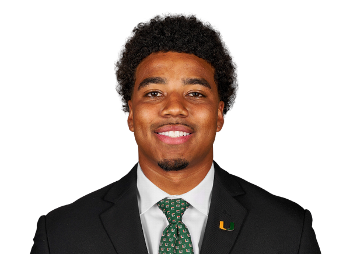
PLAYSTYLE & SCHEME FIT
Darian Mensah is a controlled pocket distributor whose grade is built on ball placement, intermediate accuracy, touch, and the ability to stay connected to the passing concept while moving inside the pocket. He fits a West Coast or pro-spread offense that uses play action, layered intermediate concepts, and defined progression reads to keep him in rhythm. Mensah has enough functional mobility to extend the passing phase without needing to operate as a true creation quarterback. The concern is whether his footwork, arm strength, and decision-making remain stable when pressure eliminates the first read and forces him to attack tighter outside windows.
PLAYER COMPARISON:
Brock Purdy
Purdy is not a direct tools comparison, but the pathway makes sense if Mensah becomes a rhythm distributor who processes quickly, throws with timing, protects the football, and maximizes a West Coast or play-action structure. The difference is that Purdy is quicker operationally, more instinctive late in the down, and better at creating subtle off-schedule answers. Mensah would need a major jump in pressure response, pocket efficiency, and late-down poise to reach that outcome.
CEILING GRADE ANALYSIS
High-End Starter Potential (65-69)
A player expected to become a top-tier starter within their first few years. They possess strong physical tools and good technical skills but may have some limitations in their game. With development, they can reach near-elite levels and provide consistent impact at their position.
Primary scout:
Brandon Lundberg
Football Scout 365 NFL Draft Grade Scale
Football Scout 365 grades reflect a prospect’s projected long-term NFL value and role. Draft ranges are general value projections, not predictions of an exact selection. Positional value, team needs, scheme fit, medical information and athletic testing can influence where a player is ultimately selected.
How Football Scout 365 Grades NFL Draft Prospects
-
Elite (75+): A rare, high-impact prospect with elite physical tools, advanced football intelligence and the ability to make an immediate NFL impact. Elite prospects carry franchise-altering potential and typically project as top 5–10 selections in the first round.
-
Near Elite (70–74): A high-caliber prospect with outstanding physical tools, strong football intelligence and only minor developmental limitations. Near Elite prospects project as significant early-career contributors with Pro Bowl upside and first-round draft value.
-
High-End Starter Potential (65–69): A starting-caliber prospect with strong physical tools, quality technical skills and a defined NFL role. These players may require development before reaching their ceiling but generally carry second- or third-round draft value.
-
Mid-Level Starter Potential (60–64): A solid prospect with NFL-level tools and a pathway to becoming a dependable starter if key limitations are addressed. These players generally carry third- to fifth-round draft value.
-
Low-Level Starter Potential (55–59): A developmental prospect who could become a low-end starter, high-end backup or valuable specialist in the right role. These players generally carry fifth- to seventh-round draft value.
-
Backup Level (50–54): A depth or rotational prospect with enough functional ability to compete for an NFL roster spot but limited long-term starting potential. These players generally project as late Day 3 selections or priority undrafted free agents.
-
Not NFL Level (Below 50): A developmental or camp prospect who does not currently demonstrate enough consistency, technical refinement or functional NFL traits to project as a regular contributor. These players generally project as undrafted free agents, practice-squad candidates or camp invitations.
Draft position can vary based on positional value, team needs, scheme fit, medical evaluation and athletic testing.