.png)


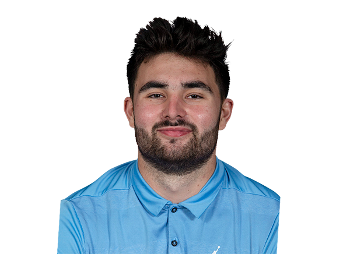
PLAYSTYLE & SCHEME FIT
Sam Howell entered the 2021 college football season as the top QB on many big boards but did not have the year many expected him to have. After a solid 2020 season, Howell lost his two primary receivers and the best one-two punch RB combination in college football.
At 6-1 220lbs, Howell has a similar stature to Baker Mayfield. He is an outstanding athlete who can use his legs to move the sticks or keep a play alive. He possesses key traits NFL scouts and GM's are looking for in today's QB, but in 2021.
Howell improved his ability to go through progressions year over year in the passing game even though UNC relies on a lot of RPO's. He displays poise in the pocket, and he will stand in and make a tough throw with a defender bearing down on him. He throws the football with good zip and good, not elite arm strength. He can use different arm angles when needed and drive a football into a smaller window.
In the run game, Howell can be an asset as a runner. He can move the sticks in key moments, but he might sometimes rely on his legs too early, moving with happy feet when the pressure is imminent.
Overall, he must improve decision-making and do a better job hanging in the pocket longer, sidestepping pressure when possible rather than taking off too early.
PLAYER COMPARISON:
CEILING GRADE ANALYSIS
Mid-Level Starter Potential (60-64)
A solid, dependable starter with the potential to exceed expectations. They have good athleticism and tools but may lack elite traits. While they show flashes of high-level play, they also have some notable weaknesses that must be developed. These players often need 2-3 years to establish themselves.
Primary scout:
Brandon Lundberg
Football Scout 365 NFL Draft Grade Scale
Football Scout 365 grades reflect a prospect’s projected long-term NFL value and role. Draft ranges are general value projections, not predictions of an exact selection. Positional value, team needs, scheme fit, medical information and athletic testing can influence where a player is ultimately selected.
How Football Scout 365 Grades NFL Draft Prospects
-
Elite (75+): A rare, high-impact prospect with elite physical tools, advanced football intelligence and the ability to make an immediate NFL impact. Elite prospects carry franchise-altering potential and typically project as top 5–10 selections in the first round.
-
Near Elite (70–74): A high-caliber prospect with outstanding physical tools, strong football intelligence and only minor developmental limitations. Near Elite prospects project as significant early-career contributors with Pro Bowl upside and first-round draft value.
-
High-End Starter Potential (65–69): A starting-caliber prospect with strong physical tools, quality technical skills and a defined NFL role. These players may require development before reaching their ceiling but generally carry second- or third-round draft value.
-
Mid-Level Starter Potential (60–64): A solid prospect with NFL-level tools and a pathway to becoming a dependable starter if key limitations are addressed. These players generally carry third- to fifth-round draft value.
-
Low-Level Starter Potential (55–59): A developmental prospect who could become a low-end starter, high-end backup or valuable specialist in the right role. These players generally carry fifth- to seventh-round draft value.
-
Backup Level (50–54): A depth or rotational prospect with enough functional ability to compete for an NFL roster spot but limited long-term starting potential. These players generally project as late Day 3 selections or priority undrafted free agents.
-
Not NFL Level (Below 50): A developmental or camp prospect who does not currently demonstrate enough consistency, technical refinement or functional NFL traits to project as a regular contributor. These players generally project as undrafted free agents, practice-squad candidates or camp invitations.
Draft position can vary based on positional value, team needs, scheme fit, medical evaluation and athletic testing.