Search Results
Search this site
1750 results found with an empty search
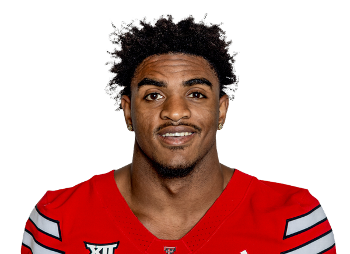
- Romello Height
← Back to NFL Draft Big Board Romello Height Texas Tech HT: 6030 WT: 240 YR: SR POS: ED OVR RK 86 POS RK CEILING POTENTIAL KEY STRENGTHS Elite first-step Advanced counter moves High-motor rusher KEY CONCERNS Below-average play strength Limited anchor strength Older prospect PLAYSTYLE & SCHEME FIT Height is an explosive, bend-driven edge rusher whose game is built on first-step burst, hip flexibility, and pass-rush creativity. At 6’3”, 240 pounds with long strides and loose hips, he wins with speed-to-edge acceleration, inside counters, and high-motor pursuit. His ability to flatten and corner gives him legitimate third-down juice, and his Senior Bowl performance confirmed his one-on-one pass-rush upside. However, a lean frame, limited play strength, and contact-balance issues prevent him from consistently setting the edge or anchoring versus power in the run game. Height projects best as a rotational rush linebacker in a 3-4 or wide-aligned 4-3 front, where he can attack in space and maximize his speed-based disruption without being asked to play heavy early-down snaps. PLAYER COMPARISON: CEILING GRADE ANALYSIS Mid-Level Starter Potential (60-64) A solid, dependable starter with the potential to exceed expectations. They have good athleticism and tools but may lack elite traits. While they show flashes of high-level play, they also have some notable weaknesses that must be developed. These players often need 2-3 years to establish themselves. Primary scout: Brandon Lundberg Football Scout 365 NFL Draft Grade Scale Football Scout 365 grades reflect a prospect’s projected long-term NFL value and role. Draft ranges are general value projections, not predictions of an exact selection. Positional value, team needs, scheme fit, medical information and athletic testing can influence where a player is ultimately selected. How Football Scout 365 Grades NFL Draft Prospects Elite (75+): A rare, high-impact prospect with elite physical tools, advanced football intelligence and the ability to make an immediate NFL impact. Elite prospects carry franchise-altering potential and typically project as top 5–10 selections in the first round. Near Elite (70–74): A high-caliber prospect with outstanding physical tools, strong football intelligence and only minor developmental limitations. Near Elite prospects project as significant early-career contributors with Pro Bowl upside and first-round draft value. High-End Starter Potential (65–69): A starting-caliber prospect with strong physical tools, quality technical skills and a defined NFL role. These players may require development before reaching their ceiling but generally carry second- or third-round draft value. Mid-Level Starter Potential (60–64): A solid prospect with NFL-level tools and a pathway to becoming a dependable starter if key limitations are addressed. These players generally carry third- to fifth-round draft value. Low-Level Starter Potential (55–59): A developmental prospect who could become a low-end starter, high-end backup or valuable specialist in the right role. These players generally carry fifth- to seventh-round draft value. Backup Level (50–54): A depth or rotational prospect with enough functional ability to compete for an NFL roster spot but limited long-term starting potential. These players generally project as late Day 3 selections or priority undrafted free agents. Not NFL Level (Below 50): A developmental or camp prospect who does not currently demonstrate enough consistency, technical refinement or functional NFL traits to project as a regular contributor. These players generally project as undrafted free agents, practice-squad candidates or camp invitations. Draft position can vary based on positional value, team needs, scheme fit, medical evaluation and athletic testing.
- Christian Gonzalez
Christian Gonzalez has what it takes to be the top corner in his draft class. He provides the scheme versatility you want from a DB, with the length needed to defend against the NFL's bigger-bodied receivers on the outside. His athleticism is high-end. Anytime you can get a DB with excellent closing speed, a trait required to play at a high level in a zone-based scheme combined with the quick hips and the fluidity needed to stay in phase with receivers in man-to-man defense, you do not pass on them. ← Back to NFL Draft Big Board Christian Gonzalez Oregon HT: 6013 WT: 197 YR: SO POS: CB OVR RK 5 POS RK CEILING POTENTIAL 1 KEY STRENGTHS Length Athleticism Closing Speed KEY CONCERNS Lean Build Strength Technique PLAYSTYLE & SCHEME FIT Gonzalez is a physical cornerback who is best suited for a press-man scheme. He has the size and length to match up against bigger and more physical receivers, and can disrupt routes effectively. He's also effective in run support and can be used to set the edge. PLAYER COMPARISON: CEILING GRADE ANALYSIS Near Elite (70-74) A high-caliber prospect who is expected to become a significant contributor by Year 2. These players have outstanding physical tools and strong football IQ, with only minor flaws in their game. They demonstrate consistency at a high level and project as future Pro Bowl-caliber players if properly developed. Primary scout: Brandon Lundberg Football Scout 365 NFL Draft Grade Scale Football Scout 365 grades reflect a prospect’s projected long-term NFL value and role. Draft ranges are general value projections, not predictions of an exact selection. Positional value, team needs, scheme fit, medical information and athletic testing can influence where a player is ultimately selected. How Football Scout 365 Grades NFL Draft Prospects Elite (75+): A rare, high-impact prospect with elite physical tools, advanced football intelligence and the ability to make an immediate NFL impact. Elite prospects carry franchise-altering potential and typically project as top 5–10 selections in the first round. Near Elite (70–74): A high-caliber prospect with outstanding physical tools, strong football intelligence and only minor developmental limitations. Near Elite prospects project as significant early-career contributors with Pro Bowl upside and first-round draft value. High-End Starter Potential (65–69): A starting-caliber prospect with strong physical tools, quality technical skills and a defined NFL role. These players may require development before reaching their ceiling but generally carry second- or third-round draft value. Mid-Level Starter Potential (60–64): A solid prospect with NFL-level tools and a pathway to becoming a dependable starter if key limitations are addressed. These players generally carry third- to fifth-round draft value. Low-Level Starter Potential (55–59): A developmental prospect who could become a low-end starter, high-end backup or valuable specialist in the right role. These players generally carry fifth- to seventh-round draft value. Backup Level (50–54): A depth or rotational prospect with enough functional ability to compete for an NFL roster spot but limited long-term starting potential. These players generally project as late Day 3 selections or priority undrafted free agents. Not NFL Level (Below 50): A developmental or camp prospect who does not currently demonstrate enough consistency, technical refinement or functional NFL traits to project as a regular contributor. These players generally project as undrafted free agents, practice-squad candidates or camp invitations. Draft position can vary based on positional value, team needs, scheme fit, medical evaluation and athletic testing.
- Kenyon Green
Kenyon Green is a stout and versatile interior O-lineman who provides positional versatility at the NFL level. Green has played in 35 games while at Texas A&M and has been part of one of the best-coached offensive lines in recent years. Green has played all positions on the OL except the center position. He plays with a great first step and lateral quickness, allowing him to mirror oncoming defenders easily. Green does a great job using his lateral movement to fend of pass rushers. He plays with a thick base that he leverages to punch defenders off their course. His ability to feel and move with fluidity to thwart off a pass rusher is high level. Green uses his lateral quickness to get to his defined spot in the run game as a run blocker. He is one of the best in college football at getting to the second level and latching on to more agile defenders in the run game. Green has NFL starter potential; his ceiling is instant impact potential. His positional versatility will factor into his draft stock. ← Back to NFL Draft Big Board Kenyon Green Texas A&M HT: 6040 WT: 325 YR: JR POS: IOL OVR RK 20 POS RK CEILING POTENTIAL 2 KEY STRENGTHS KEY CONCERNS PLAYSTYLE & SCHEME FIT Kenyon Green is a stout and versatile interior O-lineman who provides positional versatility at the NFL level. Green has played in 35 games while at Texas A&M and has been part of one of the best-coached offensive lines in recent years. Green has played all positions on the OL except the center position. He plays with a great first step and lateral quickness, allowing him to mirror oncoming defenders easily. Green does a great job using his lateral movement to fend of pass rushers. He plays with a thick base that he leverages to punch defenders off their course. His ability to feel and move with fluidity to thwart off a pass rusher is high level. Green uses his lateral quickness to get to his defined spot in the run game as a run blocker. He is one of the best in college football at getting to the second level and latching on to more agile defenders in the run game. Green has NFL starter potential; his ceiling is instant impact potential. His positional versatility will factor into his draft stock. PLAYER COMPARISON: CEILING GRADE ANALYSIS High-End Starter Potential (65-69) A player expected to become a top-tier starter within their first few years. They possess strong physical tools and good technical skills but may have some limitations in their game. With development, they can reach near-elite levels and provide consistent impact at their position. Primary scout: Brandon Lundberg Football Scout 365 NFL Draft Grade Scale Football Scout 365 grades reflect a prospect’s projected long-term NFL value and role. Draft ranges are general value projections, not predictions of an exact selection. Positional value, team needs, scheme fit, medical information and athletic testing can influence where a player is ultimately selected. How Football Scout 365 Grades NFL Draft Prospects Elite (75+): A rare, high-impact prospect with elite physical tools, advanced football intelligence and the ability to make an immediate NFL impact. Elite prospects carry franchise-altering potential and typically project as top 5–10 selections in the first round. Near Elite (70–74): A high-caliber prospect with outstanding physical tools, strong football intelligence and only minor developmental limitations. Near Elite prospects project as significant early-career contributors with Pro Bowl upside and first-round draft value. High-End Starter Potential (65–69): A starting-caliber prospect with strong physical tools, quality technical skills and a defined NFL role. These players may require development before reaching their ceiling but generally carry second- or third-round draft value. Mid-Level Starter Potential (60–64): A solid prospect with NFL-level tools and a pathway to becoming a dependable starter if key limitations are addressed. These players generally carry third- to fifth-round draft value. Low-Level Starter Potential (55–59): A developmental prospect who could become a low-end starter, high-end backup or valuable specialist in the right role. These players generally carry fifth- to seventh-round draft value. Backup Level (50–54): A depth or rotational prospect with enough functional ability to compete for an NFL roster spot but limited long-term starting potential. These players generally project as late Day 3 selections or priority undrafted free agents. Not NFL Level (Below 50): A developmental or camp prospect who does not currently demonstrate enough consistency, technical refinement or functional NFL traits to project as a regular contributor. These players generally project as undrafted free agents, practice-squad candidates or camp invitations. Draft position can vary based on positional value, team needs, scheme fit, medical evaluation and athletic testing.
- Eli Ricks
← Back to NFL Draft Big Board Eli Ricks Alabama HT: 6020 WT: 188 YR: JR POS: CB OVR RK 84 POS RK CEILING POTENTIAL 15 KEY STRENGTHS Lengthy Instinctive Ball Hawk KEY CONCERNS Speed Man Coverage Closing Speed PLAYSTYLE & SCHEME FIT PLAYER COMPARISON: CEILING GRADE ANALYSIS High-End Starter Potential (65-69) A player expected to become a top-tier starter within their first few years. They possess strong physical tools and good technical skills but may have some limitations in their game. With development, they can reach near-elite levels and provide consistent impact at their position. Primary scout: Brandon Lundberg Football Scout 365 NFL Draft Grade Scale Football Scout 365 grades reflect a prospect’s projected long-term NFL value and role. Draft ranges are general value projections, not predictions of an exact selection. Positional value, team needs, scheme fit, medical information and athletic testing can influence where a player is ultimately selected. How Football Scout 365 Grades NFL Draft Prospects Elite (75+): A rare, high-impact prospect with elite physical tools, advanced football intelligence and the ability to make an immediate NFL impact. Elite prospects carry franchise-altering potential and typically project as top 5–10 selections in the first round. Near Elite (70–74): A high-caliber prospect with outstanding physical tools, strong football intelligence and only minor developmental limitations. Near Elite prospects project as significant early-career contributors with Pro Bowl upside and first-round draft value. High-End Starter Potential (65–69): A starting-caliber prospect with strong physical tools, quality technical skills and a defined NFL role. These players may require development before reaching their ceiling but generally carry second- or third-round draft value. Mid-Level Starter Potential (60–64): A solid prospect with NFL-level tools and a pathway to becoming a dependable starter if key limitations are addressed. These players generally carry third- to fifth-round draft value. Low-Level Starter Potential (55–59): A developmental prospect who could become a low-end starter, high-end backup or valuable specialist in the right role. These players generally carry fifth- to seventh-round draft value. Backup Level (50–54): A depth or rotational prospect with enough functional ability to compete for an NFL roster spot but limited long-term starting potential. These players generally project as late Day 3 selections or priority undrafted free agents. Not NFL Level (Below 50): A developmental or camp prospect who does not currently demonstrate enough consistency, technical refinement or functional NFL traits to project as a regular contributor. These players generally project as undrafted free agents, practice-squad candidates or camp invitations. Draft position can vary based on positional value, team needs, scheme fit, medical evaluation and athletic testing.
- Jeffrey Bassa
← Back to NFL Draft Big Board Jeffrey Bassa Oregon HT: 6020 WT: 235 YR: SR POS: LB OVR RK 60 POS RK CEILING POTENTIAL 5 KEY STRENGTHS Elite Coverage Linebacker Explosive Athlete Football IQ & Leadership KEY CONCERNS Occasionally Overaggressive Frame Needs More Bulk Develop Run Game Instincts PLAYSTYLE & SCHEME FIT Bassa is an explosive, high-upside linebacker with elite coverage ability, natural blitzing skills, and sideline-to-sideline speed. A former safety, his range and instincts in coverage are highly advanced, making him an ideal sub-package linebacker early in his career. His run defense remains a work in progress, particularly in shedding blocks and diagnosing plays quickly. Bassa fits best as a 3-4 WILL or 4-3 SAM, where he can utilize his athleticism, blitzing ability, and coverage upside without being consistently forced to take on offensive linemen in the box. PLAYER COMPARISON: CEILING GRADE ANALYSIS High-End Starter Potential (65-69) A player expected to become a top-tier starter within their first few years. They possess strong physical tools and good technical skills but may have some limitations in their game. With development, they can reach near-elite levels and provide consistent impact at their position. Primary scout: Brandon Lundberg Football Scout 365 NFL Draft Grade Scale Football Scout 365 grades reflect a prospect’s projected long-term NFL value and role. Draft ranges are general value projections, not predictions of an exact selection. Positional value, team needs, scheme fit, medical information and athletic testing can influence where a player is ultimately selected. How Football Scout 365 Grades NFL Draft Prospects Elite (75+): A rare, high-impact prospect with elite physical tools, advanced football intelligence and the ability to make an immediate NFL impact. Elite prospects carry franchise-altering potential and typically project as top 5–10 selections in the first round. Near Elite (70–74): A high-caliber prospect with outstanding physical tools, strong football intelligence and only minor developmental limitations. Near Elite prospects project as significant early-career contributors with Pro Bowl upside and first-round draft value. High-End Starter Potential (65–69): A starting-caliber prospect with strong physical tools, quality technical skills and a defined NFL role. These players may require development before reaching their ceiling but generally carry second- or third-round draft value. Mid-Level Starter Potential (60–64): A solid prospect with NFL-level tools and a pathway to becoming a dependable starter if key limitations are addressed. These players generally carry third- to fifth-round draft value. Low-Level Starter Potential (55–59): A developmental prospect who could become a low-end starter, high-end backup or valuable specialist in the right role. These players generally carry fifth- to seventh-round draft value. Backup Level (50–54): A depth or rotational prospect with enough functional ability to compete for an NFL roster spot but limited long-term starting potential. These players generally project as late Day 3 selections or priority undrafted free agents. Not NFL Level (Below 50): A developmental or camp prospect who does not currently demonstrate enough consistency, technical refinement or functional NFL traits to project as a regular contributor. These players generally project as undrafted free agents, practice-squad candidates or camp invitations. Draft position can vary based on positional value, team needs, scheme fit, medical evaluation and athletic testing.
- Alim McNeill
He plays with a solid base; he is hard to move. He has a knack for squeezing through gaps and effect plays. He plays with good hand placement, does a great job of fighting off double teams. It needs a season or two of development but has a lot of potential upside. ← Back to NFL Draft Big Board Alim McNeill NC State HT: 6020 WT: 315 YR: JR POS: IDL OVR RK 47 POS RK CEILING POTENTIAL 3 KEY STRENGTHS KEY CONCERNS PLAYSTYLE & SCHEME FIT He plays with a solid base; he is hard to move. He has a knack for squeezing through gaps and effect plays. He plays with good hand placement, does a great job of fighting off double teams. It needs a season or two of development but has a lot of potential upside. PLAYER COMPARISON: CEILING GRADE ANALYSIS High-End Starter Potential (65-69) A player expected to become a top-tier starter within their first few years. They possess strong physical tools and good technical skills but may have some limitations in their game. With development, they can reach near-elite levels and provide consistent impact at their position. Primary scout: Brandon Lundberg Football Scout 365 NFL Draft Grade Scale Football Scout 365 grades reflect a prospect’s projected long-term NFL value and role. Draft ranges are general value projections, not predictions of an exact selection. Positional value, team needs, scheme fit, medical information and athletic testing can influence where a player is ultimately selected. How Football Scout 365 Grades NFL Draft Prospects Elite (75+): A rare, high-impact prospect with elite physical tools, advanced football intelligence and the ability to make an immediate NFL impact. Elite prospects carry franchise-altering potential and typically project as top 5–10 selections in the first round. Near Elite (70–74): A high-caliber prospect with outstanding physical tools, strong football intelligence and only minor developmental limitations. Near Elite prospects project as significant early-career contributors with Pro Bowl upside and first-round draft value. High-End Starter Potential (65–69): A starting-caliber prospect with strong physical tools, quality technical skills and a defined NFL role. These players may require development before reaching their ceiling but generally carry second- or third-round draft value. Mid-Level Starter Potential (60–64): A solid prospect with NFL-level tools and a pathway to becoming a dependable starter if key limitations are addressed. These players generally carry third- to fifth-round draft value. Low-Level Starter Potential (55–59): A developmental prospect who could become a low-end starter, high-end backup or valuable specialist in the right role. These players generally carry fifth- to seventh-round draft value. Backup Level (50–54): A depth or rotational prospect with enough functional ability to compete for an NFL roster spot but limited long-term starting potential. These players generally project as late Day 3 selections or priority undrafted free agents. Not NFL Level (Below 50): A developmental or camp prospect who does not currently demonstrate enough consistency, technical refinement or functional NFL traits to project as a regular contributor. These players generally project as undrafted free agents, practice-squad candidates or camp invitations. Draft position can vary based on positional value, team needs, scheme fit, medical evaluation and athletic testing.
- Graham Barton
Barton is a highly experienced and consistent offensive lineman with the potential to become a solid, dependable starter right away at guard or center in the NFL. His ability to create rush lanes and effectively anchor against bull rushers, combined with his leadership and work ethic, makes him a valuable asset. However, he needs to improve in pass protection and avoid overextending in his play to excel at the professional level. ← Back to NFL Draft Big Board Graham Barton Duke HT: 6050 WT: 311 YR: SR POS: IOL OVR RK 37 POS RK CEILING POTENTIAL 2 KEY STRENGTHS Run Blocking Block Sustain IQ KEY CONCERNS Average Arm Length Inconsistent Punch Balance PLAYSTYLE & SCHEME FIT Graham Barton is a versatile and experienced offensive lineman who has shown proficiency in both run blocking and pass protection. He excels in a zone-based run scheme due to his good quickness, hand placement, and ability to sustain and steer blocks. His play strength and competitive toughness suggest he could transition well to guard or center in a multiple run scheme. However, his pass protection skills, particularly against twists and stunts, need refinement. His ability to deal with space on an island at tackle is somewhat shaky due to his arm length and inconsistent strike timing. PLAYER COMPARISON: CEILING GRADE ANALYSIS High-End Starter Potential (65-69) A player expected to become a top-tier starter within their first few years. They possess strong physical tools and good technical skills but may have some limitations in their game. With development, they can reach near-elite levels and provide consistent impact at their position. Primary scout: Brandon Lundberg Football Scout 365 NFL Draft Grade Scale Football Scout 365 grades reflect a prospect’s projected long-term NFL value and role. Draft ranges are general value projections, not predictions of an exact selection. Positional value, team needs, scheme fit, medical information and athletic testing can influence where a player is ultimately selected. How Football Scout 365 Grades NFL Draft Prospects Elite (75+): A rare, high-impact prospect with elite physical tools, advanced football intelligence and the ability to make an immediate NFL impact. Elite prospects carry franchise-altering potential and typically project as top 5–10 selections in the first round. Near Elite (70–74): A high-caliber prospect with outstanding physical tools, strong football intelligence and only minor developmental limitations. Near Elite prospects project as significant early-career contributors with Pro Bowl upside and first-round draft value. High-End Starter Potential (65–69): A starting-caliber prospect with strong physical tools, quality technical skills and a defined NFL role. These players may require development before reaching their ceiling but generally carry second- or third-round draft value. Mid-Level Starter Potential (60–64): A solid prospect with NFL-level tools and a pathway to becoming a dependable starter if key limitations are addressed. These players generally carry third- to fifth-round draft value. Low-Level Starter Potential (55–59): A developmental prospect who could become a low-end starter, high-end backup or valuable specialist in the right role. These players generally carry fifth- to seventh-round draft value. Backup Level (50–54): A depth or rotational prospect with enough functional ability to compete for an NFL roster spot but limited long-term starting potential. These players generally project as late Day 3 selections or priority undrafted free agents. Not NFL Level (Below 50): A developmental or camp prospect who does not currently demonstrate enough consistency, technical refinement or functional NFL traits to project as a regular contributor. These players generally project as undrafted free agents, practice-squad candidates or camp invitations. Draft position can vary based on positional value, team needs, scheme fit, medical evaluation and athletic testing.
- Kyle Louis
← Back to NFL Draft Big Board Kyle Louis Pittsburgh HT: 6010 WT: 220 YR: JR POS: LB OVR RK 55 POS RK CEILING POTENTIAL KEY STRENGTHS Outstanding coverage instincts Explosive trigger True hybrid versatility KEY CONCERNS Undersized Below average anchor Can overrun plays PLAYSTYLE & SCHEME FIT Louis is a modern hybrid defender with outstanding space athleticism, very good instincts, and legitimate coverage ability. He plays with explosive short-area burst and elite decisiveness when triggering downhill. His ability to match tight ends and slot receivers gives him real three-down sub-package value. However, his undersized frame and average block deconstruction limit him as a full-time box MIKE. He projects best as a WILL, rover, or big nickel in a defense that lives in nickel personnel and protects him with a stout interior front. PLAYER COMPARISON: CEILING GRADE ANALYSIS High-End Starter Potential (65-69) A player expected to become a top-tier starter within their first few years. They possess strong physical tools and good technical skills but may have some limitations in their game. With development, they can reach near-elite levels and provide consistent impact at their position. Primary scout: Brandon Lundberg Football Scout 365 NFL Draft Grade Scale Football Scout 365 grades reflect a prospect’s projected long-term NFL value and role. Draft ranges are general value projections, not predictions of an exact selection. Positional value, team needs, scheme fit, medical information and athletic testing can influence where a player is ultimately selected. How Football Scout 365 Grades NFL Draft Prospects Elite (75+): A rare, high-impact prospect with elite physical tools, advanced football intelligence and the ability to make an immediate NFL impact. Elite prospects carry franchise-altering potential and typically project as top 5–10 selections in the first round. Near Elite (70–74): A high-caliber prospect with outstanding physical tools, strong football intelligence and only minor developmental limitations. Near Elite prospects project as significant early-career contributors with Pro Bowl upside and first-round draft value. High-End Starter Potential (65–69): A starting-caliber prospect with strong physical tools, quality technical skills and a defined NFL role. These players may require development before reaching their ceiling but generally carry second- or third-round draft value. Mid-Level Starter Potential (60–64): A solid prospect with NFL-level tools and a pathway to becoming a dependable starter if key limitations are addressed. These players generally carry third- to fifth-round draft value. Low-Level Starter Potential (55–59): A developmental prospect who could become a low-end starter, high-end backup or valuable specialist in the right role. These players generally carry fifth- to seventh-round draft value. Backup Level (50–54): A depth or rotational prospect with enough functional ability to compete for an NFL roster spot but limited long-term starting potential. These players generally project as late Day 3 selections or priority undrafted free agents. Not NFL Level (Below 50): A developmental or camp prospect who does not currently demonstrate enough consistency, technical refinement or functional NFL traits to project as a regular contributor. These players generally project as undrafted free agents, practice-squad candidates or camp invitations. Draft position can vary based on positional value, team needs, scheme fit, medical evaluation and athletic testing.
- Ashton Gillotte
Ashton Gillotte’s projection in the NFL is quite promising due to his effective pass rush skills and high motor. He could elevate his game to an elite level with continued development, particularly in run defense. His performance at Louisville, including notable statistical contributions with tackles for loss and sacks, positions him as a potential day-one pick in the NFL Draft. ← Back to NFL Draft Big Board Ashton Gillotte Louisville HT: 6030 WT: 270 YR: SR POS: ED OVR RK 62 POS RK CEILING POTENTIAL 10 KEY STRENGTHS Relentless Motor Positional Versatility Strong Pass Rusher KEY CONCERNS Improve Run Stop Ability Refine Pass Rush Plan Could Add Functional Weight PLAYSTYLE & SCHEME FIT Ashton Gillotte exhibits a dynamic blend of speed and power, making him a formidable force on the defensive line. His ability to generate quick pressure on quarterbacks through his explosive first step and bend around the edge is a critical asset. Gillotte's physical style and versatility make him an excellent fit in both 3-4 and 4-3 defensive alignments, as he has shown proficiency in playing across different positions on the line. PLAYER COMPARISON: CEILING GRADE ANALYSIS High-End Starter Potential (65-69) A player expected to become a top-tier starter within their first few years. They possess strong physical tools and good technical skills but may have some limitations in their game. With development, they can reach near-elite levels and provide consistent impact at their position. Primary scout: Brandon Lundberg Football Scout 365 NFL Draft Grade Scale Football Scout 365 grades reflect a prospect’s projected long-term NFL value and role. Draft ranges are general value projections, not predictions of an exact selection. Positional value, team needs, scheme fit, medical information and athletic testing can influence where a player is ultimately selected. How Football Scout 365 Grades NFL Draft Prospects Elite (75+): A rare, high-impact prospect with elite physical tools, advanced football intelligence and the ability to make an immediate NFL impact. Elite prospects carry franchise-altering potential and typically project as top 5–10 selections in the first round. Near Elite (70–74): A high-caliber prospect with outstanding physical tools, strong football intelligence and only minor developmental limitations. Near Elite prospects project as significant early-career contributors with Pro Bowl upside and first-round draft value. High-End Starter Potential (65–69): A starting-caliber prospect with strong physical tools, quality technical skills and a defined NFL role. These players may require development before reaching their ceiling but generally carry second- or third-round draft value. Mid-Level Starter Potential (60–64): A solid prospect with NFL-level tools and a pathway to becoming a dependable starter if key limitations are addressed. These players generally carry third- to fifth-round draft value. Low-Level Starter Potential (55–59): A developmental prospect who could become a low-end starter, high-end backup or valuable specialist in the right role. These players generally carry fifth- to seventh-round draft value. Backup Level (50–54): A depth or rotational prospect with enough functional ability to compete for an NFL roster spot but limited long-term starting potential. These players generally project as late Day 3 selections or priority undrafted free agents. Not NFL Level (Below 50): A developmental or camp prospect who does not currently demonstrate enough consistency, technical refinement or functional NFL traits to project as a regular contributor. These players generally project as undrafted free agents, practice-squad candidates or camp invitations. Draft position can vary based on positional value, team needs, scheme fit, medical evaluation and athletic testing.
- Brenden Rice
Rice projects as a 'Mid-Level Starter Potential' in the NFL, with a final grade scale of 60-64. His ability to make plays downfield and his physical tools suggest a promising future, though continued development in consistency and physicality will be key to realizing his full potential. ← Back to NFL Draft Big Board Brenden Rice USC HT: 6030 WT: 210 YR: SR POS: WR OVR RK 88 POS RK CEILING POTENTIAL 21 KEY STRENGTHS Deep Routes Ball Tracking Solid Speed KEY CONCERNS Concentration Physicality Run Block PLAYSTYLE & SCHEME FIT Brenden Rice is a dynamic receiver with a good blend of size, speed, and catching ability. He excels in deep-route scenarios, utilizing his speed and ball-tracking skills. Rice's physicality and ability to make contested catches make him a red-zone threat. He fits well in a vertical passing offense that leverages his downfield capabilities. His agility and quickness also make him a good fit for West Coast offense systems, where short and intermediate routes are prevalent. PLAYER COMPARISON: CEILING GRADE ANALYSIS Mid-Level Starter Potential (60-64) A solid, dependable starter with the potential to exceed expectations. They have good athleticism and tools but may lack elite traits. While they show flashes of high-level play, they also have some notable weaknesses that must be developed. These players often need 2-3 years to establish themselves. Primary scout: Brandon Lundberg Football Scout 365 NFL Draft Grade Scale Football Scout 365 grades reflect a prospect’s projected long-term NFL value and role. Draft ranges are general value projections, not predictions of an exact selection. Positional value, team needs, scheme fit, medical information and athletic testing can influence where a player is ultimately selected. How Football Scout 365 Grades NFL Draft Prospects Elite (75+): A rare, high-impact prospect with elite physical tools, advanced football intelligence and the ability to make an immediate NFL impact. Elite prospects carry franchise-altering potential and typically project as top 5–10 selections in the first round. Near Elite (70–74): A high-caliber prospect with outstanding physical tools, strong football intelligence and only minor developmental limitations. Near Elite prospects project as significant early-career contributors with Pro Bowl upside and first-round draft value. High-End Starter Potential (65–69): A starting-caliber prospect with strong physical tools, quality technical skills and a defined NFL role. These players may require development before reaching their ceiling but generally carry second- or third-round draft value. Mid-Level Starter Potential (60–64): A solid prospect with NFL-level tools and a pathway to becoming a dependable starter if key limitations are addressed. These players generally carry third- to fifth-round draft value. Low-Level Starter Potential (55–59): A developmental prospect who could become a low-end starter, high-end backup or valuable specialist in the right role. These players generally carry fifth- to seventh-round draft value. Backup Level (50–54): A depth or rotational prospect with enough functional ability to compete for an NFL roster spot but limited long-term starting potential. These players generally project as late Day 3 selections or priority undrafted free agents. Not NFL Level (Below 50): A developmental or camp prospect who does not currently demonstrate enough consistency, technical refinement or functional NFL traits to project as a regular contributor. These players generally project as undrafted free agents, practice-squad candidates or camp invitations. Draft position can vary based on positional value, team needs, scheme fit, medical evaluation and athletic testing.
- T.J. Parker
← Back to NFL Draft Big Board T.J. Parker Clemson HT: 6030 WT: 265 YR: JR POS: ED OVR RK 32 POS RK CEILING POTENTIAL KEY STRENGTHS Prototypical NFL frame Elite play strength High motor KEY CONCERNS Inconsistent first-step Pass-rush plan Disappears at times PLAYSTYLE & SCHEME FIT Parker is a power-based edge defender with NFL-ready strength, violent hands, and strong edge-setting ability. At 6’3”, 260 pounds with solid length and dense lower-body build, he wins with leverage, hand placement, and functional power rather than elite burst or bend. His 2024 season (11 sacks, 20 TFL, 6 forced fumbles) showcased true impact traits as a disruptive force capable of collapsing pockets and setting hard edges against the run. While his 2025 production dipped, his tape still reflects a high-floor defender who controls the point of attack and compresses the pocket with long-arm power. However, limited corner flexibility and inconsistent pass-rush sequencing cap his elite upside. Parker projects best as a starting 4-3 defensive end or 3-4 strong-side edge who can play heavy early downs and develop into a reliable three-down power rusher. PLAYER COMPARISON: CEILING GRADE ANALYSIS High-End Starter Potential (65-69) A player expected to become a top-tier starter within their first few years. They possess strong physical tools and good technical skills but may have some limitations in their game. With development, they can reach near-elite levels and provide consistent impact at their position. Primary scout: Brandon Lundberg Football Scout 365 NFL Draft Grade Scale Football Scout 365 grades reflect a prospect’s projected long-term NFL value and role. Draft ranges are general value projections, not predictions of an exact selection. Positional value, team needs, scheme fit, medical information and athletic testing can influence where a player is ultimately selected. How Football Scout 365 Grades NFL Draft Prospects Elite (75+): A rare, high-impact prospect with elite physical tools, advanced football intelligence and the ability to make an immediate NFL impact. Elite prospects carry franchise-altering potential and typically project as top 5–10 selections in the first round. Near Elite (70–74): A high-caliber prospect with outstanding physical tools, strong football intelligence and only minor developmental limitations. Near Elite prospects project as significant early-career contributors with Pro Bowl upside and first-round draft value. High-End Starter Potential (65–69): A starting-caliber prospect with strong physical tools, quality technical skills and a defined NFL role. These players may require development before reaching their ceiling but generally carry second- or third-round draft value. Mid-Level Starter Potential (60–64): A solid prospect with NFL-level tools and a pathway to becoming a dependable starter if key limitations are addressed. These players generally carry third- to fifth-round draft value. Low-Level Starter Potential (55–59): A developmental prospect who could become a low-end starter, high-end backup or valuable specialist in the right role. These players generally carry fifth- to seventh-round draft value. Backup Level (50–54): A depth or rotational prospect with enough functional ability to compete for an NFL roster spot but limited long-term starting potential. These players generally project as late Day 3 selections or priority undrafted free agents. Not NFL Level (Below 50): A developmental or camp prospect who does not currently demonstrate enough consistency, technical refinement or functional NFL traits to project as a regular contributor. These players generally project as undrafted free agents, practice-squad candidates or camp invitations. Draft position can vary based on positional value, team needs, scheme fit, medical evaluation and athletic testing.
- Elic Ayomanor
Elic Ayomanor has the potential to be a high-impact receiver at the NFL level. His combination of size, speed, and hands makes him a formidable offensive weapon. To enhance his draft stock, Ayomanor must focus on improving his drop rate in the upcoming season. With his athletic ability and competitive nature, he projects well as a future starter in the NFL. ← Back to NFL Draft Big Board Elic Ayomanor Stanford HT: 6020 WT: 210 YR: RSO POS: WR OVR RK 55 POS RK CEILING POTENTIAL 8 KEY STRENGTHS Physical, Tone-Setting Playstyle Elite Ball Tracking Explosive Vertical Threat KEY CONCERNS Improve Drop Rate Grow Route Tree Limited YAC Threat PLAYSTYLE & SCHEME FIT Elic Ayomanor is a big-bodied, physical wide receiver with high-level route-running nuance, ball-tracking ability, and an aggressive demeanor in all phases. His size, straight-line speed, and physicality allow him to win downfield, at the catch point, and as a route manipulator. While his route tree and release package need refinement, Ayomanor’s violent play style, blocking ability, and knack for attacking DBs make him an ideal X-receiver in a power-based or vertical passing attack. PLAYER COMPARISON: CEILING GRADE ANALYSIS High-End Starter Potential (65-69) A player expected to become a top-tier starter within their first few years. They possess strong physical tools and good technical skills but may have some limitations in their game. With development, they can reach near-elite levels and provide consistent impact at their position. Primary scout: Brandon Lundberg Football Scout 365 NFL Draft Grade Scale Football Scout 365 grades reflect a prospect’s projected long-term NFL value and role. Draft ranges are general value projections, not predictions of an exact selection. Positional value, team needs, scheme fit, medical information and athletic testing can influence where a player is ultimately selected. How Football Scout 365 Grades NFL Draft Prospects Elite (75+): A rare, high-impact prospect with elite physical tools, advanced football intelligence and the ability to make an immediate NFL impact. Elite prospects carry franchise-altering potential and typically project as top 5–10 selections in the first round. Near Elite (70–74): A high-caliber prospect with outstanding physical tools, strong football intelligence and only minor developmental limitations. Near Elite prospects project as significant early-career contributors with Pro Bowl upside and first-round draft value. High-End Starter Potential (65–69): A starting-caliber prospect with strong physical tools, quality technical skills and a defined NFL role. These players may require development before reaching their ceiling but generally carry second- or third-round draft value. Mid-Level Starter Potential (60–64): A solid prospect with NFL-level tools and a pathway to becoming a dependable starter if key limitations are addressed. These players generally carry third- to fifth-round draft value. Low-Level Starter Potential (55–59): A developmental prospect who could become a low-end starter, high-end backup or valuable specialist in the right role. These players generally carry fifth- to seventh-round draft value. Backup Level (50–54): A depth or rotational prospect with enough functional ability to compete for an NFL roster spot but limited long-term starting potential. These players generally project as late Day 3 selections or priority undrafted free agents. Not NFL Level (Below 50): A developmental or camp prospect who does not currently demonstrate enough consistency, technical refinement or functional NFL traits to project as a regular contributor. These players generally project as undrafted free agents, practice-squad candidates or camp invitations. Draft position can vary based on positional value, team needs, scheme fit, medical evaluation and athletic testing.