Search Results
Search this site
1757 results found with an empty search
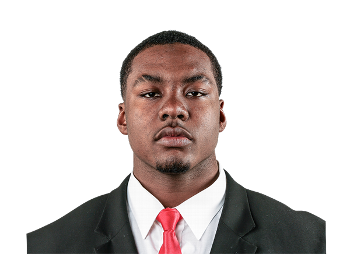
- Trevor Penning
Trevor Penning is a massive mauler with length who can bolster a team's left tackle position at the next level. He has an excellent first step in both run and passing sets combined with great athleticism and length. His time as a three-sport athlete in high school (football, basketball, and track) shows on his tape, where he displays quick feet and the ability to recover his leverage quickly while using his length, making it difficult to beat him around the edge. He has a solid anchor; defenders have a hard time moving Penning at the point of attack. He is an excellent run blocker, and he works hard on every play to push his man off the football. He plays with good range, and quick feet, has zero problems getting to the second level, and displays good lateral quickness for a 6-7 320 player. He needs to improve his hand placement; he can get caught with his levers pinching too far outside when he loses leverage. Improvement in his bend at the knees will help him exert more force at the point of attack. ← Back to NFL Draft Big Board Trevor Penning Northern Iowa HT: 6070 WT: 335 YR: JR POS: OT OVR RK 18 POS RK CEILING POTENTIAL 4 KEY STRENGTHS KEY CONCERNS PLAYSTYLE & SCHEME FIT Trevor Penning is a massive mauler with length who can bolster a team's left tackle position at the next level. He has an excellent first step in both run and passing sets combined with great athleticism and length. His time as a three-sport athlete in high school (football, basketball, and track) shows on his tape, where he displays quick feet and the ability to recover his leverage quickly while using his length, making it difficult to beat him around the edge. He has a solid anchor; defenders have a hard time moving Penning at the point of attack. He is an excellent run blocker, and he works hard on every play to push his man off the football. He plays with good range, and quick feet, has zero problems getting to the second level, and displays good lateral quickness for a 6-7 320 player. He needs to improve his hand placement; he can get caught with his levers pinching too far outside when he loses leverage. Improvement in his bend at the knees will help him exert more force at the point of attack. PLAYER COMPARISON: CEILING GRADE ANALYSIS Near Elite (70-74) A high-caliber prospect who is expected to become a significant contributor by Year 2. These players have outstanding physical tools and strong football IQ, with only minor flaws in their game. They demonstrate consistency at a high level and project as future Pro Bowl-caliber players if properly developed. Primary scout: Brandon Lundberg Football Scout 365 NFL Draft Grade Scale Football Scout 365 grades reflect a prospect’s projected long-term NFL value and role. Draft ranges are general value projections, not predictions of an exact selection. Positional value, team needs, scheme fit, medical information and athletic testing can influence where a player is ultimately selected. How Football Scout 365 Grades NFL Draft Prospects Elite (75+): A rare, high-impact prospect with elite physical tools, advanced football intelligence and the ability to make an immediate NFL impact. Elite prospects carry franchise-altering potential and typically project as top 5–10 selections in the first round. Near Elite (70–74): A high-caliber prospect with outstanding physical tools, strong football intelligence and only minor developmental limitations. Near Elite prospects project as significant early-career contributors with Pro Bowl upside and first-round draft value. High-End Starter Potential (65–69): A starting-caliber prospect with strong physical tools, quality technical skills and a defined NFL role. These players may require development before reaching their ceiling but generally carry second- or third-round draft value. Mid-Level Starter Potential (60–64): A solid prospect with NFL-level tools and a pathway to becoming a dependable starter if key limitations are addressed. These players generally carry third- to fifth-round draft value. Low-Level Starter Potential (55–59): A developmental prospect who could become a low-end starter, high-end backup or valuable specialist in the right role. These players generally carry fifth- to seventh-round draft value. Backup Level (50–54): A depth or rotational prospect with enough functional ability to compete for an NFL roster spot but limited long-term starting potential. These players generally project as late Day 3 selections or priority undrafted free agents. Not NFL Level (Below 50): A developmental or camp prospect who does not currently demonstrate enough consistency, technical refinement or functional NFL traits to project as a regular contributor. These players generally project as undrafted free agents, practice-squad candidates or camp invitations. Draft position can vary based on positional value, team needs, scheme fit, medical evaluation and athletic testing.
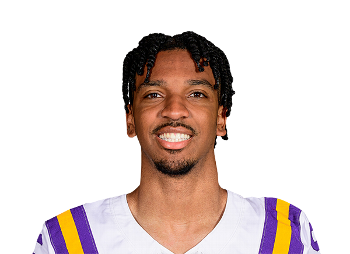
- Mykel Williams
Williams is a former five-star recruit who has steadily increased his playing time since his freshman year. He has showcased his ability to disrupt both the pass and run games. When aligned on the edge, he sets the edge effectively, using his long arms and strong hands to control offensive linemen. His quickness and power allow him to shoot gaps and penetrate the backfield when playing inside. However, he needs to improve his pad level to better hold the point of attack against interior offensive linemen and refine his pass rush plan to be more effective against NFL competition. ← Back to NFL Draft Big Board Mykel Williams Georgia HT: 6050 WT: 265 YR: JR POS: ED OVR RK 24 POS RK CEILING POTENTIAL 4 KEY STRENGTHS Positional Versatility Elite Physical Tools Run Defense KEY CONCERNS Pad Level Pass Rush Plan Hand Usage PLAYSTYLE & SCHEME FIT Mykel Williams is an alignment-versatile edge rusher who has all the physical tools to develop into a premier player in the NFL. His ability to play various positions along the defensive front makes him a valuable asset in multiple schemes. Williams has been utilized as a stand-up edge rusher, head-up over the center in a 0-tech, and in other roles within Georgia’s complex defensive scheme. His best fit in the NFL would be as a 4-3 defensive end or a 3-4 outside linebacker, where his athleticism and versatility can be maximized. PLAYER COMPARISON: CEILING GRADE ANALYSIS High-End Starter Potential (65-69) A player expected to become a top-tier starter within their first few years. They possess strong physical tools and good technical skills but may have some limitations in their game. With development, they can reach near-elite levels and provide consistent impact at their position. Primary scout: Brandon Lundberg Football Scout 365 NFL Draft Grade Scale Football Scout 365 grades reflect a prospect’s projected long-term NFL value and role. Draft ranges are general value projections, not predictions of an exact selection. Positional value, team needs, scheme fit, medical information and athletic testing can influence where a player is ultimately selected. How Football Scout 365 Grades NFL Draft Prospects Elite (75+): A rare, high-impact prospect with elite physical tools, advanced football intelligence and the ability to make an immediate NFL impact. Elite prospects carry franchise-altering potential and typically project as top 5–10 selections in the first round. Near Elite (70–74): A high-caliber prospect with outstanding physical tools, strong football intelligence and only minor developmental limitations. Near Elite prospects project as significant early-career contributors with Pro Bowl upside and first-round draft value. High-End Starter Potential (65–69): A starting-caliber prospect with strong physical tools, quality technical skills and a defined NFL role. These players may require development before reaching their ceiling but generally carry second- or third-round draft value. Mid-Level Starter Potential (60–64): A solid prospect with NFL-level tools and a pathway to becoming a dependable starter if key limitations are addressed. These players generally carry third- to fifth-round draft value. Low-Level Starter Potential (55–59): A developmental prospect who could become a low-end starter, high-end backup or valuable specialist in the right role. These players generally carry fifth- to seventh-round draft value. Backup Level (50–54): A depth or rotational prospect with enough functional ability to compete for an NFL roster spot but limited long-term starting potential. These players generally project as late Day 3 selections or priority undrafted free agents. Not NFL Level (Below 50): A developmental or camp prospect who does not currently demonstrate enough consistency, technical refinement or functional NFL traits to project as a regular contributor. These players generally project as undrafted free agents, practice-squad candidates or camp invitations. Draft position can vary based on positional value, team needs, scheme fit, medical evaluation and athletic testing.
- 2026 NFL Mock Draft: Dexter Lawrence Trade Shakes Up Top 10; Ty Simpson to Arizona?
2026 NFL Mock Draft: Dexter Lawrence Trade Shakes Up Top 10; Ty Simpson to Arizona? The 2026 NFL Draft is a needs-driven class with a lot of starter value throughout. Quarterback is not strong beyond the top two names, Fernando Mendoza and Ty Simpson, and running back could dry up quickly after the Notre Dame duo of Jeremiyah Love and Jadarian Price come off the board. But for teams looking for inside-outside offensive line versatility, edge rushers, versatile linebackers, and quality No. 2 and No. 3 wide receivers, this is the kind of draft where key needs can be addressed, and rosters can be strengthened. The trade market in this draft feels active, and we could see multiple deals before or during it, starting on Day 1. We already saw one major move the weekend before the draft, with the Giants sending defensive lineman Dexter Lawrence to the Bengals for the 10th overall pick. There are also strong indications that the Cardinals could look to move back from their top-five spot, and the Cowboys at No. 12 stand out as one potential trade partner. Arizona has also been widely linked to Alabama quarterback Ty Simpson, which only adds more intrigue to what they could do near the top of the board. In this final 2026 NFL Mock Draft, Football Scout 365 projects all 32 first-round picks using team needs, player evaluations, predictive mock draft trends, and league intel. Each selection also connects back to the new NFL Draft Hub, which features a full predictive mock draft, a Top 50 Big Board, written scouting reports, and individual player evaluation videos. The Final 2026 NFL Mock Draft 1. Las Vegas Raiders Projected Pick: Fernando Mendoza, QB, Indiana Why This Pick Fits: The Raiders are positioned to reset the franchise at quarterback, and Mendoza gives them a high-floor distributor with elite accuracy, anticipation, and poise from the pocket. Once quarterback is addressed, Las Vegas can use its strong early capital to build around him at wide receiver and defensive tackle. 2. New York Jets Projected Pick: Arvell Reese, LB, Ohio State Why This Pick Fits: Reese gives the Jets a true front-seven chess piece with the size, power, and versatility to impact the game as an off-ball linebacker and pressure defender. New York still has enough capital after this selection to circle back to wide receiver and quarterback depth. Note: The Jets could be a trade-back candidate for a team that loves David Bailey or Arvell Reese here. 3. Arizona Cardinals Projected Pick: David Bailey, ED, Texas Tech Why This Pick Fits: Arizona needs premium impact talent, and David Bailey gives the defense an explosive edge rusher with first-step burst, bend, and true finishing ability. Offensive line, quarterback, and safety remain major needs, but this adds a high-end disruptor to anchor the defensive reset. Note: Watch out for the Cardinals to be a team to trade back in this spot, especially if there is a team that loves David Bailey or Arvell Reese. 4. Tennessee Titans Projected Pick: Jeremiyah Love, RB, Notre Dame Why This Pick Fits: Tennessee needs more difference-making talent around its young offensive core, and Jeremiyah Love gives the offense an explosive centerpiece with home-run speed, receiving upside, and every-down value. Edge, wide receiver, and center still remain priorities, but adding a dynamic weapon here helps raise the ceiling of the unit. Note: The theme in this year's top 10 could be to trade back and gain draft capital in this draft or the 2027 draft. The Titans are a candidate to do just that. Again, if a certain player is available here and a team is in love, the Titans could seek to capitalize. 5. New York Giants Projected Pick: Sonny Styles, LB, Ohio State Why This Pick Fits: The Giants need more size, range, and toughness in the middle of the defense, and Sonny Styles gives them a versatile front-seven defender who can impact the run game and create alignment flexibility. Defensive tackle, guard, and cornerback remain important, but this addition would help reshape the identity of the defense. Note: I can see the Giants going offensive line, but would they be willing to pass up on a talented premium player in this draft class to gain more draft capital? The Giants are on the radar as a possible trade-back candidate. 6. Cleveland Browns Projected Pick: Carnell Tate, WR, Ohio State Why This Pick Fits: Cleveland needs more reliability and polish on the perimeter, and Carnell Tate gives the offense a receiver with advanced route detail, strong body control, and consistent catch-point production. Wide receiver is one of the clearest roster needs, and this move gives the Browns a steady target while they continue addressing tackle and quarterback long term. Note: I believe this is a possible trade-back spot for the Browns. They could go offensive line, but will they do it in this spot? I like Spencer Fano or Monroe Freeling. If they stay here, they go premium pick. 7. Washington Commanders Projected Pick: Rueben Bain Jr., ED, Miami Why This Pick Fits: Washington needs more high-end disruption off the edge, and Rueben Bain Jr. gives the defense a powerful, polished pass rusher with every-down value. Cornerback and wide receiver remain important needs, but this adds a premium defensive piece to raise the ceiling of the front. Note: The Commanders could use more picks in the class to fill more holes, and they are a prime trade-back target for teams looking to move into position to grab a WR, or one of the top offensive linemen. In addition, if Bain, Bailey, or Styles were to fall, they could be in the perfect position. 8. New Orleans Saints Projected Pick: Jermod McCoy, CB, Tennessee Why This Pick Fits: New Orleans has several realistic paths here, but Jermod McCoy gives the defense a high-upside corner with press-man ability, recovery speed, and long-term CB1 traits. Wide receiver and edge remain strong options, but this adds a premium coverage piece to a secondary that needs more long-term stability. Note: I think the Saints are in a good spot, and they could pivot a lot of different ways to fill needs. They could snag a top WR here. I have seen some Jordyn Tyson mocks to the Saints. They could go with Delane or McCoy here at corner. 9. Kansas City Chiefs Projected Pick: Spencer Fano, OT, Utah Why This Pick Fits: Kansas City can take the best available premium player here, and Spencer Fano gives the offense a high-floor tackle with starting versatility and long-term value. Edge, cornerback, and wide receiver remain clear needs, but this keeps the offensive line pipeline strong before the Chiefs pick again later in Round 1. Note: I went back and forth here with cornerback, WR or offensive line. I like Delane or McCoy in this spot, but the Chiefs are in a good spot to take the best available premium player here and then grab a need at the back end of round one. 10. New York Giants (via Cincinnati) Projected Pick: Caleb Downs, S, Ohio State Why This Pick Fits: The Giants now own two top-10 picks in this mock, giving them a chance to keep reshaping the roster with premium talent. After landing Sonny Styles earlier in the round, New York doubles down on defensive speed and versatility with Caleb Downs, one of the most instinctive and complete defenders in the class. 11. Miami Dolphins Projected Pick: Jordyn Tyson, WR, Arizona State Why This Pick Fits: Miami needs another high-end target in the passing game, and Jordyn Tyson gives the offense a polished, quarterback-friendly receiver with strong separation ability and catch-point consistency. Edge and cornerback still remain major needs, but this adds a needed playmaker to help structure the offense. Note: A lot of insiders believe Tyson could jump into the top 10 picks. Some speculate that the Giants are in contention, which is why they traded Dexter Lawrence to the Bengals for the 10th overall pick. 12. Dallas Cowboys Projected Pick: Mansoor Delane, CB, LSU Why This Pick Fits: Dallas still needs more long-term stability at cornerback, and Mansoor Delane gives the secondary a polished, scheme-versatile cover man with the movement skills, instincts, and competitive toughness to contribute early. Linebacker and edge remain important needs, but this adds a premium defensive piece to a cornerback room that still carries risk. Note: The Cowboys are in a spot where a trade-up could be possible. Speculation is that they really like David Bailey and Arvell Reese. They may have to part ways with picks 12 and 20 to get into the top 5. 13. Los Angeles Rams Projected Pick: Monroe Freeling, OT, Georgia Why This Pick Fits: The Rams need a long-term answer at right tackle, and Monroe Freeling gives them a traits-rich blocker with elite size, athleticism, and developmental starter upside. With Rob Havenstein retired and Warren McClendon in a contract year, this selection helps solidify an important long-term spot up front, while wide receiver and cornerback remain in play later. Note: Some believe Freeling has top-10 upside, and you can see it on tape. Many mocks have the Rams taking a WR here with the Puka Nacua off-field situation, but in this instance, I go tackle. 14. Baltimore Ravens Projected Pick: Olaivavega Ioane, IOL, Penn State Why This Pick Fits: Baltimore needs to re-establish stability on the interior offensive line, and Olaivavega Ioane gives the unit a powerful, high-floor presence built for physical downhill football. Defensive tackle and wide receiver still matter, but this fills the clearest immediate need with a plug-and-play option. 15. Tampa Bay Buccaneers Projected Pick: Kenyon Sadiq, TE, Oregon Why This Pick Fits: Tampa Bay can add more offensive versatility here, and Kenyon Sadiq gives the unit a dynamic tight end with three-down value, explosive receiving ability, and alignment flexibility. Edge and linebacker remain major needs, but this adds a matchup piece who fits the offense’s use of multiple-tight-end looks. 16. New York Jets Projected Pick: Makai Lemon, WR, USC Why This Pick Fits: With a second first-round pick, the Jets are in position to come back and address wide receiver, and Makai Lemon gives the offense a polished, high-volume target with strong separation skills and reliable hands. Quarterback and edge still remain part of the long-term plan, but this adds another needed weapon opposite Garrett Wilson. Note: Makai Lemon is projected anywhere from pick 8 to pick 25 in mock drafts. I have mocked him in the top 10, and this would be my lowest for Lemon. This would be a massive get for the Jets, who I have mocked a WR in this spot a few times. 17. Detroit Lions Projected Pick: Francis Mauigoa, OT, Miami Why This Pick Fits: Detroit still needs to reinforce the offensive line, and Francis Mauigoa gives the roster a powerful, athletic tackle with Day 1 starter traits and long-term upside. Edge and cornerback remain important needs, but keeping the front strong is central to the Lions’ roster identity. Note: This is quite the fall for Mauigoa, but the fit would be perfect considering Dan Campbell mentioned a potential Penei Sewell transition to left tackle. I had Proctor here at one point. There are some rumors circulating about Mauigoa's health, so I am looking into that. If the rumors are false, he is unlikely to fall this far. 18. Minnesota Vikings Projected Pick: Dillon Thieneman, S, Oregon Why This Pick Fits: Minnesota has to address key transition points on the roster, and Dillon Thieneman gives the defense an instinctive, versatile safety with strong three-down value. Center and wide receiver still remain in play, but this adds a long-term answer in the secondary with immediate role flexibility. Note: I know, just like everyone else, I go with the Harrison Smith style safety. I have seen mocks with WR in this spot, and I have seen Kenyon Sadiq. 19. Carolina Panthers Projected Pick: Omar Cooper Jr., WR, Indiana Why This Pick Fits: Carolina still needs another explosive playmaker in the passing game, and Omar Cooper Jr. gives the offense a compact, dynamic receiver with vertical juice and run-after-catch value. Safety and defensive line remain important needs, but this adds another needed weapon around the offense. 20. Dallas Cowboys Projected Pick: Akheem Mesidor, DL, Miami Why This Pick Fits: With a second first-round pick, Dallas can continue reinforcing the defense, and Akheem Mesidor gives the front a versatile pass rusher who can win outside or reduce inside. After adding Mansoor Delane at No. 12, this pick shifts the focus back to the defensive front while giving Dallas another disruptive piece with alignment flexibility. Note: I believe this is a spot a team like the Cardinals might look to move up to grab Ty Simpson. 21. Pittsburgh Steelers Projected Pick: Kadyn Proctor, OT, Alabama Why This Pick Fits: Pittsburgh has a real need for more long-term stability at tackle, and Kadyn Proctor gives the offense a high-upside blocker with rare size, power, and starting-caliber traits. Wide receiver, interior offensive line, and safety still remain in play, but this adds a premium talent to one of the roster’s most important long-term spots. Note: I believe this is a spot a team like the Cardinals might look to move up to grab Ty Simpson. Who knows, maybe the Steelers are quietly interested in Simpson. 22. Los Angeles Chargers Projected Pick: Keldric Faulk, ED, Auburn Why This Pick Fits: The Chargers need more long-term depth on the edge, and Keldric Faulk gives the front a powerful, versatile defender with immediate rotational value and starter upside. Interior offensive line still remains the bigger roster need, but this is strong value at a premium position with expiring contracts creating urgency. Note: Faulk is projected to go anywhere between 12th and early day two, depending on the source. I think this is the sweet spot. 23. Philadelphia Eagles Projected Pick: Denzel Boston, WR, Washington Why This Pick Fits: Philadelphia can add another big-bodied target to the passing game, and Denzel Boston gives the offense a physical boundary receiver with ball skills, catch-point toughness, and red-zone value. Edge, offensive line, and tight end remain important needs, but this adds a reliable perimeter option with starting upside. Note: The AJ Brown trade rumors are fueling this pick. 24. Cleveland Browns Projected Pick: Blake Miller, OT, Clemson Why This Pick Fits: Cleveland still needs a long-term answer at tackle, and Blake Miller gives the offensive line an experienced, starting-caliber blocker with the movement skills to develop into a steady presence up front. Wide receiver and quarterback remain major priorities, but this addresses one of the roster’s clearest needs with a premium position investment. 25. Chicago Bears Projected Pick: Kayden McDonald, IDL, Ohio State Why This Pick Fits: Chicago still needs more size and strength up front, and Kayden McDonald gives the defensive line a powerful interior presence with run-stopping value and long-term upside. Edge, safety, and center remain important needs, but this adds another needed piece to the front. 26. Buffalo Bills Projected Pick: T.J. Parker, ED, Clemson Why This Pick Fits: Buffalo needs a long-term edge presence opposite Greg Rousseau, and T.J. Parker gives the front a power-based rusher with strong hands, edge-setting ability, and starter upside. Linebacker and wide receiver remain important needs, but this addresses a premium position with a high-floor defender. 27. San Francisco 49ers Projected Pick: Max Iheanachor, OT, Arizona State Why This Pick Fits: San Francisco still has long-term questions in the trenches, and Max Iheanachor gives the offense a traits-heavy tackle with movement skills that fit the scheme. Safety and edge remain in play, but this adds a high-upside offensive line piece with developmental starter potential. 28. Houston Texans Projected Pick: Peter Woods, IDL, Clemson Why This Pick Fits: Houston still needs more disruption on the interior, and Peter Woods gives the front an explosive defensive tackle with rare first-step quickness and one-gap penetration ability. Offensive line and cornerback depth remain important, but this adds a premium interior defender to pair with an already talented edge group. 29. Kansas City Chiefs Projected Pick: Chris Johnson, CB, San Diego State Why This Pick Fits: With a second first-round pick, Kansas City can add more long-term stability in the secondary, and Chris Johnson gives the defense an instinctive, productive corner with strong ball skills and zone-match ability. Edge, wide receiver, and defensive tackle remain priorities, but this adds another coverage piece to a roster still built to contend. 30. Miami Dolphins Projected Pick: Malachi Lawrence, ED, UCF Why This Pick Fits: After addressing wide receiver earlier with Jordyn Tyson, Miami can turn back to the defensive front with Malachi Lawrence, an ascending edge rusher with prototypical size, length, and explosive get-off. Cornerback remains in play, but this gives the Dolphins another pressure piece with the rush polish and pro traits to develop into a consistent impact defender. Note: Miami's aggressive, blitz-heavy scheme under Hafley allows Lawrence to maximize his elite athleticism while developing his weaknesses in a rotational role. Lawrence is projected to go on day two, but he is quickly rising up draft boards. I also believe the Dolphins could trade back here and potentially get Lawrence early on day two. 31. New England Patriots Projected Pick: KC Concepcion, WR, Texas A&M Why This Pick Fits: New England needs more quick-separating talent in the passing game, and KC Concepcion gives the offense immediate burst, slot flexibility, and run-after-catch value. Offensive line and edge remain important needs, but this adds a quarterback-friendly target who can uncover quickly for an offense that needs more easy-access throws. Note: The Patriots have a clear trade-back opportunity in this mock. With the Cardinals and Jets sitting at picks 33 and 34, New England could move down a few spots and still land KC Concepcion or one of the top linebackers, such as Jacob Rodriguez. This feels like a realistic spot where a trade could happen. 32. Seattle Seahawks Projected Pick: Colton Hood, CB, Tennessee Why This Pick Fits: Seattle could be tempted by running back here, but this spot also profiles as a realistic trade-back window. If the Seahawks stay put, Colton Hood gives them a competitive inside-outside corner with playmaking ability, physicality, and scheme versatility. He adds depth and long-term stability to a secondary built to contend. Note: The Super Bowl champs are being mocked to take an RB, EDGE, or CB here in some cases. All are valid needs. I can also see the Seahawks trading out of this spot, especially with teams like the Jets at No. 33 and Cardinals at No. 34 positioned to move up for Ty Simpson. Teams without a day one pick in the 2026 NFL Draft 41. Cincinnati Bengals Projected Pick: Jacob Rodriguez, LB, Texas Tech Why This Pick Fits: Cincinnati can use Day 2 to keep addressing the front seven, and Jacob Rodriguez gives the defense an instinctive, productive linebacker with strong range and playmaking ability. Defensive tackle, offensive tackle, and wide receiver still remain important needs, but this adds another active defender to the middle of the unit. 47. Indianapolis Colts Projected Pick: Derrick Moore, ED, Michigan Why This Pick Fits: Indianapolis still needs more juice off the edge, and Derrick Moore gives the front a power-based rusher with starting upside and strong developmental value. Linebacker and wide receiver remain important needs, but this adds another needed piece to a defense that is clearly prioritizing speed and disruption up front. 48. Atlanta Falcons Projected Pick: Christen Miller, IDL, Georgia Why This Pick Fits: Atlanta needs more size and power in the middle of the defense, and Christen Miller gives the front a disruptive interior presence with scheme versatility and strong run-defense value. Linebacker and wide receiver still remain important, but this helps reinforce the identity they are trying to build. 52. Green Bay Packers Projected Pick: Keith Abney II, CB, Arizona State Why This Pick Fits: Green Bay still needs more long-term stability in the secondary, and Keith Abney II gives the defense an instinctive, competitive corner with scheme versatility and strong ball-production traits. Edge and offensive line depth still remain in play, but this adds needed competition to the back end. 56. Jacksonville Jaguars Projected Pick: Keionte Scott, CB, Miami Why This Pick Fits: Jacksonville still needs more speed and disruption on defense, and Keionte Scott gives the unit a versatile sub-package defender who can blitz, trigger downhill, and create energy in the secondary. Defensive tackle, edge, and linebacker remain the clearer needs, but this adds a movable defensive piece with immediate role value. 62. Denver Broncos Projected Pick: Josiah Trotter, LB, Missouri Why This Pick Fits: Denver still needs more stability at linebacker, and Josiah Trotter gives the defense an instinctive downhill presence with strong run-game urgency and physicality. Tight end remains the bigger offensive need, but this adds a tone-setting front-seven piece to a defense that still needs second-level help.
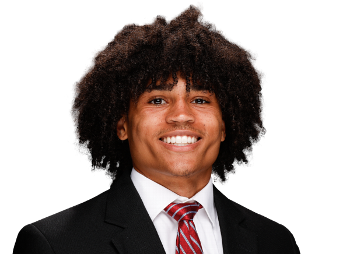
- Jayden Daniels
Daniels's dynamic play style and pocket presence, combined with his remarkable athleticism, present a unique dual-threat capability. His Heisman-winning season at LSU underlines his evolution and potential as a top-tier NFL quarterback. Concerns remain regarding his physicality and decision-making as a runner, but his arm strength and accuracy position him as a highly desirable prospect. He has been compared to Joe Burrow and Lamar Jackson, both of whom are excellent passers from within the pocket, with Lamar Jackson providing the dual-threat comparison that you hope Daniels can ascend to. ← Back to NFL Draft Big Board Jayden Daniels LSU HT: 6030 WT: 200 YR: SR POS: QB OVR RK 23 POS RK CEILING POTENTIAL 4 KEY STRENGTHS Athleticism Accuracy Strong Arm KEY CONCERNS Reckless Runner Trust Your Structure Lean Frame PLAYSTYLE & SCHEME FIT Daniels is a dual-threat quarterback, combining top-tier mobility and improvisational skills with solid passing ability. His play style is suited for modern RPO (Run-Pass Option) offenses and systems that value mobility and off-script playmaking. He has shown an ability to extend plays with his legs while maintaining downfield vision for big plays. PLAYER COMPARISON: CEILING GRADE ANALYSIS High-End Starter Potential (65-69) A player expected to become a top-tier starter within their first few years. They possess strong physical tools and good technical skills but may have some limitations in their game. With development, they can reach near-elite levels and provide consistent impact at their position. Primary scout: Brandon Lundberg Football Scout 365 NFL Draft Grade Scale Football Scout 365 grades reflect a prospect’s projected long-term NFL value and role. Draft ranges are general value projections, not predictions of an exact selection. Positional value, team needs, scheme fit, medical information and athletic testing can influence where a player is ultimately selected. How Football Scout 365 Grades NFL Draft Prospects Elite (75+): A rare, high-impact prospect with elite physical tools, advanced football intelligence and the ability to make an immediate NFL impact. Elite prospects carry franchise-altering potential and typically project as top 5–10 selections in the first round. Near Elite (70–74): A high-caliber prospect with outstanding physical tools, strong football intelligence and only minor developmental limitations. Near Elite prospects project as significant early-career contributors with Pro Bowl upside and first-round draft value. High-End Starter Potential (65–69): A starting-caliber prospect with strong physical tools, quality technical skills and a defined NFL role. These players may require development before reaching their ceiling but generally carry second- or third-round draft value. Mid-Level Starter Potential (60–64): A solid prospect with NFL-level tools and a pathway to becoming a dependable starter if key limitations are addressed. These players generally carry third- to fifth-round draft value. Low-Level Starter Potential (55–59): A developmental prospect who could become a low-end starter, high-end backup or valuable specialist in the right role. These players generally carry fifth- to seventh-round draft value. Backup Level (50–54): A depth or rotational prospect with enough functional ability to compete for an NFL roster spot but limited long-term starting potential. These players generally project as late Day 3 selections or priority undrafted free agents. Not NFL Level (Below 50): A developmental or camp prospect who does not currently demonstrate enough consistency, technical refinement or functional NFL traits to project as a regular contributor. These players generally project as undrafted free agents, practice-squad candidates or camp invitations. Draft position can vary based on positional value, team needs, scheme fit, medical evaluation and athletic testing.
- 2026 NFL Draft Early Declarations: How the Process Works and Why It Matters
2026 NFL Draft Early Declarations: How the Process Works and Why It Matters As the college football postseason begins, the 2026 NFL Draft evaluation cycle officially shifts into its early-declaration phase. For NFL scouts, front offices, and draft analysts, this is the point in the calendar where the class begins to crystallize — as underclassmen make the definitive decision to forgo remaining eligibility and enter the draft. Rather than serving as a live declaration tracker, this article is designed to explain the early declaration process, outline key eligibility rules and deadlines, and provide context on how early entrants shape the overall draft landscape. For readers looking to track real-time declaration updates, the NFL maintains an official underclassmen tracker, which can be found here: 2026 NFL Draft Underclassmen Tracker 2026 NFL Draft: Eligibility and Early Declaration Rules When Is the 2026 NFL Draft? The 91st NFL Draft will be held April 23–25, 2026, in Pittsburgh, Pennsylvania. Who Is Eligible to Enter the 2026 NFL Draft? A prospect becomes eligible for the NFL Draft once three years have passed since their high school graduating class. That includes: Players who have exhausted their collegiate eligibility Underclassmen (redshirt sophomores or juniors) who declare for special eligibility, forfeiting remaining NCAA eligibility From a scouting perspective, early entrants typically fall into one of three evaluation profiles: Clear Day 1–Day 2 projections Premium-position players (QB, EDGE, CB, OT, WR) with strong trait baselines Scheme-specific or role-defined prospects whose draft value has likely peaked Early Declaration Deadlines for Underclassmen The NFL now uses multiple declaration deadlines to accommodate postseason participation: January 5, 2026 - Early deadline allowing underclassmen to declare in time for college all-star game eligibility. January 14, 2026 - Traditional declaration deadline for most underclassmen. January 23, 2026 - Extended deadline for underclassmen competing in the College Football Playoff National Championship. *Once a player officially declares, that decision is irrevocable. How Early Declarations Shape the 2026 Draft Class Early declarations are one of the most influential structural forces in the draft cycle. They directly affect: Positional depth across the class All-star game invitations and practice exposure NFL Combine invite thresholds Day 2 vs. Day 3 clustering Return-to-school decisions for fringe prospects From a front-office lens, many early entrants already carry preliminary grades based on fall film. Declaring early often signals confidence that additional college reps are unlikely to materially improve draft positioning. What to Watch as the Process Continues Over the coming weeks, the 2026 NFL Draft landscape will continue to take shape with: Additional underclassmen declarations Senior Bowl and Shrine Bowl acceptances CFP-related deadline decisions Early medical and background evaluations Clearer separation at premium positions
- Why Shedeur Sanders’ Draft Slide Matches His Scouting Grade and Preseason Performance
Why Shedeur Sanders’ Draft Slide Matches His Scouting Grade and Preseason Performance Shedeur Sanders earned a spot on the Browns’ 53-man roster as QB4 after an up-and-down preseason. While social media chatter points to collusion as the reason for his draft slide, the reality is far less dramatic. Sanders’ mid-level starter scouting grade projected him as a potential Day 3 pick, and his preseason play has reinforced both the strengths and weaknesses outlined in his evaluation. In this analysis, we’ll revisit Sanders’ pre-draft scouting report, explain how his grade aligned with his fifth-round draft slot, and break down why he currently sits as the Browns’ fourth quarterback despite flashing first-round upside at Colorado. Scouting Grade and Draft Spot Alignment Football Scout 365 graded Shedeur Sanders in the Mid-Level Starter Potential tier. This range typically projects to the 4th–5th round, describing quarterbacks who flash starting-caliber tools but require multiple years of refinement. That tier is defined by: Solid, dependable starter potential – Sanders’ accuracy, pocket poise, processing, and leadership fit this mold. We saw it at Colorado and again in his Week 1 preseason performance (14/23, 138 yards, 2 TDs, 106.8 passer rating). Good but non-elite traits – With a sturdy 6’2” 215 frame and functional mobility, Sanders is solid physically, but his average arm strength and pocket-management flaws capped his ceiling. Notable weaknesses requiring development – The report flagged his sack-taking, pocket drift, and “hero ball” instincts. These weaknesses showed up in his Week 3 preseason struggles (sacked five times, -27 yards). QB Value and Board Ranking Quarterback is the most valuable position in football, and at Football Scout 365 our weighted draft value model reflects that. Even with a raw scouting grade in the Mid-Level Starter Potential tier (a Day 3 floor), Sanders was ranked as a late 1st–early 2nd rounder on our board because of QB positional value and NFL team needs. Why? Positional Value Multiplier: Quarterbacks with even modest starter potential are elevated on the board because of their outsized impact on wins, roster construction, and cap allocation. Upside Potential: Sanders’ polish as a pocket passer and his ability to process at a high level created a scenario where, if his weaknesses improved, he could exceed his raw grade and become a long-term starter. Draft Reality: While the grade itself suggested a Day 3 outcome, the positional weight and upside justified a top-32 board ranking. At the end of the day, the raw grade can still be justified by what we’ve seen so far—the flashes of starter-caliber play alongside the developmental gaps. The Controversy on X: Why the Slide Felt Contentious Despite the alignment of grade and draft slot, Sanders’ slide became one of the most debated storylines of draft weekend. Perceived Bias or Collusion: Claims from figures like Eric Dickerson (@Eric_Dickerson) alleged teams were “told not to draft” Sanders, suggesting his slide was politically tied to his profile, his father Deion Sanders’ influence, or his confident persona. Fans highlighted his résumé: highest CFB completion percentage in 2024, top-5 deep ball metrics, and a sharp Week 1 debut (106.8 passer rating). Counterpoint: The FS365 scouting report backs this view: Sanders’ lack of elite traits and tendency to take sacks made him a developmental prospect, not an immediate starter. Critical Analysis: The conspiracy chatter is more noise than substance. His grade + preseason tape provide a clear, football-based rationale for why he lasted until Day 3, even if his board ranking was inflated by positional value. Scout and Analyst Divide Critics: (@firstroundmock) had Sanders graded as undraftable, citing poor pocket discipline and mindset. His five-sack outing vs. the Rams gave ammo to this camp. Supporters: Voices like Dan Orlovsky praised his mechanics and confidence after Week 1, highlighting traits that suggest starting potential if developed properly. Fans pointed to his NFL pedigree and leadership, two of his scouting strengths. Where the Report Lands: FS365’s report bridges the gap. It validated Sanders’ strengths (accuracy, processing, poise) while warning of the exact weaknesses (sack-taking, hero ball) that resurfaced in preseason. His 5th-round slot reflected this balance: not undraftable, but not Day 1 ready either. Preseason Performance: A Mirror of the Scouting Report Week 1 vs. Carolina (Aug. 8, 2025) Stat line: 14/23, 138 yds, 2 TDs, 106.8 passer rating Strengths Validated: Accuracy and anticipation on both TD throws; poise to deliver under duress on a 30-yard completion. Weaknesses Evident: Took two sacks due to drifting; arm strength was functional, not overpowering. Reaction: Praise from LeBron James and Orlovsky on X, tempered by critics noting near-INTs. Week 3 vs. Los Angeles Rams (Aug. 23, 2025) Stat line: -27 yds, five sacks, no TDs Strengths Validated: Toughness—never quit, kept trying to extend plays. Weaknesses Exposed: Pocket drift, indecisiveness, and hero-ball instincts directly led to sacks. Reaction: Fans and media piled on, highlighting his lack of awareness, while some defended him, citing OL breakdowns. Result: His preseason showed the duality of his evaluation: high-level flashes with costly lapses—exactly what the scouting grade forecasted. Why the Grade Matches the Draft Spot Strengths Support Starter Potential: Week 1 displayed his upside as a timing-based distributor who can lead drives and thrive in a structured scheme. Weaknesses Justify the Slide: Week 3 revealed the developmental curve still ahead, consistent with a “2–3 year projection” tier. QB Value Context: His board ranking as a late 1st-rounder was driven by positional weight and upside. But the raw grade was always more reflective of his true risk/reward profile, and that’s what the draft ultimately followed. No Evidence of Bias: The alignment between grade, draft slot, and preseason tape points to football reasons, not conspiracy theories. Cleveland’s Development Plan and the Bigger Picture Shedeur Sanders’ journey from a late first-round projection on our value-adjusted board to a fifth-round pick and QB4 on the Browns’ roster is best explained by scouting evidence, not conspiracy. His grade (Mid-Level Starter Potential) placed him in the potential Day 3 range, with positional value and upside driving his board ranking higher. The preseason confirmed both sides of the evaluation: the accuracy, poise, and processing that suggest starter potential, and the sack-taking, pocket drift, and hero-ball tendencies that demand time and coaching. The Browns’ decision to keep four quarterbacks shows they see the same thing—developmental risk paired with real long-term upside. Strip away the noise, and Sanders’ draft slide wasn’t collusion; it was the scouting report playing out in real time.
- 404 | Football Scout 365
There’s Nothing Here... We can’t find the page you’re looking for. Check the URL, or head back home. Go Home
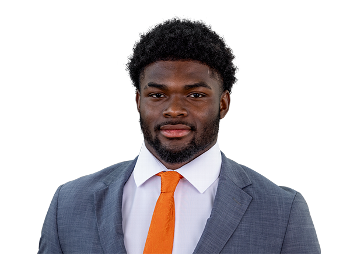
- Dillon Thieneman
← Back to NFL Draft Big Board Dillon Thieneman Oregon HT: 6000 WT: 207 YR: JR POS: S OVR RK 19 POS RK CEILING POTENTIAL KEY STRENGTHS Coverage Instincts Alignment Versatility Play Speed & Effort KEY CONCERNS Man-Coverage Play Strength Angle Discipline PLAYSTYLE & SCHEME FIT Thieneman is a savvy, instinctive, multi-alignment safety with high-end starter potential and plus value on all three downs. He wins with very good positional speed, explosiveness, and outstanding coverage instincts, allowing him to impact games from depth, the slot, or robber alignments. While he lacks elite short-area agility and true enforcer power, his football IQ, range, and relentless pursuit make him an ideal fit for modern, multiple defenses that emphasize disguise, zone coverage, and post-snap rotation. PLAYER COMPARISON: CEILING GRADE ANALYSIS High-End Starter Potential (65-69) A player expected to become a top-tier starter within their first few years. They possess strong physical tools and good technical skills but may have some limitations in their game. With development, they can reach near-elite levels and provide consistent impact at their position. Primary scout: Brandon Lundberg Football Scout 365 NFL Draft Grade Scale Football Scout 365 grades reflect a prospect’s projected long-term NFL value and role. Draft ranges are general value projections, not predictions of an exact selection. Positional value, team needs, scheme fit, medical information and athletic testing can influence where a player is ultimately selected. How Football Scout 365 Grades NFL Draft Prospects Elite (75+): A rare, high-impact prospect with elite physical tools, advanced football intelligence and the ability to make an immediate NFL impact. Elite prospects carry franchise-altering potential and typically project as top 5–10 selections in the first round. Near Elite (70–74): A high-caliber prospect with outstanding physical tools, strong football intelligence and only minor developmental limitations. Near Elite prospects project as significant early-career contributors with Pro Bowl upside and first-round draft value. High-End Starter Potential (65–69): A starting-caliber prospect with strong physical tools, quality technical skills and a defined NFL role. These players may require development before reaching their ceiling but generally carry second- or third-round draft value. Mid-Level Starter Potential (60–64): A solid prospect with NFL-level tools and a pathway to becoming a dependable starter if key limitations are addressed. These players generally carry third- to fifth-round draft value. Low-Level Starter Potential (55–59): A developmental prospect who could become a low-end starter, high-end backup or valuable specialist in the right role. These players generally carry fifth- to seventh-round draft value. Backup Level (50–54): A depth or rotational prospect with enough functional ability to compete for an NFL roster spot but limited long-term starting potential. These players generally project as late Day 3 selections or priority undrafted free agents. Not NFL Level (Below 50): A developmental or camp prospect who does not currently demonstrate enough consistency, technical refinement or functional NFL traits to project as a regular contributor. These players generally project as undrafted free agents, practice-squad candidates or camp invitations. Draft position can vary based on positional value, team needs, scheme fit, medical evaluation and athletic testing.
- Zabien Brown
← Back to NFL Draft Big Board Zabien Brown Alabama HT: 6000 WT: 194 YR: JR POS: CB OVR RK 37 POS RK CEILING POTENTIAL CB5 High-End Starter Potential KEY STRENGTHS Press disruption Catch-point competitiveness Run support KEY CONCERNS Route recognition Break-point reactions Ball Skills PLAYSTYLE & SCHEME FIT Zabien Brown is a physical boundary corner whose profile is built on route disruption, competitive coverage, and willingness to contribute against the run. He fits best in a defense that mixes press-man and zone-match concepts, allowing him to challenge releases and use positioning to contest throws. The concern is whether his route recognition and reactions at the break become consistent enough to prevent receivers from creating separation before he can recover. His starting pathway depends on cleaner transitions through route changes and more reliable interception finishing, while maintaining the tackling effort and physical coverage approach that support his outside role. PLAYER COMPARISON: CEILING GRADE ANALYSIS High-End Starter Potential (65-69) A player expected to become a top-tier starter within their first few years. They possess strong physical tools and good technical skills but may have some limitations in their game. With development, they can reach near-elite levels and provide consistent impact at their position. Primary scout: Brandon Lundberg Football Scout 365 NFL Draft Grade Scale Football Scout 365 grades reflect a prospect’s projected long-term NFL value and role. Draft ranges are general value projections, not predictions of an exact selection. Positional value, team needs, scheme fit, medical information and athletic testing can influence where a player is ultimately selected. How Football Scout 365 Grades NFL Draft Prospects Elite (75+): A rare, high-impact prospect with elite physical tools, advanced football intelligence and the ability to make an immediate NFL impact. Elite prospects carry franchise-altering potential and typically project as top 5–10 selections in the first round. Near Elite (70–74): A high-caliber prospect with outstanding physical tools, strong football intelligence and only minor developmental limitations. Near Elite prospects project as significant early-career contributors with Pro Bowl upside and first-round draft value. High-End Starter Potential (65–69): A starting-caliber prospect with strong physical tools, quality technical skills and a defined NFL role. These players may require development before reaching their ceiling but generally carry second- or third-round draft value. Mid-Level Starter Potential (60–64): A solid prospect with NFL-level tools and a pathway to becoming a dependable starter if key limitations are addressed. These players generally carry third- to fifth-round draft value. Low-Level Starter Potential (55–59): A developmental prospect who could become a low-end starter, high-end backup or valuable specialist in the right role. These players generally carry fifth- to seventh-round draft value. Backup Level (50–54): A depth or rotational prospect with enough functional ability to compete for an NFL roster spot but limited long-term starting potential. These players generally project as late Day 3 selections or priority undrafted free agents. Not NFL Level (Below 50): A developmental or camp prospect who does not currently demonstrate enough consistency, technical refinement or functional NFL traits to project as a regular contributor. These players generally project as undrafted free agents, practice-squad candidates or camp invitations. Draft position can vary based on positional value, team needs, scheme fit, medical evaluation and athletic testing.
- Jaylen Waddle
Waddle is a versatile athlete; he can line up anywhere on the field. He is by far the most difficult player to defend in the 2021 NFL Draft. DB's struggle to get their hands on him at the line of scrimmage, and while in coverage, they often are left behind in his wake. His route running ability and precise cuts allow him to get separation from DB's. Unlike Ruggs (many compare to Ruggs), Waddle is not just a straight-line speed player who relies on downfield throws; he is effective at all levels displaying great hands, and can high point the football with ease. He might be the next Tyreek Hill in the NFL (not a comp, or even a guarantee); Waddle is an undersized player yet possesses top-level NFL WR traits. It would be best if you always had an extra set of eyes on him (help defender). Waddle wins one on one with ease. Waddle could quickly become the top WR in this draft once we look back in hindsight. ← Back to NFL Draft Big Board Jaylen Waddle Alabama HT: 5010 WT: 182 YR: JR POS: WR OVR RK 7 POS RK CEILING POTENTIAL 3 KEY STRENGTHS KEY CONCERNS PLAYSTYLE & SCHEME FIT Waddle is a versatile athlete; he can line up anywhere on the field. He is by far the most difficult player to defend in the 2021 NFL Draft. DB's struggle to get their hands on him at the line of scrimmage, and while in coverage, they often are left behind in his wake. His route running ability and precise cuts allow him to get separation from DB's. Unlike Ruggs (many compare to Ruggs), Waddle is not just a straight-line speed player who relies on downfield throws; he is effective at all levels displaying great hands, and can high point the football with ease. He might be the next Tyreek Hill in the NFL (not a comp, or even a guarantee); Waddle is an undersized player yet possesses top-level NFL WR traits. It would be best if you always had an extra set of eyes on him (help defender). Waddle wins one on one with ease. Waddle could quickly become the top WR in this draft once we look back in hindsight. PLAYER COMPARISON: CEILING GRADE ANALYSIS Near Elite (70-74) A high-caliber prospect who is expected to become a significant contributor by Year 2. These players have outstanding physical tools and strong football IQ, with only minor flaws in their game. They demonstrate consistency at a high level and project as future Pro Bowl-caliber players if properly developed. Primary scout: Brandon Lundberg Football Scout 365 NFL Draft Grade Scale Football Scout 365 grades reflect a prospect’s projected long-term NFL value and role. Draft ranges are general value projections, not predictions of an exact selection. Positional value, team needs, scheme fit, medical information and athletic testing can influence where a player is ultimately selected. How Football Scout 365 Grades NFL Draft Prospects Elite (75+): A rare, high-impact prospect with elite physical tools, advanced football intelligence and the ability to make an immediate NFL impact. Elite prospects carry franchise-altering potential and typically project as top 5–10 selections in the first round. Near Elite (70–74): A high-caliber prospect with outstanding physical tools, strong football intelligence and only minor developmental limitations. Near Elite prospects project as significant early-career contributors with Pro Bowl upside and first-round draft value. High-End Starter Potential (65–69): A starting-caliber prospect with strong physical tools, quality technical skills and a defined NFL role. These players may require development before reaching their ceiling but generally carry second- or third-round draft value. Mid-Level Starter Potential (60–64): A solid prospect with NFL-level tools and a pathway to becoming a dependable starter if key limitations are addressed. These players generally carry third- to fifth-round draft value. Low-Level Starter Potential (55–59): A developmental prospect who could become a low-end starter, high-end backup or valuable specialist in the right role. These players generally carry fifth- to seventh-round draft value. Backup Level (50–54): A depth or rotational prospect with enough functional ability to compete for an NFL roster spot but limited long-term starting potential. These players generally project as late Day 3 selections or priority undrafted free agents. Not NFL Level (Below 50): A developmental or camp prospect who does not currently demonstrate enough consistency, technical refinement or functional NFL traits to project as a regular contributor. These players generally project as undrafted free agents, practice-squad candidates or camp invitations. Draft position can vary based on positional value, team needs, scheme fit, medical evaluation and athletic testing.
- 2024 NFL Draft: Best Prospects Still Available Ahead Of Day Two
2024 NFL Draft: Best Prospects Still Available Ahead Of Day Two Entering Day 2 of the draft, here are the best available players, according to our NFL Draft Big Board player rankings. There is a lot of talent available ahead of day two of the 2024 NFL Draft. After a QB- and OL-heavy day one, several high-level prospects are still available, including some that could have been drafted on day one. 10). Cooper DeJean, CB, Iowa Ideal for zone and off-man schemes. Versatile enough for various alignments including boundary, slot, and possibly field safety. Known for explosive athleticism and rapid closing speed. 19). Kool-Aid McKinstry, CB, Alabama Excellent in zone coverage; utilizes length to disrupt passes. Skilled in bump and run. Known for physicality and solid tackling. Fits well in complex zone systems. 20). Adonai Mitchell, WR, Texas Excels in deep routes with strong hands and route-running. Ideal for vertical threat schemes needing receivers to create separation and make big plays downfield. 28). Ladd McConkey, WR, Georgia Known for route-running precision and creating separation. Excels in the slot with quickness and understanding of defenses. Fits well in a spread offense, leveraging open-field abilities. 29). Troy Franklin, WR, Oregon Speed, athleticism, and ball skills make him ideal for a West Coast offense or schemes using short passes and screens. Compared to receivers like Devonta Smith and Chris Olave. 31). Mike Sainristil, CB, Michigan Adept in nickel and press coverage. Quickness and athleticism enable effective coverage of slot receivers and contribute in various secondary roles. 33). Payton Wilson, LB, NC State Versatile, high-energy linebacker suited for aggressive, swarming defensive schemes. Excels in run stopping and pass coverage with sideline-to-sideline speed. 34). Jer'Zhan Newton, IDL, Illinois Best fit as a 3-tech in hybrid fronts. Known for explosive athleticism and refined hand technique. Suited for modern, versatile defensive schemes. 35). Jackson Powers-Johnson, IOL, Oregon Excels in a zone-based running scheme with advanced footwork and lateral movement. High football IQ makes him ideal for schemes that value versatility and the center's role as an on-field coordinator. 36). Chris Braswell, ED, Alabama Dynamic edge rusher with explosiveness and agility. Strength in pass rush scenarios. Fits well in schemes that utilize edge rushers in aggressive pass-rush scenarios. 39). Roman Wilson, WR, Michigan Characterized by vertical threat capability, ideal for offensive schemes that leverage speed and deep passing plays. Room for expansion in the short and intermediate game. 40). Braden Fiske, IDL, Florida State Excels as a three-technique in a 4-3 defense, primarily as an interior pass rusher. Needs improvement in run defense but is agile and active with hands in pass rush scenarios. 41). Cole Bishop, S, Utah Fluid in movement with quick directional changes, well-suited for a free safety role in versatile defensive schemes. Needs to improve tackling and positioning. 42). Ruke Orhorhoro, IDL, Clemson Versatile defender, fits well as a defensive end in a 3-4 defense or various other defensive schemes. Known for run stopping and pressure on the quarterback through power and explosiveness. 43). Zach Frazier, IOL, West Virginia Powerful and technically proficient, thrives in a gap scheme focusing on run blocking. Ideal for offenses emphasizing power running, though less suited for extensive movement required in zone schemes. 46). Ennis Rakestraw Jr., CB, Missouri Instinctive in man coverage with effective press-man technique. Excels in changing direction and flipping hips seamlessly, fitting well in schemes that leverage man coverage and instinctive play. 47). Keon Coleman, WR, Florida State Physical and aggressive at the catch point with strong hands. Effective in contested catch scenarios and as an X receiver in schemes that value physicality. 49). Kris Jenkins, IDL, Michigan Robust and effective in run-stopping scenarios, suited for a 3-4 scheme as a nose tackle or 4-3 defensive tackle. Needs refinement in pass-rushing skills and versatility. 50). Tyler Nubin, S, Minnesota Physical with strong run defense instincts. Ideal for roles that leverage run-stopping abilities, potentially as a zone slot/nickel safety or in two-high safety alignments. 51). Michael Hall Jr., IDL, Ohio StateIdeal as a three-technique on an even line with one-gap principles. Known for explosiveness and leveraging length into power. Needs improvement in pass-rushing technique and hand placement. 53). Blake Corum, RB, Michigan Dynamic, compact running back suited for a zone-blocking scheme. Excels with vision and agility, effective in between-the-tackles runs. Solid pass protection skills make him a viable three-down back. 54). Ben Sinnott, TE, Kansas State Versatile F-tight-end able to play in-line, in the backfield, or split out as a receiver. Effective pass catcher and blocker, suitable for various roles in the NFL. 55). Christian Mahogany, IOL, Boston College Capable of thriving in any offensive scheme with power, technique, and athleticism. Effective at moving to the second level and handling stunts and twists. Ideal for teams that prioritize physicality in the trenches. 56). T'Vondre Sweat, IDL, Texas Strong run-stopper, best suited for schemes prioritizing run defense. Potential as a rotational, two-down player with room for development in pass-rushing techniques. 57). Tez Walker, WR, North Carolina Thrives as a vertical threat with speed and size to dominate on deep routes. Ideal for a vertical passing offense looking for dynamic playmakers to stretch the field. 58). Khyree Jackson, CB, Oregon Long, athletic cornerback ideal for man-to-man defensive schemes. Excels in press coverage, leveraging exceptional length to disrupt routes. Notable for aggressive physicality against the run. 59). Christian Haynes, IOL, Connecticut Excels in wide zone blocking schemes with exceptional technique and athleticism. Best suited for offenses prioritizing mobility and space creation in offensive linemen. 60). Kingsley Suamataia, OT, BYU A formidable blocker with significant reach and a strong base, excels in both run blocking and pass protection. Versatile, fitting well in both zone and power run schemes. 61). Max Melton, CB, Rutgers Physical, agile cornerback excellent in man-to-man coverage and versatile enough for zone schemes. Solid in run support, making him a well-rounded prospect for various defensive roles. 62). Adisa Isaac, ED, Penn State Best utilized in schemes that emphasize agility and pass rush technique, particularly as a designated pass rusher. Fits well in hybrid defenses with potential in creative defensive fronts. 63). Junior Colson, LB, MichiganVersatile linebacker effective in run defense and pass coverage. Ideal for a 4-3 defensive scheme, using speed and agility to cover a wide range of the field and make plays.
- Harold Fannin Jr.
Harrold Fannin Jr. has the potential to be a solid contributor at the NFL level. His strength, blocking ability, and reliable hands are his primary assets. While he may not possess elite athleticism, his versatility and football IQ make him a valuable player in various offensive schemes. He could develop into a dependable starter or a high-quality backup tight end. ← Back to NFL Draft Big Board Harold Fannin Jr. Bowling Green HT: 6040 WT: 230 YR: JR POS: TE OVR RK 89 POS RK CEILING POTENTIAL 5 KEY STRENGTHS Excellent Route Runner Reliable Hands Versatility KEY CONCERNS Size Concerns Blocking Strength Limited Frame Growth PLAYSTYLE & SCHEME FIT Fannin Jr. is a versatile, athletic pass-catching tight end who projects best as a move TE or power slot at the next level. His route running, ball skills, and YAC ability make him a dynamic receiving threat. However, his size and blocking limitations will prevent him from being a traditional in-line TE. He fits best in an offense that prioritizes flex TEs and mismatch weapons, such as the Chiefs, Dolphins, or 49ers. With further refinement, he has the potential to develop into a high-end TE2 or low-end TE1 in a creative passing offense. PLAYER COMPARISON: CEILING GRADE ANALYSIS Mid-Level Starter Potential (60-64) A solid, dependable starter with the potential to exceed expectations. They have good athleticism and tools but may lack elite traits. While they show flashes of high-level play, they also have some notable weaknesses that must be developed. These players often need 2-3 years to establish themselves. Primary scout: Brandon Lundberg Football Scout 365 NFL Draft Grade Scale Football Scout 365 grades reflect a prospect’s projected long-term NFL value and role. Draft ranges are general value projections, not predictions of an exact selection. Positional value, team needs, scheme fit, medical information and athletic testing can influence where a player is ultimately selected. How Football Scout 365 Grades NFL Draft Prospects Elite (75+): A rare, high-impact prospect with elite physical tools, advanced football intelligence and the ability to make an immediate NFL impact. Elite prospects carry franchise-altering potential and typically project as top 5–10 selections in the first round. Near Elite (70–74): A high-caliber prospect with outstanding physical tools, strong football intelligence and only minor developmental limitations. Near Elite prospects project as significant early-career contributors with Pro Bowl upside and first-round draft value. High-End Starter Potential (65–69): A starting-caliber prospect with strong physical tools, quality technical skills and a defined NFL role. These players may require development before reaching their ceiling but generally carry second- or third-round draft value. Mid-Level Starter Potential (60–64): A solid prospect with NFL-level tools and a pathway to becoming a dependable starter if key limitations are addressed. These players generally carry third- to fifth-round draft value. Low-Level Starter Potential (55–59): A developmental prospect who could become a low-end starter, high-end backup or valuable specialist in the right role. These players generally carry fifth- to seventh-round draft value. Backup Level (50–54): A depth or rotational prospect with enough functional ability to compete for an NFL roster spot but limited long-term starting potential. These players generally project as late Day 3 selections or priority undrafted free agents. Not NFL Level (Below 50): A developmental or camp prospect who does not currently demonstrate enough consistency, technical refinement or functional NFL traits to project as a regular contributor. These players generally project as undrafted free agents, practice-squad candidates or camp invitations. Draft position can vary based on positional value, team needs, scheme fit, medical evaluation and athletic testing.