Search Results
Search this site
1757 results found with an empty search
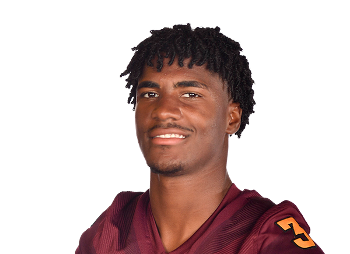
- Rachaad White
In a draft class with good depth at RB and without an elite all-around player, Rachaad White provides a glimmer of hope as a player who possesses a similar play style to Najee Harris. At 6-2, 210lbs, he possesses good size, he is a taller back, but he runs with good lean and is one of the more creative runners in the class. His vision and ability to create yards after contact are notable, but scouts will be looking at his three-down versatility during Senior Bowl practices. We believe White is the best pass catcher in this class of RB's. ← Back to NFL Draft Big Board Rachaad White Arizona State HT: 6020 WT: 210 YR: SR POS: RB OVR RK 77 POS RK CEILING POTENTIAL 5 KEY STRENGTHS KEY CONCERNS PLAYSTYLE & SCHEME FIT In a draft class with good depth at RB and without an elite all-around player, Rachaad White provides a glimmer of hope as a player who possesses a similar play style to Najee Harris. At 6-2, 210lbs, he possesses good size, he is a taller back, but he runs with good lean and is one of the more creative runners in the class. His vision and ability to create yards after contact are notable, but scouts will be looking at his three-down versatility during Senior Bowl practices. We believe White is the best pass catcher in this class of RB's. PLAYER COMPARISON: CEILING GRADE ANALYSIS High-End Starter Potential (65-69) A player expected to become a top-tier starter within their first few years. They possess strong physical tools and good technical skills but may have some limitations in their game. With development, they can reach near-elite levels and provide consistent impact at their position. Primary scout: Brandon Lundberg Football Scout 365 NFL Draft Grade Scale Football Scout 365 grades reflect a prospect’s projected long-term NFL value and role. Draft ranges are general value projections, not predictions of an exact selection. Positional value, team needs, scheme fit, medical information and athletic testing can influence where a player is ultimately selected. How Football Scout 365 Grades NFL Draft Prospects Elite (75+): A rare, high-impact prospect with elite physical tools, advanced football intelligence and the ability to make an immediate NFL impact. Elite prospects carry franchise-altering potential and typically project as top 5–10 selections in the first round. Near Elite (70–74): A high-caliber prospect with outstanding physical tools, strong football intelligence and only minor developmental limitations. Near Elite prospects project as significant early-career contributors with Pro Bowl upside and first-round draft value. High-End Starter Potential (65–69): A starting-caliber prospect with strong physical tools, quality technical skills and a defined NFL role. These players may require development before reaching their ceiling but generally carry second- or third-round draft value. Mid-Level Starter Potential (60–64): A solid prospect with NFL-level tools and a pathway to becoming a dependable starter if key limitations are addressed. These players generally carry third- to fifth-round draft value. Low-Level Starter Potential (55–59): A developmental prospect who could become a low-end starter, high-end backup or valuable specialist in the right role. These players generally carry fifth- to seventh-round draft value. Backup Level (50–54): A depth or rotational prospect with enough functional ability to compete for an NFL roster spot but limited long-term starting potential. These players generally project as late Day 3 selections or priority undrafted free agents. Not NFL Level (Below 50): A developmental or camp prospect who does not currently demonstrate enough consistency, technical refinement or functional NFL traits to project as a regular contributor. These players generally project as undrafted free agents, practice-squad candidates or camp invitations. Draft position can vary based on positional value, team needs, scheme fit, medical evaluation and athletic testing.
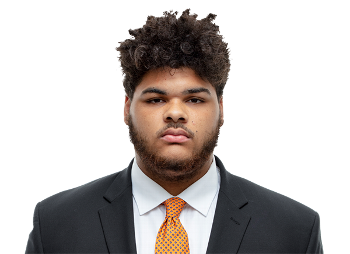
- Darnell Wright
Wright has excellent size and length for an offensive tackle, standing at 6'6" and weighing around 330 pounds. He has long arms and a wide frame, which gives him good natural strength. Wright also has good athleticism for his size, with good quickness and agility. Wright is a technically sound offensive tackle, with good hand placement and timing. He has a strong initial punch and can reset his hands effectively to maintain his blocks. Wright understands leverage and possesses great anchor strength in the running game, which helps him create movement at the line of scrimmage. He is a good finisher, driving his man downfield and staying engaged until the whistle. However, he could improve his overall consistency and footwork in pass protection. ← Back to NFL Draft Big Board Darnell Wright Tennessee HT: 6060 WT: 335 YR: SR POS: OT OVR RK 16 POS RK CEILING POTENTIAL 3 KEY STRENGTHS Length Hand Use Strength KEY CONCERNS Range In Run Game Tight Hips Bend PLAYSTYLE & SCHEME FIT PLAYER COMPARISON: CEILING GRADE ANALYSIS Near Elite (70-74) A high-caliber prospect who is expected to become a significant contributor by Year 2. These players have outstanding physical tools and strong football IQ, with only minor flaws in their game. They demonstrate consistency at a high level and project as future Pro Bowl-caliber players if properly developed. Primary scout: Brandon Lundberg Football Scout 365 NFL Draft Grade Scale Football Scout 365 grades reflect a prospect’s projected long-term NFL value and role. Draft ranges are general value projections, not predictions of an exact selection. Positional value, team needs, scheme fit, medical information and athletic testing can influence where a player is ultimately selected. How Football Scout 365 Grades NFL Draft Prospects Elite (75+): A rare, high-impact prospect with elite physical tools, advanced football intelligence and the ability to make an immediate NFL impact. Elite prospects carry franchise-altering potential and typically project as top 5–10 selections in the first round. Near Elite (70–74): A high-caliber prospect with outstanding physical tools, strong football intelligence and only minor developmental limitations. Near Elite prospects project as significant early-career contributors with Pro Bowl upside and first-round draft value. High-End Starter Potential (65–69): A starting-caliber prospect with strong physical tools, quality technical skills and a defined NFL role. These players may require development before reaching their ceiling but generally carry second- or third-round draft value. Mid-Level Starter Potential (60–64): A solid prospect with NFL-level tools and a pathway to becoming a dependable starter if key limitations are addressed. These players generally carry third- to fifth-round draft value. Low-Level Starter Potential (55–59): A developmental prospect who could become a low-end starter, high-end backup or valuable specialist in the right role. These players generally carry fifth- to seventh-round draft value. Backup Level (50–54): A depth or rotational prospect with enough functional ability to compete for an NFL roster spot but limited long-term starting potential. These players generally project as late Day 3 selections or priority undrafted free agents. Not NFL Level (Below 50): A developmental or camp prospect who does not currently demonstrate enough consistency, technical refinement or functional NFL traits to project as a regular contributor. These players generally project as undrafted free agents, practice-squad candidates or camp invitations. Draft position can vary based on positional value, team needs, scheme fit, medical evaluation and athletic testing.
- Jesse Luketa
← Back to NFL Draft Big Board Jesse Luketa Penn State HT: 6030 WT: 247 YR: SR POS: ED OVR RK 75 POS RK CEILING POTENTIAL 13 KEY STRENGTHS KEY CONCERNS PLAYSTYLE & SCHEME FIT PLAYER COMPARISON: CEILING GRADE ANALYSIS Mid-Level Starter Potential (60-64) A solid, dependable starter with the potential to exceed expectations. They have good athleticism and tools but may lack elite traits. While they show flashes of high-level play, they also have some notable weaknesses that must be developed. These players often need 2-3 years to establish themselves. Primary scout: Brandon Lundberg Football Scout 365 NFL Draft Grade Scale Football Scout 365 grades reflect a prospect’s projected long-term NFL value and role. Draft ranges are general value projections, not predictions of an exact selection. Positional value, team needs, scheme fit, medical information and athletic testing can influence where a player is ultimately selected. How Football Scout 365 Grades NFL Draft Prospects Elite (75+): A rare, high-impact prospect with elite physical tools, advanced football intelligence and the ability to make an immediate NFL impact. Elite prospects carry franchise-altering potential and typically project as top 5–10 selections in the first round. Near Elite (70–74): A high-caliber prospect with outstanding physical tools, strong football intelligence and only minor developmental limitations. Near Elite prospects project as significant early-career contributors with Pro Bowl upside and first-round draft value. High-End Starter Potential (65–69): A starting-caliber prospect with strong physical tools, quality technical skills and a defined NFL role. These players may require development before reaching their ceiling but generally carry second- or third-round draft value. Mid-Level Starter Potential (60–64): A solid prospect with NFL-level tools and a pathway to becoming a dependable starter if key limitations are addressed. These players generally carry third- to fifth-round draft value. Low-Level Starter Potential (55–59): A developmental prospect who could become a low-end starter, high-end backup or valuable specialist in the right role. These players generally carry fifth- to seventh-round draft value. Backup Level (50–54): A depth or rotational prospect with enough functional ability to compete for an NFL roster spot but limited long-term starting potential. These players generally project as late Day 3 selections or priority undrafted free agents. Not NFL Level (Below 50): A developmental or camp prospect who does not currently demonstrate enough consistency, technical refinement or functional NFL traits to project as a regular contributor. These players generally project as undrafted free agents, practice-squad candidates or camp invitations. Draft position can vary based on positional value, team needs, scheme fit, medical evaluation and athletic testing.
- 2024 NFL Draft Position Rankings: Top 5 Running Backs | Pre NFL Combine
2024 NFL Draft Position Rankings: Top 5 Running Backs | Pre NFL Combine We are entering the next stage of the NFL Draft player rankings process. As always, I start with the top 5 quarterbacks (QB), running backs (RB), and wide receivers (WR) before diving into the updated offensive line and top ten defender grades. Click Here: Check out the Football Scout 365 NFL Draft Big Board top 100 player rankings. We evaluate every player using a proprietary grading process that involves film evaluation combined with advanced data. On the back end, our scouting process mirrors the same process deployed by current NFL front-office personnel so that we can deliver the most in-depth player scouting reports available. All of this is currently free (subject to change). Each player scouting report includes: In-depth player scouting report Play Style and Scheme Fit Analysis Player Strengths & Weaknesses Player Comparisons The Top 5 RB's The top 5 RBs, according to our updated 2024 NFL Draft Big Board player rankings, ranked ahead of the 2024 NFL Combine. (1) Jonathon Brooks, Texas Ranking Analysis: Jonathon Brooks' 2023 season was remarkable until he succumbed to a season-ending injury. Before the injury, he amassed 1,135 rushing yards on 187 attempts. Brooks has shown the ability to manage a significant workload effectively. Overall, he possesses good vision as a runner and solid contact balance. When he locates daylight, he takes advantage. His adaptability as a receiver, with 25 receptions for 286 yards, emphasizes his all-around game. His proficiency in an inside zone scheme is highlighted by his impressive yards after contact and a rushing grade that solidifies his NFL potential. Play Style/Scheme: Ideal for inside zone schemes, Brooks leverages his size and agility to navigate through defenses. Draft Projections Projected NFL Draft Round: Mid-Level (Typically rounds 4-5) Consensus Overall Pick #: 76th NFL Teams Mocked: Packers, Cowboys, Vikings Grade Analysis: Mid-level starter Potential with the ability to exceed expectations and become a solid contributor. (2) Blake Corum, Michigan Ranking Analysis: Blake Corum's consistent performance at Michigan, achieving an 84.0 PFF grade in 2023, demonstrates his capability as a dynamic running back. Accumulating 1,245 yards on 258 carries, Corum's agility and vision are his standout traits. His lower center of gravity, balance through contact, and an 83.1 rushing grade make him an effective runner in between the tackles, highlighting his fit in a zone or gap-based blocking scheme. Play Style/Scheme: Can thrive in any scheme, zone, or gap. Draft Projections Projected NFL Draft Round: Early (Typically rounds 2-3) Consensus Overall Pick #: 59th NFL Teams Mocked: Cowboys, Ravens, Saints, Eagles Grade Analysis: High-End Starter Potential indicating readiness to become a significant contributor in the NFL. (3) Jaylen Wright, Tennessee Ranking Analysis: Jaylen Wright's standout 2023 season at Tennessee, marked by a near-elite PFF grade, highlights his efficiency and dynamic playmaking ability. With 1,010 rushing yards from 136 attempts and an expanded receiving role, Wright's versatility and open-field effectiveness are accentuated by his PFF metrics, including a notable elusive rating and yards after contact per attempt. Play Style/Scheme: Fits schemes that leverage his speed and receiving skills, emphasizing his utility in space. Draft Projections Projected NFL Draft Round: 5th Consensus Overall Pick #: 163rd NFL Teams Mocked: Panthers, Bears, Packers Grade Analysis: Mid-Level Starter Potential, with significant upside in a scheme that maximizes his abilities. (4) Trey Benson, Florida State Ranking Analysis: Trey Benson's powerful running style at Florida State is highlighted by his 2023 season, where he posted a solid PFF grade. His physicality and ability to power through tackles are underscored by a notable PFF elusive rating and his effectiveness in gaining yards after contact is exactly what you want in a RB. Play Style/Scheme: Suited for schemes that value power running and versatility, Benson's style translates well to the NFL. Draft Projections Projected NFL Draft Round: Mid-Level (Typically rounds 4-5) Consensus Overall Pick #: 70th NFL Teams Mocked: Bengals, Packers, Cowboys, Browns Grade Analysis: Mid-Level Starter Potential, indicating the capacity for significant contribution and development into a reliable NFL starter. (5) Bucky Irving, Oregon Ranking Analysis: Bucky Irving's dynamic versatility at Oregon showcases his potential as a multifaceted running back. Irving's 1,192 rushing yards on 186 attempts and his receiving output highlight his dual-threat capability. His performance, including a high PFF rushing grade and an exceptional elusive rating, emphasizes his ability in open space and as a receiver out of the backfield. Play Style/Scheme: Irving shines in schemes that utilize his speed and agility, making him a valuable asset in both the running and passing game. Draft Projections Projected NFL Draft Round: Mid-Level (Typically rounds 4-5) Consensus Overall Pick #: Bills, Commanders, Patriots Grade Analysis: Mid-Level Starter Potential, with the skill set to outperform expectations and contribute significantly in a versatile role.
- Chris Bell NFL Draft Scouting Report
Chris Bell NFL Draft Scouting Report 2026 NFL Draft Scouting Report: Louisville WR Chris Bell Chris Bell is one of the most physically dominant wide receivers in college football — a 6’2”, 220-pound playmaker whose blend of vertical acceleration, strength, and after-catch explosiveness makes him a nightmare matchup on the perimeter. A senior leader for Louisville, Bell has grown into one of the most complete receivers in the ACC, thriving as a chain-mover and big-play threat across multiple alignments. Film Summary Bell’s film showcases an aggressive, power-based receiver who attacks defenders with intent. He accelerates quickly off the line, stacking cornerbacks with stride length and using his dense frame to shield the catch point. His ability to maintain balance through contact stands out — Bell routinely breaks tackles after the catch, turning slants and drags into explosive gains. While his hands can be inconsistent, his concentration and physicality compensate in contested situations. Bell is fearless working across the middle, where his toughness and willingness to absorb contact make him a reliable option on third downs. Though not the most fluid route runner, he leverages his size and tempo to separate and uses smart body positioning to win late in routes. Ideal Scheme Fit Bell fits best in West Coast and play-action offenses that emphasize in-breaking routes, schemed touches, and play strength after the catch. Key Strengths Explosive YAC ability: Turns short throws into big gains with power and acceleration. Physical route runner: Plays with controlled aggression and leverage through contact. Contested catch dominance: Wins 50/50 balls and finishes in traffic. Versatility: Capable of lining up inside or outside to exploit mismatches. Developmental Areas Hand consistency: Occasional traps and double clutches limit reliability. Lateral flexibility: Stiff through breaks, reducing separation vs. press corners. Blocking effort: Needs better hand placement and sustain technique. Grade and Projection Summary Football Scout 365 Grade: Near Elite Powerful, efficient receiver with elite contact balance and vertical burst. Ceiling Grade: Near Elite Pro Bowl-caliber potential with continued development in hand discipline and route fluidity. NFL Draft Projection: Late Round 1 – Early Round 2 Pro Comparison: A.J. Brown / Deebo Samuel / Michael Pittman Jr. — combines Brown’s physicality, Samuel’s RAC explosiveness, and Pittman’s possession-to-YAC versatility. Final Analysis Chris Bell projects as a complete NFL receiver with a rare mix of physicality, explosiveness, and toughness. His ability to dominate through contact and create after the catch makes him a natural fit for modern offenses built on spacing and rhythm. With refinement to his hand usage and route transitions, Bell’s ceiling reaches into WR1 territory. He enters the 2026 NFL Draft as one of the most pro-ready wideouts in the class.
- 404 | Football Scout 365
There’s Nothing Here... We can’t find the page you’re looking for. Check the URL, or head back home. Go Home
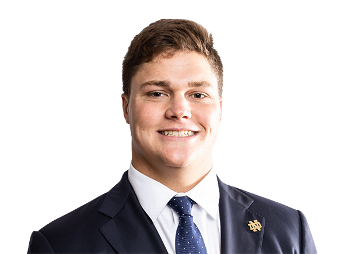
- Joe Alt
Joe Alt showcases exceptional balance, flexibility, and strength, which allow him to stymie rushers effectively. His instinctive blocking and quick reaction speed contribute to his high performance in both run and pass blocking. Despite needing some improvement in maintaining strength after contact and sealing defenders, his overall skill set makes him a highly regarded prospect for the NFL Draft. His draft projection is very high, considered a top-five prospect and the top offensive tackle in the 2024 NFL Draft class by many scouts. He is expected to make an immediate impact in the NFL and has the potential to develop into a franchise left tackle. ← Back to NFL Draft Big Board Joe Alt Notre Dame HT: 6070 WT: 318 YR: JR POS: OT OVR RK 7 POS RK CEILING POTENTIAL 1 KEY STRENGTHS Athleticism Size Lateral Agility KEY CONCERNS Balance Issues Late Hands Leverage PLAYSTYLE & SCHEME FIT Joe Alt showcases a rare blend of size, length, and athleticism that makes him a formidable force in both pass protection and run blocking. His ability to maintain excellent recovery balance and keep his equilibrium throughout plays demonstrates his high level of adaptability and technical refinement. This combination of skills makes him an ideal candidate for any team seeking a franchise left tackle, especially those that utilize zone-based schemes where his mobility and skill in engaging defenders at the second level can be fully utilized. PLAYER COMPARISON: CEILING GRADE ANALYSIS Near Elite (70-74) A high-caliber prospect who is expected to become a significant contributor by Year 2. These players have outstanding physical tools and strong football IQ, with only minor flaws in their game. They demonstrate consistency at a high level and project as future Pro Bowl-caliber players if properly developed. Primary scout: Brandon Lundberg Football Scout 365 NFL Draft Grade Scale Football Scout 365 grades reflect a prospect’s projected long-term NFL value and role. Draft ranges are general value projections, not predictions of an exact selection. Positional value, team needs, scheme fit, medical information and athletic testing can influence where a player is ultimately selected. How Football Scout 365 Grades NFL Draft Prospects Elite (75+): A rare, high-impact prospect with elite physical tools, advanced football intelligence and the ability to make an immediate NFL impact. Elite prospects carry franchise-altering potential and typically project as top 5–10 selections in the first round. Near Elite (70–74): A high-caliber prospect with outstanding physical tools, strong football intelligence and only minor developmental limitations. Near Elite prospects project as significant early-career contributors with Pro Bowl upside and first-round draft value. High-End Starter Potential (65–69): A starting-caliber prospect with strong physical tools, quality technical skills and a defined NFL role. These players may require development before reaching their ceiling but generally carry second- or third-round draft value. Mid-Level Starter Potential (60–64): A solid prospect with NFL-level tools and a pathway to becoming a dependable starter if key limitations are addressed. These players generally carry third- to fifth-round draft value. Low-Level Starter Potential (55–59): A developmental prospect who could become a low-end starter, high-end backup or valuable specialist in the right role. These players generally carry fifth- to seventh-round draft value. Backup Level (50–54): A depth or rotational prospect with enough functional ability to compete for an NFL roster spot but limited long-term starting potential. These players generally project as late Day 3 selections or priority undrafted free agents. Not NFL Level (Below 50): A developmental or camp prospect who does not currently demonstrate enough consistency, technical refinement or functional NFL traits to project as a regular contributor. These players generally project as undrafted free agents, practice-squad candidates or camp invitations. Draft position can vary based on positional value, team needs, scheme fit, medical evaluation and athletic testing.
- Kellen Diesch
← Back to NFL Draft Big Board Kellen Diesch Arizona State HT: 6070 WT: 300 YR: SR POS: IOL OVR RK 85 POS RK CEILING POTENTIAL 4 KEY STRENGTHS KEY CONCERNS PLAYSTYLE & SCHEME FIT PLAYER COMPARISON: CEILING GRADE ANALYSIS Mid-Level Starter Potential (60-64) A solid, dependable starter with the potential to exceed expectations. They have good athleticism and tools but may lack elite traits. While they show flashes of high-level play, they also have some notable weaknesses that must be developed. These players often need 2-3 years to establish themselves. Primary scout: Brandon Lundberg Football Scout 365 NFL Draft Grade Scale Football Scout 365 grades reflect a prospect’s projected long-term NFL value and role. Draft ranges are general value projections, not predictions of an exact selection. Positional value, team needs, scheme fit, medical information and athletic testing can influence where a player is ultimately selected. How Football Scout 365 Grades NFL Draft Prospects Elite (75+): A rare, high-impact prospect with elite physical tools, advanced football intelligence and the ability to make an immediate NFL impact. Elite prospects carry franchise-altering potential and typically project as top 5–10 selections in the first round. Near Elite (70–74): A high-caliber prospect with outstanding physical tools, strong football intelligence and only minor developmental limitations. Near Elite prospects project as significant early-career contributors with Pro Bowl upside and first-round draft value. High-End Starter Potential (65–69): A starting-caliber prospect with strong physical tools, quality technical skills and a defined NFL role. These players may require development before reaching their ceiling but generally carry second- or third-round draft value. Mid-Level Starter Potential (60–64): A solid prospect with NFL-level tools and a pathway to becoming a dependable starter if key limitations are addressed. These players generally carry third- to fifth-round draft value. Low-Level Starter Potential (55–59): A developmental prospect who could become a low-end starter, high-end backup or valuable specialist in the right role. These players generally carry fifth- to seventh-round draft value. Backup Level (50–54): A depth or rotational prospect with enough functional ability to compete for an NFL roster spot but limited long-term starting potential. These players generally project as late Day 3 selections or priority undrafted free agents. Not NFL Level (Below 50): A developmental or camp prospect who does not currently demonstrate enough consistency, technical refinement or functional NFL traits to project as a regular contributor. These players generally project as undrafted free agents, practice-squad candidates or camp invitations. Draft position can vary based on positional value, team needs, scheme fit, medical evaluation and athletic testing.
- Rome Odunze
Odunze's combination of size, speed, and elite ball skills, along with his proven track record as a reliable target, suggests he has the potential to be a Day 1 starter and evolve into a top-flight WR1 in the NFL. His adaptability and physical attributes will enable him to fit into any offensive scheme, making him a valuable asset for teams looking for a dynamic and impactful wide receiver. ← Back to NFL Draft Big Board Rome Odunze Washington HT: 6030 WT: 212 YR: JR POS: WR OVR RK 4 POS RK CEILING POTENTIAL 2 KEY STRENGTHS Play Strength After The Catch Contested Catches KEY CONCERNS Work On Double Moves Route Running Detail Run Block Effort PLAYSTYLE & SCHEME FIT Odunze's versatility allows him to play both in the slot and out wide, making him a valuable asset to any NFL offense. He is particularly skilled in making contested catches and using his body to shield defenders, a trait that will serve him well against the physicality of NFL cornerbacks. His ability to operate as a high-volume target means he can be a reliable option in critical situations. PLAYER COMPARISON: CEILING GRADE ANALYSIS Elite (75+) A rare, high-impact prospect with the potential to be an instant NFL star. These players possess elite physical tools, high-level athleticism, and exceptional football intelligence. Their game is polished, showing minimal weaknesses, and they can dominate at their position from day one. They routinely accomplish what seems impossible and are viewed as franchise-altering talents. Primary scout: Brandon Lundberg Football Scout 365 NFL Draft Grade Scale Football Scout 365 grades reflect a prospect’s projected long-term NFL value and role. Draft ranges are general value projections, not predictions of an exact selection. Positional value, team needs, scheme fit, medical information and athletic testing can influence where a player is ultimately selected. How Football Scout 365 Grades NFL Draft Prospects Elite (75+): A rare, high-impact prospect with elite physical tools, advanced football intelligence and the ability to make an immediate NFL impact. Elite prospects carry franchise-altering potential and typically project as top 5–10 selections in the first round. Near Elite (70–74): A high-caliber prospect with outstanding physical tools, strong football intelligence and only minor developmental limitations. Near Elite prospects project as significant early-career contributors with Pro Bowl upside and first-round draft value. High-End Starter Potential (65–69): A starting-caliber prospect with strong physical tools, quality technical skills and a defined NFL role. These players may require development before reaching their ceiling but generally carry second- or third-round draft value. Mid-Level Starter Potential (60–64): A solid prospect with NFL-level tools and a pathway to becoming a dependable starter if key limitations are addressed. These players generally carry third- to fifth-round draft value. Low-Level Starter Potential (55–59): A developmental prospect who could become a low-end starter, high-end backup or valuable specialist in the right role. These players generally carry fifth- to seventh-round draft value. Backup Level (50–54): A depth or rotational prospect with enough functional ability to compete for an NFL roster spot but limited long-term starting potential. These players generally project as late Day 3 selections or priority undrafted free agents. Not NFL Level (Below 50): A developmental or camp prospect who does not currently demonstrate enough consistency, technical refinement or functional NFL traits to project as a regular contributor. These players generally project as undrafted free agents, practice-squad candidates or camp invitations. Draft position can vary based on positional value, team needs, scheme fit, medical evaluation and athletic testing.
- 2027 NFL Draft Big Board: Jeremiah Smith Leads Top 50 Prospect Rankings
2027 NFL Draft Big Board: Jeremiah Smith Leads Top 50 Prospect Rankings The 2027 NFL Draft cycle is still early, but summer scouting gives us the first real checkpoint for stacking the top prospects in the class. This early Summer Big Board ranks the top 50 prospects entering the 2026 college football season, led by Ohio State wide receiver Jeremiah Smith, South Carolina EDGE Dylan Stewart, Texas EDGE Colin Simmons, and Notre Dame cornerback Leonard Moore. The rankings blend film evaluation, positional value, NFL traits, projected scheme fit, and long-term starter upside. NFL Draft Hub Is Live The full Football Scout 365 NFL Draft Hub is now live, giving readers one place to explore the 2027 NFL Draft class through the Enhanced Big Board, full player scouting reports, player grades, player comparisons, video analysis, team needs analysis, prospect rankings, scheme-fit projections, and predictive mock draft data. This Summer Top 50 Big Board serves as the overview, while the Draft Hub provides the deeper player-by-player and team-by-team breakdown. 2027 NFL Draft Summer Big Board: Top 50 Prospect Rankings Elite Tier Top 5-10 Picks, 1st Round The Elite Tier is reserved for rare prospects with franchise-altering traits, immediate NFL impact ability, and the skill set to become one of the defining players at their position. 1). Jeremiah Smith | WR | Ohio State Jeremiah Smith is the clear top prospect in the 2027 NFL Draft class, projecting as a true NFL WR1 with rare size, vertical speed, body control, and ball skills. Near Elite Tier Top 10-32 Picks, 1st Round The Near Elite Tier is reserved for high-end prospects with premium NFL traits, early starter potential, and Pro Bowl-caliber upside. These players have a clear first-round profile, but still need to answer one or two key development questions before reaching true top-of-board status. 2). Dylan Stewart | ED | South Carolina From wide alignments, Stewart has the rare first-step explosiveness, bend, length, and closing burst to project as a high-impact NFL pass rusher. 3). Colin Simmons | ED | Texas Few edge rushers in the class offer Simmons’ blend of burst, cornering flexibility, strip-sack production, and early-impact pass-rush upside. 4). Leonard Moore | CB | Notre Dame Moore checks the CB1 boxes with length, route recognition, ball skills, outside coverage instincts, and the profile to fit zone-match or multiple coverage systems. 5). David Stone | IDL | Oklahoma Stone brings an explosive three-tech profile built around first-step quickness, play strength, run-game disruption, and interior pocket-pushing ability. 6). Cam Coleman | WR | Texas Coleman has the boundary WR1 traits NFL teams covet, with size, vertical speed, catch radius, and contested-catch ability to stress coverage outside. 7). Ryan Coleman-Williams | WR | Alabama Built around release quickness, vertical speed, tracking ability, and YAC value, Coleman-Williams profiles as an explosive field-stretching Z receiver. 8). Trevor Goosby | OT | Texas With his length, foot quickness, and pass-protection range, Goosby projects as a left tackle with clear starter-level upside in a zone-heavy system. 9). Ellis Robinson IV | CB | Georgia Robinson offers a high-end outside corner profile built on length, instincts, ball skills, and the coverage versatility to fit press-match or zone-match schemes. 10). Jordan Seaton | OT | LSU Seaton owns one of the cleaner pass-protection profiles in the class, pairing rare movement skills, length, and advanced mirroring ability at left tackle. 11). Charlie Becker | WR | Indiana Becker brings a high-end boundary X profile with size, catch radius, vertical tracking, and contested-catch ability to win outside and in the red zone. 12). KJ Bolden | S | Georgia Bolden has the range, tackling reliability, nickel flexibility, and alignment versatility to project as an early NFL starter in multiple coverage structures. 13). A.J. Holmes Jr. | IDL | Texas Tech Holmes has a strong three-tech starter profile built around first-step quickness, run-game disruption, stack-and-shed strength, and high-motor pursuit. High-End Starter Potential Tier Day 2 to Early Day 3, Starter-Level Projection The High-End Starter Potential Tier is built for prospects with clear NFL starting traits, strong physical tools, and enough technical foundation to develop into above-average starters. These players may still have projection gaps, but their best traits give them a realistic path into the first-round conversation with a strong 2026 season. 14). Dante Moore | QB | Oregon Moore’s appeal is the polished pocket profile, built around layered accuracy, touch, rhythm, and intermediate timing in a structured passing game. 15). Arch Manning | QB | Texas With his size, arm talent, pocket movement, and creation ability, Manning carries one of the highest physical ceilings in the 2027 quarterback class. 16). Kelley Jones | CB | Mississippi State At 6’4”, Jones offers rare outside-corner length with press disruption, ball skills, and perimeter matchup value against bigger receivers. 17). Kyngstonn Viliamu-Asa | LB | Notre Dame Viliamu-Asa has the instincts, range, length, and pressure versatility to project as a true three-down MIKE in a multiple-front defense. 18). Damon Wilson II | ED | Miami Built around first-step quickness, arc flexibility, active hands, and SEC pressure production, Wilson profiles as a stand-up JACK or wide-alignment rusher. 19). Carter Smith | OT | Indiana Smith brings anchor strength, grip power, run-game displacement, and competitive toughness with early-starter value at tackle or guard. 20). Julian Sayin | QB | Ohio State Sayin wins with accuracy, anticipation, release quickness, and timing-based ball placement from the pocket in rhythm passing structures. 21). Mario Craver | WR | Texas A&M Few receivers in this range offer Craver’s blend of speed, suddenness, vertical separation, and explosive YAC ability from the slot/Z role. 22). A’Mauri Washington | IDL | Oregon Washington’s profile is built on power, leverage, run defense, and pocket-compressing strength from the interior. 23). Drew Mestemaker | QB | Oklahoma State Mestemaker’s rise is built around timing, RPO processing, intermediate accuracy, and efficient spread-structure production. 24). Trevor Lauck | OT | Iowa Lauck brings the controlled footwork, strong hands, leverage, and run-game toughness expected from an Iowa offensive tackle. 25). Will Echoles | IDL | Ole Miss Built around heavy hands, natural leverage, and point-of-attack control, Echoles profiles as a run-first interior anchor with early-down starter value. 26). Jamari Johnson | TE | Oregon Johnson has a true two-phase TE1 profile with seam-stretching ability, YAC value, reliable hands, and legitimate blocking upside. 27). Jamari Sharpe | CB | Indiana Sharpe offers the size-speed profile, recovery burst, press-man flashes, and zone awareness to project as a boundary starter. 28). Ahmad Hardy | RB | Missouri Hardy’s feature-back profile is built on contact balance, vision, play strength, and tackle-breaking production. 29). Trey’Dez Green | TE | LSU Few tight ends in the class offer Green’s blend of rare size, catch radius, seam value, and red-zone mismatch ability. 30). KJ Duff | WR | Rutgers Duff brings a massive possession-X profile with catch radius, ball tracking, contested-catch value, and red-zone utility. 31). Matayo Uiagalelei | ED | Oregon Uiagalelei has the length, explosiveness, bend, hand violence, and alignment versatility to develop into one of the top pass rushers in the class. 32). CJ Carr | QB | Notre Dame Carr wins from structure with timing, intermediate accuracy, clean mechanics, and efficient decision-making. 33). Nick Marsh | WR | Indiana Marsh brings a vertical X profile with size, speed, catch radius, and physical YAC value. 34). Cayden Green | OT | Missouri Green’s profile is built on anchor strength, run-game power, hand strength, and OT/OG flexibility. 35). John Henry Daley | ED | Michigan Daley offers a strong-side EDGE profile with pass-rush production, active hands, motor, and enough bend to threaten the edge. 36). Quincy Rhodes Jr. | ED | Arkansas Few 276-pound edge defenders in this class offer Rhodes’ combination of length, power, violent hands, and pass-rush variety. 37). Austin Siereveld | OT | Ohio State Siereveld brings run-blocking displacement, hand strength, anchor, and four-position versatility. 38). LaNorris Sellers | QB | South Carolina Sellers has one of the highest ceilings in the class because of his size, live arm, play strength, break-sack ability, and designed-run value. 39). Jadan Baugh | RB | Florida Baugh checks feature-back boxes with size, contact balance, burst, receiving value, and reliable ball security. 40). Boubacar Traore | ED | Notre Dame Traore has the length, first-step burst, bend, and pursuit range to project as a stand-up 3-4 OLB or weak-side EDGE. 41). Trinidad Chambliss | QB | Ole Miss Chambliss has an off-script profile built on mobility, instincts, rhythm accuracy, ball security, and explosive-play creation. 42). Jayce Brown | WR | LSU Brown wins with route tempo, short-area separation, reliable hands, and YAC value from the slot/Z role. 43). Rasheem Biles | LB | Texas Biles fits the modern Big Nickel/Rover profile with twitch, coverage range, pursuit speed, and sub-package pressure value. 44). Jordan Marshall | RB | Michigan Marshall brings a compact, physical runner profile built on vision, contact balance, downhill tempo, and tackle-breaking ability. 45). Ashton Hampton | CB | Clemson Hampton has the size, movement skills, coverage versatility, and run-support toughness to project as a developmental boundary starter. 46). Koi Perich | S | Oregon Few safeties in this class offer Perich’s range, explosiveness, ball skills, and multi-phase value. 47). Wyatt Young | WR | Oklahoma State Young wins with reliable hands, zone awareness, concentration, production, and physical YAC ability from a high-volume slot/possession role. 48). Justice Haynes | RB | Georgia Tech Haynes profiles as a compact one-cut runner with vision, contact balance, burst, and downhill finishing ability. 49). Omarion Miller | WR | Arizona State Miller brings a big-bodied outside receiver profile with ball tracking, contested-catch value, YAC strength, and red-zone utility. 50). Iapani Laloulu | IOL | Oregon Laloulu is built around play strength, anchor, leverage, and run-game displacement, with center/guard flexibility adding value. 2027 NFL Draft Early Position Rankings After the Summer Big Board, use the positional rankings below as a quick reference point for the top prospects at each position. Each position group links to the full Football Scout 365 summer scouting rankings article with expanded player analysis, grades, and projection notes. QB Rankings 1). Dante Moore, Oregon 2). Arch Manning, Texas 3). Julian Sayin, Ohio State 4). Drew Mestemaker, Oklahoma State 5). CJ Carr, Notre Dame RB Rankings 1). Ahmad Hardy, Missouri 2). Jadan Baugh, Florida 3). Jordan Marshall, Michigan 4). Justice Haynes, Georgia Tech 5). Nate Frazier, Georgia WR Rankings 1). Jeremiah Smith, Ohio State 2). Cam Coleman, Texas 3). Ryan Coleman-Williams, Alabama 4). Charlie Becker, Indiana 5). Mario Craver, Texas A&M 6). KJ Duff, Rutgers 7). Nick Marsh, Indiana 8). Jayce Brown, LSU 9). Wyatt Young, Oklahoma State 10). Omarion Miller, Arizona State TE Rankings 1). Jamari Johnson, Oregon 2). Trey'Dez Green, LSU 3). Terrance Carter, Texas Tech 4). Lawson Luckie, Georgia 5). Peter Clarke, Temple OL Rankings 1). Trevor Goosby, Texas, OT 2). Jordan Seaton, LSU, OT 3). Carter Smith, Indiana, OT 4). Trevor Lauck, Iowa, OT 5). Cayden Green, Missouri, OT 6). Austin Siereveld, Ohio State, OT 7). Iapani Laloulu, Oregon, IOL DL Rankings 1). David Stone, Oklahoma, IDL 2). A.J. Holmes Jr., Texas Tech, IDL 3). A’Mauri Washington, Oregon, IDL 4). Will Echoles, Ole Miss, IDL 5). Ahmad Moten Sr., Miami, IDL EDGE Rankings 1). Dylan Stewart, South Carolina, ED 2). Colin Simmons, Texas, ED 3). Damon Wilson II, Miami, ED 4). Matayo Uiagalelei, Oregon, ED 5). John Henry Daley, Michigan, ED 6). Quincy Rhodes Jr., Arkansas, ED 7). Boubacar Traore, Notre Dame, ED LB Rankings 1). Kyngstonn Viliamu-Asa, Notre Dame, LB 2). Rasheem Biles, Texas, LB 3). Sammy Brown, Clemson, LB 4). Ben Roberts, Texas Tech, LB 5). Suntarine Perkins, Mississippi, LB CB Rankings 1). Leonard Moore, Notre Dame, CB 2). Ellis Robinson IV, Georgia, CB 3). Kelley Jones, Mississippi State, CB 4). Jamari Sharpe, Indiana, CB 5). Ashton Hampton, Clemson, CB 6). A.J. Harris, Indiana, CB 7). Jyaire Hill, Michigan, CB SAF Rankings 1). KJ Bolden, Georgia, S 2). Koi Perich, Oregon, S 3). Ty Benefield, LSU, S 4). Jackson Bennee, Utah, S 5). Brauntae Johnson, Notre Dame, S 2027 NFL Draft Big Board: Key Questions Who is the top prospect in the 2027 NFL Draft Big Board? Jeremiah Smith is the No. 1 prospect on the 2027 NFL Draft Summer Big Board. His profile projects as a true NFL WR1 because of his rare size, vertical speed, body control, and ball skills. Who are the top prospects in the 2027 NFL Draft? The top prospects in the 2027 NFL Draft include Jeremiah Smith, Dylan Stewart, Colin Simmons, Leonard Moore, David Stone, Cam Coleman, Ryan Coleman-Williams, Trevor Goosby, Ellis Robinson IV, and Jordan Seaton. The early top 50 blends film evaluation, positional value, NFL traits, scheme fit, and long-term starter upside. What is the 2027 NFL Draft Summer Big Board? The 2027 NFL Draft Summer Big Board ranks the top 50 prospects entering the 2026 college football season. It serves as the early class checkpoint before fall scouting, live-game evaluation, updated grades, and draft-cycle movement. Which positions are strongest in the 2027 NFL Draft class? Wide receiver, EDGE, offensive tackle, cornerback, and quarterback currently drive the top of the 2027 NFL Draft board. The early Top 50 includes multiple premium-position prospects with first-round traits, including high-end WR, EDGE, CB, OT, and QB profiles. How are the 2027 NFL Draft rankings built? The rankings are built from film evaluation, positional value, NFL traits, projected scheme fit, grade tier, and long-term starter upside. Each prospect is stacked by overall grade and role projection, not production or recruiting profile alone.
- Peach Bowl: Penn State vs. Ole Miss NFL Draft Prospects, Opt-Outs & Opt-Ins
Peach Bowl: Penn State vs. Ole Miss NFL Draft Prospects, Opt-Outs & Opt-Ins Overview The upcoming Peach Bowl featuring Penn State and Ole Miss is notable for minimal player opt-outs, a trend contrasting with other non-playoff bowl games. This can be attributed to various factors, including the cultural influence of coaches, draft prospect status, and transfer portal activity. Key Factors Influencing Player Participation James Franklin and Lane Kiffin's Cultural Influence: Both coaches have fostered a competitive spirit, influencing players to participate in bowl games. Limited Top Draft Prospects on Ole Miss: Lane Kiffin notes the absence of top draft prospects on his team, potentially reducing opt-outs. Transfer Portal Activity: Kiffin's active engagement contrasts with Penn State Head Coach James Franklin's roster stability. Full Roster Participation for Penn State: Despite having early-round draft prospects, Penn State expects full roster availability. Official Opt-Outs Penn State: DE Chop Robinson (Junior) - Expected first-round pick. Ole Miss: DE Cedric Johnson (Senior) - Notable 2023 performance. Players with Undecided Status OT Olu Fashanu (Senior, Penn State): Top-10 draft pick, status for Peach Bowl uncertain. CB Kalen King (Junior, Penn State): Challenging season, draft decision pending. CB Johnny Dixon (Senior, Penn State): Accepted Senior Bowl invitation, Peach Bowl status undecided. Future NFL Draft Stock Analysis with Eligible Years Ole Miss: Jaxson Dart (QB): Eligible 2024/2025. Strengths in mobility and arm strength; needs consistency in deep throws. Quinshon Judkins (RB): Eligible 2025. Excel in break tackle ability and agility; needs improvement in pass catching. Penn State: Nicholas Singleton (RB): Eligible 2025. Known for speed and vision; requires better pass protection skills. Drew Allar (QB): Eligible potentially 2025 or later. Strong in ball security; needs to improve in deep ball accuracy.
- Justyn Ross
← Back to NFL Draft Big Board Justyn Ross Clemson HT: 6040 WT: 205 YR: SR POS: WR OVR RK 96 POS RK CEILING POTENTIAL 15 KEY STRENGTHS KEY CONCERNS PLAYSTYLE & SCHEME FIT PLAYER COMPARISON: CEILING GRADE ANALYSIS High-End Starter Potential (65-69) A player expected to become a top-tier starter within their first few years. They possess strong physical tools and good technical skills but may have some limitations in their game. With development, they can reach near-elite levels and provide consistent impact at their position. Primary scout: Brandon Lundberg Football Scout 365 NFL Draft Grade Scale Football Scout 365 grades reflect a prospect’s projected long-term NFL value and role. Draft ranges are general value projections, not predictions of an exact selection. Positional value, team needs, scheme fit, medical information and athletic testing can influence where a player is ultimately selected. How Football Scout 365 Grades NFL Draft Prospects Elite (75+): A rare, high-impact prospect with elite physical tools, advanced football intelligence and the ability to make an immediate NFL impact. Elite prospects carry franchise-altering potential and typically project as top 5–10 selections in the first round. Near Elite (70–74): A high-caliber prospect with outstanding physical tools, strong football intelligence and only minor developmental limitations. Near Elite prospects project as significant early-career contributors with Pro Bowl upside and first-round draft value. High-End Starter Potential (65–69): A starting-caliber prospect with strong physical tools, quality technical skills and a defined NFL role. These players may require development before reaching their ceiling but generally carry second- or third-round draft value. Mid-Level Starter Potential (60–64): A solid prospect with NFL-level tools and a pathway to becoming a dependable starter if key limitations are addressed. These players generally carry third- to fifth-round draft value. Low-Level Starter Potential (55–59): A developmental prospect who could become a low-end starter, high-end backup or valuable specialist in the right role. These players generally carry fifth- to seventh-round draft value. Backup Level (50–54): A depth or rotational prospect with enough functional ability to compete for an NFL roster spot but limited long-term starting potential. These players generally project as late Day 3 selections or priority undrafted free agents. Not NFL Level (Below 50): A developmental or camp prospect who does not currently demonstrate enough consistency, technical refinement or functional NFL traits to project as a regular contributor. These players generally project as undrafted free agents, practice-squad candidates or camp invitations. Draft position can vary based on positional value, team needs, scheme fit, medical evaluation and athletic testing.