Search Results
Search this site
1757 results found with an empty search
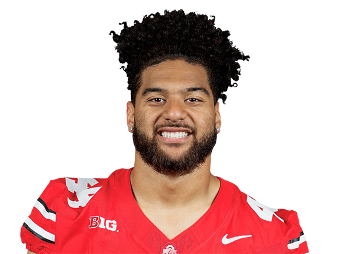
- J.T. Tuimoloau
JT Tuimoloau enters the 2024 NFL Draft with the potential to be a game-changing force on the defensive line. His blend of explosiveness, strength, and versatility provides a solid foundation for success at the next level. While he demonstrates significant power and a high motor, his pass-rushing technique and flexibility need further development to maximize his impact. Comparisons to Rashan Gary highlight his similar physical attributes and playing style, with a projection as a late first-round pick. ← Back to NFL Draft Big Board J.T. Tuimoloau Ohio State HT: 6040 WT: 270 YR: SR POS: ED OVR RK 66 POS RK CEILING POTENTIAL 11 KEY STRENGTHS Closing Speed Hand Use Body Control KEY CONCERNS Block Shed Bend Counter Moves PLAYSTYLE & SCHEME FIT JT Tuimoloau is a versatile edge defender who excels in various roles along the defensive front. His combination of explosive athleticism, raw power, and football instincts make him suitable for both 4-3 defensive end and 3-4 outside linebacker positions. Tuimoloau can set the edge against the run and collapse the pocket with his strength, making him a fit for teams requiring a dynamic, high-motor player who can adapt to different schemes. PLAYER COMPARISON: CEILING GRADE ANALYSIS Mid-Level Starter Potential (60-64) A solid, dependable starter with the potential to exceed expectations. They have good athleticism and tools but may lack elite traits. While they show flashes of high-level play, they also have some notable weaknesses that must be developed. These players often need 2-3 years to establish themselves. Primary scout: Brandon Lundberg Football Scout 365 NFL Draft Grade Scale Football Scout 365 grades reflect a prospect’s projected long-term NFL value and role. Draft ranges are general value projections, not predictions of an exact selection. Positional value, team needs, scheme fit, medical information and athletic testing can influence where a player is ultimately selected. How Football Scout 365 Grades NFL Draft Prospects Elite (75+): A rare, high-impact prospect with elite physical tools, advanced football intelligence and the ability to make an immediate NFL impact. Elite prospects carry franchise-altering potential and typically project as top 5–10 selections in the first round. Near Elite (70–74): A high-caliber prospect with outstanding physical tools, strong football intelligence and only minor developmental limitations. Near Elite prospects project as significant early-career contributors with Pro Bowl upside and first-round draft value. High-End Starter Potential (65–69): A starting-caliber prospect with strong physical tools, quality technical skills and a defined NFL role. These players may require development before reaching their ceiling but generally carry second- or third-round draft value. Mid-Level Starter Potential (60–64): A solid prospect with NFL-level tools and a pathway to becoming a dependable starter if key limitations are addressed. These players generally carry third- to fifth-round draft value. Low-Level Starter Potential (55–59): A developmental prospect who could become a low-end starter, high-end backup or valuable specialist in the right role. These players generally carry fifth- to seventh-round draft value. Backup Level (50–54): A depth or rotational prospect with enough functional ability to compete for an NFL roster spot but limited long-term starting potential. These players generally project as late Day 3 selections or priority undrafted free agents. Not NFL Level (Below 50): A developmental or camp prospect who does not currently demonstrate enough consistency, technical refinement or functional NFL traits to project as a regular contributor. These players generally project as undrafted free agents, practice-squad candidates or camp invitations. Draft position can vary based on positional value, team needs, scheme fit, medical evaluation and athletic testing.
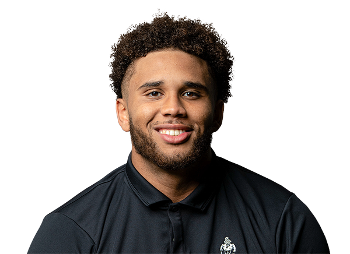
- Jack Sawyer
Overall, Jack Sawyer is a promising defensive prospect with a strong foundation in several key areas of defensive play. His athletic abilities and on-field energy make him a valuable asset, especially in run defense and straightforward pass-rushing situations. While he has areas to develop, particularly in edge bending and hand technique, his strengths indicate a high potential for growth and effectiveness at the NFL level. His overall potential ranks him as a mid-level starter with room for development. ← Back to NFL Draft Big Board Jack Sawyer Ohio State HT: 6040 WT: 270 YR: SR POS: ED OVR RK 42 POS RK CEILING POTENTIAL 7 KEY STRENGTHS Explosive First Step High Effort Effective Hands KEY CONCERNS Stiff Inconsistency Pass Rush Plan PLAYSTYLE & SCHEME FIT Sawyer exhibits a high-energy style, with a well-rounded game suitable for various defensive schemes. His explosive first step and capability as a bull rusher make him effective in pressuring the quarterback. He demonstrates good agility and balance, able to maintain ground against the run and pursue mobile quarterbacks effectively. However, his tendency to struggle in bending the edge and slightly less effectiveness in pass coverage suggest a better fit in schemes that utilize his strengths in run stopping and straightforward pass rushing. PLAYER COMPARISON: CEILING GRADE ANALYSIS High-End Starter Potential (65-69) A player expected to become a top-tier starter within their first few years. They possess strong physical tools and good technical skills but may have some limitations in their game. With development, they can reach near-elite levels and provide consistent impact at their position. Primary scout: Brandon Lundberg Football Scout 365 NFL Draft Grade Scale Football Scout 365 grades reflect a prospect’s projected long-term NFL value and role. Draft ranges are general value projections, not predictions of an exact selection. Positional value, team needs, scheme fit, medical information and athletic testing can influence where a player is ultimately selected. How Football Scout 365 Grades NFL Draft Prospects Elite (75+): A rare, high-impact prospect with elite physical tools, advanced football intelligence and the ability to make an immediate NFL impact. Elite prospects carry franchise-altering potential and typically project as top 5–10 selections in the first round. Near Elite (70–74): A high-caliber prospect with outstanding physical tools, strong football intelligence and only minor developmental limitations. Near Elite prospects project as significant early-career contributors with Pro Bowl upside and first-round draft value. High-End Starter Potential (65–69): A starting-caliber prospect with strong physical tools, quality technical skills and a defined NFL role. These players may require development before reaching their ceiling but generally carry second- or third-round draft value. Mid-Level Starter Potential (60–64): A solid prospect with NFL-level tools and a pathway to becoming a dependable starter if key limitations are addressed. These players generally carry third- to fifth-round draft value. Low-Level Starter Potential (55–59): A developmental prospect who could become a low-end starter, high-end backup or valuable specialist in the right role. These players generally carry fifth- to seventh-round draft value. Backup Level (50–54): A depth or rotational prospect with enough functional ability to compete for an NFL roster spot but limited long-term starting potential. These players generally project as late Day 3 selections or priority undrafted free agents. Not NFL Level (Below 50): A developmental or camp prospect who does not currently demonstrate enough consistency, technical refinement or functional NFL traits to project as a regular contributor. These players generally project as undrafted free agents, practice-squad candidates or camp invitations. Draft position can vary based on positional value, team needs, scheme fit, medical evaluation and athletic testing.
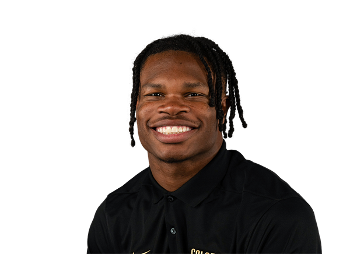
- Keldric Faulk
← Back to NFL Draft Big Board Keldric Faulk Auburn HT: 6060 WT: 290 YR: JR POS: ED OVR RK 40 POS RK CEILING POTENTIAL KEY STRENGTHS Rare size/length Profile Versatility across the front Run-game physicality KEY CONCERNS Limited twitch/bend Raw hand counters Lateral agility/range PLAYSTYLE & SCHEME FIT Keldric Faulk is a rare-bodied, multi-alignment defensive lineman who projects best as a 4i/5-technique in odd fronts, with legitimate inside-out value on passing downs. At 6’6”, 285 pounds, he wins with length, power, and a violent temperament, consistently setting a firm edge, stacking blocks with extension, and finishing plays with a relentless motor. He isn’t a true speed-rusher who’s going to consistently turn tight corners, but his speed-to-power, ability to compress the pocket, and versatility to bump inside in nickel packages create matchup stress—especially against guards. With continued growth in pass-rush hand usage and counter development, Faulk profiles as a high-floor early-down enforcer with ascending third-down impact and starter-level upside in the NFL. PLAYER COMPARISON: CEILING GRADE ANALYSIS High-End Starter Potential (65-69) A player expected to become a top-tier starter within their first few years. They possess strong physical tools and good technical skills but may have some limitations in their game. With development, they can reach near-elite levels and provide consistent impact at their position. Primary scout: Brandon Lundberg Football Scout 365 NFL Draft Grade Scale Football Scout 365 grades reflect a prospect’s projected long-term NFL value and role. Draft ranges are general value projections, not predictions of an exact selection. Positional value, team needs, scheme fit, medical information and athletic testing can influence where a player is ultimately selected. How Football Scout 365 Grades NFL Draft Prospects Elite (75+): A rare, high-impact prospect with elite physical tools, advanced football intelligence and the ability to make an immediate NFL impact. Elite prospects carry franchise-altering potential and typically project as top 5–10 selections in the first round. Near Elite (70–74): A high-caliber prospect with outstanding physical tools, strong football intelligence and only minor developmental limitations. Near Elite prospects project as significant early-career contributors with Pro Bowl upside and first-round draft value. High-End Starter Potential (65–69): A starting-caliber prospect with strong physical tools, quality technical skills and a defined NFL role. These players may require development before reaching their ceiling but generally carry second- or third-round draft value. Mid-Level Starter Potential (60–64): A solid prospect with NFL-level tools and a pathway to becoming a dependable starter if key limitations are addressed. These players generally carry third- to fifth-round draft value. Low-Level Starter Potential (55–59): A developmental prospect who could become a low-end starter, high-end backup or valuable specialist in the right role. These players generally carry fifth- to seventh-round draft value. Backup Level (50–54): A depth or rotational prospect with enough functional ability to compete for an NFL roster spot but limited long-term starting potential. These players generally project as late Day 3 selections or priority undrafted free agents. Not NFL Level (Below 50): A developmental or camp prospect who does not currently demonstrate enough consistency, technical refinement or functional NFL traits to project as a regular contributor. These players generally project as undrafted free agents, practice-squad candidates or camp invitations. Draft position can vary based on positional value, team needs, scheme fit, medical evaluation and athletic testing.
- D.J. Turner
Overall, Turner has the potential to become an early starter as a nickel corner capable of matching up with both shifty and speedy opponents. His athleticism, versatility, and superior technique make him a valuable prospect for the 2023 NFL Draft. ← Back to NFL Draft Big Board D.J. Turner Michigan HT: 5110 WT: 181 YR: SR POS: CB OVR RK 40 POS RK CEILING POTENTIAL 7 KEY STRENGTHS Explosive Good Technique Versatility KEY CONCERNS Size Tackling Length PLAYSTYLE & SCHEME FIT Turner is an explosive athlete who combines fluidity, speed, and technique to excel at his craft. He is versatile and can play both inside and outside in coverage, making him valuable for different defensive schemes. However, his size and occasional inconsistencies may limit his effectiveness against bigger, more physical receivers. PLAYER COMPARISON: CEILING GRADE ANALYSIS High-End Starter Potential (65-69) A player expected to become a top-tier starter within their first few years. They possess strong physical tools and good technical skills but may have some limitations in their game. With development, they can reach near-elite levels and provide consistent impact at their position. Primary scout: Brandon Lundberg Football Scout 365 NFL Draft Grade Scale Football Scout 365 grades reflect a prospect’s projected long-term NFL value and role. Draft ranges are general value projections, not predictions of an exact selection. Positional value, team needs, scheme fit, medical information and athletic testing can influence where a player is ultimately selected. How Football Scout 365 Grades NFL Draft Prospects Elite (75+): A rare, high-impact prospect with elite physical tools, advanced football intelligence and the ability to make an immediate NFL impact. Elite prospects carry franchise-altering potential and typically project as top 5–10 selections in the first round. Near Elite (70–74): A high-caliber prospect with outstanding physical tools, strong football intelligence and only minor developmental limitations. Near Elite prospects project as significant early-career contributors with Pro Bowl upside and first-round draft value. High-End Starter Potential (65–69): A starting-caliber prospect with strong physical tools, quality technical skills and a defined NFL role. These players may require development before reaching their ceiling but generally carry second- or third-round draft value. Mid-Level Starter Potential (60–64): A solid prospect with NFL-level tools and a pathway to becoming a dependable starter if key limitations are addressed. These players generally carry third- to fifth-round draft value. Low-Level Starter Potential (55–59): A developmental prospect who could become a low-end starter, high-end backup or valuable specialist in the right role. These players generally carry fifth- to seventh-round draft value. Backup Level (50–54): A depth or rotational prospect with enough functional ability to compete for an NFL roster spot but limited long-term starting potential. These players generally project as late Day 3 selections or priority undrafted free agents. Not NFL Level (Below 50): A developmental or camp prospect who does not currently demonstrate enough consistency, technical refinement or functional NFL traits to project as a regular contributor. These players generally project as undrafted free agents, practice-squad candidates or camp invitations. Draft position can vary based on positional value, team needs, scheme fit, medical evaluation and athletic testing.
- Marcus Mbow
← Back to NFL Draft Big Board Marcus Mbow Purdue HT: 6050 WT: 300 YR: JR POS: OT OVR RK 77 POS RK CEILING POTENTIAL 9 KEY STRENGTHS Elite Movement Skills Positional Versatility Strong Initial Punch & Contact Balance KEY CONCERNS Needs to Improve Strike Precision Hand Placement Issues Lacks Functional Mass & Power PLAYSTYLE & SCHEME FIT Mbow is a versatile, athletic offensive lineman with experience at both right guard and right tackle, but he projects best at center or guard in a zone-heavy NFL scheme. His explosiveness, fluid movement, and ability to climb to the second level make him an ideal fit for outside-zone and Shanahan-style systems. However, his lack of mass, inconsistent anchor, and tendency to lose hand placement battles against power rushers limit his effectiveness against bigger defenders. If he can refine his strike timing and improve his ability to sustain blocks, he could develop into a high-end starter. PLAYER COMPARISON: CEILING GRADE ANALYSIS Mid-Level Starter Potential (60-64) A solid, dependable starter with the potential to exceed expectations. They have good athleticism and tools but may lack elite traits. While they show flashes of high-level play, they also have some notable weaknesses that must be developed. These players often need 2-3 years to establish themselves. Primary scout: Brandon Lundberg Football Scout 365 NFL Draft Grade Scale Football Scout 365 grades reflect a prospect’s projected long-term NFL value and role. Draft ranges are general value projections, not predictions of an exact selection. Positional value, team needs, scheme fit, medical information and athletic testing can influence where a player is ultimately selected. How Football Scout 365 Grades NFL Draft Prospects Elite (75+): A rare, high-impact prospect with elite physical tools, advanced football intelligence and the ability to make an immediate NFL impact. Elite prospects carry franchise-altering potential and typically project as top 5–10 selections in the first round. Near Elite (70–74): A high-caliber prospect with outstanding physical tools, strong football intelligence and only minor developmental limitations. Near Elite prospects project as significant early-career contributors with Pro Bowl upside and first-round draft value. High-End Starter Potential (65–69): A starting-caliber prospect with strong physical tools, quality technical skills and a defined NFL role. These players may require development before reaching their ceiling but generally carry second- or third-round draft value. Mid-Level Starter Potential (60–64): A solid prospect with NFL-level tools and a pathway to becoming a dependable starter if key limitations are addressed. These players generally carry third- to fifth-round draft value. Low-Level Starter Potential (55–59): A developmental prospect who could become a low-end starter, high-end backup or valuable specialist in the right role. These players generally carry fifth- to seventh-round draft value. Backup Level (50–54): A depth or rotational prospect with enough functional ability to compete for an NFL roster spot but limited long-term starting potential. These players generally project as late Day 3 selections or priority undrafted free agents. Not NFL Level (Below 50): A developmental or camp prospect who does not currently demonstrate enough consistency, technical refinement or functional NFL traits to project as a regular contributor. These players generally project as undrafted free agents, practice-squad candidates or camp invitations. Draft position can vary based on positional value, team needs, scheme fit, medical evaluation and athletic testing.
- DJ Giddens
← Back to NFL Draft Big Board DJ Giddens Kansas State HT: 6010 WT: 212 YR: SR POS: RB OVR RK 94 POS RK CEILING POTENTIAL 8 KEY STRENGTHS Contact Balance Vision & Patience Lateral Agility & Open-Field Elusiveness KEY CONCERNS Top-End Speed Pass Protection Decisiveness PLAYSTYLE & SCHEME FIT Giddens is a well-built, fluid runner with good vision, contact balance, and lateral agility but lacks elite top-end speed and play strength. His best fit is in a gap-heavy scheme that can provide designated run lanes to maximize his burst and decision-making. He offers potential as a third-down back due to his receiving skills, but his pass protection and decisiveness at the line need improvement. Giddens is an intriguing developmental RB who could carve out a rotational role early with room to grow into a bigger contributor. PLAYER COMPARISON: CEILING GRADE ANALYSIS Mid-Level Starter Potential (60-64) A solid, dependable starter with the potential to exceed expectations. They have good athleticism and tools but may lack elite traits. While they show flashes of high-level play, they also have some notable weaknesses that must be developed. These players often need 2-3 years to establish themselves. Primary scout: Brandon Lundberg Football Scout 365 NFL Draft Grade Scale Football Scout 365 grades reflect a prospect’s projected long-term NFL value and role. Draft ranges are general value projections, not predictions of an exact selection. Positional value, team needs, scheme fit, medical information and athletic testing can influence where a player is ultimately selected. How Football Scout 365 Grades NFL Draft Prospects Elite (75+): A rare, high-impact prospect with elite physical tools, advanced football intelligence and the ability to make an immediate NFL impact. Elite prospects carry franchise-altering potential and typically project as top 5–10 selections in the first round. Near Elite (70–74): A high-caliber prospect with outstanding physical tools, strong football intelligence and only minor developmental limitations. Near Elite prospects project as significant early-career contributors with Pro Bowl upside and first-round draft value. High-End Starter Potential (65–69): A starting-caliber prospect with strong physical tools, quality technical skills and a defined NFL role. These players may require development before reaching their ceiling but generally carry second- or third-round draft value. Mid-Level Starter Potential (60–64): A solid prospect with NFL-level tools and a pathway to becoming a dependable starter if key limitations are addressed. These players generally carry third- to fifth-round draft value. Low-Level Starter Potential (55–59): A developmental prospect who could become a low-end starter, high-end backup or valuable specialist in the right role. These players generally carry fifth- to seventh-round draft value. Backup Level (50–54): A depth or rotational prospect with enough functional ability to compete for an NFL roster spot but limited long-term starting potential. These players generally project as late Day 3 selections or priority undrafted free agents. Not NFL Level (Below 50): A developmental or camp prospect who does not currently demonstrate enough consistency, technical refinement or functional NFL traits to project as a regular contributor. These players generally project as undrafted free agents, practice-squad candidates or camp invitations. Draft position can vary based on positional value, team needs, scheme fit, medical evaluation and athletic testing.
- Kalen King
Overall, Kalen King has been projected as a top talent, with potential as a starting cornerback in the NFL. Despite some technique and consistency issues observed in the 2023 season, his solid performance in previous years and against high-quality competition underline his potential. While there were instances of struggle, particularly in maintaining balance and avoiding penalties, his overall skill set indicates he could be a valuable asset in the NFL, likely aligning with a second to mid-round draft projection based on various evaluations. ← Back to NFL Draft Big Board Kalen King Penn State HT: 5110 WT: 190 YR: JR POS: CB OVR RK 95 POS RK CEILING POTENTIAL 16 KEY STRENGTHS IQ Excellent Agility Versatile KEY CONCERNS Lacks Elite Speed Reactiveness Handsy PLAYSTYLE & SCHEME FIT Kalen King is best utilized as an Outside Man/Press Cornerback. He demonstrates a feisty competitive nature and does not give wide receivers an inch in coverage. He is a fleet-footed, quick-twitch cover man with excellent corrective quickness and mobility, making him highly effective in man coverage. However, his average size and sometimes uncontrolled movements at stems could be limiting factors against larger, more physical receivers. His style fits well with aggressive defensive schemes that rely on man coverage and require cornerbacks to support run defense. PLAYER COMPARISON: CEILING GRADE ANALYSIS Mid-Level Starter Potential (60-64) A solid, dependable starter with the potential to exceed expectations. They have good athleticism and tools but may lack elite traits. While they show flashes of high-level play, they also have some notable weaknesses that must be developed. These players often need 2-3 years to establish themselves. Primary scout: Brandon Lundberg Football Scout 365 NFL Draft Grade Scale Football Scout 365 grades reflect a prospect’s projected long-term NFL value and role. Draft ranges are general value projections, not predictions of an exact selection. Positional value, team needs, scheme fit, medical information and athletic testing can influence where a player is ultimately selected. How Football Scout 365 Grades NFL Draft Prospects Elite (75+): A rare, high-impact prospect with elite physical tools, advanced football intelligence and the ability to make an immediate NFL impact. Elite prospects carry franchise-altering potential and typically project as top 5–10 selections in the first round. Near Elite (70–74): A high-caliber prospect with outstanding physical tools, strong football intelligence and only minor developmental limitations. Near Elite prospects project as significant early-career contributors with Pro Bowl upside and first-round draft value. High-End Starter Potential (65–69): A starting-caliber prospect with strong physical tools, quality technical skills and a defined NFL role. These players may require development before reaching their ceiling but generally carry second- or third-round draft value. Mid-Level Starter Potential (60–64): A solid prospect with NFL-level tools and a pathway to becoming a dependable starter if key limitations are addressed. These players generally carry third- to fifth-round draft value. Low-Level Starter Potential (55–59): A developmental prospect who could become a low-end starter, high-end backup or valuable specialist in the right role. These players generally carry fifth- to seventh-round draft value. Backup Level (50–54): A depth or rotational prospect with enough functional ability to compete for an NFL roster spot but limited long-term starting potential. These players generally project as late Day 3 selections or priority undrafted free agents. Not NFL Level (Below 50): A developmental or camp prospect who does not currently demonstrate enough consistency, technical refinement or functional NFL traits to project as a regular contributor. These players generally project as undrafted free agents, practice-squad candidates or camp invitations. Draft position can vary based on positional value, team needs, scheme fit, medical evaluation and athletic testing.
- Malik Nabers
Malik Nabers is a highly promising prospect with the potential to make an immediate impact at the NFL level. His athletic profile, combined with his on-field production, positions him as a potential high draft pick. Continued development in precision route running and enhancing his blocking could elevate his game, making him an even more valuable asset for any NFL team. Given his current skill set and potential for growth, Nabers is projected to have High-End Starter Potential (65-69) on the NFL level, suggesting he could become among the top starters on his team within his first few years in the league. ← Back to NFL Draft Big Board Malik Nabers LSU HT: 6000 WT: 195 YR: JR POS: WR OVR RK 5 POS RK CEILING POTENTIAL 3 KEY STRENGTHS Physical Agile Short Area Quickness KEY CONCERNS Route Diversity Run Blocking Catch Radius PLAYSTYLE & SCHEME FIT Nabers excels with his dynamic playmaking ability, combining speed, explosiveness, and agility to create separation and make plays in open space. His physicality and strong hands make him a reliable target in contested situations. While he continues to refine his route-running, his skill set is a match for offensive schemes that prioritize vertical threats and versatile receivers capable of making an impact across the field. PLAYER COMPARISON: CEILING GRADE ANALYSIS Near Elite (70-74) A high-caliber prospect who is expected to become a significant contributor by Year 2. These players have outstanding physical tools and strong football IQ, with only minor flaws in their game. They demonstrate consistency at a high level and project as future Pro Bowl-caliber players if properly developed. Primary scout: Brandon Lundberg Football Scout 365 NFL Draft Grade Scale Football Scout 365 grades reflect a prospect’s projected long-term NFL value and role. Draft ranges are general value projections, not predictions of an exact selection. Positional value, team needs, scheme fit, medical information and athletic testing can influence where a player is ultimately selected. How Football Scout 365 Grades NFL Draft Prospects Elite (75+): A rare, high-impact prospect with elite physical tools, advanced football intelligence and the ability to make an immediate NFL impact. Elite prospects carry franchise-altering potential and typically project as top 5–10 selections in the first round. Near Elite (70–74): A high-caliber prospect with outstanding physical tools, strong football intelligence and only minor developmental limitations. Near Elite prospects project as significant early-career contributors with Pro Bowl upside and first-round draft value. High-End Starter Potential (65–69): A starting-caliber prospect with strong physical tools, quality technical skills and a defined NFL role. These players may require development before reaching their ceiling but generally carry second- or third-round draft value. Mid-Level Starter Potential (60–64): A solid prospect with NFL-level tools and a pathway to becoming a dependable starter if key limitations are addressed. These players generally carry third- to fifth-round draft value. Low-Level Starter Potential (55–59): A developmental prospect who could become a low-end starter, high-end backup or valuable specialist in the right role. These players generally carry fifth- to seventh-round draft value. Backup Level (50–54): A depth or rotational prospect with enough functional ability to compete for an NFL roster spot but limited long-term starting potential. These players generally project as late Day 3 selections or priority undrafted free agents. Not NFL Level (Below 50): A developmental or camp prospect who does not currently demonstrate enough consistency, technical refinement or functional NFL traits to project as a regular contributor. These players generally project as undrafted free agents, practice-squad candidates or camp invitations. Draft position can vary based on positional value, team needs, scheme fit, medical evaluation and athletic testing.
- 2023 NFL Draft: Scouting The Top Quarterback Prospects
2023 NFL Draft: Scouting The Top Quarterback Prospects After a less-than-stellar 2022 NFL QB Draft, the 2023 NFL Draft class will offer NFL teams a lot more variety from top to bottom. Click here to check out the full 2023 NFL Draft Big Board rankings. We have added many new features to our NFL Draft big board, including full player analysis, player comparisons, scheme fit, and player strengths and weaknesses. 1st Round Graded Prospects 1. Alabama QB Bryce Young: Young is a 6-0 194lb QB whose game fits a team that runs a pro-spread offense with RPO and pro-style concepts. young's blend of poise and mobility combined with a strong accurate arm and excellent decision making are what set him apart. His size will be a concern at 194 lbs, but if you can get past his size, he is a gamer that can enter the NFL and make an impact on day one. 2. Ohio State QB C.J. Stroud: Stroud is a 6-3 220lb prostyle QB. As a passer, Stroud is accurate with a strong arm. He can fit the football into tight windows, especially on layered throws between LB's and safeties down the middle. His ability to throw outside the numbers beating coverage, and placing the football only where his receiver has the best chance stands out on tape. Not considered to be a great athlete, but he does possess enough speed to make a play with his legs. 3. Kentucky QB Will Levis: Will Levis might be the most creative of the top-rated QB's in the 2023 class. His ability to keep a play alive with his legs is an area that NFL scouts and GM's will fall in love with as he possesses the toolsy style of play of today's top young NFL QB's. He has a big arm; he can make off-platform throws using different arm slots. An area where he is noticeably ahead of a guy like Josh Allen while he was in college is his ability to change his throw pace as needed. As a runner, Levis is a tank who will take on LB's, which is why he draws comparisons to Josh Allen. Mid To Late First Round Grade 4. Florida QB Anthony Richardson: At 6-4 236lbs, Richardson embodies the word "prototype." Richardson has a big arm and excellent athleticism. His game translates best in a pro-spread offense that blends a mix of play action, RPO's and zone reads. He is an escape artist who is at his best when on the move, creating out of structure. Richardson is considered a developmental talent with notable accuracy issues that must be addressed. His best fit in the NFL will be on a team with a creative head coach or OC. If he can land somewhere where he can sit out for a season, allowing him to learn from a veteran QB, it could enable him to get better acclimated with the speed of the NFL game. Late First Round, Second Round Graded Prospects 5. Tennessee QB Hendon Hooker: At 6-4 218lbs, hooker possesses the size NFL scouts and GM's want. Hooker translates best at the NFL level in a vertical spread, RPO-style offense. Hooker exhibits accuracy at all levels while possessing good arm strength and solid mobility to keep plays alive in the passing game. Hooker plays with great poise in the pocket. He is willing to stand in and take a shot to make a throw. 6. Stanford QB Tanner McKee: McKee is a 6-6 230lb prostyle QB. His game translates to a west coast style of offense in the NFL. McKee Possesses a quick release and great accuracy at all levels of the field. Considered a traditional pro-style passer, Mckee will not do much creating out of structure like other top prospects in his draft class, but He can stand in the pocket and work his progressions, sidestepping pressure to buy time.
- Zach Harrison
← Back to NFL Draft Big Board Zach Harrison Ohio State HT: 6054 WT: 274 YR: SR POS: ED OVR RK 83 POS RK CEILING POTENTIAL 14 KEY STRENGTHS KEY CONCERNS PLAYSTYLE & SCHEME FIT PLAYER COMPARISON: CEILING GRADE ANALYSIS High-End Starter Potential (65-69) A player expected to become a top-tier starter within their first few years. They possess strong physical tools and good technical skills but may have some limitations in their game. With development, they can reach near-elite levels and provide consistent impact at their position. Primary scout: Brandon Lundberg Football Scout 365 NFL Draft Grade Scale Football Scout 365 grades reflect a prospect’s projected long-term NFL value and role. Draft ranges are general value projections, not predictions of an exact selection. Positional value, team needs, scheme fit, medical information and athletic testing can influence where a player is ultimately selected. How Football Scout 365 Grades NFL Draft Prospects Elite (75+): A rare, high-impact prospect with elite physical tools, advanced football intelligence and the ability to make an immediate NFL impact. Elite prospects carry franchise-altering potential and typically project as top 5–10 selections in the first round. Near Elite (70–74): A high-caliber prospect with outstanding physical tools, strong football intelligence and only minor developmental limitations. Near Elite prospects project as significant early-career contributors with Pro Bowl upside and first-round draft value. High-End Starter Potential (65–69): A starting-caliber prospect with strong physical tools, quality technical skills and a defined NFL role. These players may require development before reaching their ceiling but generally carry second- or third-round draft value. Mid-Level Starter Potential (60–64): A solid prospect with NFL-level tools and a pathway to becoming a dependable starter if key limitations are addressed. These players generally carry third- to fifth-round draft value. Low-Level Starter Potential (55–59): A developmental prospect who could become a low-end starter, high-end backup or valuable specialist in the right role. These players generally carry fifth- to seventh-round draft value. Backup Level (50–54): A depth or rotational prospect with enough functional ability to compete for an NFL roster spot but limited long-term starting potential. These players generally project as late Day 3 selections or priority undrafted free agents. Not NFL Level (Below 50): A developmental or camp prospect who does not currently demonstrate enough consistency, technical refinement or functional NFL traits to project as a regular contributor. These players generally project as undrafted free agents, practice-squad candidates or camp invitations. Draft position can vary based on positional value, team needs, scheme fit, medical evaluation and athletic testing.
- Jeremiyah Love
← Back to NFL Draft Big Board Jeremiyah Love Notre Dame HT: 6000 WT: 210 YR: JR POS: RB OVR RK 2 POS RK CEILING POTENTIAL KEY STRENGTHS Home-run speed Vision Two-phase offensive weapon KEY CONCERNS Pass Protection Workload/frame questions Risky play style at times PLAYSTYLE & SCHEME FIT Jeremiyah Love is an explosive, “new-age” bell cow back with true two-phase value, combining elite acceleration, one-cut burst, and open-field creativity with legitimate receiving upside. At 6’0”, 214 pounds, he thrives in wide-zone/outside-zone concepts where his vision and instant re-acceleration can turn clean reads into chunk gains, but he also brings mismatch potential on motion and space touches thanks to natural hands and route fluidity. Love’s speed stresses defenses horizontally, and his finishing balance allows him to stay efficient through contact while protecting the football at a high level. The main developmental areas are continuing to build out his pass protection and proving he can sustain a heavy workload, but the talent profile is clear: Love projects as an immediate impact starter with long-term RB1, Pro Bowl-caliber upside in a modern spacing offense. PLAYER COMPARISON: CEILING GRADE ANALYSIS Elite (75+) A rare, high-impact prospect with the potential to be an instant NFL star. These players possess elite physical tools, high-level athleticism, and exceptional football intelligence. Their game is polished, showing minimal weaknesses, and they can dominate at their position from day one. They routinely accomplish what seems impossible and are viewed as franchise-altering talents. Primary scout: Brandon Lundberg Football Scout 365 NFL Draft Grade Scale Football Scout 365 grades reflect a prospect’s projected long-term NFL value and role. Draft ranges are general value projections, not predictions of an exact selection. Positional value, team needs, scheme fit, medical information and athletic testing can influence where a player is ultimately selected. How Football Scout 365 Grades NFL Draft Prospects Elite (75+): A rare, high-impact prospect with elite physical tools, advanced football intelligence and the ability to make an immediate NFL impact. Elite prospects carry franchise-altering potential and typically project as top 5–10 selections in the first round. Near Elite (70–74): A high-caliber prospect with outstanding physical tools, strong football intelligence and only minor developmental limitations. Near Elite prospects project as significant early-career contributors with Pro Bowl upside and first-round draft value. High-End Starter Potential (65–69): A starting-caliber prospect with strong physical tools, quality technical skills and a defined NFL role. These players may require development before reaching their ceiling but generally carry second- or third-round draft value. Mid-Level Starter Potential (60–64): A solid prospect with NFL-level tools and a pathway to becoming a dependable starter if key limitations are addressed. These players generally carry third- to fifth-round draft value. Low-Level Starter Potential (55–59): A developmental prospect who could become a low-end starter, high-end backup or valuable specialist in the right role. These players generally carry fifth- to seventh-round draft value. Backup Level (50–54): A depth or rotational prospect with enough functional ability to compete for an NFL roster spot but limited long-term starting potential. These players generally project as late Day 3 selections or priority undrafted free agents. Not NFL Level (Below 50): A developmental or camp prospect who does not currently demonstrate enough consistency, technical refinement or functional NFL traits to project as a regular contributor. These players generally project as undrafted free agents, practice-squad candidates or camp invitations. Draft position can vary based on positional value, team needs, scheme fit, medical evaluation and athletic testing.
- Travis Hunter
Travis Hunter is a rare two-way player with elite athleticism, making him a top prospect in the 2025 NFL Draft. As a cornerback, his ability to disrupt passing lanes and generate turnovers places him among the best defensive prospects, with a high ceiling due to his instincts and ball skills. While he needs to improve his tackling and physicality, his versatility in both man and zone coverage sets him apart. On offense, Hunter’s speed, quickness, and playmaking ability after the catch make him a valuable receiver, though his lean frame limits his blocking and contested catch effectiveness. ← Back to NFL Draft Big Board Travis Hunter Colorado HT: 6010 WT: 185 YR: SR POS: ATH OVR RK 3 POS RK CEILING POTENTIAL 1 KEY STRENGTHS Elite Ball Skills Versatility Athleticism KEY CONCERNS Tackling Technique Over-aggressiveness Lean Frame PLAYSTYLE & SCHEME FIT Travis Hunter’s unique two-way skill set as a cornerback and wide receiver makes him one of the most versatile prospects in recent history. As a CB, Hunter has elite-level anticipation and ball skills that enable him to challenge WR1s effectively, especially in zone schemes where he can read and react. While his thin frame (185 lbs) impacts his physicality in press coverage, his recovery speed (reported 4.4 forty-yard dash) and route recognition help mitigate these issues. At WR, Hunter’s burst, elite ball tracking, and run-after-catch ability make him an explosive threat downfield. His dynamic playstyle suits a team open to leveraging him in specific, high-impact roles on both sides of the ball, potentially similar to Deion Sanders. PLAYER COMPARISON: CEILING GRADE ANALYSIS Elite (75+) A rare, high-impact prospect with the potential to be an instant NFL star. These players possess elite physical tools, high-level athleticism, and exceptional football intelligence. Their game is polished, showing minimal weaknesses, and they can dominate at their position from day one. They routinely accomplish what seems impossible and are viewed as franchise-altering talents. Primary scout: Brandon Lundberg Football Scout 365 NFL Draft Grade Scale Football Scout 365 grades reflect a prospect’s projected long-term NFL value and role. Draft ranges are general value projections, not predictions of an exact selection. Positional value, team needs, scheme fit, medical information and athletic testing can influence where a player is ultimately selected. How Football Scout 365 Grades NFL Draft Prospects Elite (75+): A rare, high-impact prospect with elite physical tools, advanced football intelligence and the ability to make an immediate NFL impact. Elite prospects carry franchise-altering potential and typically project as top 5–10 selections in the first round. Near Elite (70–74): A high-caliber prospect with outstanding physical tools, strong football intelligence and only minor developmental limitations. Near Elite prospects project as significant early-career contributors with Pro Bowl upside and first-round draft value. High-End Starter Potential (65–69): A starting-caliber prospect with strong physical tools, quality technical skills and a defined NFL role. These players may require development before reaching their ceiling but generally carry second- or third-round draft value. Mid-Level Starter Potential (60–64): A solid prospect with NFL-level tools and a pathway to becoming a dependable starter if key limitations are addressed. These players generally carry third- to fifth-round draft value. Low-Level Starter Potential (55–59): A developmental prospect who could become a low-end starter, high-end backup or valuable specialist in the right role. These players generally carry fifth- to seventh-round draft value. Backup Level (50–54): A depth or rotational prospect with enough functional ability to compete for an NFL roster spot but limited long-term starting potential. These players generally project as late Day 3 selections or priority undrafted free agents. Not NFL Level (Below 50): A developmental or camp prospect who does not currently demonstrate enough consistency, technical refinement or functional NFL traits to project as a regular contributor. These players generally project as undrafted free agents, practice-squad candidates or camp invitations. Draft position can vary based on positional value, team needs, scheme fit, medical evaluation and athletic testing.