Search Results
Search this site
1757 results found with an empty search
- Dax Hill
Daxton Hill (brother of Ravens RB Justice Hill) is a versatile defensive back who has played a nickel safety role at Michigan with mixed middle field safety responsibilities. At one point in 2020, and before the 2021 college football season, Michigan considered moving him to the outside corner if other options did not develop. Hill reportedly has 4.3 speed, to go with his elite athleticism. Hill displays good range and instincts with excellent short-area speed. As a pass defender overall, Dax Hill is a great athlete whose versatility allows him to move into a full-time or part-time nickel role. He can play deep safety and play a box safety role covering a TE if needed. He is good in both zone and man coverage but needs to improve his consistency in man to man where he can sometimes lose leverage vs. equally talented receivers. Regardless, he is a chess piece that adds versatility to your defense. He will likely benefit by paying in a similar style to Michigan's Mike Macdonald's NFL scheme he brought with him from the Ravens, featuring a lot of cover one and cover three concepts. Dax Hill is an excellent run defender; he reads and reacts fast, showing his high football IQ. He is a willing and physical tackler for a 6-0, 192lb player. He can be too aggressive at times, losing leverage and angles on ball carriers, but its, not a significant liability. ← Back to NFL Draft Big Board Dax Hill Michigan HT: 6000 WT: 192 YR: JR POS: S OVR RK 31 POS RK CEILING POTENTIAL 4 KEY STRENGTHS KEY CONCERNS PLAYSTYLE & SCHEME FIT Daxton Hill (brother of Ravens RB Justice Hill) is a versatile defensive back who has played a nickel safety role at Michigan with mixed middle field safety responsibilities. At one point in 2020, and before the 2021 college football season, Michigan considered moving him to the outside corner if other options did not develop. Hill reportedly has 4.3 speed, to go with his elite athleticism. Hill displays good range and instincts with excellent short-area speed. As a pass defender overall, Dax Hill is a great athlete whose versatility allows him to move into a full-time or part-time nickel role. He can play deep safety and play a box safety role covering a TE if needed. He is good in both zone and man coverage but needs to improve his consistency in man to man where he can sometimes lose leverage vs. equally talented receivers. Regardless, he is a chess piece that adds versatility to your defense. He will likely benefit by paying in a similar style to Michigan's Mike Macdonald's NFL scheme he brought with him from the Ravens, featuring a lot of cover one and cover three concepts. Dax Hill is an excellent run defender; he reads and reacts fast, showing his high football IQ. He is a willing and physical tackler for a 6-0, 192lb player. He can be too aggressive at times, losing leverage and angles on ball carriers, but its, not a significant liability. PLAYER COMPARISON: CEILING GRADE ANALYSIS Near Elite (70-74) A high-caliber prospect who is expected to become a significant contributor by Year 2. These players have outstanding physical tools and strong football IQ, with only minor flaws in their game. They demonstrate consistency at a high level and project as future Pro Bowl-caliber players if properly developed. Primary scout: Brandon Lundberg Football Scout 365 NFL Draft Grade Scale Football Scout 365 grades reflect a prospect’s projected long-term NFL value and role. Draft ranges are general value projections, not predictions of an exact selection. Positional value, team needs, scheme fit, medical information and athletic testing can influence where a player is ultimately selected. How Football Scout 365 Grades NFL Draft Prospects Elite (75+): A rare, high-impact prospect with elite physical tools, advanced football intelligence and the ability to make an immediate NFL impact. Elite prospects carry franchise-altering potential and typically project as top 5–10 selections in the first round. Near Elite (70–74): A high-caliber prospect with outstanding physical tools, strong football intelligence and only minor developmental limitations. Near Elite prospects project as significant early-career contributors with Pro Bowl upside and first-round draft value. High-End Starter Potential (65–69): A starting-caliber prospect with strong physical tools, quality technical skills and a defined NFL role. These players may require development before reaching their ceiling but generally carry second- or third-round draft value. Mid-Level Starter Potential (60–64): A solid prospect with NFL-level tools and a pathway to becoming a dependable starter if key limitations are addressed. These players generally carry third- to fifth-round draft value. Low-Level Starter Potential (55–59): A developmental prospect who could become a low-end starter, high-end backup or valuable specialist in the right role. These players generally carry fifth- to seventh-round draft value. Backup Level (50–54): A depth or rotational prospect with enough functional ability to compete for an NFL roster spot but limited long-term starting potential. These players generally project as late Day 3 selections or priority undrafted free agents. Not NFL Level (Below 50): A developmental or camp prospect who does not currently demonstrate enough consistency, technical refinement or functional NFL traits to project as a regular contributor. These players generally project as undrafted free agents, practice-squad candidates or camp invitations. Draft position can vary based on positional value, team needs, scheme fit, medical evaluation and athletic testing.
- Kenyon Green
Kenyon Green is a stout and versatile interior O-lineman who provides positional versatility at the NFL level. Green has played in 35 games while at Texas A&M and has been part of one of the best-coached offensive lines in recent years. Green has played all positions on the OL except the center position. He plays with a great first step and lateral quickness, allowing him to mirror oncoming defenders easily. Green does a great job using his lateral movement to fend of pass rushers. He plays with a thick base that he leverages to punch defenders off their course. His ability to feel and move with fluidity to thwart off a pass rusher is high level. Green uses his lateral quickness to get to his defined spot in the run game as a run blocker. He is one of the best in college football at getting to the second level and latching on to more agile defenders in the run game. Green has NFL starter potential; his ceiling is instant impact potential. His positional versatility will factor into his draft stock. ← Back to NFL Draft Big Board Kenyon Green Texas A&M HT: 6040 WT: 325 YR: JR POS: IOL OVR RK 20 POS RK CEILING POTENTIAL 2 KEY STRENGTHS KEY CONCERNS PLAYSTYLE & SCHEME FIT Kenyon Green is a stout and versatile interior O-lineman who provides positional versatility at the NFL level. Green has played in 35 games while at Texas A&M and has been part of one of the best-coached offensive lines in recent years. Green has played all positions on the OL except the center position. He plays with a great first step and lateral quickness, allowing him to mirror oncoming defenders easily. Green does a great job using his lateral movement to fend of pass rushers. He plays with a thick base that he leverages to punch defenders off their course. His ability to feel and move with fluidity to thwart off a pass rusher is high level. Green uses his lateral quickness to get to his defined spot in the run game as a run blocker. He is one of the best in college football at getting to the second level and latching on to more agile defenders in the run game. Green has NFL starter potential; his ceiling is instant impact potential. His positional versatility will factor into his draft stock. PLAYER COMPARISON: CEILING GRADE ANALYSIS High-End Starter Potential (65-69) A player expected to become a top-tier starter within their first few years. They possess strong physical tools and good technical skills but may have some limitations in their game. With development, they can reach near-elite levels and provide consistent impact at their position. Primary scout: Brandon Lundberg Football Scout 365 NFL Draft Grade Scale Football Scout 365 grades reflect a prospect’s projected long-term NFL value and role. Draft ranges are general value projections, not predictions of an exact selection. Positional value, team needs, scheme fit, medical information and athletic testing can influence where a player is ultimately selected. How Football Scout 365 Grades NFL Draft Prospects Elite (75+): A rare, high-impact prospect with elite physical tools, advanced football intelligence and the ability to make an immediate NFL impact. Elite prospects carry franchise-altering potential and typically project as top 5–10 selections in the first round. Near Elite (70–74): A high-caliber prospect with outstanding physical tools, strong football intelligence and only minor developmental limitations. Near Elite prospects project as significant early-career contributors with Pro Bowl upside and first-round draft value. High-End Starter Potential (65–69): A starting-caliber prospect with strong physical tools, quality technical skills and a defined NFL role. These players may require development before reaching their ceiling but generally carry second- or third-round draft value. Mid-Level Starter Potential (60–64): A solid prospect with NFL-level tools and a pathway to becoming a dependable starter if key limitations are addressed. These players generally carry third- to fifth-round draft value. Low-Level Starter Potential (55–59): A developmental prospect who could become a low-end starter, high-end backup or valuable specialist in the right role. These players generally carry fifth- to seventh-round draft value. Backup Level (50–54): A depth or rotational prospect with enough functional ability to compete for an NFL roster spot but limited long-term starting potential. These players generally project as late Day 3 selections or priority undrafted free agents. Not NFL Level (Below 50): A developmental or camp prospect who does not currently demonstrate enough consistency, technical refinement or functional NFL traits to project as a regular contributor. These players generally project as undrafted free agents, practice-squad candidates or camp invitations. Draft position can vary based on positional value, team needs, scheme fit, medical evaluation and athletic testing.
- Kool-Aid McKinstry
Overall, McKinstry shows the potential to be a high-end starter in the NFL, with room for further growth and refinement of his skills. His performances at Alabama, especially his significant improvement from his freshman to sophomore years, indicate a strong foundation and a high ceiling for his future in professional football. ← Back to NFL Draft Big Board Kool-Aid McKinstry Alabama HT: 6010 WT: 195 YR: JR POS: CB OVR RK 19 POS RK CEILING POTENTIAL 4 KEY STRENGTHS Fluid Hips Attacks Catch Point Physical KEY CONCERNS Trail Technique Reactiveness Technique PLAYSTYLE & SCHEME FIT McKinstry is known for his excellent zone coverage awareness, utilizing his length effectively to disrupt passes. He's skilled in bump and run, mirroring receivers with quick footwork and fluid hips. His ball skills are particularly notable when facing the quarterback, and he's physical at the top of routes. McKinstry's lack of panic when out of position and his solid tackling ability in the open field make him a reliable defensive back. Additionally, his communication skills within Saban’s defense are a significant asset, and he brings added value as a punt returner. His versatility allows him to fit well in various NFL schemes, particularly those that utilize complex zone coverage systems. PLAYER COMPARISON: CEILING GRADE ANALYSIS Near Elite (70-74) A high-caliber prospect who is expected to become a significant contributor by Year 2. These players have outstanding physical tools and strong football IQ, with only minor flaws in their game. They demonstrate consistency at a high level and project as future Pro Bowl-caliber players if properly developed. Primary scout: Brandon Lundberg Football Scout 365 NFL Draft Grade Scale Football Scout 365 grades reflect a prospect’s projected long-term NFL value and role. Draft ranges are general value projections, not predictions of an exact selection. Positional value, team needs, scheme fit, medical information and athletic testing can influence where a player is ultimately selected. How Football Scout 365 Grades NFL Draft Prospects Elite (75+): A rare, high-impact prospect with elite physical tools, advanced football intelligence and the ability to make an immediate NFL impact. Elite prospects carry franchise-altering potential and typically project as top 5–10 selections in the first round. Near Elite (70–74): A high-caliber prospect with outstanding physical tools, strong football intelligence and only minor developmental limitations. Near Elite prospects project as significant early-career contributors with Pro Bowl upside and first-round draft value. High-End Starter Potential (65–69): A starting-caliber prospect with strong physical tools, quality technical skills and a defined NFL role. These players may require development before reaching their ceiling but generally carry second- or third-round draft value. Mid-Level Starter Potential (60–64): A solid prospect with NFL-level tools and a pathway to becoming a dependable starter if key limitations are addressed. These players generally carry third- to fifth-round draft value. Low-Level Starter Potential (55–59): A developmental prospect who could become a low-end starter, high-end backup or valuable specialist in the right role. These players generally carry fifth- to seventh-round draft value. Backup Level (50–54): A depth or rotational prospect with enough functional ability to compete for an NFL roster spot but limited long-term starting potential. These players generally project as late Day 3 selections or priority undrafted free agents. Not NFL Level (Below 50): A developmental or camp prospect who does not currently demonstrate enough consistency, technical refinement or functional NFL traits to project as a regular contributor. These players generally project as undrafted free agents, practice-squad candidates or camp invitations. Draft position can vary based on positional value, team needs, scheme fit, medical evaluation and athletic testing.
- Trey Amos
← Back to NFL Draft Big Board Trey Amos Mississippi HT: 6010 WT: 190 YR: SR POS: CB OVR RK 40 POS RK CEILING POTENTIAL 6 KEY STRENGTHS Ideal Size & Length Physical Press Coverage Versatile Coverage Ability KEY CONCERNS Eye Discipline Overaggressive in Press Inconsistent Recovery Speed PLAYSTYLE & SCHEME FIT Trey Amos is a long, physical cornerback with press-man and zone coverage versatility, ideal for a Cover 3 or press-heavy man scheme. His length, strength, and ball skills allow him to match up well with bigger receivers, and he excels at contesting the catch point. His aggressive playstyle and natural instincts in zone coverage make him a playmaker in deep third or press bail situations. However, his eye discipline and tendency to overcommit leave him vulnerable to double moves and misdirection. Amos projects as a starting perimeter cornerback with the potential to develop into a high-level No. 2 CB in an NFL defense emphasizing press-man or Cover 3 principles. PLAYER COMPARISON: CEILING GRADE ANALYSIS High-End Starter Potential (65-69) A player expected to become a top-tier starter within their first few years. They possess strong physical tools and good technical skills but may have some limitations in their game. With development, they can reach near-elite levels and provide consistent impact at their position. Primary scout: Brandon Lundberg Football Scout 365 NFL Draft Grade Scale Football Scout 365 grades reflect a prospect’s projected long-term NFL value and role. Draft ranges are general value projections, not predictions of an exact selection. Positional value, team needs, scheme fit, medical information and athletic testing can influence where a player is ultimately selected. How Football Scout 365 Grades NFL Draft Prospects Elite (75+): A rare, high-impact prospect with elite physical tools, advanced football intelligence and the ability to make an immediate NFL impact. Elite prospects carry franchise-altering potential and typically project as top 5–10 selections in the first round. Near Elite (70–74): A high-caliber prospect with outstanding physical tools, strong football intelligence and only minor developmental limitations. Near Elite prospects project as significant early-career contributors with Pro Bowl upside and first-round draft value. High-End Starter Potential (65–69): A starting-caliber prospect with strong physical tools, quality technical skills and a defined NFL role. These players may require development before reaching their ceiling but generally carry second- or third-round draft value. Mid-Level Starter Potential (60–64): A solid prospect with NFL-level tools and a pathway to becoming a dependable starter if key limitations are addressed. These players generally carry third- to fifth-round draft value. Low-Level Starter Potential (55–59): A developmental prospect who could become a low-end starter, high-end backup or valuable specialist in the right role. These players generally carry fifth- to seventh-round draft value. Backup Level (50–54): A depth or rotational prospect with enough functional ability to compete for an NFL roster spot but limited long-term starting potential. These players generally project as late Day 3 selections or priority undrafted free agents. Not NFL Level (Below 50): A developmental or camp prospect who does not currently demonstrate enough consistency, technical refinement or functional NFL traits to project as a regular contributor. These players generally project as undrafted free agents, practice-squad candidates or camp invitations. Draft position can vary based on positional value, team needs, scheme fit, medical evaluation and athletic testing.
- Cooper Beebe
Beebe projects as a Day 2 pick with the potential to become an adequate starter in the NFL, particularly in a scheme that values power running. His immediate contribution is likely to be in the run game, with room to grow in pass protection. Given his high football IQ and motor, there's optimism that he can develop his footwork and lateral agility to become a more well-rounded lineman. ← Back to NFL Draft Big Board Cooper Beebe Kansas State HT: 6040 WT: 322 YR: SR POS: IOL OVR RK 67 POS RK CEILING POTENTIAL 6 KEY STRENGTHS Stout Build Leverage Strength KEY CONCERNS Length Lateral Agility Reactionary Speed PLAYSTYLE & SCHEME FIT Cooper Beebe is a power-oriented interior lineman who thrives in a run-heavy scheme that capitalizes on his strength and ability to move defenders off the ball. His best fit is within a system that utilizes gap and power run schemes, where his skills pulling and climbing to the second level can be maximized. In pass protection, Beebe is most effective against power rushers due to his ability to anchor and maintain a strong base. His versatility, having taken snaps at both guard and tackle, makes him an adaptable piece along the offensive line, though his future in the NFL likely lies on the interior. PLAYER COMPARISON: CEILING GRADE ANALYSIS High-End Starter Potential (65-69) A player expected to become a top-tier starter within their first few years. They possess strong physical tools and good technical skills but may have some limitations in their game. With development, they can reach near-elite levels and provide consistent impact at their position. Primary scout: Brandon Lundberg Football Scout 365 NFL Draft Grade Scale Football Scout 365 grades reflect a prospect’s projected long-term NFL value and role. Draft ranges are general value projections, not predictions of an exact selection. Positional value, team needs, scheme fit, medical information and athletic testing can influence where a player is ultimately selected. How Football Scout 365 Grades NFL Draft Prospects Elite (75+): A rare, high-impact prospect with elite physical tools, advanced football intelligence and the ability to make an immediate NFL impact. Elite prospects carry franchise-altering potential and typically project as top 5–10 selections in the first round. Near Elite (70–74): A high-caliber prospect with outstanding physical tools, strong football intelligence and only minor developmental limitations. Near Elite prospects project as significant early-career contributors with Pro Bowl upside and first-round draft value. High-End Starter Potential (65–69): A starting-caliber prospect with strong physical tools, quality technical skills and a defined NFL role. These players may require development before reaching their ceiling but generally carry second- or third-round draft value. Mid-Level Starter Potential (60–64): A solid prospect with NFL-level tools and a pathway to becoming a dependable starter if key limitations are addressed. These players generally carry third- to fifth-round draft value. Low-Level Starter Potential (55–59): A developmental prospect who could become a low-end starter, high-end backup or valuable specialist in the right role. These players generally carry fifth- to seventh-round draft value. Backup Level (50–54): A depth or rotational prospect with enough functional ability to compete for an NFL roster spot but limited long-term starting potential. These players generally project as late Day 3 selections or priority undrafted free agents. Not NFL Level (Below 50): A developmental or camp prospect who does not currently demonstrate enough consistency, technical refinement or functional NFL traits to project as a regular contributor. These players generally project as undrafted free agents, practice-squad candidates or camp invitations. Draft position can vary based on positional value, team needs, scheme fit, medical evaluation and athletic testing.
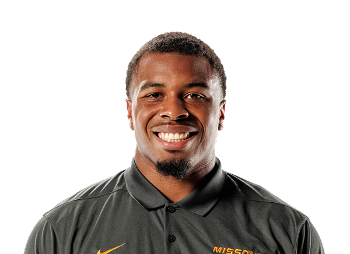
- Josiah Trotter
← Back to NFL Draft Big Board Josiah Trotter Missouri HT: 6020 WT: 237 YR: JR POS: LB OVR RK 52 POS RK CEILING POTENTIAL KEY STRENGTHS Outstanding downhill trigger Physical Tackler Strong Fundamentals KEY CONCERNS Average zone awareness Hip stiffness Average length and anchor PLAYSTYLE & SCHEME FIT Trotter is an explosive downhill linebacker with very good run instincts, outstanding trigger ability, and physical pop at contact. He diagnoses blocking schemes quickly and beats linemen to landmarks with urgency. His tackling reliability and heavy hands make him a tone-setter inside the box. However, hip stiffness, limited change-of-direction ability, and below-average zone awareness currently restrict his three-down profile. He projects best as a MIKE or strong-side interior linebacker in odd fronts, where he can attack downhill and play through traffic rather than carry vertical routes in space. PLAYER COMPARISON: CEILING GRADE ANALYSIS High-End Starter Potential (65-69) A player expected to become a top-tier starter within their first few years. They possess strong physical tools and good technical skills but may have some limitations in their game. With development, they can reach near-elite levels and provide consistent impact at their position. Primary scout: Brandon Lundberg Football Scout 365 NFL Draft Grade Scale Football Scout 365 grades reflect a prospect’s projected long-term NFL value and role. Draft ranges are general value projections, not predictions of an exact selection. Positional value, team needs, scheme fit, medical information and athletic testing can influence where a player is ultimately selected. How Football Scout 365 Grades NFL Draft Prospects Elite (75+): A rare, high-impact prospect with elite physical tools, advanced football intelligence and the ability to make an immediate NFL impact. Elite prospects carry franchise-altering potential and typically project as top 5–10 selections in the first round. Near Elite (70–74): A high-caliber prospect with outstanding physical tools, strong football intelligence and only minor developmental limitations. Near Elite prospects project as significant early-career contributors with Pro Bowl upside and first-round draft value. High-End Starter Potential (65–69): A starting-caliber prospect with strong physical tools, quality technical skills and a defined NFL role. These players may require development before reaching their ceiling but generally carry second- or third-round draft value. Mid-Level Starter Potential (60–64): A solid prospect with NFL-level tools and a pathway to becoming a dependable starter if key limitations are addressed. These players generally carry third- to fifth-round draft value. Low-Level Starter Potential (55–59): A developmental prospect who could become a low-end starter, high-end backup or valuable specialist in the right role. These players generally carry fifth- to seventh-round draft value. Backup Level (50–54): A depth or rotational prospect with enough functional ability to compete for an NFL roster spot but limited long-term starting potential. These players generally project as late Day 3 selections or priority undrafted free agents. Not NFL Level (Below 50): A developmental or camp prospect who does not currently demonstrate enough consistency, technical refinement or functional NFL traits to project as a regular contributor. These players generally project as undrafted free agents, practice-squad candidates or camp invitations. Draft position can vary based on positional value, team needs, scheme fit, medical evaluation and athletic testing.
- Ikem Ekwonu
Ikem Ekwonu is a pancake savant. He has placed a defender on their backs 154 times in the last two years. Ekwonu has arguably the quickest feet of all linemen in the 2022 NFL draft. The former Pop Warner RB had dreams of being a Jerome Bettis style RB and, and his fascination with the Ickey shuffle as a Pop Warner player is still something he admires today and has mastered. He is also an entrepreneur who sold Cutco knives door to door while in high school. In addition to all of that, Ikem is from a family of athletes. His twin brother is a Notre Dame LB; his dad was a professional basketball player in Nigeria, and his mother was a high school track star. In High School, Ikem was also a wrestler. His pedigree is undeniable, and his on-field tape is also very telling. Projected to be a versatile player at the NFL level, he is a wide-bodied tackle with good length. He is a very good athlete who can anchor well with good body control. Defenders will not run through or bull rush Ekwonu with ease. His overall awareness has come a long way in a short period which points towards him being a high IQ player. Ekwonu uses first-step quickness in pass pro to latch onto a defender quickly. When he fails to win with initial quickness, he has the length and lateral quickness to recover, but at the NFL level, his success will be dependent on his ability to latch on and finish consistently. Ekwonu currently possesses our second-highest ceiling grade at his position. ← Back to NFL Draft Big Board Ikem Ekwonu North Carolina State HT: 6040 WT: 320 YR: SO POS: OT OVR RK 2 POS RK CEILING POTENTIAL 1 KEY STRENGTHS KEY CONCERNS PLAYSTYLE & SCHEME FIT Ikem Ekwonu is a pancake savant. He has placed a defender on their backs 154 times in the last two years. Ekwonu has arguably the quickest feet of all linemen in the 2022 NFL draft. The former Pop Warner RB had dreams of being a Jerome Bettis style RB and, and his fascination with the Ickey shuffle as a Pop Warner player is still something he admires today and has mastered. He is also an entrepreneur who sold Cutco knives door to door while in high school. In addition to all of that, Ikem is from a family of athletes. His twin brother is a Notre Dame LB; his dad was a professional basketball player in Nigeria, and his mother was a high school track star. In High School, Ikem was also a wrestler. His pedigree is undeniable, and his on-field tape is also very telling. Projected to be a versatile player at the NFL level, he is a wide-bodied tackle with good length. He is a very good athlete who can anchor well with good body control. Defenders will not run through or bull rush Ekwonu with ease. His overall awareness has come a long way in a short period which points towards him being a high IQ player. Ekwonu uses first-step quickness in pass pro to latch onto a defender quickly. When he fails to win with initial quickness, he has the length and lateral quickness to recover, but at the NFL level, his success will be dependent on his ability to latch on and finish consistently. Ekwonu currently possesses our second-highest ceiling grade at his position. PLAYER COMPARISON: CEILING GRADE ANALYSIS Near Elite (70-74) A high-caliber prospect who is expected to become a significant contributor by Year 2. These players have outstanding physical tools and strong football IQ, with only minor flaws in their game. They demonstrate consistency at a high level and project as future Pro Bowl-caliber players if properly developed. Primary scout: Brandon Lundberg Football Scout 365 NFL Draft Grade Scale Football Scout 365 grades reflect a prospect’s projected long-term NFL value and role. Draft ranges are general value projections, not predictions of an exact selection. Positional value, team needs, scheme fit, medical information and athletic testing can influence where a player is ultimately selected. How Football Scout 365 Grades NFL Draft Prospects Elite (75+): A rare, high-impact prospect with elite physical tools, advanced football intelligence and the ability to make an immediate NFL impact. Elite prospects carry franchise-altering potential and typically project as top 5–10 selections in the first round. Near Elite (70–74): A high-caliber prospect with outstanding physical tools, strong football intelligence and only minor developmental limitations. Near Elite prospects project as significant early-career contributors with Pro Bowl upside and first-round draft value. High-End Starter Potential (65–69): A starting-caliber prospect with strong physical tools, quality technical skills and a defined NFL role. These players may require development before reaching their ceiling but generally carry second- or third-round draft value. Mid-Level Starter Potential (60–64): A solid prospect with NFL-level tools and a pathway to becoming a dependable starter if key limitations are addressed. These players generally carry third- to fifth-round draft value. Low-Level Starter Potential (55–59): A developmental prospect who could become a low-end starter, high-end backup or valuable specialist in the right role. These players generally carry fifth- to seventh-round draft value. Backup Level (50–54): A depth or rotational prospect with enough functional ability to compete for an NFL roster spot but limited long-term starting potential. These players generally project as late Day 3 selections or priority undrafted free agents. Not NFL Level (Below 50): A developmental or camp prospect who does not currently demonstrate enough consistency, technical refinement or functional NFL traits to project as a regular contributor. These players generally project as undrafted free agents, practice-squad candidates or camp invitations. Draft position can vary based on positional value, team needs, scheme fit, medical evaluation and athletic testing.
- Austin Barber
← Back to NFL Draft Big Board Austin Barber Florida HT: 6080 WT: 320 YR: RSR POS: OT OVR RK 94 POS RK CEILING POTENTIAL KEY STRENGTHS Play Strength & Hands Anchor vs Power Experience & Toughness KEY CONCERNS Pass-Set Range Strike Timing & Technique Balance & Overextension PLAYSTYLE & SCHEME FIT Barber is a hard-nosed, physical offensive lineman with mid-level starter potential, built on strong hands, good play strength, and competitive toughness. While he brings extensive SEC starting experience at left tackle, his average lateral range and high-variance pass protection project him more favorably inside at guard, where his anchor, grip strength, and leverage control can shine. Best suited for run-first, gap or inside-zone offenses that lean on play action and allow linemen to initiate contact rather than play in space. PLAYER COMPARISON: CEILING GRADE ANALYSIS Mid-Level Starter Potential (60-64) A solid, dependable starter with the potential to exceed expectations. They have good athleticism and tools but may lack elite traits. While they show flashes of high-level play, they also have some notable weaknesses that must be developed. These players often need 2-3 years to establish themselves. Primary scout: Brandon Lundberg Football Scout 365 NFL Draft Grade Scale Football Scout 365 grades reflect a prospect’s projected long-term NFL value and role. Draft ranges are general value projections, not predictions of an exact selection. Positional value, team needs, scheme fit, medical information and athletic testing can influence where a player is ultimately selected. How Football Scout 365 Grades NFL Draft Prospects Elite (75+): A rare, high-impact prospect with elite physical tools, advanced football intelligence and the ability to make an immediate NFL impact. Elite prospects carry franchise-altering potential and typically project as top 5–10 selections in the first round. Near Elite (70–74): A high-caliber prospect with outstanding physical tools, strong football intelligence and only minor developmental limitations. Near Elite prospects project as significant early-career contributors with Pro Bowl upside and first-round draft value. High-End Starter Potential (65–69): A starting-caliber prospect with strong physical tools, quality technical skills and a defined NFL role. These players may require development before reaching their ceiling but generally carry second- or third-round draft value. Mid-Level Starter Potential (60–64): A solid prospect with NFL-level tools and a pathway to becoming a dependable starter if key limitations are addressed. These players generally carry third- to fifth-round draft value. Low-Level Starter Potential (55–59): A developmental prospect who could become a low-end starter, high-end backup or valuable specialist in the right role. These players generally carry fifth- to seventh-round draft value. Backup Level (50–54): A depth or rotational prospect with enough functional ability to compete for an NFL roster spot but limited long-term starting potential. These players generally project as late Day 3 selections or priority undrafted free agents. Not NFL Level (Below 50): A developmental or camp prospect who does not currently demonstrate enough consistency, technical refinement or functional NFL traits to project as a regular contributor. These players generally project as undrafted free agents, practice-squad candidates or camp invitations. Draft position can vary based on positional value, team needs, scheme fit, medical evaluation and athletic testing.
- Jalon Walker
← Back to NFL Draft Big Board Jalon Walker Georgia HT: 6020 WT: 245 YR: JR POS: LB OVR RK 12 POS RK CEILING POTENTIAL 1 KEY STRENGTHS Explosive First Step Pass-Rush Plan Versatility KEY CONCERNS Run Game Instincts Size Concerns as a True EDGE Coverage Limitations PLAYSTYLE & SCHEME FIT Walker is a hybrid linebacker/edge rusher with explosive burst, pass-rush skills, and playmaking ability. He thrives in an attacking role, where he can blitz, set the edge, and disrupt plays in the backfield. Though he has positional flexibility, his best fit is as a SAM linebacker in a 3-4 defense or an off-ball linebacker in a multiple-front scheme. His coverage ability is limited, making him more valuable as a situational pass rusher and early-down enforcer. PLAYER COMPARISON: CEILING GRADE ANALYSIS Near Elite (70-74) A high-caliber prospect who is expected to become a significant contributor by Year 2. These players have outstanding physical tools and strong football IQ, with only minor flaws in their game. They demonstrate consistency at a high level and project as future Pro Bowl-caliber players if properly developed. Primary scout: Brandon Lundberg Football Scout 365 NFL Draft Grade Scale Football Scout 365 grades reflect a prospect’s projected long-term NFL value and role. Draft ranges are general value projections, not predictions of an exact selection. Positional value, team needs, scheme fit, medical information and athletic testing can influence where a player is ultimately selected. How Football Scout 365 Grades NFL Draft Prospects Elite (75+): A rare, high-impact prospect with elite physical tools, advanced football intelligence and the ability to make an immediate NFL impact. Elite prospects carry franchise-altering potential and typically project as top 5–10 selections in the first round. Near Elite (70–74): A high-caliber prospect with outstanding physical tools, strong football intelligence and only minor developmental limitations. Near Elite prospects project as significant early-career contributors with Pro Bowl upside and first-round draft value. High-End Starter Potential (65–69): A starting-caliber prospect with strong physical tools, quality technical skills and a defined NFL role. These players may require development before reaching their ceiling but generally carry second- or third-round draft value. Mid-Level Starter Potential (60–64): A solid prospect with NFL-level tools and a pathway to becoming a dependable starter if key limitations are addressed. These players generally carry third- to fifth-round draft value. Low-Level Starter Potential (55–59): A developmental prospect who could become a low-end starter, high-end backup or valuable specialist in the right role. These players generally carry fifth- to seventh-round draft value. Backup Level (50–54): A depth or rotational prospect with enough functional ability to compete for an NFL roster spot but limited long-term starting potential. These players generally project as late Day 3 selections or priority undrafted free agents. Not NFL Level (Below 50): A developmental or camp prospect who does not currently demonstrate enough consistency, technical refinement or functional NFL traits to project as a regular contributor. These players generally project as undrafted free agents, practice-squad candidates or camp invitations. Draft position can vary based on positional value, team needs, scheme fit, medical evaluation and athletic testing.
- 2025 NFL Draft Day One Recap: Top Picks, Biggest Surprises, Notable Slides & Best Available for Day Two
2025 NFL Draft Day One Recap: Top Picks, Biggest Surprises, Notable Slides & Best Available for Day Two Early Order Holds, Then Chaos Unfolds Round One of the 2025 NFL Draft opened with predictability and closed in chaos. As expected, the Titans selected Cam Ward first overall, followed by a surprise trade—Jacksonville leaping up to No. 2 to snag two-way star Travis Hunter. The Giants went with pass rusher Abdul Carter at No. 3, a pick aligned with most consensus boards. But things got weird quickly. The Browns moved down from No. 2 to No. 5 and still landed our top-graded player, Michigan’s Mason Graham, while the Patriots locked in on foundational left tackle Will Campbell. The Bears shocked some by taking Colston Loveland at No. 10, the highest tight end selection in years, though his talent justifies the spot. Value Hits, Head-Scratching Reaches, and Franchise Gambles The Raiders took RB Ashton Jeanty at No. 6, making him the highest-drafted running back since Saquon Barkley, while the Falcons doubled down on front-seven talent with Jalon Walker and later James Pearce Jr. Several consensus favorites went in expected ranges, including Tyler Warren to the Colts and Malaki Starks to the Ravens, both considered strong value picks. On the other end, there were a few stunning reaches—none bigger than the Giants trading back into Round One to take Jaxson Dart at No. 25, passing on Shedeur Sanders for the second time. Seattle’s pick of Grey Zabel at 18 and the Lions reaching for Tyleik Williams at 28 also drew raised eyebrows. Top Talent Slides Into Day Two Meanwhile, a handful of top prospects slid completely out of the first round. Michigan CB Will Johnson, once viewed as a top-five lock, fell amid late medical concerns. EDGE Mike Green from Marshall, one of our top ten players, also remains available, as does Notre Dame’s polished corner Benjamin Morrison. Wide receiver Luther Burden III and safety Nick Emmanwori, both projected top-32 picks, were left on the board, along with Shedeur Sanders—a Day One headliner whose polarizing evaluations have now made him the biggest storyline entering Day Two. Round One Trades Set Stage for Day Two Opportunities Add in several key trades—Jacksonville jumping up for Hunter, the Giants swapping back in for Dart, and the Browns’ calculated move down to No. 5—and it’s clear Round One delivered fireworks. With an abundance of top-50 talent still available, including players with first-round grades on our board, teams with early picks in Rounds 2 and 3 are in prime position to find immediate starters. Expect aggressive movement at cornerback, running back, and safety as Day Two kicks off. Trench Warfare Headlines Day One: A Positional Breakdown Evaluating the positional breakdown of picks on Day One of the 2025 NFL Draft, the trends reflected exactly what we’ve been anticipating for months. There were five offensive tackles and six interior defensive linemen selected in the first round, highlighting just how dominant the trenches were in this draft class. The volume of defensive line picks was no surprise—I’ve been pounding the table on the depth and versatility of this group since last summer. It’s one of the strongest interior DL classes we’ve seen in years, and NFL teams clearly agreed. On the offensive side, the run on linemen—particularly interior offensive linemen, with three selected in Round One—was more about necessity than depth. This year’s class lacks high-end depth on the offensive line, especially on the interior. That scarcity drove up the value for players like Grey Zabel and Donovan Jackson, who came off the board earlier than projected but filled critical needs for their new teams. All told, Day One delivered a clear message: if you wanted quality in the trenches, you had to strike early—and the teams that did walked away with instant-impact starters. Top Day One Picks Based on Big Board Rankings Mason Graham, IDL, Michigan (Browns, No. 5) 📊 Big Board Rank: 1 | Consensus Pick Probability: 25% The Browns played this perfectly. They moved down from No. 2, still landed the No. 1 player on our board, and secured extra draft capital. Graham’s elite production and power make him an instant fit next to Myles Garrett — a foundational piece for Jim Schwartz’s defense. Abdul Carter, EDGE, Penn State (Giants, No. 3) 📊 Big Board Rank: 2 | Consensus Pick Probability: 58.33% No surprises here — a match made in pass-rushing heaven. Carter brings elite burst, bend, and motor, and he instantly upgrades the Giants' front. They needed an alpha edge presence, and Carter checks every box. Travis Hunter, CB/WR, Colorado (Jaguars, No. 2) 📊 Big Board Rank: 3 | Consensus Pick Probability (Browns): 58.33% Stunning trade-up aside, the value is undeniable. Hunter is a two-way weapon and a generational talent. The Jaguars’ boldness will be judged on how well they unleash his versatility, but the upside is All-Pro on both sides of the ball. Ashton Jeanty, RB, Boise State (Raiders, No. 6) 📊 Big Board Rank: 4 | Consensus Pick Probability: 41.67% (Jaguars) Jeanty becomes the first running back selected inside the top six since Saquon Barkley. His blend of vision, contact balance, and explosiveness fits perfectly in a Chip Kelly system built to maximize space and tempo. A tone-setter for a new era in Vegas. Will Campbell, OT, LSU (Patriots, No. 4) 📊 Big Board Rank: 7 | Consensus Pick Probability: 50% A rock-solid projection from the consensus and a premium pick for a franchise in reset mode. Campbell brings rare polish for a college tackle — long arms, clean footwork, and a powerful anchor in pass pro. New England lands a day-one starter with All-Pro upside. Cam Ward, QB, Miami (Titans, No. 1) 📊 Big Board Rank: 9 | Consensus Pick Probability: 66.67% The Titans stuck to the script and made the right move. Ward is the most dynamic quarterback in the class — combining off-platform creativity, pocket toughness, and elite arm talent. While some boards had him outside the top 10 or even as far back as day two, our grading saw a clear QB1 with franchise-level tools and untapped ceiling. Colston Loveland, TE, Michigan (Bears, No. 10) 📊 Big Board Rank: 10 | Consensus Pick Probability (Colts/Broncos/Chargers): ~41.67% The Bears break the mold by taking a tight end in the top 10 — and it’s absolutely justified. Loveland is a modern mismatch weapon with elite body control, route polish, and explosive YAC ability. With D.J. Moore and Roe Odunze outside, Loveland gives Chicago a dynamic seam threat to unlock the middle of the field for 2nd year QB Caleb Williams. Best Day One Value Picks Based on Big Board Rankings Jahdae Barron, DB, Texas (Broncos, No. 20) 📊 Big Board Rank: 8 | Consensus Pick Probability: 33.33% (49ers/Dolphins) Denver capitalized on Barron's slight slide to secure one of the most complete defensive backs in the class. A top-10 talent on our board, Barron brings elite instincts, position flexibility (slot, perimeter, safety), and a fearless mentality in run support. He gives defensive coordinator Vance Joseph a smart, scheme-versatile piece to pair with Patrick Surtain II. Tyler Warren, TE, Penn State (Colts, No. 14) 📊 Big Board Rank: 11 | Consensus Pick Probability: 33.33% (Colts) The Colts didn’t overthink it. Chris Ballard let the board come to him and secured a three-down tight end with elite production and red-zone upside. Warren posted the second-highest overall draft score in the NGS model and was TE1 on most mocks — but TE2 on our board. Malaki Starks, S, Georgia (Ravens, No. 27) 📊 Big Board Rank: 12 | Consensus Pick Probability: 41.67% (Vikings/Bills) Baltimore sat tight and scooped up the best safety in the class. Starks was mocked higher across most boards and lands in a perfect system to unleash his range and instincts. His ability to erase deep balls and fly downhill as a run defender gives the Ravens another versatile chess piece in the secondary. This is a classic Ravens value pick — BPA meets long-term need. Jalon Walker, LB/EDGE, Georgia (Falcons, No. 15) 📊 Big Board Rank: 13 | Consensus Pick Probability: 16.67% Atlanta passed on more conventional edge players to take one of the most versatile defenders in the class. Walker's rare ability to rush off the edge and drop in coverage makes him a hybrid weapon in Raheem Morris’ front. He was top-15 on our board thanks to his explosiveness and closing speed — and he’ll be a Day One subpackage nightmare for opposing offenses. Omarion Hampton, RB, North Carolina (Chargers, No. 22) 📊 Big Board Rank: 17 | Consensus Pick Probability: 16.67% With Najee Harris in the backfield, some questioned the fit — but the value is real. Hampton is a workhorse with home-run ability who posted back-to-back 1,500+ yard seasons at UNC. He’s got the size-speed combo to be a true three-down back, and in a Jim Harbaugh offense built around physicality and balance, Hampton might end up leading all rookies in touches. This was a classic case of talent over depth chart. Biggest Day One Surprise Picks (Outliers vs. Board) Jaxson Dart, QB, Ole Miss (Giants, No. 25) 📊 Big Board Rank: 68 | Consensus Pick Probability: 0% While late-week reports suggested the Giants were higher on Dart than most teams, this still qualifies as a major reach. New York passed on Shedeur Sanders twice — including at No. 3 overall — then traded back into Round 1 to take Dart, a quarterback ranked well outside our top 50. He impressed in interviews and on the whiteboard, but this is a high-stakes swing that could ultimately define the Daboll-Schoen regime. Grey Zabel, IOL, North Dakota State (Seahawks, No. 18) 📊 Big Board Rank: 48 | Consensus Pick Probability: 36.36% Zabel was a projected fringe Round 1/2 player who rocketed into the top 20. While Seattle prioritizes toughness in the trenches, this felt early for a developmental interior lineman — even one as physically dominant as Zabel. Not a bad pick, but much earlier than projected. Tyleik Williams, IDL, Ohio State (Lions, No. 28) 📊 Big Board Rank: 86 | Consensus Pick Probability: <1% The biggest reach of the night relative to our board. While the raw tools are there, Williams was projected as a Day 2 developmental player. Dan Campbell clearly sees upside, but it’s a big swing with more polished DL options still on the board. Tetairoa McMillan, WR, Arizona (Panthers, No. 8) 📊 Big Board Rank: 16 | Consensus Pick Probability: 16.67% (Texans) McMillan is a talented vertical threat, but going inside the top 10 was earlier than expected. With other needs on the board, Carolina bet big on his size, tracking ability, and contested-catch dominance. He’ll be counted on immediately to elevate Bryce Young’s downfield game. Derrick Harmon, IDL, Oregon (Steelers, No. 21) 📊 Big Board Rank: 45 | Consensus Pick Probability: 16.67% With Shedeur Sanders still on the board — and strongly linked to Pittsburgh in the consensus (50% probability) — this pick turned heads. Harmon is a stout, high-floor interior defender, but passing on a potential franchise QB for a rotational IDL was unexpected. It signals the Steelers are either all-in on a veteran or still eyeing a Day 2 quarterback. Notable Day One Slides Relative to Big Board Will Johnson, CB, Michigan 📊 Big Board Rank: 5 | Consensus Pick Probability: Projected to 6 teams (Saints, Dolphins, Bucs, Jaguars, Packers, Giants) A top-five talent on our board and the top-graded cornerback in the class. Johnson’s slide is directly tied to lingering medical concerns — specifically a flagged knee issue from 2023 — despite reports that he was cleared by doctors. With elite coverage instincts and the second-lowest passer rating allowed in FBS from 2022–2024, this is the best pure cover corner still available. Mike Green, EDGE, Marshall 📊 Big Board Rank: 6 | Consensus Pick Probability: Projected to 3 teams (Panthers, Bengals, Falcons) Green’s exclusion from Round 1 is one of the bigger surprises from a production standpoint. He finished with a top-10 pass rush win rate and has positional versatility as a stand-up EDGE or hand-in-the-dirt DE. Several teams in need of pass rush help passed on a ready-made disruptor with elite testing numbers. Benjamin Morrison, CB, Notre Dame 📊 Big Board Rank: 18 | Consensus Pick Probability: Mid-to-late Round 1 projection Smooth mover with strong ball skills and instincts. Morrison was mocked as high as the early teens in several expert mocks, yet remains available after Round 1. Durability and scheme questions may have pushed him down, but the tape shows a top-tier press man corner. Shavon Revel, CB, ECU (Unselected) 📊 Big Board Rank: 19 | Consensus Pick Probability: Fringe Round 1 projection One of the most explosive athletes in the class, Revel pairs elite length with press-man upside. Though still developing technically, his raw traits and physical profile give him one of the highest ceilings among cornerbacks in this draft. Teams seeking scheme-versatile perimeter defenders will be eager to grab him early on Day Two. Luther Burden III, WR, Missouri 📊 Big Board Rank: 27 | Consensus Pick Probability: Tied for 2nd or 3rd WR in most mocks Arguably the best YAC weapon in the class. He profiles as a high-end WR2 in the slot with vertical juice and toughness after the catch. Some teams may have docked him for size or alignment versatility, but he’ll be a weapon from Day One. Nick Emmanwori, S, South Carolina 📊 Big Board Rank: 28 | Consensus Pick Probability: Projected to Eagles, Vikings, Ravens A downhill enforcer with hybrid linebacker/safety traits, Emmanwori was one of the most consistent tacklers in college football. He brings physicality and range, and was viewed as a top-32 player on multiple boards. He’ll appeal to teams running zone-heavy or big nickel schemes. Shedeur Sanders, QB, Colorado 📊 Big Board Rank: 26 | Consensus Pick Probability: 50% (Steelers), 33.33% (Raiders), 16.67% (Saints) Expected to go in the top 15 for most of the cycle. Harsh pre-draft critiques, including anonymous comments about his demeanor and play under pressure, caused a dramatic slide. Still a high-upside QB with strong mechanics and poise — he’ll be one of the most-watched names on Day Two with interest from the Browns, Raiders, Saints, and Steelers. 🔎 🔭 Day Two Outlook: Top 50 Talent Still on the Board Day One of the 2025 NFL Draft delivered chaos, trades, and a few surprise omissions — and that sets the stage for an absolutely loaded Day Two. Multiple top-50 prospects, including several first-round grades on our board, are still available entering Rounds 2 and 3. The headliners? Shedeur Sanders, Will Johnson, TreVeyon Henderson, and Quinshon Judkins — all players with the traits to become Day One NFL starters. Whether it’s medical flags, positional runs, or front office fit concerns, their fall now presents an opportunity for smart franchises to strike. We expect runs at cornerback, running back, and safety to shape the action early on Friday. Teams that remained patient through Round 1 are now poised to walk away with premium value. 📊 Top Remaining Prospects (Football Scout 365 Big Board – Top 50) CBs: 5. Will Johnson – Michigan (elite cover skills, flagged medical) 18. Benjamin Morrison – Notre Dame (polished zone/press specialist, flagged medical) 19. Shavon Revel – ECU (explosive traits, high ceiling, flagged medical) 30. Azareye’h Thomas – Florida State 41. Trey Amos – Mississippi EDGE/DL: 6. Mike Green – Marshall (disruptive pass rusher with positional flexibility) 34. Donovan Ezeiruaku – Boston College 36. Darius Alexander – Toledo 43. Jack Sawyer – Ohio State 50. T.J. Sanders – South Carolina QBs: 26. Shedeur Sanders – Colorado (sharp mechanics, high ceiling, polarizing off-field evaluations) WRs: 27. Luther Burden III – Missouri (elite YAC weapon) 32. Jaylin Noel – Iowa State (dynamic in space, crisp separator) 44. Jayden Higgins – Iowa State RBs: 37. TreVeyon Henderson – Ohio State (home-run hitter with burst) 46. Quinshon Judkins – Ohio State (vision + contact balance = NFL starter) S/LB: 28. Nick Emmanwori – South Carolina (box safety with hybrid versatility) 42. Xavier Watts – Notre Dame 47. Carson Schwesinger – UCLA (athletic off-ball LB) OT: 40. Aireontae Ersery – Minnesota (athletic tackle with long arms and upside) 📲 Track Every Pick Live: Live Draft Tracker 🧠 See the Full Big Board: Top Remaining Prospects
- Siaki Ika
Siaki Ika is a massive defensive tackle with excellent strength and power at the point of attack. He has good quickness and agility for his size, making him a disruptive force in the backfield. Ika has a strong base and is difficult to move off the line of scrimmage, making him a stout run defender. He also can collapse the pocket with his bull rush and has shown some ability to create pressure on the quarterback. However, Ika's lateral mobility and overall athleticism are limited, and he can struggle with quick-twitch offensive linemen who can beat him to a spot. Additionally, he can improve his hand usage and pad level consistency, which will help him become a more effective pass rusher. Overall, Ika has the potential to be a dominant run-stopper at the next level, but he will need to continue to develop his pass-rushing skills. ← Back to NFL Draft Big Board Siaki Ika Baylor HT: 6032 WT: 335 YR: JR POS: IDL OVR RK 70 POS RK CEILING POTENTIAL 6 KEY STRENGTHS Strength Run Stop Lateral Movement KEY CONCERNS Pad Level Conditioning Pass Rush PLAYSTYLE & SCHEME FIT In terms of scheme fit, Ika's size and strength make him well-suited for a 3-4 defense, where he can play as a nose tackle and anchor the defensive line. However, he could also be effective in a 4-3 scheme if he can improve his pass rushing skills and become a more well-rounded player. Ultimately, his ability to improve in this area will determine his potential scheme fit at the NFL level. PLAYER COMPARISON: CEILING GRADE ANALYSIS High-End Starter Potential (65-69) A player expected to become a top-tier starter within their first few years. They possess strong physical tools and good technical skills but may have some limitations in their game. With development, they can reach near-elite levels and provide consistent impact at their position. Primary scout: Brandon Lundberg Football Scout 365 NFL Draft Grade Scale Football Scout 365 grades reflect a prospect’s projected long-term NFL value and role. Draft ranges are general value projections, not predictions of an exact selection. Positional value, team needs, scheme fit, medical information and athletic testing can influence where a player is ultimately selected. How Football Scout 365 Grades NFL Draft Prospects Elite (75+): A rare, high-impact prospect with elite physical tools, advanced football intelligence and the ability to make an immediate NFL impact. Elite prospects carry franchise-altering potential and typically project as top 5–10 selections in the first round. Near Elite (70–74): A high-caliber prospect with outstanding physical tools, strong football intelligence and only minor developmental limitations. Near Elite prospects project as significant early-career contributors with Pro Bowl upside and first-round draft value. High-End Starter Potential (65–69): A starting-caliber prospect with strong physical tools, quality technical skills and a defined NFL role. These players may require development before reaching their ceiling but generally carry second- or third-round draft value. Mid-Level Starter Potential (60–64): A solid prospect with NFL-level tools and a pathway to becoming a dependable starter if key limitations are addressed. These players generally carry third- to fifth-round draft value. Low-Level Starter Potential (55–59): A developmental prospect who could become a low-end starter, high-end backup or valuable specialist in the right role. These players generally carry fifth- to seventh-round draft value. Backup Level (50–54): A depth or rotational prospect with enough functional ability to compete for an NFL roster spot but limited long-term starting potential. These players generally project as late Day 3 selections or priority undrafted free agents. Not NFL Level (Below 50): A developmental or camp prospect who does not currently demonstrate enough consistency, technical refinement or functional NFL traits to project as a regular contributor. These players generally project as undrafted free agents, practice-squad candidates or camp invitations. Draft position can vary based on positional value, team needs, scheme fit, medical evaluation and athletic testing.
- Nate Wiggins
Wiggins is projected to be a high-level contributor in the NFL, likely fitting in the 'High-End Starter Potential' or 'Near Elite' categories of the final grade scale. ← Back to NFL Draft Big Board Nate Wiggins Clemson HT: 6020 WT: 185 YR: JR POS: CB OVR RK 12 POS RK CEILING POTENTIAL 3 KEY STRENGTHS Fluid Closing Speed IQ KEY CONCERNS Strength Run Support Press PLAYSTYLE & SCHEME FIT Wiggins is a long and lean cornerback known for his efficiency of motion and disruptive range. His searing closing speed and explosiveness, combined with his long-strider speed, make him effective against vertical threats. He has great foot speed and twitch, which are essential for short-area agility. His hinge fluidity and ability to recognize routes nearly instantaneously are key assets in coverage. Wiggins fits well in schemes that require cornerbacks to be adaptable, patient, and disciplined, especially in off-man coverage. His ability to track and high-point passes, along with his flexibility and length as a tackler, are notable. PLAYER COMPARISON: CEILING GRADE ANALYSIS Near Elite (70-74) A high-caliber prospect who is expected to become a significant contributor by Year 2. These players have outstanding physical tools and strong football IQ, with only minor flaws in their game. They demonstrate consistency at a high level and project as future Pro Bowl-caliber players if properly developed. Primary scout: Brandon Lundberg Football Scout 365 NFL Draft Grade Scale Football Scout 365 grades reflect a prospect’s projected long-term NFL value and role. Draft ranges are general value projections, not predictions of an exact selection. Positional value, team needs, scheme fit, medical information and athletic testing can influence where a player is ultimately selected. How Football Scout 365 Grades NFL Draft Prospects Elite (75+): A rare, high-impact prospect with elite physical tools, advanced football intelligence and the ability to make an immediate NFL impact. Elite prospects carry franchise-altering potential and typically project as top 5–10 selections in the first round. Near Elite (70–74): A high-caliber prospect with outstanding physical tools, strong football intelligence and only minor developmental limitations. Near Elite prospects project as significant early-career contributors with Pro Bowl upside and first-round draft value. High-End Starter Potential (65–69): A starting-caliber prospect with strong physical tools, quality technical skills and a defined NFL role. These players may require development before reaching their ceiling but generally carry second- or third-round draft value. Mid-Level Starter Potential (60–64): A solid prospect with NFL-level tools and a pathway to becoming a dependable starter if key limitations are addressed. These players generally carry third- to fifth-round draft value. Low-Level Starter Potential (55–59): A developmental prospect who could become a low-end starter, high-end backup or valuable specialist in the right role. These players generally carry fifth- to seventh-round draft value. Backup Level (50–54): A depth or rotational prospect with enough functional ability to compete for an NFL roster spot but limited long-term starting potential. These players generally project as late Day 3 selections or priority undrafted free agents. Not NFL Level (Below 50): A developmental or camp prospect who does not currently demonstrate enough consistency, technical refinement or functional NFL traits to project as a regular contributor. These players generally project as undrafted free agents, practice-squad candidates or camp invitations. Draft position can vary based on positional value, team needs, scheme fit, medical evaluation and athletic testing.