Search Results
Search this site
1757 results found with an empty search
- Monty Rice
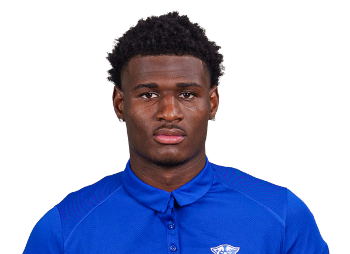
← Back to NFL Draft Big Board Monty Rice Georgia HT: 6000 WT: 238 YR: SR POS: LB OVR RK 98 POS RK CEILING POTENTIAL 9 KEY STRENGTHS KEY CONCERNS PLAYSTYLE & SCHEME FIT PLAYER COMPARISON: CEILING GRADE ANALYSIS Low-Level Starter Potential (55-59) A player with the upside to be a low-end starter or high-level backup within a couple of seasons. While they have solid physical tools, inconsistencies in technique, processing, or durability limit their ceiling. They are developmental prospects who may carve out a role as specialists or system fits. Primary scout: Brandon Lundberg Football Scout 365 NFL Draft Grade Scale Football Scout 365 grades reflect a prospect’s projected long-term NFL value and role. Draft ranges are general value projections, not predictions of an exact selection. Positional value, team needs, scheme fit, medical information and athletic testing can influence where a player is ultimately selected. How Football Scout 365 Grades NFL Draft Prospects Elite (75+): A rare, high-impact prospect with elite physical tools, advanced football intelligence and the ability to make an immediate NFL impact. Elite prospects carry franchise-altering potential and typically project as top 5–10 selections in the first round. Near Elite (70–74): A high-caliber prospect with outstanding physical tools, strong football intelligence and only minor developmental limitations. Near Elite prospects project as significant early-career contributors with Pro Bowl upside and first-round draft value. High-End Starter Potential (65–69): A starting-caliber prospect with strong physical tools, quality technical skills and a defined NFL role. These players may require development before reaching their ceiling but generally carry second- or third-round draft value. Mid-Level Starter Potential (60–64): A solid prospect with NFL-level tools and a pathway to becoming a dependable starter if key limitations are addressed. These players generally carry third- to fifth-round draft value. Low-Level Starter Potential (55–59): A developmental prospect who could become a low-end starter, high-end backup or valuable specialist in the right role. These players generally carry fifth- to seventh-round draft value. Backup Level (50–54): A depth or rotational prospect with enough functional ability to compete for an NFL roster spot but limited long-term starting potential. These players generally project as late Day 3 selections or priority undrafted free agents. Not NFL Level (Below 50): A developmental or camp prospect who does not currently demonstrate enough consistency, technical refinement or functional NFL traits to project as a regular contributor. These players generally project as undrafted free agents, practice-squad candidates or camp invitations. Draft position can vary based on positional value, team needs, scheme fit, medical evaluation and athletic testing.
- Ted Hurst
← Back to NFL Draft Big Board Ted Hurst Georgia State HT: 6030 WT: 185 YR: SR POS: WR OVR RK 62 POS RK CEILING POTENTIAL KEY STRENGTHS Contested-catch ability Fluid/smooth mover Outstanding ball skills KEY CONCERNS Competition level Not elite burner Developing functional strength PLAYSTYLE & SCHEME FIT Ted Hurst is a long, fluid perimeter receiver with vertical speed and developmental upside as a boundary target. He accelerates quickly for his size and can stress corners early in routes, showing the ability to track and adjust to deep throws with body control. Hurst flashes smooth hips and balanced footwork at the top of routes, suggesting room for expansion in a fuller route tree. However, he does not consistently play to his size at the catch point and must become more assertive in contested situations. His hands can be inconsistent on difficult finishes, and the jump in competition will test his play strength and refinement. He projects as a developmental outside receiver with quality upside tied to polish and physical growth. PLAYER COMPARISON: CEILING GRADE ANALYSIS High-End Starter Potential (65-69) A player expected to become a top-tier starter within their first few years. They possess strong physical tools and good technical skills but may have some limitations in their game. With development, they can reach near-elite levels and provide consistent impact at their position. Primary scout: Brandon Lundberg Football Scout 365 NFL Draft Grade Scale Football Scout 365 grades reflect a prospect’s projected long-term NFL value and role. Draft ranges are general value projections, not predictions of an exact selection. Positional value, team needs, scheme fit, medical information and athletic testing can influence where a player is ultimately selected. How Football Scout 365 Grades NFL Draft Prospects Elite (75+): A rare, high-impact prospect with elite physical tools, advanced football intelligence and the ability to make an immediate NFL impact. Elite prospects carry franchise-altering potential and typically project as top 5–10 selections in the first round. Near Elite (70–74): A high-caliber prospect with outstanding physical tools, strong football intelligence and only minor developmental limitations. Near Elite prospects project as significant early-career contributors with Pro Bowl upside and first-round draft value. High-End Starter Potential (65–69): A starting-caliber prospect with strong physical tools, quality technical skills and a defined NFL role. These players may require development before reaching their ceiling but generally carry second- or third-round draft value. Mid-Level Starter Potential (60–64): A solid prospect with NFL-level tools and a pathway to becoming a dependable starter if key limitations are addressed. These players generally carry third- to fifth-round draft value. Low-Level Starter Potential (55–59): A developmental prospect who could become a low-end starter, high-end backup or valuable specialist in the right role. These players generally carry fifth- to seventh-round draft value. Backup Level (50–54): A depth or rotational prospect with enough functional ability to compete for an NFL roster spot but limited long-term starting potential. These players generally project as late Day 3 selections or priority undrafted free agents. Not NFL Level (Below 50): A developmental or camp prospect who does not currently demonstrate enough consistency, technical refinement or functional NFL traits to project as a regular contributor. These players generally project as undrafted free agents, practice-squad candidates or camp invitations. Draft position can vary based on positional value, team needs, scheme fit, medical evaluation and athletic testing.
- Robert Hainsey
← Back to NFL Draft Big Board Robert Hainsey Notre Dame HT: 6050 WT: 302 YR: SR POS: OT OVR RK 95 POS RK CEILING POTENTIAL 12 KEY STRENGTHS KEY CONCERNS PLAYSTYLE & SCHEME FIT PLAYER COMPARISON: CEILING GRADE ANALYSIS High-End Starter Potential (65-69) A player expected to become a top-tier starter within their first few years. They possess strong physical tools and good technical skills but may have some limitations in their game. With development, they can reach near-elite levels and provide consistent impact at their position. Primary scout: Brandon Lundberg Football Scout 365 NFL Draft Grade Scale Football Scout 365 grades reflect a prospect’s projected long-term NFL value and role. Draft ranges are general value projections, not predictions of an exact selection. Positional value, team needs, scheme fit, medical information and athletic testing can influence where a player is ultimately selected. How Football Scout 365 Grades NFL Draft Prospects Elite (75+): A rare, high-impact prospect with elite physical tools, advanced football intelligence and the ability to make an immediate NFL impact. Elite prospects carry franchise-altering potential and typically project as top 5–10 selections in the first round. Near Elite (70–74): A high-caliber prospect with outstanding physical tools, strong football intelligence and only minor developmental limitations. Near Elite prospects project as significant early-career contributors with Pro Bowl upside and first-round draft value. High-End Starter Potential (65–69): A starting-caliber prospect with strong physical tools, quality technical skills and a defined NFL role. These players may require development before reaching their ceiling but generally carry second- or third-round draft value. Mid-Level Starter Potential (60–64): A solid prospect with NFL-level tools and a pathway to becoming a dependable starter if key limitations are addressed. These players generally carry third- to fifth-round draft value. Low-Level Starter Potential (55–59): A developmental prospect who could become a low-end starter, high-end backup or valuable specialist in the right role. These players generally carry fifth- to seventh-round draft value. Backup Level (50–54): A depth or rotational prospect with enough functional ability to compete for an NFL roster spot but limited long-term starting potential. These players generally project as late Day 3 selections or priority undrafted free agents. Not NFL Level (Below 50): A developmental or camp prospect who does not currently demonstrate enough consistency, technical refinement or functional NFL traits to project as a regular contributor. These players generally project as undrafted free agents, practice-squad candidates or camp invitations. Draft position can vary based on positional value, team needs, scheme fit, medical evaluation and athletic testing.
- Derick Hall
← Back to NFL Draft Big Board Derick Hall Auburn HT: 6026 WT: 254 YR: SR POS: ED OVR RK 79 POS RK CEILING POTENTIAL 13 KEY STRENGTHS Athleticism Run Defense 1st Step KEY CONCERNS Counter Moves Rush Plan Flexibility PLAYSTYLE & SCHEME FIT 3-4 OLB/Edge Rusher PLAYER COMPARISON: CEILING GRADE ANALYSIS Mid-Level Starter Potential (60-64) A solid, dependable starter with the potential to exceed expectations. They have good athleticism and tools but may lack elite traits. While they show flashes of high-level play, they also have some notable weaknesses that must be developed. These players often need 2-3 years to establish themselves. Primary scout: Brandon Lundberg Football Scout 365 NFL Draft Grade Scale Football Scout 365 grades reflect a prospect’s projected long-term NFL value and role. Draft ranges are general value projections, not predictions of an exact selection. Positional value, team needs, scheme fit, medical information and athletic testing can influence where a player is ultimately selected. How Football Scout 365 Grades NFL Draft Prospects Elite (75+): A rare, high-impact prospect with elite physical tools, advanced football intelligence and the ability to make an immediate NFL impact. Elite prospects carry franchise-altering potential and typically project as top 5–10 selections in the first round. Near Elite (70–74): A high-caliber prospect with outstanding physical tools, strong football intelligence and only minor developmental limitations. Near Elite prospects project as significant early-career contributors with Pro Bowl upside and first-round draft value. High-End Starter Potential (65–69): A starting-caliber prospect with strong physical tools, quality technical skills and a defined NFL role. These players may require development before reaching their ceiling but generally carry second- or third-round draft value. Mid-Level Starter Potential (60–64): A solid prospect with NFL-level tools and a pathway to becoming a dependable starter if key limitations are addressed. These players generally carry third- to fifth-round draft value. Low-Level Starter Potential (55–59): A developmental prospect who could become a low-end starter, high-end backup or valuable specialist in the right role. These players generally carry fifth- to seventh-round draft value. Backup Level (50–54): A depth or rotational prospect with enough functional ability to compete for an NFL roster spot but limited long-term starting potential. These players generally project as late Day 3 selections or priority undrafted free agents. Not NFL Level (Below 50): A developmental or camp prospect who does not currently demonstrate enough consistency, technical refinement or functional NFL traits to project as a regular contributor. These players generally project as undrafted free agents, practice-squad candidates or camp invitations. Draft position can vary based on positional value, team needs, scheme fit, medical evaluation and athletic testing.
- Keion White
At 6-4 280lbs, White possesses good size and athleticism. White is a versatile player who can play both defensive end and linebacker, showing impressive speed and agility for his size. He is a disruptive pass rusher, using his burst and quickness to get around blockers and pressure the quarterback. White is also a strong run defender that understands how to use leverage to set a hard edge . While he may need to continue to refine his technique and develop more pass rush moves, White has the potential to be a productive defender at the NFL level. ← Back to NFL Draft Big Board Keion White Georgia Tech HT: 6050 WT: 285 YR: RSR POS: ED OVR RK 49 POS RK CEILING POTENTIAL 8 KEY STRENGTHS Athleticism Physical Traits Motor KEY CONCERNS Consistency Body Control Block Shed PLAYSTYLE & SCHEME FIT In terms of scheme fit, White would likely excel in a 4-3 defense as a traditional defensive end, but he could also potentially play as a 3-4 outside linebacker. He has the ability to rush the passer from the edge, but he is also strong enough to hold up against the run and can drop back in coverage if needed. Overall, White has the versatility and skills to be a productive player in multiple defensive schemes at the next level. PLAYER COMPARISON: CEILING GRADE ANALYSIS Near Elite (70-74) A high-caliber prospect who is expected to become a significant contributor by Year 2. These players have outstanding physical tools and strong football IQ, with only minor flaws in their game. They demonstrate consistency at a high level and project as future Pro Bowl-caliber players if properly developed. Primary scout: Brandon Lundberg Football Scout 365 NFL Draft Grade Scale Football Scout 365 grades reflect a prospect’s projected long-term NFL value and role. Draft ranges are general value projections, not predictions of an exact selection. Positional value, team needs, scheme fit, medical information and athletic testing can influence where a player is ultimately selected. How Football Scout 365 Grades NFL Draft Prospects Elite (75+): A rare, high-impact prospect with elite physical tools, advanced football intelligence and the ability to make an immediate NFL impact. Elite prospects carry franchise-altering potential and typically project as top 5–10 selections in the first round. Near Elite (70–74): A high-caliber prospect with outstanding physical tools, strong football intelligence and only minor developmental limitations. Near Elite prospects project as significant early-career contributors with Pro Bowl upside and first-round draft value. High-End Starter Potential (65–69): A starting-caliber prospect with strong physical tools, quality technical skills and a defined NFL role. These players may require development before reaching their ceiling but generally carry second- or third-round draft value. Mid-Level Starter Potential (60–64): A solid prospect with NFL-level tools and a pathway to becoming a dependable starter if key limitations are addressed. These players generally carry third- to fifth-round draft value. Low-Level Starter Potential (55–59): A developmental prospect who could become a low-end starter, high-end backup or valuable specialist in the right role. These players generally carry fifth- to seventh-round draft value. Backup Level (50–54): A depth or rotational prospect with enough functional ability to compete for an NFL roster spot but limited long-term starting potential. These players generally project as late Day 3 selections or priority undrafted free agents. Not NFL Level (Below 50): A developmental or camp prospect who does not currently demonstrate enough consistency, technical refinement or functional NFL traits to project as a regular contributor. These players generally project as undrafted free agents, practice-squad candidates or camp invitations. Draft position can vary based on positional value, team needs, scheme fit, medical evaluation and athletic testing.
- 2022 NFL Draft Profile: Notre Dame Safety Kyle Hamilton
2022 NFL Draft Profile: Notre Dame Safety Kyle Hamilton Click Here to view our NFL Draft Big Board with player rankings and analysis. Click here to learn more about our updated player grade scale and critical position factors. Name: Kyle Hamilton School: Notre Dame Fighting Irish Position: S/Box Safety Height: 6-4 Weight: 220 Year: Junior Jersey Number: 14 Defensive Scheme: Cover 1, Cover 3 Defensive Coordinator: Marcus Freeman Games Reviewed: Clemson 2020, Purdue 2021, Florida State 2021, Cincinnati 2021 Position Specific Critical Factors Three Level Ability (9) Elite Can the player contribute at ALL 3 levels of the defense? Short, intermediate, and deep. Playing with the "sufficient" skills at all levels? Instincts/Awareness (8) Near Elite Innate feel for the position. Ability to anticipate and diagnose a play before it happens. Ability to make smart decisions and anticipate. Is he a step ahead of the play? Can he find the ball; read the QB? Can he process info quickly; read route combinations/alignments? Mental or reaction quickness to blocking schemes and play flow. Play with correct leverage. Take the right angles in reaction to the play and blocking pressure. Key and diagnose plays, intelligence, field vision. Overall Football Speed, Reactive Quickness (9) Near Elite Ability to play with speed for his position in games with pads on NOT 40 speed. Range, close and overall tempo. Key Strengths Range Run Defense Versatility at All Levels Key Weaknesses Aggressiveness Knee Injury/Not Considered Serious Pass Game Summary Kyle Hamilton possesses elite range covering a lot of grass in a hurry. His play recognition and instincts combined with his freakish speed and athleticism at 6-4 220lbs are not of this world. He can play the post safety position or come down into the slot or the box. His athleticism allows him to cover slot receivers, TE's and backs out of the backfield or flexed out wide. His ball skills are high level; he can track and locate the football and make a play in coverage with the same type of flexibility you see from a smaller cover corner. He can be an asset in one high man to man or cover three-zone style defense. He does not appear to have any stylistic limitations. Run Game Summary In the run game, Hamilton can fit the run like a LB, and he can do that from depth, in the box, or the nickel. His speed and athleticism, combined with excellent open-field tackling, are already a great fit for the NFL. Final Analysis A dynamic athlete that excels at every sport he has ever played. Hamilton received a basketball scholarship at the age of 15. His athletic acumen stretches further; Hamilton tried out for Lacrosse, having never played the sport in high school where he would make the team and get significant playing time. According to his brother Tyler, Kyle is also an excellent golfer who can hit a two-iron nearly 300 yards. The Hamilton bloodlines are tried and true. His mother, Jackie, who excelled academically and as an artist before becoming an HR manager for a marketing firm, mentioned in an interview referenced on the ND Insider website that Kyle is a Mensa member. The Mensa organization recognizes people who score within the upper two percent of an approved intelligence test. Kyle backed up his Mensa bona fides by scoring a 30 on his ACT. Hamiltons father was a star basketball player at the University of Southern Mississippi, a third-round pick in the 1988 NBA Draft, and a professional basketball player overseas for more than a decade. As a football player, Hamilton is long and rangy safety who possesses outstanding speed for a player who stands at 6-4, 220lbs. He has excellent on-field awareness, playing with great instincts. According to his former trainer, in Atlanta, at the age of 18, Hamilton registered a 40-inch vertical, and he jumped free-standing (no approach step) a 55-inch box jump. Hamilton provides incredible range covering a lot of grass in a hurry; he is a good tackler in space and offers excellent three-level support. He is a lengthy, physical player who provides a positionless chess piece at the NFL level. Final Grade Analysis Final Grade: (7.8) (Instant Impact Potential) (9.0-7.0) High-End Starter Ceiling Grade: (9.0) (Instant Impact Potential) (9.0-7.0) High-End Starter Floor Grade: (6.9) (Instant Impact Potential) (9.0-7.0) High-End Starter
- 2022 NFL Draft Profile: Michigan RB Hassan Haskins
2022 NFL Draft Profile: Michigan RB Hassan Haskins Click Here to view our NFL Draft Big Board with player rankings and analysis. Click here to learn more about our updated player grade scale and critical position factors. Player Profile Name: Hassan Haskins School: Michigan Recruiting Profile: Click Here Position: RB Height: 6010 Weight: 220 Year: SR Jersey Number: 25 Offensive Scheme: Power Spread Offensive Coordinator: Josh Gattis Games Reviewed: 2019 Notre Dame, 2019 Alabama Citrus Bowl), 2020 Michigan State, 2021 Washington, 2021 Ohio State, 2021 Iowa Position Specific Critical Factors Vision: (6) Good Ability to run to daylight and gain positive yardage. Running without hesitation, seeing cut-back lanes, patience to follow blocks, finding open seams, creating something out of nothing, ability to set up his blockers. Contact Balance: (7) Very Good Ability to maintain his balance in traffic, bounce off of would-be tacklers and continue to advance the football. This grade should reflect his ability to play with a low center of gravity, strength, balance, and foot coordination to keep plays alive in traffic. Pass Game Impact: (7) Very Good Combination of his ability to make plays out of the backfield as a receiver, pass-catching ability, and pass pro. Key Strengths Power Contact Balance Pass Pro Key Weaknesses Limited As a Receiver Lacks Long Speed Upright Runner Pass Game Summary In the passing game, Haskins possesses three-down ability as a pass protector but needs more work as a receiver out of the backfield to gauge his impact. His usage as a receiver at Michigan in the current season (2021) will be hard to measure as he shares a backfield with another back who is a primary backfield receiver. In previous seasons Michigan did not utilize their backs as receivers consistently enough to gauge whether Haskins's deficiencies in this area are more about him and his ability or the offensive scheme. Run Game Summary In the run game, Haskins' toughness stands out, and he does a great job hitting the hole hard and powering through initial contact at the line of scrimmage. He shows good patience and vision, allowing his blocks to be set up. He possesses good contact balance and the type of footwork you want to see from a running back. Haskins is not known as an explosive or an elusive playmaker, yet he does possess an adequate ability to make a man miss in space. For a player who invites contact, he does a great job with ball security. At times, Haskins can run upright listed at better than six feet tall, he has done a good job working on his bend as a runner while at Michigan. Final Analysis Haskins is a grinder; he has improved each year at Michigan and has entered the 2021 season on a high note in a shared backfield. Haskins embraces his role in a shared backfield, which bodes well for him at the next level. He is also a solid special teams player who will run down on punts and kickoffs to make a play. I expect his stock to rise as Michigan progresses through the Big Ten schedule, and they begin to lean on him more as their primary between the tackles runner. His ideal fit is a team that embraces a power run scheme and utilizes a downhill-style player. His ceiling vs. his floor is dependent on his ability to improve or show he can be a pass-catching threat out of the backfield. Final Grade Analysis Final Grade: (6.7) (High Upside Potential) Solid Starter Level Ceiling Grade: (6.9) (High Upside Potential) Solid Starter Level Floor Grade: (6.2) (Role Player Potential) Situational Starter/System Dependent/Role Player
- 2025 NFL Draft: 15 Prospects at Every Position You Need To Know About
2025 NFL Draft: 15 Prospects at Every Position You Need To Know About The 2024 college football season is right around the corner, and throughout the summer, we have been watching tape on some of the top 2025 NFL draft-eligible prospects that we believe you should know about before the start of the 2024 college football season. Quarterback In the 2024 NFL Draft, a record was set with six quarterbacks selected in the first twelve picks, highlighting an impressive showcase of talent at the position. While the talent level of the 2025 draft class may not match that of the previous year, it includes numerous intriguing quarterback prospects. Running Back In the 2024 NFL Draft, there was a shortage of top-tier running backs compared to the 2023 NFL Draft. As a result, Jonathon Brooks became the first halfback selected at pick No. 46, marking the latest RB1 pick in ten years. Do not anticipate the continuation of that trend in the 2025 NFL Draft. Numerous running backs opted to stay in school for an extra year in 2024, with many of them showcasing top-tier qualities that might elevate them to day-one consideration in the 2025 NFL Draft. Wide Receiver The 2024 NFL Draft class of wide receivers was filled with talent. Names Like Marvin Harrison Jr, Rome Odunze and Malik Nabers all were drafted in the top 10 of the 2024 NFL Draft. Looking forward to the 2025 NFL Draft, it is anticipated that the upcoming class will also offer a significant amount of talent, although not quite reaching the same level as the 2024 draft. Nonetheless, it seems to be a promising class. Tight End The 2024 NFL Draft showcased exceptional talent among tight ends, headlined by the generational standout Brock Bowers, who was taken by the Las Vegas Raiders with the 13th overall pick. Following him, Ben Sinnott from Kansas State was selected as the next tight end, going in the second round. Ten additional tight ends were chosen over the subsequent days of the draft. Offensive Tackle The 2024 NFL Draft saw a record-breaking eight offensive tackles selected in the first round, including standout prospects such as Joe Alt, JC Latham, Olu Fashanu, and Taliese Fuaga. As we look ahead to the 2025 NFL Draft, early indications suggest a promising pool of offensive tackle prospects, making it essential to monitor their performance during the 2024 college football season. Interior Offensive Line The Tampa Bay Buccaneers selected Graham Barton at No. 26 in the 2024 NFL Draft, marking the seventh consecutive NFL Draft where an interior offensive lineman was chosen in the first round. Who are the candidates to make it eight in a row? Here are 15 interior offensive linemen to watch, ranked by total points earned from the 2023 college football season, as we head into summer scouting for the 2025 NFL Draft. Interior Defensive Line The 2024 NFL Draft will likely be remembered for the abundance of offensive talent at the top, with the first 14 picks coming from that side of the ball, doubling the previous record set in 2021. However, the 2025 draft is expected to shift focus, as the defensive side looks particularly strong. One of the standout positions is interior defensive tackle, with multiple prospects projected as potential first-rounders and even a few top-10 pick considerations. Edge Rush/LB The 2024 NFL Draft saw five edge rushers selected in the first round, including Laiatu Latu, Dallas Turner, Jared Verse, Chop Robinson, and Darius Robinson. While the 2024 NFL Draft featured a strong top tier of EDGE talent, the 2025 class is shaping up to not only match but potentially surpass it in terms of depth and quality. Linebacker The 2024 NFL Draft LB class was led by Edgerrin Cooper, Payton Wilson, and Junior Colson. Cooper was the first LB off the board at 45th overall in what was considered a weak LB class. The 2025 class, featuring standout prospects such as Harold Perkins Jr. and Barrett Carter, promises to be different, offering a higher caliber of players poised to make an immediate impact at the next level. Cornerback The 2024 NFL Draft saw 15 cornerbacks selected within the top 100 picks, including first-rounders Quinyon Mitchell, Terrion Arnold, and Nate Wiggins, along with quality Day 2 prospects like Kool-Aid McKinstry, Max Melton, and Cooper DeJean. While the 2024 class was strong in both top-end talent and depth, the 2025 class is shaping up to be truly special, featuring a couple of potential blue-chip prospects and a deep pool of talent. Will Johnson is emerging as a potential top-five pick after a dominant first couple of seasons, and Travis Hunter's versatility makes him a very enticing prospect. With only three first-round cornerbacks in the 2024 NFL Draft, the question remains: will there be more next April? Safety The 2025 NFL Draft class appears much stronger at the safety position compared to the weaker 2024 class. As we transition to the 2025 NFL Draft cycle, there is anticipation for an infusion of day one and day two potential at the safety position. The upcoming class promises more top-50 potential, including versatile playmakers like Georgia's Malaki Starks and Iowa's Xavier Nwankpa and Kevin Winston Jr. from Penn State.
- Chris Olave
Chris Olave is another talented Ohio State WR labeled with the technician tag similar to players in recent years, the most notable being Terry McLaurin. But Olave is more than just a technician. In addition to his route running, he is a serious deep threat with a high-level ability to track the football while being covered. He is not always a hands catcher, which can improve, but he possesses excellent body control in tight quarters, especially on back shoulder catches that he often makes look easy. Olave will not wow you physically, and at the NFL level, he will play in the slot or the z in an off-ball role where he will get a free release. If needed, he could step into an on-ball role using his short-area quickness off the line of scrimmage to get a free release. Olave excels at every level of the field; while he is not as elite after the catch as his Ohio State teammates, he is elusive enough to make a man miss in space where he can pick up the extra yards. Olave has instant impact potential right away. He can play a featured role at the NFL level. He can flourish in an offense that successfully utilizes a combination of horizontal, vertical, and option routes with a good balance of play action. His ability as a run blocker is adequate and will translate at the next level due to the Ohio States' enhanced focus on WR run blocking. He is also a solid special teams player who has blocked punts. Olave has a similar skill set to Tyler Locket, combining route running with deep ball tracking while playing an off-the-ball role from the Z or the slot. ← Back to NFL Draft Big Board Chris Olave Ohio State HT: 6010 WT: 188 YR: SR POS: WR OVR RK 14 POS RK CEILING POTENTIAL 2 KEY STRENGTHS KEY CONCERNS PLAYSTYLE & SCHEME FIT Chris Olave is another talented Ohio State WR labeled with the technician tag similar to players in recent years, the most notable being Terry McLaurin. But Olave is more than just a technician. In addition to his route running, he is a serious deep threat with a high-level ability to track the football while being covered. He is not always a hands catcher, which can improve, but he possesses excellent body control in tight quarters, especially on back shoulder catches that he often makes look easy. Olave will not wow you physically, and at the NFL level, he will play in the slot or the z in an off-ball role where he will get a free release. If needed, he could step into an on-ball role using his short-area quickness off the line of scrimmage to get a free release. Olave excels at every level of the field; while he is not as elite after the catch as his Ohio State teammates, he is elusive enough to make a man miss in space where he can pick up the extra yards. Olave has instant impact potential right away. He can play a featured role at the NFL level. He can flourish in an offense that successfully utilizes a combination of horizontal, vertical, and option routes with a good balance of play action. His ability as a run blocker is adequate and will translate at the next level due to the Ohio States' enhanced focus on WR run blocking. He is also a solid special teams player who has blocked punts. Olave has a similar skill set to Tyler Locket, combining route running with deep ball tracking while playing an off-the-ball role from the Z or the slot. PLAYER COMPARISON: CEILING GRADE ANALYSIS Near Elite (70-74) A high-caliber prospect who is expected to become a significant contributor by Year 2. These players have outstanding physical tools and strong football IQ, with only minor flaws in their game. They demonstrate consistency at a high level and project as future Pro Bowl-caliber players if properly developed. Primary scout: Brandon Lundberg Football Scout 365 NFL Draft Grade Scale Football Scout 365 grades reflect a prospect’s projected long-term NFL value and role. Draft ranges are general value projections, not predictions of an exact selection. Positional value, team needs, scheme fit, medical information and athletic testing can influence where a player is ultimately selected. How Football Scout 365 Grades NFL Draft Prospects Elite (75+): A rare, high-impact prospect with elite physical tools, advanced football intelligence and the ability to make an immediate NFL impact. Elite prospects carry franchise-altering potential and typically project as top 5–10 selections in the first round. Near Elite (70–74): A high-caliber prospect with outstanding physical tools, strong football intelligence and only minor developmental limitations. Near Elite prospects project as significant early-career contributors with Pro Bowl upside and first-round draft value. High-End Starter Potential (65–69): A starting-caliber prospect with strong physical tools, quality technical skills and a defined NFL role. These players may require development before reaching their ceiling but generally carry second- or third-round draft value. Mid-Level Starter Potential (60–64): A solid prospect with NFL-level tools and a pathway to becoming a dependable starter if key limitations are addressed. These players generally carry third- to fifth-round draft value. Low-Level Starter Potential (55–59): A developmental prospect who could become a low-end starter, high-end backup or valuable specialist in the right role. These players generally carry fifth- to seventh-round draft value. Backup Level (50–54): A depth or rotational prospect with enough functional ability to compete for an NFL roster spot but limited long-term starting potential. These players generally project as late Day 3 selections or priority undrafted free agents. Not NFL Level (Below 50): A developmental or camp prospect who does not currently demonstrate enough consistency, technical refinement or functional NFL traits to project as a regular contributor. These players generally project as undrafted free agents, practice-squad candidates or camp invitations. Draft position can vary based on positional value, team needs, scheme fit, medical evaluation and athletic testing.
- Chris Cole
← Back to NFL Draft Big Board Chris Cole Georgia HT: 6030 WT: 235 YR: JR POS: LB OVR RK 10 POS RK CEILING POTENTIAL LB1 Near Elite KEY STRENGTHS Coverage versatility Pursuit range Open-field tackling KEY CONCERNS Run-key processing Block deconstruction Pressure timing / counters PLAYSTYLE & SCHEME FIT Chris Cole is an athletic off-ball linebacker whose profile is built on coverage ability, pursuit range, and controlled tackling in space. He fits best as a coverage WILL in a multiple defense that allows him to match backs and tight ends, work across the formation, and contribute as a situational edge rusher. The concern is whether his run-key processing and ability to disengage from bigger blockers become consistent enough to support an every-down role. His starting pathway depends on playing with better leverage through contact while developing more decisive run fits and a more complete pressure package. PLAYER COMPARISON: CEILING GRADE ANALYSIS Near Elite (70-74) A high-caliber prospect who is expected to become a significant contributor by Year 2. These players have outstanding physical tools and strong football IQ, with only minor flaws in their game. They demonstrate consistency at a high level and project as future Pro Bowl-caliber players if properly developed. Primary scout: Brandon Lundberg Football Scout 365 NFL Draft Grade Scale Football Scout 365 grades reflect a prospect’s projected long-term NFL value and role. Draft ranges are general value projections, not predictions of an exact selection. Positional value, team needs, scheme fit, medical information and athletic testing can influence where a player is ultimately selected. How Football Scout 365 Grades NFL Draft Prospects Elite (75+): A rare, high-impact prospect with elite physical tools, advanced football intelligence and the ability to make an immediate NFL impact. Elite prospects carry franchise-altering potential and typically project as top 5–10 selections in the first round. Near Elite (70–74): A high-caliber prospect with outstanding physical tools, strong football intelligence and only minor developmental limitations. Near Elite prospects project as significant early-career contributors with Pro Bowl upside and first-round draft value. High-End Starter Potential (65–69): A starting-caliber prospect with strong physical tools, quality technical skills and a defined NFL role. These players may require development before reaching their ceiling but generally carry second- or third-round draft value. Mid-Level Starter Potential (60–64): A solid prospect with NFL-level tools and a pathway to becoming a dependable starter if key limitations are addressed. These players generally carry third- to fifth-round draft value. Low-Level Starter Potential (55–59): A developmental prospect who could become a low-end starter, high-end backup or valuable specialist in the right role. These players generally carry fifth- to seventh-round draft value. Backup Level (50–54): A depth or rotational prospect with enough functional ability to compete for an NFL roster spot but limited long-term starting potential. These players generally project as late Day 3 selections or priority undrafted free agents. Not NFL Level (Below 50): A developmental or camp prospect who does not currently demonstrate enough consistency, technical refinement or functional NFL traits to project as a regular contributor. These players generally project as undrafted free agents, practice-squad candidates or camp invitations. Draft position can vary based on positional value, team needs, scheme fit, medical evaluation and athletic testing.
- 2024 NFL Draft: Ranking Our Top Graded Edge Rushers Led by Dallas Turner
2024 NFL Draft: Ranking Our Top Graded Edge Rushers Led by Dallas Turner The 2024 NFL Draft's edge rusher class is deep and talented, showcasing versatility with various play styles and skill sets. Dallas Turner from Alabama leads the pack, with Chop Robinson showcasing elite ceiling potential and Jared Verse and Laiatu Latu bringing ultra-productivity and talent to the table. An elite edge rusher in today's NFL and college football acts as a significant force multiplier for a defense. In an era dominated by the passing game, possessing a player who can consistently achieve pressure off the edge is invaluable, enhancing the overall effectiveness of the defense and especially benefiting secondary coverage. The top 5 NFL edge defenders in 2023 in terms of total pressure on the QB according to PFF are as follows: Nick Bosa - 16 sacks, 122 pressures Aidan Hutchinson - 14 sacks, 121 pressures Micah Parsons - 16 sacks, 106 pressures Maxx Crosby - 15 sacks, 94 pressures Myles Garrett - 15 sacks, 89 pressures According to Spotrac, the average annual combined salary for the top 5 edge rushers in terms of total pressures from 2023 is $19M. Nick Bosa - $34M Aidan Hutchinson - $9M (rookie contract) Micah Parsons - $4M (rookie contract) Maxx Crosby - $24M Myles Garrett - $25M This analysis merges multiple data sources to offer the most comprehensive overview possible, aiming to illustrate how NFL teams might deploy each draft prospect. By integrating Football Scout 365's NFL Draft player grades with the college alignment usage of each prospect, we can begin to forecast their NFL trajectories, helping to visualize how they project at the professional level. How We Scout The Edge Rusher Position Scouting edge rushers in the NFL requires evaluating a player's size, athleticism, technique, and versatility. Below is a list of critical components we use to grade the EDGE position during the NFL Draft process. Every EDGE defender receives a grade on a scale of 1-10 for each of the below components during the scouting process. Once each player component is graded, we attach a final grade to indicate where the player stands before entering the NFL Draft, and then we attach a ceiling grade based on future potential. Here are some key factors to consider when scouting an edge rusher: Size and Length: An edge rusher needs size and length to create separation from offensive linemen and disrupt the quarterback's throwing motion. This includes their ability to generate power at the point of attack, maintain leverage, and finish sacks. Speed and Agility: An edge rusher must be fast and agile enough to beat offensive linemen and get to the quarterback quickly. This includes their ability to change direction quickly, accelerate off the snap, and bend around the edge. Pass Rushing Ability: An edge rusher needs to be able to get to the quarterback and disrupt the passing game. This includes their ability to generate pressure, penetrate the offensive line, and use various pass-rushing techniques such as the bull rush, swim move, and spin move. Run Stopping Ability: An edge rusher must stop the run and limit the yardage gained by ball carriers. This includes their ability to maintain gap control, set the edge, and pursue ball carriers. Versatility: An edge rusher needs to be versatile enough to play on both sides of the defensive line, drop back into coverage, and execute different pass-rushing techniques. This includes their ability to adjust to different offensive schemes, work effectively with different defensive linemen, and contribute to special teams. Football IQ: An edge rusher's football intelligence is essential to make quick decisions and adjustments on the field. This includes their ability to recognize offensive formations, diagnose plays, and communicate with their teammates. Durability: An edge rusher's durability is important, as they will be taking a lot of hits on the field. This includes their ability to stay healthy and recover quickly from injuries. When scouting an edge rusher, it's important to evaluate all of these factors and the player's overall performance on the field. It's also important to consider the team's specific needs and whether the edge rusher's skills and attributes match the team's defensive system and style of play. Additionally, it's important to consider the edge rusher's penalties and mental mistakes, as these can be a liability for the defense. Ranking The Top Graded Edge Rushers in The 2024 NFL Draft 1). Dallas Turner - Alabama Crimson Tide Height/Weight: 6'4", 242 lbs Ceiling Grade: Near Elite Level Potential NFL Draft Projection: Top 15 Overall Performance Grades: Pass Rush Grade: A+ Run Defense Grade: B Snaps by Alignment (Total for All Years): 1 Tech (A Gap): 0 3 Tech (B Gap): 10 4 Tech (Over Tackle): 22 Edge (Outside Tackle): 1514 Off Ball: 118 NFL Scheme Fit Summary: Projected NFL Position: EDGE Dallas Turner's exceptional first-step explosiveness and versatility make him a perfect fit for an EDGE role in 3-4 defenses or as an athletic outside linebacker in modern NFL schemes. His ability to generate significant quarterback pressures and effectively contribute to run defense highlights his potential as a near-elite talent. 2). Chop Robinson - Penn State Nittany Lions Height/Weight: 6'3", 250 lbs Ceiling Grade: Near Elite Level Potential NFL Draft Projection: 1st Round, picks 20-32 Performance Grades: Pass Rush Grade: A+ Run Defense Grade: B Snaps by Alignment (Total for All Years): 1 Tech (A Gap): 0 3 Tech (B Gap): 5 4 Tech (Over Tackle): 21 Edge (Outside Tackle): 928 Off Ball: 67 NFL Scheme Fit Summary: Projected NFL Position: EDGE Chop Robinson's blend of physical prowess and high motor equips him well for a stand-up EDGE role within 3-4 schemes, showcasing his ability to impact the game through his versatile playmaking capabilities. His outstanding pass rush grade and solid run defense underscore his high ceiling in the NFL. 3). Jared Verse - Florida State Seminoles Height/Weight: 6'4", 260 lbs Ceiling Grade: Near Elite Level Potential NFL Draft Projection: Mid to late 1st round Performance Grades: Pass Rush Grade: A+ Run Defense Grade: C+ Snaps by Alignment (Total for All Years): 1 Tech (A Gap): 0 3 Tech (B Gap): 23 4 Tech (Over Tackle): 65 Edge (Outside Tackle): 1413 Off Ball: 7 NFL Scheme Fit Summary: Projected NFL Position: EDGE Jared Verse's multifaceted skill set as an edge rusher allows for flexibility across defensive schemes, making him a valuable asset in both 4-3 and 3-4 alignments. His ability to excel in pass rush situations and potential for further development in run defense position him as a dynamic prospect with near-elite potential. 4). Laiatu Latu - UCLA Bruins Height/Weight: 6'5", 265 lbs Ceiling Grade: High-End Starter Potential NFL Draft Projection: Mid to late 1st round Performance Grades: Pass Rush Grade: A+ Run Defense Grade: B Snaps by Alignment (Total for All Years): 1 Tech (A Gap): 0 3 Tech (B Gap): 61 4 Tech (Over Tackle): 73 Edge (Outside Tackle): 862 Off Ball: 33 NFL Scheme Fit Summary: Projected NFL Position: EDGE Laiatu Latu's explosive quickness and advanced hand technique make him an impactful edge rusher, particularly in odd front schemes. His performance grades indicate a player with significant pass rush capabilities and solid run defense, fitting well in aggressive defensive setups. 5). Chris Braswell - Alabama Crimson Tide Height/Weight: 6'3", 255 lbs Ceiling Grade: High-End Starter Potential NFL Draft Projection: Late 1st, early to mid-round two Performance Grades: Pass Rush Grade: A Run Defense Grade: C+ Snaps by Alignment (Total for All Years): 1 Tech (A Gap): 0 3 Tech (B Gap): 14 4 Tech (Over Tackle): 80 Edge (Outside Tackle): 878 Off Ball: 41 NFL Scheme Fit Summary: Projected NFL Position: EDGE Chris Braswell's dynamic edge rushing ability, marked by explosiveness and agility, positions him as a formidable threat in pass-rush scenarios. His adaptability in both 3-4 and 4-3 schemes enhances his value, making him a versatile and impactful player at the high-end starter level. 6). Darius Robinson - Missouri Tigers Height/Weight: 6'5", 296 lbs Ceiling Grade: High-End Starter Potential NFL Draft Projection: 2nd Round Performance Grades: Pass Rush Grade: B+ Run Defense Grade: A Snaps by Alignment (Total for All Years): 1 Tech (A Gap): 102 3 Tech (B Gap): 596 4 Tech (Over Tackle): 166 Edge (Outside Tackle): 403 Off Ball: 10 NFL Scheme Fit Summary: Projected NFL Position: Defensive End in 3-4 Scheme Darius Robinson's strength and technique position him as a key run defender with burgeoning pass-rush capabilities. Ideal as a 5-tech defensive end in 3-4 alignments, his power and ability to disengage make him a versatile asset across defensive fronts, promising high-end starter potential with development in pass rush diversity. 7). Adisa Isaac - Penn State Nittany Lions Height/Weight: 6'4", 254 lbs Ceiling Grade: Mid-Level Starter Potential NFL Draft Projection: 3rd Round Performance Grades: Pass Rush Grade: B Run Defense Grade: A Snaps by Alignment (Total for All Years): 1 Tech (A Gap): 2 3 Tech (B Gap): 5 4 Tech (Over Tackle): 26 Edge (Outside Tackle): 862 Off Ball: 10 NFL Scheme Fit Summary: Projected NFL Position: Designated Pass Rusher (DPR) Adisa Isaac's agility and technique earmark him as a rotational edge rusher poised for disruption. Suited for hybrid defenses, his potential as a designated pass rusher is evident, with growth needed in run defense to expand his every-down utility. 8). Marshawn Kneeland - Western Michigan Broncos Height/Weight: 6'3", 275 lbs Ceiling Grade: Mid-Level Starter Potential NFL Draft Projection: 3rd Round Performance Grades: Pass Rush Grade: A- Run Defense Grade: A Snaps by Alignment (Total for All Years): 1 Tech (A Gap): 0 3 Tech (B Gap): 8 4 Tech (Over Tackle): 143 Edge (Outside Tackle): 1194 Off Ball: 91 NFL Scheme Fit Summary: Projected NFL Position: 5-Tech Defensive End Kneeland's blend of run defense and pass-rush capability, alongside his notable motor, situates him as a 5- or 6-tech in even fronts, bringing physicality and tactical prowess to the line. 9). Bralen Trice - Washington Huskies Height/Weight: 6'4", 274 lbs Ceiling Grade: Mid-Level Starter Potential NFL Draft Projection: 3rd Round Performance Grades: Pass Rush Grade: A Run Defense Grade: B Snaps by Alignment (Total for All Years): 1 Tech (A Gap): 0 3 Tech (B Gap): 45 4 Tech (Over Tackle): 36 Edge (Outside Tackle): 1616 Off Ball: 33 NFL Scheme Fit Summary: Projected NFL Position: Defensive End in 4-3 Scheme Trice's size and explosiveness earmark him as an impactful player in a 4-3 scheme, where his dual ability to rush the passer and support run defense could be fully leveraged. 10). Austin Booker - Kansas Jayhawks Height/Weight: 6'6", 245 lbs Ceiling Grade: Low-Level Starter Potential NFL Draft Projection: 3rd Round Performance Grades: Pass Rush Grade: B+ Run Defense Grade: B Snaps by Alignment (Total for All Years): 1 Tech (A Gap): 0 3 Tech (B Gap): 6 4 Tech (Over Tackle): 23 Edge (Outside Tackle): 473 Off Ball: 3 NFL Scheme Fit Summary: Projected NFL Position: EDGE Booker's explosive first step and bend around the edge suggest he's best suited for roles emphasizing pass rush, with development potential in run defense to enhance his every-down value. 11). Jonah Elliss - Utah Utes Height/Weight: 6'2", 246 lbs Ceiling Grade: Low-Level Starter Potential NFL Draft Projection: 3rd Round Performance Grades: Pass Rush Grade: A Run Defense Grade: B Snaps by Alignment (Total for All Years): 1 Tech (A Gap): 16 3 Tech (B Gap): 78 4 Tech (Over Tackle): 54 Edge (Outside Tackle): 906 Off Ball: 26 NFL Scheme Fit Summary: Projected NFL Position: Outside Linebacker in Odd Fronts Elliss demonstrates a nuanced approach to edge rushing, with a blend of power and finesse that makes him a significant threat. His technique and physicality suggest he'll thrive as a standup outside linebacker in odd front schemes, focusing primarily on pass rushing while developing into a more versatile run defender.
- Rebuilding The Chicago Bears: Is Jim Harbaugh The Answer in Chicago? Should they retain Justin Fields or draft a quarterback?
Rebuilding The Chicago Bears: Is Jim Harbaugh The Answer in Chicago? Should they retain Justin Fields or draft a quarterback? The Chicago Bears' performance analysis for the 2023 season and strategic outlook for 2024 reveals a team in transition with potential for significant growth. On offense, the Bears showed modest improvement, increasing their points per game from 19.2 in 2022 to 20.8 in 2023 and their yards per game from 307.8 to 324.2. This upward trend, though slight, indicates an offense finding its rhythm. Defensively, the Bears made notable strides, reducing opponent points per game from 27.2 to 23.8, and slashing yards allowed dramatically from 375.9 to 314.5, signaling a robust defensive turnaround. Heading into the 2024 season, the Bears are well-positioned financially, boasting a healthy cap space of $64.8 million. With effective cap space at $40.8 million and minimal dead money, they have ample opportunity to make strategic moves. With only 37 players currently under contract, the Bears must prioritize filling crucial positions through free agency and the draft, balancing the need for immediate impact players with long-term financial sustainability. Key potential free agents include impact players like Yannick Ngakoue and Justin Jones, alongside others who could bolster both offense and defense. Chicago Bears Free Agent and Salary Cap Analysis for 2024 Season Salary Cap Overview: Cap Space: The Bears have a robust $64,785,906 in cap space, providing significant leeway for roster adjustments and strategic acquisitions. Effective Cap Space: At $40,832,783, this figure shows the Bears' financial capacity after accounting for a minimum of 51 players, including the projected rookie class, highlighting ample room for additional signings. Active Cap Spending: Currently, $181,385,752 is allocated towards active roster salaries. Dead Money: A minimal amount of $859,071 in dead money showcases efficient cap management, freeing up more resources for active roster spending. Roster Size: With 37 players under contract for 2024, below the full roster size of 51, the Bears have multiple spots to fill, opening up opportunities in free agency and the draft. Strategic Salary Cap Considerations: Prioritize filling crucial positional needs, particularly where the draft may lack depth. Actively engage in free agency to complement the draft strategy, given several roster spots to fill. Utilize the low dead money for additional financial flexibility, possibly through contract restructuring. Balance high-value signings with maintaining cap space for future seasons. Key Potential Free Agents: Yannick Ngakoue (EDGE): UFA with a significant snap count of 73.7%, aged 29. Current APY: $10,500,000. A pivotal defensive player essential for maintaining a strong pass rush. Justin Jones (IDL): UFA with 63.0% snaps, aged 28. Current APY: $6,000,000. Key to the interior defense, making him a valuable asset for the Bears' defensive line. Lucas Patrick (LG): UFA with an 83.5% snap count, aged 31. Current APY: $4,000,000. Critical for the offensive line, especially in protecting the QB and supporting the running game. Cairo Santos (K): Void contract, contributing 34.8% snaps, aged 33. Current APY: $3,000,000. A crucial player in special teams whose performance can influence crucial game outcomes. Robert Tonyan (TE): UFA with 24.1% snaps, aged 30. Current APY: $2,650,000. Role as TE could be pivotal depending on his performance in the passing game. Jaylon Johnson (CB): UFA with 78.6% snaps, aged 25. Current APY: $1,617,194. A young cornerback vital for maintaining secondary stability. Darnell Mooney (WR): UFA with 72.6% snaps, aged 27. Current APY: $894,262. Significant to the Bears' receiving corps, potentially a key re-signing for the offense. Potential Offseason Team Positional Needs and Analysis: The Bears' substantial cap space positions them favorably to address key needs identified for the 2024 season. These needs include vital positions such as QB, WR, OT, EDGE, and DL. The financial flexibility combined with strategic signings and draft picks will be crucial in shaping a competitive roster for the upcoming season. PFF Player Grade Overview Jaylon Johnson (CB) - PFF Grade: 90.6 (2024 Free Agent) DJ Moore (WR) - PFF Grade: 87.8 Noah Sewell (LB) - PFF Grade: 86.5 T.J. Edwards (LB) - PFF Grade: 79.5 D'Onta Foreman (HB) - PFF Grade: 76.9 (2024 Free Agent) Montez Sweat (ED) - PFF Grade: 75.5 Justin Fields (QB) - PFF Grade: 75.1 Teven Jenkins (G) - PFF Grade: 74.4 Marcedes Lewis (TE) - PFF Grade: 73.5 (2024 Free Agent) Khalil Herbert (HB) - PFF Grade: 77.2 Summary Analysis And Recommendations To Help Improve The Team As indicated by the PFF data and statistics, the Chicago Bears' performance in the 2023 season highlights several areas needing improvement for greater competitiveness in the NFC North and the NFL. Defensive Challenges (Ranked 30th): The defense is a significant concern, ranked 30th in the league. This low ranking and the high number of points allowed (309, tied for 24th) suggest critical weaknesses in stopping opposing offenses. Addressing this will require a focus on acquiring impact players in the defensive line and secondary, either through the draft or free agency. Evaluating and potentially adjusting defensive schemes could also be beneficial. Offensive Improvements (Ranked 20th): While performing better than the defense, the offense still has room for improvement. Enhancing the offensive line to protect the quarterback better and create effective running lanes should be a priority. Enhancing the receiver group could also help increase the team's points scored. Special Teams (Ranked 17th): This mid-tier ranking suggests a balanced performance with room for improvement. Upgrading specialist positions and improving coverage units can contribute to better field position and impact the outcome of games. Overall Team Strategy: The Bears should focus on drafting defensive players, particularly in positions like EDGE, LB, or CB. Using available cap space judiciously in free agency to fill roster gaps, especially on defense, is crucial. Investing in developing young players, particularly in underperforming positions, is also essential. Coaching and Schemes: The coaching staff needs to reassess their strategies on both offense and defense, maximizing the talents of the current roster and making necessary adjustments to improve overall team performance.