Search Results
Search this site
1757 results found with an empty search
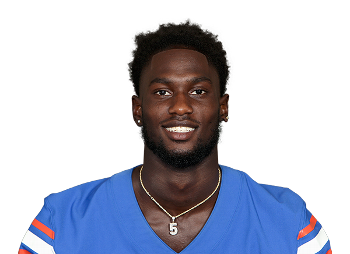
- Kaiir Elam
Elam is a high-level, lengthy, press-man DB who projects as an outside corner that excels in man-to-man scenarios. He blends good speed with quick hips allowing him to efficiently recover if he gets beat off the line of scrimmage. As a zone defender, Elam is solid, and his skill set translates to the NFL. He excels in off coverage zone situations where he can keep eyes on the QB. Elam will attack the football at the catch point, where he uses his elite ball skills to make plays. Elam is a physical player that can be an asset and a liability due to his aggressiveness. As a tackler, he needs to improve; he can take bad angles at times, allowing the ball carrier to make a play. He can also lose discipline in coverage at times allowing receivers to gain leverage or space in the deeper areas of the field. Overall, he is a versatile player who can play in both man or zone situations. He can body a physical receiver, and if he can improve his tackling, he has what it takes to be an elite NFL DB. ← Back to NFL Draft Big Board Kaiir Elam Florida HT: 6020 WT: 196 YR: JR POS: CB OVR RK 32 POS RK CEILING POTENTIAL 5 KEY STRENGTHS KEY CONCERNS PLAYSTYLE & SCHEME FIT Elam is a high-level, lengthy, press-man DB who projects as an outside corner that excels in man-to-man scenarios. He blends good speed with quick hips allowing him to efficiently recover if he gets beat off the line of scrimmage. As a zone defender, Elam is solid, and his skill set translates to the NFL. He excels in off coverage zone situations where he can keep eyes on the QB. Elam will attack the football at the catch point, where he uses his elite ball skills to make plays. Elam is a physical player that can be an asset and a liability due to his aggressiveness. As a tackler, he needs to improve; he can take bad angles at times, allowing the ball carrier to make a play. He can also lose discipline in coverage at times allowing receivers to gain leverage or space in the deeper areas of the field. Overall, he is a versatile player who can play in both man or zone situations. He can body a physical receiver, and if he can improve his tackling, he has what it takes to be an elite NFL DB. PLAYER COMPARISON: CEILING GRADE ANALYSIS High-End Starter Potential (65-69) A player expected to become a top-tier starter within their first few years. They possess strong physical tools and good technical skills but may have some limitations in their game. With development, they can reach near-elite levels and provide consistent impact at their position. Primary scout: Brandon Lundberg Football Scout 365 NFL Draft Grade Scale Football Scout 365 grades reflect a prospect’s projected long-term NFL value and role. Draft ranges are general value projections, not predictions of an exact selection. Positional value, team needs, scheme fit, medical information and athletic testing can influence where a player is ultimately selected. How Football Scout 365 Grades NFL Draft Prospects Elite (75+): A rare, high-impact prospect with elite physical tools, advanced football intelligence and the ability to make an immediate NFL impact. Elite prospects carry franchise-altering potential and typically project as top 5–10 selections in the first round. Near Elite (70–74): A high-caliber prospect with outstanding physical tools, strong football intelligence and only minor developmental limitations. Near Elite prospects project as significant early-career contributors with Pro Bowl upside and first-round draft value. High-End Starter Potential (65–69): A starting-caliber prospect with strong physical tools, quality technical skills and a defined NFL role. These players may require development before reaching their ceiling but generally carry second- or third-round draft value. Mid-Level Starter Potential (60–64): A solid prospect with NFL-level tools and a pathway to becoming a dependable starter if key limitations are addressed. These players generally carry third- to fifth-round draft value. Low-Level Starter Potential (55–59): A developmental prospect who could become a low-end starter, high-end backup or valuable specialist in the right role. These players generally carry fifth- to seventh-round draft value. Backup Level (50–54): A depth or rotational prospect with enough functional ability to compete for an NFL roster spot but limited long-term starting potential. These players generally project as late Day 3 selections or priority undrafted free agents. Not NFL Level (Below 50): A developmental or camp prospect who does not currently demonstrate enough consistency, technical refinement or functional NFL traits to project as a regular contributor. These players generally project as undrafted free agents, practice-squad candidates or camp invitations. Draft position can vary based on positional value, team needs, scheme fit, medical evaluation and athletic testing.
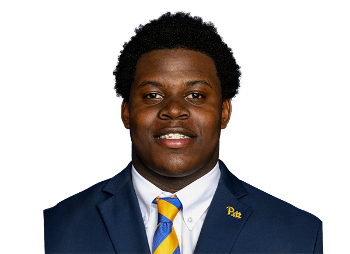
- Calijah Kancey
Kancey possesses a powerful lower body and excellent leverage for a smaller interior player. He uses his strength to control blockers and collapse the pocket from the inside. Kancey is also quick off the snap and has an impressive first step that allows him to penetrate into the backfield and disrupt plays. While Kancey is a powerful and disruptive defender, he still has room for improvement in his technique and pass-rushing moves. He tends to rely on his strength and athleticism to win battles but will need to develop a more refined technique to beat NFL-caliber offensive linemen consistently. ← Back to NFL Draft Big Board Calijah Kancey Pittsburgh HT: 6005 WT: 281 YR: RJR POS: IDL OVR RK 27 POS RK CEILING POTENTIAL 3 KEY STRENGTHS First Step Slippery Hand Usage KEY CONCERNS Size Length Technique PLAYSTYLE & SCHEME FIT Kancey is a versatile defender who can play multiple positions along the defensive line. He has experience playing both nose tackle and 3-technique in Pittsburgh's 4-3 defense. Kancey's ability to move along the line of scrimmage and disrupt plays from different positions makes him a valuable asset for any defensive scheme. PLAYER COMPARISON: CEILING GRADE ANALYSIS High-End Starter Potential (65-69) A player expected to become a top-tier starter within their first few years. They possess strong physical tools and good technical skills but may have some limitations in their game. With development, they can reach near-elite levels and provide consistent impact at their position. Primary scout: Brandon Lundberg Football Scout 365 NFL Draft Grade Scale Football Scout 365 grades reflect a prospect’s projected long-term NFL value and role. Draft ranges are general value projections, not predictions of an exact selection. Positional value, team needs, scheme fit, medical information and athletic testing can influence where a player is ultimately selected. How Football Scout 365 Grades NFL Draft Prospects Elite (75+): A rare, high-impact prospect with elite physical tools, advanced football intelligence and the ability to make an immediate NFL impact. Elite prospects carry franchise-altering potential and typically project as top 5–10 selections in the first round. Near Elite (70–74): A high-caliber prospect with outstanding physical tools, strong football intelligence and only minor developmental limitations. Near Elite prospects project as significant early-career contributors with Pro Bowl upside and first-round draft value. High-End Starter Potential (65–69): A starting-caliber prospect with strong physical tools, quality technical skills and a defined NFL role. These players may require development before reaching their ceiling but generally carry second- or third-round draft value. Mid-Level Starter Potential (60–64): A solid prospect with NFL-level tools and a pathway to becoming a dependable starter if key limitations are addressed. These players generally carry third- to fifth-round draft value. Low-Level Starter Potential (55–59): A developmental prospect who could become a low-end starter, high-end backup or valuable specialist in the right role. These players generally carry fifth- to seventh-round draft value. Backup Level (50–54): A depth or rotational prospect with enough functional ability to compete for an NFL roster spot but limited long-term starting potential. These players generally project as late Day 3 selections or priority undrafted free agents. Not NFL Level (Below 50): A developmental or camp prospect who does not currently demonstrate enough consistency, technical refinement or functional NFL traits to project as a regular contributor. These players generally project as undrafted free agents, practice-squad candidates or camp invitations. Draft position can vary based on positional value, team needs, scheme fit, medical evaluation and athletic testing.
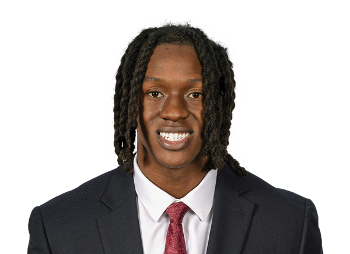
- Ambry Thomas
← Back to NFL Draft Big Board Ambry Thomas Michigan HT: 6000 WT: 189 YR: SR POS: CB OVR RK 74 POS RK CEILING POTENTIAL 8 KEY STRENGTHS KEY CONCERNS PLAYSTYLE & SCHEME FIT PLAYER COMPARISON: CEILING GRADE ANALYSIS High-End Starter Potential (65-69) A player expected to become a top-tier starter within their first few years. They possess strong physical tools and good technical skills but may have some limitations in their game. With development, they can reach near-elite levels and provide consistent impact at their position. Primary scout: Brandon Lundberg Football Scout 365 NFL Draft Grade Scale Football Scout 365 grades reflect a prospect’s projected long-term NFL value and role. Draft ranges are general value projections, not predictions of an exact selection. Positional value, team needs, scheme fit, medical information and athletic testing can influence where a player is ultimately selected. How Football Scout 365 Grades NFL Draft Prospects Elite (75+): A rare, high-impact prospect with elite physical tools, advanced football intelligence and the ability to make an immediate NFL impact. Elite prospects carry franchise-altering potential and typically project as top 5–10 selections in the first round. Near Elite (70–74): A high-caliber prospect with outstanding physical tools, strong football intelligence and only minor developmental limitations. Near Elite prospects project as significant early-career contributors with Pro Bowl upside and first-round draft value. High-End Starter Potential (65–69): A starting-caliber prospect with strong physical tools, quality technical skills and a defined NFL role. These players may require development before reaching their ceiling but generally carry second- or third-round draft value. Mid-Level Starter Potential (60–64): A solid prospect with NFL-level tools and a pathway to becoming a dependable starter if key limitations are addressed. These players generally carry third- to fifth-round draft value. Low-Level Starter Potential (55–59): A developmental prospect who could become a low-end starter, high-end backup or valuable specialist in the right role. These players generally carry fifth- to seventh-round draft value. Backup Level (50–54): A depth or rotational prospect with enough functional ability to compete for an NFL roster spot but limited long-term starting potential. These players generally project as late Day 3 selections or priority undrafted free agents. Not NFL Level (Below 50): A developmental or camp prospect who does not currently demonstrate enough consistency, technical refinement or functional NFL traits to project as a regular contributor. These players generally project as undrafted free agents, practice-squad candidates or camp invitations. Draft position can vary based on positional value, team needs, scheme fit, medical evaluation and athletic testing.
- Marvin Harrison Jr. 2025 Dynasty Superflex Fantasy Outlook and League-Winning Potential
Marvin Harrison Jr. 2025 Dynasty Superflex Fantasy Outlook and League-Winning Potential If you’re building for a fantasy football championship in 2025, you need more than just reliable starters; you need league winners. That’s the focus of this weekly series: identifying top rookies and ascending Year 2 and Year 3 players in Superflex dynasty formats with the traits, talent, and team situation to deliver elite fantasy production. Whether it’s a sophomore surge or a breakout WR in a high-volume offense, these are the players who could win you your league in 2025. Marvin Harrison Jr. Scouting Snapshot Team: Arizona Cardinals Position: WR Age: 22 Year: Year 2 Format: Dynasty Superflex & Superflex Redraft 0.5 PPR Current ADP: 35th overall (Round 3 in Superflex formats – FantasyPros) Few wide receivers enter the NFL with more hype than Marvin Harrison Jr., and even fewer boast Hall of Fame bloodlines. Drafted fourth overall in 2024, Harrison posted a solid rookie season with 62 receptions, 885 yards, and 8 touchdowns on 114 targets—numbers eerily similar to his father’s rookie line in 1996. At 6'4", Harrison Jr. combines elite body control, hands, and route-running refinement, with the versatility to win inside or outside. He's added muscle this offseason and is working to improve his chemistry with quarterback Kyler Murray. Why Marvin Harrison Jr. Could Be a League Winner in 2025 Let’s talk upside. Marvin Harrison Jr. finished WR39 in fantasy points per game as a rookie—but that came despite a staggering 41% of his targets being deemed uncatchable. That number should drop significantly in 2025 if Kyler Murray stays healthy and continues his offseason work with Harrison. The Cardinals didn’t add major receiving competition, signaling full confidence in MHJ as their WR1. He already saw a top-20 target total in 2024 and is now being deployed in more efficient horizontal-breaking routes, which better suit his skill set. Arizona head coach Jonathan Gannon and the staff have publicly praised Marvin Harrison’s Year 2 preparation, with reports of physical growth and dedication in the film room. The situation is set: WR1 role locked in, chemistry on the rise, and elite pedigree. If his efficiency improves even modestly, he could finish top 12 in PPG—and you’re getting him in Round 3 of Superflex drafts? That’s league-winning value. 2025 Fantasy Football Outlook Marvin Harrison Jr. is currently being drafted as WR17 and 35th overall in Superflex formats, making him a premium WR2 with WR1 upside. If you land an elite QB in Round 1 and a top-tier RB in Round 2, grabbing Harrison in Round 3 sets the foundation for a juggernaut roster. Expect a 2025 stat line around 90+ catches, 1,200 yards, and 10+ touchdowns, assuming health and continued usage progression. Don’t overthink it—he may not have hit WR1 heights as a rookie, but 2025 is the year Marvin Harrison Jr. delivers on his generational promise.
- Deion Burks
← Back to NFL Draft Big Board Deion Burks Oklahoma HT: 5090 WT: 188 YR: SR POS: WR OVR RK 100 POS RK CEILING POTENTIAL KEY STRENGTHS Speed & explosiveness YAC & playmaking Dynamic after catch KEY CONCERNS Size & physical ceiling Developing tree Speed over nuance PLAYSTYLE & SCHEME FIT Deion Burks is a compact slot receiver whose game is built on acceleration, short-area quickness, and open-field creativity. He creates separation underneath with sharp breaks and spatial awareness against zone coverage, and he becomes dangerous once the ball is secured, showing vision and lateral agility to extend plays. Burks has legitimate straight-line speed, but it does not consistently translate into vertical separation, and he struggles to win consistently on deep routes. His frame and arm length limit his catch radius in contested situations, and his route tree remains developmental beyond quick-game concepts. He projects as a rotational slot weapon with return and manufactured-touch value, carrying upside tied to route refinement and expanded usage. PLAYER COMPARISON: CEILING GRADE ANALYSIS Mid-Level Starter Potential (60-64) A solid, dependable starter with the potential to exceed expectations. They have good athleticism and tools but may lack elite traits. While they show flashes of high-level play, they also have some notable weaknesses that must be developed. These players often need 2-3 years to establish themselves. Primary scout: Brandon Lundberg Football Scout 365 NFL Draft Grade Scale Football Scout 365 grades reflect a prospect’s projected long-term NFL value and role. Draft ranges are general value projections, not predictions of an exact selection. Positional value, team needs, scheme fit, medical information and athletic testing can influence where a player is ultimately selected. How Football Scout 365 Grades NFL Draft Prospects Elite (75+): A rare, high-impact prospect with elite physical tools, advanced football intelligence and the ability to make an immediate NFL impact. Elite prospects carry franchise-altering potential and typically project as top 5–10 selections in the first round. Near Elite (70–74): A high-caliber prospect with outstanding physical tools, strong football intelligence and only minor developmental limitations. Near Elite prospects project as significant early-career contributors with Pro Bowl upside and first-round draft value. High-End Starter Potential (65–69): A starting-caliber prospect with strong physical tools, quality technical skills and a defined NFL role. These players may require development before reaching their ceiling but generally carry second- or third-round draft value. Mid-Level Starter Potential (60–64): A solid prospect with NFL-level tools and a pathway to becoming a dependable starter if key limitations are addressed. These players generally carry third- to fifth-round draft value. Low-Level Starter Potential (55–59): A developmental prospect who could become a low-end starter, high-end backup or valuable specialist in the right role. These players generally carry fifth- to seventh-round draft value. Backup Level (50–54): A depth or rotational prospect with enough functional ability to compete for an NFL roster spot but limited long-term starting potential. These players generally project as late Day 3 selections or priority undrafted free agents. Not NFL Level (Below 50): A developmental or camp prospect who does not currently demonstrate enough consistency, technical refinement or functional NFL traits to project as a regular contributor. These players generally project as undrafted free agents, practice-squad candidates or camp invitations. Draft position can vary based on positional value, team needs, scheme fit, medical evaluation and athletic testing.
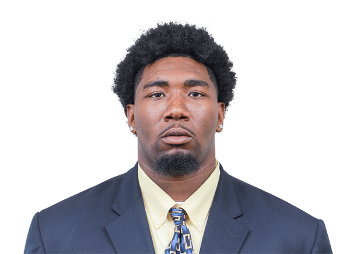
- Darius Alexander
← Back to NFL Draft Big Board Darius Alexander Toledo HT: 6040 WT: 310 YR: SR POS: IDL OVR RK 36 POS RK CEILING POTENTIAL 4 KEY STRENGTHS Elite Run Defender Explosive First Step High-Level Athleticism KEY CONCERNS Limited Pass-Rush Moves Struggles Against Double-Teams Inconsistent Motor PLAYSTYLE & SCHEME FIT Alexander is a powerful, athletic defensive lineman with elite run-stopping ability, violent hands, and great leverage control. His quick get-off and ability to penetrate the backfield make him a disruptive force, but his inconsistent motor and lack of high-end pass-rush production raise concerns about his overall impact. He fits best as a 3-technique in an even front or a rotational defensive tackle in a 3-4 scheme where he can focus on stopping the run while developing his pass-rushing skills. PLAYER COMPARISON: CEILING GRADE ANALYSIS High-End Starter Potential (65-69) A player expected to become a top-tier starter within their first few years. They possess strong physical tools and good technical skills but may have some limitations in their game. With development, they can reach near-elite levels and provide consistent impact at their position. Primary scout: Brandon Lundberg Football Scout 365 NFL Draft Grade Scale Football Scout 365 grades reflect a prospect’s projected long-term NFL value and role. Draft ranges are general value projections, not predictions of an exact selection. Positional value, team needs, scheme fit, medical information and athletic testing can influence where a player is ultimately selected. How Football Scout 365 Grades NFL Draft Prospects Elite (75+): A rare, high-impact prospect with elite physical tools, advanced football intelligence and the ability to make an immediate NFL impact. Elite prospects carry franchise-altering potential and typically project as top 5–10 selections in the first round. Near Elite (70–74): A high-caliber prospect with outstanding physical tools, strong football intelligence and only minor developmental limitations. Near Elite prospects project as significant early-career contributors with Pro Bowl upside and first-round draft value. High-End Starter Potential (65–69): A starting-caliber prospect with strong physical tools, quality technical skills and a defined NFL role. These players may require development before reaching their ceiling but generally carry second- or third-round draft value. Mid-Level Starter Potential (60–64): A solid prospect with NFL-level tools and a pathway to becoming a dependable starter if key limitations are addressed. These players generally carry third- to fifth-round draft value. Low-Level Starter Potential (55–59): A developmental prospect who could become a low-end starter, high-end backup or valuable specialist in the right role. These players generally carry fifth- to seventh-round draft value. Backup Level (50–54): A depth or rotational prospect with enough functional ability to compete for an NFL roster spot but limited long-term starting potential. These players generally project as late Day 3 selections or priority undrafted free agents. Not NFL Level (Below 50): A developmental or camp prospect who does not currently demonstrate enough consistency, technical refinement or functional NFL traits to project as a regular contributor. These players generally project as undrafted free agents, practice-squad candidates or camp invitations. Draft position can vary based on positional value, team needs, scheme fit, medical evaluation and athletic testing.
- 2025 NFL Combine Day 2 Recap: Nick Emmanwori & Defensive Backs Shine, Tight End Mason Taylor Impresses
2025 NFL Combine Day 2 Recap: Nick Emmanwori & Defensive Backs Shine, Tight End Mason Taylor Impresses Day 2 of the 2025 NFL Scouting Combine featured defensive backs and tight ends taking the field in Indianapolis. With several of the top defensive backs participating, today’s session provided a clearer picture of the speed, explosiveness, and range this draft class brings. The cornerback group recorded a historic 4.44-second average in the 40-yard dash, making them the fastest CB group at the Combine since 2003, according to NFL IQ. Meanwhile, safeties like Nick Emmanwori and Malaki Starks showcased elite athleticism in position drills and testing. Below, I break down the standout NFL Combine performances, analyzing their measurements, how they align with scouting reports, and the impact of today’s testing on their draft stock. Day Two 2025 NFL Combine: Who Stood Out? Nick Emmanwori (S, South Carolina) 40-Yard Dash: 4.38 seconds 10-Yard Split: 1.49 seconds Vertical Jump: 43” (Best among SAF) Broad Jump: 11’6” (Tied for 2nd longest by a 220+ lb SAF since 2003) Size: 6’3”, 220 lbs 📌 Scouting Report vs. Combine Performance: Emmanwori entered the Combine as a top 3 safety on our NFL Draft Big Board, and his workout backed up that ranking. His elite blend of size, speed, and explosiveness was on full display. His 4.38-second 40-yard dash at 220 pounds is rare, and his 43-inch vertical and 11’6” broad jump cement his status as one of the best athletes in this class. His top speed of 23.53 mph in the 40-yard dash was tied for the third-fastest among safeties over the last three years. 📈 Draft Stock Impact: Already viewed as a top-30 prospect, Emmanwori’s Combine performance further solidifies his standing as a top 3 safety in this class. His combination of range, ball skills, and physicality makes him an ideal fit for teams needing a versatile defensive back capable of covering tight ends, playing deep, or working in the box. Maxwell Hairston (CB, Kentucky) 40-Yard Dash: 4.28 seconds (Tied for 5th-fastest CB time since 2003) 10-Yard Split: 1.50 seconds Vertical Jump: 39.5” Broad Jump: 10’9” Size: 5’11”, 183 lbs 📌 Scouting Report vs. Combine Performance: Hairston was already known for his elite ball production, but his Combine performance proved that he has the athleticism to match. His 4.28-second 40-yard dash at 183 pounds shows top-end speed, while his 39.5-inch vertical and 10’9” broad jump confirm his explosiveness. His top speed of 24.25 mph on his second 40-yard dash attempt was the fastest of any cornerback at this year’s Combine and one of the fastest in recent Combine history. 📈 Draft Stock Impact: Hairston was a fringe Round 2 prospect entering the Combine, but his testing numbers might push him into the late first or early second-round conversation. Teams looking for a ball-hawking corner with elite recovery speed will take a close look at him. Darien Porter (CB, Iowa State) 40-Yard Dash: 4.30 seconds (Tied for 2nd fastest among CBs) 10-Yard Split: 1.49 seconds Vertical Jump: 36.5” Broad Jump: 10’11” Size: 6’3”, 195 lbs 📌 Scouting Report vs. Combine Performance: Porter’s length (6’3”, 33” arms) and elite speed made him an intriguing prospect entering the Combine, and he confirmed those strengths with outstanding testing numbers. His 4.30-second 40-yard dash was the 2nd fastest among CBs, and his broad jump of 10’11” displayed his lower-body explosion. He reached a top speed of 14.94 mph within the first 5 yards, one of the fastest acceleration marks for any CB over the last three years. 📈 Draft Stock Impact: Porter’s stock was hovering around the early to mid-Day 2 range before the Combine; he solidified his stock with his performance. Robert Longerbeam (CB, Rutgers) 40-Yard Dash: 4.39 seconds 10-Yard Split: 1.50 seconds Vertical Jump: 36.5” Broad Jump: 11’2” (Best among CBs) Size: 5’11”, 175 lbs 📌 Scouting Report vs. Combine Performance: Longerbeam’s elite movement skills and quick burst showed up in testing. His 4.39-second 40-yard dash and 11’2” broad jump confirm his explosiveness and fluidity, making him a strong candidate for slot corner roles at the next level. His footwork and short-area quickness allow him to mirror receivers effectively, but his smaller frame (175 lbs) remains a concern against bigger receivers. 📈 Draft Stock Impact: Longerbeam entered the NFL Combine as a late Day 3 prospect, but his NFL Combine performance could push into the late 3rd or early round 4 discussions. Teams looking for a feisty, athletic nickel corner will have him high on their boards. Malaki Starks (S, Georgia) 40-Yard Dash: 4.50 seconds 10-Yard Split: 1.51 seconds Vertical Jump: 33” Top Speed (Drills): Fastest safety in five different position drills Size: 6’1”, 197 lbs 📌 Scouting Report vs. Combine Performance: Starks was already known for his versatility and high football IQ, and his Combine performance reinforced those traits. While his 4.50-second 40-yard dash was slightly below expectations, he showed elite movement skills in position drills, recording the fastest times of any safety in five separate drills. His short-area quickness, ability to track the ball, and closing speed were all evident in testing. 📈 Draft Stock Impact: Starks remains a top-30 prospect and one of the best all-around safeties in the class. His performance didn’t drastically change his stock, it more or less solidified it. Mason Taylor (TE, LSU) Height/Weight: 6’5”, 251 lbs Arm Length: 32 1/4” Hand Size: 10” Key Drills: Displayed elite hands and fluid movement in gauntlet drill Catch Rate: 98.2% in 2024 (1.8% drop rate) 📌 Scouting Report vs. Combine Performance: Taylor entered the Combine as a high-upside receiving tight end with natural pass-catching ability and NFL bloodlines. His performance in position drills validated his soft hands, tracking ability, and body control, making him one of the most polished route runners in this TE class. While his 40-yard dash time wasn't the focal point, his fluidity in drills, ability to extend for off-target throws, and crisp footwork stood out. 📈 Draft Stock Impact: Taylor was projected as a Day 2 pick (Round 2-3) entering the Combine. I believe he solidified his stock.
- Cole Bishop
Given his performance metrics, playing style, and current skill set, Bishop aligns with a 'Mid-Level Starter Potential' grading in the NFL Draft prospect spectrum, with room for growth into a high-end starter with proper development and coaching. ← Back to NFL Draft Big Board Cole Bishop Utah HT: 6020 WT: 206 YR: JR POS: S OVR RK 41 POS RK CEILING POTENTIAL 1 KEY STRENGTHS Fluid Hips Reactionary Speed Can Pass Rush KEY CONCERNS Improve Space Tackling Tackling Form Can Get Nosey PLAYSTYLE & SCHEME FIT Cole Bishop exhibits fluid movement and quick directional changes, which serve him well in pass coverage and while acting as a pass rusher. He is quick, determined, and shows excellent ability to change directions swiftly. However, he needs to improve in tackling and maintaining better positioning in front of the target. His skill set makes him suitable for a free safety role in various defensive schemes, especially those that value versatility and coverage skills. PLAYER COMPARISON: CEILING GRADE ANALYSIS High-End Starter Potential (65-69) A player expected to become a top-tier starter within their first few years. They possess strong physical tools and good technical skills but may have some limitations in their game. With development, they can reach near-elite levels and provide consistent impact at their position. Primary scout: Brandon Lundberg Football Scout 365 NFL Draft Grade Scale Football Scout 365 grades reflect a prospect’s projected long-term NFL value and role. Draft ranges are general value projections, not predictions of an exact selection. Positional value, team needs, scheme fit, medical information and athletic testing can influence where a player is ultimately selected. How Football Scout 365 Grades NFL Draft Prospects Elite (75+): A rare, high-impact prospect with elite physical tools, advanced football intelligence and the ability to make an immediate NFL impact. Elite prospects carry franchise-altering potential and typically project as top 5–10 selections in the first round. Near Elite (70–74): A high-caliber prospect with outstanding physical tools, strong football intelligence and only minor developmental limitations. Near Elite prospects project as significant early-career contributors with Pro Bowl upside and first-round draft value. High-End Starter Potential (65–69): A starting-caliber prospect with strong physical tools, quality technical skills and a defined NFL role. These players may require development before reaching their ceiling but generally carry second- or third-round draft value. Mid-Level Starter Potential (60–64): A solid prospect with NFL-level tools and a pathway to becoming a dependable starter if key limitations are addressed. These players generally carry third- to fifth-round draft value. Low-Level Starter Potential (55–59): A developmental prospect who could become a low-end starter, high-end backup or valuable specialist in the right role. These players generally carry fifth- to seventh-round draft value. Backup Level (50–54): A depth or rotational prospect with enough functional ability to compete for an NFL roster spot but limited long-term starting potential. These players generally project as late Day 3 selections or priority undrafted free agents. Not NFL Level (Below 50): A developmental or camp prospect who does not currently demonstrate enough consistency, technical refinement or functional NFL traits to project as a regular contributor. These players generally project as undrafted free agents, practice-squad candidates or camp invitations. Draft position can vary based on positional value, team needs, scheme fit, medical evaluation and athletic testing.
- Trey Lance
Trey lance is an exceptional athlete who possesses excellent deep-ball accuracy. What Lance doesn't show a lot of on film is his short to intermediate accuracy, and that's an area that he might need time to develop. Lance is not a scheme-dependent player; he can fit in any system and excel more in a play-action-based offense. When compared to other prospects, Lance lacks reps. He played one game in 2020, with 2019 being his only full season as a starter. More repetition in camps and practice at the NFL level might help develop Lance's high ceiling. ← Back to NFL Draft Big Board Trey Lance North Dakota State HT: 6030 WT: 224 YR: RSO POS: QB OVR RK 20 POS RK CEILING POTENTIAL 5 KEY STRENGTHS KEY CONCERNS PLAYSTYLE & SCHEME FIT Trey lance is an exceptional athlete who possesses excellent deep-ball accuracy. What Lance doesn't show a lot of on film is his short to intermediate accuracy, and that's an area that he might need time to develop. Lance is not a scheme-dependent player; he can fit in any system and excel more in a play-action-based offense. When compared to other prospects, Lance lacks reps. He played one game in 2020, with 2019 being his only full season as a starter. More repetition in camps and practice at the NFL level might help develop Lance's high ceiling. PLAYER COMPARISON: CEILING GRADE ANALYSIS Low-Level Starter Potential (55-59) A player with the upside to be a low-end starter or high-level backup within a couple of seasons. While they have solid physical tools, inconsistencies in technique, processing, or durability limit their ceiling. They are developmental prospects who may carve out a role as specialists or system fits. Primary scout: Brandon Lundberg Football Scout 365 NFL Draft Grade Scale Football Scout 365 grades reflect a prospect’s projected long-term NFL value and role. Draft ranges are general value projections, not predictions of an exact selection. Positional value, team needs, scheme fit, medical information and athletic testing can influence where a player is ultimately selected. How Football Scout 365 Grades NFL Draft Prospects Elite (75+): A rare, high-impact prospect with elite physical tools, advanced football intelligence and the ability to make an immediate NFL impact. Elite prospects carry franchise-altering potential and typically project as top 5–10 selections in the first round. Near Elite (70–74): A high-caliber prospect with outstanding physical tools, strong football intelligence and only minor developmental limitations. Near Elite prospects project as significant early-career contributors with Pro Bowl upside and first-round draft value. High-End Starter Potential (65–69): A starting-caliber prospect with strong physical tools, quality technical skills and a defined NFL role. These players may require development before reaching their ceiling but generally carry second- or third-round draft value. Mid-Level Starter Potential (60–64): A solid prospect with NFL-level tools and a pathway to becoming a dependable starter if key limitations are addressed. These players generally carry third- to fifth-round draft value. Low-Level Starter Potential (55–59): A developmental prospect who could become a low-end starter, high-end backup or valuable specialist in the right role. These players generally carry fifth- to seventh-round draft value. Backup Level (50–54): A depth or rotational prospect with enough functional ability to compete for an NFL roster spot but limited long-term starting potential. These players generally project as late Day 3 selections or priority undrafted free agents. Not NFL Level (Below 50): A developmental or camp prospect who does not currently demonstrate enough consistency, technical refinement or functional NFL traits to project as a regular contributor. These players generally project as undrafted free agents, practice-squad candidates or camp invitations. Draft position can vary based on positional value, team needs, scheme fit, medical evaluation and athletic testing.
- NFL Scouting Combine: The Importance Of The NFL Combine | The Data | How Important Are The Workouts?
NFL Scouting Combine: The Importance Of The NFL Combine | The Data | How Important Are The Workouts? About the NFL Scouting Combine and Why It Is Important The NFL Scouting Combine is an event where college football players eligible for the NFL Draft showcase their physical and mental abilities in a standardized setting. Here are some key things to know about the NFL Combine: Location: The NFL Combine is typically held in late February or early March at Lucas Oil Stadium in Indianapolis, Indiana. However, the event was not held in 2021 due to the COVID-19 pandemic, and the location for future events may be subject to change. Attendees: The Combine is invite-only, and invitations are typically extended to around 300 top college football prospects eligible for the upcoming NFL Draft. Tests and drills: Prospects at the Combine undergo a battery of physical tests and drills to assess their athleticism, strength, and football skills. These include the 40-yard dash, vertical jump, broad jump, three-cone drill, shuttle run, and bench press. Medical evaluations: Besides the physical tests, prospects undergo a thorough medical evaluation to assess any pre-existing injuries or medical conditions. Interviews: Teams also have the opportunity to interview prospects, both individually and in group settings, to assess their character, work ethic, and football IQ. Importance: The Combine can significantly affect a prospect's draft stock. Their performance in the physical tests and interviews can substantially influence how teams view them as potential NFL players. Overall, the NFL Combine is an essential event for both teams and players, as it provides a standardized setting for prospects to showcase their skills and for teams to evaluate them as potential draft picks. The NFL Scouting Combine Data Using Our Free NFL Combine Research Tool Here are some averages of the top player assessments at the NFL Combine since 2012. Average 40 Time Since 2012: 4.7 Average Vertical Jump Since 2012: 33" Average 3-Cone Drill Since 2012: 7.3Sec Average Bench Reps Since 2012: 20 Average Shuttle Run Since 2012: 4.5Sec Defining each NFL Combine measurable and the top performers. 40 Yard Dash The 40 Yard Dash is a test that college football players undergo at the NFL Combine, and it measures a player's speed, acceleration, and explosiveness. Here's how it works: The player starts from a three-point stance at the starting line. At the whistle, the player sprints 40 yards as quickly as possible, with their time being recorded from start to finish. The 40-yard dash is considered one of the most important tests at the NFL Combine. Speed is an essential attribute for many positions in football, including wide receivers, running backs, and defensive backs. A fast 40 40-yard dash time can greatly improve a player's draft stock and overall NFL prospects. Top 5 All-Time 40-Yard Dash Times Xavier Worthy, 2024 NFL Combine – 4.21 seconds (WR, Texas) John Ross, 2017 NFL Combine – 4.22 seconds (WR, Washington) Kalon Barnes, 2022 NFL Combine – 4.23 seconds (CB, Baylor) Chris Johnson, 2008 NFL Combine – 4.24 seconds (RB, East Carolina) DJ Turner II, 2023 NFL Combine – 4.26 seconds (CB, Michigan) 20 Yard Shuttle Run The shuttle run, also known as the 5-10-5 drill, is one of the tests that college football players undergo at the NFL Combine. The shuttle run measures a player's agility and ability to change direction quickly. Here's how it works: The player starts in a three-point stance at the starting line. At the whistle, the player sprints five yards to the right, touches the line, and then sprints 10 yards to the left and touches the line. The player sprints five yards back to the starting line, completing the drill. The player's time is recorded from start to finish, indicating their ability to accelerate, change direction, and decelerate quickly. The shuttle run is considered an important test at the NFL Combine because agility and quickness are crucial for many positions in football, including running backs, wide receivers, and defensive backs. A good time in the shuttle run can help players stand out to NFL teams and improve their draft stock. The Top NFL Combine Shuttle Run Performances Brandin Cooks – wide receiver – 3.81 seconds – 2014 NFL Combine Jason Allen – cornerback – 3.81 seconds – 2006 NFL Combine Bobby McCain – cornerback – 3.82 seconds – 2015 NFL Combine B.W. Webb – cornerback – 3.84 seconds – 2013 NFL Combine Justin Simmons – safety – 3.85 seconds – 2016 NFL Combine Three Cone Drill (Lateral Agility) The Three Cone Drill, or the L-Drill, is a test that college football players undergo at the NFL Combine. The drill measures a player's ability to change direction, agility, and acceleration. Here's how it works: Three cones are placed in an L-shape, with each cone five yards apart from each other. The player starts at the first cone and sprints to the second cone, then quickly changes direction and sprints around the second cone to the third cone. The player then changes direction again and sprints around the third cone, finishing the drill at the starting point. The player's time is recorded from the start to the finish, indicating their ability to change direction quickly while maintaining their speed and balance. The Three Cone Drill is considered to be an important test at the NFL Combine because the ability to change direction quickly and maintain balance is crucial for many positions in football, including running backs, wide receivers, and defensive backs. A good time in the Three Cone Drill can help a player stand out to NFL teams and potentially improve their draft stock. The Top NFL Combine Three-Cone Performances Jordan Thomas – cornerback – 6.28 seconds – 2018 NFL Combine Jeffrey Maehl – wide receiver – 6.42 seconds – 2011 NFL Combine Buster Skrine – cornerback – 6.44 seconds – 2011 NFL Combine Scott Long – wide receiver – 6.45 seconds – 2010 NFL Combine David Long – cornerback – 6.45 seconds – 2019 NFL Combine Vertical Jump (Measures Explosiveness) The Vertical Jump is a test that college football players undergo at the NFL Combine, and it measures a player's explosive lower body power and jumping ability. Here's how it works: The player stands with both feet flat on the ground under a measuring apparatus called a Vertec. The player then jumps as high as they can, hitting the Vertec with their hand at the highest point of their jump. The difference between the player's standing reach and their highest point of contact with the Vertec is recorded as their vertical jump height. The Vertical Jump is considered an important test at the NFL Combine because a player's ability to jump high can indicate their lower body strength, power, and explosiveness. This is particularly important for positions such as wide receivers, defensive backs, and defensive linemen, where jumping high can help a player make plays on the ball, disrupt passes, or jump over blockers. The Top NFL Combine Vertical Jump Performances Chris Conley – wide receiver – 45 inches – 2015 NFL Combine Donald Washington – cornerback 45 inches – 2009 NFL Combine Byron Jones – cornerback – 44.5 inches – 2015 NFL Combine A.J. Jefferson – cornerback – 44 inches – 2010 NFL Combine Obi Melifonwu – safety – 44 inches – 2017 NFL Combine Broad Jump (Measures Explosiveness) The Broad Jump is a test that college football players undergo at the NFL Combine, and it measures a player's lower body explosive power, lower body strength, and overall athleticism. Here's how it works: The player stands with both feet shoulder-width apart behind a starting line. The player then jumps forward as far as they can, landing on both feet and keeping their balance. The distance between the starting line and the point where the player's heels make contact with the ground is recorded as their broad jump distance. The Broad Jump is considered an important test at the NFL Combine because a player's ability to jump far can indicate their lower body strength, power, and explosiveness. This is particularly important for positions such as wide receivers, defensive backs, and defensive linemen, where the ability to jump far can help a player make plays on the ball, disrupt passes, or jump over blockers. The Top NFL Combine Broad Jump Performances Byron Jones – cornerback – 12’3″ – 2015 NFL Combine Obi Melifonwu – safety – 11’9″ – 2017 NFL Combine Emanuel Hal – wide receiver – 11’9″ – 2019 NFL Combine Juan Thornhill – safety – 11’9″ – 2019 NFL Combine Miles Boykin – wide receiver – 11’8″ – 2019 NFL Combine Bench Press (Measures Strength) The Bench Press is a test that college football players undergo at the NFL Combine, and it measures a player's upper body strength and endurance. Here's how it works: The player lies flat on a bench with their feet on the ground and their hands on the bar, using a grip that is shoulder-width apart. The player then lifts the bar off the rack, lowers it to their chest, and then lifts it back up until their arms are fully extended. The player repeats this motion as many times as they can in a set period of time (usually 225 pounds for as many reps as possible). The number of reps that the player can complete is recorded as their bench press score. The Bench Press is considered an important test at the NFL Combine because upper body strength is important for many positions in football, including offensive linemen, defensive linemen, and tight ends. The Top NFL Combine Bench Press Performances Stephen Paea, 2011 NFL Combine – 49 reps (DT, Oregon State) Mitch Petrus, 2010 NFL Combine – 45 reps (OL, Arkansas) Mike Kudla, 2006 NFL Combine – 45 reps (DL, Ohio State) Netane Muti, 2020 NFL Combine – 44 reps (G, Fresno State) Dontari Poe, 2012 NFL Combine – 44 reps (DT, Memphis)
- Jalon Kilgore
← Back to NFL Draft Big Board Jalon Kilgore South Carolina HT: 6010 WT: 211 YR: JR POS: S OVR RK 24 POS RK CEILING POTENTIAL KEY STRENGTHS Click-and-Close Alignment Versatility Box Support KEY CONCERNS Deep Recovery Speed Ball Tracking Physicality vs Blocks PLAYSTYLE & SCHEME FIT Kilgore is a physically gifted, explosive defensive back with the versatility to impact games from the slot, boundary, or safety alignments. His short-area burst, processing speed, and zone awareness allow him to trigger aggressively on routes and downhill action. Best suited for zone-heavy or match-zone systems that value vision and click-and-close, Kilgore projects as an early sub-package contributor with clear starter upside as his vertical coverage consistency improves. PLAYER COMPARISON: CEILING GRADE ANALYSIS High-End Starter Potential (65-69) A player expected to become a top-tier starter within their first few years. They possess strong physical tools and good technical skills but may have some limitations in their game. With development, they can reach near-elite levels and provide consistent impact at their position. Primary scout: Brandon Lundberg Football Scout 365 NFL Draft Grade Scale Football Scout 365 grades reflect a prospect’s projected long-term NFL value and role. Draft ranges are general value projections, not predictions of an exact selection. Positional value, team needs, scheme fit, medical information and athletic testing can influence where a player is ultimately selected. How Football Scout 365 Grades NFL Draft Prospects Elite (75+): A rare, high-impact prospect with elite physical tools, advanced football intelligence and the ability to make an immediate NFL impact. Elite prospects carry franchise-altering potential and typically project as top 5–10 selections in the first round. Near Elite (70–74): A high-caliber prospect with outstanding physical tools, strong football intelligence and only minor developmental limitations. Near Elite prospects project as significant early-career contributors with Pro Bowl upside and first-round draft value. High-End Starter Potential (65–69): A starting-caliber prospect with strong physical tools, quality technical skills and a defined NFL role. These players may require development before reaching their ceiling but generally carry second- or third-round draft value. Mid-Level Starter Potential (60–64): A solid prospect with NFL-level tools and a pathway to becoming a dependable starter if key limitations are addressed. These players generally carry third- to fifth-round draft value. Low-Level Starter Potential (55–59): A developmental prospect who could become a low-end starter, high-end backup or valuable specialist in the right role. These players generally carry fifth- to seventh-round draft value. Backup Level (50–54): A depth or rotational prospect with enough functional ability to compete for an NFL roster spot but limited long-term starting potential. These players generally project as late Day 3 selections or priority undrafted free agents. Not NFL Level (Below 50): A developmental or camp prospect who does not currently demonstrate enough consistency, technical refinement or functional NFL traits to project as a regular contributor. These players generally project as undrafted free agents, practice-squad candidates or camp invitations. Draft position can vary based on positional value, team needs, scheme fit, medical evaluation and athletic testing.
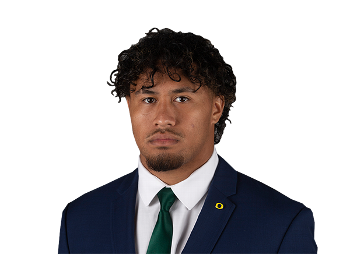
- Noah Sewell
Sewell is a highly physical and aggressive linebacker with excellent strength and power. He uses his size and strength to deliver bone-crunching hits and dominate opposing ball carriers. Sewell is an excellent tackler who uses his strength and power to bring down ball carriers. He has good technique and a high football IQ. Sewell is a highly athletic linebacker with good speed, agility, and quickness. He has a quick first step and can quickly cover a lot of ground. While Sewell is an excellent run defender, he could improve his pass coverage skills. He needs to work on his coverage technique and reactional awareness in coverage. ← Back to NFL Draft Big Board Noah Sewell Oregon HT: 6015 WT: 246 YR: RSO POS: LB OVR RK 85 POS RK CEILING POTENTIAL 5 KEY STRENGTHS Positional Size Closing Speed Instincts KEY CONCERNS Long Speed Gap Integrity Pass Coverage PLAYSTYLE & SCHEME FIT Sewell is a physical and aggressive linebacker who is best suited for a 4-3 defense. He's an excellent run defender. He also has good athleticism and can drop back in coverage when needed. He's best used as an inside linebacker but can also play outside in a 4-3 scheme. PLAYER COMPARISON: CEILING GRADE ANALYSIS Mid-Level Starter Potential (60-64) A solid, dependable starter with the potential to exceed expectations. They have good athleticism and tools but may lack elite traits. While they show flashes of high-level play, they also have some notable weaknesses that must be developed. These players often need 2-3 years to establish themselves. Primary scout: Brandon Lundberg Football Scout 365 NFL Draft Grade Scale Football Scout 365 grades reflect a prospect’s projected long-term NFL value and role. Draft ranges are general value projections, not predictions of an exact selection. Positional value, team needs, scheme fit, medical information and athletic testing can influence where a player is ultimately selected. How Football Scout 365 Grades NFL Draft Prospects Elite (75+): A rare, high-impact prospect with elite physical tools, advanced football intelligence and the ability to make an immediate NFL impact. Elite prospects carry franchise-altering potential and typically project as top 5–10 selections in the first round. Near Elite (70–74): A high-caliber prospect with outstanding physical tools, strong football intelligence and only minor developmental limitations. Near Elite prospects project as significant early-career contributors with Pro Bowl upside and first-round draft value. High-End Starter Potential (65–69): A starting-caliber prospect with strong physical tools, quality technical skills and a defined NFL role. These players may require development before reaching their ceiling but generally carry second- or third-round draft value. Mid-Level Starter Potential (60–64): A solid prospect with NFL-level tools and a pathway to becoming a dependable starter if key limitations are addressed. These players generally carry third- to fifth-round draft value. Low-Level Starter Potential (55–59): A developmental prospect who could become a low-end starter, high-end backup or valuable specialist in the right role. These players generally carry fifth- to seventh-round draft value. Backup Level (50–54): A depth or rotational prospect with enough functional ability to compete for an NFL roster spot but limited long-term starting potential. These players generally project as late Day 3 selections or priority undrafted free agents. Not NFL Level (Below 50): A developmental or camp prospect who does not currently demonstrate enough consistency, technical refinement or functional NFL traits to project as a regular contributor. These players generally project as undrafted free agents, practice-squad candidates or camp invitations. Draft position can vary based on positional value, team needs, scheme fit, medical evaluation and athletic testing.