Search Results
Search this site
1757 results found with an empty search
- Shemar Stewart
← Back to NFL Draft Big Board Shemar Stewart Texas A&M HT: 6060 WT: 290 YR: JR POS: ED OVR RK 14 POS RK CEILING POTENTIAL 3 KEY STRENGTHS Elite Size & Length Explosive Speed-to-Power Run Defense & Edge Setting KEY CONCERNS Pass-Rush Repertoire Inconsistent Hand Usage Bend & Flexibility Concerns PLAYSTYLE & SCHEME FIT Shemar Stewart is a high-upside defensive lineman with a rare blend of size, explosiveness, and raw power. He boasts a prototype NFL frame, elite speed-to-power conversion, and an ability to collapse the pocket with force. His ability to play inside or outside adds to his positional versatility, making him an attractive fit for multiple defensive fronts. However, his lack of refined hand usage and pass-rush plan limits his current impact as a pure pass-rusher. While Stewart's sack production has been underwhelming, his physical gifts are undeniable, and with NFL coaching, he could develop into a dominant defensive force. Best suited as a 4-3 base defensive end or a 3-4 hybrid edge defender. PLAYER COMPARISON: CEILING GRADE ANALYSIS Near Elite (70-74) A high-caliber prospect who is expected to become a significant contributor by Year 2. These players have outstanding physical tools and strong football IQ, with only minor flaws in their game. They demonstrate consistency at a high level and project as future Pro Bowl-caliber players if properly developed. Primary scout: Brandon Lundberg Football Scout 365 NFL Draft Grade Scale Football Scout 365 grades reflect a prospect’s projected long-term NFL value and role. Draft ranges are general value projections, not predictions of an exact selection. Positional value, team needs, scheme fit, medical information and athletic testing can influence where a player is ultimately selected. How Football Scout 365 Grades NFL Draft Prospects Elite (75+): A rare, high-impact prospect with elite physical tools, advanced football intelligence and the ability to make an immediate NFL impact. Elite prospects carry franchise-altering potential and typically project as top 5–10 selections in the first round. Near Elite (70–74): A high-caliber prospect with outstanding physical tools, strong football intelligence and only minor developmental limitations. Near Elite prospects project as significant early-career contributors with Pro Bowl upside and first-round draft value. High-End Starter Potential (65–69): A starting-caliber prospect with strong physical tools, quality technical skills and a defined NFL role. These players may require development before reaching their ceiling but generally carry second- or third-round draft value. Mid-Level Starter Potential (60–64): A solid prospect with NFL-level tools and a pathway to becoming a dependable starter if key limitations are addressed. These players generally carry third- to fifth-round draft value. Low-Level Starter Potential (55–59): A developmental prospect who could become a low-end starter, high-end backup or valuable specialist in the right role. These players generally carry fifth- to seventh-round draft value. Backup Level (50–54): A depth or rotational prospect with enough functional ability to compete for an NFL roster spot but limited long-term starting potential. These players generally project as late Day 3 selections or priority undrafted free agents. Not NFL Level (Below 50): A developmental or camp prospect who does not currently demonstrate enough consistency, technical refinement or functional NFL traits to project as a regular contributor. These players generally project as undrafted free agents, practice-squad candidates or camp invitations. Draft position can vary based on positional value, team needs, scheme fit, medical evaluation and athletic testing.
- Chris Johnson
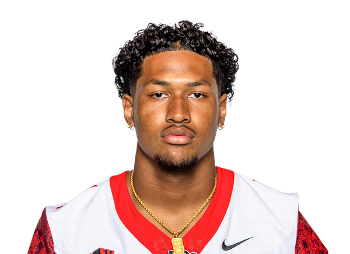
← Back to NFL Draft Big Board Chris Johnson San Diego State HT: 6000 WT: 185 YR: SR POS: CB OVR RK 34 POS RK CEILING POTENTIAL KEY STRENGTHS Instincts + route recognition Ball skills and timing Reliable tackling KEY CONCERNS Average top-end speed Press technique Trigger hitch PLAYSTYLE & SCHEME FIT Johnson is a refined, productive outside corner with very good instincts, disciplined eyes, and strong ball skills that consistently show up in off and zone coverage. He’s a precise technician who stays patient through manipulation, sees route combinations well, and times his click-and-close to disrupt throws and take the ball away. He’s also a reliable tackler and willing run participant with consistent wrap-up finishing. The main concerns are average top-end speed and occasional limitations when receivers threaten vertically and decelerate into comebacks/out-breakers, plus needing more consistent press timing to avoid getting stacked. He projects best in zone-heavy, off-man, and match-zone structures (Cover 3 / quarters-match) where his processing, leverage discipline, and playmaking on the ball can drive turnovers while minimizing extended isolated vertical stress. PLAYER COMPARISON: CEILING GRADE ANALYSIS High-End Starter Potential (65-69) A player expected to become a top-tier starter within their first few years. They possess strong physical tools and good technical skills but may have some limitations in their game. With development, they can reach near-elite levels and provide consistent impact at their position. Primary scout: Brandon Lundberg Football Scout 365 NFL Draft Grade Scale Football Scout 365 grades reflect a prospect’s projected long-term NFL value and role. Draft ranges are general value projections, not predictions of an exact selection. Positional value, team needs, scheme fit, medical information and athletic testing can influence where a player is ultimately selected. How Football Scout 365 Grades NFL Draft Prospects Elite (75+): A rare, high-impact prospect with elite physical tools, advanced football intelligence and the ability to make an immediate NFL impact. Elite prospects carry franchise-altering potential and typically project as top 5–10 selections in the first round. Near Elite (70–74): A high-caliber prospect with outstanding physical tools, strong football intelligence and only minor developmental limitations. Near Elite prospects project as significant early-career contributors with Pro Bowl upside and first-round draft value. High-End Starter Potential (65–69): A starting-caliber prospect with strong physical tools, quality technical skills and a defined NFL role. These players may require development before reaching their ceiling but generally carry second- or third-round draft value. Mid-Level Starter Potential (60–64): A solid prospect with NFL-level tools and a pathway to becoming a dependable starter if key limitations are addressed. These players generally carry third- to fifth-round draft value. Low-Level Starter Potential (55–59): A developmental prospect who could become a low-end starter, high-end backup or valuable specialist in the right role. These players generally carry fifth- to seventh-round draft value. Backup Level (50–54): A depth or rotational prospect with enough functional ability to compete for an NFL roster spot but limited long-term starting potential. These players generally project as late Day 3 selections or priority undrafted free agents. Not NFL Level (Below 50): A developmental or camp prospect who does not currently demonstrate enough consistency, technical refinement or functional NFL traits to project as a regular contributor. These players generally project as undrafted free agents, practice-squad candidates or camp invitations. Draft position can vary based on positional value, team needs, scheme fit, medical evaluation and athletic testing.
- CJ Carr
← Back to NFL Draft Big Board CJ Carr Notre Dame HT: 6030 WT: 210 YR: RSO POS: QB OVR RK 22 POS RK CEILING POTENTIAL QB3 High-End Starter Potential KEY STRENGTHS Clean throwing operation Intermediate accuracy Anticipation and timing KEY CONCERNS Limited off-script creation Pressure Answers Tight-window velocity PLAYSTYLE & SCHEME FIT CJ Carr is a poised pocket passer whose grade is built on timing, intermediate accuracy, clean mechanics, and efficient decision-making. He has functional athleticism to slide, climb, reset, and extend plays from the pocket, but he is not a true dual-threat creator. The concern is whether he can maintain timing and ball placement when pressure speeds up his process and forces him off his spot. PLAYER COMPARISON: Brock Purdy Carr fits the Brock Purdy archetype as a rhythm-based pocket passer who wins with timing, anticipation, accuracy, clean mechanics, and structured command. The comparison works from a role and scheme standpoint. His 2026 season will determine whether he settles into the high-end starter tier or pushes closer to a rare top-tier quarterback profile. CEILING GRADE ANALYSIS High-End Starter Potential (65-69) A player expected to become a top-tier starter within their first few years. They possess strong physical tools and good technical skills but may have some limitations in their game. With development, they can reach near-elite levels and provide consistent impact at their position. Primary scout: Brandon Lundberg Football Scout 365 NFL Draft Grade Scale Football Scout 365 grades reflect a prospect’s projected long-term NFL value and role. Draft ranges are general value projections, not predictions of an exact selection. Positional value, team needs, scheme fit, medical information and athletic testing can influence where a player is ultimately selected. How Football Scout 365 Grades NFL Draft Prospects Elite (75+): A rare, high-impact prospect with elite physical tools, advanced football intelligence and the ability to make an immediate NFL impact. Elite prospects carry franchise-altering potential and typically project as top 5–10 selections in the first round. Near Elite (70–74): A high-caliber prospect with outstanding physical tools, strong football intelligence and only minor developmental limitations. Near Elite prospects project as significant early-career contributors with Pro Bowl upside and first-round draft value. High-End Starter Potential (65–69): A starting-caliber prospect with strong physical tools, quality technical skills and a defined NFL role. These players may require development before reaching their ceiling but generally carry second- or third-round draft value. Mid-Level Starter Potential (60–64): A solid prospect with NFL-level tools and a pathway to becoming a dependable starter if key limitations are addressed. These players generally carry third- to fifth-round draft value. Low-Level Starter Potential (55–59): A developmental prospect who could become a low-end starter, high-end backup or valuable specialist in the right role. These players generally carry fifth- to seventh-round draft value. Backup Level (50–54): A depth or rotational prospect with enough functional ability to compete for an NFL roster spot but limited long-term starting potential. These players generally project as late Day 3 selections or priority undrafted free agents. Not NFL Level (Below 50): A developmental or camp prospect who does not currently demonstrate enough consistency, technical refinement or functional NFL traits to project as a regular contributor. These players generally project as undrafted free agents, practice-squad candidates or camp invitations. Draft position can vary based on positional value, team needs, scheme fit, medical evaluation and athletic testing.
- Colston Loveland
Colston Loveland has high potential to be an effective NFL tight end, with the ability to impact both the passing and blocking phases of the game. His blend of physical attributes and football intelligence suggests he could develop into a starting-caliber player in the NFL. His performance at Michigan, especially his involvement in their national championship-winning season, indicates he can handle high-pressure situations which bodes well for his transition to professional football. ← Back to NFL Draft Big Board Colston Loveland Michigan HT: 6050 WT: 245 YR: JR POS: TE OVR RK 9 POS RK CEILING POTENTIAL 1 KEY STRENGTHS Catch Radius and Athleticism Route Running Versatility Run-After-Catch Ability KEY CONCERNS Concentration Drops Run-Blocking Leverage Physical Maturity PLAYSTYLE & SCHEME FIT Colston Loveland is a versatile, athletic tight end prospect with a high ceiling due to his size, catch radius, and ability to separate on short and deep routes. His strength lies in his unique blend of speed and physicality, giving him mismatch potential against linebackers and safeties alike. With further development in his blocking consistency and refinement in concentration during catches, Loveland projects as a versatile weapon in both traditional and spread formations. His athletic profile and basketball background make him a fit for offenses that value tight ends with vertical and horizontal stretch capabilities. PLAYER COMPARISON: CEILING GRADE ANALYSIS Near Elite (70-74) A high-caliber prospect who is expected to become a significant contributor by Year 2. These players have outstanding physical tools and strong football IQ, with only minor flaws in their game. They demonstrate consistency at a high level and project as future Pro Bowl-caliber players if properly developed. Primary scout: Brandon Lundberg Football Scout 365 NFL Draft Grade Scale Football Scout 365 grades reflect a prospect’s projected long-term NFL value and role. Draft ranges are general value projections, not predictions of an exact selection. Positional value, team needs, scheme fit, medical information and athletic testing can influence where a player is ultimately selected. How Football Scout 365 Grades NFL Draft Prospects Elite (75+): A rare, high-impact prospect with elite physical tools, advanced football intelligence and the ability to make an immediate NFL impact. Elite prospects carry franchise-altering potential and typically project as top 5–10 selections in the first round. Near Elite (70–74): A high-caliber prospect with outstanding physical tools, strong football intelligence and only minor developmental limitations. Near Elite prospects project as significant early-career contributors with Pro Bowl upside and first-round draft value. High-End Starter Potential (65–69): A starting-caliber prospect with strong physical tools, quality technical skills and a defined NFL role. These players may require development before reaching their ceiling but generally carry second- or third-round draft value. Mid-Level Starter Potential (60–64): A solid prospect with NFL-level tools and a pathway to becoming a dependable starter if key limitations are addressed. These players generally carry third- to fifth-round draft value. Low-Level Starter Potential (55–59): A developmental prospect who could become a low-end starter, high-end backup or valuable specialist in the right role. These players generally carry fifth- to seventh-round draft value. Backup Level (50–54): A depth or rotational prospect with enough functional ability to compete for an NFL roster spot but limited long-term starting potential. These players generally project as late Day 3 selections or priority undrafted free agents. Not NFL Level (Below 50): A developmental or camp prospect who does not currently demonstrate enough consistency, technical refinement or functional NFL traits to project as a regular contributor. These players generally project as undrafted free agents, practice-squad candidates or camp invitations. Draft position can vary based on positional value, team needs, scheme fit, medical evaluation and athletic testing.
- Jordan Mason 2025 Dynasty Superflex Fantasy Outlook and League-Winning Potential
Jordan Mason 2025 Dynasty Superflex Fantasy Outlook and League-Winning Potential If you’re building for a fantasy football championship in 2025, you need more than just reliable starters; you need league winners. That’s the focus of this weekly series: identifying top rookies and ascending Year 2 and Year 3 players in Superflex dynasty formats with the traits, talent, and team situation to deliver elite fantasy production. Whether it’s a sophomore surge or a back who can command a heavy workload down the stretch, these are the players who could win you your league in 2025. Jordan Mason Scouting Snapshot Team: Minnesota Vikings Position: RB Age: 26 Year: Year 4 Format: Dynasty Superflex & Superflex Redraft 0.5 PPR Current ADP: 119th overall (RB38 – FantasyPros) Jordan Mason may be outside the top 35 in consensus rankings (RB36), but don’t be fooled, he’s one of the best value running backs in 2025 fantasy drafts. Last season, Mason flashed elite upside in San Francisco when injuries pushed him into a starting role. From Weeks 1–5, he was the RB5 overall, averaging 17.9 fantasy points per game in 0.5 PPR formats. During that stretch, he averaged 120 scrimmage yards, 5.1 yards per carry, and more than 20 touches per game, adding three touchdowns. Even after shoulder and ankle injuries derailed his season, his efficiency remained undeniable: Mason averaged 90.7 rushing yards per start (4th-best among RBs) and forced five missed tackles per game, per PFF. Now, Mason heads to Minnesota on a two-year, $7M deal, entering a shared backfield with veteran Aaron Jones—who turns 31 this season and has 1,755 career touches. Why Jordan Mason Could Be a League Winner in 2025 The path to upside is simple: Mason is a younger, more explosive runner than Jones. In 2024, Mason posted a 7.8% explosive run rate compared to Jones’ 3.5%, and his missed tackles forced per attempt (22%) more than doubled Jones’ (11%). If Jones maintains his starting role, Mason should still see early-down and goal-line work in Kevin O’Connell’s offense. But if Jones falters due to age or injuries—he’s missed multiple games in five of his last seven seasons—Mason has a clear path to 20+ touches per game and RB1 production. Reports from Vikings camp suggest a true committee approach, with Mason already mixing in with the first team and “making an impression” on the coaching staff. Even in a pass-heavy offense, O’Connell has historically leaned on the run in neutral situations when breaking in young quarterbacks. With rookie J.J. McCarthy likely under center, Mason could see more early-down volume than projected. The Vikings also improved their offensive line, adding first-rounder Donovan Jackson at guard and welcoming back a healthy Christian Darrisaw, making this a sneaky upgrade from the unit Mason ran behind in San Francisco late last season. At his current cost (around pick 100 in Superflex drafts), Mason offers league-winning contingent upside: he’s one Aaron Jones injury, or age cliff drop-off away from being a workhorse on a top-10 scoring offense. 2025 Fantasy Football Outlook Jordan Mason is being drafted as RB38 and 119th overall in Superflex formats, making him a premium Zero-RB or Hero-RB target in the double-digit rounds. While his receiving work remains limited (just 14 career receptions), his early-down dominance and explosive playmaking make him an ideal stash with RB2-to-RB1 upside. Expect a 2025 stat line in the range of 900–1,000 rushing yards, 8–10 touchdowns, and 20–25 receptions, with significant room for growth if he seizes the lead role. At his current ADP, Mason is one of the best upside swings in fantasy drafts; cheap enough to stash, talented enough to win you a league.
- 2025 NFL Draft Analysis & Prospect Rankings
2025 NFL Draft analysis, scouting reports, prospect rankings, mock drafts, and archived Big Board coverage featuring Cam Ward, Travis Hunter, Abdul Carter, and other top prospects. 2025 NFL DRAFT ANALYSIS TreVeyon Henderson Rookie Evaluation: How His Traits Are Translating to the NFL TreVeyon Henderson is emerging as one of the NFL’s most explosive rookies, validating the predraft scouting profile that highlighted his rare acceleration and big-play ability. Here’s how his collegiate traits are translating to the Patriots’ offense — and what it means for his long-term value. Brandon Lundberg Nov 20, 2025 Why Shedeur Sanders’ Draft Slide Matches His Scouting Grade and Preseason Performance Shedeur Sanders earned a spot on the Browns’ 53-man roster as QB4 after an up-and-down preseason. While social media chatter points to collusion as the reason for his draft slide, the reality is far less dramatic. Sanders’ mid-level starter scouting grade projected him as a potential Day 3 pick, and his preseason play has reinforced both the strengths and weaknesses outlined in his evaluation. Brandon Lundberg Aug 25, 2025 2025 NFL Draft Rookie QB Debut: Shedeur Sanders, Jaxson Dart Impress in Preseason Week 1 Shedeur Sanders and Jaxson Dart headline our 2025 NFL Draft rookie QB rankings after Week 1 of the preseason. Full breakdown of every top rookie passer’s debut performance. Brandon Lundberg Aug 12, 2025 Luther Burden Dynasty Rookie Profile – Fantasy Football 2025 Luther Burden fantasy football 2025 outlook: Bears rookie WR’s role, projections, and long-term dynasty value in Ben Johnson’s offense. Brandon Lundberg Aug 4, 2025 Matthew Golden Dynasty Rookie Profile – Fantasy Football 2025 Matthew Golden fantasy football 2025 outlook: Packers rookie WR1 potential, projections, and long-term dynasty value for your fantasy drafts. Brandon Lundberg Aug 4, 2025 Emeka Egbuka Dynasty Rookie Profile – Fantasy Football 2025 Emeka Egbuka joins a stacked Buccaneers WR room for 2025. See his dynasty rookie profile, fantasy outlook, and long-term value for your fantasy football drafts. Brandon Lundberg Aug 4, 2025 RJ Harvey Dynasty Rookie Profile – Fantasy Football 2025 RJ Harvey lands in Denver as a dual-threat running back tailor-made for Sean Payton’s pass-heavy system. With elite elusiveness, burst, and a wide-open opportunity share, Harvey projects as one of the biggest rookie winners in fantasy football. His third-down upside and home-run ability could unlock RB2 value as early as Year 1. Brandon Lundberg May 14, 2025 Tyler Warren Dynasty Rookie Profile – Fantasy Football 2025 Tyler Warren enters the NFL as one of the most accomplished tight ends in college football history, bringing elite production, size, and versatility to a Colts offense looking for a reliable safety valve and mismatch weapon. He projects as a Day 1 starter with TE1 fantasy upside in 2025. Brandon Lundberg May 12, 2025 Colston Loveland Dynasty Rookie Profile – Fantasy Football 2025 Colston Loveland enters the NFL as one of the most dynamic tight end prospects in recent memory. A top-10 pick by the Chicago Bears, Loveland lands in a creative Ben Johnson offense alongside Caleb Williams, Rome Odunze, and D.J. Moore. With vertical stretch ability and a versatile skill set, Loveland projects as a high-ceiling rookie with immediate top-12 TE fantasy upside in PPR formats. Brandon Lundberg May 9, 2025 Jaxson Dart Dynasty Rookie Profile – Fantasy Football 2025 Jaxson Dart was a surprise first-round selection by the New York Giants in the 2025 NFL Draft, joining an offense that currently features Russell Wilson as the short-term starter. Dart isn’t expected to start in Year 1, but his long-term upside as a dual-threat quarterback in Superflex dynasty leagues makes him an intriguing investment with a clear pathway to a starting role by 2026. Brandon Lundberg May 9, 2025 1 2 3 4 5
- 2022 NFL Draft Guide: All NFL Draft Analysis in One Place
2022 NFL Draft Guide: All NFL Draft Analysis in One Place Similar to our NFL and college football all-in-one guides, we will include all of our NFL Draft content in one easy-to-access area. Be sure to bookmark this page for your convenience. Follow Football Scout 365 on social media. Click Here to Access All of our social media channels. NFL Draft Big Board and Player Profiles Click Here After Further Review NFL Draft Edition (YouTube) Click Here All NFL Draft Analysis, Mock Drafts, Full Individual Player Scouting Reports, and More Click Here Updated NFL Player Grade Scale Click Here 2022 NFL Draft: QB Positional Rankings, Final Grades, Ceiling Grades, Advanced Stats, and Analysis Click Here 2022 NFL Draft: RB Positional Rankings, Final Grades, Ceiling Grades, Advanced Stats, and Analysis Click Here 2022 NFL Draft: WR Positional Rankings, Final Grades, Ceiling Grades, Advanced Stats, and Analysis Click Here 2022 NFL Draft: TE Positional Rankings, Final Grades, Ceiling Grades, Advanced Stats, and Analysis Click Here 2022 NFL Draft: 2022 NFL Draft Top Ten Big Board, Players To Watch, George Pickens WR1? Is Sam Howell A 1st Round Pick?
- 2025 NFL Mock Draft 2.0: Senior Bowl Risers Mike Green & Shemar Stewart Shake Up the Top 10 – Where Will Cam Ward & Shedeur Sanders Land?
2025 NFL Mock Draft 2.0: Senior Bowl Risers Mike Green & Shemar Stewart Shake Up the Top 10 – Where Will Cam Ward & Shedeur Sanders Land? 2025 NFL Mock Draft 2.0: Senior Bowl Risers Impact First-Round Projections – Updated rankings, top QB picks, and key draft stock movers. With the 2025 NFL Draft just a few months away, the Senior Bowl provided valuable insight into key risers, potential fallers, and the overall makeup of this year’s class. This draft cycle remains dominated by defensive talent, with blue-chip players like Michigan’s Mason Graham and Penn State's Abdul Carter. Unlike previous years, the quarterback class lacks a surefire generational talent. Shedeur Sanders (Colorado) and Cam Ward (Miami) headline the group, but neither carries the same elite upside as recent No. 1 overall picks like Caleb Williams or Trevor Lawrence. While positional value could push one of them into the top three, the real debate begins at QB3, with several names—Jaxson Dart, Jalen Milroe, and Quinn Ewers—vying for positioning. Beyond the quarterbacks, Senior Bowl standouts like Shemar Stewart, Mike Green, and Grey Zabel have seen their draft stock rise significantly, potentially shaking up the back half of the first round. Marshall’s Mike Green was one of the most disruptive pass rushers in Mobile, proving he belongs in Round 1 consideration. Meanwhile, North Dakota State’s Grey Zabel showed positional versatility on the interior offensive line, a trait highly coveted by NFL teams. With these takeaways in mind, Mock Draft 2.0 adjusts for the latest evaluations, team needs, and Senior Bowl performances. As always, team fit, draft capital, and positional value all play a role in these projections. 2025 NFL Mock Draft 2.0 - First-Round Projections 1). Tennessee Titans – Abdul Carter | EDGE | Penn State Primary Team Needs: (Quarterback, Offensive Line, Defensive Playmakers) Titans Draft Capital: 1, 35, 102, 119, 142, 169, 180, 241 The Titans shake up the draft by selecting Abdul Carter first overall, prioritizing a defensive cornerstone over a quarterback. Carter brings elite burst, power, and versatility to Tennessee’s front seven, forming a dangerous pass-rushing trio with Harold Landry and Jeffrey Simmons. 2). Cleveland Browns – Mason Graham | IDL | Michigan Primary Team Needs: (Quarterback, Defensive Line, Depth) Browns Draft Capital: 2, 33, 67, 94, 103, 165, 181, 194, 202, 216, 217, 257 Cleveland lands the best interior defensive lineman in the draft with Mason Graham, pairing him with Myles Garrett to form an elite front. Graham’s ability to collapse the pocket and anchor against double teams makes him a disruptive force inside. 3). New York Giants – Cam Ward | QB | Miami Primary Team Needs: (Quarterback, Offensive Line, Future Assets) Giants Draft Capital: 3, 34, 65, 104, 134, 155, 221, 248 The Giants have already moved on from Daniel Jones and need a new quarterback to lead their offense. Cam Ward’s arm talent, mobility, and ability to create off-script plays make him a high-upside prospect for Brian Daboll’s system, giving New York a dynamic QB to develop. 4). New England Patriots – Travis Hunter | CB | Colorado Primary Team Needs: (Offensive Line, Skill Positions, Defensive Depth) Patriots Draft Capital: 4, 38, 69, 77, 105, 145, 219, 222, 240 The Patriots land a rare two-way talent in Travis Hunter, giving them a lockdown corner with elite ball skills. Hunter’s versatility and playmaking ability make him a game-changer for New England’s defense, instantly upgrading their secondary. 5). Jacksonville Jaguars – Will Johnson | CB | Michigan Primary Team Needs: (Defensive Secondary, Interior Defensive Line) Jaguars Draft Capital: 5, 36, 70, 88, 106, 125, 143, 184, 196, 223 Jacksonville bolsters its secondary with Will Johnson, a physical corner with shutdown ability. His size, speed, and instincts make him a perfect fit in the Jaguars’ defense, addressing a major need in their secondary. 6). Las Vegas Raiders – Shedeur Sanders | QB | Colorado Primary Team Needs: (Quarterback, Defensive Line, Offensive Line) Raiders Draft Capital: 6, 37, 68, 73, 107, 144, 182, 214, 218, 224 The Raiders land their franchise quarterback in Shedeur Sanders, a poised passer with elite accuracy and pocket presence. With Tom Brady as a minority owner and vocal supporter, Sanders steps into an ideal situation to lead Vegas into the future. 7). New York Jets – Colston Loveland | TE | Michigan Primary Team Needs: (Quarterback, Trade Assets) Jets Draft Capital: 7, 42, 92, 109, 146, 157, 188, 210 The Jets give their offense a dynamic weapon, selecting Michigan tight end Colston Loveland. A mismatch nightmare with elite hands and route-running ability, Loveland gives New York a reliable safety valve in the passing game. 8). Carolina Panthers – Mike Green | EDGE | Marshall Primary Team Needs: (Edge Rusher, Defensive Line, Secondary) Panthers Draft Capital: 8, 57, 74, 110, 113, 141, 147, 164, 229 Carolina strengthens its defensive front with Mike Green, an explosive pass rusher who dominated at the Senior Bowl. Green’s relentless motor and elite bend off the edge make him a much-needed disruptive force for the Panthers. 9). New Orleans Saints – Mykel Williams | EDGE | Georgia Primary Team Needs: (Defensive Line, Offensive Line, Wide Receiver) Saints Draft Capital: 9, 40, 71, 93, 111, 130, 186, 254 With Cameron Jordan nearing the end of his career, the Saints invest in Mykel Williams, a versatile pass rusher with elite length and power. Williams strengthens a defensive front in need of young playmakers. 10). Chicago Bears – Shemar Stewart | EDGE | Texas A&M Primary Team Needs: (Offensive Line, Defensive Line, Wide Receiver) Bears Draft Capital: 10, 39, 41, 72, 149, 197, 235, 242 The Bears add a dominant presence off the edge with Shemar Stewart, a physically gifted pass rusher with an elite frame. His blend of power and explosiveness gives Chicago a much-needed defensive cornerstone. 11). San Francisco 49ers – Tyler Booker | IOL | Alabama Primary Team Needs: (Defensive Tackle, Pass Rushers, Offensive Line) 49ers Draft Capital: 11, 43, 75, 99, 112, 138, 139, 189, 228, 232, 255 San Francisco reinforces its interior offensive line by selecting Tyler Booker, a powerful and technically sound guard from Alabama. His ability to dominate in the run game and anchor against power rushers makes him a perfect fit. 12). Dallas Cowboys – Will Campbell | OT | LSU Primary Team Needs: (Defensive Line, Offensive Line, Running Back) Cowboys Draft Capital: 12, 44, 76, 150, 170, 172, 174, 190, 211, 250 With Tyron Smith aging, the Cowboys secure their left tackle of the future in LSU’s Will Campbell. A dominant pass protector with the athleticism to thrive in Dallas’ blocking schemes, Campbell is an immediate upgrade. 13). Miami Dolphins – Armand Membou | IOL | Missouri Primary Team Needs: (Offensive Line, Defensive Line, Linebacker) Dolphins Draft Capital: 13, 48, 98, 115, 135, 151, 156, 226, 233, 252 The Dolphins bolster their interior offensive line with Armand Membou, a technically sound lineman with elite versatility. Membou projects as a high-level guard but offers the ability to kick outside if needed. 14). Indianapolis Colts – Tyler Warren | TE | Penn State Primary Team Needs: (Defensive Line, Linebacker, Offensive Line) Colts Draft Capital: 14, 45, 80, 116, 152, 191, 234 The Colts give Anthony Richardson a much-needed weapon at tight end with Tyler Warren. A big-bodied pass catcher with strong hands and blocking ability, Warren is an ideal fit for Indianapolis’ offense. 15). Atlanta Falcons – Jahdae Barron | DB | Texas Primary Team Needs: (Pass Rushers, Defensive Line, Secondary) Falcons Draft Capital: 15, 46, 117, 244 Atlanta upgrades its secondary with the versatile Jahdae Barron, who can play outside, in the slot, or at safety. His instincts and physicality make him a valuable addition to a Falcons defense needing playmakers. 16). Arizona Cardinals – Walter Nolen | IDL | Ole Miss Primary Team Needs: (Outside Linebacker, Cornerback, Interior Offensive Line) Cardinals Draft Capital: 16, 47, 78, 114, 153 Arizona reinforces its defensive front with Walter Nolen, a disruptive force on the interior. His blend of power, athleticism, and block-shedding ability makes him an immediate impact player. 17). Cincinnati Bengals – Kenneth Grant | IDL | Michigan Primary Team Needs: (Wide Receiver, Offensive Line, Defensive Back) Bengals Draft Capital: 17, 49, 81, 118, 154, 195 Cincinnati lands a massive interior presence in Kenneth Grant, whose ability to clog lanes and collapse pockets will elevate their defensive front. His athleticism at his size is rare. 18). Seattle Seahawks – Jalon Walker | LB | Georgia Primary Team Needs: (Offensive Line, Defensive Line, Secondary) Seahawks Draft Capital: 18, 50, 82, 137, 173, 187, 212, 236 Seattle adds versatility to its linebacker corps with Jalon Walker, an athletic and instinctive defender who can play inside or rush off the edge. His range and physicality fit Seattle’s defensive identity. 19). Tampa Bay Buccaneers – Tetairoa McMillan | WR | Arizona Primary Team Needs: (Wide Receiver, Offensive Line, Defensive Line) Buccaneers Draft Capital: 19, 53, 84, 120, 158, 237 Tampa Bay lands a future No. 1 receiver in Tetairoa McMillan, a near clone of Mike Evans. His size, hands, and route-running ability make him the perfect long-term replacement in the Buccaneers’ offense. 20). Denver Broncos – Matthew Golden | WR | Texas Primary Team Needs: (Tight End, Wide Receiver, Defensive Line, Secondary) Broncos Draft Capital: 20, 51, 85, 121, 193, 199, 209 Denver adds a dynamic playmaker in Matthew Golden, a smooth route-runner with inside-outside versatility. With a skill set reminiscent of Chris Olave, Golden’s speed, separation ability, and reliable hands make him a perfect fit in Sean Payton’s offense. 21). Pittsburgh Steelers – Emeka Egbuka | WR | Ohio State Primary Team Needs: (Cornerback, Running Back, Wide Receiver, Offensive Line) Steelers Draft Capital: 21, 52, 83, 122, 163, 225, 231, 247 Pittsburgh adds a polished route-runner in Emeka Egbuka, pairing him with George Pickens to form a dangerous duo. His versatility and strong hands will immediately help their passing attack. 22). Los Angeles Chargers – Ashton Jeanty | RB | Boise State Primary Team Needs: (Edge, Wide Receiver, Offensive Line, Safety) Chargers Draft Capital: 22, 55, 86, 124, 159, 177, 183, 201, 215, 220, 253 The Chargers land one of the best all-purpose backs in the draft with Ashton Jeanty. His vision, burst, and pass-catching ability make him a perfect fit for their offense. 23). Green Bay Packers – Jihaad Campbell | LB | Alabama Primary Team Needs: (Defensive Line, Interior Offensive Line, Secondary, Wide Receiver) Packers Draft Capital: 23, 54, 87, 123, 160, 200, 239, 251 Green Bay strengthens its linebacker unit with Jihaad Campbell, a high-IQ defender with excellent range and leadership traits. His size and versatility make him an ideal fit for their defensive scheme. 24). Minnesota Vikings – Malaki Starks | S | Georgia Primary Team Needs: (Secondary, Interior Defensive Line, Interior Offensive Line, Running Back) Vikings Draft Capital: 24, 97, 140, 161 Minnesota lands a versatile defensive chess piece in Malaki Starks, a rangy safety with elite athleticism and ball skills. His ability to play deep, in the box, or as a slot defender fills a major need in the Vikings' secondary. 25). Houston Texans – Kelvin Banks Jr. | OT | Texas Primary Team Needs: (Wide Receiver, Offensive Line, Secondary) Texans Draft Capital: 25, 58, 89, 127, 167, 243 The Texans solidify their offensive line with Kelvin Banks Jr., one of the top tackles in this class. Protecting C.J. Stroud is the priority, and Banks provides a long-term answer at tackle. 26). Los Angeles Rams – Donovan Jackson | IOL | Ohio State Primary Team Needs: (Offensive Line, Cornerback, Wide Receiver, Linebacker) Rams Draft Capital: 26, 90, 100, 126, 192, 203, 204 The Rams bolster their offensive line with Donovan Jackson, a versatile interior lineman who thrived after transitioning to tackle in 2024. His blend of power, mobility, and technical refinement makes him an ideal fit for Los Angeles' scheme, whether at guard or tackle. 27). Baltimore Ravens – Shavon Revel | CB | ECU Primary Team Needs: (Cornerback, Edge, Offensive Line, Wide Receiver) Ravens Draft Capital: 27, 59, 91, 128, 136, 176, 178, 185, 205, 213, 245 The Ravens add a long, physical corner in Shavon Revel, addressing a key need in their secondary. His press-man ability and fluid coverage skills make him an ideal fit in Baltimore’s defensive scheme. 28). Detroit Lions – Benjamin Morrison | CB | Notre Dame Primary Team Needs: (Cornerback, Edge, Wide Receiver, Interior Defensive Line, Offensive Line) Lions Draft Capital: 28, 60, 101, 132, 198, 227, 230, 246 The Lions shore up their secondary with Benjamin Morrison, a ball-hawking corner with elite instincts. His ability to play sticky coverage and disrupt passing lanes gives Detroit a long-term solution at CB. 29). Washington Commanders – Josh Simmons | OT | Ohio State Primary Team Needs: (Offensive Line, Edge, Linebacker, Wide Receiver) Commanders Draft Capital: 29, 61, 79, 148, 207, 238, 249 Washington lands a high-upside offensive tackle in Josh Simmons, addressing a key need to protect Jayden Daniels. His athleticism and ability to mirror pass rushers make him a strong addition to the Commanders' front. 30). Buffalo Bills – Luther Burden III | WR | Missouri Primary Team Needs: (Wide Receiver, Defensive Line, Secondary) Bills Draft Capital: 30, 56, 62, 108, 131, 171, 175, 179, 206, 208 The Bills secure their next playmaker at wide receiver with Luther Burden III, a dynamic weapon who thrives after the catch. His explosive route running and ability to separate add a new dimension to Buffalo’s passing attack. 31). Philadelphia Eagles – Azareye’h Thomas | CB | Florida State Primary Team Needs: (Cornerback, Wide Receiver, Interior Defensive Line, Offensive Line) Eagles Draft Capital: 31, 63, 95, 129, 162, 166, 168 The Eagles add a long, athletic cornerback in Azareye’h Thomas, a high-upside defender with the tools to develop into a quality starter. His length, fluidity, and physicality make him an intriguing fit in Philadelphia’s secondary. 32). Kansas City Chiefs – James Pearce Jr. | EDGE | Tennessee Primary Team Needs: (Edge, Offensive Line, Wide Receiver, Defensive Back) Chiefs Draft Capital: 32, 64, 66, 96, 133, 256 The Chiefs land a dynamic pass rusher in James Pearce Jr., who possesses elite first-step quickness and bend off the edge. His explosiveness and ability to generate pressure make him a perfect fit in Kansas City’s defensive front.
- Week One CFB: Miller Moss, Cam Ward Enter First-Round Discussion, Travis Hunter the WR1? | 2025 NFL Draft
Week One CFB: Miller Moss, Cam Ward Enter First-Round Discussion, Travis Hunter the WR1? | 2025 NFL Draft The first week of the 2024 college football season has concluded, and it absolutely delivered. Prior to the start of the season, there were a lot of questions regarding the depth of the 2025 NFL Draft QB class, and we got some early indications that the depth might not be as bad as projected. The usual names like Carson Beck and Shedeur Sanders delivered, while we got outstanding performances on big stages from: The wide receiver depth in college football is also on the rise. We got a historic performance from Tetairoa McMillan, while Travis Hunter might have solidified his NFL positional status as a WR instead of a DB. The top of the running back pecking order might have already sorted itself out with Ashton Jeanty showcasing why many believe he could elevate himself into the first round of the 2025 NFL Draft. 2025 NFL Draft: Miller Moss, Cam Ward Enter First-Round Discussion 1. Tetairoa McMillan, WR, Arizona vs. New Mexico McMillan delivered a historic performance with 304 receiving yards and four touchdowns, including two catches over 65 yards. He showcased his ability to dominate single coverage and consistently create yards after the catch. McMillan’s performance solidified his status as the top WR prospect for the 2025 NFL Draft, making him the favorite for WR1 in this class. His explosive playmaking ability has set a high bar for the season. 2. Shedeur Sanders, QB, Colorado vs. North Dakota State Sanders displayed elite poise, calmness, and accuracy, going 26/34 for 445 yards and four touchdowns. His ability to make big-time NFL throws under pressure, including multiple passes with a free runner in his face, stood out. Sanders maintained his position as the top QB prospect with this performance, showing traits that NFL teams desire in a franchise quarterback. His leadership and composure in key moments further solidified his draft stock. 3. Carson Beck, QB, Georgia vs. Clemson Beck remained composed under pressure against a tough Clemson defense, leading Georgia to a significant victory. He showcased his ability to make crucial throws, particularly in the middle of the field, while demonstrating functional mobility to extend plays. Beck’s performance has cemented him as a top contender for an early first-round pick in the 2025 NFL Draft. His ability to perform in big games is becoming a defining trait. 4. Cam Ward, QB, Miami vs. Florida Ward’s debut for Miami was nothing short of exceptional, throwing for 385 yards and three touchdowns against a formidable Florida defense. His arm strength and ability to make plays outside the pocket were on full display, making him one of the most intriguing QB prospects this season. Ward’s performance against a high-caliber opponent has put him firmly in the conversation as a top QB in the 2025 draft class. His ability to elevate his team in a challenging environment stands out. 5. Miller Moss, QB, USC vs. LSU Moss threw for 378 yards and a touchdown in a high-pressure victory over LSU, showcasing his ability to perform in clutch situations. Initially not considered a top prospect, Moss’s decision-making and poise under pressure have rapidly elevated his draft stock. This performance against a top-tier opponent has positioned Moss as a rising QB prospect to watch throughout the season. His emergence is a key storyline for USC's season. 6. Garrett Nussmeier, QB, LSU vs. USC Despite the loss to USC, Nussmeier put up an impressive performance, completing 29 of 38 passes for 304 yards and two touchdowns. His ability to handle pressure and make accurate throws in key moments was evident, although an interception in the final seconds marred an otherwise strong outing. Nussmeier’s performance keeps him on the radar as a potential early-round draft pick, showcasing his potential against top competition. 7. Ashton Jeanty, RB, Boise State vs. Georgia State Jeanty rushed for 267 yards and six touchdowns in a dominant performance, showcasing his ability to break tackles and generate big plays. Although the competition level tempers the excitement slightly, his vision and elusiveness were undeniable. Jeanty’s performance has established him as a strong day-two candidate in the upcoming NFL Draft, with potential to rise higher depending on future performances. 8. Kelvin Banks Jr., OT, Texas vs. Colorado State Banks played a flawless game, allowing zero pressures, hits, or sacks while also excelling in the run game. His quickness and athleticism as a blindside protector for Quinn Ewers were on full display, solidifying his status as one of the top offensive tackle prospects. Banks’s ability to dominate in both pass protection and run blocking makes him a likely first-round pick in the 2025 NFL Draft. His consistency is becoming a hallmark of his game. 9. Travis Hunter, WR, Colorado vs. North Dakota State Hunter excelled as a two-way player, contributing significantly on both offense and defense. On offense, he hauled in seven catches for 132 yards and three touchdowns, showcasing his big-play ability. His versatility and impact on both sides of the ball are beginning to generate buzz about his potential as an elite receiver prospect in addition to his prowess as a cornerback. His ability to affect the game in multiple ways makes him a unique talent in this draft class. 10. Malaki Starks, S, Georgia vs. Clemson Starks was a standout in Georgia’s defensive effort, recording a fourth-quarter interception and showcasing his elite coverage skills. He demonstrated an ability to close down passing lanes and make game-changing plays in crucial moments. Starks’s performance against a high-level opponent solidifies his status as one of the top safety prospects in the upcoming draft. His football IQ and instinctual play are catching the eyes of scouts.
- 2025 NFL Draft: Safety Rankings – Malaki Starks & Nick Emmanwori Headline a Position Versatile Class
2025 NFL Draft: Safety Rankings – Malaki Starks & Nick Emmanwori Headline a Position Versatile Class The 2025 safety class offers a strong mix of versatility, physicality, and coverage ability, making it one of the more well-rounded groups in recent years. While it may not feature multiple first-round locks, it is led by Georgia’s Malaki Starks and South Carolina’s Nick Emmanwori, both of whom possess the rare blend of athleticism and instincts that make them immediate impact players at the next level. Starks is a true playmaker with elite range and man-to-man ability, while Emmanwori is a hybrid safety-linebacker with the size and physicality to thrive in multiple roles. Beyond the top names, this class is filled with quality depth, offering a variety of skill sets that cater to different defensive schemes. From ball-hawking safeties who excel in coverage to physical enforcers who can operate in the box, teams will have plenty of options on all three days of the draft. While the elite, can’t-miss prospects may be fewer than in some past years, the overall talent level provides NFL teams with the opportunity to find productive contributors at various points in the draft. 2025 NFL Draft: Safety Rankings Near Elite Tier - 1st Round Projection 1) Malaki Starks | Georgia | Ht: 6'1" | Wt: 205 lbs Player Comparison: Jessie Bates III Analysis: Starks is an elite, scheme-versatile safety with range, physicality, and ball skills to excel in any defensive system. His NFL-ready tackling and instincts allow him to play single-high, split-zone, or box safety. Needs to refine eye discipline and pursuit angles to maximize his impact. High-End Starter Potential - 2nd/3rd Round Projection 2) Nick Emmanwori | South Carolina | Ht: 6'3" | Wt: 227 lbs Player Comparison: Divine Deablo Analysis: Emmanwori is a supersized, physical defensive back with the versatility to play hybrid safety-linebacker roles. His length, speed, and tackling ability make him a tone-setting presence against the run, while his coverage skills allow him to match up against tight ends. Needs refinement in man coverage transitions. 3) Xavier Watts | Notre Dame | Ht: 5'11" | Wt: 198 lbs Player Comparison: Harrison Smith Analysis: Watts is a high-IQ safety with elite ball skills and anticipation. His route recognition, quick trigger, and physicality in run support make him a natural playmaker. Lacks top-end deep speed but thrives in split-zone and Cover 3 systems. 4) Kevin Winston Jr. | Penn State | Ht: 6'2" | Wt: 205 lbs Player Comparison: Not Available Analysis: Winston Jr. is a long, physical safety who excels in box safety, nickel, and Cover 3 strong safety roles. His tackling and pursuit speed make him a strong run defender, but he needs to improve deep coverage consistency. Mid-Level Starter Potential - 4th/5th Round Projection 5) Andrew Mukuba | Texas | Ht: 6'0" | Wt: 185 lbs Player Comparison: Julian Blackmon Analysis: Mukuba is a rangy free safety who thrives in zone-heavy schemes. His instincts, ball skills, and fluidity make him a natural deep-field defender, but his lean frame limits his effectiveness in the box.
- Mock Draft 1.0: Chicago Bears Trade Back, Atlanta Falcons Draft Caleb Williams | 2024 NFL Draft
Mock Draft 1.0: Chicago Bears Trade Back, Atlanta Falcons Draft Caleb Williams | 2024 NFL Draft The regular season is over, and the NFL playoffs are before us. Mock Draft 1.0 will cover the 18 non-playoff teams and the post-wildcard weekend teams from picks 19-24. What Will the Chicago Bears Do With The Number One Overall Pick? In the midst of a heated debate over the Chicago Bears' number one overall pick in the NFL Draft, the core dilemma revolves around whether to move on from Justin Fields or to reinforce the quarterback (QB) position by drafting another QB, possibly using Fields' 5th-year option. Should The Bears Move On From Eberflus, Getsy, or Both? In addition, you must also weigh the decision to retain or not retain head coach Matt Eberflus and OC Luke Getsy. There's a strong argument for resetting not just the QB position but also the coaching staff, given their previous failure to fully utilize Fields, particularly highlighted by lackluster play calling, as seen in the game against the Green Bay Packers to end the regular season. Should You Draft For The Best Fit or The Highest Ceiling? This strategy raises questions about whether a new QB, like Caleb Williams, would flourish under the current staff. They have had two years with Justin Fields and they have provided mixed results. What I Would Do If I Were Ryan Poles Personally, I would take a bold approach: firing Luke Getsy, exercising Fields' 5th-year option, and trading back in the 2024 Draft, preferably with the Atlanta Falcons, to remain within the top 10 and potentially secure prospects like Michael Penix or Jayden Daniels, while also acquiring additional 1st-round picks. This mock draft strategy emphasizes a trade with the Falcons, a move that could offer more value than trading Fields himself. Check out the Football Scout 365 NFL Draft Big Board top 100 player rankings. We evaluate every player using a proprietary grading process that involves film evaluation combined with advanced data. On the back end, our scouting process mirrors the same process deployed by current NFL front-office personnel so that we can deliver the most in-depth player scouting reports available. All of this is currently free (subject to change). Each player scouting report includes: In-depth player scouting report Play Style and Scheme Fit Analysis Player Strengths & Weaknesses Player Comparisons So, here is the initial non-playoff team mock draft 1.0, considering the potential tradeback by the Chicago Bears. 1). Atlanta Falcons (Via CHI, Via CAR) (Needs: QB, WR, Edge, CB, DT) Pick: Caleb Williams, QB, USC Reason: Williams is chosen for his electrifying dual-threat abilities, fitting into an offensive scheme that exploits his mobility and strong arm. His dynamic skill set is reminiscent of NFL quarterbacks like Patrick Mahomes and Kyler Murray, making him the ideal franchise quarterback for Atlanta. 2). Washington Commanders (Needs: QB, Edge, OT, WR, IOL) Pick: Drake Maye, QB, North Carolina Reason: Maye, a mobile pocket passer with mechanics similar to Justin Herbert and athleticism akin to Colin Kaepernick, is selected. His dual-threat capabilities make him a perfect fit for the Commanders' offense, leveraging his mobility for dynamic playmaking. 3). New England Patriots (Needs: QB, TE, OT, WR, Edge) Pick: Michael Penix Jr., QB, Washington Reason: Penix, with his mobile left-handed playstyle and ability to execute RPOs and play-action, combined with elite accuracy, is exactly what you need in an offense devoid of WR's who can separate. 4). Arizona Cardinals (Needs: WR, DT, IOL, Edge, CB) Pick: Marvin Harrison Jr., WR, Ohio State Reason: Harrison, known for his size, speed, and ball skills, is selected to complement Kyler Murray. His ability in contested catches and deep-route running makes him a valuable asset for Arizona's vertical passing offense. 5). Los Angeles Chargers (Needs: CB, RB, DT, Edge, TE) Pick: Brock Bowers, TE, Georgia Reason: Bowers is chosen for his versatility and athletic ability, fitting well in a scheme that values dynamic, pass-catching tight ends. His playing style, compared to NFL stars like George Kittle and Travis Kelce, adds a new dimension to the Chargers' offense. 6). New York Giants (Needs: DT, RB, IOL, Edge, OT) Pick: Rome Odunze, WR, Washington Reason: Odunze is selected for his deep-threat and contested catch ability. The Giants need a lot, but adding an elite WR of this caliber and skillset is a perfect fit. 7).Tennessee Titans (Needs: OT, CB, WR, Edge, RB) Pick: Joe Alt, T, Notre Dame Reason: Alt, known for his athleticism and technical skills, is chosen for his fit in zone-blocking schemes. His ability in sealing the edge and executing reach blocks makes him an asset in enhancing Tennessee's outside-zone run game and pass protection. 8). Chicago Bears (Via ATL) (Needs: IOL, WR, TE, Edge, QB) Pick: Jayden Daniels, QB, LSU Reason: Daniels is selected for his dual-threat capabilities, fitting into an offensive scheme that should emphasize RPOs and QB mobility. In this scenario, the Bears would keep Justin Fields and roll the dice with Daniels. Both players are similar; Daniels can replace Fields either in 2025 or you can trade Fields before the 2024 trade deadline. 9). Chicago Bears (Needs: IOL, WR, TE, Edge, QB) Pick: Malik Nabers, WR, LSU Reason: Nabers, a versatile receiver with good route-running ability, can be paired with D.J. Moore, Justin Fields, and his former LSU QB Jayden Daniels. His style, similar to players like Garrett Wilson and Odell Beckham Jr., makes him a great fit for offenses that rely on short passes and timing routes. 10). New York Jets (Needs: OT, WR, S, DT, QB) Pick: Olumuyiwa Fashanu, T, Penn State Reason: Fashanu is selected for his power-based style and remarkable athleticism. His versatility makes him a fit for any scheme, shining especially in a power-running offense. His skills and style draw comparisons to players like Tristan Wirfs and Ronnie Stanley. 11). Minnesota Vikings (Needs: QB, Edge, OG, LB, DT) Pick: J.J. McCarthy, QB, Michigan Reason: McCarthy is selected for his exceptional speed and arm strength. His ability to make quick decisions and extend plays fits well in various offensive schemes, making him a strong choice for Minnesota's future QB, and if they retain Kirk Cousins, McCarthy will have a chance to sit down and learn the position for a season or two. 12). Denver Broncos (Needs: QB, DT, TE, CB, Edge) Pick: Jer'Zhan Newton, IDL, Illinois Reason: Newton, known for his quickness and technical skills, is chosen for his fit in versatile defensive schemes. His explosive athleticism and refined hand technique make him a valuable addition to the Broncos' defensive front. 13). Las Vegas Raiders (Needs: QB, IOL, DT, OT, RB) Pick: Kool-Aid McKinstry, CB, Alabama Reason: McKinstry is chosen for his excellent zone coverage skills and versatility in various alignments. His effectiveness in bump and run and solid tackling ability make him a strong fit for the Raiders' complex defensive schemes. 14). New Orleans Saints (Needs: OT, OG, Edge, CB, DT) Pick: Taliese Fuaga, OT, Oregon State Reason: Fuaga, known for his strong run blocking and solid pass protection, is selected. His fit in a power running scheme where he can maximize his run-blocking abilities makes him an excellent choice for the Saints' offensive line. 15). Indianapolis Colts (Needs: DT, WR, Edge, CB, LB) Pick: Cooper DeJean, CB, Iowa Reason: DeJean is chosen for his suitability in zone and off-man schemes. His size and athleticism make him a versatile fit for the Colts' secondary, enhancing their defensive backfield. 16). Seattle Seahawks (Needs: LB, IOL, DT, Edge, S) Pick: Jared Verse, ED, Florida State Reason: Verse, a multifaceted edge rusher, is selected for his adaptability in various defensive schemes. His potential in both 4-3 and 3-4 defenses, similar to players like Josh Sweat and Harold Landry, makes him a valuable asset for Seattle's defense. 17). Jacksonville Jaguars (Needs: Edge, OG, DT, WR, OT) Pick: Dallas Turner, ED, Alabama Reason: Turner, a versatile edge rusher, is chosen for his flexibility in both 4-3 and 3-4 defenses. His power-based pass-rushing techniques and agility, drawing comparisons to players like Haason Reddick, enhance Jacksonville's pass rush. 18). Cincinnati Bengals (Needs: WR, OT, DT, TE, CB) Pick: J.C. Latham, OT, Alabama Reason: Latham is selected for his power-based approach and unmatched athleticism. His versatility, ideal for a power-running offense and drawing comparisons to players like Tyron Smith, makes him a strong addition to the Bengals' offensive line. Playoff Teams: 19). Los Angeles Rams (Needs: CB, Edge, LB, S, K) Pick: Laiatu Latu, ED, UCLA Reason: The Rams pick Latu to strengthen their pass rush. His standout qualities include quickness, body control, and hand usage. Despite needing improvement in power, his fit in the Rams' defensive scheme and potential for immediate impact make him a vital addition. 20). Pittsburgh Steelers (Needs: CB, OT, IOL, S, LB) Pick: Nate Wiggins, CB, Clemson Reason: Wiggins is selected to bolster the Steelers' secondary, offering efficiency of motion, range, and closing speed. His adaptability in coverage and skill in tracking and intercepting passes fit perfectly with the Steelers' need for a dynamic cornerback. (21). Miami Dolphins (Needs: IOL, S, WR, DT, TE) Pick: Keon Coleman, WR, Florida State Reason: Coleman is chosen for his physical attributes and ball skills, enhancing the Dolphins' receiving corps. While he needs to improve deep speed and route running, his ability in contested situations and red zone threat make him a valuable asset for Miami's offense. (22). Philadelphia Eagles (Needs: RB, EDGE, CB, TE, DT) Pick: Chop Robinson, ED, Penn State Reason: Robinson's selection meets the need for an edge defender with high energy and aggression. His explosiveness and quickness make him a disruptive force, fitting well as a stand-up EDGE in a 3-4 defense or as a designated pass rusher. (23). Houston Texans (Acquired from Cleveland Browns) (Needs: OT, DT, CB, Edge, WR) Pick: Terrion Arnold, CB, Alabama Reason: Arnold is drafted to improve the Texans' secondary. His physicality, athleticism, and tackling skills, although needing refinement in technique, make him a strong fit for Houston's defensive scheme, particularly in press-man coverage. (24). Dallas Cowboys (Needs: OT, RB, C, CB, LB) Pick: Amarius Mims, T, Georgia Reason: Mims is selected to address the Cowboys' need at tackle, particularly given Tyron Smith's situation. His combination of size, strength, and agility make him a versatile fit for Dallas's offensive line, both in pass protection and run blocking.
- Caleb Williams
Caleb Williams is hailed as a generational talent, showcasing a Mahomes-like ability to extend plays combined with elite arm talent. His tape is undeniable, and the ceiling is beyond measure. The only on-field knock on Caleb is that he played on a poorly coached team without a defensive identity. In 2023, Caleb Williams opted to play hero ball more often to overcome USC's bad defense, a trend he will need to break once he is in the NFL. Bad habits die hard in the NFL, so he will need to learn to take what is given more often. ← Back to NFL Draft Big Board Caleb Williams USC HT: 6010 WT: 215 YR: JR POS: QB OVR RK 1 POS RK CEILING POTENTIAL 1 KEY STRENGTHS Off Script Ability Arm Talent Accuracy KEY CONCERNS Big Play Hunter Bails Early At Times Trust The Structure PLAYSTYLE & SCHEME FIT Caleb Williams is a dynamic dual-threat quarterback, capable of making big plays both in the pocket and on the move. He possesses excellent arm strength, allowing him to make deep throws with ease, and his mobility enables him to extend plays and evade pressure. Williams is best suited for a modern spread offense that capitalizes on his ability to make plays out of structure, much like Patrick Mahomes in the NFL. PLAYER COMPARISON: CEILING GRADE ANALYSIS Elite (75+) A rare, high-impact prospect with the potential to be an instant NFL star. These players possess elite physical tools, high-level athleticism, and exceptional football intelligence. Their game is polished, showing minimal weaknesses, and they can dominate at their position from day one. They routinely accomplish what seems impossible and are viewed as franchise-altering talents. Primary scout: Brandon Lundberg Football Scout 365 NFL Draft Grade Scale Football Scout 365 grades reflect a prospect’s projected long-term NFL value and role. Draft ranges are general value projections, not predictions of an exact selection. Positional value, team needs, scheme fit, medical information and athletic testing can influence where a player is ultimately selected. How Football Scout 365 Grades NFL Draft Prospects Elite (75+): A rare, high-impact prospect with elite physical tools, advanced football intelligence and the ability to make an immediate NFL impact. Elite prospects carry franchise-altering potential and typically project as top 5–10 selections in the first round. Near Elite (70–74): A high-caliber prospect with outstanding physical tools, strong football intelligence and only minor developmental limitations. Near Elite prospects project as significant early-career contributors with Pro Bowl upside and first-round draft value. High-End Starter Potential (65–69): A starting-caliber prospect with strong physical tools, quality technical skills and a defined NFL role. These players may require development before reaching their ceiling but generally carry second- or third-round draft value. Mid-Level Starter Potential (60–64): A solid prospect with NFL-level tools and a pathway to becoming a dependable starter if key limitations are addressed. These players generally carry third- to fifth-round draft value. Low-Level Starter Potential (55–59): A developmental prospect who could become a low-end starter, high-end backup or valuable specialist in the right role. These players generally carry fifth- to seventh-round draft value. Backup Level (50–54): A depth or rotational prospect with enough functional ability to compete for an NFL roster spot but limited long-term starting potential. These players generally project as late Day 3 selections or priority undrafted free agents. Not NFL Level (Below 50): A developmental or camp prospect who does not currently demonstrate enough consistency, technical refinement or functional NFL traits to project as a regular contributor. These players generally project as undrafted free agents, practice-squad candidates or camp invitations. Draft position can vary based on positional value, team needs, scheme fit, medical evaluation and athletic testing.