Search Results
Search this site
1757 results found with an empty search
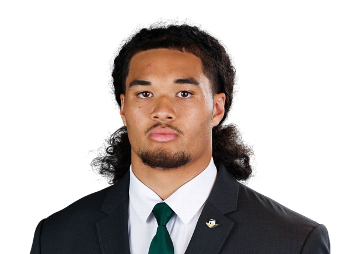
- Matayo Uiagalelei
← Back to NFL Draft Big Board Matayo Uiagalelei Oregon HT: 6050 WT: 272 YR: SR POS: ED OVR RK 48 POS RK CEILING POTENTIAL ED6 High-End Starter Potential KEY STRENGTHS Explosive pressure profile Run-defense reliability Power and frame translation KEY CONCERNS Counter sequencing Improve production profile Leverage through contact PLAYSTYLE & SCHEME FIT Matayo Uiagalelei is a long, explosive EDGE with the frame, bend, hand violence, and pressure production to become one of the top pass rushers in the 2027 NFL Draft. His grade is built on a strong blend of first-step quickness, speed-to-power, run-defense discipline, and alignment versatility, giving him a clean starter pathway in multiple fronts. He fits as a base defensive end or stand-up outside linebacker who can also reduce inside on passing downs. The concern is whether his counter package and finish rate become consistent enough to move him from high-end starter territory into the Near Elite tier. PLAYER COMPARISON: Gregory Rousseau Matayo Uiagalelei’s best comparison is Gregory Rousseau because both are long, big-framed EDGE defenders with run-defense value, pressure production, and multiple-front versatility. CEILING GRADE ANALYSIS High-End Starter Potential (65-69) A player expected to become a top-tier starter within their first few years. They possess strong physical tools and good technical skills but may have some limitations in their game. With development, they can reach near-elite levels and provide consistent impact at their position. Primary scout: Brandon Lundberg Football Scout 365 NFL Draft Grade Scale Football Scout 365 grades reflect a prospect’s projected long-term NFL value and role. Draft ranges are general value projections, not predictions of an exact selection. Positional value, team needs, scheme fit, medical information and athletic testing can influence where a player is ultimately selected. How Football Scout 365 Grades NFL Draft Prospects Elite (75+): A rare, high-impact prospect with elite physical tools, advanced football intelligence and the ability to make an immediate NFL impact. Elite prospects carry franchise-altering potential and typically project as top 5–10 selections in the first round. Near Elite (70–74): A high-caliber prospect with outstanding physical tools, strong football intelligence and only minor developmental limitations. Near Elite prospects project as significant early-career contributors with Pro Bowl upside and first-round draft value. High-End Starter Potential (65–69): A starting-caliber prospect with strong physical tools, quality technical skills and a defined NFL role. These players may require development before reaching their ceiling but generally carry second- or third-round draft value. Mid-Level Starter Potential (60–64): A solid prospect with NFL-level tools and a pathway to becoming a dependable starter if key limitations are addressed. These players generally carry third- to fifth-round draft value. Low-Level Starter Potential (55–59): A developmental prospect who could become a low-end starter, high-end backup or valuable specialist in the right role. These players generally carry fifth- to seventh-round draft value. Backup Level (50–54): A depth or rotational prospect with enough functional ability to compete for an NFL roster spot but limited long-term starting potential. These players generally project as late Day 3 selections or priority undrafted free agents. Not NFL Level (Below 50): A developmental or camp prospect who does not currently demonstrate enough consistency, technical refinement or functional NFL traits to project as a regular contributor. These players generally project as undrafted free agents, practice-squad candidates or camp invitations. Draft position can vary based on positional value, team needs, scheme fit, medical evaluation and athletic testing.
- Zakee Wheatley
← Back to NFL Draft Big Board Zakee Wheatley Penn State HT: 6020 WT: 200 YR: SR POS: S OVR RK 49 POS RK CEILING POTENTIAL KEY STRENGTHS Range & Play Speed Instincts & Ball Skills Single-High Value KEY CONCERNS Tackling Consistency Play-Action Discipline Physicality vs. TEs PLAYSTYLE & SCHEME FIT Wheatley is a rangy, instinctive single-high safety with high-end starter potential, capable of anchoring the back end of an NFL defense. He consistently finds the football with elite range, strong ball tracking, and disciplined zone awareness. Best deployed as a post safety in Cover 1 or Cover 3, Wheatley excels when allowed to read the quarterback, overlap routes, and erase vertical threats. While he is an aggressive run supporter, occasional over-eagerness and tackling technique variance show up when he triggers downhill. PLAYER COMPARISON: CEILING GRADE ANALYSIS High-End Starter Potential (65-69) A player expected to become a top-tier starter within their first few years. They possess strong physical tools and good technical skills but may have some limitations in their game. With development, they can reach near-elite levels and provide consistent impact at their position. Primary scout: Brandon Lundberg Football Scout 365 NFL Draft Grade Scale Football Scout 365 grades reflect a prospect’s projected long-term NFL value and role. Draft ranges are general value projections, not predictions of an exact selection. Positional value, team needs, scheme fit, medical information and athletic testing can influence where a player is ultimately selected. How Football Scout 365 Grades NFL Draft Prospects Elite (75+): A rare, high-impact prospect with elite physical tools, advanced football intelligence and the ability to make an immediate NFL impact. Elite prospects carry franchise-altering potential and typically project as top 5–10 selections in the first round. Near Elite (70–74): A high-caliber prospect with outstanding physical tools, strong football intelligence and only minor developmental limitations. Near Elite prospects project as significant early-career contributors with Pro Bowl upside and first-round draft value. High-End Starter Potential (65–69): A starting-caliber prospect with strong physical tools, quality technical skills and a defined NFL role. These players may require development before reaching their ceiling but generally carry second- or third-round draft value. Mid-Level Starter Potential (60–64): A solid prospect with NFL-level tools and a pathway to becoming a dependable starter if key limitations are addressed. These players generally carry third- to fifth-round draft value. Low-Level Starter Potential (55–59): A developmental prospect who could become a low-end starter, high-end backup or valuable specialist in the right role. These players generally carry fifth- to seventh-round draft value. Backup Level (50–54): A depth or rotational prospect with enough functional ability to compete for an NFL roster spot but limited long-term starting potential. These players generally project as late Day 3 selections or priority undrafted free agents. Not NFL Level (Below 50): A developmental or camp prospect who does not currently demonstrate enough consistency, technical refinement or functional NFL traits to project as a regular contributor. These players generally project as undrafted free agents, practice-squad candidates or camp invitations. Draft position can vary based on positional value, team needs, scheme fit, medical evaluation and athletic testing.
- Kyle Pitts
Pitts is a special player who fits the mold of what NFL GM's and coaches are looking for in today's football. He can move around the formation, play inline, and split out wide. He is very athletic, with great hands. Pitts, a former QB, is an elite athlete with an elite skill set. Whoever drafts him will be getting an elite talent. ← Back to NFL Draft Big Board Kyle Pitts Florida HT: 6050 WT: 239 YR: JR POS: TE OVR RK 8 POS RK CEILING POTENTIAL 1 KEY STRENGTHS KEY CONCERNS PLAYSTYLE & SCHEME FIT Pitts is a special player who fits the mold of what NFL GM's and coaches are looking for in today's football. He can move around the formation, play inline, and split out wide. He is very athletic, with great hands. Pitts, a former QB, is an elite athlete with an elite skill set. Whoever drafts him will be getting an elite talent. PLAYER COMPARISON: CEILING GRADE ANALYSIS Near Elite (70-74) A high-caliber prospect who is expected to become a significant contributor by Year 2. These players have outstanding physical tools and strong football IQ, with only minor flaws in their game. They demonstrate consistency at a high level and project as future Pro Bowl-caliber players if properly developed. Primary scout: Brandon Lundberg Football Scout 365 NFL Draft Grade Scale Football Scout 365 grades reflect a prospect’s projected long-term NFL value and role. Draft ranges are general value projections, not predictions of an exact selection. Positional value, team needs, scheme fit, medical information and athletic testing can influence where a player is ultimately selected. How Football Scout 365 Grades NFL Draft Prospects Elite (75+): A rare, high-impact prospect with elite physical tools, advanced football intelligence and the ability to make an immediate NFL impact. Elite prospects carry franchise-altering potential and typically project as top 5–10 selections in the first round. Near Elite (70–74): A high-caliber prospect with outstanding physical tools, strong football intelligence and only minor developmental limitations. Near Elite prospects project as significant early-career contributors with Pro Bowl upside and first-round draft value. High-End Starter Potential (65–69): A starting-caliber prospect with strong physical tools, quality technical skills and a defined NFL role. These players may require development before reaching their ceiling but generally carry second- or third-round draft value. Mid-Level Starter Potential (60–64): A solid prospect with NFL-level tools and a pathway to becoming a dependable starter if key limitations are addressed. These players generally carry third- to fifth-round draft value. Low-Level Starter Potential (55–59): A developmental prospect who could become a low-end starter, high-end backup or valuable specialist in the right role. These players generally carry fifth- to seventh-round draft value. Backup Level (50–54): A depth or rotational prospect with enough functional ability to compete for an NFL roster spot but limited long-term starting potential. These players generally project as late Day 3 selections or priority undrafted free agents. Not NFL Level (Below 50): A developmental or camp prospect who does not currently demonstrate enough consistency, technical refinement or functional NFL traits to project as a regular contributor. These players generally project as undrafted free agents, practice-squad candidates or camp invitations. Draft position can vary based on positional value, team needs, scheme fit, medical evaluation and athletic testing.
- Tre'Vius Hodges-Tomlinson
← Back to NFL Draft Big Board Tre'Vius Hodges-Tomlinson TCU HT: 5080 WT: 178 YR: SR POS: CB OVR RK 56 POS RK CEILING POTENTIAL 9 KEY STRENGTHS KEY CONCERNS PLAYSTYLE & SCHEME FIT PLAYER COMPARISON: CEILING GRADE ANALYSIS Mid-Level Starter Potential (60-64) A solid, dependable starter with the potential to exceed expectations. They have good athleticism and tools but may lack elite traits. While they show flashes of high-level play, they also have some notable weaknesses that must be developed. These players often need 2-3 years to establish themselves. Primary scout: Brandon Lundberg Football Scout 365 NFL Draft Grade Scale Football Scout 365 grades reflect a prospect’s projected long-term NFL value and role. Draft ranges are general value projections, not predictions of an exact selection. Positional value, team needs, scheme fit, medical information and athletic testing can influence where a player is ultimately selected. How Football Scout 365 Grades NFL Draft Prospects Elite (75+): A rare, high-impact prospect with elite physical tools, advanced football intelligence and the ability to make an immediate NFL impact. Elite prospects carry franchise-altering potential and typically project as top 5–10 selections in the first round. Near Elite (70–74): A high-caliber prospect with outstanding physical tools, strong football intelligence and only minor developmental limitations. Near Elite prospects project as significant early-career contributors with Pro Bowl upside and first-round draft value. High-End Starter Potential (65–69): A starting-caliber prospect with strong physical tools, quality technical skills and a defined NFL role. These players may require development before reaching their ceiling but generally carry second- or third-round draft value. Mid-Level Starter Potential (60–64): A solid prospect with NFL-level tools and a pathway to becoming a dependable starter if key limitations are addressed. These players generally carry third- to fifth-round draft value. Low-Level Starter Potential (55–59): A developmental prospect who could become a low-end starter, high-end backup or valuable specialist in the right role. These players generally carry fifth- to seventh-round draft value. Backup Level (50–54): A depth or rotational prospect with enough functional ability to compete for an NFL roster spot but limited long-term starting potential. These players generally project as late Day 3 selections or priority undrafted free agents. Not NFL Level (Below 50): A developmental or camp prospect who does not currently demonstrate enough consistency, technical refinement or functional NFL traits to project as a regular contributor. These players generally project as undrafted free agents, practice-squad candidates or camp invitations. Draft position can vary based on positional value, team needs, scheme fit, medical evaluation and athletic testing.
- Jermaine Burton
Jermaine Burton has the potential to be a high-level starter in the NFL. His combination of speed, route-running, and ball-tracking skills makes him a valuable asset for teams seeking a versatile wide receiver. With continued development, particularly in physical strength and contested catching, he could evolve into a primary target in an NFL offense. His current projection falls within the range of 'Mid-Level Starter Potential' (60-64). ← Back to NFL Draft Big Board Jermaine Burton Alabama HT: 6000 WT: 200 YR: SR POS: WR OVR RK 69 POS RK CEILING POTENTIAL 14 KEY STRENGTHS Deep Tracking Hands Burst KEY CONCERNS Physicality Contested Catch Agility PLAYSTYLE & SCHEME FIT Jermaine Burton plays with a blend of speed and technical skill, making him a versatile receiver suitable for various offensive schemes. He excels in a spread offense that allows him to utilize his speed and route-running ability. His ability to track deep balls makes him a valuable asset for vertical passing attacks, while his proficiency in short routes can also benefit quick-passing, rhythm-based offenses. PLAYER COMPARISON: CEILING GRADE ANALYSIS High-End Starter Potential (65-69) A player expected to become a top-tier starter within their first few years. They possess strong physical tools and good technical skills but may have some limitations in their game. With development, they can reach near-elite levels and provide consistent impact at their position. Primary scout: Brandon Lundberg Football Scout 365 NFL Draft Grade Scale Football Scout 365 grades reflect a prospect’s projected long-term NFL value and role. Draft ranges are general value projections, not predictions of an exact selection. Positional value, team needs, scheme fit, medical information and athletic testing can influence where a player is ultimately selected. How Football Scout 365 Grades NFL Draft Prospects Elite (75+): A rare, high-impact prospect with elite physical tools, advanced football intelligence and the ability to make an immediate NFL impact. Elite prospects carry franchise-altering potential and typically project as top 5–10 selections in the first round. Near Elite (70–74): A high-caliber prospect with outstanding physical tools, strong football intelligence and only minor developmental limitations. Near Elite prospects project as significant early-career contributors with Pro Bowl upside and first-round draft value. High-End Starter Potential (65–69): A starting-caliber prospect with strong physical tools, quality technical skills and a defined NFL role. These players may require development before reaching their ceiling but generally carry second- or third-round draft value. Mid-Level Starter Potential (60–64): A solid prospect with NFL-level tools and a pathway to becoming a dependable starter if key limitations are addressed. These players generally carry third- to fifth-round draft value. Low-Level Starter Potential (55–59): A developmental prospect who could become a low-end starter, high-end backup or valuable specialist in the right role. These players generally carry fifth- to seventh-round draft value. Backup Level (50–54): A depth or rotational prospect with enough functional ability to compete for an NFL roster spot but limited long-term starting potential. These players generally project as late Day 3 selections or priority undrafted free agents. Not NFL Level (Below 50): A developmental or camp prospect who does not currently demonstrate enough consistency, technical refinement or functional NFL traits to project as a regular contributor. These players generally project as undrafted free agents, practice-squad candidates or camp invitations. Draft position can vary based on positional value, team needs, scheme fit, medical evaluation and athletic testing.
- T'Vondre Sweat
T'Vondre Sweat has seen consistent growth throughout his college career, with notable accomplishments as a pass rusher during his sophomore and junior years. His senior season was particularly remarkable, being recognized as one of the highest-graded interior defensive linemen in the Power Five, demonstrating his effective run-stopping abilities. The available information also highlights his sizable frame as a significant advantage in his position, which likely contributes to his positional strength and effectiveness on the field. ← Back to NFL Draft Big Board T'Vondre Sweat Texas HT: 6040 WT: 366 YR: SR POS: IDL OVR RK 56 POS RK CEILING POTENTIAL 7 KEY STRENGTHS Size Disruptiveness Powerful KEY CONCERNS Quickness Experience Tackling PLAYSTYLE & SCHEME FIT T'Vondre Sweat projects as a strong run-stopper at the NFL level, ideal for schemes prioritizing run defense. His ability to control blockers and impact the run game is significant. However, his limitations in pass rush and agility might confine him to a rotational, two-down role in the NFL. Development in pass-rushing techniques and conditioning could increase his value and versatility on the defensive line. PLAYER COMPARISON: CEILING GRADE ANALYSIS High-End Starter Potential (65-69) A player expected to become a top-tier starter within their first few years. They possess strong physical tools and good technical skills but may have some limitations in their game. With development, they can reach near-elite levels and provide consistent impact at their position. Primary scout: Brandon Lundberg Football Scout 365 NFL Draft Grade Scale Football Scout 365 grades reflect a prospect’s projected long-term NFL value and role. Draft ranges are general value projections, not predictions of an exact selection. Positional value, team needs, scheme fit, medical information and athletic testing can influence where a player is ultimately selected. How Football Scout 365 Grades NFL Draft Prospects Elite (75+): A rare, high-impact prospect with elite physical tools, advanced football intelligence and the ability to make an immediate NFL impact. Elite prospects carry franchise-altering potential and typically project as top 5–10 selections in the first round. Near Elite (70–74): A high-caliber prospect with outstanding physical tools, strong football intelligence and only minor developmental limitations. Near Elite prospects project as significant early-career contributors with Pro Bowl upside and first-round draft value. High-End Starter Potential (65–69): A starting-caliber prospect with strong physical tools, quality technical skills and a defined NFL role. These players may require development before reaching their ceiling but generally carry second- or third-round draft value. Mid-Level Starter Potential (60–64): A solid prospect with NFL-level tools and a pathway to becoming a dependable starter if key limitations are addressed. These players generally carry third- to fifth-round draft value. Low-Level Starter Potential (55–59): A developmental prospect who could become a low-end starter, high-end backup or valuable specialist in the right role. These players generally carry fifth- to seventh-round draft value. Backup Level (50–54): A depth or rotational prospect with enough functional ability to compete for an NFL roster spot but limited long-term starting potential. These players generally project as late Day 3 selections or priority undrafted free agents. Not NFL Level (Below 50): A developmental or camp prospect who does not currently demonstrate enough consistency, technical refinement or functional NFL traits to project as a regular contributor. These players generally project as undrafted free agents, practice-squad candidates or camp invitations. Draft position can vary based on positional value, team needs, scheme fit, medical evaluation and athletic testing.
- Rasheed Walker
At 6-6 320lbs, Walker possesses a long frame with equally long arms. He provides an excellent blocking radius for the tackle position in the pass game. Walker is not an elite athlete, but he possesses a good first step in pass sets, with average to good lateral quickness. What he lacks in athleticism, he makes up for with length. He has a dense frame and shows that he can absorb powerful edge rushers without losing his base. In the run game, he is solid, showing he can move well and leverage his dense frame well against defenders. His ability to block in the run game is where he can excel the earliest in his career in the NFL. Overall, Walker must improve his bend and hand placement. He can be out-leveraged due to his lack of bend, and his hand placement can be inconsistent. ← Back to NFL Draft Big Board Rasheed Walker Penn State HT: 6060 WT: 320 YR: JR POS: OT OVR RK 60 POS RK CEILING POTENTIAL 8 KEY STRENGTHS KEY CONCERNS PLAYSTYLE & SCHEME FIT At 6-6 320lbs, Walker possesses a long frame with equally long arms. He provides an excellent blocking radius for the tackle position in the pass game. Walker is not an elite athlete, but he possesses a good first step in pass sets, with average to good lateral quickness. What he lacks in athleticism, he makes up for with length. He has a dense frame and shows that he can absorb powerful edge rushers without losing his base. In the run game, he is solid, showing he can move well and leverage his dense frame well against defenders. His ability to block in the run game is where he can excel the earliest in his career in the NFL. Overall, Walker must improve his bend and hand placement. He can be out-leveraged due to his lack of bend, and his hand placement can be inconsistent. PLAYER COMPARISON: CEILING GRADE ANALYSIS Near Elite (70-74) A high-caliber prospect who is expected to become a significant contributor by Year 2. These players have outstanding physical tools and strong football IQ, with only minor flaws in their game. They demonstrate consistency at a high level and project as future Pro Bowl-caliber players if properly developed. Primary scout: Brandon Lundberg Football Scout 365 NFL Draft Grade Scale Football Scout 365 grades reflect a prospect’s projected long-term NFL value and role. Draft ranges are general value projections, not predictions of an exact selection. Positional value, team needs, scheme fit, medical information and athletic testing can influence where a player is ultimately selected. How Football Scout 365 Grades NFL Draft Prospects Elite (75+): A rare, high-impact prospect with elite physical tools, advanced football intelligence and the ability to make an immediate NFL impact. Elite prospects carry franchise-altering potential and typically project as top 5–10 selections in the first round. Near Elite (70–74): A high-caliber prospect with outstanding physical tools, strong football intelligence and only minor developmental limitations. Near Elite prospects project as significant early-career contributors with Pro Bowl upside and first-round draft value. High-End Starter Potential (65–69): A starting-caliber prospect with strong physical tools, quality technical skills and a defined NFL role. These players may require development before reaching their ceiling but generally carry second- or third-round draft value. Mid-Level Starter Potential (60–64): A solid prospect with NFL-level tools and a pathway to becoming a dependable starter if key limitations are addressed. These players generally carry third- to fifth-round draft value. Low-Level Starter Potential (55–59): A developmental prospect who could become a low-end starter, high-end backup or valuable specialist in the right role. These players generally carry fifth- to seventh-round draft value. Backup Level (50–54): A depth or rotational prospect with enough functional ability to compete for an NFL roster spot but limited long-term starting potential. These players generally project as late Day 3 selections or priority undrafted free agents. Not NFL Level (Below 50): A developmental or camp prospect who does not currently demonstrate enough consistency, technical refinement or functional NFL traits to project as a regular contributor. These players generally project as undrafted free agents, practice-squad candidates or camp invitations. Draft position can vary based on positional value, team needs, scheme fit, medical evaluation and athletic testing.
- Jaxson Dart
← Back to NFL Draft Big Board Jaxson Dart Ole Miss HT: 6020 WT: 220 YR: SR POS: QB OVR RK 68 POS RK CEILING POTENTIAL 4 KEY STRENGTHS Quick Release & Velocity Mobility & Toughness RPO/Play-Action Experience KEY CONCERNS Deep-Ball Accuracy Tight-Window Throws Processing Speed PLAYSTYLE & SCHEME FIT Dart is a tough, athletic QB with a strong arm and solid mobility. He operates well within quick-game and RPO-heavy offenses, where his fast release and ability to process pre-snap reads shine. However, he struggles with deep-ball consistency, decision-making under pressure, and working through full-field progressions. Dart projects best in a West Coast or play-action-heavy system where he can utilize his arm strength and mobility while developing better anticipation and footwork. PLAYER COMPARISON: CEILING GRADE ANALYSIS Mid-Level Starter Potential (60-64) A solid, dependable starter with the potential to exceed expectations. They have good athleticism and tools but may lack elite traits. While they show flashes of high-level play, they also have some notable weaknesses that must be developed. These players often need 2-3 years to establish themselves. Primary scout: Brandon Lundberg Football Scout 365 NFL Draft Grade Scale Football Scout 365 grades reflect a prospect’s projected long-term NFL value and role. Draft ranges are general value projections, not predictions of an exact selection. Positional value, team needs, scheme fit, medical information and athletic testing can influence where a player is ultimately selected. How Football Scout 365 Grades NFL Draft Prospects Elite (75+): A rare, high-impact prospect with elite physical tools, advanced football intelligence and the ability to make an immediate NFL impact. Elite prospects carry franchise-altering potential and typically project as top 5–10 selections in the first round. Near Elite (70–74): A high-caliber prospect with outstanding physical tools, strong football intelligence and only minor developmental limitations. Near Elite prospects project as significant early-career contributors with Pro Bowl upside and first-round draft value. High-End Starter Potential (65–69): A starting-caliber prospect with strong physical tools, quality technical skills and a defined NFL role. These players may require development before reaching their ceiling but generally carry second- or third-round draft value. Mid-Level Starter Potential (60–64): A solid prospect with NFL-level tools and a pathway to becoming a dependable starter if key limitations are addressed. These players generally carry third- to fifth-round draft value. Low-Level Starter Potential (55–59): A developmental prospect who could become a low-end starter, high-end backup or valuable specialist in the right role. These players generally carry fifth- to seventh-round draft value. Backup Level (50–54): A depth or rotational prospect with enough functional ability to compete for an NFL roster spot but limited long-term starting potential. These players generally project as late Day 3 selections or priority undrafted free agents. Not NFL Level (Below 50): A developmental or camp prospect who does not currently demonstrate enough consistency, technical refinement or functional NFL traits to project as a regular contributor. These players generally project as undrafted free agents, practice-squad candidates or camp invitations. Draft position can vary based on positional value, team needs, scheme fit, medical evaluation and athletic testing.
- Dyami Brown
A big-play threat the last two seasons in Chapel Hill, Brown averaged 20+ yards per reception in 2019-20. He plays with an explosive burst both off the LOS, and within his routes; he can go from 75% speed, lulling a DB to sleep before opening it up to 100% and leaving the DB behind. He does well tracking the football, and after the catch, he can break tackles. Where scouts are warry, his route tree is lacking. He runs a basic college-level tree that needs development. ← Back to NFL Draft Big Board Dyami Brown North Carolina HT: 6010 WT: 195 YR: JR POS: WR OVR RK 57 POS RK CEILING POTENTIAL 8 KEY STRENGTHS KEY CONCERNS PLAYSTYLE & SCHEME FIT A big-play threat the last two seasons in Chapel Hill, Brown averaged 20+ yards per reception in 2019-20. He plays with an explosive burst both off the LOS, and within his routes; he can go from 75% speed, lulling a DB to sleep before opening it up to 100% and leaving the DB behind. He does well tracking the football, and after the catch, he can break tackles. Where scouts are warry, his route tree is lacking. He runs a basic college-level tree that needs development. PLAYER COMPARISON: CEILING GRADE ANALYSIS High-End Starter Potential (65-69) A player expected to become a top-tier starter within their first few years. They possess strong physical tools and good technical skills but may have some limitations in their game. With development, they can reach near-elite levels and provide consistent impact at their position. Primary scout: Brandon Lundberg Football Scout 365 NFL Draft Grade Scale Football Scout 365 grades reflect a prospect’s projected long-term NFL value and role. Draft ranges are general value projections, not predictions of an exact selection. Positional value, team needs, scheme fit, medical information and athletic testing can influence where a player is ultimately selected. How Football Scout 365 Grades NFL Draft Prospects Elite (75+): A rare, high-impact prospect with elite physical tools, advanced football intelligence and the ability to make an immediate NFL impact. Elite prospects carry franchise-altering potential and typically project as top 5–10 selections in the first round. Near Elite (70–74): A high-caliber prospect with outstanding physical tools, strong football intelligence and only minor developmental limitations. Near Elite prospects project as significant early-career contributors with Pro Bowl upside and first-round draft value. High-End Starter Potential (65–69): A starting-caliber prospect with strong physical tools, quality technical skills and a defined NFL role. These players may require development before reaching their ceiling but generally carry second- or third-round draft value. Mid-Level Starter Potential (60–64): A solid prospect with NFL-level tools and a pathway to becoming a dependable starter if key limitations are addressed. These players generally carry third- to fifth-round draft value. Low-Level Starter Potential (55–59): A developmental prospect who could become a low-end starter, high-end backup or valuable specialist in the right role. These players generally carry fifth- to seventh-round draft value. Backup Level (50–54): A depth or rotational prospect with enough functional ability to compete for an NFL roster spot but limited long-term starting potential. These players generally project as late Day 3 selections or priority undrafted free agents. Not NFL Level (Below 50): A developmental or camp prospect who does not currently demonstrate enough consistency, technical refinement or functional NFL traits to project as a regular contributor. These players generally project as undrafted free agents, practice-squad candidates or camp invitations. Draft position can vary based on positional value, team needs, scheme fit, medical evaluation and athletic testing.
- Trevor Lauck
← Back to NFL Draft Big Board Trevor Lauck Iowa HT: 6050 WT: 310 YR: SR POS: OT OVR RK 19 POS RK CEILING POTENTIAL OT3 High-End Starter Potential KEY STRENGTHS Pass-Protection Consistency Run-Game Physicality Guard Flexibility KEY CONCERNS Limited Athletic Ceiling Limited Starting Sample Tackle vs. Guard Projection PLAYSTYLE & SCHEME FIT Trevor Lauck is a technically sound Iowa offensive tackle whose grade is built on pass-protection consistency, strong hands, leverage, and gap/power run-game value. He wins with controlled footwork, recovery balance, and decisive movement as a puller, giving him a clear starter pathway in a pro-style run game. The concern is whether his athletic ceiling, length profile, and edge range are good enough to stay at tackle against NFL speed. His guard flexibility raises the floor, but his 2026 tape will determine whether he becomes a true Day 2 tackle or pushes into late Round 1 discussion. PLAYER COMPARISON: Matthew Bergeron Lauck fits the Bergeron comparison because both profiles are built around toughness, hand usage, run-game physicality, and tackle-to-guard flexibility rather than rare athletic traits. The difference is that Lauck’s Iowa background and pass-protection consistency give him a slightly cleaner technical foundation, while Bergeron offered more obvious movement upside coming out. CEILING GRADE ANALYSIS High-End Starter Potential (65-69) A player expected to become a top-tier starter within their first few years. They possess strong physical tools and good technical skills but may have some limitations in their game. With development, they can reach near-elite levels and provide consistent impact at their position. Primary scout: Brandon Lundberg Football Scout 365 NFL Draft Grade Scale Football Scout 365 grades reflect a prospect’s projected long-term NFL value and role. Draft ranges are general value projections, not predictions of an exact selection. Positional value, team needs, scheme fit, medical information and athletic testing can influence where a player is ultimately selected. How Football Scout 365 Grades NFL Draft Prospects Elite (75+): A rare, high-impact prospect with elite physical tools, advanced football intelligence and the ability to make an immediate NFL impact. Elite prospects carry franchise-altering potential and typically project as top 5–10 selections in the first round. Near Elite (70–74): A high-caliber prospect with outstanding physical tools, strong football intelligence and only minor developmental limitations. Near Elite prospects project as significant early-career contributors with Pro Bowl upside and first-round draft value. High-End Starter Potential (65–69): A starting-caliber prospect with strong physical tools, quality technical skills and a defined NFL role. These players may require development before reaching their ceiling but generally carry second- or third-round draft value. Mid-Level Starter Potential (60–64): A solid prospect with NFL-level tools and a pathway to becoming a dependable starter if key limitations are addressed. These players generally carry third- to fifth-round draft value. Low-Level Starter Potential (55–59): A developmental prospect who could become a low-end starter, high-end backup or valuable specialist in the right role. These players generally carry fifth- to seventh-round draft value. Backup Level (50–54): A depth or rotational prospect with enough functional ability to compete for an NFL roster spot but limited long-term starting potential. These players generally project as late Day 3 selections or priority undrafted free agents. Not NFL Level (Below 50): A developmental or camp prospect who does not currently demonstrate enough consistency, technical refinement or functional NFL traits to project as a regular contributor. These players generally project as undrafted free agents, practice-squad candidates or camp invitations. Draft position can vary based on positional value, team needs, scheme fit, medical evaluation and athletic testing.
- Trenton Simpson
Simpson is a highly athletic and explosive linebacker with excellent speed, agility, and quickness. He has a quick first step and can change direction quickly to pursue ball carriers all over the field. Simpson is a solid tackler who uses his athleticism and strength to bring down ball carriers. He has good technique and can deliver big hits when he needs to. Simpson is a versatile linebacker who can play both inside and outside positions. He has good coverage skills and can drop back in coverage or rush the passer, depending on the situation. ← Back to NFL Draft Big Board Trenton Simpson Clemson HT: 6021 WT: 235 YR: JR POS: LB OVR RK 48 POS RK CEILING POTENTIAL 3 KEY STRENGTHS Versatility Athleticism Positional Strength KEY CONCERNS Size Hand Usage Double Teams PLAYSTYLE & SCHEME FIT Simpson is a highly athletic and versatile linebacker who can be used in a variety of schemes. He has the speed and agility to play in a 4-3 defense and the versatility to play in a 3-4 defense. He's a solid tackler and can be used to set the edge against the run. His coverage skills make him a valuable asset in passing situations, and he can be used to drop back in coverage or rush the passer. PLAYER COMPARISON: CEILING GRADE ANALYSIS High-End Starter Potential (65-69) A player expected to become a top-tier starter within their first few years. They possess strong physical tools and good technical skills but may have some limitations in their game. With development, they can reach near-elite levels and provide consistent impact at their position. Primary scout: Brandon Lundberg Football Scout 365 NFL Draft Grade Scale Football Scout 365 grades reflect a prospect’s projected long-term NFL value and role. Draft ranges are general value projections, not predictions of an exact selection. Positional value, team needs, scheme fit, medical information and athletic testing can influence where a player is ultimately selected. How Football Scout 365 Grades NFL Draft Prospects Elite (75+): A rare, high-impact prospect with elite physical tools, advanced football intelligence and the ability to make an immediate NFL impact. Elite prospects carry franchise-altering potential and typically project as top 5–10 selections in the first round. Near Elite (70–74): A high-caliber prospect with outstanding physical tools, strong football intelligence and only minor developmental limitations. Near Elite prospects project as significant early-career contributors with Pro Bowl upside and first-round draft value. High-End Starter Potential (65–69): A starting-caliber prospect with strong physical tools, quality technical skills and a defined NFL role. These players may require development before reaching their ceiling but generally carry second- or third-round draft value. Mid-Level Starter Potential (60–64): A solid prospect with NFL-level tools and a pathway to becoming a dependable starter if key limitations are addressed. These players generally carry third- to fifth-round draft value. Low-Level Starter Potential (55–59): A developmental prospect who could become a low-end starter, high-end backup or valuable specialist in the right role. These players generally carry fifth- to seventh-round draft value. Backup Level (50–54): A depth or rotational prospect with enough functional ability to compete for an NFL roster spot but limited long-term starting potential. These players generally project as late Day 3 selections or priority undrafted free agents. Not NFL Level (Below 50): A developmental or camp prospect who does not currently demonstrate enough consistency, technical refinement or functional NFL traits to project as a regular contributor. These players generally project as undrafted free agents, practice-squad candidates or camp invitations. Draft position can vary based on positional value, team needs, scheme fit, medical evaluation and athletic testing.
- Kyle Louis
← Back to NFL Draft Big Board Kyle Louis Pittsburgh HT: 6010 WT: 220 YR: JR POS: LB OVR RK 55 POS RK CEILING POTENTIAL KEY STRENGTHS Outstanding coverage instincts Explosive trigger True hybrid versatility KEY CONCERNS Undersized Below average anchor Can overrun plays PLAYSTYLE & SCHEME FIT Louis is a modern hybrid defender with outstanding space athleticism, very good instincts, and legitimate coverage ability. He plays with explosive short-area burst and elite decisiveness when triggering downhill. His ability to match tight ends and slot receivers gives him real three-down sub-package value. However, his undersized frame and average block deconstruction limit him as a full-time box MIKE. He projects best as a WILL, rover, or big nickel in a defense that lives in nickel personnel and protects him with a stout interior front. PLAYER COMPARISON: CEILING GRADE ANALYSIS High-End Starter Potential (65-69) A player expected to become a top-tier starter within their first few years. They possess strong physical tools and good technical skills but may have some limitations in their game. With development, they can reach near-elite levels and provide consistent impact at their position. Primary scout: Brandon Lundberg Football Scout 365 NFL Draft Grade Scale Football Scout 365 grades reflect a prospect’s projected long-term NFL value and role. Draft ranges are general value projections, not predictions of an exact selection. Positional value, team needs, scheme fit, medical information and athletic testing can influence where a player is ultimately selected. How Football Scout 365 Grades NFL Draft Prospects Elite (75+): A rare, high-impact prospect with elite physical tools, advanced football intelligence and the ability to make an immediate NFL impact. Elite prospects carry franchise-altering potential and typically project as top 5–10 selections in the first round. Near Elite (70–74): A high-caliber prospect with outstanding physical tools, strong football intelligence and only minor developmental limitations. Near Elite prospects project as significant early-career contributors with Pro Bowl upside and first-round draft value. High-End Starter Potential (65–69): A starting-caliber prospect with strong physical tools, quality technical skills and a defined NFL role. These players may require development before reaching their ceiling but generally carry second- or third-round draft value. Mid-Level Starter Potential (60–64): A solid prospect with NFL-level tools and a pathway to becoming a dependable starter if key limitations are addressed. These players generally carry third- to fifth-round draft value. Low-Level Starter Potential (55–59): A developmental prospect who could become a low-end starter, high-end backup or valuable specialist in the right role. These players generally carry fifth- to seventh-round draft value. Backup Level (50–54): A depth or rotational prospect with enough functional ability to compete for an NFL roster spot but limited long-term starting potential. These players generally project as late Day 3 selections or priority undrafted free agents. Not NFL Level (Below 50): A developmental or camp prospect who does not currently demonstrate enough consistency, technical refinement or functional NFL traits to project as a regular contributor. These players generally project as undrafted free agents, practice-squad candidates or camp invitations. Draft position can vary based on positional value, team needs, scheme fit, medical evaluation and athletic testing.