Search Results
Search this site
1750 results found with an empty search
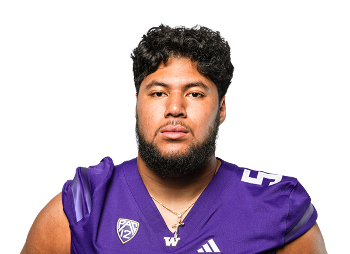
- Troy Fautanu
Overall, Troy Fautanu projects as a "Mid-Level Starter Potential" in the NFL. His solid foundation in pass protection and the potential for improvement in run blocking suggest he could develop into a reliable starter, especially if he refines his technique at the second level and improves his bend and agility. His immediate impact may be as a rotational player, but with the right development, he could become a dependable starter within his first few years in the league. ← Back to NFL Draft Big Board Troy Fautanu Washington HT: 6040 WT: 317 YR: RSO POS: OT OVR RK 32 POS RK CEILING POTENTIAL 6 KEY STRENGTHS Pass Pro Footwork Hand Placement KEY CONCERNS 2nd Level Bend Agility PLAYSTYLE & SCHEME FIT Troy Fautanu showcases a balanced blend of power and technique, making him a versatile offensive tackle capable of adapting to various schemes. He has demonstrated proficiency in pass protection, utilizing his above-average hand placement and footwork to effectively counter edge rushers. Fautanu's run blocking is solid, though there's room for improvement in consistency and technique at the second level. His agility and ability to sustain blocks can be leveraged in zone-blocking schemes, where lateral movement and maintaining blocks are critical. However, his skill set also aligns well with power-run schemes due to his physicality and finishing ability. PLAYER COMPARISON: CEILING GRADE ANALYSIS High-End Starter Potential (65-69) A player expected to become a top-tier starter within their first few years. They possess strong physical tools and good technical skills but may have some limitations in their game. With development, they can reach near-elite levels and provide consistent impact at their position. Primary scout: Brandon Lundberg Football Scout 365 NFL Draft Grade Scale Football Scout 365 grades reflect a prospect’s projected long-term NFL value and role. Draft ranges are general value projections, not predictions of an exact selection. Positional value, team needs, scheme fit, medical information and athletic testing can influence where a player is ultimately selected. How Football Scout 365 Grades NFL Draft Prospects Elite (75+): A rare, high-impact prospect with elite physical tools, advanced football intelligence and the ability to make an immediate NFL impact. Elite prospects carry franchise-altering potential and typically project as top 5–10 selections in the first round. Near Elite (70–74): A high-caliber prospect with outstanding physical tools, strong football intelligence and only minor developmental limitations. Near Elite prospects project as significant early-career contributors with Pro Bowl upside and first-round draft value. High-End Starter Potential (65–69): A starting-caliber prospect with strong physical tools, quality technical skills and a defined NFL role. These players may require development before reaching their ceiling but generally carry second- or third-round draft value. Mid-Level Starter Potential (60–64): A solid prospect with NFL-level tools and a pathway to becoming a dependable starter if key limitations are addressed. These players generally carry third- to fifth-round draft value. Low-Level Starter Potential (55–59): A developmental prospect who could become a low-end starter, high-end backup or valuable specialist in the right role. These players generally carry fifth- to seventh-round draft value. Backup Level (50–54): A depth or rotational prospect with enough functional ability to compete for an NFL roster spot but limited long-term starting potential. These players generally project as late Day 3 selections or priority undrafted free agents. Not NFL Level (Below 50): A developmental or camp prospect who does not currently demonstrate enough consistency, technical refinement or functional NFL traits to project as a regular contributor. These players generally project as undrafted free agents, practice-squad candidates or camp invitations. Draft position can vary based on positional value, team needs, scheme fit, medical evaluation and athletic testing.
- Gennings Dunker
← Back to NFL Draft Big Board Gennings Dunker Iowa HT: 6050 WT: 316 YR: SR POS: OT OVR RK 82 POS RK CEILING POTENTIAL KEY STRENGTHS Power & Play Strength Finish & Mentality Versatility & Experience KEY CONCERNS Movement Skills Balance & Overextension Tackle Limitations PLAYSTYLE & SCHEME FIT Dunker is a rugged, power-based offensive lineman with high-end starter potential at guard. He plays with a nasty demeanor, excellent play strength, and consistent physicality, thriving in gap and power-heavy run schemes. While he started at right tackle in college, his average lateral agility and foot quickness project him inside at the NFL level, where his anchor, grip strength, and finishing mentality translate best. Ideal fit in a run-first, play-action offense that values toughness and tone-setting in the trenches. PLAYER COMPARISON: CEILING GRADE ANALYSIS Mid-Level Starter Potential (60-64) A solid, dependable starter with the potential to exceed expectations. They have good athleticism and tools but may lack elite traits. While they show flashes of high-level play, they also have some notable weaknesses that must be developed. These players often need 2-3 years to establish themselves. Primary scout: Brandon Lundberg Football Scout 365 NFL Draft Grade Scale Football Scout 365 grades reflect a prospect’s projected long-term NFL value and role. Draft ranges are general value projections, not predictions of an exact selection. Positional value, team needs, scheme fit, medical information and athletic testing can influence where a player is ultimately selected. How Football Scout 365 Grades NFL Draft Prospects Elite (75+): A rare, high-impact prospect with elite physical tools, advanced football intelligence and the ability to make an immediate NFL impact. Elite prospects carry franchise-altering potential and typically project as top 5–10 selections in the first round. Near Elite (70–74): A high-caliber prospect with outstanding physical tools, strong football intelligence and only minor developmental limitations. Near Elite prospects project as significant early-career contributors with Pro Bowl upside and first-round draft value. High-End Starter Potential (65–69): A starting-caliber prospect with strong physical tools, quality technical skills and a defined NFL role. These players may require development before reaching their ceiling but generally carry second- or third-round draft value. Mid-Level Starter Potential (60–64): A solid prospect with NFL-level tools and a pathway to becoming a dependable starter if key limitations are addressed. These players generally carry third- to fifth-round draft value. Low-Level Starter Potential (55–59): A developmental prospect who could become a low-end starter, high-end backup or valuable specialist in the right role. These players generally carry fifth- to seventh-round draft value. Backup Level (50–54): A depth or rotational prospect with enough functional ability to compete for an NFL roster spot but limited long-term starting potential. These players generally project as late Day 3 selections or priority undrafted free agents. Not NFL Level (Below 50): A developmental or camp prospect who does not currently demonstrate enough consistency, technical refinement or functional NFL traits to project as a regular contributor. These players generally project as undrafted free agents, practice-squad candidates or camp invitations. Draft position can vary based on positional value, team needs, scheme fit, medical evaluation and athletic testing.
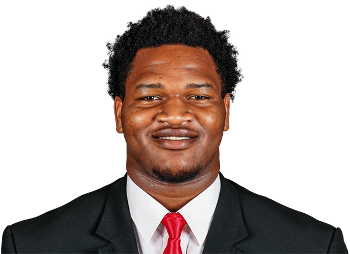
- Jalen Carter
Jalen Carter is a disruptive defensive lineman with an impressive blend of size, strength, and athleticism. He possesses a quick first step and excellent burst off the snap, allowing him to penetrate gaps and disrupt the backfield. Carter has a rare combination of power and agility, which makes him difficult to handle for blockers. He is versatile enough to play multiple positions along the defensive line and can be a force against both the run and the pass. Carter has active hands and good instincts, allowing him to quickly shed blocks and make tackles. However, he needs to work on pad level and technique to maximize his potential. Overall, Carter is an exciting prospect with a high ceiling and the potential to become a dominant player at the next level. ← Back to NFL Draft Big Board Jalen Carter Georgia HT: 6031 WT: 314 YR: JR POS: IDL OVR RK 2 POS RK CEILING POTENTIAL 1 KEY STRENGTHS Pos. Speed Strength Versatility KEY CONCERNS Double Team Balance Hand Use PLAYSTYLE & SCHEME FIT In terms of scheme fit, Carter has the ability to excel in a variety of defensive schemes at the NFL level. His combination of size, strength, and athleticism make him well-suited for a 4-3 or 3-4 defensive front, where he can line up at either the nose tackle or defensive tackle positions. He has the ability to anchor against the run and can generate a pass rush from the interior, making him a versatile and valuable asset for any team in need of a disruptive interior defender. PLAYER COMPARISON: CEILING GRADE ANALYSIS Elite (75+) A rare, high-impact prospect with the potential to be an instant NFL star. These players possess elite physical tools, high-level athleticism, and exceptional football intelligence. Their game is polished, showing minimal weaknesses, and they can dominate at their position from day one. They routinely accomplish what seems impossible and are viewed as franchise-altering talents. Primary scout: Brandon Lundberg Football Scout 365 NFL Draft Grade Scale Football Scout 365 grades reflect a prospect’s projected long-term NFL value and role. Draft ranges are general value projections, not predictions of an exact selection. Positional value, team needs, scheme fit, medical information and athletic testing can influence where a player is ultimately selected. How Football Scout 365 Grades NFL Draft Prospects Elite (75+): A rare, high-impact prospect with elite physical tools, advanced football intelligence and the ability to make an immediate NFL impact. Elite prospects carry franchise-altering potential and typically project as top 5–10 selections in the first round. Near Elite (70–74): A high-caliber prospect with outstanding physical tools, strong football intelligence and only minor developmental limitations. Near Elite prospects project as significant early-career contributors with Pro Bowl upside and first-round draft value. High-End Starter Potential (65–69): A starting-caliber prospect with strong physical tools, quality technical skills and a defined NFL role. These players may require development before reaching their ceiling but generally carry second- or third-round draft value. Mid-Level Starter Potential (60–64): A solid prospect with NFL-level tools and a pathway to becoming a dependable starter if key limitations are addressed. These players generally carry third- to fifth-round draft value. Low-Level Starter Potential (55–59): A developmental prospect who could become a low-end starter, high-end backup or valuable specialist in the right role. These players generally carry fifth- to seventh-round draft value. Backup Level (50–54): A depth or rotational prospect with enough functional ability to compete for an NFL roster spot but limited long-term starting potential. These players generally project as late Day 3 selections or priority undrafted free agents. Not NFL Level (Below 50): A developmental or camp prospect who does not currently demonstrate enough consistency, technical refinement or functional NFL traits to project as a regular contributor. These players generally project as undrafted free agents, practice-squad candidates or camp invitations. Draft position can vary based on positional value, team needs, scheme fit, medical evaluation and athletic testing.
- Chris McClellan
← Back to NFL Draft Big Board Chris McClellan Missouri HT: 6040 WT: 323 YR: SR POS: IDL OVR RK 95 POS RK CEILING POTENTIAL KEY STRENGTHS Explosive first step Strong play strength Disruptive pass-rush ability KEY CONCERNS Inconsistent pad level Upright at times Refined rush sequencing PLAYSTYLE & SCHEME FIT McClellan is a disruptive, powerful interior defensive lineman with legitimate three-down upside. He combines size, length (34” arms), and explosive first-step quickness to win both as a penetrator and as a gap-control defender. When playing with proper leverage, he is extremely difficult to move and can control double teams or collapse the pocket with a heavy bull rush. His motor, snap anticipation, and competitive toughness elevate his impact. However, inconsistent pad level and leverage discipline limit his down-to-down reliability. McClellan projects as a rotational Year 1 contributor with the upside to develop into a high-impact interior starter in multiple fronts. PLAYER COMPARISON: CEILING GRADE ANALYSIS Mid-Level Starter Potential (60-64) A solid, dependable starter with the potential to exceed expectations. They have good athleticism and tools but may lack elite traits. While they show flashes of high-level play, they also have some notable weaknesses that must be developed. These players often need 2-3 years to establish themselves. Primary scout: Brandon Lundberg Football Scout 365 NFL Draft Grade Scale Football Scout 365 grades reflect a prospect’s projected long-term NFL value and role. Draft ranges are general value projections, not predictions of an exact selection. Positional value, team needs, scheme fit, medical information and athletic testing can influence where a player is ultimately selected. How Football Scout 365 Grades NFL Draft Prospects Elite (75+): A rare, high-impact prospect with elite physical tools, advanced football intelligence and the ability to make an immediate NFL impact. Elite prospects carry franchise-altering potential and typically project as top 5–10 selections in the first round. Near Elite (70–74): A high-caliber prospect with outstanding physical tools, strong football intelligence and only minor developmental limitations. Near Elite prospects project as significant early-career contributors with Pro Bowl upside and first-round draft value. High-End Starter Potential (65–69): A starting-caliber prospect with strong physical tools, quality technical skills and a defined NFL role. These players may require development before reaching their ceiling but generally carry second- or third-round draft value. Mid-Level Starter Potential (60–64): A solid prospect with NFL-level tools and a pathway to becoming a dependable starter if key limitations are addressed. These players generally carry third- to fifth-round draft value. Low-Level Starter Potential (55–59): A developmental prospect who could become a low-end starter, high-end backup or valuable specialist in the right role. These players generally carry fifth- to seventh-round draft value. Backup Level (50–54): A depth or rotational prospect with enough functional ability to compete for an NFL roster spot but limited long-term starting potential. These players generally project as late Day 3 selections or priority undrafted free agents. Not NFL Level (Below 50): A developmental or camp prospect who does not currently demonstrate enough consistency, technical refinement or functional NFL traits to project as a regular contributor. These players generally project as undrafted free agents, practice-squad candidates or camp invitations. Draft position can vary based on positional value, team needs, scheme fit, medical evaluation and athletic testing.
- Malaki Starks
Malaki Starks has the makings of an impactful starter at the NFL level, with potential to develop into an elite safety given his trajectory and intangibles. His collegiate career, highlighted by multiple All-America honors and leadership in a top-tier program like Georgia, showcases a player ready to transition effectively to the professional game. ← Back to NFL Draft Big Board Malaki Starks Georgia HT: 6010 WT: 205 YR: JR POS: S OVR RK 11 POS RK CEILING POTENTIAL 1 KEY STRENGTHS Positional Versatility Athleticism Range and Ball Skills KEY CONCERNS Route Recognition Pursuit Angles Slot Coverage PLAYSTYLE & SCHEME FIT Starks is an elite, scheme-versatile safety with the range, physicality, and ball skills to play in any defensive scheme. He thrives in single-high and split-zone alignments, showing NFL-ready tackling ability and route anticipation. While he has man coverage upside, his eye discipline and occasional pursuit angle lapses must be cleaned up to maximize his impact. PLAYER COMPARISON: CEILING GRADE ANALYSIS Near Elite (70-74) A high-caliber prospect who is expected to become a significant contributor by Year 2. These players have outstanding physical tools and strong football IQ, with only minor flaws in their game. They demonstrate consistency at a high level and project as future Pro Bowl-caliber players if properly developed. Primary scout: Brandon Lundberg Football Scout 365 NFL Draft Grade Scale Football Scout 365 grades reflect a prospect’s projected long-term NFL value and role. Draft ranges are general value projections, not predictions of an exact selection. Positional value, team needs, scheme fit, medical information and athletic testing can influence where a player is ultimately selected. How Football Scout 365 Grades NFL Draft Prospects Elite (75+): A rare, high-impact prospect with elite physical tools, advanced football intelligence and the ability to make an immediate NFL impact. Elite prospects carry franchise-altering potential and typically project as top 5–10 selections in the first round. Near Elite (70–74): A high-caliber prospect with outstanding physical tools, strong football intelligence and only minor developmental limitations. Near Elite prospects project as significant early-career contributors with Pro Bowl upside and first-round draft value. High-End Starter Potential (65–69): A starting-caliber prospect with strong physical tools, quality technical skills and a defined NFL role. These players may require development before reaching their ceiling but generally carry second- or third-round draft value. Mid-Level Starter Potential (60–64): A solid prospect with NFL-level tools and a pathway to becoming a dependable starter if key limitations are addressed. These players generally carry third- to fifth-round draft value. Low-Level Starter Potential (55–59): A developmental prospect who could become a low-end starter, high-end backup or valuable specialist in the right role. These players generally carry fifth- to seventh-round draft value. Backup Level (50–54): A depth or rotational prospect with enough functional ability to compete for an NFL roster spot but limited long-term starting potential. These players generally project as late Day 3 selections or priority undrafted free agents. Not NFL Level (Below 50): A developmental or camp prospect who does not currently demonstrate enough consistency, technical refinement or functional NFL traits to project as a regular contributor. These players generally project as undrafted free agents, practice-squad candidates or camp invitations. Draft position can vary based on positional value, team needs, scheme fit, medical evaluation and athletic testing.
- Bryce Lance
← Back to NFL Draft Big Board Bryce Lance North Dakota State HT: 6030 WT: 209 YR: SR POS: WR OVR RK 87 POS RK CEILING POTENTIAL KEY STRENGTHS Large frame/catch radius Reliable hands & ball skills Sells stems/routes KEY CONCERNS Lacks elite burst Improve physicality Needs polish for NFL PLAYSTYLE & SCHEME FIT Bryce Lance is a long-striding perimeter receiver who wins with size, ball tracking, and vertical body control rather than sudden separation. He presses routes vertically to stress coverage and consistently tracks and finishes deep throws with strong hands and concentration. Lance uses his frame well to shield defenders and secure contested targets, particularly downfield. However, he is a high-cut athlete with limited short-area quickness, and he labors getting in and out of sharp breaks. His long speed is functional but not explosive, and the jump in competition will test his ability to separate consistently. He projects as a developmental outside receiver best suited for a vertical system that maximizes stride speed and catch-point wins. PLAYER COMPARISON: CEILING GRADE ANALYSIS Mid-Level Starter Potential (60-64) A solid, dependable starter with the potential to exceed expectations. They have good athleticism and tools but may lack elite traits. While they show flashes of high-level play, they also have some notable weaknesses that must be developed. These players often need 2-3 years to establish themselves. Primary scout: Brandon Lundberg Football Scout 365 NFL Draft Grade Scale Football Scout 365 grades reflect a prospect’s projected long-term NFL value and role. Draft ranges are general value projections, not predictions of an exact selection. Positional value, team needs, scheme fit, medical information and athletic testing can influence where a player is ultimately selected. How Football Scout 365 Grades NFL Draft Prospects Elite (75+): A rare, high-impact prospect with elite physical tools, advanced football intelligence and the ability to make an immediate NFL impact. Elite prospects carry franchise-altering potential and typically project as top 5–10 selections in the first round. Near Elite (70–74): A high-caliber prospect with outstanding physical tools, strong football intelligence and only minor developmental limitations. Near Elite prospects project as significant early-career contributors with Pro Bowl upside and first-round draft value. High-End Starter Potential (65–69): A starting-caliber prospect with strong physical tools, quality technical skills and a defined NFL role. These players may require development before reaching their ceiling but generally carry second- or third-round draft value. Mid-Level Starter Potential (60–64): A solid prospect with NFL-level tools and a pathway to becoming a dependable starter if key limitations are addressed. These players generally carry third- to fifth-round draft value. Low-Level Starter Potential (55–59): A developmental prospect who could become a low-end starter, high-end backup or valuable specialist in the right role. These players generally carry fifth- to seventh-round draft value. Backup Level (50–54): A depth or rotational prospect with enough functional ability to compete for an NFL roster spot but limited long-term starting potential. These players generally project as late Day 3 selections or priority undrafted free agents. Not NFL Level (Below 50): A developmental or camp prospect who does not currently demonstrate enough consistency, technical refinement or functional NFL traits to project as a regular contributor. These players generally project as undrafted free agents, practice-squad candidates or camp invitations. Draft position can vary based on positional value, team needs, scheme fit, medical evaluation and athletic testing.
- Ricky Pearsall
Pearsall's attributes suggest he could be a productive slot receiver in the NFL, offering immediate value in the passing game while also possessing the upside to develop into a more comprehensive threat with improvements in blocking and physical strength. His draft stock will benefit from teams looking for immediate impact players in the passing game, projecting him as a potential day two or early day three selection. ← Back to NFL Draft Big Board Ricky Pearsall Florida HT: 6010 WT: 190 YR: SR POS: WR OVR RK 38 POS RK CEILING POTENTIAL 10 KEY STRENGTHS Hands Ball Tracking Route Running KEY CONCERNS Blocking Strength Long Speed PLAYSTYLE & SCHEME FIT Ricky Pearsall exhibits a polished route-running ability, with particular proficiency in creating separation on short to medium routes. His strength in contested catch situations makes him a reliable target in critical downs. While Pearsall shows an average physical strength, impacting his blocking abilities, his agility and explosiveness compensate, allowing him to be a versatile piece in a spread offense or a system that leverages wide receiver screens and quick passes. His knack for tracking the ball and making plays in tight coverage will make him an asset in the red zone. PLAYER COMPARISON: CEILING GRADE ANALYSIS High-End Starter Potential (65-69) A player expected to become a top-tier starter within their first few years. They possess strong physical tools and good technical skills but may have some limitations in their game. With development, they can reach near-elite levels and provide consistent impact at their position. Primary scout: Brandon Lundberg Football Scout 365 NFL Draft Grade Scale Football Scout 365 grades reflect a prospect’s projected long-term NFL value and role. Draft ranges are general value projections, not predictions of an exact selection. Positional value, team needs, scheme fit, medical information and athletic testing can influence where a player is ultimately selected. How Football Scout 365 Grades NFL Draft Prospects Elite (75+): A rare, high-impact prospect with elite physical tools, advanced football intelligence and the ability to make an immediate NFL impact. Elite prospects carry franchise-altering potential and typically project as top 5–10 selections in the first round. Near Elite (70–74): A high-caliber prospect with outstanding physical tools, strong football intelligence and only minor developmental limitations. Near Elite prospects project as significant early-career contributors with Pro Bowl upside and first-round draft value. High-End Starter Potential (65–69): A starting-caliber prospect with strong physical tools, quality technical skills and a defined NFL role. These players may require development before reaching their ceiling but generally carry second- or third-round draft value. Mid-Level Starter Potential (60–64): A solid prospect with NFL-level tools and a pathway to becoming a dependable starter if key limitations are addressed. These players generally carry third- to fifth-round draft value. Low-Level Starter Potential (55–59): A developmental prospect who could become a low-end starter, high-end backup or valuable specialist in the right role. These players generally carry fifth- to seventh-round draft value. Backup Level (50–54): A depth or rotational prospect with enough functional ability to compete for an NFL roster spot but limited long-term starting potential. These players generally project as late Day 3 selections or priority undrafted free agents. Not NFL Level (Below 50): A developmental or camp prospect who does not currently demonstrate enough consistency, technical refinement or functional NFL traits to project as a regular contributor. These players generally project as undrafted free agents, practice-squad candidates or camp invitations. Draft position can vary based on positional value, team needs, scheme fit, medical evaluation and athletic testing.
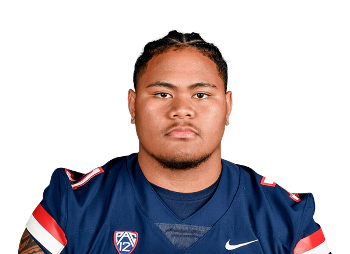
- Jonah Savaiinaea
Savaiinaea has the potential to become a starting caliber player in the NFL, particularly in a scheme that aligns with his strengths in run blocking. His ability to also provide reliable pass protection makes him a valuable asset. With continued development, he has the potential to reach an 'Above Average' to 'High' level in the NFL. ← Back to NFL Draft Big Board Jonah Savaiinaea Arizona HT: 6050 WT: 330 YR: JR POS: OT OVR RK 79 POS RK CEILING POTENTIAL 10 KEY STRENGTHS Positional Versatility Exceptional Strength Solid Pass Protector KEY CONCERNS Improve Agility To Counter Speed Improve Footwork Improve Hand Placement and Technique PLAYSTYLE & SCHEME FIT Jonah Savaiinaea is a massive offensive tackle who can also slot into an interior guard position if needed, showcasing versatility across the offensive line. His size and strength are his biggest assets, making him ideal for a power run scheme that leverages his ability to move defenders off the ball. His pass protection skills are advanced, particularly against bull rushes, but he must improve his agility and footwork to handle speed rushers at the NFL level. Savaiinaea's performance at Arizona has demonstrated significant potential for growth, especially in schemes that prioritize physical run blocking. PLAYER COMPARISON: CEILING GRADE ANALYSIS Mid-Level Starter Potential (60-64) A solid, dependable starter with the potential to exceed expectations. They have good athleticism and tools but may lack elite traits. While they show flashes of high-level play, they also have some notable weaknesses that must be developed. These players often need 2-3 years to establish themselves. Primary scout: Brandon Lundberg Football Scout 365 NFL Draft Grade Scale Football Scout 365 grades reflect a prospect’s projected long-term NFL value and role. Draft ranges are general value projections, not predictions of an exact selection. Positional value, team needs, scheme fit, medical information and athletic testing can influence where a player is ultimately selected. How Football Scout 365 Grades NFL Draft Prospects Elite (75+): A rare, high-impact prospect with elite physical tools, advanced football intelligence and the ability to make an immediate NFL impact. Elite prospects carry franchise-altering potential and typically project as top 5–10 selections in the first round. Near Elite (70–74): A high-caliber prospect with outstanding physical tools, strong football intelligence and only minor developmental limitations. Near Elite prospects project as significant early-career contributors with Pro Bowl upside and first-round draft value. High-End Starter Potential (65–69): A starting-caliber prospect with strong physical tools, quality technical skills and a defined NFL role. These players may require development before reaching their ceiling but generally carry second- or third-round draft value. Mid-Level Starter Potential (60–64): A solid prospect with NFL-level tools and a pathway to becoming a dependable starter if key limitations are addressed. These players generally carry third- to fifth-round draft value. Low-Level Starter Potential (55–59): A developmental prospect who could become a low-end starter, high-end backup or valuable specialist in the right role. These players generally carry fifth- to seventh-round draft value. Backup Level (50–54): A depth or rotational prospect with enough functional ability to compete for an NFL roster spot but limited long-term starting potential. These players generally project as late Day 3 selections or priority undrafted free agents. Not NFL Level (Below 50): A developmental or camp prospect who does not currently demonstrate enough consistency, technical refinement or functional NFL traits to project as a regular contributor. These players generally project as undrafted free agents, practice-squad candidates or camp invitations. Draft position can vary based on positional value, team needs, scheme fit, medical evaluation and athletic testing.
- Trenton Simpson
Simpson is a highly athletic and explosive linebacker with excellent speed, agility, and quickness. He has a quick first step and can change direction quickly to pursue ball carriers all over the field. Simpson is a solid tackler who uses his athleticism and strength to bring down ball carriers. He has good technique and can deliver big hits when he needs to. Simpson is a versatile linebacker who can play both inside and outside positions. He has good coverage skills and can drop back in coverage or rush the passer, depending on the situation. ← Back to NFL Draft Big Board Trenton Simpson Clemson HT: 6021 WT: 235 YR: JR POS: LB OVR RK 48 POS RK CEILING POTENTIAL 3 KEY STRENGTHS Versatility Athleticism Positional Strength KEY CONCERNS Size Hand Usage Double Teams PLAYSTYLE & SCHEME FIT Simpson is a highly athletic and versatile linebacker who can be used in a variety of schemes. He has the speed and agility to play in a 4-3 defense and the versatility to play in a 3-4 defense. He's a solid tackler and can be used to set the edge against the run. His coverage skills make him a valuable asset in passing situations, and he can be used to drop back in coverage or rush the passer. PLAYER COMPARISON: CEILING GRADE ANALYSIS High-End Starter Potential (65-69) A player expected to become a top-tier starter within their first few years. They possess strong physical tools and good technical skills but may have some limitations in their game. With development, they can reach near-elite levels and provide consistent impact at their position. Primary scout: Brandon Lundberg Football Scout 365 NFL Draft Grade Scale Football Scout 365 grades reflect a prospect’s projected long-term NFL value and role. Draft ranges are general value projections, not predictions of an exact selection. Positional value, team needs, scheme fit, medical information and athletic testing can influence where a player is ultimately selected. How Football Scout 365 Grades NFL Draft Prospects Elite (75+): A rare, high-impact prospect with elite physical tools, advanced football intelligence and the ability to make an immediate NFL impact. Elite prospects carry franchise-altering potential and typically project as top 5–10 selections in the first round. Near Elite (70–74): A high-caliber prospect with outstanding physical tools, strong football intelligence and only minor developmental limitations. Near Elite prospects project as significant early-career contributors with Pro Bowl upside and first-round draft value. High-End Starter Potential (65–69): A starting-caliber prospect with strong physical tools, quality technical skills and a defined NFL role. These players may require development before reaching their ceiling but generally carry second- or third-round draft value. Mid-Level Starter Potential (60–64): A solid prospect with NFL-level tools and a pathway to becoming a dependable starter if key limitations are addressed. These players generally carry third- to fifth-round draft value. Low-Level Starter Potential (55–59): A developmental prospect who could become a low-end starter, high-end backup or valuable specialist in the right role. These players generally carry fifth- to seventh-round draft value. Backup Level (50–54): A depth or rotational prospect with enough functional ability to compete for an NFL roster spot but limited long-term starting potential. These players generally project as late Day 3 selections or priority undrafted free agents. Not NFL Level (Below 50): A developmental or camp prospect who does not currently demonstrate enough consistency, technical refinement or functional NFL traits to project as a regular contributor. These players generally project as undrafted free agents, practice-squad candidates or camp invitations. Draft position can vary based on positional value, team needs, scheme fit, medical evaluation and athletic testing.
- Zach Harrison
← Back to NFL Draft Big Board Zach Harrison Ohio State HT: 6054 WT: 274 YR: SR POS: ED OVR RK 83 POS RK CEILING POTENTIAL 14 KEY STRENGTHS KEY CONCERNS PLAYSTYLE & SCHEME FIT PLAYER COMPARISON: CEILING GRADE ANALYSIS High-End Starter Potential (65-69) A player expected to become a top-tier starter within their first few years. They possess strong physical tools and good technical skills but may have some limitations in their game. With development, they can reach near-elite levels and provide consistent impact at their position. Primary scout: Brandon Lundberg Football Scout 365 NFL Draft Grade Scale Football Scout 365 grades reflect a prospect’s projected long-term NFL value and role. Draft ranges are general value projections, not predictions of an exact selection. Positional value, team needs, scheme fit, medical information and athletic testing can influence where a player is ultimately selected. How Football Scout 365 Grades NFL Draft Prospects Elite (75+): A rare, high-impact prospect with elite physical tools, advanced football intelligence and the ability to make an immediate NFL impact. Elite prospects carry franchise-altering potential and typically project as top 5–10 selections in the first round. Near Elite (70–74): A high-caliber prospect with outstanding physical tools, strong football intelligence and only minor developmental limitations. Near Elite prospects project as significant early-career contributors with Pro Bowl upside and first-round draft value. High-End Starter Potential (65–69): A starting-caliber prospect with strong physical tools, quality technical skills and a defined NFL role. These players may require development before reaching their ceiling but generally carry second- or third-round draft value. Mid-Level Starter Potential (60–64): A solid prospect with NFL-level tools and a pathway to becoming a dependable starter if key limitations are addressed. These players generally carry third- to fifth-round draft value. Low-Level Starter Potential (55–59): A developmental prospect who could become a low-end starter, high-end backup or valuable specialist in the right role. These players generally carry fifth- to seventh-round draft value. Backup Level (50–54): A depth or rotational prospect with enough functional ability to compete for an NFL roster spot but limited long-term starting potential. These players generally project as late Day 3 selections or priority undrafted free agents. Not NFL Level (Below 50): A developmental or camp prospect who does not currently demonstrate enough consistency, technical refinement or functional NFL traits to project as a regular contributor. These players generally project as undrafted free agents, practice-squad candidates or camp invitations. Draft position can vary based on positional value, team needs, scheme fit, medical evaluation and athletic testing.
- Kyle Hamilton
A dynamic athlete that excels at every sport he has ever played. Hamilton received a basketball scholarship at the age of 15. His athletic acumen stretches further; Hamilton tried out for Lacrosse, having never played the sport in high school where he would make the team and get significant playing time. According to his brother Tyler, Kyle is also an excellent golfer who can hit a two-iron nearly 300 yards. The Hamilton bloodlines are tried and true. His mother, Jackie, who excelled academically and as an artist before becoming an HR manager for a marketing firm, mentioned in an interview referenced on the ND Insider website that Kyle is a Mensa member. The Mensa organization recognizes people who score within the upper two percent of an approved intelligence test. Kyle backed up his Mensa bona fides by scoring a 30 on his ACT. Hamiltons father was a star basketball player at the University of Southern Mississippi, a third-round pick in the 1988 NBA Draft, and a professional basketball player overseas for more than a decade. As a football player, Hamilton is long and rangy safety who possesses outstanding speed for a player who stands at 6-4, 220lbs. He has excellent on-field awareness, playing with great instincts. According to his former trainer, in Atlanta, at the age of 18, Hamilton registered a 40-inch vertical, and he jumped free-standing (no approach step) a 55-inch box jump. Hamilton provides incredible range covering a lot of grass in a hurry; he is a good tackler in space and offers excellent three-level support. He is a lengthy, physical player who provides a positionless chess piece at the NFL level. ← Back to NFL Draft Big Board Kyle Hamilton Notre Dame HT: 6040 WT: 220 YR: JR POS: S OVR RK 7 POS RK CEILING POTENTIAL 1 KEY STRENGTHS KEY CONCERNS PLAYSTYLE & SCHEME FIT A dynamic athlete that excels at every sport he has ever played. Hamilton received a basketball scholarship at the age of 15. His athletic acumen stretches further; Hamilton tried out for Lacrosse, having never played the sport in high school where he would make the team and get significant playing time. According to his brother Tyler, Kyle is also an excellent golfer who can hit a two-iron nearly 300 yards. The Hamilton bloodlines are tried and true. His mother, Jackie, who excelled academically and as an artist before becoming an HR manager for a marketing firm, mentioned in an interview referenced on the ND Insider website that Kyle is a Mensa member. The Mensa organization recognizes people who score within the upper two percent of an approved intelligence test. Kyle backed up his Mensa bona fides by scoring a 30 on his ACT. Hamiltons father was a star basketball player at the University of Southern Mississippi, a third-round pick in the 1988 NBA Draft, and a professional basketball player overseas for more than a decade. As a football player, Hamilton is long and rangy safety who possesses outstanding speed for a player who stands at 6-4, 220lbs. He has excellent on-field awareness, playing with great instincts. According to his former trainer, in Atlanta, at the age of 18, Hamilton registered a 40-inch vertical, and he jumped free-standing (no approach step) a 55-inch box jump. Hamilton provides incredible range covering a lot of grass in a hurry; he is a good tackler in space and offers excellent three-level support. He is a lengthy, physical player who provides a positionless chess piece at the NFL level. PLAYER COMPARISON: CEILING GRADE ANALYSIS Near Elite (70-74) A high-caliber prospect who is expected to become a significant contributor by Year 2. These players have outstanding physical tools and strong football IQ, with only minor flaws in their game. They demonstrate consistency at a high level and project as future Pro Bowl-caliber players if properly developed. Primary scout: Brandon Lundberg Football Scout 365 NFL Draft Grade Scale Football Scout 365 grades reflect a prospect’s projected long-term NFL value and role. Draft ranges are general value projections, not predictions of an exact selection. Positional value, team needs, scheme fit, medical information and athletic testing can influence where a player is ultimately selected. How Football Scout 365 Grades NFL Draft Prospects Elite (75+): A rare, high-impact prospect with elite physical tools, advanced football intelligence and the ability to make an immediate NFL impact. Elite prospects carry franchise-altering potential and typically project as top 5–10 selections in the first round. Near Elite (70–74): A high-caliber prospect with outstanding physical tools, strong football intelligence and only minor developmental limitations. Near Elite prospects project as significant early-career contributors with Pro Bowl upside and first-round draft value. High-End Starter Potential (65–69): A starting-caliber prospect with strong physical tools, quality technical skills and a defined NFL role. These players may require development before reaching their ceiling but generally carry second- or third-round draft value. Mid-Level Starter Potential (60–64): A solid prospect with NFL-level tools and a pathway to becoming a dependable starter if key limitations are addressed. These players generally carry third- to fifth-round draft value. Low-Level Starter Potential (55–59): A developmental prospect who could become a low-end starter, high-end backup or valuable specialist in the right role. These players generally carry fifth- to seventh-round draft value. Backup Level (50–54): A depth or rotational prospect with enough functional ability to compete for an NFL roster spot but limited long-term starting potential. These players generally project as late Day 3 selections or priority undrafted free agents. Not NFL Level (Below 50): A developmental or camp prospect who does not currently demonstrate enough consistency, technical refinement or functional NFL traits to project as a regular contributor. These players generally project as undrafted free agents, practice-squad candidates or camp invitations. Draft position can vary based on positional value, team needs, scheme fit, medical evaluation and athletic testing.
- Kaleb Johnson
← Back to NFL Draft Big Board Kaleb Johnson Iowa HT: 6000 WT: 225 YR: JR POS: RB OVR RK 52 POS RK CEILING POTENTIAL 5 KEY STRENGTHS Decisive, Patient Runner Elite Contact Balance Pass-Catching Upside KEY CONCERNS Lacks Explosive Breakaway Speed Pass Protection Struggles Lacks Dynamic Lateral Agility PLAYSTYLE & SCHEME FIT Kaleb Johnson is a physical, north-south runner with strong vision, fluid movement skills, and excellent balance. He thrives in zone-based rushing schemes that allow him to press the line of scrimmage before making decisive cuts. While he lacks top-end breakaway speed, his combination of size, patience, and finishing power makes him a strong early-down and short-yardage option with RB1 upside in a two-back system. PLAYER COMPARISON: CEILING GRADE ANALYSIS High-End Starter Potential (65-69) A player expected to become a top-tier starter within their first few years. They possess strong physical tools and good technical skills but may have some limitations in their game. With development, they can reach near-elite levels and provide consistent impact at their position. Primary scout: Brandon Lundberg Football Scout 365 NFL Draft Grade Scale Football Scout 365 grades reflect a prospect’s projected long-term NFL value and role. Draft ranges are general value projections, not predictions of an exact selection. Positional value, team needs, scheme fit, medical information and athletic testing can influence where a player is ultimately selected. How Football Scout 365 Grades NFL Draft Prospects Elite (75+): A rare, high-impact prospect with elite physical tools, advanced football intelligence and the ability to make an immediate NFL impact. Elite prospects carry franchise-altering potential and typically project as top 5–10 selections in the first round. Near Elite (70–74): A high-caliber prospect with outstanding physical tools, strong football intelligence and only minor developmental limitations. Near Elite prospects project as significant early-career contributors with Pro Bowl upside and first-round draft value. High-End Starter Potential (65–69): A starting-caliber prospect with strong physical tools, quality technical skills and a defined NFL role. These players may require development before reaching their ceiling but generally carry second- or third-round draft value. Mid-Level Starter Potential (60–64): A solid prospect with NFL-level tools and a pathway to becoming a dependable starter if key limitations are addressed. These players generally carry third- to fifth-round draft value. Low-Level Starter Potential (55–59): A developmental prospect who could become a low-end starter, high-end backup or valuable specialist in the right role. These players generally carry fifth- to seventh-round draft value. Backup Level (50–54): A depth or rotational prospect with enough functional ability to compete for an NFL roster spot but limited long-term starting potential. These players generally project as late Day 3 selections or priority undrafted free agents. Not NFL Level (Below 50): A developmental or camp prospect who does not currently demonstrate enough consistency, technical refinement or functional NFL traits to project as a regular contributor. These players generally project as undrafted free agents, practice-squad candidates or camp invitations. Draft position can vary based on positional value, team needs, scheme fit, medical evaluation and athletic testing.