Search Results
Search this site
1757 results found with an empty search
- R Mason Thomas
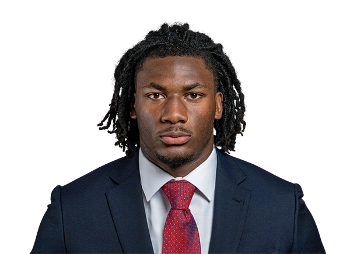
← Back to NFL Draft Big Board R Mason Thomas Oklahoma HT: 6020 WT: 250 YR: SR POS: ED OVR RK 61 POS RK CEILING POTENTIAL KEY STRENGTHS Elite first-step explosiveness Good bend ankle flexion Effective speed-to-power KEY CONCERNS Below-ideal length Inconsistent hand placement Subpar lower anchor PLAYSTYLE & SCHEME FIT Thomas is a twitch-driven, speed-based edge defender who wins with burst, bend, and aggressive speed-to-power conversion. His explosive first three steps, ankle flexion, and ability to shave the corner make him a legitimate vertical threat off the edge. He can convert speed to power better than his frame suggests, and his motor allows him to generate second-effort pressure. However, his lack of ideal length, average lower-body anchor, and inconsistent hand timing limit his ability to consistently set the edge or disengage against long NFL tackles. Thomas projects best as a wide-alignment pass rusher in an odd front (3-4 OLB) or as a designated rush end in sub-packages where he can attack half-man relationships and avoid heavy base-block responsibility. Early in his career, he profiles as a third-down pressure specialist with starter upside in a speed-based front. PLAYER COMPARISON: CEILING GRADE ANALYSIS High-End Starter Potential (65-69) A player expected to become a top-tier starter within their first few years. They possess strong physical tools and good technical skills but may have some limitations in their game. With development, they can reach near-elite levels and provide consistent impact at their position. Primary scout: Brandon Lundberg Football Scout 365 NFL Draft Grade Scale Football Scout 365 grades reflect a prospect’s projected long-term NFL value and role. Draft ranges are general value projections, not predictions of an exact selection. Positional value, team needs, scheme fit, medical information and athletic testing can influence where a player is ultimately selected. How Football Scout 365 Grades NFL Draft Prospects Elite (75+): A rare, high-impact prospect with elite physical tools, advanced football intelligence and the ability to make an immediate NFL impact. Elite prospects carry franchise-altering potential and typically project as top 5–10 selections in the first round. Near Elite (70–74): A high-caliber prospect with outstanding physical tools, strong football intelligence and only minor developmental limitations. Near Elite prospects project as significant early-career contributors with Pro Bowl upside and first-round draft value. High-End Starter Potential (65–69): A starting-caliber prospect with strong physical tools, quality technical skills and a defined NFL role. These players may require development before reaching their ceiling but generally carry second- or third-round draft value. Mid-Level Starter Potential (60–64): A solid prospect with NFL-level tools and a pathway to becoming a dependable starter if key limitations are addressed. These players generally carry third- to fifth-round draft value. Low-Level Starter Potential (55–59): A developmental prospect who could become a low-end starter, high-end backup or valuable specialist in the right role. These players generally carry fifth- to seventh-round draft value. Backup Level (50–54): A depth or rotational prospect with enough functional ability to compete for an NFL roster spot but limited long-term starting potential. These players generally project as late Day 3 selections or priority undrafted free agents. Not NFL Level (Below 50): A developmental or camp prospect who does not currently demonstrate enough consistency, technical refinement or functional NFL traits to project as a regular contributor. These players generally project as undrafted free agents, practice-squad candidates or camp invitations. Draft position can vary based on positional value, team needs, scheme fit, medical evaluation and athletic testing.
- 2025 NFL Draft: 15 Tight Ends You Should Know Ahead of the 2024 College Football Season
2025 NFL Draft: 15 Tight Ends You Should Know Ahead of the 2024 College Football Season The 2024 NFL Draft showcased exceptional talent among tight ends, headlined by the generational standout Brock Bowers, who was taken by the Las Vegas Raiders with the 13th overall pick. Following him, Ben Sinnott from Kansas State was the next tight end selected, going in the second round. Over the subsequent days of the draft, ten additional tight ends were chosen. Looking ahead to the 2025 NFL Draft, while it may lack a singular generational talent, it features a deep and talented pool ready to bolster the NFL ranks. Today's analysis will spotlight 15 tight ends to keep an eye on during the 2024 college football season. We've ranked them based on their Expected Points Added (EPA) from the 2023 season. Understanding Expected Points Added (EPA) for Tight Ends EPA is a critical statistical measure in football that assesses the impact of each play on a team's scoring potential. This metric is particularly valuable in evaluating tight ends, as it quantifies how their actions on the field contribute to the team's ability to score and ultimately succeed. The Significance of EPA in Football Analytics EPA directly correlates with a team's success by linking tight end performance to scoring outcomes. Tight ends with high EPA values are often key players in executing successful plays that enhance the team's chances of scoring and winning. This makes EPA an increasingly popular metric in both NFL and college football analytics, providing deeper insights than traditional statistics such as total yards or touchdowns. By leveraging EPA, analysts, coaches, and fans can gain a more nuanced understanding of how strategic play-calling and individual player performances influence the overall game beyond mere statistical outputs. 15 2025 NFL Draft Prospects To Watch Ranked By 2023 Total EPA HAROLD FANNIN JR., BOWLING GREEN EPA: 33.88 (2nd) Summary Analysis: Harold Fannin Jr. had an impressive 2023 season, leading all MAC tight ends with 44 receptions and 623 yards, generating an EPA of 33.88, which ranks him 2nd among tight ends. His efficiency is underscored by a 73.3% catch rate and 2.9 yards per route run. Notably, Fannin did not drop a single pass, highlighting his sure-handedness. As a first-team All-Conference and CFN third-team All-America selection, he is poised to be a key player for Bowling Green in 2024. TERRANCE FERGUSON, OREGON EPA: 28.51 (4th) Summary Analysis: Terrance Ferguson showcased his talent in 2023 with 42 receptions for 414 yards and six touchdowns, generating an EPA of 28.51, ranking 4th among tight ends. His reliability is reflected in an 82.4% catch rate and 1.6 yards per route run. Ferguson's ability to consistently get open and make plays makes him a crucial part of Oregon's offense. With high praise from offensive coordinator Will Stein, Ferguson is expected to have an even more impactful 2024 season. COLSTON LOVELAND, MICHIGAN EPA: 26.86 (7th) Summary Analysis: Colston Loveland emerged as one of the best tight ends in college football during his sophomore year, generating an EPA of 26.86, ranking him 7th among tight ends. He accumulated 649 receiving yards on 65 targets with a 69.2% catch rate. His athleticism makes him nearly unguardable, and his 2.6 yards per route run reflects his effectiveness in the passing game. Loveland’s contributions are essential for Michigan’s offensive success. TYLER WARREN, PENN STATE EPA: 25.15 (8th) Summary Analysis: Tyler Warren was a pivotal player for Penn State in 2023, generating an EPA of 25.15, ranking 8th among tight ends. He led the team with 34 receptions, 422 receiving yards, and seven touchdown catches. His 64.2% catch rate and 1.7 yards per route run highlight his role as a reliable target in the passing game. Warren’s ability to convert opportunities, with a 73.5% first-down rate, makes him an essential part of Penn State's offense. BRYSON NESBIT, NORTH CAROLINA EPA: 24.19 (10th) Summary Analysis: Bryson Nesbit has been a reliable target for North Carolina, generating an EPA of 24.19, ranking 10th among tight ends. He caught 66.1% of his targets and averaged 2.1 yards per route run. His 91.7% on-target catch rate and ability to stretch the field with 14.3 yards per reception make him a significant offensive weapon. Nesbit's contributions are essential for North Carolina's passing attack, making him a prospect to watch for the 2025 NFL Draft. JACK VELLING, OREGON STATE EPA: 23.5 (11th) Summary Analysis: Jack Velling tied for the national lead with eight receiving touchdowns in 2023, generating an EPA of 23.5, ranking 11th among tight ends. His 1.7 yards per route run and 79.3% first-down rate highlight his efficiency in Oregon State’s offense. Velling’s athleticism and ability to find the end zone make him a top tight end prospect for the 2025 NFL Draft. AMARI NIBLACK, TEXAS EPA: 16.28 (24th) Summary Analysis: Amari Niblack showcased his athletic prowess during the 2023 season at Alabama, averaging 16.4 yards per reception and achieving an EPA of 16.28, which placed him 24th among tight ends. While Niblack should work on maintaining consistency, his knack for explosive plays makes him a promising prospect. Following his transfer to the Texas Longhorns, he is anticipated to play a significant role in their offense during the 2024 college football season. MITCHELL EVANS, NOTRE DAME EPA: 15.91 (26th) Summary Analysis: Mitchell Evans was playing like one of the best tight ends in the country before his season-ending injury in 2023, generating an EPA of 15.91, ranking 26th among tight ends. His 69% catch rate and 2.7 yards per route run demonstrate his impact on the field. Evans' ability to force missed tackles and find soft spots in coverage make him a valuable asset for Notre Dame. OSCAR DELP, GEORGIA EPA: 8.88 (68th) Summary Analysis: Oscar Delp's athleticism was on display in 2023, generating an EPA of 8.88, ranking 68th among tight ends. He caught 80% of his targets with a 2.3 yards per route run average. His ability to get open and make plays in the passing game is a significant asset for Georgia, and he is expected to take on a larger role in the upcoming season. GAVIN BARTHOLOMEW, PITTSBURGH EPA: 9.88 (89th) Summary Analysis: Gavin Bartholomew had a solid 2023 season with 18 receptions for 326 yards, generating an EPA of 9.88, ranking 61st among tight ends. His 62.1% catch rate and 1.7 yards per route run highlight his ability to make plays despite inconsistent quarterback play. Bartholomew's potential makes him a key player for Pittsburgh’s offense in 2024. BRANT KUITHE, UTAH EPA: 6.65 (87th) (2022 EPA) Summary Analysis: Despite missing the 2023 season, Brant Kuithe remains a top prospect due to his previous performance, generating an EPA of 6.65 in 2022, ranking 87th among the 2023 tight ends. His past achievements, including leading all FBS tight ends with 31 forced missed tackles from 2019-2021, showcase his playmaking ability. Kuithe is expected to make a strong return in 2024. LUKE LACHEY, IOWA EPA: 5.59 (101st) Summary Analysis: Luke Lachey’s 2023 season was cut short due to an ankle injury, generating an EPA of 5.59, ranking 101st among tight ends. Despite limited play, his previous performances, including a 77.7 receiving grade in 2022, highlight his potential. Lachey is expected to bounce back in 2024 and continue the tradition of elite Iowa tight ends. BENJAMIN YUROSEK, GEORGIA EPA: 1.75 (125th) Summary Analysis: Benjamin Yurosek had a challenging 2023 season at Stanford, generating an EPA of 1.75, ranking 125th among tight ends. Despite this, his previous achievements, including leading all returning tight ends with 1,300+ receiving yards since 2021, underscore his potential for a bounce-back year. Yurosek’s ability to create yards after the catch makes him a valuable asset for Georgia’s offense. JAKE BRININGSTOOL, CLEMSON EPA: -1.65 (150th) Summary Analysis: Jake Briningstool struggled in 2023, generating an EPA of -1.65, ranking 150th among tight ends. Despite these challenges, he has shown promise over the last two seasons, racking up 783 yards and nine touchdowns. Briningstool is poised to rebound in 2024 and solidify his role in Clemson’s offense.
- 2023 NFL Draft: Scouting The Top Edge Rusher Prospects
2023 NFL Draft: Scouting The Top Edge Rusher Prospects Scouting the top edge rusher prospects on the Football Scout 365 NFL Draft board. Click here to check out the full 2023 NFL Draft Big Board rankings. Top 5 NFL Draft Grade Will Anderson Jr. Edge Alabama: Standing at 6-4, 235lbs, Anderson possesses an impressive combination of size, strength, and athleticism. He is a dominant pass rusher, utilizing his speed, quickness, and impressive technique to consistently disrupt plays in the backfield. Anderson is also an excellent run defender, showing the ability to quickly diagnose plays and make tackles behind the line of scrimmage. He has excellent instincts and football IQ, always seeming to be in the right place at the right time to make plays. Top 10 NFL Draft Grade Myles Murphy Edge Clemson: At 6-5 275lbs, Murphy possesses one of the highest grades in the 2023 draft class. He has the athletic and physical tools you want in today's NFL edge rusher. At 6-5, 275lbs, Murphy possesses the elite length needed to go one-on-one with today's top NFL tackles. On tape, Murphy exhibits an elite first step combined with elite-level lateral quickness for his position. His assets do not end with quickness; he can win with speed or power at the point of attack. Using his dense frame and elite strength, Murphy can anchor and hold the edge in the run game or bull through a blocker on his way to the QB. Mid To Late 1st Round Grade Tyree Wilson Edge Texas Tech: At 6-6 275lbs, Wilson possesses excellent size and length for the position. He is a powerful and explosive pass rusher, utilizing his strength and quickness to get around offensive linemen and pressure the quarterback. Wilson is also a solid run defender, using his size and strength to set the edge and make tackles. While he may need to continue to refine his technique and develop more pass rush moves, Wilson has the potential to be a productive defensive lineman at the NFL level. Nolan Smith Edge Georgia: At 6-3 235lbs, Smith possesses an impressive combination of size, speed, and athleticism. He is an explosive pass rusher, utilizing his speed and quickness off the edge to consistently pressure the quarterback. Smith is also a strong run defender who understands how to use leverage to set the edge. He has excellent instincts and football IQ. While he may need to continue to refine his technique and develop more pass rush moves, Smith has the potential to be a highly productive defensive player at the NFL level. Keion White Edge Georgia Tech: At 6-4 280lbs, White possesses good size and athleticism. White is a versatile player who can play both defensive end and linebacker, showing impressive speed and agility for his size. He is a disruptive pass rusher, using his burst and quickness to get around blockers and pressure the quarterback. White is also a strong run defender that understands how to use leverage to set a hard edge . While he may need to continue to refine his technique and develop more pass rush moves, White has the potential to be a productive defender at the NFL level. Late 1st Round-Early 2nd Round Grade Lukas Van Ness Edge Iowa: Lukas Van Ness possesses good size and strength, standing at 6-4 and weighing around 275 pounds. Van Ness is a disruptive force on the defensive line and has shown the ability to get into the backfield and make plays behind the line of scrimmage. He has good quickness off the snap and solid technique, allowing him to shed blocks and make tackles. While he may need to continue to refine his skills and develop more pass-rush moves, Van Ness has the potential to be a solid NFL player. Will McDonald IV Edge Iowa State: At 6-4 230lbs, McDonald is athletic with a good first step and speed off the edge. He is a relentless pass rusher, showing impressive burst and agility to get around blockers and pressure the quarterback. McDonald also has solid coverage skills for a defensive end, showing the ability to drop back into coverage and make plays on the ball. While he may need to continue to improve his strength and refine his technique, McDonald has the potential to be a productive pass rusher at the NFL level.
- Answering the 5 Biggest NFL Draft Questions Before the College Football Playoff: Who is QB1, Top Riser, Faller, and No. 1 Pick?
Answering the 5 Biggest NFL Draft Questions Before the College Football Playoff: Who is QB1, Top Riser, Faller, and No. 1 Pick? We are in the midst of college football bowl season, and the inaugural 12-team College Football Playoff kicks off this week. With that in mind, I wanted to explore five of the biggest NFL Draft questions heading into this pivotal time. Who is the QB1 in the 2025 NFL Draft? Who is the top riser and faller on draft boards from the 2024 college football season? Additionally, how does this year’s draft class compare to previous years, and which team will secure the No. 1 overall pick—and what will they do with it? 1. Who has been the biggest riser throughout the season? Throughout the 2024 college football season, the debate over QB1 for the 2025 NFL Draft evolved significantly. Early on, it seemed to center on Georgia’s Carson Beck and Colorado’s Shedeur Sanders. Other names like Miller Moss and Garrett Nussmeier surged briefly in the early weeks, followed by Quinn Ewers gaining attention after a standout performance against Michigan. However, as the season progressed and competition intensified, two quarterbacks maintained the highest level of consistency at football’s most important position: Shedeur Sanders and Miami’s Cam Ward. Cam Ward capped off the 2024 season as the nation’s second-leading passer in yards and led all quarterbacks in touchdown passes. He completed 67% of his throws with just seven interceptions, demonstrating both efficiency and playmaking ability. Ward’s impressive performance earned him a trip to New York as a Heisman Trophy finalist. Ward’s meteoric rise is even more remarkable when you consider his humble beginnings. He entered college as a zero-star recruit with only one offer—from Incarnate Word. After lighting up the field for two seasons there, Ward transferred to Washington State, where he continued to shine. Following the 2023 season, Ward contemplated entering the 2024 NFL Draft but received third- to fourth-round predraft grades from NFL scouts. Rather than settling, he opted to return for his final year of college eligibility to improve his game. Entering the transfer portal, he became a highly coveted recruit and ultimately chose the Miami Hurricanes—a decision that has since paid off in spades. Cam Ward’s decision to return to college football transformed his draft stock. Once projected as a third-round pick in the 2024 NFL Draft, he is now firmly in the conversation as a potential top-10 pick in 2025 following a phenomenal season with the Hurricanes. 2. Which player did not perform up to expectations? Heading into the 2024 college football season, Georgia’s Carson Beck was one of the most hyped quarterback prospects, often mentioned as a contender for QB1 in the 2025 NFL Draft. The Bulldogs were primed for another championship run, and Beck’s physical tools—his size, arm strength, and passing efficiency—gave scouts reasons to believe he could emerge as one of the best signal-callers in the nation. However, the season did not go as planned for Beck, as inconsistent performances and a lack of signature moments caused his draft stock to tumble. Beck showed flashes of brilliance throughout the season, but he struggled to deliver consistently against elite competition. His issues with processing defenses and operating under pressure were particularly evident in Georgia’s most critical matchups. While his arm talent remained undeniable, his accuracy wavered at times, especially in high-leverage situations. Moreover, Beck’s tendency to rely heavily on his first read rather than progressing through his options raised concerns among scouts about his readiness for the next level. Injuries to key offensive weapons and turnover on Georgia's offensive line also played a role in Beck’s struggles. However, quarterbacks at the next level are often evaluated based on how they elevate their teammates, and Beck fell short in this regard. Unlike other top prospects who consistently found ways to overcome adversity, Beck's performances were too often defined by inconsistency. By the end of the season, the debate over Beck as QB1 was no longer relevant, as he had firmly dropped out of Day 1 contention. While he did show improvement in the latter part of the season, it wasn’t enough to restore the confidence scouts had in him at the start of the year. Beck now faces an uphill battle to rebuild his draft stock, and an NFL team will need to see significant development before investing a high pick in him. At this point, he is projected as a Day 2 prospect, possibly even falling to the mid-to-late rounds if concerns about his consistency persist through the pre-draft process. Beck’s season serves as a cautionary tale of how quickly preseason hype can evaporate when expectations aren’t met, especially in a quarterback class where others rose to seize the spotlight. 3. How does the top of this draft compare to years past? The 2025 NFL Draft class presents a unique profile compared to recent years. While it lacks the blue-chip, can't-miss prospects at marquee positions like quarterback and wide receiver, it more than compensates with depth in defensive talent and versatility across the board. Defensive Depth Leads the Way This draft is shaping up to be one of the deepest defensive classes in recent memory. Players like Georgia’s Mykel Williams (EDGE), Michigan’s Mason Graham (DT), and Malachi Starks (S) headline a defensive crop loaded with both top-tier talent and positional depth. Travis Hunter’s decision to classify as either a cornerback or wide receiver will also play a significant role in the defensive rankings. If Hunter declares as a cornerback, he’ll challenge Michigan’s Will Johnson for CB1 status, giving this cornerback class a dynamic 1-2 punch rarely seen in past drafts. The defensive edge and interior linemen positions in particular are among the strongest in recent years, echoing the depth of the 2022 draft that saw Travon Walker go No. 1 overall. Offensive Positional Concerns On the offensive side, the quarterback class doesn’t match the top-end star power of the 2024 class, which featured Caleb Williams and Drake Maye as elite, franchise-level talents. While Shedeur Sanders and Cam Ward headline the group, the overall depth is less inspiring, with players like Quinn Ewers, Jalen Milroe, and Garrett Nussmeier offering potential but inconsistent resumes. For wide receivers, the class hinges on the decision of Travis Hunter. If Hunter opts to focus on being a full-time WR, he’s the clear WR1, but if he commits to defense, players like Tetairoa McMillan and Luther Burden III will step into the spotlight. This receiver group lacks the generational talent of 2024 but offers intriguing versatility and depth into the middle rounds. Running Backs and Tight Ends Stand Out Running back is one of the standout positions in the 2025 draft. Boise State’s Ashton Jeanty leads the class as a potential first-rounder, with comparisons to Bijan Robinson and Saquon Barkley for his balance of speed, power, and contact balance. The depth at running back extends into Day 2 and 3, making this class particularly exciting for teams looking to upgrade their backfields. Tight ends also feature a strong group, led by Michigan’s Colston Loveland and Penn State’s Tyler Warren. Both players offer size, athleticism, and the ability to contribute as versatile offensive weapons. Overall Comparison The 2025 draft resembles the 2022 class in terms of its defensive dominance, with fewer top-10-caliber players at offensive skill positions. It lacks the generational talents seen in 2024 at quarterback and wide receiver, but the depth in positions like EDGE, defensive tackle, and running back ensures that teams in need of foundational defensive pieces or dynamic runners will have ample options. This class may not dominate headlines for its star power, but its depth, particularly on defense, makes it a strong class for teams seeking long-term contributors. 4. Who is QB1 as of now and why? At this point in the draft process, Shedeur Sanders stands out as QB1 for the 2025 NFL Draft. While this quarterback class may not feature the projected generational talent seen in 2024 with Caleb Williams and Drake Maye, Sanders' leadership, toughness, and overall body of work make him the premier quarterback prospect in this group. His ability to rise above challenging circumstances, particularly playing behind subpar offensive lines at Colorado, demonstrates the resilience and poise NFL teams seek in a franchise quarterback. Sanders finished the 2024 college football season with a stellar stat line: 3,926 passing yards (3rd in the nation), 35 passing touchdowns, a 74% completion percentage, and just 6 interceptions. Additionally, he added 5 rushing touchdowns, showcasing his versatility and ability to impact the game in multiple ways. This consistent production, even in difficult circumstances at times in 2024, more so in 2023 with a bad offensive line, is a testament to Sanders' ability to handle adversity. These traits were evident not just during his time at Colorado but also in his tenure at Jackson State. His 2024 campaign culminated in a trip to New York as a Heisman Trophy finalist, further cementing his status as one of the top players in the nation. The QB1 Debate: Shedeur Sanders vs. Cam Ward The race for QB1 ultimately comes down to Shedeur Sanders and Miami’s Cam Ward. Ward’s combination of arm strength, athleticism, and a breakout 2024 campaign makes him a compelling candidate, but I am narrowly leaning toward Shedeur Sanders. Both players have faced their fair share of adversity in different ways, but Sanders possesses that "it factor" and confidence you want in a franchise quarterback. While some may perceive his confidence as entitled arrogance, NFL scouts, coaches, and future teammates are likely to embrace his unwavering belief in himself and his ability to lead. At the end of the day, the quarterback position is the most critical in football, and Sanders’ unique combination of production, leadership, and toughness firmly sets him apart in this draft class. While the debate between Sanders and Ward will undoubtedly continue into the pre-draft process, the evaluation must go beyond their impressive statistical résumés. Both players have demonstrated the ability to produce at a high level, but the ultimate decision will likely hinge on intangible qualities—leadership, poise, and the confidence to inspire teammates and command a locker room. In this regard, Sanders' undeniable presence and ability to elevate those around him may give him the edge. 5. Who will have the No. top pick, and what will they do with it? As of today, the Raiders and Giants are in a position to pick at the top of the 2025 NFL Draft. Both teams are in dire need of a quarterback, and most early mock drafts project some combination of Cam Ward and Shedeur Sanders going first and second overall. Both quarterbacks bring a mix of leadership, production, and potential, making them logical picks for teams looking to reset at football’s most important position. The debate between Ward’s arm talent and athleticism versus Sanders’ leadership and poise will likely dominate the pre-draft conversation. However, if the draft order shifts to include teams like the Panthers, Jaguars, or Patriots picking at No. 1 or No. 2, the equation changes significantly in what is shaping up to be a defense-heavy draft. For instance, if the Jaguars land the top pick, they might opt for Sanders’ teammate and Heisman winner Travis Hunter. Hunter’s versatility as either a wide receiver, cornerback, or even a two-way player makes him a rare and tantalizing talent who could transform any team. The Jaguars could also address their secondary needs by selecting Michigan’s elite cornerback Will Johnson, who has drawn comparisons to Patrick Surtain and would instantly upgrade their defense on day one. Another name to watch for the top two picks is Michigan defensive tackle Mason Graham. Graham’s ability to dominate the interior line, both as a run-stopper and as a pocket-collapsing pass rusher, makes him one of the most impactful players in this draft class. For teams like the Panthers or Patriots, who could benefit from bolstering their defensive fronts, Graham represents a cornerstone player who can reshape a defense. His combination of size, strength, and athleticism could make him a surprising contender for the No. 1 overall pick, depending on team needs and the final draft order.
- Connor Lew
← Back to NFL Draft Big Board Connor Lew Auburn HT: 6030 WT: 300 YR: JR POS: IOL OVR RK 71 POS RK CEILING POTENTIAL KEY STRENGTHS Outstanding lateral agility High football IQ Excellent leverage KEY CONCERNS ACL recovery Can lean expose chest Anchor strength PLAYSTYLE & SCHEME FIT Lew is an athletic, technically refined center with high football IQ and movement skills ideally suited for zone-heavy NFL schemes. At 6’3”, 302 pounds with a wrestling background, he plays with natural leverage, strong hand placement, and outstanding lateral agility, allowing him to mirror interior rushers and climb cleanly to the second level. His tape shows advanced processing against stunts and twists, consistent balance in pass protection, and efficient footwork that limits penalties. However, a mid-season ACL tear in 2025 introduces medical risk, and he can occasionally lean forward or struggle anchoring versus elite bull rushers. Lew projects as a long-term starting center in a movement-based offense, with early starting potential if medicals check out. PLAYER COMPARISON: CEILING GRADE ANALYSIS High-End Starter Potential (65-69) A player expected to become a top-tier starter within their first few years. They possess strong physical tools and good technical skills but may have some limitations in their game. With development, they can reach near-elite levels and provide consistent impact at their position. Primary scout: Brandon Lundberg Football Scout 365 NFL Draft Grade Scale Football Scout 365 grades reflect a prospect’s projected long-term NFL value and role. Draft ranges are general value projections, not predictions of an exact selection. Positional value, team needs, scheme fit, medical information and athletic testing can influence where a player is ultimately selected. How Football Scout 365 Grades NFL Draft Prospects Elite (75+): A rare, high-impact prospect with elite physical tools, advanced football intelligence and the ability to make an immediate NFL impact. Elite prospects carry franchise-altering potential and typically project as top 5–10 selections in the first round. Near Elite (70–74): A high-caliber prospect with outstanding physical tools, strong football intelligence and only minor developmental limitations. Near Elite prospects project as significant early-career contributors with Pro Bowl upside and first-round draft value. High-End Starter Potential (65–69): A starting-caliber prospect with strong physical tools, quality technical skills and a defined NFL role. These players may require development before reaching their ceiling but generally carry second- or third-round draft value. Mid-Level Starter Potential (60–64): A solid prospect with NFL-level tools and a pathway to becoming a dependable starter if key limitations are addressed. These players generally carry third- to fifth-round draft value. Low-Level Starter Potential (55–59): A developmental prospect who could become a low-end starter, high-end backup or valuable specialist in the right role. These players generally carry fifth- to seventh-round draft value. Backup Level (50–54): A depth or rotational prospect with enough functional ability to compete for an NFL roster spot but limited long-term starting potential. These players generally project as late Day 3 selections or priority undrafted free agents. Not NFL Level (Below 50): A developmental or camp prospect who does not currently demonstrate enough consistency, technical refinement or functional NFL traits to project as a regular contributor. These players generally project as undrafted free agents, practice-squad candidates or camp invitations. Draft position can vary based on positional value, team needs, scheme fit, medical evaluation and athletic testing.
- Shaun Wade
Wade excels when playing in the slot but made a move to the outside in 2020. He has exceptional long speed that allows him to stay with WR's on deep routes. He plays like a LB on the edges, though he is capable of playing on the outside; NFL teams might use him in a NB role as they work to develop him as an outside CB. ← Back to NFL Draft Big Board Shaun Wade Ohio State HT: 6010 WT: 194 YR: RJR POS: CB OVR RK 61 POS RK CEILING POTENTIAL 7 KEY STRENGTHS KEY CONCERNS PLAYSTYLE & SCHEME FIT Wade excels when playing in the slot but made a move to the outside in 2020. He has exceptional long speed that allows him to stay with WR's on deep routes. He plays like a LB on the edges, though he is capable of playing on the outside; NFL teams might use him in a NB role as they work to develop him as an outside CB. PLAYER COMPARISON: CEILING GRADE ANALYSIS Low-Level Starter Potential (55-59) A player with the upside to be a low-end starter or high-level backup within a couple of seasons. While they have solid physical tools, inconsistencies in technique, processing, or durability limit their ceiling. They are developmental prospects who may carve out a role as specialists or system fits. Primary scout: Brandon Lundberg Football Scout 365 NFL Draft Grade Scale Football Scout 365 grades reflect a prospect’s projected long-term NFL value and role. Draft ranges are general value projections, not predictions of an exact selection. Positional value, team needs, scheme fit, medical information and athletic testing can influence where a player is ultimately selected. How Football Scout 365 Grades NFL Draft Prospects Elite (75+): A rare, high-impact prospect with elite physical tools, advanced football intelligence and the ability to make an immediate NFL impact. Elite prospects carry franchise-altering potential and typically project as top 5–10 selections in the first round. Near Elite (70–74): A high-caliber prospect with outstanding physical tools, strong football intelligence and only minor developmental limitations. Near Elite prospects project as significant early-career contributors with Pro Bowl upside and first-round draft value. High-End Starter Potential (65–69): A starting-caliber prospect with strong physical tools, quality technical skills and a defined NFL role. These players may require development before reaching their ceiling but generally carry second- or third-round draft value. Mid-Level Starter Potential (60–64): A solid prospect with NFL-level tools and a pathway to becoming a dependable starter if key limitations are addressed. These players generally carry third- to fifth-round draft value. Low-Level Starter Potential (55–59): A developmental prospect who could become a low-end starter, high-end backup or valuable specialist in the right role. These players generally carry fifth- to seventh-round draft value. Backup Level (50–54): A depth or rotational prospect with enough functional ability to compete for an NFL roster spot but limited long-term starting potential. These players generally project as late Day 3 selections or priority undrafted free agents. Not NFL Level (Below 50): A developmental or camp prospect who does not currently demonstrate enough consistency, technical refinement or functional NFL traits to project as a regular contributor. These players generally project as undrafted free agents, practice-squad candidates or camp invitations. Draft position can vary based on positional value, team needs, scheme fit, medical evaluation and athletic testing.
- Jamari Johnson
← Back to NFL Draft Big Board Jamari Johnson Oregon HT: 6050 WT: 257 YR: JR POS: TE OVR RK 21 POS RK CEILING POTENTIAL TE1 High-End Starter Potential KEY STRENGTHS Prototypical TE Frame Vertical Seam Ability Alignment Versatility KEY CONCERNS Route Detail Refinement Blocking Technique Contested-Catch Profile PLAYSTYLE & SCHEME FIT Jamari Johnson is a complete TE1 candidate whose grade is built on size-adjusted athleticism, the ability to stretch the seam vertically, YAC ability, reliable hands, and legitimate blocking upside. He fits best in a multiple or pro-spread offense that can use him attached, flexed, and off play action while forcing linebackers and safeties into difficult matchups. The key separator is his two-phase profile, as his blocking is already viewed as a strength rather than a developmental liability. The ceiling depends on whether his route detail and featured-target consistency match the traits in 2026. PLAYER COMPARISON: Kyle Pitts / Dallas Goedert Jamari Johnson’s profile blends elements of Kyle Pitts and Dallas Goedert because he has the athletic receiving traits to stress defenses vertically while carrying the frame to develop into a more functional attached tight end. The Pitts part shows up in his size, speed, explosiveness, catch radius, and ability to stretch the seam vertically as a route runner. The Goedert side is the developmental pathway: YAC ability, intermediate route utility, play-action value, and enough size to become more than a detached receiving option. CEILING GRADE ANALYSIS High-End Starter Potential (65-69) A player expected to become a top-tier starter within their first few years. They possess strong physical tools and good technical skills but may have some limitations in their game. With development, they can reach near-elite levels and provide consistent impact at their position. Primary scout: Brandon Lundberg Football Scout 365 NFL Draft Grade Scale Football Scout 365 grades reflect a prospect’s projected long-term NFL value and role. Draft ranges are general value projections, not predictions of an exact selection. Positional value, team needs, scheme fit, medical information and athletic testing can influence where a player is ultimately selected. How Football Scout 365 Grades NFL Draft Prospects Elite (75+): A rare, high-impact prospect with elite physical tools, advanced football intelligence and the ability to make an immediate NFL impact. Elite prospects carry franchise-altering potential and typically project as top 5–10 selections in the first round. Near Elite (70–74): A high-caliber prospect with outstanding physical tools, strong football intelligence and only minor developmental limitations. Near Elite prospects project as significant early-career contributors with Pro Bowl upside and first-round draft value. High-End Starter Potential (65–69): A starting-caliber prospect with strong physical tools, quality technical skills and a defined NFL role. These players may require development before reaching their ceiling but generally carry second- or third-round draft value. Mid-Level Starter Potential (60–64): A solid prospect with NFL-level tools and a pathway to becoming a dependable starter if key limitations are addressed. These players generally carry third- to fifth-round draft value. Low-Level Starter Potential (55–59): A developmental prospect who could become a low-end starter, high-end backup or valuable specialist in the right role. These players generally carry fifth- to seventh-round draft value. Backup Level (50–54): A depth or rotational prospect with enough functional ability to compete for an NFL roster spot but limited long-term starting potential. These players generally project as late Day 3 selections or priority undrafted free agents. Not NFL Level (Below 50): A developmental or camp prospect who does not currently demonstrate enough consistency, technical refinement or functional NFL traits to project as a regular contributor. These players generally project as undrafted free agents, practice-squad candidates or camp invitations. Draft position can vary based on positional value, team needs, scheme fit, medical evaluation and athletic testing.
- Josh Jobe
Josh Jobe is another physical Alabama DB who excels in a defense that uses man-to-man principles. At 6-0 189lbs, Jobe plays with good length for the position. In the passing game, Jobe is physical and will happily line up in press-man and get hands-on opposing receivers. At Bama, he consistently lined up in the boundary to use his physicality in a more condensed area. He uses the sideline to his advantage forcing receivers against it or out of a play all together. He can sometimes be a little too aggressive, drawing unnecessary pass interference or holding calls. He plays a little tight at times but shows he can flip the hips in transition. His footwork is excellent, and he plays with good instincts but can lose a little bit of discipline when he is overly aggressive. In the run game, he plays like a safety. He is a good tackler; he is not shy about mixing it up in traffic to make a play on a ball carrier. He can be over-aggressive at times, losing leverage by taking bad angles. ← Back to NFL Draft Big Board Josh Jobe Alabama HT: 6010 WT: 194 YR: SR POS: CB OVR RK 54 POS RK CEILING POTENTIAL 9 KEY STRENGTHS KEY CONCERNS PLAYSTYLE & SCHEME FIT Josh Jobe is another physical Alabama DB who excels in a defense that uses man-to-man principles. At 6-0 189lbs, Jobe plays with good length for the position. In the passing game, Jobe is physical and will happily line up in press-man and get hands-on opposing receivers. At Bama, he consistently lined up in the boundary to use his physicality in a more condensed area. He uses the sideline to his advantage forcing receivers against it or out of a play all together. He can sometimes be a little too aggressive, drawing unnecessary pass interference or holding calls. He plays a little tight at times but shows he can flip the hips in transition. His footwork is excellent, and he plays with good instincts but can lose a little bit of discipline when he is overly aggressive. In the run game, he plays like a safety. He is a good tackler; he is not shy about mixing it up in traffic to make a play on a ball carrier. He can be over-aggressive at times, losing leverage by taking bad angles. PLAYER COMPARISON: CEILING GRADE ANALYSIS High-End Starter Potential (65-69) A player expected to become a top-tier starter within their first few years. They possess strong physical tools and good technical skills but may have some limitations in their game. With development, they can reach near-elite levels and provide consistent impact at their position. Primary scout: Brandon Lundberg Football Scout 365 NFL Draft Grade Scale Football Scout 365 grades reflect a prospect’s projected long-term NFL value and role. Draft ranges are general value projections, not predictions of an exact selection. Positional value, team needs, scheme fit, medical information and athletic testing can influence where a player is ultimately selected. How Football Scout 365 Grades NFL Draft Prospects Elite (75+): A rare, high-impact prospect with elite physical tools, advanced football intelligence and the ability to make an immediate NFL impact. Elite prospects carry franchise-altering potential and typically project as top 5–10 selections in the first round. Near Elite (70–74): A high-caliber prospect with outstanding physical tools, strong football intelligence and only minor developmental limitations. Near Elite prospects project as significant early-career contributors with Pro Bowl upside and first-round draft value. High-End Starter Potential (65–69): A starting-caliber prospect with strong physical tools, quality technical skills and a defined NFL role. These players may require development before reaching their ceiling but generally carry second- or third-round draft value. Mid-Level Starter Potential (60–64): A solid prospect with NFL-level tools and a pathway to becoming a dependable starter if key limitations are addressed. These players generally carry third- to fifth-round draft value. Low-Level Starter Potential (55–59): A developmental prospect who could become a low-end starter, high-end backup or valuable specialist in the right role. These players generally carry fifth- to seventh-round draft value. Backup Level (50–54): A depth or rotational prospect with enough functional ability to compete for an NFL roster spot but limited long-term starting potential. These players generally project as late Day 3 selections or priority undrafted free agents. Not NFL Level (Below 50): A developmental or camp prospect who does not currently demonstrate enough consistency, technical refinement or functional NFL traits to project as a regular contributor. These players generally project as undrafted free agents, practice-squad candidates or camp invitations. Draft position can vary based on positional value, team needs, scheme fit, medical evaluation and athletic testing.
- Johnny Wilson
Johnny Wilson is a 6-foot-7, 238-pound wide receiver who is entering his redshirt junior season at Florida State. He is a physical specimen with the size and strength to be a dominant force at the position. He has good speed and athleticism, and he is a natural pass catcher. He is also a good blocker, which makes him a valuable asset in the run game. ← Back to NFL Draft Big Board Johnny Wilson Florida State HT: 6070 WT: 238 YR: RSO POS: WR OVR RK 75 POS RK CEILING POTENTIAL 16 KEY STRENGTHS Size and Strength Speed & Athleticism Hands KEY CONCERNS Inconsistent Ball Tracking Body Control PLAYSTYLE & SCHEME FIT Wilson is a big-bodied receiver, exhibiting good speed and athleticism. Much like Plaxico Burress, Mike Evans, and Darren Waller, he's a physical player adept at winning contested catches. His route running is solid for a player his size, and his hands are reliable. While showing greater athleticism than Burress, his tape shows he has extraordinary length comparable to Burress. He has the long speed to stretch a defense like Darren Waller and use his body like Mike Evans to box out defenders in one-on-one scenarios. PLAYER COMPARISON: CEILING GRADE ANALYSIS High-End Starter Potential (65-69) A player expected to become a top-tier starter within their first few years. They possess strong physical tools and good technical skills but may have some limitations in their game. With development, they can reach near-elite levels and provide consistent impact at their position. Primary scout: Brandon Lundberg Football Scout 365 NFL Draft Grade Scale Football Scout 365 grades reflect a prospect’s projected long-term NFL value and role. Draft ranges are general value projections, not predictions of an exact selection. Positional value, team needs, scheme fit, medical information and athletic testing can influence where a player is ultimately selected. How Football Scout 365 Grades NFL Draft Prospects Elite (75+): A rare, high-impact prospect with elite physical tools, advanced football intelligence and the ability to make an immediate NFL impact. Elite prospects carry franchise-altering potential and typically project as top 5–10 selections in the first round. Near Elite (70–74): A high-caliber prospect with outstanding physical tools, strong football intelligence and only minor developmental limitations. Near Elite prospects project as significant early-career contributors with Pro Bowl upside and first-round draft value. High-End Starter Potential (65–69): A starting-caliber prospect with strong physical tools, quality technical skills and a defined NFL role. These players may require development before reaching their ceiling but generally carry second- or third-round draft value. Mid-Level Starter Potential (60–64): A solid prospect with NFL-level tools and a pathway to becoming a dependable starter if key limitations are addressed. These players generally carry third- to fifth-round draft value. Low-Level Starter Potential (55–59): A developmental prospect who could become a low-end starter, high-end backup or valuable specialist in the right role. These players generally carry fifth- to seventh-round draft value. Backup Level (50–54): A depth or rotational prospect with enough functional ability to compete for an NFL roster spot but limited long-term starting potential. These players generally project as late Day 3 selections or priority undrafted free agents. Not NFL Level (Below 50): A developmental or camp prospect who does not currently demonstrate enough consistency, technical refinement or functional NFL traits to project as a regular contributor. These players generally project as undrafted free agents, practice-squad candidates or camp invitations. Draft position can vary based on positional value, team needs, scheme fit, medical evaluation and athletic testing.
- Treylon Burks
Burks is physical at 6-3, 225lbs. He displays reliable hands; he can high point the football and excels in 50/50 situations. Burks is not a nuanced route runner, an area he must work to improve at the NFL level. He plays a high percentage in the slot where he gets a free release, but he needs to be more comfortable playing on the outside when required in the NFL. He could play predominantly in the slot, but that limits his versatility, especially as a bigger player that coordinators can move around to gain a mismatch. Burks has experienced issues gaining separation early in his routes, which is one reason he has played in the slot. When lined up out wide, he will need to rely on his ability to box out and make 50/50 plays vs. a defender, something that will be far more difficult in the NFL. ← Back to NFL Draft Big Board Treylon Burks Arkansas HT: 6030 WT: 225 YR: JR POS: WR OVR RK 34 POS RK CEILING POTENTIAL 7 KEY STRENGTHS KEY CONCERNS PLAYSTYLE & SCHEME FIT Burks is physical at 6-3, 225lbs. He displays reliable hands; he can high point the football and excels in 50/50 situations. Burks is not a nuanced route runner, an area he must work to improve at the NFL level. He plays a high percentage in the slot where he gets a free release, but he needs to be more comfortable playing on the outside when required in the NFL. He could play predominantly in the slot, but that limits his versatility, especially as a bigger player that coordinators can move around to gain a mismatch. Burks has experienced issues gaining separation early in his routes, which is one reason he has played in the slot. When lined up out wide, he will need to rely on his ability to box out and make 50/50 plays vs. a defender, something that will be far more difficult in the NFL. PLAYER COMPARISON: CEILING GRADE ANALYSIS Near Elite (70-74) A high-caliber prospect who is expected to become a significant contributor by Year 2. These players have outstanding physical tools and strong football IQ, with only minor flaws in their game. They demonstrate consistency at a high level and project as future Pro Bowl-caliber players if properly developed. Primary scout: Brandon Lundberg Football Scout 365 NFL Draft Grade Scale Football Scout 365 grades reflect a prospect’s projected long-term NFL value and role. Draft ranges are general value projections, not predictions of an exact selection. Positional value, team needs, scheme fit, medical information and athletic testing can influence where a player is ultimately selected. How Football Scout 365 Grades NFL Draft Prospects Elite (75+): A rare, high-impact prospect with elite physical tools, advanced football intelligence and the ability to make an immediate NFL impact. Elite prospects carry franchise-altering potential and typically project as top 5–10 selections in the first round. Near Elite (70–74): A high-caliber prospect with outstanding physical tools, strong football intelligence and only minor developmental limitations. Near Elite prospects project as significant early-career contributors with Pro Bowl upside and first-round draft value. High-End Starter Potential (65–69): A starting-caliber prospect with strong physical tools, quality technical skills and a defined NFL role. These players may require development before reaching their ceiling but generally carry second- or third-round draft value. Mid-Level Starter Potential (60–64): A solid prospect with NFL-level tools and a pathway to becoming a dependable starter if key limitations are addressed. These players generally carry third- to fifth-round draft value. Low-Level Starter Potential (55–59): A developmental prospect who could become a low-end starter, high-end backup or valuable specialist in the right role. These players generally carry fifth- to seventh-round draft value. Backup Level (50–54): A depth or rotational prospect with enough functional ability to compete for an NFL roster spot but limited long-term starting potential. These players generally project as late Day 3 selections or priority undrafted free agents. Not NFL Level (Below 50): A developmental or camp prospect who does not currently demonstrate enough consistency, technical refinement or functional NFL traits to project as a regular contributor. These players generally project as undrafted free agents, practice-squad candidates or camp invitations. Draft position can vary based on positional value, team needs, scheme fit, medical evaluation and athletic testing.
- 2023 NFL Draft: Scouting The Top Safety Prospects
2023 NFL Draft: Scouting The Top Safety Prospects Scouting the top safety prospects on the Football Scout 365 NFL Draft board. Click here to check out the full 2023 NFL Draft Big Board rankings. Mid to late 1st Round Grade Brian Branch Alabama Safety/Nickel: At 6-0 190 lbs, Branch possesses good size and athleticism for the safety position. He is a versatile player who can play deep safety or closer to the line of scrimmage as a box or nickel safety. He has the speed and quickness to cover receivers man to man, and he possesses enough physicality to defend TE's. Branch is a sure tackler that possesses good instincts and ball skills. He has a knack for being around the ball and making game-changing plays. Mid 2nd to 4th Round Grade Antonio Johnson Texas A&M Safety/Nickel: At 6-2 195 lbs, Johnson possesses excellent size and athleticism for the safety position. He is a versatile player that can play deep safety, or line up near the line of scrimmage and in the nickel. Johnson is a hard-hitting tackler and possesses good instincts and ball skills. 3rd-4th Round Grade Christopher Smith Georgia Safety/Nickel: Smith is known for his range and versatility, as he is a safety who can play both in the box to defend against the run or slide over to the slot corner position to play man-to-man coverage. He has good size for the position at 6'0" and 195 pounds. Smith also has good instincts and awareness, allowing him to diagnose plays and quickly react to the action on the field.
- J.C. Latham
JC Latham projects as a Near Elite prospect with a final grade in the 70-74 range. His exceptional blend of size, athleticism, and technical prowess positions him as a standout offensive tackle capable of making an immediate impact in the NFL. Latham's strengths in pass protection, coupled with his potential in the run game, set the foundation for a player who could quickly ascend to Pro Bowl status. His ability to adapt and excel in both zone and power run schemes further underscores his versatility and value to prospective NFL teams. With refinement in sustaining blocks and countering inside moves, Latham has the potential to develop into one of the league's premier linemen, highlighting a clear path to early career achievement and long-term success in a variety of offensive systems. ← Back to NFL Draft Big Board J.C. Latham Alabama HT: 6060 WT: 326 YR: JR POS: OT OVR RK 21 POS RK CEILING POTENTIAL 4 KEY STRENGTHS Size and length Athleticism Pass Pro KEY CONCERNS Pass Rush Counters Bend Run Block Sustain PLAYSTYLE & SCHEME FIT JC Latham is a prototypical offensive tackle with the size, strength, and athleticism required for the position at the highest level. His quickness, lateral agility, and powerful hands allow him to excel in pass protection and offer significant upside in the run game. Latham's ability to move to the second level and engage with linebackers demonstrates his scheme versatility, fitting well in both zone and power run schemes. His pass protection skills make him an ideal fit for pass-heavy offenses looking for a tackle who can protect the quarterback's blindside. PLAYER COMPARISON: CEILING GRADE ANALYSIS High-End Starter Potential (65-69) A player expected to become a top-tier starter within their first few years. They possess strong physical tools and good technical skills but may have some limitations in their game. With development, they can reach near-elite levels and provide consistent impact at their position. Primary scout: Brandon Lundberg Football Scout 365 NFL Draft Grade Scale Football Scout 365 grades reflect a prospect’s projected long-term NFL value and role. Draft ranges are general value projections, not predictions of an exact selection. Positional value, team needs, scheme fit, medical information and athletic testing can influence where a player is ultimately selected. How Football Scout 365 Grades NFL Draft Prospects Elite (75+): A rare, high-impact prospect with elite physical tools, advanced football intelligence and the ability to make an immediate NFL impact. Elite prospects carry franchise-altering potential and typically project as top 5–10 selections in the first round. Near Elite (70–74): A high-caliber prospect with outstanding physical tools, strong football intelligence and only minor developmental limitations. Near Elite prospects project as significant early-career contributors with Pro Bowl upside and first-round draft value. High-End Starter Potential (65–69): A starting-caliber prospect with strong physical tools, quality technical skills and a defined NFL role. These players may require development before reaching their ceiling but generally carry second- or third-round draft value. Mid-Level Starter Potential (60–64): A solid prospect with NFL-level tools and a pathway to becoming a dependable starter if key limitations are addressed. These players generally carry third- to fifth-round draft value. Low-Level Starter Potential (55–59): A developmental prospect who could become a low-end starter, high-end backup or valuable specialist in the right role. These players generally carry fifth- to seventh-round draft value. Backup Level (50–54): A depth or rotational prospect with enough functional ability to compete for an NFL roster spot but limited long-term starting potential. These players generally project as late Day 3 selections or priority undrafted free agents. Not NFL Level (Below 50): A developmental or camp prospect who does not currently demonstrate enough consistency, technical refinement or functional NFL traits to project as a regular contributor. These players generally project as undrafted free agents, practice-squad candidates or camp invitations. Draft position can vary based on positional value, team needs, scheme fit, medical evaluation and athletic testing.