Search Results
Search this site
1757 results found with an empty search
- Dynasty Rookie WR Rankings, Smith-Njigba, and Jordan Addison Lead The Way | 2023 Fantasy Football
Dynasty Rookie WR Rankings, Smith-Njigba, and Jordan Addison Lead The Way | 2023 Fantasy Football The 2023 NFL Draft did not offer the same level of high-end talent at the top as in recent years, but it does have a lot of high-ceiling potential, starting at the top with Jaxon Smith-Njigba and Jordan Addison. We ranked the top 2023 dynasty fantasy football wide receivers ahead of the 2023 season. When ranking the receivers, we considered the future potential value as you always do in dynasty formats. 1. Jaxon Smith-Njigba - Seahawks Smith Njigba will primarily work from the slot, an area where an Offensive Coordinator (OC) can utilize creative strategies to enable him to get a free release more frequently. He is a talented wide receiver with excellent route-running skills, superb hands, and a knack for making plays after the catch. He may face some challenges against physical defenders at the NFL level, but Smith Njigba's characteristics mirror many of the top young NFL receivers currently in the league. His ceiling grade? An Elite Level Starter. 2. Jordan Addison - Vikings Addison is a fantastic fit for an offense that emphasizes the passing game, with numerous quick passes and screens. His speed and quickness make him a threat in the open field, capable of turning short passes into massive gains. He can line up both in the slot and on the outside, making him a versatile player. His ceiling grade is a Near Elite Starter. 3. Zay Flowers - Ravens Flowers brings speed, quickness, and the ability to create separation, making him a versatile receiver who could fit into a variety of NFL offensive schemes. While his size might be a concern, his skill set and potential make him an intriguing prospect. He's graded as a High-End ceiling player. 4. Quentin Johnston - Chargers With his excellent size and athleticism, Johnston could be a top-tier vertical threat at the next level. He needs to work on his route running at the NFL level, but his physicality and ability to win contested catches make him an intriguing prospect. Johnston is graded as having an Elite Level Starter ceiling. 5. Jayden Reed - Packers As a dynasty fantasy football prospect, Reed has potential. His above-average speed, great hands, and route-running capabilities could translate to significant fantasy points, especially in PPR leagues. His role as a returner could also add value in leagues that reward return yardage. However, his limitations in terms of play strength and YAC might limit his ceiling. His likely role as a slot receiver could offer consistent, if not spectacular, fantasy production. As always, much will depend on how his skills are utilized by the Packers and the team's overall offensive scheme. 6. Josh Downs - Colts Downs brings versatility with experience lining up both inside and outside. His quickness and route-running ability can create mismatches against slower defenders. He has the potential to be a High-Level Contributor. 7. Jonathan Mingo - Panthers Mingo's scouting report will be updated soon. His current ceiling grade is High-End Starter. 8. Jalin Hyatt - Giants Hyatt is a talented receiver with excellent speed, route-running ability, and big-play potential. Despite concerns about his size, his speed and elusiveness make him a dangerous weapon in the passing and return game. His ceiling grade is High-End Starter. 9. Marvin Mims Jr. - Broncos Mims Jr., the latest addition to the Denver Broncos receiving core, certainly carries intriguing upside in a unit that has struggled with injuries over the past few seasons. The Broncos' offensive skill position group, despite being loaded with talent, has been plagued by unfortunate injuries in recent times. Notable wide receivers like Courtland Sutton and Jerry Jeudy have missed significant time over the last few seasons. This volatility could present Mims Jr. with a golden opportunity to carve out a significant role in the team's passing game. 10. Cedric Tillman - Browns Tillman's style and physical attributes make him a good fit for NFL offenses that utilize big, physical receivers who can win in contested catch situations. He is a reliable target for quarterbacks, marked as a Mid-Level Contributor. 11. Rashee Rice - Chiefs Rice, drafted by the Kansas City Chiefs, brings size, speed, and versatility to their offense alongside quarterback Patrick Mahomes. A deep threat and possession receiver, his agility and route-running potential earmark him with the potential to become a high-end starter in the NFL. 12. Tank Dell - Texans Rookie Tank Dell, now a part of the Houston Texans, is a promising prospect to watch in fantasy leagues. His raw talent and his knack for making big plays could position him as a potential breakout star. 13. Charlie Jones - Bengals The Cincinnati Bengals have added a promising new receiver to their ranks: rookie Charlie Jones. Fantasy managers should pay close attention to this newcomer, as he has the potential to impact the Bengals' passing game significantly. He projects as no better than the number 4 receiver as a rookie. He is worth the stash in dynasty formats. Jones is a solid route runner with good speed that could burst onto the scene if any Bengals receiver is to miss time. 14. Michael Wilson - Cardinals Wilson is a versatile and tenacious wide receiver with a unique blend of speed, athleticism, and tenacity on the field. He is marked as having a Solid-Starter Level ceiling. He battled injuries in college, but he showed he has high-level potential when he was healthy. 15. Kayshon Boutte - Patriots Boutte is a versatile receiver who possesses excellent speed and agility. He is a quick-twitch athlete capable of making defenders miss in the open field and can take the top off a defense with his speed. Boutte was once considered a potential top-10 prospect before the start of the 2022 college football season but has since dropped off dramatically. If he can harness the high-level play he is capable of, he will be a steal in dynasty rookie formats. Stash him away.
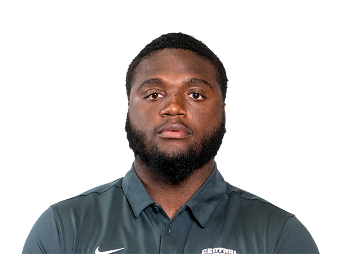
- David Walker
← Back to NFL Draft Big Board David Walker Central Arkansas HT: 6020 WT: 260 YR: SR POS: ED OVR RK 93 POS RK CEILING POTENTIAL 16 KEY STRENGTHS Explosive lower body with natural leverage Relentless motor and backside pursuit Instinctive rusher with functional power KEY CONCERNS Undersized with short arms Ankle stiffness limits bend efficiency Will be a 25-year-old rookie PLAYSTYLE & SCHEME FIT One of the most productive small-school defenders in recent memory, Walker combines high-level pass-rush instincts with natural leverage and hand usage. His compact build and violent play style allow him to win off the edge despite limited height and arm length. While he lacks the prototypical frame, he’s a true motor-based disruptor with scheme versatility. Best deployed as a rotational EDGE in a 3-4 or wide-9 front where he can play fast and attack in space. Senior Bowl and combine showings proved he belongs. PLAYER COMPARISON: CEILING GRADE ANALYSIS Mid-Level Starter Potential (60-64) A solid, dependable starter with the potential to exceed expectations. They have good athleticism and tools but may lack elite traits. While they show flashes of high-level play, they also have some notable weaknesses that must be developed. These players often need 2-3 years to establish themselves. Primary scout: Brandon Lundberg Football Scout 365 NFL Draft Grade Scale Football Scout 365 grades reflect a prospect’s projected long-term NFL value and role. Draft ranges are general value projections, not predictions of an exact selection. Positional value, team needs, scheme fit, medical information and athletic testing can influence where a player is ultimately selected. How Football Scout 365 Grades NFL Draft Prospects Elite (75+): A rare, high-impact prospect with elite physical tools, advanced football intelligence and the ability to make an immediate NFL impact. Elite prospects carry franchise-altering potential and typically project as top 5–10 selections in the first round. Near Elite (70–74): A high-caliber prospect with outstanding physical tools, strong football intelligence and only minor developmental limitations. Near Elite prospects project as significant early-career contributors with Pro Bowl upside and first-round draft value. High-End Starter Potential (65–69): A starting-caliber prospect with strong physical tools, quality technical skills and a defined NFL role. These players may require development before reaching their ceiling but generally carry second- or third-round draft value. Mid-Level Starter Potential (60–64): A solid prospect with NFL-level tools and a pathway to becoming a dependable starter if key limitations are addressed. These players generally carry third- to fifth-round draft value. Low-Level Starter Potential (55–59): A developmental prospect who could become a low-end starter, high-end backup or valuable specialist in the right role. These players generally carry fifth- to seventh-round draft value. Backup Level (50–54): A depth or rotational prospect with enough functional ability to compete for an NFL roster spot but limited long-term starting potential. These players generally project as late Day 3 selections or priority undrafted free agents. Not NFL Level (Below 50): A developmental or camp prospect who does not currently demonstrate enough consistency, technical refinement or functional NFL traits to project as a regular contributor. These players generally project as undrafted free agents, practice-squad candidates or camp invitations. Draft position can vary based on positional value, team needs, scheme fit, medical evaluation and athletic testing.
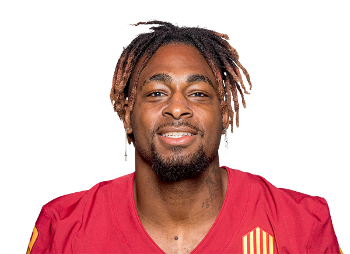
- Will McDonald IV
At 6-4 230lbs, McDonald is athletic with a good first step and speed off the edge. He is a relentless pass rusher, showing impressive burst and agility to get around blockers and pressure the quarterback. McDonald also has solid coverage skills for a defensive end, showing the ability to drop back into coverage and make plays on the ball. While he may need to continue to improve his strength and refine his technique, McDonald has the potential to be a productive pass rusher at the NFL level. ← Back to NFL Draft Big Board Will McDonald IV Iowa State HT: 6035 WT: 239 YR: RSR POS: ED OVR RK 37 POS RK CEILING POTENTIAL 6 KEY STRENGTHS Explosive Power Moves Motor KEY CONCERNS Size Technique Run Stop PLAYSTYLE & SCHEME FIT At 6'4" and 240 pounds, McDonald is known for his impressive athleticism and explosiveness off the edge. He is a quick and agile pass rusher who has the ability to beat offensive tackles with both speed and power moves. He also has good instincts and awareness, allowing him to diagnose plays and make plays in the backfield. In terms of scheme fit, McDonald's athleticism and pass-rushing ability make him a good fit for teams that prioritize getting pressure on the quarterback. He has experience playing in a 4-3 defense at Iowa State, but he could also fit in as an outside linebacker in a 3-4 defense that asks its linebackers to rush the passer frequently. Overall, McDonald has the potential to be a disruptive pass rusher at the next level if he can continue to refine his technique and improve his ability to defend the run. PLAYER COMPARISON: CEILING GRADE ANALYSIS High-End Starter Potential (65-69) A player expected to become a top-tier starter within their first few years. They possess strong physical tools and good technical skills but may have some limitations in their game. With development, they can reach near-elite levels and provide consistent impact at their position. Primary scout: Brandon Lundberg Football Scout 365 NFL Draft Grade Scale Football Scout 365 grades reflect a prospect’s projected long-term NFL value and role. Draft ranges are general value projections, not predictions of an exact selection. Positional value, team needs, scheme fit, medical information and athletic testing can influence where a player is ultimately selected. How Football Scout 365 Grades NFL Draft Prospects Elite (75+): A rare, high-impact prospect with elite physical tools, advanced football intelligence and the ability to make an immediate NFL impact. Elite prospects carry franchise-altering potential and typically project as top 5–10 selections in the first round. Near Elite (70–74): A high-caliber prospect with outstanding physical tools, strong football intelligence and only minor developmental limitations. Near Elite prospects project as significant early-career contributors with Pro Bowl upside and first-round draft value. High-End Starter Potential (65–69): A starting-caliber prospect with strong physical tools, quality technical skills and a defined NFL role. These players may require development before reaching their ceiling but generally carry second- or third-round draft value. Mid-Level Starter Potential (60–64): A solid prospect with NFL-level tools and a pathway to becoming a dependable starter if key limitations are addressed. These players generally carry third- to fifth-round draft value. Low-Level Starter Potential (55–59): A developmental prospect who could become a low-end starter, high-end backup or valuable specialist in the right role. These players generally carry fifth- to seventh-round draft value. Backup Level (50–54): A depth or rotational prospect with enough functional ability to compete for an NFL roster spot but limited long-term starting potential. These players generally project as late Day 3 selections or priority undrafted free agents. Not NFL Level (Below 50): A developmental or camp prospect who does not currently demonstrate enough consistency, technical refinement or functional NFL traits to project as a regular contributor. These players generally project as undrafted free agents, practice-squad candidates or camp invitations. Draft position can vary based on positional value, team needs, scheme fit, medical evaluation and athletic testing.
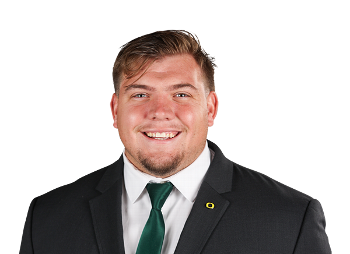
- Jackson Powers-Johnson
Powers-Johnson projects as a Day 2 selection with Mid-Level Starter Potential (60-64). His blend of athleticism, intelligence, and physicality will make him a valuable asset to any team looking to bolster their offensive line. Expected to be a high-end starting center with room to grow, Powers-Johnson's impact at the next level will likely be immediate and significant. ← Back to NFL Draft Big Board Jackson Powers-Johnson Oregon HT: 6030 WT: 320 YR: JR POS: IOL OVR RK 35 POS RK CEILING POTENTIAL 1 KEY STRENGTHS Athleticism Hand Use Physical KEY CONCERNS Initial Quickness Length Block Sustain PLAYSTYLE & SCHEME FIT Jackson Powers-Johnson exhibits a play style characterized by remarkable athleticism and a physical mindset. His ability to execute with precision in a zone-based running scheme highlights his advanced footwork and lateral movement, making him an ideal fit for teams that prioritize a dynamic ground game. In the passing game, despite some limitations in length, Powers-Johnson compensates with an effective anchor and intelligent hand use. His high football IQ and leadership as a team captain suggest he is best suited for offensive schemes that value versatility and the center's role as an on-field coordinator. PLAYER COMPARISON: CEILING GRADE ANALYSIS High-End Starter Potential (65-69) A player expected to become a top-tier starter within their first few years. They possess strong physical tools and good technical skills but may have some limitations in their game. With development, they can reach near-elite levels and provide consistent impact at their position. Primary scout: Brandon Lundberg Football Scout 365 NFL Draft Grade Scale Football Scout 365 grades reflect a prospect’s projected long-term NFL value and role. Draft ranges are general value projections, not predictions of an exact selection. Positional value, team needs, scheme fit, medical information and athletic testing can influence where a player is ultimately selected. How Football Scout 365 Grades NFL Draft Prospects Elite (75+): A rare, high-impact prospect with elite physical tools, advanced football intelligence and the ability to make an immediate NFL impact. Elite prospects carry franchise-altering potential and typically project as top 5–10 selections in the first round. Near Elite (70–74): A high-caliber prospect with outstanding physical tools, strong football intelligence and only minor developmental limitations. Near Elite prospects project as significant early-career contributors with Pro Bowl upside and first-round draft value. High-End Starter Potential (65–69): A starting-caliber prospect with strong physical tools, quality technical skills and a defined NFL role. These players may require development before reaching their ceiling but generally carry second- or third-round draft value. Mid-Level Starter Potential (60–64): A solid prospect with NFL-level tools and a pathway to becoming a dependable starter if key limitations are addressed. These players generally carry third- to fifth-round draft value. Low-Level Starter Potential (55–59): A developmental prospect who could become a low-end starter, high-end backup or valuable specialist in the right role. These players generally carry fifth- to seventh-round draft value. Backup Level (50–54): A depth or rotational prospect with enough functional ability to compete for an NFL roster spot but limited long-term starting potential. These players generally project as late Day 3 selections or priority undrafted free agents. Not NFL Level (Below 50): A developmental or camp prospect who does not currently demonstrate enough consistency, technical refinement or functional NFL traits to project as a regular contributor. These players generally project as undrafted free agents, practice-squad candidates or camp invitations. Draft position can vary based on positional value, team needs, scheme fit, medical evaluation and athletic testing.
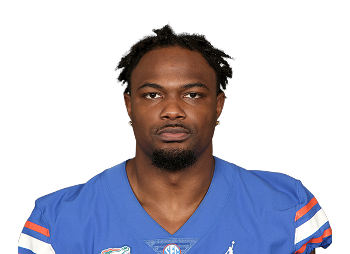
- Dameon Pierce
At 5-10, 215lbs, Pierce has the size that NFL scouts are looking for at the RB position. He is a stout player with loose hips and solid elusiveness. He has good footwork but lacks explosive short-area quickness. He is sold receiver with a good route tree, and his quick feet help in this area of his game. One of the better pass blockers in the class, Pierce will look to impress scouts with his three-down potential. ← Back to NFL Draft Big Board Dameon Pierce Florida HT: 5010 WT: 215 YR: JR POS: RB OVR RK 80 POS RK CEILING POTENTIAL 6 KEY STRENGTHS KEY CONCERNS PLAYSTYLE & SCHEME FIT At 5-10, 215lbs, Pierce has the size that NFL scouts are looking for at the RB position. He is a stout player with loose hips and solid elusiveness. He has good footwork but lacks explosive short-area quickness. He is sold receiver with a good route tree, and his quick feet help in this area of his game. One of the better pass blockers in the class, Pierce will look to impress scouts with his three-down potential. PLAYER COMPARISON: CEILING GRADE ANALYSIS Mid-Level Starter Potential (60-64) A solid, dependable starter with the potential to exceed expectations. They have good athleticism and tools but may lack elite traits. While they show flashes of high-level play, they also have some notable weaknesses that must be developed. These players often need 2-3 years to establish themselves. Primary scout: Brandon Lundberg Football Scout 365 NFL Draft Grade Scale Football Scout 365 grades reflect a prospect’s projected long-term NFL value and role. Draft ranges are general value projections, not predictions of an exact selection. Positional value, team needs, scheme fit, medical information and athletic testing can influence where a player is ultimately selected. How Football Scout 365 Grades NFL Draft Prospects Elite (75+): A rare, high-impact prospect with elite physical tools, advanced football intelligence and the ability to make an immediate NFL impact. Elite prospects carry franchise-altering potential and typically project as top 5–10 selections in the first round. Near Elite (70–74): A high-caliber prospect with outstanding physical tools, strong football intelligence and only minor developmental limitations. Near Elite prospects project as significant early-career contributors with Pro Bowl upside and first-round draft value. High-End Starter Potential (65–69): A starting-caliber prospect with strong physical tools, quality technical skills and a defined NFL role. These players may require development before reaching their ceiling but generally carry second- or third-round draft value. Mid-Level Starter Potential (60–64): A solid prospect with NFL-level tools and a pathway to becoming a dependable starter if key limitations are addressed. These players generally carry third- to fifth-round draft value. Low-Level Starter Potential (55–59): A developmental prospect who could become a low-end starter, high-end backup or valuable specialist in the right role. These players generally carry fifth- to seventh-round draft value. Backup Level (50–54): A depth or rotational prospect with enough functional ability to compete for an NFL roster spot but limited long-term starting potential. These players generally project as late Day 3 selections or priority undrafted free agents. Not NFL Level (Below 50): A developmental or camp prospect who does not currently demonstrate enough consistency, technical refinement or functional NFL traits to project as a regular contributor. These players generally project as undrafted free agents, practice-squad candidates or camp invitations. Draft position can vary based on positional value, team needs, scheme fit, medical evaluation and athletic testing.
- 2024 NFL Draft: Measuring Positional Value
2024 NFL Draft: Measuring Positional Value The 2024 NFL Draft is swiftly approaching, and we are meticulously analyzing each NFL team to pinpoint their specific needs. This process involves a thorough evaluation of the talent available in the draft, helping to determine which positions teams are likely to prioritize early on. Our analysis provides a detailed breakdown of players rated on the Football Scout 365 NFL Draft board. The objective is to map out the distribution of players by position, assess the average grade for each position group, and then align this information with the projected 2024 team needs across the NFL. Click here to check out the Football Scout 365 NFL Draft Board. Overview of the Analysis: 2024 NFL Draft: Measuring Positional Value Considering the abundant talent in positions such as Wide Receiver (WR), Cornerback (CB), and Offensive Tackle (OT), teams needing to strengthen these areas have the flexibility to use their highest draft picks on them. However, the situation is more challenging for teams desperately in need of a Quarterback (QB). These teams may need a more strategic approach, possibly considering trades or exploring free agency options. Team Needs Analysis Frequent needs across NFL teams include: Edge Defenders (EDGE) Cornerbacks (CB) Wide Receivers (WR) Offensive Tackles (OT) Interior Defensive Linemen (IDL) Teams looking to bolster their defensive line should prioritize these positions early in the draft due to high quality and limited depth. Conversely, for positions with less demand, such as Safety (S), Linebacker (LB), and Running Back (RB), the strategy may involve a mix of selecting the best available talent and addressing specific team needs, particularly in the mid to late rounds of the draft. Percentage Of Player Graded By Position Group Most Represented Positions: Wide Receivers (15.32%), Quarterbacks (11.29%), and Cornerbacks (10.48%) have the highest representation. Highest Average Grades: Offensive Tackles (65.27), Wide Receivers (65.58), and Cornerbacks (65.92) show high average grades, indicating quality talent. Wide Receivers (WR): 15.32% Quarterbacks (QB): 11.29% Cornerbacks (CB): 10.48% Safeties (S): 9.68% Running Backs (RB): 8.87% Offensive Tackles (OT): 8.06% Tight Ends (TE): 8.06% Linebackers (LB): 8.06% Edge Defenders (ED): 7.26% Interior Defensive Linemen (IDL): 6.45% Average Grade By Position Group High-Value Positions: Given the high demand and strong talent pool, positions like WR, CB, and OT may hold significant value in this draft. Moderate-Value Positions: QB, despite being essential, may not be as highly valued given the lower overall grade and fewer teams needing them. Lower-Value Positions: Positions with either less demand or weaker talent pools, like TE or LB, might be lower in draft value. ED (Edge Defender): 66.07 Laiatu Latu, UCLA Grade: 66.88 Ceiling: High-End Starter Potential IDL (Interior Defensive Lineman): 66.02 T'Vondre Sweat, Texas Grade: 68.57 Ceiling: High-End Starter Potential CB (Cornerback): 65.92 Cooper DeJean, Iowa Grade: 75.31 Ceiling: Elite WR (Wide Receiver): 65.58 Marvin Harrison Jr., Ohio State Grade: 75.32 Ceiling: Elite S (Safety): 62.67 Kamren Kinchens, Miami Grade: 68.44 Ceiling: High-End Starter Potential OT (Offensive Tackle): 65.27 Joe Alt, Notre Dame Grade: 77.82 Ceiling: Elite TE (Tight End): 63.09 Brock Bowers, Georgia Grade: 75.38 Ceiling: Elite RB (Running Back): 62.92 TreVeyon Henderson, Ohio State Grade: 66.00 Ceiling: High-End Starter Potential QB (Quarterback): 62.24 Caleb Williams, USC Grade: 73.82 Ceiling: Near Elite LB (Linebacker): 61.57 Edgerrin Cooper, Texas A&M Grade: 61.56 Ceiling: Mid-Level Starter Potential IOL (Interior Offensive Lineman): 61.36 Jackson Powers-Johnson, Oregon State Grade: 62.18 Ceiling: Mid-Level Starter Potential Averages by Conference Big Ten: High representation and quality (Marvin Harrison Jr., WR, 75.3 grade). SEC: Notably strong players (Brock Bowers, TE, 75.3 grade). Other conferences: Notable talent like Joe Alt, OT, with a 77.8 grade. BIG TEN Conference: Percentage of Players: 30.65% Average Grade for BIG TEN Players: Approximately 63.25 Top-Graded Player: Marvin Harrison Jr., Ohio State (WR) Grade: 75.3 Ceiling: Elite SEC Conference: Percentage of Players: 20.97% Average Grade for SEC Players: Approximately 64.10 Top-Graded Player: Brock Bowers, Georgia (TE) Grade: 75.3 Ceiling: Elite ACC Conference: Percentage of Players: 18.55% Average Grade for ACC Players: Approximately 63.69 Top-Graded Player: Keon Coleman, Florida State (WR) Grade: 75.1 Ceiling: Elite PAC 12 Conference: Percentage of Players: 18.55% Average Grade for PAC 12 Players: Approximately 62.31 Top-Graded Player: Caleb Williams, USC (QB) Grade: 73.8 Ceiling: Near Elite BIG 12 Conference: Percentage of Players: 10.48% Average Grade for BIG 12 Players: Approximately 62.69 Top-Graded Player: T'Vondre Sweat, Texas (IDL) Grade: 68.5 Ceiling: High-End Starter Potential Other Conferences: Percentage of Players: 5.65% Average Grade for Players from Other Conferences: Approximately 64.47 Top-Graded Player: Joe Alt, Notre Dame (OT) Grade: 77.8 Ceiling: High-End Starter Potential
- 2024 NFL Draft Position Rankings: The Top 3 Defenders By Position Group Ahead Of The 2024 NFL Combine
2024 NFL Draft Position Rankings: The Top 3 Defenders By Position Group Ahead Of The 2024 NFL Combine We are entering the next stage of the NFL Draft player rankings process. As always, I start with the top 5 quarterbacks (QB), top 5 running backs (RB), top 10 wide receivers (WR), and the top 5 tight ends (TE) before diving into the updated offensive line and top defender grades. The defender rankings below are the top three ranked players at their position ahead of the 2024 NFL Draft. Click Here: Check out the Football Scout 365 NFL Draft Big Board top 100 player rankings. We evaluate every player using a proprietary grading process that involves film evaluation combined with advanced data. On the back end, our scouting process mirrors the same process deployed by current NFL front-office personnel so that we can deliver the most in-depth player scouting reports available. All of this is currently free (subject to change). Each player scouting report includes: In-depth player scouting report Play Style and Scheme Fit Analysis Player Strengths & Weaknesses Player Comparisons The Top 3 Cornerbacks (CB1) Nate Wiggins, Clemson (CB, 6'2", 185 lbs) Projection: High-End Starter Potential Analysis: Wiggins excels with his disruptive range and efficiency against vertical threats. His agility and sharp route recognition make him adaptable to various defensive schemes, emphasizing his role in off-man coverage. His potential in the NFL aligns with 'High-End Starter Potential,' showcasing his capability to adjust and excel in numerous roles. Draft Projections Projected NFL Draft Round: 1st NFL Teams Mocked: Colts, Vikings, Jaguars (CB2) Cooper DeJean, Iowa (CB, 6'1", 210 lbs) Projection: Elite Analysis: DeJean's spatial awareness and athleticism afford him versatility across the boundary, slot, and potentially safety roles. His explosive athleticism and quick response to plays highlight his proficiency in zone and off-man coverage, marking him as an 'Elite' prospect ready for early-round selection. Draft Projections Projected NFL Draft Round: 1st NFL Teams Mocked: (CB3) Quinyon Mitchell, Toledo (CB, 6'0", 196 lbs) Projection: High-End Starter Potential Analysis: Mitchell showcases exceptional zone and off-man coverage prowess, leveraging his excellent route recognition and ball skills to disrupt plays. His coverage instincts and reactive athleticism render him perfectly suited for schemes that value versatility, allowing him to excel both in open spaces and near the line of scrimmage. Draft Projections Projected NFL Draft Round: 1st NFL Teams Mocked: Steelers, Eagles, Rams The Top 3 Edge Rushers (EDGE1) Dallas Turner, Alabama (ED, 6'4", 240 lbs) Projection: High-End Starter Potential Analysis: Turner's flexibility across defensive alignments, comparable to notable NFL talents, underpins his value as a dynamic pass rusher. His need for refinement in run defense and block shedding does not overshadow his 'High-End Starter Potential,' promising a strong NFL impact. Draft Projections Projected NFL Draft Round: 1st NFL Teams Mocked: Falcons, Vikings, Bears (EDGE2) Laiatu Latu, UCLA (ED, 6'5", 265 lbs) Projection: High-End Starter Potential Analysis: Latu's pass rush ability and motor, suitable for odd front schemes, resonate with his compelling comeback story. His 'High-End Starter Potential' forecasts an impactful NFL career, emphasizing his skill set for aggressive defensive play. Draft Projections Projected NFL Draft Round: 1st NFL Teams Mocked: (EDGE3) Jared Verse, Florida State (ED, 6'4", 250 lbs) Projection: High-End Starter Potential Analysis: Verse's adaptability, mirroring the versatility of NFL edge rushers, positions him as a potential cornerstone in defensive strategies prioritizing quarterback pressures. His 'High-End Starter Potential' suggests year-one NFL readiness. Draft Projections Projected NFL Draft Round: 1st NFL Teams Mocked: Seahawks, Rams, Bucs The Top 3 Interior Defensive Linemen (IDL1) Jer'Zhan Newton, Illinois (IDL, 6'2", 295 lbs) Projection: High-End Starter Potential Analysis: Newton's athleticism and technical skills make him a fit for dynamic defensive fronts, aiming for Pro Bowl levels. His ability to lead Power 5 in pressures denotes his 'High-End Starter Potential,' promising a disruptive NFL presence. Draft Projections Projected NFL Draft Round: 1st NFL Teams Mocked: Bengals, Raiders, Seahawks (IDL2) Byron Murphy II, Texas (IDL, 6'1", 308 lbs) Projection: High-End Starter Potential Analysis: Murphy's prowess in run defense and potential in pass rush align him with traditional 4-3 schemes, where his foundational skills forecast 'High-End Starter Potential' as a solid interior force in the NFL. Draft Projections Projected NFL Draft Round: 1st NFL Teams Mocked: Lions, Texans, Cardinals (IDL3) Kris Jenkins, Michigan (IDL, 6'3", 305 lbs) Projection: Mid-Level Starter Potential Analysis: Jenkins' effectiveness against the run and effort in pass rush cater to his suitability as a nose tackle or defensive tackle, suggesting 'Mid-Level Starter Potential.' Despite speed limitations, his strengths indicate a reliable defensive contribution. Draft Projections Projected NFL Draft Round: 2nd-3rd NFL Teams Mocked: Packers, Bengals, Vikings The Top 3 Linebackers (LB1) Edgerrin Cooper, Texas A&M (LB, 6'3", 230 lbs) Projection: Mid-Level Starter Potential Analysis: Cooper's athletic profile and diagnostic ability fit a weakside linebacker role, highlighting his 'Mid-Level Starter Potential.' His versatility promises a dynamic impact within NFL defensive schemes. Draft Projections Projected NFL Draft Round: 2nd-3rd Round NFL Teams Mocked: Packers, Eagles, Steelers (LB2) Junior Colson, Michigan (LB, 6'3", 247 lbs) Projection: Mid-Level Starter Potential Analysis: Colson's agility and coverage skills, effective in a 4-3 defense, mark him as a 'Mid-Level Starter Potential.' His comprehensive abilities suggest a path toward becoming a substantial defensive contributor. Draft Projections Projected NFL Draft Round: 3rd-4th NFL Teams Mocked: Commanders, Chargers, Cardinals (LB3) Jeremiah Trotter Jr., Clemson (LB, 6'0", 230 lbs) Projection: Mid-Level Starter Potential Analysis: Trotter Jr.'s blend of run-stopping and pass rush potential positions him for versatile linebacker roles, with 'Mid-Level Starter Potential' indicating a promising NFL journey with substantial room for growth. Draft Projections Projected NFL Draft Round: 3rd-4th NFL Teams Mocked: Packers, Eagles, Steelers The Top 3 Safeties (S1) Kamren Kinchens, Miami (S, 6'0", 205 lbs) Projection: High-End Starter Potential Analysis: Kinchens' comprehensive coverage abilities and adaptability signal 'High-End Starter Potential,' predicting a significant defensive role. His need for improved tackling technique suggests areas for enhancement. Draft Projections Projected NFL Draft Round: 2nd-3rd Round NFL Teams Mocked: Packers, Eagles, Bears (S2) Tyler Nubin, Minnesota (S, 6'2", 210 lbs) Projection: Mid-Level Starter Potential Analysis: Nubin's proficiency in run defense and straight-line speed cater to zone or nickel safety roles, with 'Mid-Level Starter Potential' underscoring his capacity for solid NFL contributions. Draft Projections Projected NFL Draft Round: 2nd-3rd NFL Teams Mocked: Packers, Eagles, Bears (S3) Calen Bullock, USC (S, 6'3", 190 lbs) Projection: Low-Level Starter Potential Analysis: Bullock's prowess in deep coverage juxtaposes his need for tackling improvement, with 'Low-Level Starter Potential' highlighting developmental areas alongside promising pass-defense capabilities. Draft Projections Projected NFL Draft Round: 3rd-4th NFL Teams Mocked: Packers, Bears, Bills
- Jake Golday
← Back to NFL Draft Big Board Jake Golday Cincinnati HT: 6040 WT: 240 YR: SR POS: LB OVR RK 54 POS RK CEILING POTENTIAL KEY STRENGTHS Outstanding size/explosiveness Very good range Physical run defender KEY CONCERNS Inconsistent zone awareness Slight hesitation triggering Improved block deconstruction PLAYSTYLE & SCHEME FIT Golday is a big, explosive linebacker with outstanding size and very good athletic tools for the position. He thrives near the line of scrimmage where his heavy hands, length, and physicality allow him to constrict run lanes and stack and shed effectively. His sideline-to-sideline range and closing burst show up in pursuit, and his background as an edge defender adds value as a blitzer. However, his zone awareness and processing speed remain inconsistent, and he can be a tick slow triggering from depth. Golday projects as a starting SAM or inside linebacker in an aggressive front, with three-down upside if his diagnostic speed improves. PLAYER COMPARISON: CEILING GRADE ANALYSIS High-End Starter Potential (65-69) A player expected to become a top-tier starter within their first few years. They possess strong physical tools and good technical skills but may have some limitations in their game. With development, they can reach near-elite levels and provide consistent impact at their position. Primary scout: Brandon Lundberg Football Scout 365 NFL Draft Grade Scale Football Scout 365 grades reflect a prospect’s projected long-term NFL value and role. Draft ranges are general value projections, not predictions of an exact selection. Positional value, team needs, scheme fit, medical information and athletic testing can influence where a player is ultimately selected. How Football Scout 365 Grades NFL Draft Prospects Elite (75+): A rare, high-impact prospect with elite physical tools, advanced football intelligence and the ability to make an immediate NFL impact. Elite prospects carry franchise-altering potential and typically project as top 5–10 selections in the first round. Near Elite (70–74): A high-caliber prospect with outstanding physical tools, strong football intelligence and only minor developmental limitations. Near Elite prospects project as significant early-career contributors with Pro Bowl upside and first-round draft value. High-End Starter Potential (65–69): A starting-caliber prospect with strong physical tools, quality technical skills and a defined NFL role. These players may require development before reaching their ceiling but generally carry second- or third-round draft value. Mid-Level Starter Potential (60–64): A solid prospect with NFL-level tools and a pathway to becoming a dependable starter if key limitations are addressed. These players generally carry third- to fifth-round draft value. Low-Level Starter Potential (55–59): A developmental prospect who could become a low-end starter, high-end backup or valuable specialist in the right role. These players generally carry fifth- to seventh-round draft value. Backup Level (50–54): A depth or rotational prospect with enough functional ability to compete for an NFL roster spot but limited long-term starting potential. These players generally project as late Day 3 selections or priority undrafted free agents. Not NFL Level (Below 50): A developmental or camp prospect who does not currently demonstrate enough consistency, technical refinement or functional NFL traits to project as a regular contributor. These players generally project as undrafted free agents, practice-squad candidates or camp invitations. Draft position can vary based on positional value, team needs, scheme fit, medical evaluation and athletic testing.
- Jay Tufele
← Back to NFL Draft Big Board Jay Tufele USC HT: 6030 WT: 315 YR: RJR POS: IDL OVR RK 65 POS RK CEILING POTENTIAL 6 KEY STRENGTHS KEY CONCERNS PLAYSTYLE & SCHEME FIT PLAYER COMPARISON: CEILING GRADE ANALYSIS Low-Level Starter Potential (55-59) A player with the upside to be a low-end starter or high-level backup within a couple of seasons. While they have solid physical tools, inconsistencies in technique, processing, or durability limit their ceiling. They are developmental prospects who may carve out a role as specialists or system fits. Primary scout: Brandon Lundberg Football Scout 365 NFL Draft Grade Scale Football Scout 365 grades reflect a prospect’s projected long-term NFL value and role. Draft ranges are general value projections, not predictions of an exact selection. Positional value, team needs, scheme fit, medical information and athletic testing can influence where a player is ultimately selected. How Football Scout 365 Grades NFL Draft Prospects Elite (75+): A rare, high-impact prospect with elite physical tools, advanced football intelligence and the ability to make an immediate NFL impact. Elite prospects carry franchise-altering potential and typically project as top 5–10 selections in the first round. Near Elite (70–74): A high-caliber prospect with outstanding physical tools, strong football intelligence and only minor developmental limitations. Near Elite prospects project as significant early-career contributors with Pro Bowl upside and first-round draft value. High-End Starter Potential (65–69): A starting-caliber prospect with strong physical tools, quality technical skills and a defined NFL role. These players may require development before reaching their ceiling but generally carry second- or third-round draft value. Mid-Level Starter Potential (60–64): A solid prospect with NFL-level tools and a pathway to becoming a dependable starter if key limitations are addressed. These players generally carry third- to fifth-round draft value. Low-Level Starter Potential (55–59): A developmental prospect who could become a low-end starter, high-end backup or valuable specialist in the right role. These players generally carry fifth- to seventh-round draft value. Backup Level (50–54): A depth or rotational prospect with enough functional ability to compete for an NFL roster spot but limited long-term starting potential. These players generally project as late Day 3 selections or priority undrafted free agents. Not NFL Level (Below 50): A developmental or camp prospect who does not currently demonstrate enough consistency, technical refinement or functional NFL traits to project as a regular contributor. These players generally project as undrafted free agents, practice-squad candidates or camp invitations. Draft position can vary based on positional value, team needs, scheme fit, medical evaluation and athletic testing.
- 2023 Reese’s Senior Bowl Week Preview
2023 Reese’s Senior Bowl Week Preview DATE: Saturday, February 4, 2023 TIME: 1:30pm CT WHERE: Mobile, Alabama STADIUM: University of South Alabama, Hancock Whitney Stadium TELEVISION: NFL Network TICKETS: ON SALE NOW! Senior Bowl week is upon us. The football scouting world will be tweeting emphatically about what players stand out the most every hour on the hour this week and the next. It is an annual event that has grown in popularity due to Senior Bowl Director Jim Nagy's efforts to make this a one-of-a-kind event. The Senior Bowl has featured some of football's top NFL Draft prospects through the years, which include LB Von Miller, QB Dak Prescott and Philip Rivers, to name a few. The 2023 edition features a lot of high-end talent. The QB position will feature Max Duggan and the injured Hendon Hooker. Duggan will get a shot to be the featured name at the QB position due to Hendon Hooker's injury. There are a few RB's I cannot wait to see. Illinois RB Chase Brown, Georgia's Kenny McIntosh, and Texas RB Roschon Johnson will be the hot names, with Tulane RB Tyjae Spears being a bit of a sleeper who can increase his draft stock with a big week. The deepest positions at the Senior Bowl align with the actual depth of the NFL Draft. Edge Rusher, Interior Defensive Line, will have many scouts' eyes lurking among them in workouts this week. In addition, the cornerbacks will get a lot of attention as well. The Coaching Staffs The Reese’s Senior Bowl today announced that Chicago Bears Offensive Coordinator Luke Getsy (American team) and Las Vegas Raiders Defensive Coordinator Patrick Graham (National team) will serve as head coaches for the 74th annual Reese’s Senior Bowl to be played on Saturday, February 4, 2023, at Hancock Whitney Stadium on the campus of the University of South Alabama. In addition to the head coach appointees, the following individuals were selected as coordinators for the American and National squads: American Offensive Coordinator: Atlanta Falcons Quarterbacks Coach Charles London Defensive Coordinator: New England Patriots Defensive Line Coach DeMarcus Covington National Offensive Coordinator: New Orleans Saints QB Coach/Pass Game Coordinator Ronald Curry Defensive Coordinator: Pittsburgh Steelers Defensive Backs Coach Grady Brown National 2023 Reese’s Senior Bowl Rosters National Quarterbacks Jaren Hall, BYU Malik Cunningham, Louisville Jake Haener, Fresno State American Quarterbacks Max Duggan, TCU Hendon Hooker, Tennessee Clayton Tune, Houston Tyson Bagent, Shepherd National Running Backs Chase Brown, Illinois Roschon Johnson, Texas Camerun Peoples, App State Evan Hull, FB, Northwestern American Running Backs Kenny McIntosh, Georgia Chris Rodriguez Jr., Kentucky Eric Gray, Oklahoma Tyjae Spears, Tulane National Wide Receivers Tre Tucker, Cincinnati Ronnie Bell, Michigan Jayden Reed, Michigan State Elijah Higgins, Stanford Puka Nacua, BYU Michael Wilson, Stanford Trey Palmer, Nebraska Grant DuBose, Charlotte American Wide Receivers Derius Davis, TCU Tank Dell, Houston Xavier Hutchinson, Iowa State Jonathan Mingo, Ole Miss Rashee Rice, SMU Jalen Wayne, South Alabama Andrei Iosivas, Princeton Dontayvion Wicks, Virginia National Tight Ends Josh Whyle, Cincinnati Davis Allen, Clemson Payne Durham, Purdue American Tight Ends Luke Musgrave, Oregon State Cameron Latu, Alabama Will Mallory, Miami (FL) Brayden Willis, Oklahoma National Offensive Tackles Blake Freeland, BYU Jaelyn Duncan, Maryland Ryan Hayes, Michigan Dawand Jones, Ohio State (Stock Rising) Ohio State OT Dawand Jones measured a wingspan of 89.5 inches at the Senior Bowl. That is the typical wingspan of someone that is 7’5”. That is the longest a player has ever measured in Senior Bowl HISTORY. Asim Richards, North Carolina Joey Fisher, Shepherd American Offensive Tackles Tyler Steen, Alabama Wanya Morris, Oklahoma Matthew Bergeron, Syracuse Darnell Wright, Tennessee Warren McClendon Jr., Georgia National Interior Offensive Linemen Olusegun Oluwatimi, C, Michigan Cody Mauch, G, North Dakota State Jarrett Patterson, iOL, Notre Dame McClendon Curtis, G, UT-Chattanooga Jake Andrews, C, Troy American Interior Offensive Linemen O’Cyrus Torrence, iOL, Florida John Michael Schmitz, C, Minnesota Nick Saldiveri, G, Old Dominion Nick Broeker, G, Ole Miss Steve Avila, C, TCU Emil Ekiyor Jr., iOL, Alabama Richard Gouraige, iOL, Florida National Edge Rushers Thomas Incoom, Central Michigan K.J. Henry, Clemson YaYa Diaby, Louisville Isaiah Foskey, Notre Dame Lonnie Phelps Jr., Kansas American Edge Rushers Derick Hall, Auburn Ali Gaye, LSU Tavius Robinson, Ole Miss Byron Young, Tennessee National Interior Defensive Tackles Nesta Jade Silvera, Arizona State Jerrod Clark, Coastal Carolina Keion White, Georgia Tech Adetomiwa Adebawore, Northwestern Tyler Lacy, Oklahoma State Karl Brooks, Bowling Green Keeanu Benton, Wisconsin American Interior Defensive Tackles DJ Dale, Alabama Byron Young, Alabama Cameron Young, Mississippi State Isaiah McGuire, Missouri Jalen Redmond, Oklahoma Zacch Pickens, South Carolina Dylan Horton, TCU National Off Ball Linebackers Nick Hampton, App State Andre Carter II, Army Cam Jones, Indiana DJ Johnson, Oregon DeMarvion Overshown, Texas Daiyan Henley, Washington State Ivan Pace Jr., Cincinnati Carlton Martial, Troy American Off Ball Linebackers Henry To’oTo’o, Alabama Isaiah Land, Florida A&M Will McDonald IV, Iowa State Aubrey Miller Jr., Jackson State SirVocea Dennis, Pittsburgh Dee Winters, TCU Dorian Williams, Tulane National Cornerbacks Keidron Smith, Kentucky Kyu Blu Kelly, Stanford Mekhi Blackmon, USC Riley Moss, Iowa American Cornerbacks Julius Brents, Kansas State Tyrique Stevenson, Miami (FL) Rejzohn Wright, Oregon State Darrell Luter Jr., South Alabama Darius Rush, South Carolina Chamarri Conner, Virginia Tech Marte Mapu, Sacramento State National Safeties JL Skinner, Boise State Daniel Scott, Cal Sydney Brown, Illinois Jakorian Bennett, Maryland Jartavius Martin, Illinois Ronnie Hickman, Ohio State Kaevon Merriweather, Iowa American Safeties DeMarcco Hellams, Alabama Jammie Robinson, Florida State Christopher Smith, Georgia Anthony Johnson, Virginia Jay Ward, LSU Orphaned invites, TBD Tyler Davis, DL, Clemson Tyree Wilson, EDGE, Texas Tech Zach Harrison, EDGE, Ohio State Devon Witherspoon, CB, Illinois Alex Ward, LS, UCF Robert Soderholm III, LS, VMI Chad Ryland, K, Maryland Will Reichard, K, Alabama Bryce Baringer, P, Michigan State Adam Korsak, P, Rutgers Charlie Jones, WR, Purdue Braeden Daniels, OL, Utah Alex Forsyth, C, Oregon Andrew Vorhees, iOL, USC Eku Leota, DL, Auburn Owen Pappoe, LB, Auburn Ventrell Miller, LB, Florida Siaki Ika, DL, Baylor Fabien Lovett, DL, Florida State
- 20 Players Who Can Elevate Their 2024 NFL Draft Stock at The Combine
20 Players Who Can Elevate Their 2024 NFL Draft Stock at The Combine Today's analysis will focus on 20 players who I believe can increase their 2024 NFL Draft stock with a great week at the 2024 NFL Combine. About The NFL NFL Draft Scouting Combine A total of 321 NFL Draft prospects have been invited to attend the 2024 NFL Combine. The event will take place in Indianapolis from February 26 through March 4. Each prospect will be able to display their abilities in the presence of NFL coaches, general managers, and scouts. Each year, before the NFL Draft, the NFL Combine serves as a platform for these athletes to improve their NFL Draft stock by demonstrating their skills to all 32 NFL teams. 2024 NFL Combine Schedule The NFL Scouting Combine Live Drills kick off on Thursday, February 29th, featuring exclusive LIVE broadcasting on the NFL Network starting at 3pm Eastern Time. Here's the complete schedule: Thursday, February 29th, 3pm ET: Defensive Linemen, Linebackers Friday, March 1st, 3pm ET: Defensive Backs, Tight Ends Saturday, March 2nd, 1pm ET: Quarterbacks, Wide Receivers, Running Backs Sunday, March 3rd, 1pm ET: Offensive Linemen The 2024 NFL Draft is loaded at several positions, with QB being the most scrutinized position group each year. This year's wide receiver class could be historic, with as many as six to eight wide receivers receiving 1st-round consideration. Other position groups like offensive tackle and defensive back are also very deep and talented. 20 Players That Can Elevate Their 2024 NFL Draft Stock Below, I have provided a list of 20 prospects who can increase or hold firm on their current 2024 NFL Draft position with a good week at the NFL Combine. QB J.J. McCarthy, Michigan (6'3", 205 lbs) Projected Draft Round: 1st Round, Top 15 Projected Team: Atlanta Falcons Analysis: McCarthy's tenure at Michigan, marked by a national championship and a 27-1 record as a starter, showcases his leadership and potential. Many in the draft world have narratives about his role at Michigan. The consistent narrative among some in the draft world is that J.J. McCarthy is "a game manager," but that could not be further from the truth. If you watch the tape, you see a QB with the same traits as both Caleb Williams and Drake Maye. He has a strong arm, is mobile, and can do all of the off-platform stuff. One advantage he has over every other prospect is that he is a winner. At the NFL Combine, McCarthy will get a chance to impress NFL GMs and scouts not just with his on-field acumen, but also when he interviews. QB Michael Penix Jr., Washington (6'3", 213 lbs) Projected Draft Round: Late 1st, Early Round two Projected Team: Atlanta Falcons Analysis: Michael Penix Jr. heads into the 2024 NFL Scouting Combine, aiming to rectify his draft trajectory after a series of uneven performances during the Senior Bowl practices led to skepticism regarding his draft stock. Choosing not to participate in the Senior Bowl game, Penix seeks to showcase his skills in Indianapolis, especially after a standout two-year stint at Washington, where he accumulated 4,903 passing yards with 36 touchdowns against just 11 interceptions. QB Spencer Rattler, South Carolina (6'1", 217 lbs) Projected Draft Round: 3rd Round Projected Team: Seattle Seahawks Analysis: Rattler's path, marked by notable highs and some unmet expectations, presents a mixed narrative. Following his MVP performance at the Senior Bowl, the Combine represents a critical opportunity for him to demonstrate continued progress and solidify his status as a potential top-tier draft pick. RB Jonathan Brooks, Texas (6'0", 210 lbs) Projected Draft Round: 3rd Round Projected Team: Green Bay Packers Analysis: Jonathan Brooks emerges from Texas as a running back to watch at the 2024 NFL Scouting Combine, particularly after overcoming an ACL tear. While it remains uncertain how many drills Brooks will participate in due to his recovery, the Combine will be crucial for teams to assess his rehabilitation progress and estimate his readiness for NFL play. Brooks boasts a commendable mix of speed and strength, attributes that could significantly enhance his draft prospects if he is able to demonstrate them at the Combine. RB Jaylen Wright, Tennessee (5'11", 210 lbs) Projected Draft Round: 4th Round Projected Team: Green Bay Packers Analysis: With an impressive junior year featuring over 1,000 rushing yards and an exceptional average of 7.39 yards per carry, Wright is positioned as an ascending draft prospect. The Combine will be a pivotal moment for him to showcase his athleticism and secure a higher ranking among a competitive running back cohort. RB Audric Estime, Notre Dame (5'11", 227 lbs) Projected Draft Round: 4th Round Projected Team: Chicago Bears Analysis: Estime enters the Combine without a clear consensus top running back in his class. His performance, particularly in the 40-yard dash and agility drills, could vault him into the top running back conversation, leveraging his collegiate momentum for draft stock improvement. WR Keon Coleman, Florida State (6'4", 215 lbs) Projected Draft Round: Mid to Late 1st Round Projected Team: Buffalo Bills Analysis: Keon Coleman has become a figure of intrigue in this draft cycle, initially considered the consensus WR2, only to see his stock fluctuate as the season progressed. Now seen as the consensus WR5, Coleman faces skepticism regarding his separation skills and concerns about how he might perform at the Combine. Despite this, the Florida State wideout, who transferred from Michigan State, brings a compelling blend of speed and strength to the table. WR Ricky Pearsall, Florida (6'1", 205 lbs) Projected Draft Round: 3rd Round Projected Team: Kansas City Chiefs Analysis: Pearsall's emergence as a significant offensive weapon for Florida is underscored by his 65 receptions for 965 yards and four touchdowns, marking his best collegiate season. His notable performance during Senior Bowl week sets a strong precedent for his potential Combine success, where he can further establish himself amid a competitive receiver class. WR Tez Walker, North Carolina (6'2", 200 lbs) Projected Draft Round: 2nd Round Projected Team: New England Patriots Analysis: Despite challenges during the Senior Bowl, Walker's previous seasons, boasting 1,620 yards and 18 touchdowns with an average of 16.8 yards per catch, illustrate his high potential. The Combine is crucial for him to demonstrate improved consistency and secure his position as a reliable prospect for the NFL. WR Xavier Legette, South Carolina (6'3", 227 lbs) Projected Draft Round: 2nd Round Projected Team: Dallas Cowboys Analysis: Legette's unique blend of size and late bloom at college presents a compelling case for NFL teams. The Combine offers him the chance to showcase his speed and ability to gain yards after the catch, potentially moving him from a second-round prospect to a first-round talent. TE Jaheim Bell, Florida State (6'1", 244 lbs) Projected Draft Round: 4th Round Projected Team: Cincinnati Bengals Analysis: Jaheim Bell significantly boosted his draft prospects during the Senior Bowl, displaying a blend of compact power and explosive playmaking ability. Bell, who combines the roles of a tight end, big slot, and H-back, showcases an athleticism that compensates for what he lacks in size. After a solid 2023 season where Bell recorded 39 receptions for 503 yards and two touchdowns, he is headed to the NFL Combine, where he could solidify his status as one of the most athletically gifted players at his position, potentially propelling his draft stock even higher. TE Theo Johnson, Penn State (6'6", 260 lbs) Projected Draft Round: 4th Round Projected Team: Philadelphia Eagles Analysis: Theo Johnson has emerged as a notable prospect in the NFL draft cycle. At Penn State, Johnson established himself as one of the most reliable pass-catchers, an All-Big Ten performer who caught 32 passes last season, showcasing his improvement as the season progressed. With the NFL Scouting Combine ahead, Johnson has the opportunity to further ascend up draft boards, particularly if he can showcase the speed and strength that made him a pivotal player for the Nittany Lions. OT Amarius Mims, Georgia (6'7", 340 lbs) Projected Draft Round: Mid to Late 1st Round Projected Team: Miami Dolphins Amarius Mims from Georgia, with his towering 6-foot-7, 340-pound frame, is already marked as a leading offensive tackle prospect due to his exceptional athleticism. Despite this, Mims faces scrutiny due to his limited playing time at Georgia, having only made eight career starts. In addition, his 2023 season was cut short by an ankle injury necessitating surgery. With the NFL Combine approaching, Mims is under pressure to dispel concerns regarding his durability and inexperience. OT Kingsley Suamataia, BYU (6'5", 315 lbs) Projected Draft Round: 2nd Round Projected Team: San Francisco 49ers Analysis: Suamataia enters the Combine with the opportunity to rise from the second tier of offensive tackles. Showcasing his strength, blocking skills, and intellect during interviews could elevate his draft stock significantly. DL T'Vondre Sweat, Texas (6'4", 362 lbs) Projected Draft Round: 2nd Round Projected Team: New Orleans Saints Analysis: Sweat's significant role at Texas, with a record of 128 total tackles and notable performances in pass breakups, showcases his dominance. His strength and technique, highlighted during the Senior Bowl, set expectations for a potentially standout Combine performance, which could significantly enhance his draft position. DL Braden Fiske, Florida State (6'5", 297 lbs) Projected Draft Round: 3rd Round Projected Team: New York Giants Analysis: Fiske's notable senior year stats, reflecting significant improvement after transferring from Western Michigan, have spotlighted his potential. His NFL Combine performance is a crucial opportunity to showcase his skills and elevate his draft stock from a Day 3 selection to a more prominent position. EDGE Austin Booker, Kansas (6'6", 245 lbs) Projected Draft Round: 3rd Round Projected Team: Detroit Lions Analysis: After transferring from Minnesota, Booker led the Jayhawks with 12 tackles for loss and eight sacks among 56 total stops, highlighting his substantial impact and potential. With his physical attributes, the Combine offers him a prime opportunity to showcase his skills and affirm his rising draft stock, particularly given his limited collegiate exposure but significant impact. EDGE Adisa Isaac, Penn State (6'4", 251 lbs) Projected Draft Round: 2nd Round Projected Team: Washington Commanders Analysis: Isaac's standout season featuring 33 pressures, 20 hurries, and 7.5 sacks positions him as a key prospect for the NFL. His performance at the Combine will be crucial in showcasing his strength, technique, and quickness off the edge, possibly propelling him into first-round discussions. LB Payton Wilson, NC State (6'4", 243 lbs) Projected Draft Round: 2nd Round Projected Team: Pittsburgh Steelers Analysis: Wilson's college tenure is marked by distinguished accomplishments, including unanimous All-American recognition and winning both the Butkus and Bednarik Awards, alongside a monumental tally of 402 total tackles. In a draft class void of a clear top linebacker, his NFL Combine performance can solidify his draft projection and elevate him to the top of the LB draft class. CB Kool-Aid McKinstry, Alabama (6'1", 195 lbs) Projected Draft Round: Mid to Late 1st Round Projected Team: Detroit Lions Analysis: McKinstry's defensive performance, allowing just 20 catches from 43 targets for 208 yards, establishes him as a formidable defensive back. Once considered the top DB in the 2024 NFL Draft class, The NFL Combine is a crucial juncture for him to outshine peers and validate his projection as a first-round pick, especially in a competitive cornerback class. CB Mike Sainristil, Michigan (5'10", 182 lbs) Projected Draft Round: 2nd Round Projected Team: San Francisco 49ers Analysis: Despite being considered undersized for his position, Mike Sainristil punches above his size. Sainristil combines a high football IQ with excellent ball skills and open-field tackling. Last season, he impressively recorded six interceptions, contributed to two forced fumbles, and broke up six passes, in addition to scoring two defensive touchdowns. His NFL Combine performance can silence some of the doubt.
- Quinyon Mitchell
Quinyon Mitchell's combination of speed, agility, and football IQ firmly places him in the 'Near Elite' category with a top 10 draft pick potential. His performances have highlighted a player who can significantly influence NFL defensive schemes through versatility and innate playmaking ability. Mitchell's current skill set, paired with his high ceiling for improvement, promises a transformative presence in professional football. By honing his technique and enhancing his consistency, he has the potential to become not just a starter but a cornerstone in an NFL secondary. His projection as a first-round pick reflects his anticipated impact in the league and his capability to develop into a standout defensive asset. ← Back to NFL Draft Big Board Quinyon Mitchell Toledo HT: 6000 WT: 196 YR: JR POS: CB OVR RK 9 POS RK CEILING POTENTIAL 1 KEY STRENGTHS High IQ Mirror & Match Ability Ball Skills KEY CONCERNS Tackling Technique Reactionary Quickness Tight Hipped At Times PLAYSTYLE & SCHEME FIT Quinyon Mitchell is a versatile and energetic cornerback with a knack for playmaking. Known for his excellent ball skills and physicality, Mitchell has a strong, well-built frame, ideal for press-man and zone schemes. His speed allows him to erase windows quickly and pinch receivers against the boundary effectively. Mitchell's skills translate well to NFL schemes that utilize off-man and zone-heavy approaches. His awareness and ability to react quickly make him a valuable asset in front of out routes and curls, showcasing his abilities as a solid zone defender. PLAYER COMPARISON: CEILING GRADE ANALYSIS Near Elite (70-74) A high-caliber prospect who is expected to become a significant contributor by Year 2. These players have outstanding physical tools and strong football IQ, with only minor flaws in their game. They demonstrate consistency at a high level and project as future Pro Bowl-caliber players if properly developed. Primary scout: Brandon Lundberg Football Scout 365 NFL Draft Grade Scale Football Scout 365 grades reflect a prospect’s projected long-term NFL value and role. Draft ranges are general value projections, not predictions of an exact selection. Positional value, team needs, scheme fit, medical information and athletic testing can influence where a player is ultimately selected. How Football Scout 365 Grades NFL Draft Prospects Elite (75+): A rare, high-impact prospect with elite physical tools, advanced football intelligence and the ability to make an immediate NFL impact. Elite prospects carry franchise-altering potential and typically project as top 5–10 selections in the first round. Near Elite (70–74): A high-caliber prospect with outstanding physical tools, strong football intelligence and only minor developmental limitations. Near Elite prospects project as significant early-career contributors with Pro Bowl upside and first-round draft value. High-End Starter Potential (65–69): A starting-caliber prospect with strong physical tools, quality technical skills and a defined NFL role. These players may require development before reaching their ceiling but generally carry second- or third-round draft value. Mid-Level Starter Potential (60–64): A solid prospect with NFL-level tools and a pathway to becoming a dependable starter if key limitations are addressed. These players generally carry third- to fifth-round draft value. Low-Level Starter Potential (55–59): A developmental prospect who could become a low-end starter, high-end backup or valuable specialist in the right role. These players generally carry fifth- to seventh-round draft value. Backup Level (50–54): A depth or rotational prospect with enough functional ability to compete for an NFL roster spot but limited long-term starting potential. These players generally project as late Day 3 selections or priority undrafted free agents. Not NFL Level (Below 50): A developmental or camp prospect who does not currently demonstrate enough consistency, technical refinement or functional NFL traits to project as a regular contributor. These players generally project as undrafted free agents, practice-squad candidates or camp invitations. Draft position can vary based on positional value, team needs, scheme fit, medical evaluation and athletic testing.